
This Easy Wisconsin Trail Takes You Through One Of The State’s Most Fascinating Wetlands
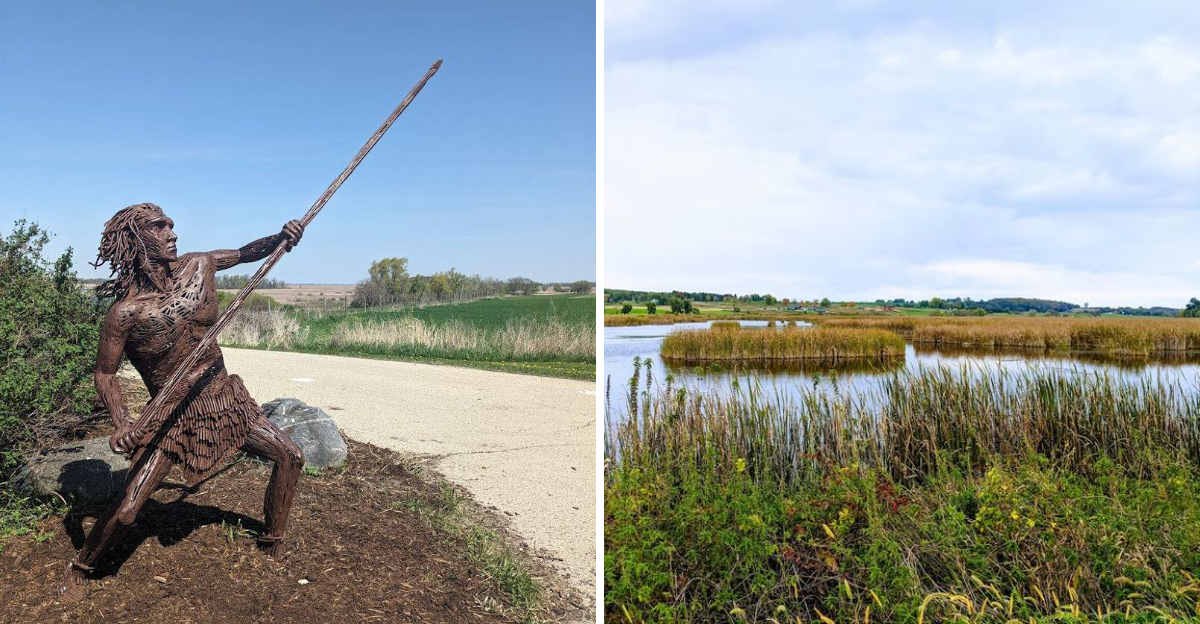
A walk through one of Wisconsin’s most fascinating wetlands can feel surprisingly easy, and that is part of the charm. This accessible preserve invites visitors to follow flat, well-kept paths through wetland, prairie, and woodland habitats without needing a tough hike or a full afternoon.
Elevated boardwalks bring the marsh close, giving birdwatchers, families, and curious wanderers a better chance to spot wildlife from a comfortable distance. The route feels calm, open, and full of little surprises, especially when the reeds rustle or birds sweep across the sky.
For anyone who loves nature but prefers an easygoing adventure, this place makes a simple walk feel wonderfully rewarding and memorable.
The State Wildlife Area Covers The Southern Third Of Horicon Marsh
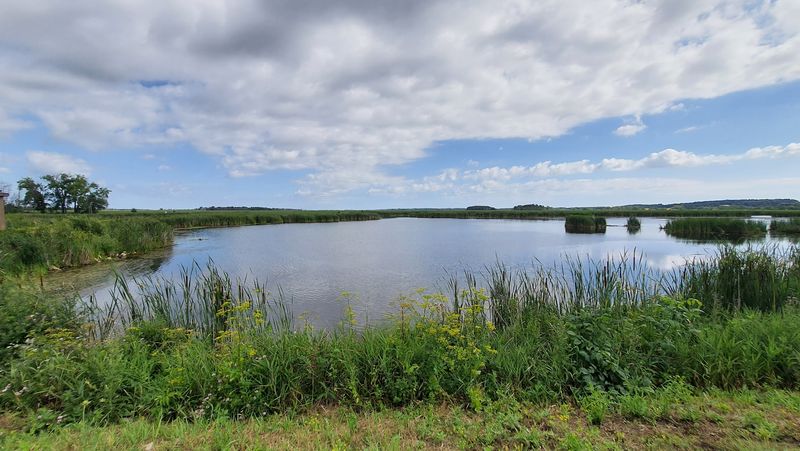
Horicon Marsh State Wildlife Area occupies the southern portion of the larger marsh system, managing roughly 11,000 acres dedicated to wildlife conservation and public recreation. The northern section falls under federal management as the Horicon National Wildlife Refuge, but the state wildlife area provides equally impressive access and opportunities.
Visitors will find the main entrance and education center along Highway 28, where parking areas and trailheads welcome guests daily from 7 AM to 8:30 PM. The state section focuses on maintaining diverse habitats through careful management practices that benefit nesting birds, migrating waterfowl, and resident mammals.
Rangers and volunteers work year-round to keep trails clear, monitor wildlife populations, and offer programs that help people understand the marsh’s importance. The division between state and federal land remains invisible to most visitors, who simply enjoy uninterrupted access to thousands of acres of protected wetland.
It Is Part Of One Of America’s Largest Freshwater Marshes
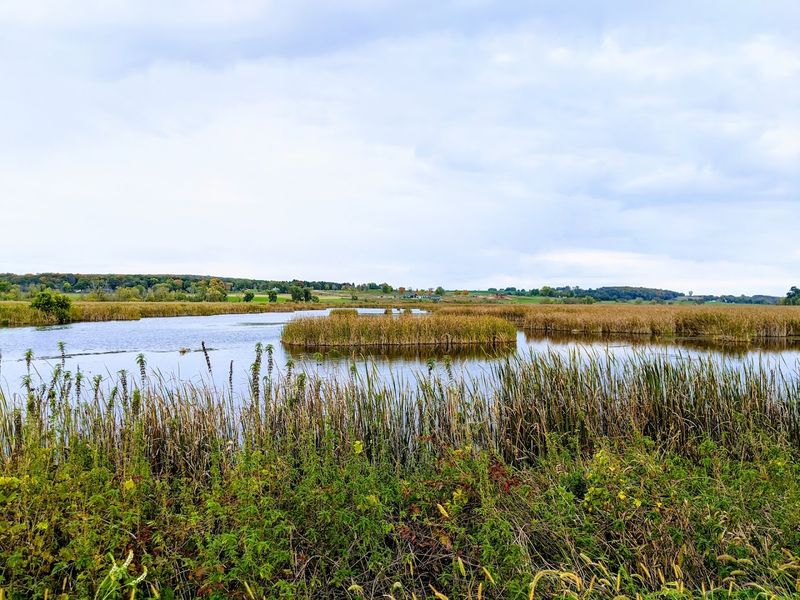
Horicon Marsh ranks among the largest freshwater cattail marshes in the entire United States, spanning more than 32,000 acres across Dodge and Fond du Lac counties. The sheer scale becomes apparent from the first moment visitors arrive at the wildlife area.
Cattails stretch in every direction, interrupted only by open water channels and patches of floating vegetation. The marsh formed thousands of years ago when glaciers retreated and left behind a shallow basin that gradually filled with water and plant life.
Today, this ecosystem supports an astonishing variety of species and plays a vital role in filtering water and providing habitat. Standing at the edge of the marsh, you can see how the landscape seems to pulse with activity, from rippling grasses to distant splashes.
The size alone makes Horicon Marsh a destination worth protecting and visiting repeatedly throughout the year.
The Trails Are Easy, Flat, And Beginner-Friendly
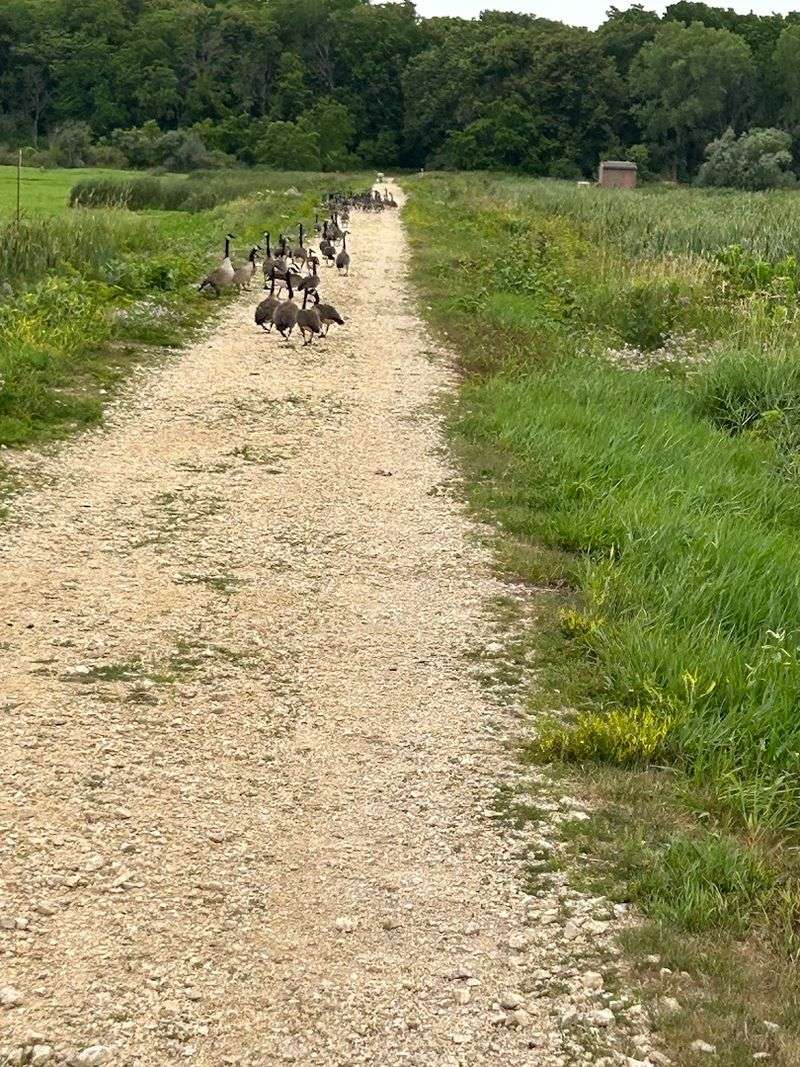
Every trail within the state wildlife area was designed with accessibility in mind, featuring level terrain and well-maintained surfaces that accommodate strollers, wheelchairs, and visitors who prefer gentle walks. No steep hills or challenging obstacles interrupt the paths, making this an ideal destination for families with young children or anyone new to outdoor exploration.
The gravel and boardwalk sections remain in excellent condition throughout most of the year, though spring thaw can create occasional muddy spots near trail edges. Most visitors complete their chosen routes without breaking a sweat, focusing instead on the scenery and wildlife rather than physical exertion.
Benches appear at regular intervals, offering spots to rest and observe without rushing. The flat landscape also means clear sightlines across the marsh, allowing people to spot birds and other animals from considerable distances.
This combination of easy terrain and rich wildlife viewing makes Horicon Marsh approachable for every fitness level and age group.
Five Miles Of Trails Wind Through Wetland, Prairie, And Woodland Habitat
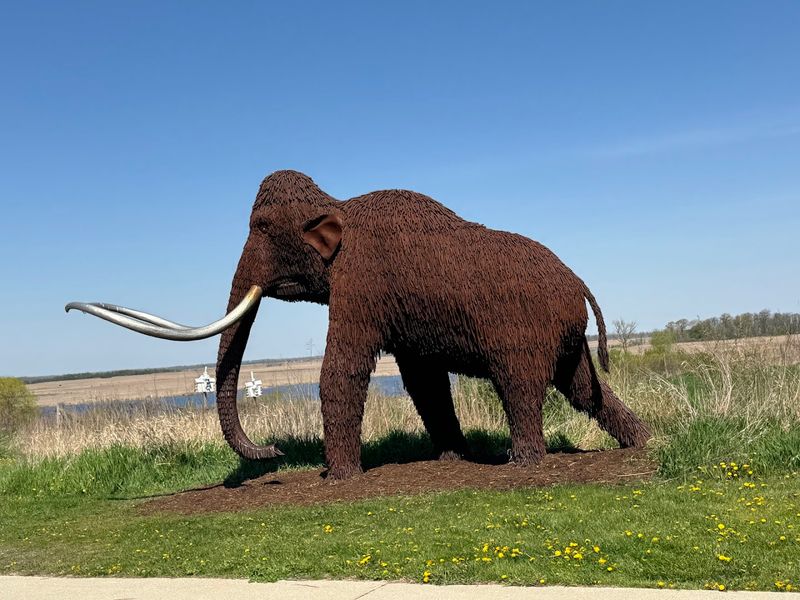
The trail system totals approximately five miles of interconnected paths that guide visitors through three distinct habitat types, each supporting different communities of plants and animals. Wetland sections dominate the experience, with boardwalks extending over open water and dense cattail stands where marsh wrens chatter and herons wade.
Prairie restoration areas showcase native grasses and wildflowers that bloom in waves from spring through fall, attracting butterflies and grassland birds. Woodland pockets provide shaded corridors where songbirds nest and deer occasionally browse near the trail edges.
This variety means every walk feels different depending on which route you choose and which season you visit. The trails connect in loops of varying lengths, allowing people to customize their distance based on available time and energy.
Interpretive signs along the routes explain the ecological importance of each habitat type and point out features to watch for during your visit.
The Boardwalk Brings Visitors Right Into The Marsh
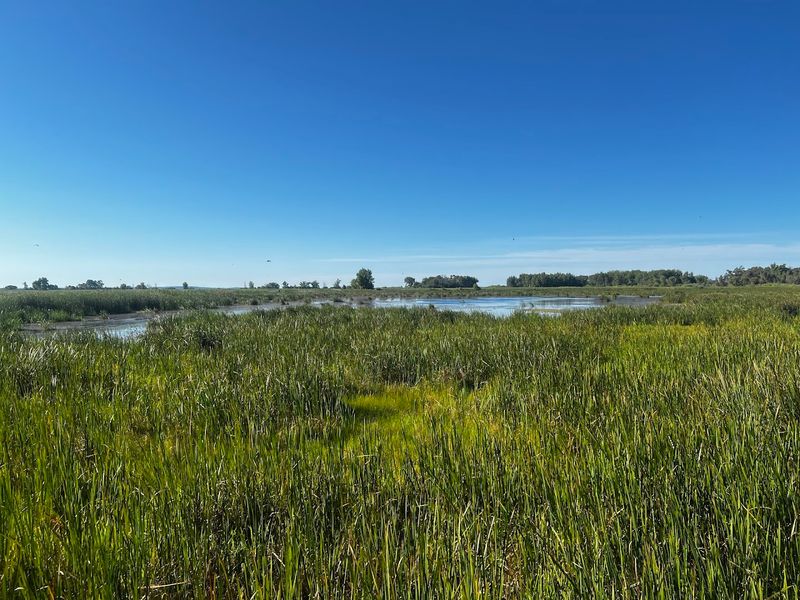
An elevated boardwalk serves as the highlight of many visits, carrying people directly over the water and into the heart of the cattail marsh where few other trails dare to venture. The wooden planks sit just a few feet above the water surface, creating an immersive experience that feels both safe and adventurous.
From this vantage point, visitors can peer into the shallow channels where fish dart and turtles surface for air. The cattails rise on both sides, their seed heads swaying and rustling in the breeze while red-winged blackbirds cling to the stalks.
During spring and summer, the boardwalk becomes a front-row seat to nesting activity, with ducks and grebes tending their young in nearby vegetation. The structure remains sturdy and well-maintained, with railings providing security for children and adults alike.
Walking the boardwalk feels like entering a different world, one normally reserved for kayakers and wildlife.
Wildlife Viewing Is One Of The Biggest Reasons To Visit
Horicon Marsh State Wildlife Area attracts nature enthusiasts specifically for the opportunity to observe animals in their natural habitat, and the preserve rarely disappoints. Mammals including muskrats, beavers, white-tailed deer, and red foxes inhabit the area, though they often remain more elusive than the abundant bird populations.
Amphibians and reptiles thrive in the wetland environment, with frogs calling from the water and turtles basking on logs throughout the warmer months. The diversity of species reflects the health of the ecosystem and the effectiveness of conservation efforts that protect these habitats.
Visitors who move slowly and quietly along the trails increase their chances of encountering wildlife, while those who rush through might miss the subtle movements that reveal hidden animals. Binoculars enhance the experience significantly, allowing detailed observation from distances that keep wildlife undisturbed.
The combination of accessible trails and abundant wildlife creates conditions perfect for photography, sketching, or simply watching the natural world unfold at its own pace.
Birdwatching Can Be Excellent During Spring And Fall Migration
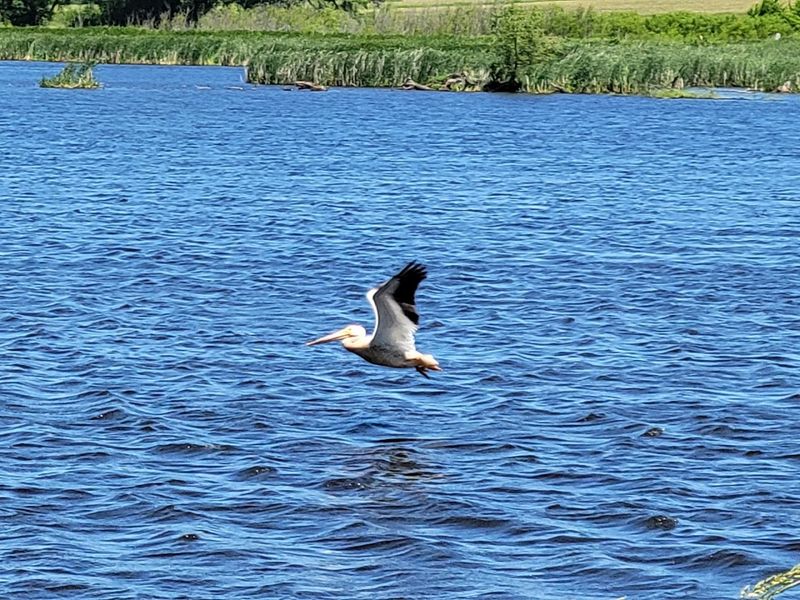
Spring and fall migration periods transform Horicon Marsh into one of Wisconsin’s premier birdwatching destinations, with hundreds of thousands of birds passing through the area annually. Waterfowl dominate these seasonal movements, particularly in autumn when Canada geese arrive in staggering numbers that can darken the sky.
Ducks of many species stop to rest and feed, including mallards, teal, pintails, and wigeons that spread across the open water. Shorebirds probe the mudflats during migration, while warblers and other songbirds move through the woodland edges in colorful waves.
Experienced birders often compile impressive species lists during single visits in peak migration weeks, sometimes recording more than fifty different birds in one morning. The marsh’s location along major flyways makes it a critical stopover point where birds refuel before continuing their journeys.
Even casual observers will notice the increased activity and diversity during these periods, making spring and fall ideal times to visit for anyone interested in avian life.
Canada Geese, Wood Ducks, Marsh Wrens, And Turtles Are Common Sights
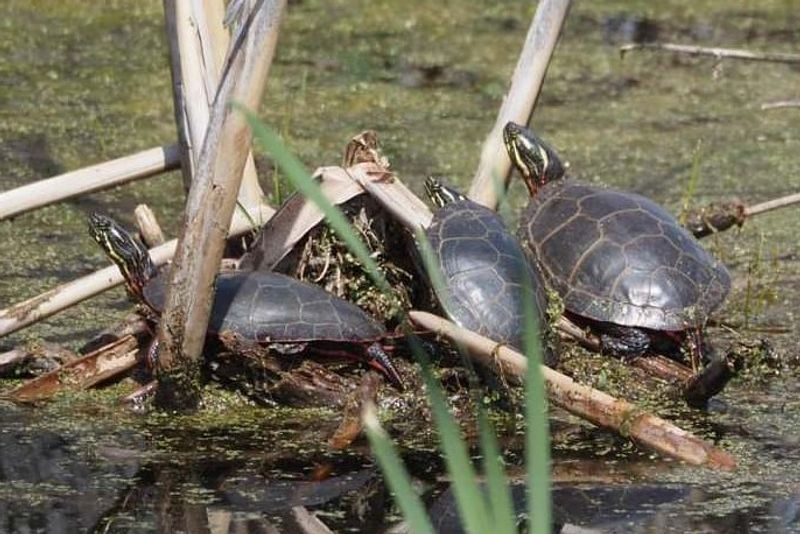
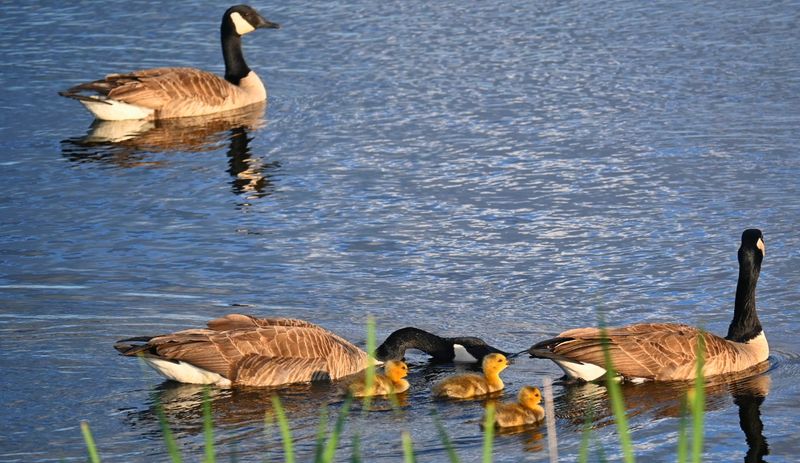
Certain species appear so regularly at Horicon Marsh that visitors can expect to encounter them during almost any visit to the wildlife area. Canada geese remain the most visible and vocal residents, often gathering in large flocks that graze on grasses or paddle across the open water in long, noisy lines.
Wood ducks nest in the woodland areas and can be spotted along quieter channels, the males displaying their spectacular breeding plumage during spring months. Marsh wrens fill the cattails with their distinctive rattling songs, often revealing themselves when they pop up on swaying stalks to scold passersby.
Painted turtles bask on every available log and rock when the sun appears, sometimes stacking themselves in comical towers as they compete for the best spots. These common species provide reliable wildlife encounters that satisfy both first-time visitors and regular guests.
Their presence indicates healthy populations and good habitat conditions throughout the preserve.
The Observation Areas Make The Marsh Feel Huge
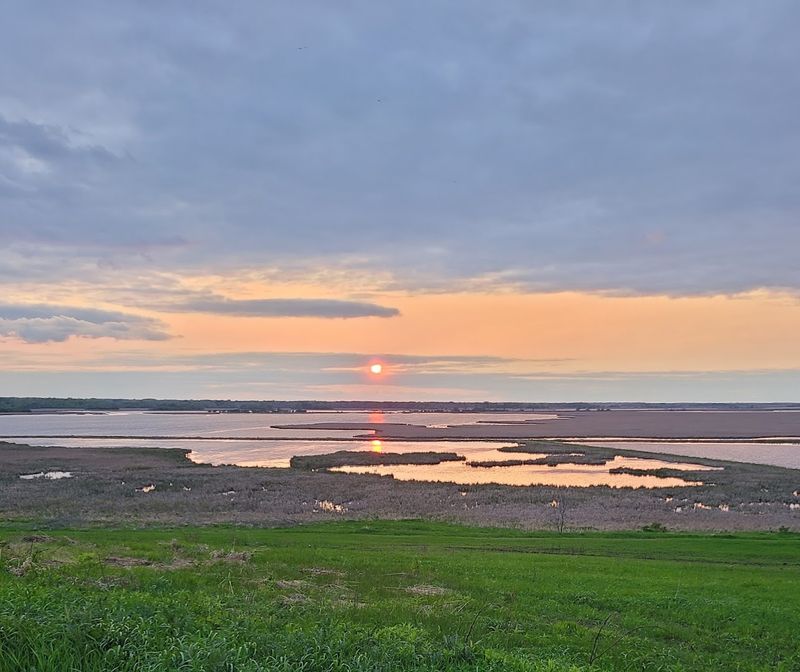
Several observation platforms and viewing areas positioned throughout the wildlife area provide elevated perspectives that reveal the true scale of Horicon Marsh. These structures lift visitors above the cattails and grasses, opening up panoramic views that stretch for miles across the wetland landscape.
From these vantage points, the marsh appears endless, with water and vegetation blending into the horizon under the wide Wisconsin sky. The platforms make excellent spots for photography, especially during sunrise and sunset when the light transforms the landscape into layers of gold and shadow.
Interpretive displays at some observation areas help visitors identify distant landmarks and understand the geography of the marsh system. Benches allow people to settle in for extended observation sessions, watching as birds cross the sky or weather patterns move across the open expanse.
The sense of space and wildness becomes most apparent from these elevated spots, where the marsh reveals itself as a vast, living ecosystem rather than just a trail destination.
Quick’s Point Loop Adds A Longer Walk Through Changing Habitat
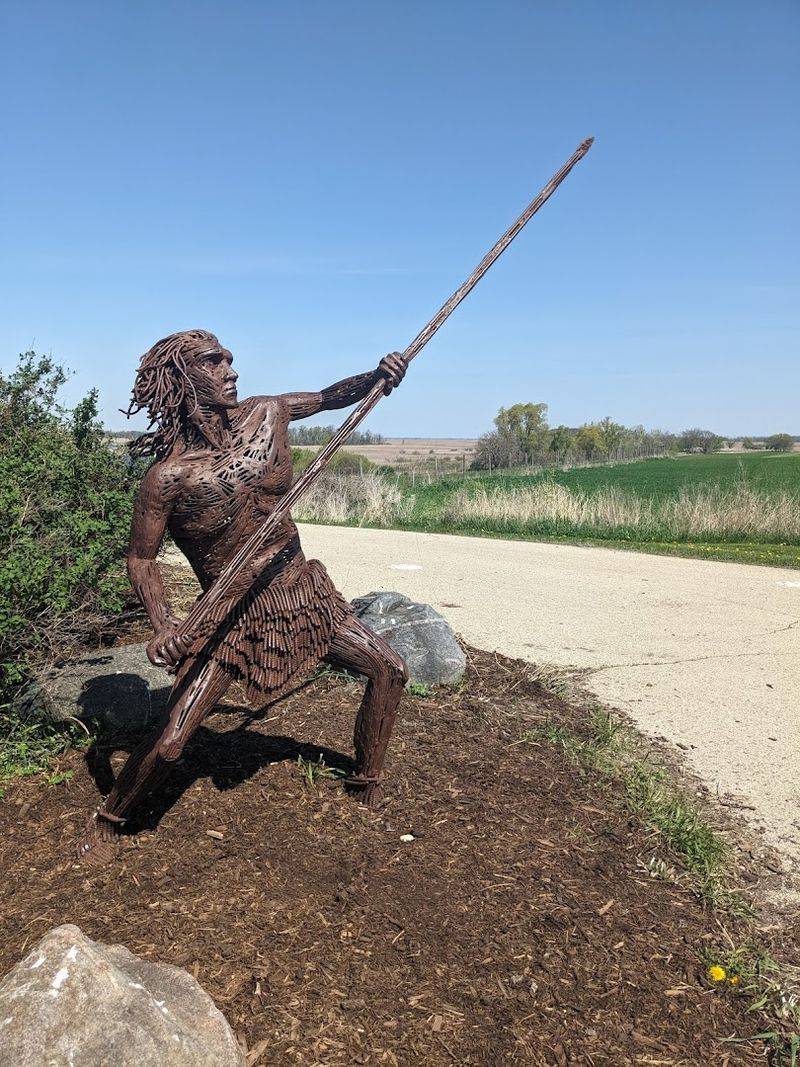
Quick’s Point Loop offers visitors seeking a more extended walk the opportunity to experience habitat transitions and explore a slightly longer route through the wildlife area. This trail winds through wetland edges, prairie openings, and woodland patches, providing the most diverse walking experience available at the state wildlife area.
The loop measures approximately two miles, taking most visitors between one and two hours depending on their pace and how often they stop to observe wildlife. The changing scenery keeps the walk interesting throughout, with each habitat type supporting different bird species and plant communities.
Interpretive information along the route explains the management practices that maintain these diverse habitats and the species that depend on them. The trail remains flat and accessible despite its greater length, never demanding more than casual fitness levels.
Families with older children often choose this loop for its combination of distance and variety, while dedicated birdwatchers appreciate the multiple habitat types that attract different species throughout the day.