
The Quiet Wisconsin Town Where Affordable Rent And Small-Town Calm Still Exist
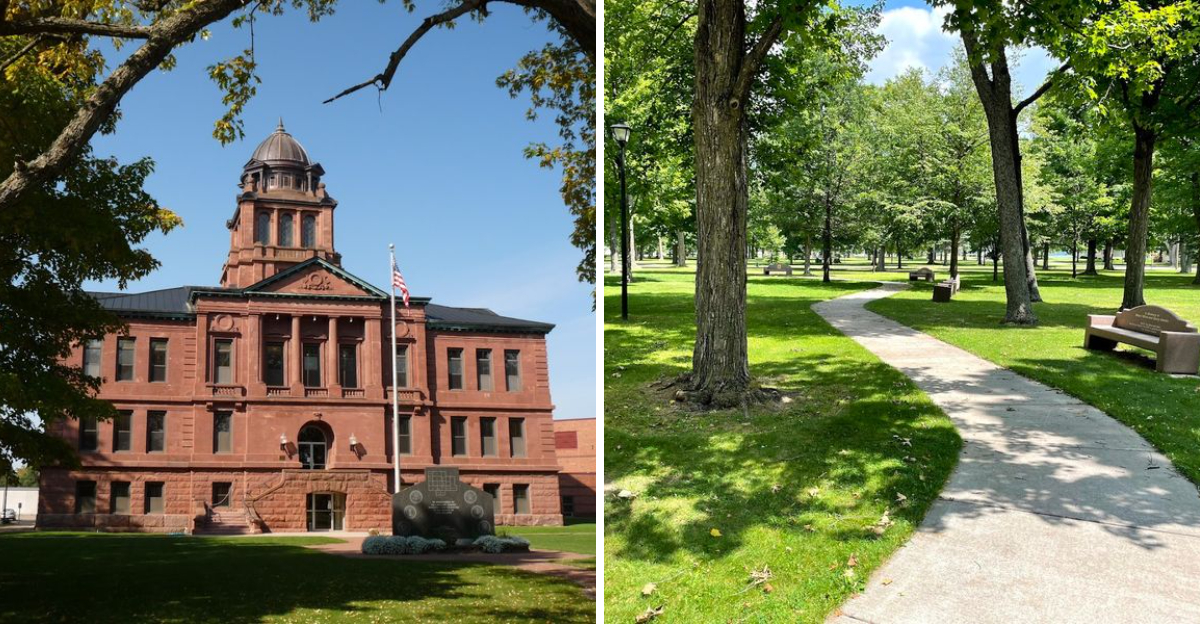
Northern Wisconsin still has places where life feels calm, practical, and refreshingly manageable. Instead of sky-high rent, packed streets, and the constant rush of bigger cities, this quiet community offers a slower daily rhythm with room to breathe.
It has the essentials people need, but without the noise that can make everyday life feel exhausting. Mornings feel easier.
Errands feel simpler. Neighbours still notice one another.
For anyone dreaming of a more affordable place to live without feeling completely cut off, this town makes a strong case. It is not flashy, and that is part of the appeal.
Sometimes, the best kind of comfort comes from a place that simply lets life feel a little lighter.
Antigo Keeps The Pace Refreshingly Slow
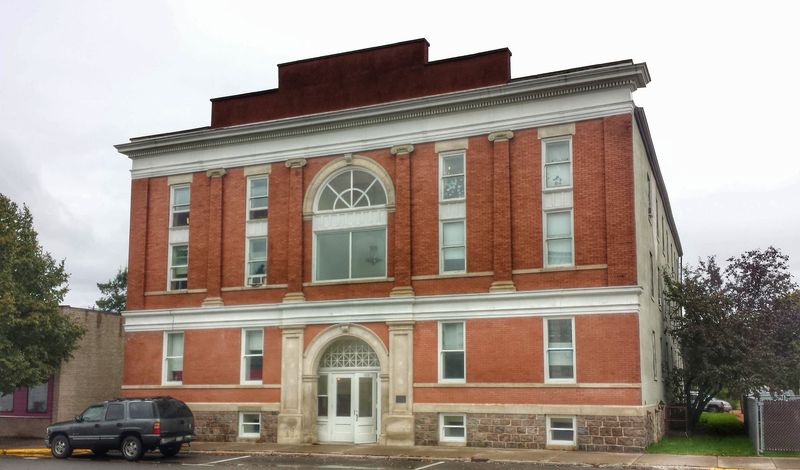
Life in Antigo unfolds without the constant urgency that defines larger cities. Residents move through their days with a deliberateness that feels almost antiquated in modern America.
The streets rarely experience traffic jams, and the local grocery store checkout lines move at a speed that allows for actual conversation.
This measured tempo extends beyond mere convenience into something more fundamental about how people interact. Neighbors still wave from porches, and the pharmacist remembers your name after a single visit.
Business transactions happen with unhurried courtesy rather than efficiency-obsessed speed.
The town’s location at 45.140245, -89.155335 in Langlade County contributes to this atmosphere, positioned far enough from major metropolitan areas to maintain its distinct character. People who relocate here from faster-paced environments often report needing several weeks to adjust to the absence of constant stimulation.
That adjustment period typically ends with genuine appreciation for a lifestyle where rushing feels optional rather than mandatory.
Rent Prices Still Feel More Manageable Here
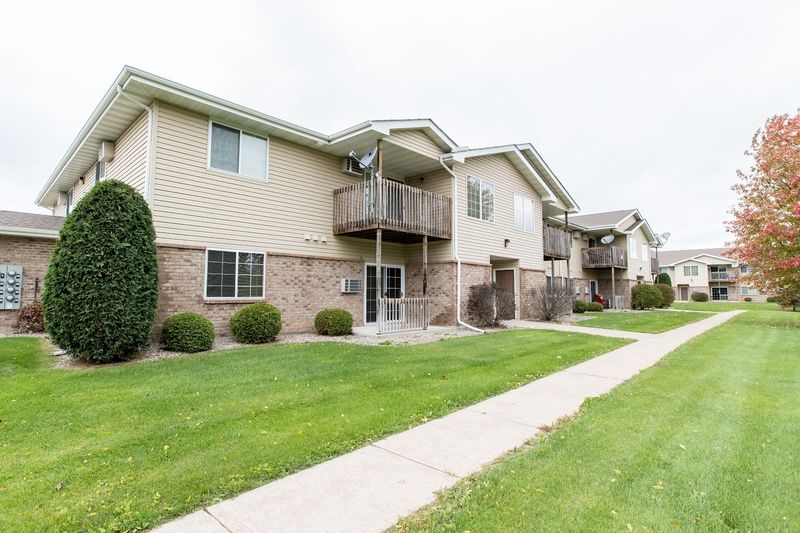
Housing costs in Antigo remain substantially lower than state and national averages, making it possible for single-income households to afford decent accommodations. A two-bedroom apartment that would command premium prices in Madison or Milwaukee rents here for a fraction of that amount.
This affordability extends beyond apartments to single-family homes, many of which come with yards and garages.
The rental market moves slowly enough that prospective tenants can actually take time to consider options rather than competing in bidding wars. Landlords in Antigo tend toward local ownership rather than corporate management companies, which often translates to more flexible lease terms and personal accountability.
Maintenance requests typically receive prompt attention because property owners live in the same community.
Young professionals and retirees alike find this pricing structure particularly appealing when calculating monthly budgets. The money saved on housing can be redirected toward other priorities, whether that means building savings or simply enjoying a less financially stressful existence.
Downtown Has That Easy Small-Town Feel
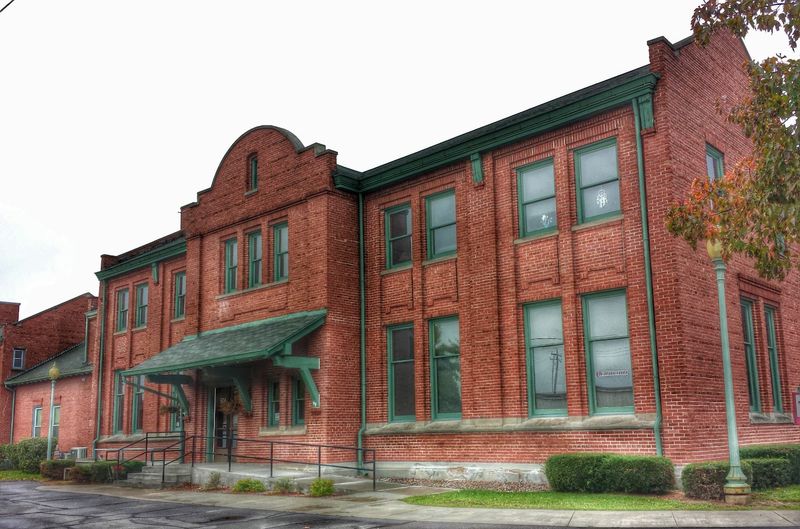
The downtown district stretches along several blocks where local businesses occupy buildings that have served the community for decades. Hardware stores, family restaurants, and service providers line streets that accommodate both vehicle and foot traffic without feeling congested.
Parking remains free and abundant, eliminating the urban frustration of circling blocks in search of an open space.
Shop owners maintain regular hours but close on Sundays without apology, reflecting a business culture that prioritizes sustainability over maximum profit extraction. The storefronts display hand-painted signs rather than corporate branding, and window displays change with genuine seasonal relevance rather than manufactured marketing campaigns.
Coffee shops offer actual mugs instead of disposable cups for customers who choose to sit awhile.
This downtown serves practical needs rather than tourist entertainment, which gives it an authentic functionality often missing in revitalized historic districts elsewhere. People come here to accomplish errands, not to photograph quaint aesthetics for social media, though the aesthetics exist regardless.
Outdoor Space Is Never Far Away
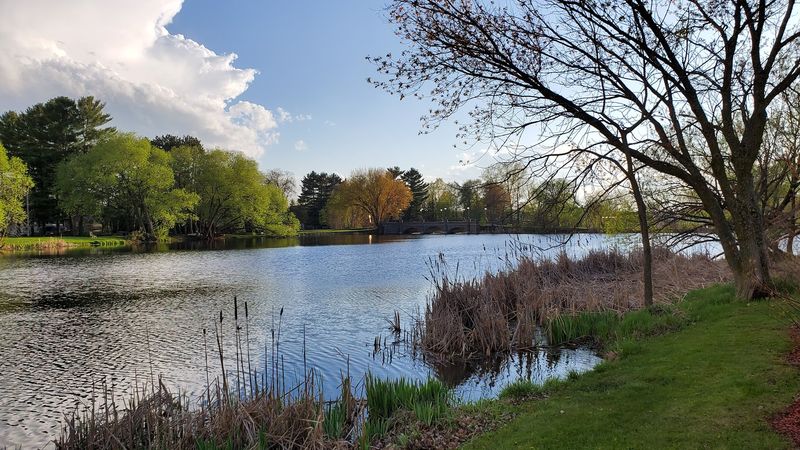
Antigo’s position in northern Wisconsin places it within easy reach of extensive forest land, lakes, and parks that require no entrance fees or advance reservations. The Nicolet National Forest lies close enough for spontaneous afternoon visits, offering trails that range from casual walks to serious hiking.
Local parks provide fishing access, picnic areas, and open fields without the crowds that plague recreational areas near population centers.
Residents can incorporate outdoor activity into regular routines rather than treating nature as a weekend destination requiring significant planning. A morning walk through wooded areas becomes feasible before work, and evening fishing trips happen on impulse rather than as carefully scheduled events.
The abundance of accessible green space contributes measurably to quality of life.
Winter transforms these same areas into snowmobiling routes and cross-country skiing terrain, extending outdoor recreation across all seasons. The proximity to natural environments means children grow up with regular exposure to woods, water, and wildlife rather than experiencing nature as an occasional novelty.
The Community Still Feels Personal
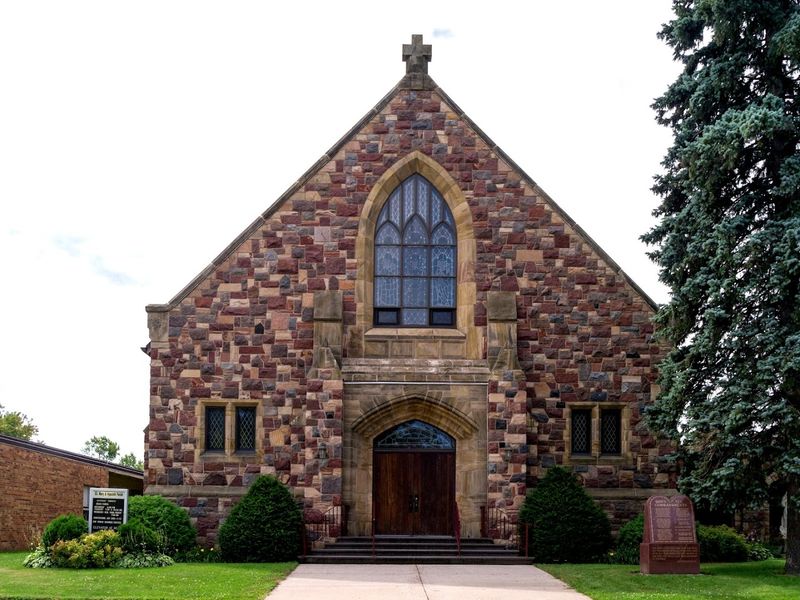
Social connections in Antigo form through repeated casual encounters rather than organized networking events. The same faces appear at the post office, library, and local diner with enough frequency that recognition becomes inevitable.
This familiarity breeds a sense of accountability that discourages the anonymity-enabled rudeness common in larger populations.
Community organizations operate with volunteer labor and modest budgets, focusing on practical goals rather than ambitious mission statements. The high school football games draw genuine cross-generational attendance, and local fundraisers for families facing medical hardships receive tangible support.
People know their city council members personally and can voice concerns directly rather than through bureaucratic channels.
This interconnectedness has both advantages and limitations, as privacy becomes somewhat negotiable when everyone recognizes your vehicle. Yet most residents consider the trade-off worthwhile, valuing the safety net of community knowledge over the isolation of urban anonymity.
When someone needs help moving furniture or jumpstarting a car, assistance arrives without formal requests.
Daily Life Comes With Less Noise
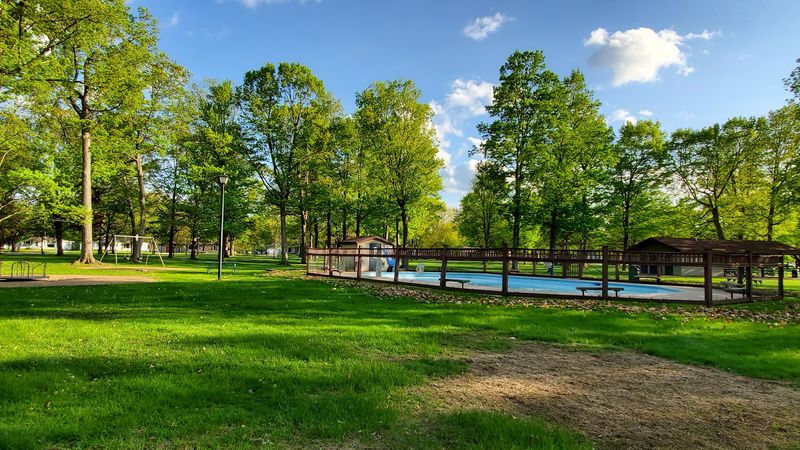
The ambient sound level in Antigo registers noticeably lower than urban environments, allowing residents to hear birds, wind, and weather rather than constant traffic and mechanical hum. Nighttime brings actual darkness and quiet, conditions increasingly rare in developed areas.
Sirens remain infrequent enough to cause genuine curiosity about their destination rather than becoming background noise.
This reduced sensory input affects daily experience in ways that become apparent only after extended residence. Conversations happen at normal volume without competing against environmental cacophony, and sleep occurs without white noise machines or earplugs.
The absence of constant stimulation allows for mental rest that many people forgot was possible.
Even commercial areas maintain relative tranquility, as businesses lack the sonic aggression of urban retail environments with their competing audio advertisements and constant announcements. The local grocery store plays music at genuinely background levels, and restaurants allow for actual conversation.
This auditory calm contributes significantly to the town’s overall atmosphere of measured living.
Local Shops Keep Things Practical And Familiar
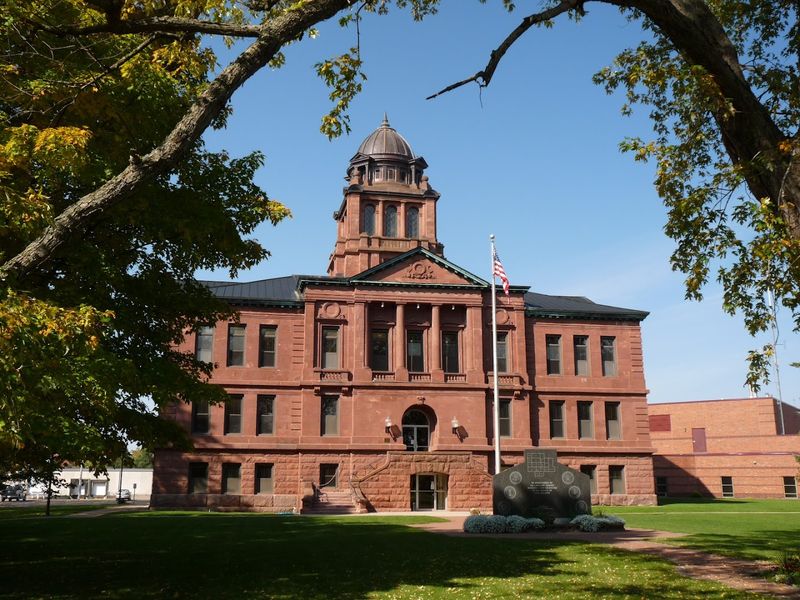
Retail establishments in Antigo prioritize utility over trendiness, stocking products that residents actually need rather than items designed to capture impulse purchases. The hardware store carries genuine tools and supplies organized by function, staffed by employees who understand the merchandise and can offer useful advice.
Grocery stores maintain consistent inventory rather than constantly rotating products to create artificial novelty.
These businesses operate on thin margins with long-term customer relationships rather than maximizing per-transaction profit. Prices reflect this approach, generally falling below chain store levels while providing superior product knowledge.
The owners recognize regular customers and remember previous purchases, sometimes offering relevant suggestions based on past projects.
This retail environment eliminates the exhausting oversaturation of choices that characterizes modern shopping experiences. When you need a specific item, the store either has it or can order it without upselling you on premium alternatives.
The shopping experience becomes genuinely transactional in the best sense, accomplishing its purpose efficiently without manufactured complexity.
Nature Gives The Town Extra Breathing Room
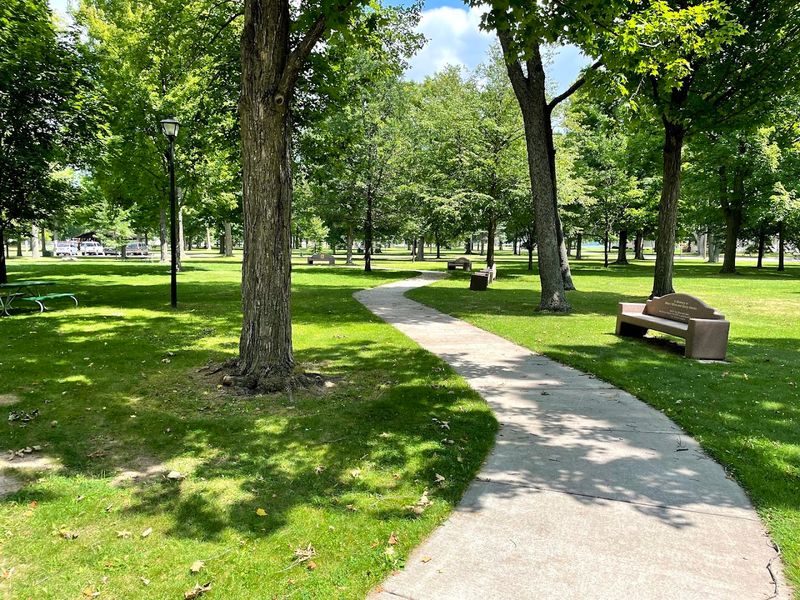
Undeveloped land surrounds Antigo in all directions, creating a buffer zone that prevents the claustrophobic feeling of continuous development. Driving any direction from town center quickly transitions into agricultural fields, forest, or wetlands that stretch for miles.
This geographic reality means that expansion happens slowly and residents maintain visual access to horizons rather than walls of buildings.
The presence of so much open space influences local attitudes and behaviors in subtle ways. Property owners can maintain larger lots without premium costs, and backyard gardens thrive without competing for limited sunlight.
Wildlife regularly appears in residential areas, reminding people that human habitation exists within broader ecosystems rather than replacing them entirely.
This relationship with surrounding landscape also affects recreational patterns, as outdoor activities integrate naturally into weekly routines rather than requiring special trips. The breathing room extends psychologically as well as physically, reducing the compression that comes from living in densely packed environments where personal space becomes a luxury commodity.
Antigo Works For Simple, Budget-Minded Living
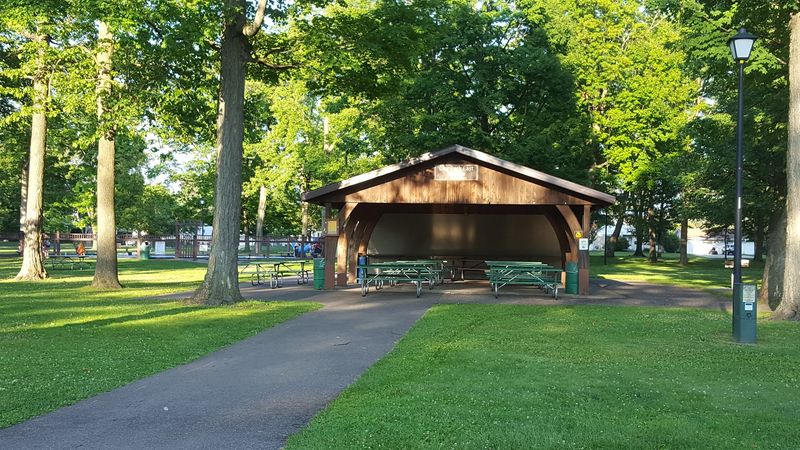
The overall cost of living in Antigo allows for financial stability on moderate incomes that would create constant stress in more expensive locations. Utilities, groceries, and services all cost less than metropolitan equivalents, while wages, though lower, maintain better purchasing power locally.
This economic reality makes it possible to live comfortably without requiring dual high-earning professionals in each household.
Residents can afford to save money, pay down debt, or work fewer hours without sacrificing basic quality of life. The pressure to constantly upgrade possessions or experiences exists at much lower intensity, as community standards reflect practical values rather than competitive consumption.
A reliable used vehicle and modest home satisfy social expectations without requiring luxury trim levels.
This affordability extends to raising children, as activities and education costs remain manageable for working-class families. The city website at antigo-city.org provides information about municipal services and resources.
People who relocate here from expensive areas often describe feeling like they can finally breathe financially, no longer trapped on the treadmill of earning more to afford rising costs.
This Wisconsin Town Feels Calm Without Feeling Empty
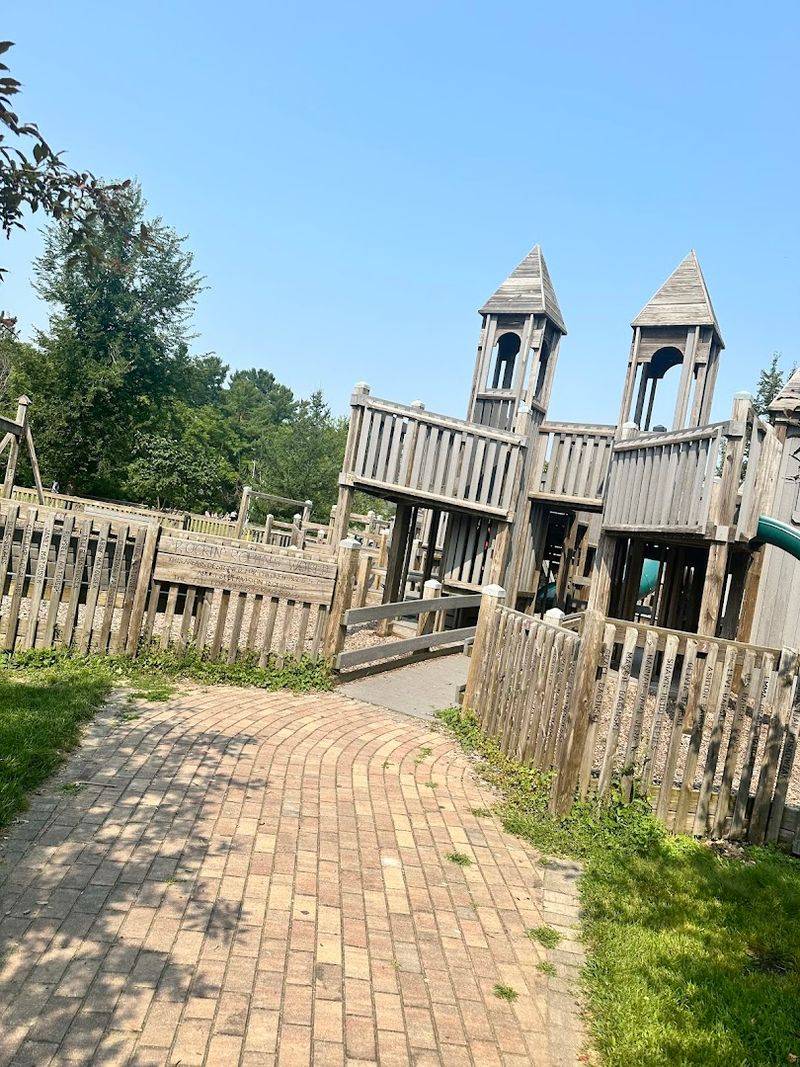
Antigo maintains sufficient population and activity to avoid the desolation that plagues truly dying rural towns, yet it never approaches the frenetic energy of growing cities. The balance creates an environment where essential services remain available and community events occur regularly, but without overwhelming schedules or constant demands on residents’ time and attention.
Schools, medical facilities, and municipal services function reliably without the bureaucratic complexity of larger systems.
The town’s population of 8,100 provides enough people to sustain local businesses and organizations while remaining small enough that individual contributions matter. Volunteer efforts make visible differences, and civic participation feels meaningful rather than symbolic.
Cultural activities happen at a scale that encourages attendance rather than creating pressure to keep up with endless options.
This equilibrium proves difficult to find in contemporary America, where communities tend toward either explosive growth or gradual decline. Antigo seems to have found a sustainable middle ground where life continues with steady purpose rather than dramatic transformation in either direction.