
This Unbelievable Wisconsin Spring Experience Feels Like Diving Into Another World Of Crystal Waters
Some places stay with you the way childhood summers do. Not because of anything dramatic that happened there.
Just because the water was cold and clear and the afternoon lasted longer than it had any right to. Wisconsin has a spring that does exactly that to people.
The water here is not the kind you see often. It comes up from the ground so clean and so clear that the first time you look down into it you assume something is wrong with your eyes.
Nothing is wrong. That is simply what water looks like when it has never had a reason to be anything other than perfect.
Tourists come expecting a nice swim. They leave with something harder to categorize.
A quiet that follows them home. A memory that surfaces on an ordinary Tuesday when nothing in particular triggered it.
The specific cold of that first dive, the light moving through the water, the feeling of being somewhere that exists slightly outside of normal time. Wisconsin keeps this one close to its chest.
It is worth every mile you drive to find it.
Springtime Wildlife Encounters In Forested Terrain
Spring mornings in Kettle Moraine State Forest bring wildlife out in full force. White-tailed deer move quietly through the tree lines.
Sandhill cranes call out across open meadows near the water.
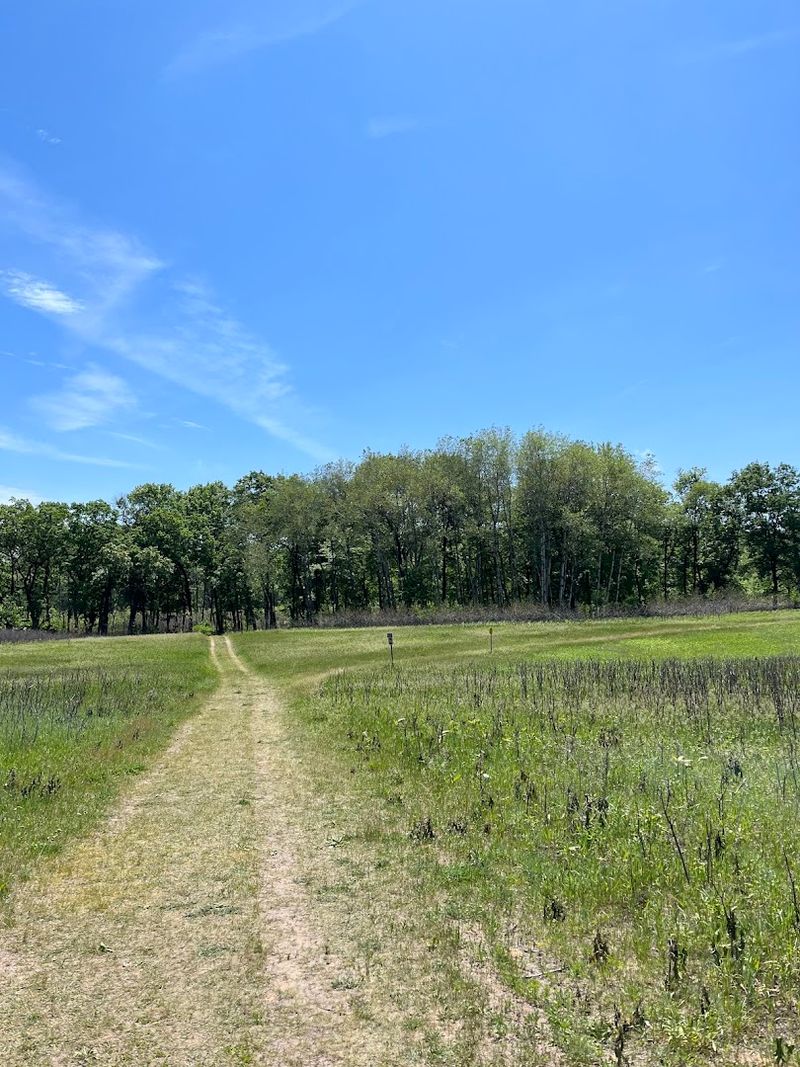
The forest terrain here is layered. You get rolling glacial hills, dense wooded corridors, and open grassland patches all within the same trail loop.
That variety pulls in a wide range of animals throughout the season.
Songbirds return fast once temperatures climb. Warblers, red-winged blackbirds, and woodpeckers fill the canopy with noise by mid-April.
Listening while walking a forested trail here feels like attending a free outdoor concert.
Wild turkeys are also commonly seen near the trailheads. They strut around like they own the place, and honestly, respect.
Foxes have been spotted near dawn along quieter paths, too.
Kettle lakes near the Northern Unit attract waterfowl like wood ducks and Canada geese. Watching them glide across still morning water is genuinely calming.
You do not need to be a birder to appreciate that view.
The best strategy is to arrive early. Wildlife activity peaks in the first two hours after sunrise.
Bring binoculars, wear muted colors, and move slowly. The forest rewards patience every time.
This spot is located in Kewaskum, Wisconsin.
Unique Geological Features Shaping The Landscape
Kettle Moraine State Forest sits on top of some of the most fascinating glacial geology in the entire Midwest. The landscape was carved by massive ice sheets thousands of years ago.
What got left behind is nothing short of wild.
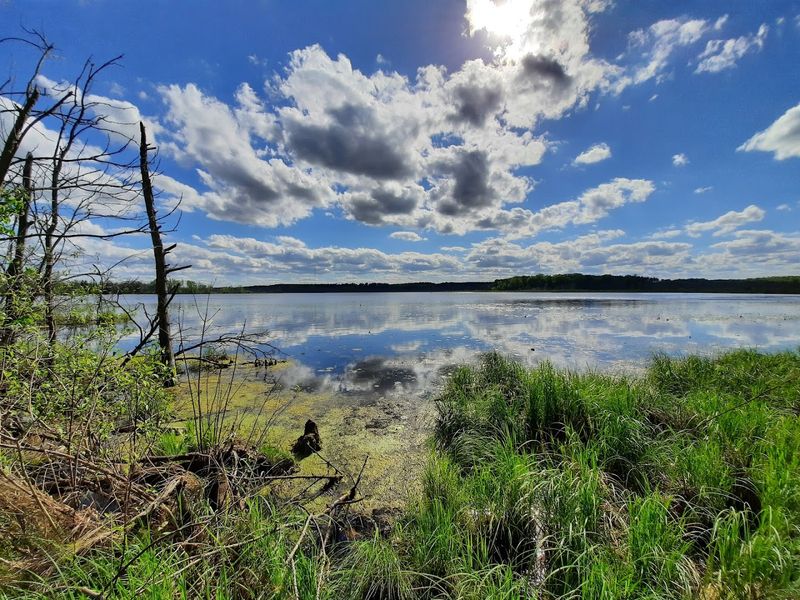
Kettle lakes are the star feature here. These bowl-shaped depressions formed when huge chunks of buried glacier ice melted away.
The result is a series of round, spring-fed lakes scattered across the terrain like nature dropped them randomly.
Moraines are another big deal. These long ridges of glacial debris run through the forest and create those rolling hills that make every trail feel dramatic.
Hiking up a moraine gives you a real sense of the land’s ancient history.
The Northern Unit near Kewaskum spans around 30,000 acres. That is a lot of glacial landscape to explore.
Eskers, drumlins, and kames are all present if you know what to look for.
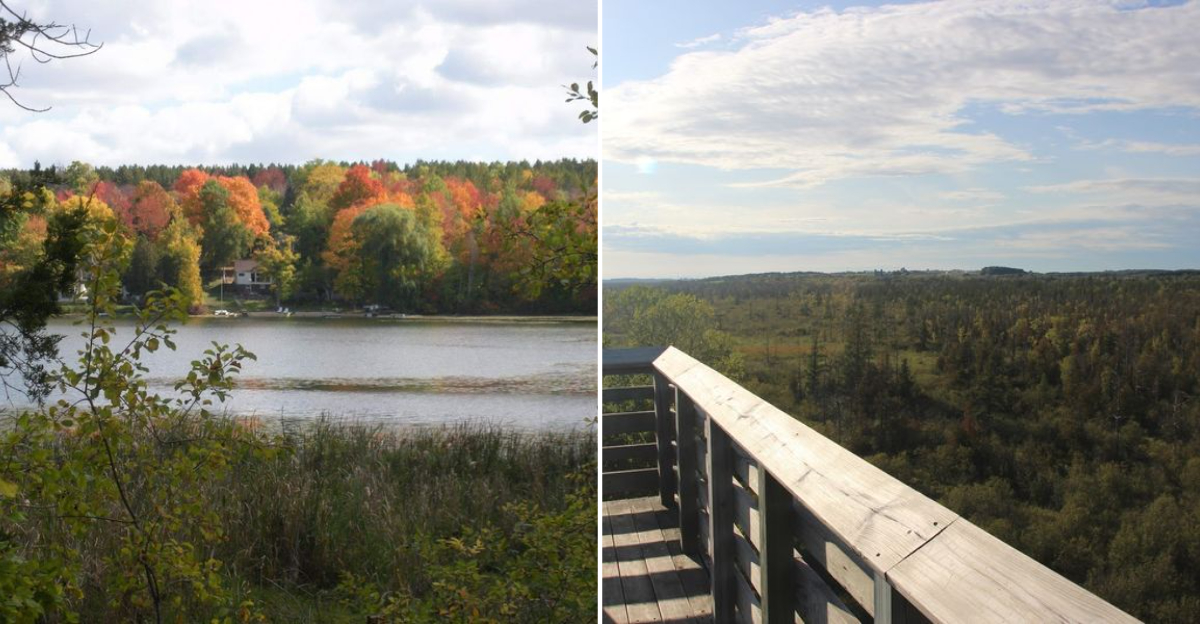
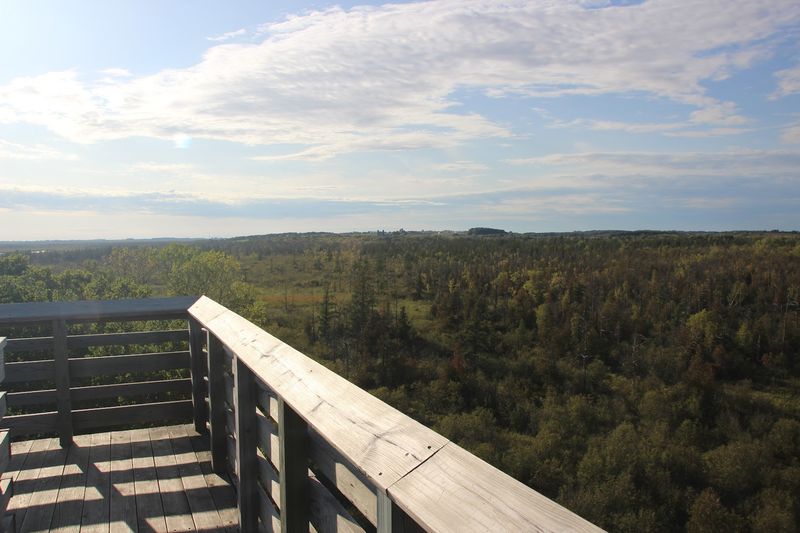
An observation tower in the Pike Lake Unit offers panoramic views of the whole glacial terrain. Standing at the top, you can actually see how the land rolls and dips in patterns shaped by ice.
It is one of the clearest ways to understand glacial geology without reading a textbook.
Geology here is not just academic. It is visible, walkable, and honestly pretty dramatic once you understand what shaped it all.
Flora Diversity During The Blooming Season
Spring blooming season in Kettle Moraine hits like a slow, colorful explosion. It starts subtly in late March with early hepatica and bloodroot pushing through the leaf litter.
Then things escalate quickly by May.
Trilliums are a big deal in this forest. Large white trilliums carpet the forest floor in certain areas, creating stretches of woodland that look genuinely unreal.
They bloom for only a few weeks, so timing your visit matters.
Wild blue phlox and marsh marigolds appear near wetter areas and stream edges. Spring ephemerals like these have a short window, which makes spotting them feel like a small victory.
You have to be paying attention.
The tamarack trees along the Tamarack Circle Trail are worth a mention. They are conifers that lose their needles in fall and flush bright green in spring.
Walking among them feels like entering a completely different forest zone.
Ferns unfurl aggressively across the forest floor starting in April. Ostrich ferns and lady ferns create thick green layers under the tree canopy.
The visual contrast between brown leaf litter and fresh green fern growth is striking.
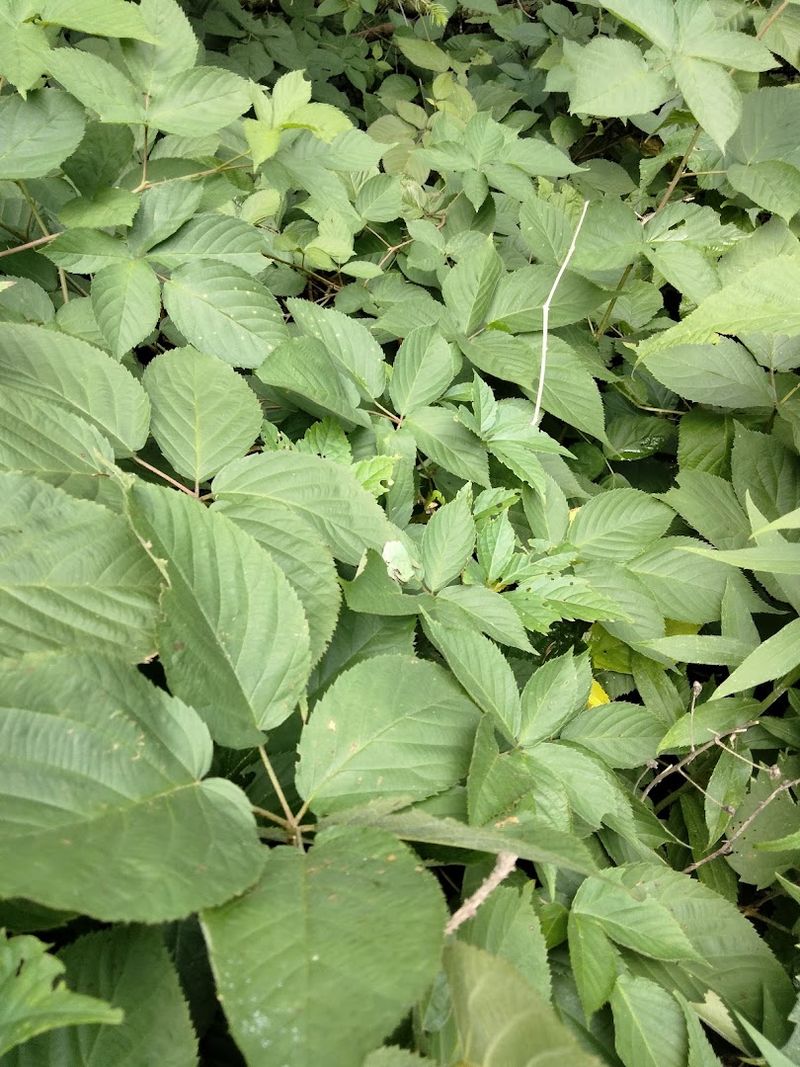
Wildberry plants, including raspberries and blackberries, are scattered throughout the forest. They bloom in late spring and fruit by summer.
The diversity of plant life here reflects just how healthy and well-preserved this ecosystem remains year-round.
Recreational Opportunities On Freshwater Trails
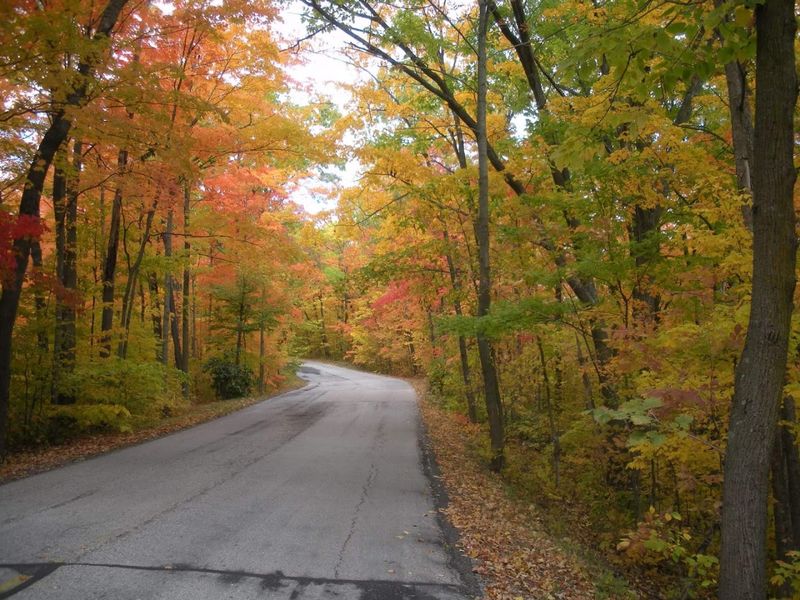
Pike Lake is the recreational centerpiece near Kewaskum. This 522-acre spring-fed kettle lake draws swimmers, kayakers, and canoeists every spring.
The water is clear enough that you can see the bottom in the shallows.
No gas-powered motors are allowed on several lakes in the Northern Unit, including Mauthe Lake and Long Lake. That rule keeps the water quiet and the experience peaceful.
Paddling on a calm, motor-free lake in spring is a completely different vibe than a busy motorboat lake.
Hiking trails wind around and between these freshwater bodies throughout the forest. Some trails follow the shoreline directly, giving you constant water views.
Others cut through dense forest before opening up to a lake edge unexpectedly.
The Ice Age Trail runs through the Northern Unit and is one of the best long-distance routes in Wisconsin. It follows the glacial moraine and passes near several spring-fed water features.
Sections near Kewaskum offer some of the most scenic stretches of the entire trail.
Swimming is popular at Pike Lake during the warmer spring days. The beach area gets busy on weekends but stays manageable on weekdays.
Families with kids consistently use this spot because the water entry is gradual and the lake bottom is sandy.
Horseback riding trails and mountain bike routes add even more options. This forest packs a serious amount of recreational variety into its 30,000 acres.
There is genuinely something here for every outdoor personality.
Conservation Efforts Preserving Natural Resources
Kettle Moraine State Forest does not stay this beautiful by accident. Active conservation work happens here constantly, managed largely by the Wisconsin Department of Natural Resources.
The effort shows in the water clarity and habitat health.
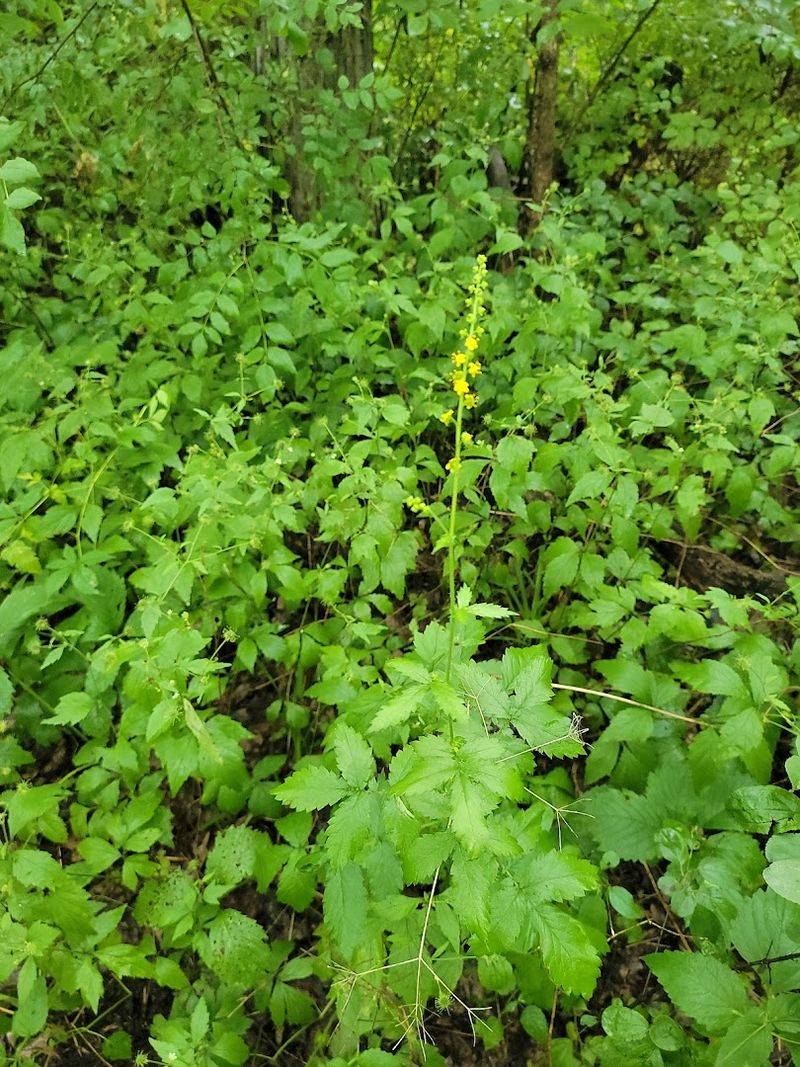
Invasive species management is a major focus. Garlic mustard, buckthorn, and other non-native plants threaten the native forest understory.
Crews and volunteers pull and treat these plants regularly throughout the spring season.
Native prairie restoration is another ongoing project. Open grassland areas within the forest are managed with controlled burns and native seed planting.
This work brings back plant communities that support pollinators and ground-nesting birds.
The motor restrictions on several lakes directly protect water quality. Less fuel contamination and shoreline erosion mean cleaner, clearer water over time.
Those restrictions are not just rules but active conservation tools that work.
The Milwaukee River spring southeast of Kewaskum is monitored for water quality. Spring-fed systems like this one are sensitive to land use changes nearby.
Protecting the surrounding buffer zones keeps the spring water cold, clean, and flowing.
Volunteer trail maintenance programs run through the spring and fall seasons. Trail stewards help prevent erosion and keep paths clear after winter damage.
Participating in one of these programs is a real way to give back to a forest that gives a lot. Conservation here is community-driven and genuinely effective.
Photography Tips For Capturing Crystal Water Scenes
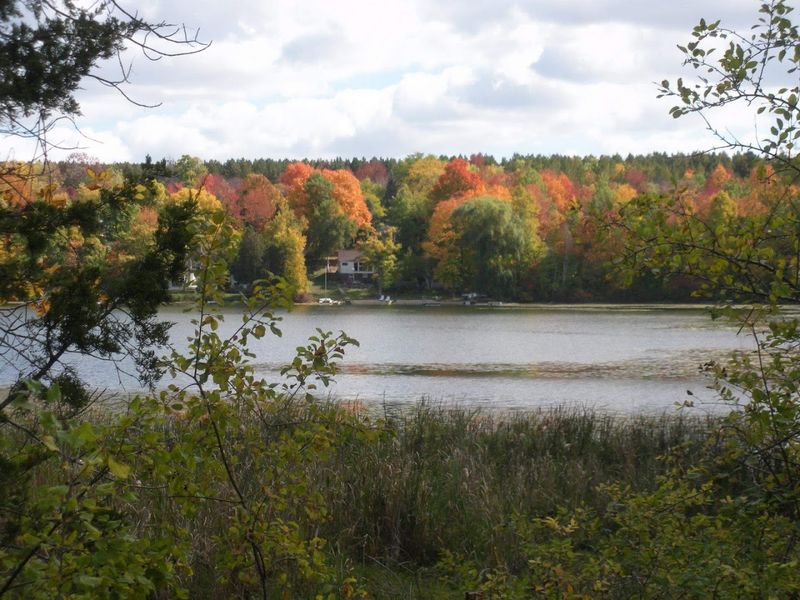
Crystal water photography at Kettle Moraine comes down to light and timing. Sunrise is the best window, full stop.
The low-angle light hits the lake surface and creates reflections that look almost too good to be real.
Pike Lake and Spring Lake both offer calm mornings with minimal wind early in the day. Still water equals perfect reflections.
Get there before 7 AM on a weekday, and you might have the shoreline entirely to yourself.
A polarizing filter is your best friend here. It cuts surface glare and lets the camera see through the water to the lake bottom.
The difference between a shot with and without one is dramatic, especially in spring light.
Shooting from a low angle near the waterline adds depth to foreground shots. Wet rocks, shoreline plants, and ripples in the foreground create layered compositions.
Do not just stand and shoot from eye level every time.
Spring foliage provides a green backdrop that pops against the blue-gray water tones. Early May is ideal because the leaves are fresh and bright without being too dense.
Late April works well for reflections with bare branches still visible.
The observation tower in the Pike Lake Unit gives an elevated perspective of the surrounding kettle terrain. Wide shots from the top during golden hour show the full glacial landscape beautifully.
Bring a wide-angle lens for those elevated views and a telephoto for shoreline wildlife shots.
Seasonal Changes Impacting Water Quality And Clarity
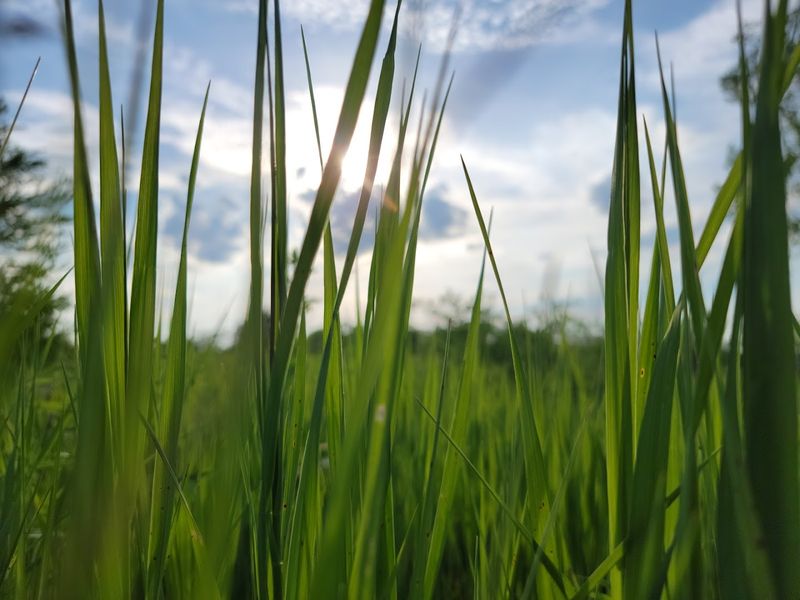
Spring is genuinely the best season for water clarity in Kettle Moraine. Winter ice melt flushes the lakes with cold, clean water.
The result is a visual clarity that makes the lake bottoms visible from the surface.
Spring-fed lakes like Pike Lake and Spring Lake maintain cold temperatures even as air temperatures rise. Cold water holds more oxygen and supports clearer conditions.
That is the science behind why spring water looks so impossibly blue and clear.
Algae growth is minimal in early spring because water temperatures are still low. By mid-summer, warmer water can trigger algae blooms that reduce clarity.
Visiting in May catches the sweet spot before that seasonal shift begins.
Snowmelt runoff can temporarily cloud lake edges in early April. Sediment from surrounding hillsides washes into shallow areas after heavy rain.
Waiting a few days after a big storm gives the water time to settle and clear back up.
The motor restrictions on several Northern Unit lakes play a direct role in maintaining clarity. Boat wake stirs up bottom sediment in shallow lakes.
Keeping motorized traffic off these water bodies protects visibility season after season.
Fall brings another clarity window after summer algae die back. But spring remains the top pick for crystal water conditions.
The combination of snowmelt, cold temperatures, and low biological activity creates ideal water visibility. Plan accordingly, and you will not be disappointed by what you see.
Guided Tours Highlighting Ecological Significance
Guided programming at Kettle Moraine State Forest is genuinely worth your time, especially if you want context for what you are seeing. The Wisconsin DNR runs educational programs through the forest’s visitor facilities.
These range from geology walks to bird identification sessions.
The Ice Age Visitor Center is a solid starting point. Exhibits explain the glacial history of the region in clear, visual terms.
Rangers there can point you toward specific trails based on what you want to experience most.
Spring naturalist programs focus on wildlife migration and wildflower identification. These short guided walks cover a lot of ground in one to two hours.
You will leave knowing things about the forest that you would never pick up on your own.
School groups and families use the guided programs heavily in spring. The educational content is accessible for kids but interesting enough for adults.
It is the kind of programming that makes you appreciate how much ecological complexity fits into one forest.
Some guided tours include shoreline walks near the spring-fed lakes. These specifically address how kettle lakes form, why the water stays clear, and what lives in and around them.
Connecting the geology to the water quality is a genuinely eye-opening experience.
Volunteer naturalists also lead occasional weekend programs through local nature organizations. Check the Wisconsin DNR events calendar before your visit.
Booking a guided experience adds a whole new layer to exploring Kettle Moraine State Forest near Kewaskum.