
This Nevada State Park Reveals Ice Age Fossils Hidden Beneath The Desert
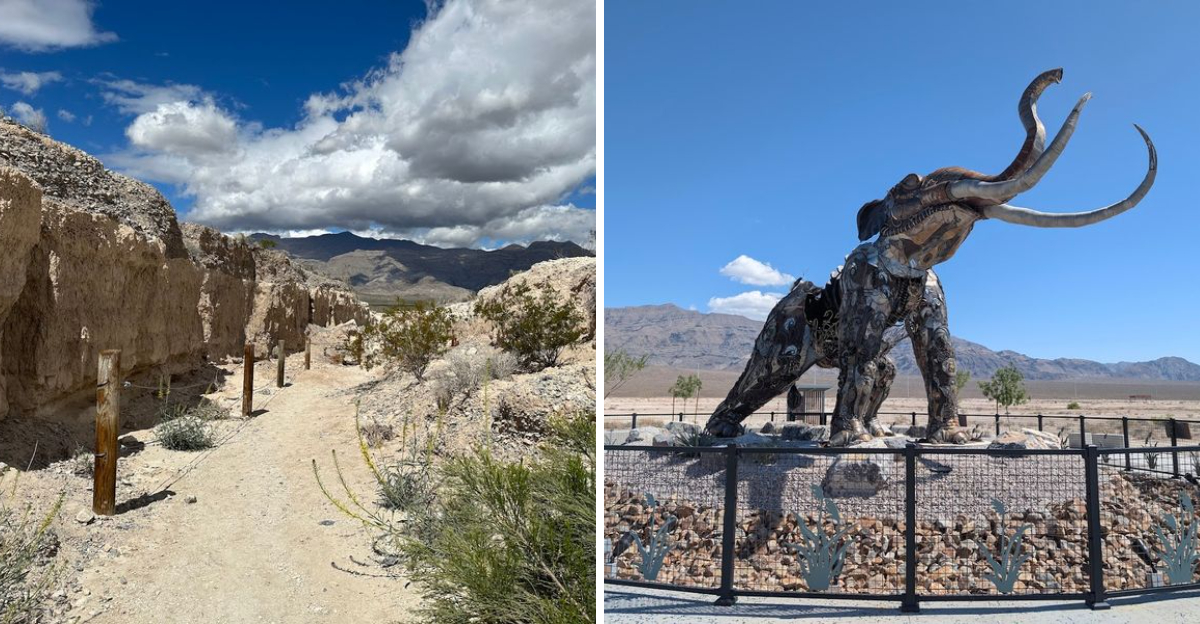
The desert has a secret, and this corner of Nevada is much older than the neon glow most people picture. Long before highways, casinos, or city lights, this dry landscape held wetlands where giant Ice Age animals moved through mud, water, and grass.
Mammoths, ancient horses, camels, and massive ground sloths once crossed the same ground visitors can walk today. Pretty wild, right?
Now the past feels surprisingly close. Trails lead past old excavation areas, fossil stories, and life-sized creatures that make the ancient West feel less like a textbook and more like a movie set.
It is strange, fascinating, and a little mind-bending to realize how much history can sit quietly beneath the desert sun.
The Park Sits In North Las Vegas
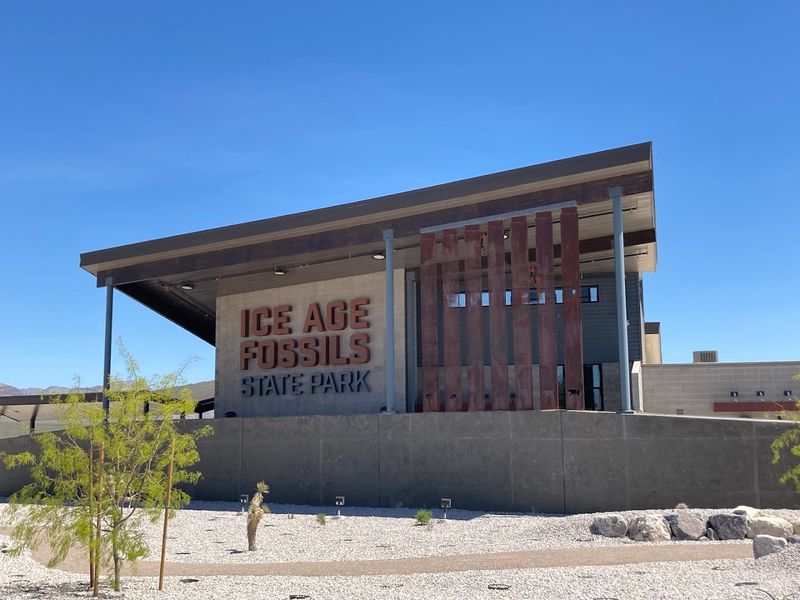
Located at 8660 N Decatur Boulevard, this state park occupies 315 acres of desert terrain just twenty minutes north of the Las Vegas Strip. The landscape appears deceptively ordinary at first glance, with creosote bushes and scattered gravel stretching toward distant mountain ranges.
Yet this unassuming ground holds one of the most significant Ice Age fossil deposits ever documented in the American Southwest.
The park opened to the public in 2024 after decades of paleontological research transformed scientific understanding of Ice Age Nevada. Visitors arriving from the city find ample parking near a modern visitor center that anchors the entire experience.
From here, three distinct trails radiate outward across flat terrain, each offering a different perspective on the ancient world preserved beneath the surface.
The setting contrasts sharply with typical fossil parks found in badlands or mountainous regions. Instead, this site demonstrates how extraordinary discoveries can emerge from landscapes that seem unremarkable at first inspection.
The Area Was Once A Wetland
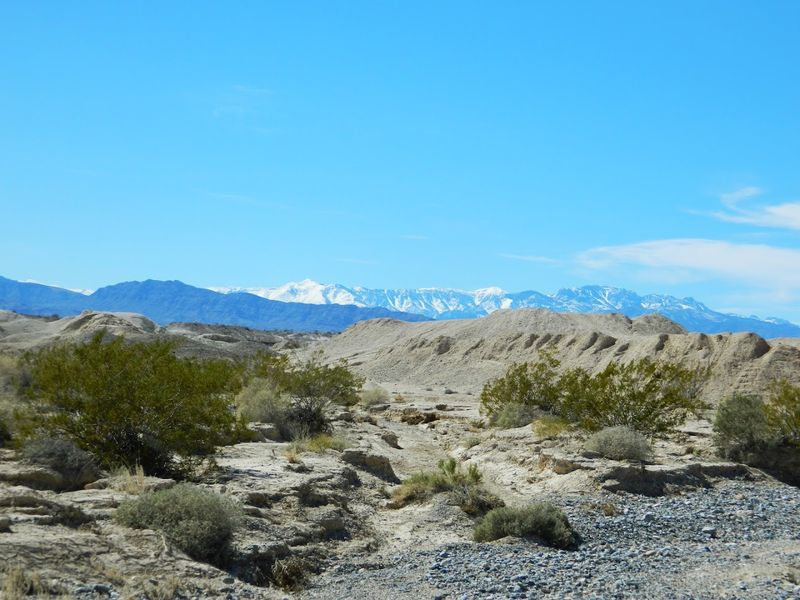
More than 100,000 years ago, the parched ground visitors walk today supported a thriving wetland ecosystem fed by natural springs and seasonal rainfall. Shallow pools dotted the landscape, surrounded by marsh grasses and vegetation that attracted herbivores from across the region.
The climate during this period oscillated between wetter and drier phases, creating conditions that concentrated animals around reliable water sources.
Geological evidence reveals multiple layers of sediment deposited over tens of thousands of years, each preserving snapshots of different environmental conditions. During wet periods, the springs flowed generously, expanding the wetland and drawing massive herds of Ice Age megafauna.
When drier conditions returned, the shrinking water sources became magnets for desperate animals, sometimes trapping them in mud or quicksand-like sediments.
The visitor center features video projections that reconstruct this lost landscape, helping modern observers imagine verdant marshes where only desert scrub grows today.
The Fossils Date Back Thousands Of Years
Radiocarbon dating and other scientific techniques have established that the fossils at Tule Springs span a remarkable timeframe from roughly 250,000 years ago to approximately 11,000 years ago. This extended chronology allows researchers to track environmental changes and species populations across multiple climatic shifts.
The most abundant fossils date from between 40,000 and 11,000 years ago, corresponding to the last major Ice Age period.
Preservation conditions varied dramatically depending on when and how animals died. Some bones show excellent preservation with intact surface details, while others appear weathered or fragmented.
The sediments themselves contain pollen, plant remains, and microscopic evidence that help scientists reconstruct ancient temperatures, rainfall patterns, and vegetation communities.
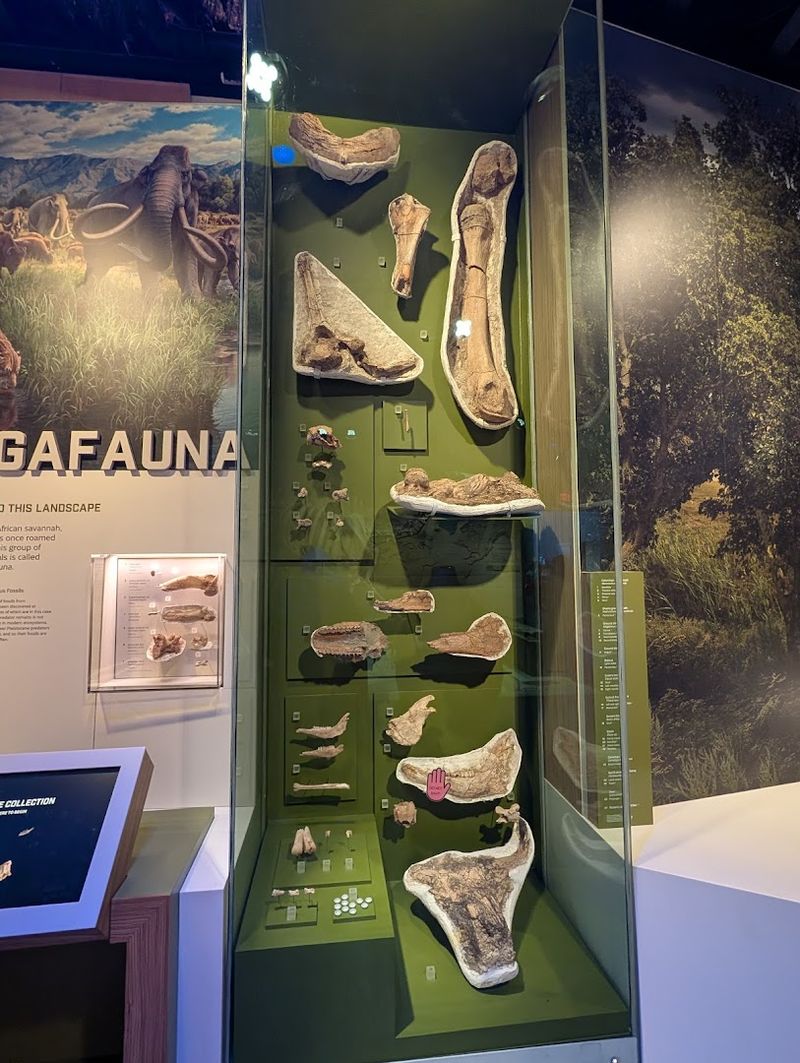
Inside the visitor center, actual fossils recovered from excavations sit behind glass, each accompanied by explanations of its age, species identification, and what it reveals about Ice Age Nevada. The tangible connection to such distant time periods gives visitors pause.
Columbian Mammoths Once Roamed Here
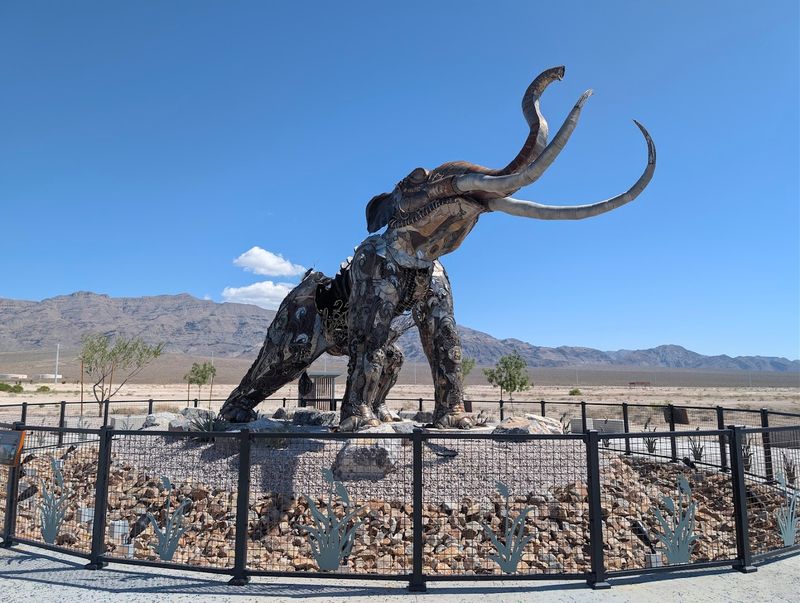
Standing fourteen feet tall at the shoulder and weighing up to ten tons, Columbian mammoths represented the largest animals to walk this ancient wetland. These massive herbivores grazed on grasses and shrubs, their distinctive curved tusks sometimes exceeding twelve feet in length.
Paleontologists have recovered numerous mammoth bones from the site, including skulls, tusks, and limb bones that reveal details about their size, age, and health.
Unlike their woolly cousins adapted to frigid tundra, Columbian mammoths thrived in temperate environments across North America. The Tule Springs area provided ideal habitat during Ice Age wet periods, offering abundant vegetation and water.
Some specimens show evidence of injuries or disease, providing glimpses into the challenges these giants faced.
The park’s Megafauna Trail features a striking metal sculpture of a Columbian mammoth, positioned to help visitors grasp the enormous scale of these extinct creatures against the modern desert backdrop.
The Big Dig Trail Follows Historic Excavation Areas
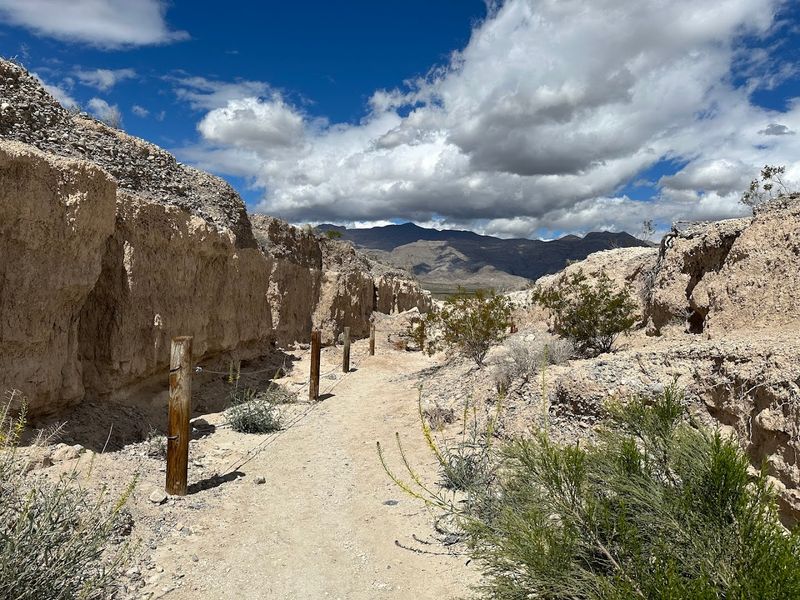
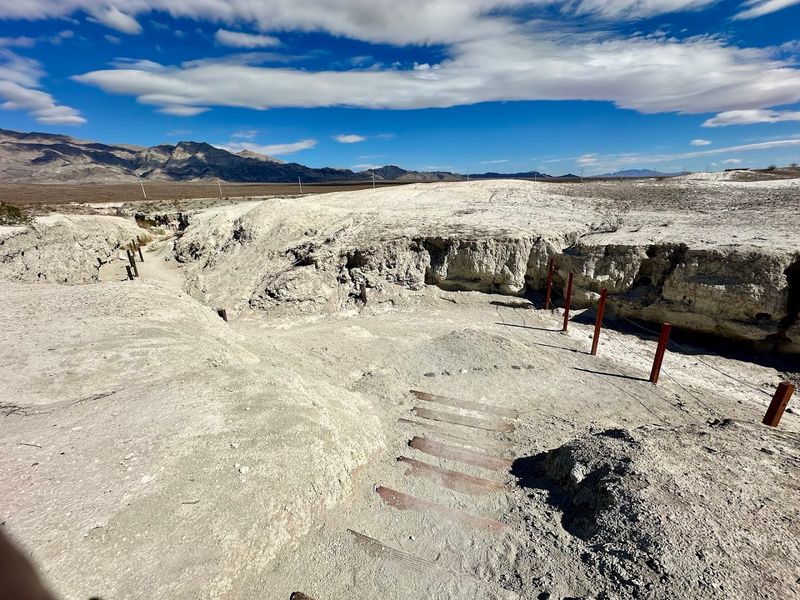
Stretching 1.2 miles across the park, this trail leads visitors through deep trenches carved during a massive 1962-1963 excavation known as the Big Dig. Archaeologists and paleontologists dug extensive trenches using heavy machinery, hoping to uncover evidence of early human presence alongside Ice Age animals.
The trenches exposed vertical walls of sediment that reveal distinct geological layers spanning thousands of years.
Stairs descend into the main trench, allowing visitors to walk along the excavation floor and observe the stratified sediments up close. Interpretive signs explain what each layer represents and describe the fossils discovered in different zones.
The scale of the excavation becomes apparent as you stand between walls of earth rising several feet on either side.
Summer temperatures make this trail particularly challenging since the exposed terrain offers virtually no shade. Park staff recommend hiking early morning or late afternoon during warmer months, with plenty of water and sun protection.
The Megafauna Trail Has Life-Sized Animal Sculptures
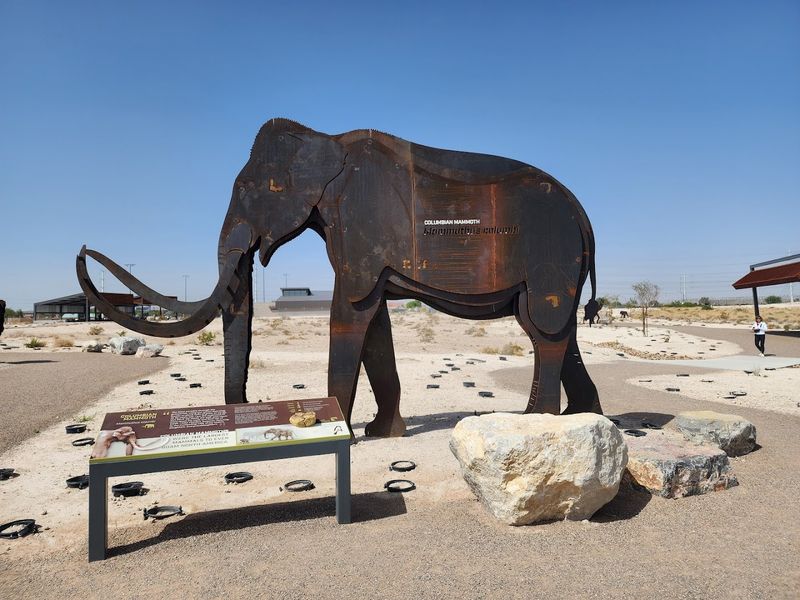
Spanning just 0.3 miles, this shorter loop provides an accessible introduction to the creatures that once inhabited the wetland. Life-sized metal sculptures of mammoths, camels, horses, and predators stand at intervals along the path, each positioned near interpretive panels describing the animal’s biology, behavior, and role in the Ice Age ecosystem.
The sculptures help visitors visualize the scale and appearance of animals they might only know from textbooks.
Children particularly enjoy this trail since the relatively short distance keeps younger legs from tiring while the sculptures provide engaging focal points. The flat terrain accommodates strollers and wheelchairs more easily than the other trails, though the loose gravel surface requires some effort.
Shade structures at strategic points offer respite from the desert sun.
Each sculpture represents species confirmed through fossil evidence from the park itself, lending authenticity to the artistic interpretations. Standing beside a full-scale mammoth or ground sloth creates visceral understanding that photographs and descriptions cannot match.
Its Visitor Centre Displays Tule Springs Fossils
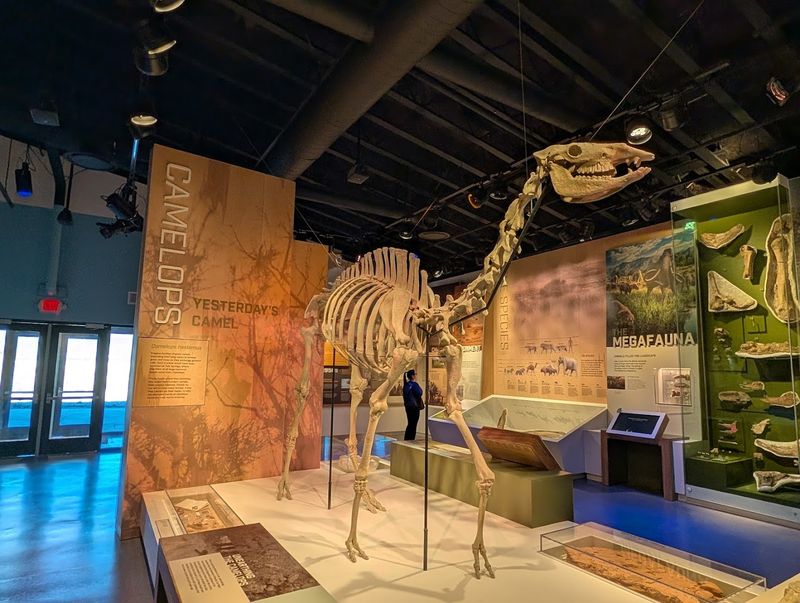
The approximately 1,100 square foot facility serves as both museum and orientation center, housing authentic fossils excavated from the surrounding landscape. Display cases contain mammoth teeth, bison skulls, camel bones, and other specimens arranged to tell the story of Ice Age Nevada.
Interactive exhibits allow children to touch replica fossils and learn identification techniques used by paleontologists.
A video room features a ten-minute film that introduces the park’s history and scientific significance. Another wall displays animated projections showing how the landscape appeared during wetter periods, with marshes and grasslands replacing the modern desert.
Staff members stationed throughout the center answer questions and provide trail recommendations based on visitor interests and physical abilities.
A small gift shop sells field guides, fossil replicas, and park-themed merchandise. Clean restrooms, drinking water refill stations, and covered outdoor seating areas adjacent to the building make this a comfortable basecamp before or after trail exploration.
The entrance fee of three dollars helps maintain facilities and support ongoing research.
The Park Connects To A Larger Fossil-Rich Landscape
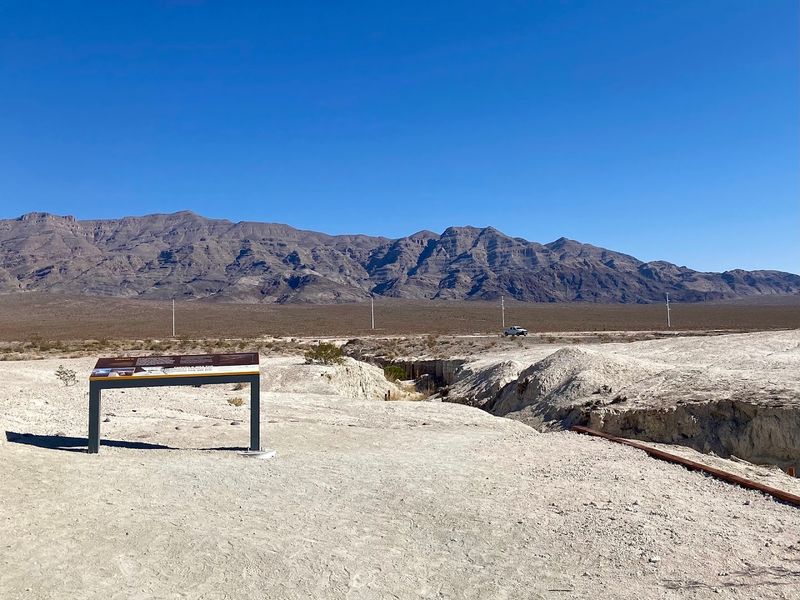
The 315-acre park represents only a fraction of the Tule Springs fossil beds, which extend across thousands of acres of the Las Vegas Valley. Paleontological surveys have identified significant deposits beyond current park boundaries, some on public land and others on private property.
The concentration of fossils across such a broad area suggests that the ancient wetland complex sprawled extensively, supporting large animal populations for tens of thousands of years.
Park staff collaborate with researchers from universities and museums who continue studying the broader Tule Springs area. New discoveries still emerge regularly as development projects or natural erosion expose previously buried sediments.
Some specimens found outside park boundaries eventually make their way to the visitor center collection after proper documentation and preservation.
The 1.5-mile Las Vegas Wash Trail extends toward the northern reaches of the fossil deposit, giving hikers glimpses of the landscape beyond official park boundaries and highlighting the vastness of this paleontological treasure.
Ancient Camels, Horses, Bison, And Dire Wolves Lived Here
Beyond the famous mammoths, the Tule Springs fossil record documents an astonishing diversity of Ice Age mammals. Yesterday’s camel, an extinct species that stood taller than modern dromedaries, left numerous bones in the sediments.
Ancient horses, smaller than today’s domestic breeds but adapted to North American grasslands, grazed alongside herds of bison that resembled but exceeded the size of modern buffalo.
Dire wolves, larger and more robust than modern gray wolves, hunted the herbivore populations and occasionally became trapped themselves in the treacherous mud surrounding water sources. Saber-toothed cats, American lions, and short-faced bears represented apex predators that competed for prey across the landscape.
Each species filled specific ecological roles in a food web far more complex than the modern Mojave Desert supports.
Fossils from all these animals appear in park displays, with interpretive materials explaining their relationships, behaviors, and eventual extinction at the end of the Ice Age around 11,000 years ago.
The Desert Setting Makes The Fossil Story Feel Even Stranger
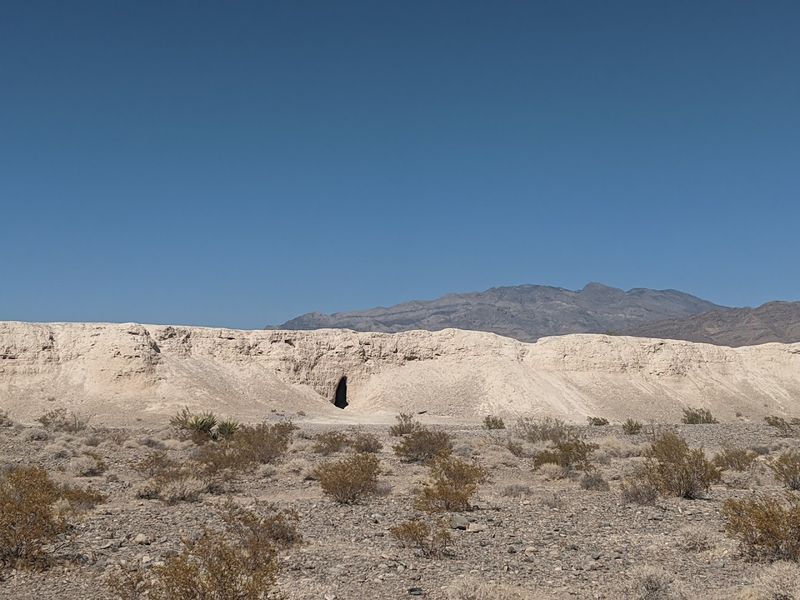
Standing in the harsh Mojave Desert environment, surrounded by creosote and cactus under relentless sun, visitors confront a profound disconnect between present and past. The barren landscape offers no obvious hints that mammoths once wallowed in marshes here or that lush vegetation supported massive herbivore herds.
This jarring contrast between ancient abundance and modern austerity makes the fossil evidence all the more remarkable and thought-provoking.
Climate shifts over the past 11,000 years transformed the region from wetland to desert as Ice Age conditions ended and temperatures rose. The springs that once flowed year-round dried up, vegetation withered, and surviving species either migrated or adapted to increasingly arid conditions.
The megafauna, dependent on abundant water and plant resources, could not survive the transition.
This dramatic environmental transformation serves as a powerful reminder of climate’s role in shaping ecosystems and species survival, making Ice Age Fossils State Park both a paleontological site and a natural laboratory for understanding ecological change.