
Wisconsin’s Best Kept Off-Road Secret Has 500 Acres And Zero Reasons To Leave
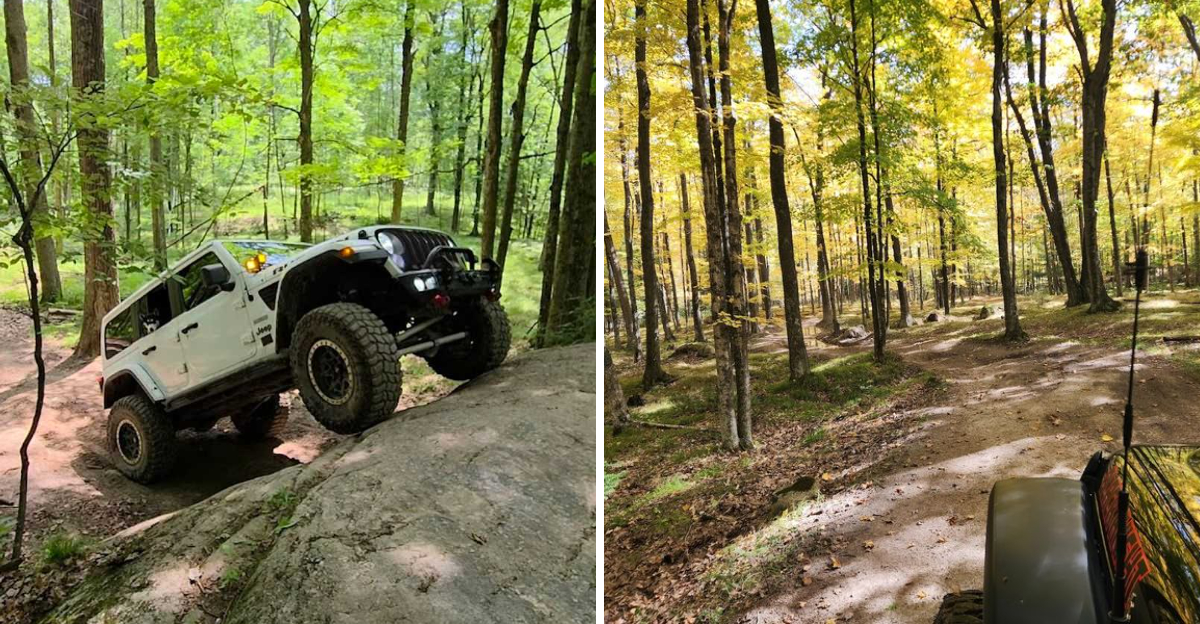
Weekends hit different in Wisconsin when the pavement disappears and the tires start throwing dirt. One minute, the plan is a simple ride. Next, helmets are on, coolers are unpacked, and nobody wants to leave.
Wooded trails twist through rugged ground, giving beginners room to learn and experienced riders enough bumps, turns, and mud to stay grinning.
Campsites keep the fun close, so the day does not end when the engines cool down. Dinner tastes better near a fire.
Stories get bigger beside the river. Families, friends, and solo riders all find their rhythm here, especially when a quick getaway turns into a full outdoor escape.
For anyone craving a weekend with noise, nature, and zero boring hours, this place delivers.
A 500 Acre Wisconsin Off Road Park Built For Big Weekend Adventure
Tigerton OHV Park sits on land designed to keep riders occupied from sunrise to well past dark. The property stretches across terrain that mixes forest, river access, and open areas where machines can move without restriction.
Riders find themselves in an environment that feels remote but stays organized, with clear boundaries and enough space to avoid the bottleneck problems common at smaller parks.
The layout gives each type of vehicle its own zone while still connecting everything through a network of trails. Families can set up camp, unload their machines, and spend an entire weekend without retracing the same path twice.
The scale of the park means groups can spread out, beginners can practice without pressure, and experienced riders can push their limits on sections built for speed and technical skill.
Located at 1100 Quad Park Lane in Tigerton, the park has become a hub for riders across the region. The acreage supports multiple activities happening at once without crowding, making it a practical choice for those who want a full weekend of riding, camping, and outdoor time in one contained location.
More Than 28 Miles Of Trails Keep Riders Busy For Hours
The trail system at Tigerton covers ground in a way that rewards exploration. With over 28 miles of marked routes, riders can choose paths based on skill level, vehicle type, and the kind of challenge they want.
Some trails run smooth and wide, perfect for newer riders or families with young passengers. Others narrow into technical sections where roots, rocks, and tight turns demand focus and control.
Trail markers guide riders through the property, though some sections require attention to avoid missing a turn. The variety keeps the experience from feeling repetitive.
One loop might follow the river, offering views of the water and cooler air under tree cover. Another might climb into rockier terrain where vehicles work harder and riders get a better sense of what their machines can handle.
The mileage adds up quickly for those who spend a full day riding. Groups often find themselves discovering new sections on their second or third visit, and the layout supports both short loops and longer expeditions that take several hours to complete.
ATVs, UTVs, Dirt Bikes, And Jeeps All Have Room To Play
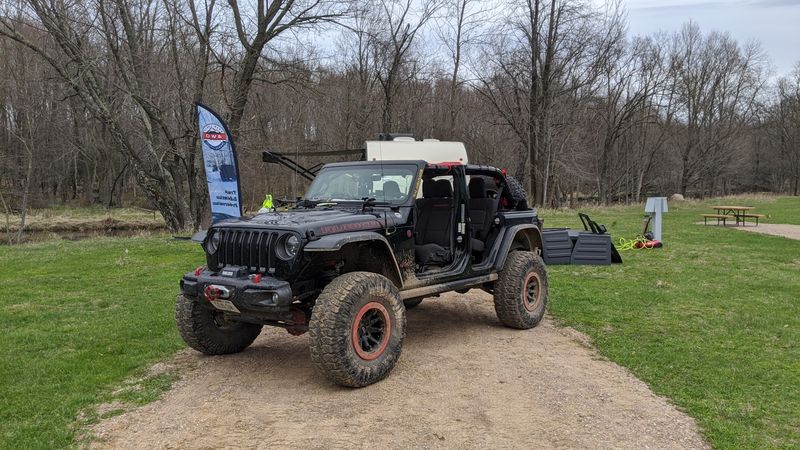
Tigerton does not limit access to one type of vehicle. ATVs, side-by-sides, dirt bikes, and four-wheel-drive Jeeps all share the trails, though the park has designed sections to suit each machine.
Wider trails accommodate UTVs and Jeeps, giving them room to navigate without scraping trees or getting stuck in narrow passages. Single-track routes branch off for dirt bikes and ATVs, offering tighter turns and features that play to the strengths of smaller, more agile machines.
This mix creates a dynamic environment where families can bring different vehicles and still ride together for part of the day. A group might split up, with dirt bike riders heading to technical single tracks while UTV drivers explore the main loops, then meet back at camp to compare notes.
The park handles the variety well, with enough separation to prevent conflicts and enough shared space to keep everyone connected.
Riders appreciate the flexibility. Bringing multiple machines to one location saves time and money compared to visiting separate parks for each vehicle type, and the variety means groups with different preferences can still enjoy the same trip.
The Challenge Track Adds Extra Thrill To The Ride
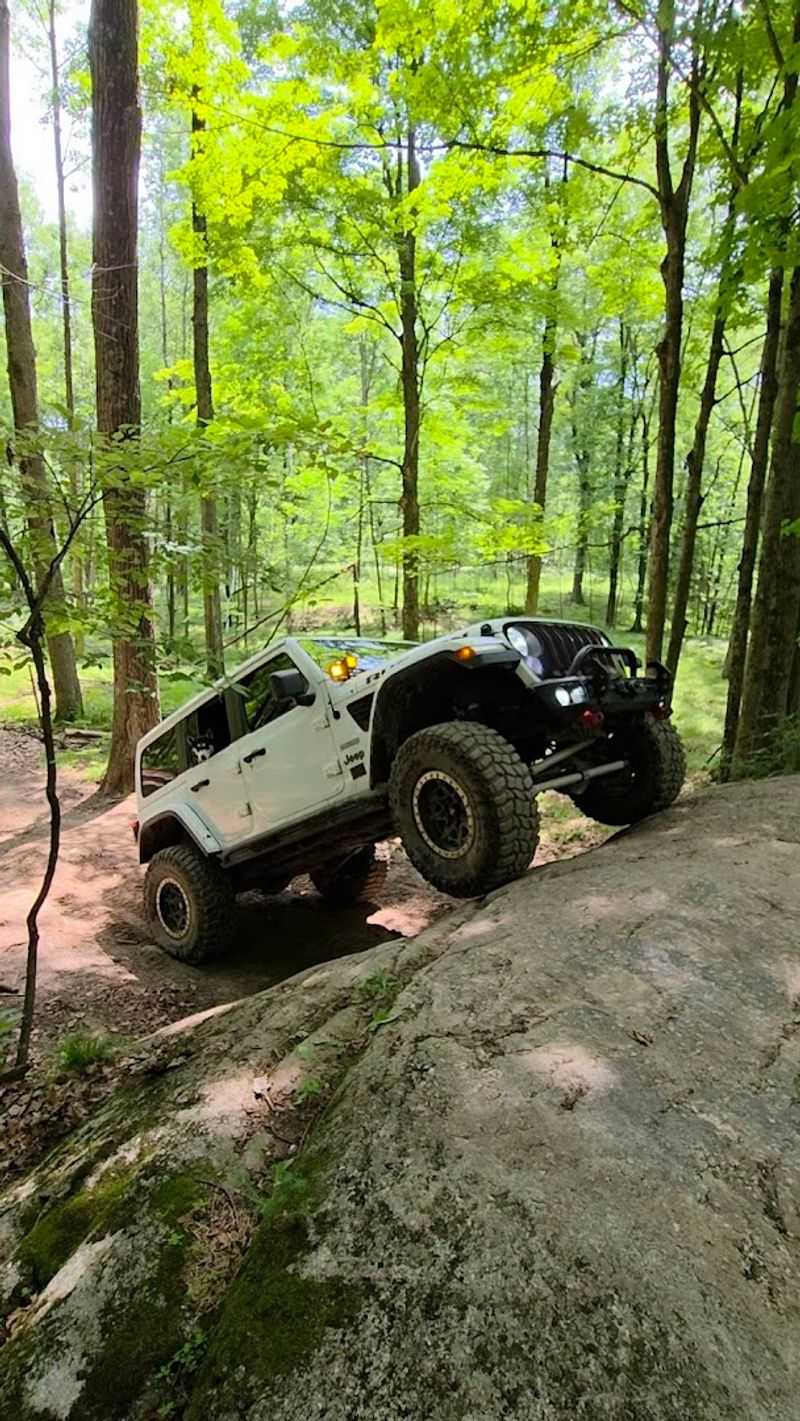
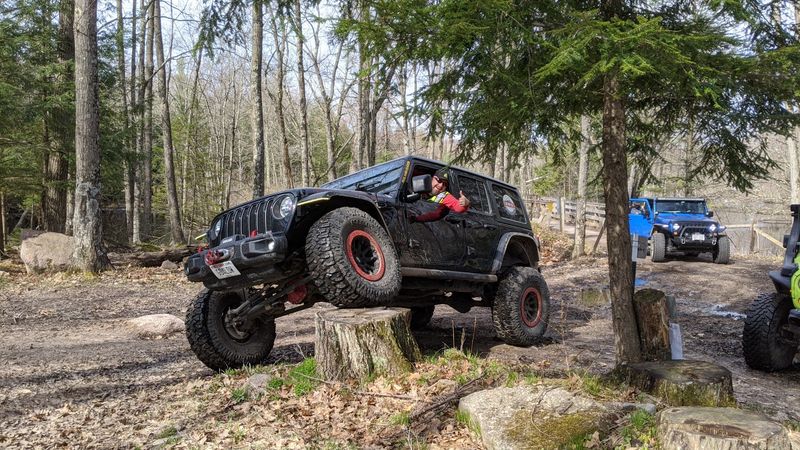
Beyond the main trail system, Tigerton includes a dedicated challenge track where riders test their skills on obstacles designed to push vehicles and drivers. This section features steep climbs, rock gardens, and mud pits that require more than speed.
Success here depends on line choice, throttle control, and sometimes a bit of trial and error. The track attracts riders looking to improve their technique or simply see what their machines can handle under pressure.
The challenge track operates separately from the standard trails, so riders who prefer a more relaxed pace do not have to contend with aggressive terrain. For those who do seek it out, the track offers a controlled environment to practice difficult maneuvers without the uncertainty of unmarked wilderness.
Riders can attempt an obstacle multiple times, learning from each pass and adjusting their approach.
Events and informal competitions occasionally take place here, adding a social element to the challenge. Even outside of organized races, riders gather to watch others tackle tough sections, offer advice, and celebrate successful runs.
The track has become a focal point for those who want more than just mileage from their visit.
On Site Camping Means The Adventure Does Not End At Sunset
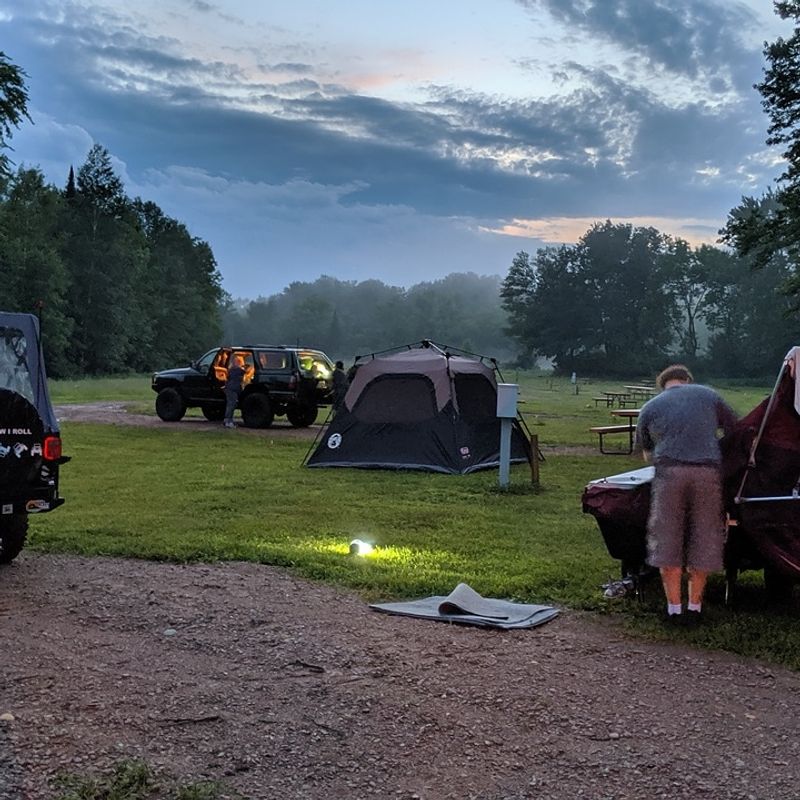
Camping at Tigerton keeps riders close to the action. Instead of driving back to a hotel after a day on the trails, visitors can park their rigs at a campsite and stay within the park boundaries.
This setup eliminates the need to trailer vehicles back and forth, saving time and fuel while extending the experience. Morning rides can start as soon as the sun comes up, and late afternoon sessions do not require rushing to beat check-out times.
The campground itself sits within walking distance of the trails, making it easy to move between camp and riding areas throughout the day. Riders can take breaks, refuel machines, grab food, and head back out without the logistical hassle of leaving the property.
The convenience appeals to families and groups who want to maximize their time on the trails without sacrificing comfort at the end of the day.
Evening hours at the campground offer a different kind of enjoyment. Campfires, shared meals, and conversations about the day’s rides create a social atmosphere that complements the physical activity of the trails.
The on-site camping turns a day trip into a full weekend experience.
Wooded River Campsites Make The Stay Feel Scenic
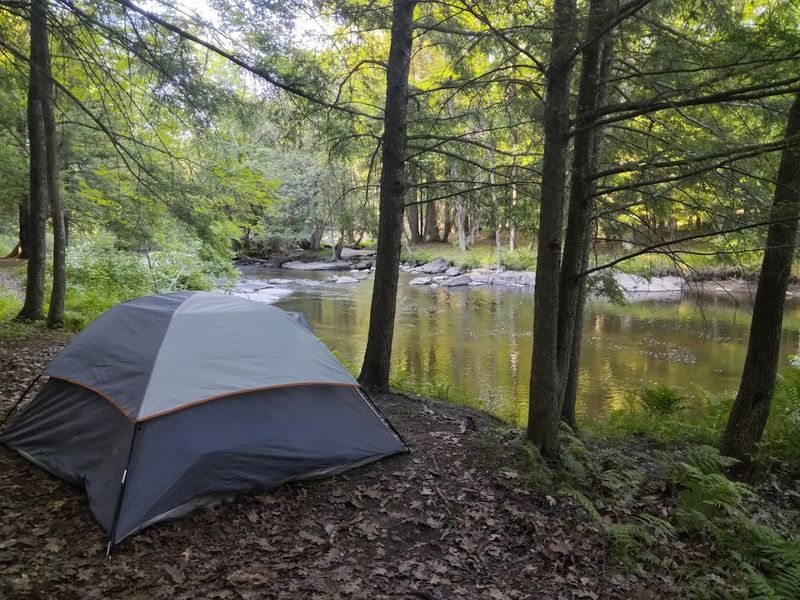
Campsites along the Embarrass River provide a setting that feels more like a retreat than a parking lot. Trees offer shade and privacy, and the sound of moving water adds a calming backdrop to the usual campground noise.
These sites give campers a sense of place, connecting them to the natural environment rather than just offering a spot to sleep between rides.
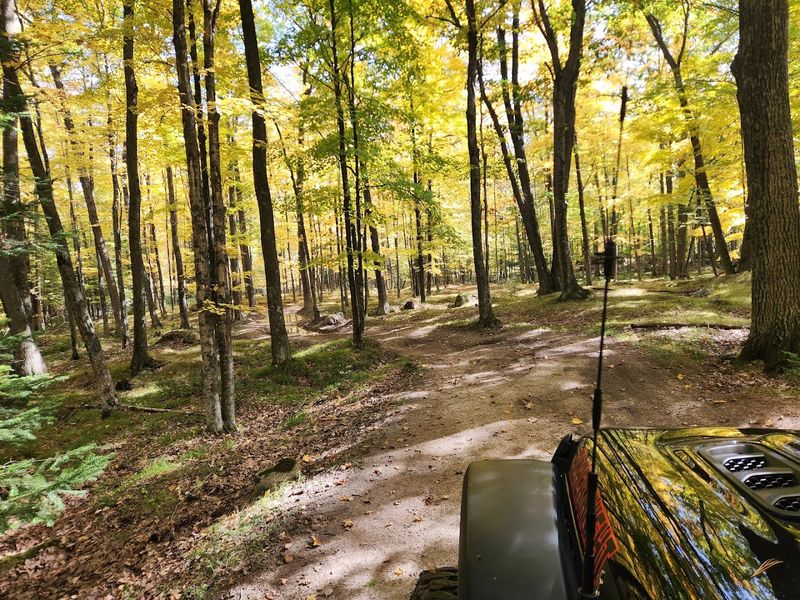
River access means campers can cool off after a day of riding, rinse mud from gear, or simply sit by the water and unwind. The scenery shifts with the seasons, from green canopies in summer to fall colors that draw visitors specifically for the visual experience.
The wooded setting also provides natural windbreaks and cooler temperatures during hot months, making the camping experience more comfortable.
Not all sites sit directly on the river, but even those set back among the trees benefit from the overall atmosphere. The campground layout prioritizes space between sites, reducing noise and crowding.
For riders who value a peaceful camp after an active day, the wooded river sites deliver a balance of accessibility and seclusion.
Electric And Non Electric Sites Give Campers Flexible Options
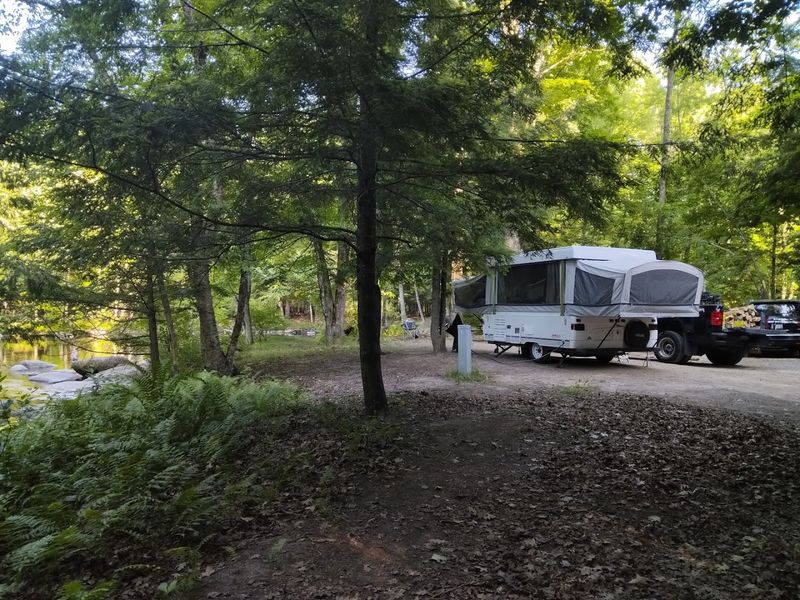
Tigerton offers both electric and non-electric campsites, allowing visitors to choose based on their needs and budget. Electric sites support RVs and campers who want to run air conditioning, charge devices, or power appliances without relying on generators.
These sites cost more but provide convenience for those who plan longer stays or travel with families who appreciate modern comforts.
Non-electric sites attract tent campers and those who prefer a more basic setup. These spots cost less and still provide access to the same trails, bathrooms, and water sources.
The price difference makes the park accessible to a wider range of visitors, from budget-conscious riders to groups who do not need hookups for a short weekend trip.
The availability of both options means campers can return to Tigerton multiple times and try different setups. A family might book an electric site for a week-long vacation, then come back later in the season with a tent and spend less for a quick overnight trip.
The flexibility supports repeat visits and accommodates different camping styles without compromising access to the park’s main attractions.
The Park Connects Riding, Hiking, Camping, And Disc Golf
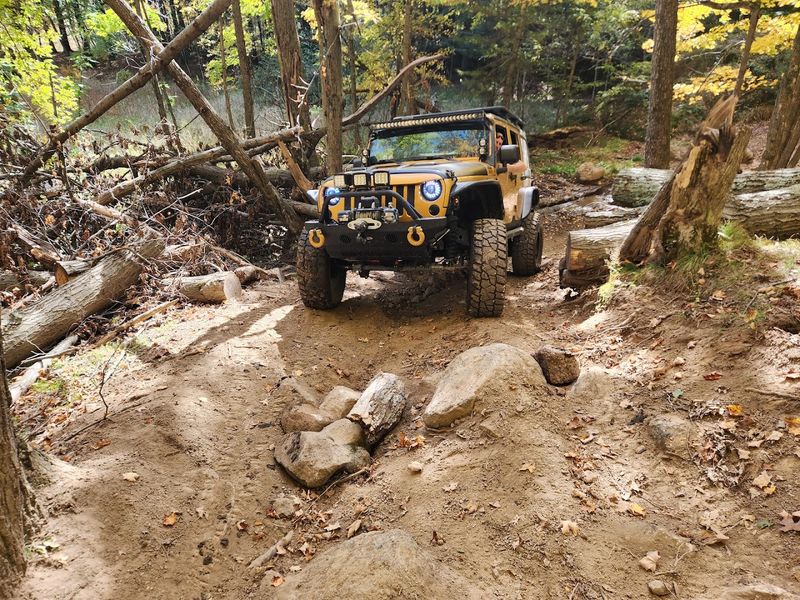
Tigerton functions as more than just a riding destination. The property includes hiking trails for those who want to explore on foot, disc golf for a low-key activity between rides, and camping that ties everything together.
This variety means non-riders in a group can still find something to do, and families with mixed interests can spend time together without everyone needing to be on a machine.
Hiking trails wind through sections of the park not accessible by vehicle, offering quieter routes and different perspectives on the landscape. Disc golf provides a casual competitive option that does not require special equipment or high energy levels.
These additions make the park more versatile, especially for groups with kids who might tire of riding or adults who want a break from the noise and physical demands of off-road vehicles.
The combination keeps visitors on-site longer and reduces the need to leave for other entertainment. A typical day might include a morning ride, an afternoon disc golf round, and an evening hike before returning to camp.
The park has built an environment where activity options complement each other rather than compete for attention.
Trail Access Makes It Easy To Ride Right From Camp
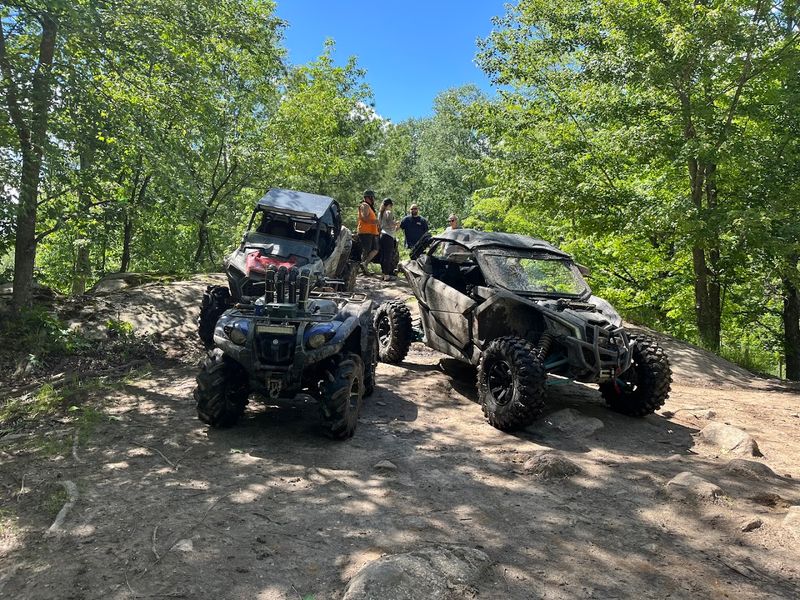
One of the practical advantages of Tigerton is the ability to ride directly from your campsite onto the trail system. This eliminates the need to trailer vehicles to a separate trailhead or navigate public roads to reach riding areas.
Campers can unload once, park their trailers, and access the trails whenever they want without additional setup or transportation logistics.
This direct access saves time and reduces wear on tow vehicles and trailers. It also makes short rides more feasible.
Instead of committing to a full day because of the effort required to get to the trails, riders can take a quick morning loop, return to camp for lunch, and head out again in the afternoon. The convenience encourages more frequent riding and a more relaxed pace.
Families with young riders benefit especially from this setup. Parents can let kids practice near camp without worrying about traffic or distant locations.
The proximity also makes it easier to handle mechanical issues, take breaks, or adjust plans based on weather or energy levels. The seamless connection between camping and riding defines much of the park’s appeal.
Events And Races Add Energy Beyond The Trails
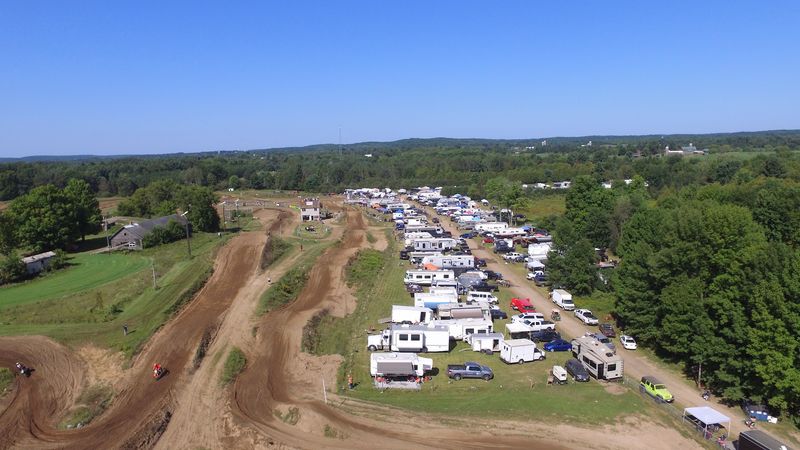
Tigerton hosts events throughout the season that bring additional energy and community to the park. Races, organized rides, and competitions draw participants from across the region, creating a lively atmosphere that contrasts with the quieter weekends.
These events showcase the challenge track and technical sections, giving spectators a chance to watch skilled riders navigate difficult terrain and giving participants a venue to test their abilities in a structured setting.
Events also serve a social function. Riders meet others who share their interest, exchange tips, and build connections that extend beyond a single visit.
Families who attend events often return for regular camping trips, having discovered the park through a race or organized ride. The calendar of events gives repeat visitors a reason to plan trips around specific dates and adds variety to the experience.
Even outside of formal events, the park maintains a friendly culture where riders help each other with repairs, share trail recommendations, and gather in the evenings. The combination of organized activities and informal community makes Tigerton feel more engaging than parks that function purely as trail networks.
Its Location Makes It An Easy Drive From Green Bay, Appleton, And Wausau
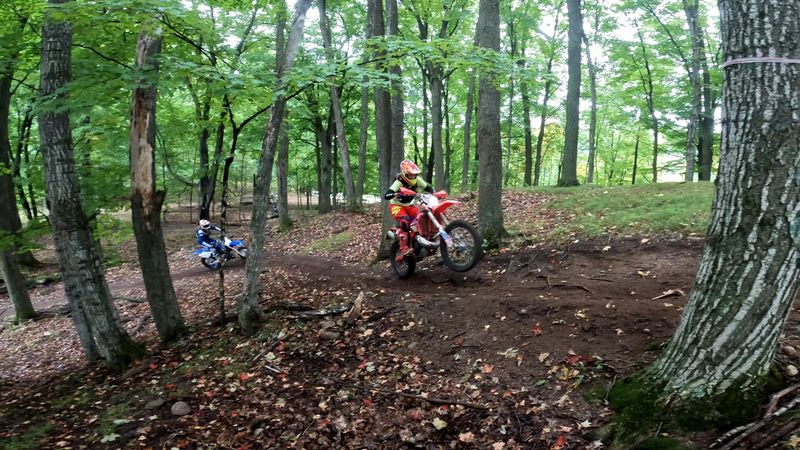
Tigerton sits in a central location that makes it accessible from several Wisconsin cities without requiring a full day of travel. Green Bay lies roughly an hour to the east, Appleton about 45 minutes southeast, and Wausau approximately 40 minutes to the west.
This positioning puts the park within range for weekend trips from urban areas where riders might not have access to off-road terrain close to home.
The drive itself stays straightforward, mostly on state highways that handle trailers and RVs without difficulty. Riders can leave work on a Friday afternoon and reach the park in time to set up camp before dark.
The short travel time also makes Tigerton viable for day trips, though most visitors choose to stay overnight to take full advantage of the trails and camping facilities.
Proximity to these cities means the park draws a steady flow of visitors without feeling overcrowded. The location balances accessibility with the sense of being removed from daily routines.
For riders in central and northeastern Wisconsin, Tigerton offers a convenient escape that does not require extensive planning or long hours on the road.