
This Wisconsin Lake Has Its Own Patrol, Its Own Rules, And A Membership System That Has Run Continuously Since 1920
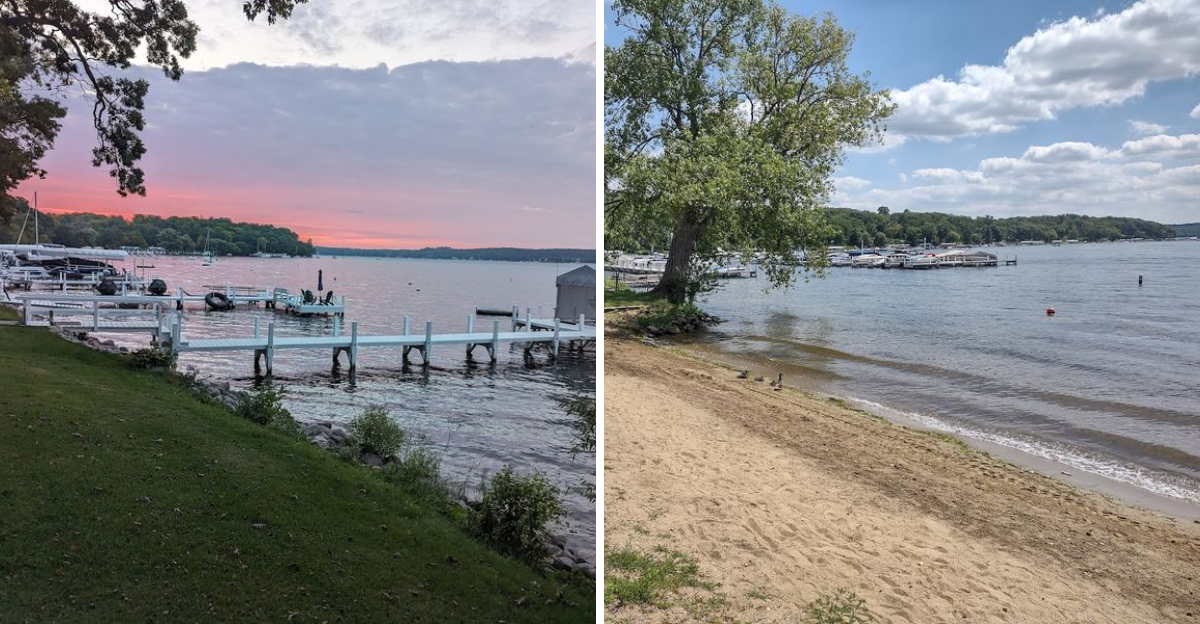
A lake with its own rulebook already sounds a little dramatic, but this Wisconsin favorite takes the idea even further. For more than a century, a private patrol has helped keep watch over its busy waters, guiding boaters, supporting safety, and adding a sense of order you do not find at every vacation lake.
The whole setup feels part tradition, part community effort, and part old-school lake culture. Membership contributions and local support help keep the system going, which makes the place feel less like a random summer stop and more like a shared responsibility.
Add clear water, a beautiful western shore, and plenty of boating history, and you get one of Wisconsin’s most unusual lake escapes.
The Water Safety Patrol Has Been Watching Geneva Lake Since 1920
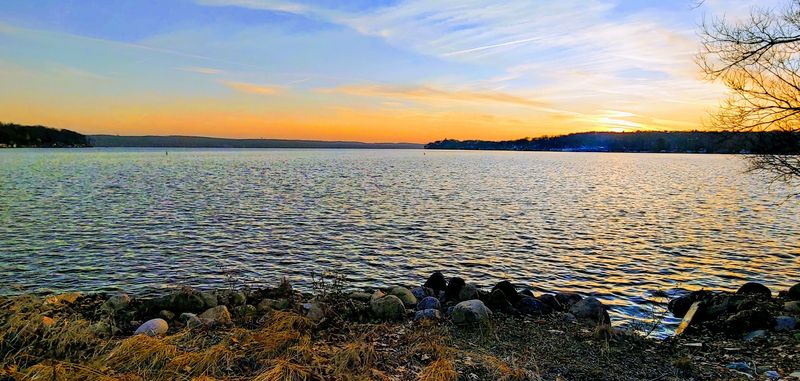
Geneva Lake established its Water Safety Patrol more than a hundred years ago, long before most communities considered organized water enforcement. Founding members recognized that a growing number of boats required consistent oversight to prevent accidents and maintain order.
The patrol began with a handful of volunteers and a single motorboat, patrolling the shoreline during busy summer months.
Today, the organization continues its mission with updated equipment and trained personnel. Officers monitor boat traffic, respond to emergencies, and educate visitors about safe practices on the water.
The patrol operates independently from county or state agencies, relying entirely on member support and donations.
This longevity speaks to the commitment of lakefront property owners and seasonal visitors who value safety above convenience. The system has adapted through decades of change while preserving its core purpose: keeping everyone on Geneva Lake protected and informed.
This Private Patrol Is Not A Government Agency
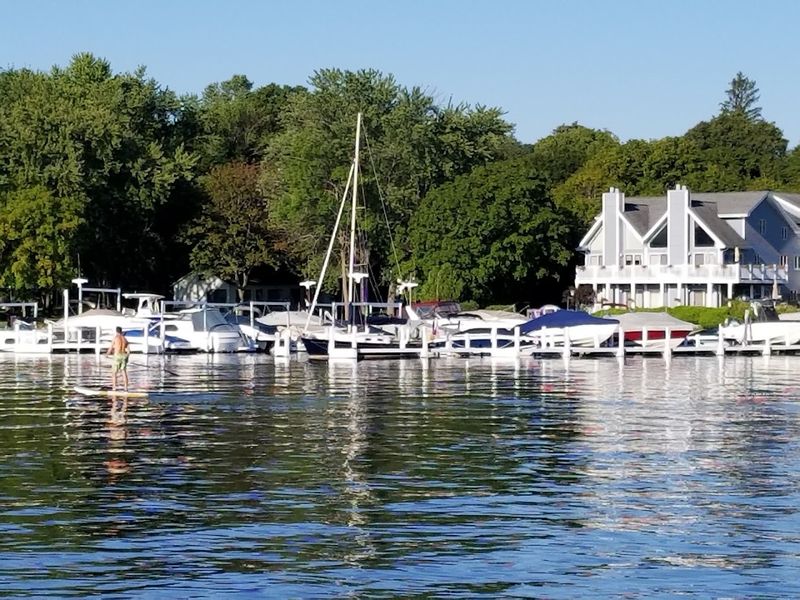
Unlike most waterway enforcement, the Geneva Lake patrol answers to its membership rather than a municipal budget or county board. Volunteers and seasonal staff operate under bylaws established by the community itself.
This independence allows faster decision-making and more flexible responses to changing conditions on the water.
The patrol coordinates with local law enforcement and the Wisconsin DNR when necessary, but it maintains its own jurisdiction over lake-specific rules. Officers receive specialized training in water rescue, boat operation, and first aid.
They wear uniforms that distinguish them from state conservation wardens or sheriff deputies.
Property owners appreciate this private model because it keeps enforcement focused solely on lake safety rather than broader law enforcement duties. The patrol does not issue state citations for most violations, instead educating boaters and issuing warnings.
Serious infractions or criminal matters get referred to appropriate government authorities who hold legal jurisdiction.
Annual Contributions Help Keep The Patrol On The Water
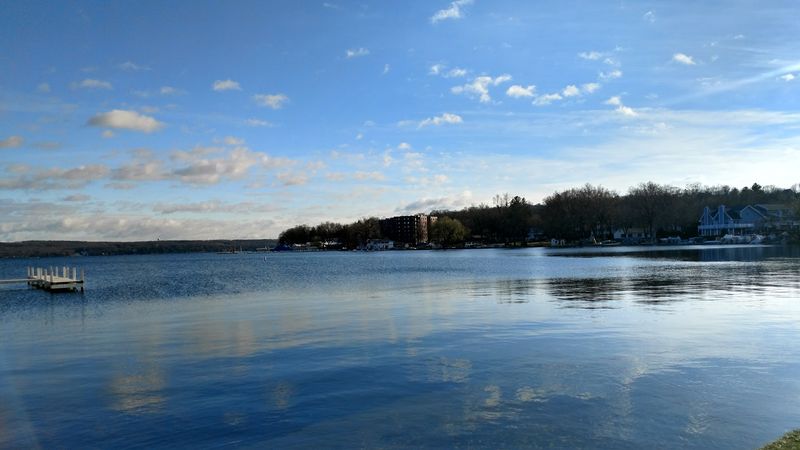
Funding for the patrol comes entirely from voluntary contributions made by lakefront property owners and associate members. Each spring, households receive requests for annual donations that cover operating costs for the upcoming season.
The amounts vary based on property size and shoreline footage, but participation remains voluntary.
These funds purchase fuel, maintain boats and equipment, and compensate seasonal staff who patrol during peak hours. The organization publishes annual reports showing how contributions get allocated across different operational needs.
Transparency helps maintain trust among members who want assurance their money supports legitimate safety efforts.
Without tax revenue or government grants, the patrol depends on consistent participation from the lakefront community. Most property owners contribute yearly, understanding that their donations directly affect response times and patrol coverage.
The membership system has sustained operations through economic downturns and changing ownership around the lake, proving the model works when communities take responsibility for their own waters.
Lifeguards Boat Patrol And Safety Classes All Work Together Here
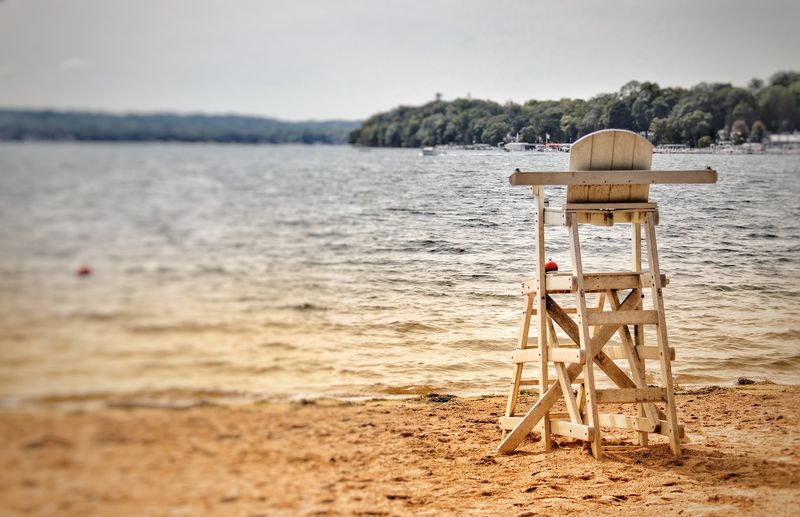
The patrol coordinates multiple safety programs that cover different aspects of water recreation. Lifeguards stationed at public beaches communicate with boat patrols via radio, creating a network that responds quickly to emergencies anywhere on the lake.
Safety instructors offer courses throughout summer, teaching children and adults proper techniques for swimming, boating, and water skiing.
This integrated approach reduces accidents by addressing risks before they occur. New boaters learn navigation rules and right-of-way procedures in classroom sessions before taking vessels onto the water.
Parents receive guidance on properly fitting life jackets for different age groups and water conditions.
The patrol also conducts courtesy boat inspections, checking for required safety equipment and offering advice on maintenance issues that could cause problems. These voluntary checks help boaters avoid citations from state authorities while improving overall safety.
The combination of education, inspection, and active patrol creates layers of protection that work more effectively together than any single program could achieve alone.
Geneva Lake Has Its Own Joint Lake Rules
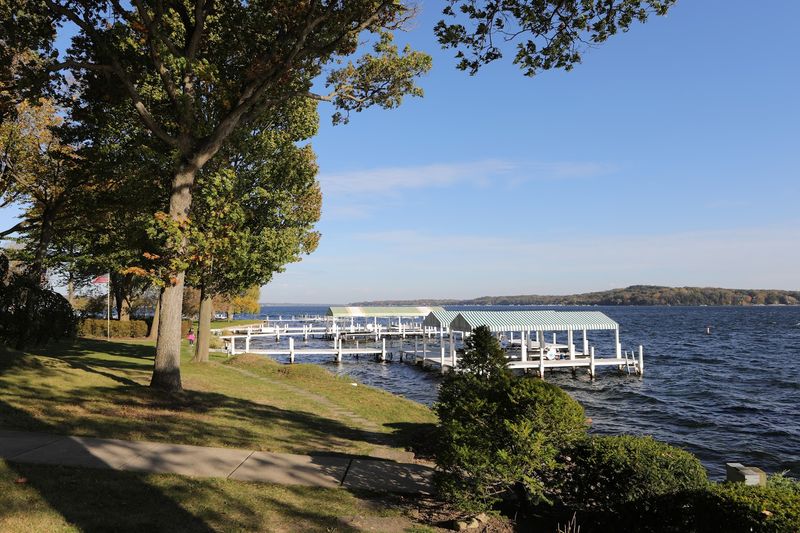
Beyond Wisconsin state boating laws, Geneva Lake enforces additional regulations developed specifically for its waters. These joint rules address conditions unique to this lake, including its size, depth, and the density of boat traffic during summer months.
All boaters must follow both state law and these local provisions while on the water.
The rules cover everything from wake size near docks to prohibited activities in certain zones. They establish standards for noise levels, specify where personal watercraft can operate, and set guidelines for anchoring.
Property owners helped draft these regulations over many years, refining them based on actual experience and changing recreational patterns.
Enforcement falls to the Water Safety Patrol, which educates boaters about requirements they might not encounter on other Wisconsin lakes. Visitors receive printed rule summaries at public boat launches, and the patrol website offers detailed explanations.
This dual system of state and local regulation gives Geneva Lake more precise control over its waters than standard statewide laws alone could provide.
The Lake Has Different Speed Limits For Weekdays Weekends And Nights

Speed restrictions on Geneva Lake change according to time of day and day of week, reflecting varying traffic patterns and safety concerns. Weekday limits allow higher speeds when fewer recreational boats crowd the water.
Weekend maximums drop to accommodate increased activity from tourists and part-time residents who visit during those days.
After sunset, all boats must reduce speed significantly regardless of the day. Nighttime operation presents greater risks because visibility decreases and swimmers become harder to spot.
The patrol enforces these time-based limits strictly, knowing that accidents increase when operators fail to adjust speed for conditions.
Buoys around the lake display current speed limits, and the patrol publishes schedules so boaters can plan accordingly. This variable system recognizes that one-size-fits-all speed limits do not serve a lake with dramatically different usage patterns throughout the week.
Operators who understand the reasoning behind these changing limits generally comply without complaint, appreciating the balance between recreation and safety.
Slow No Wake Zones Shape How Boats Move Near Shore
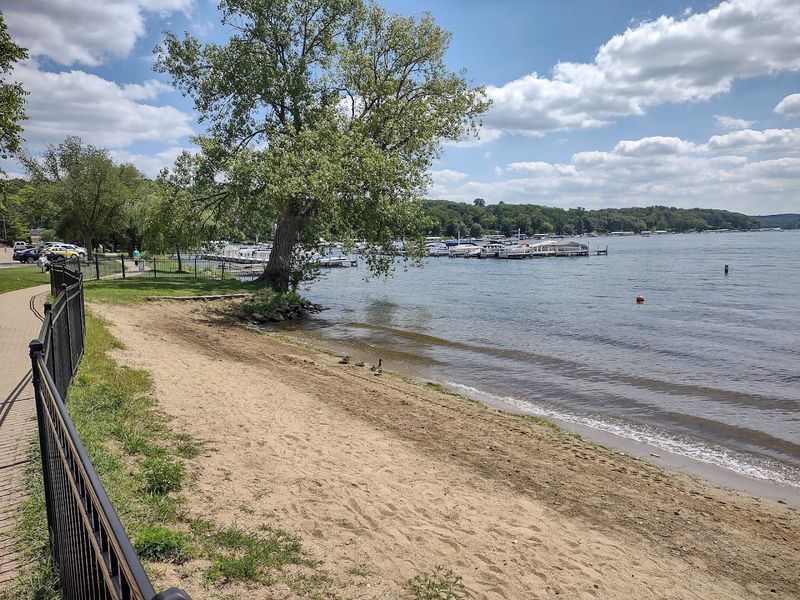
Designated slow-no-wake zones extend outward from shore around the entire lake, protecting swimmers, docks, and shallow-water areas from damaging wakes. Boats entering these zones must reduce speed until their passage creates minimal disturbance on the water surface.
The zones vary in width depending on depth and shoreline configuration, with some areas requiring slow operation several hundred feet from land.
These restrictions prevent erosion along the shore and protect moored boats from rocking that can cause damage or loosen dock lines. They also give swimmers and paddlers safe areas where fast boat traffic cannot intrude.
The patrol monitors compliance carefully, since wake violations cause more property damage and complaints than any other boating issue.
Operators new to Geneva Lake sometimes struggle with judging proper no-wake speed, but patrol officers provide guidance rather than immediate citations for first offenses. Learning to navigate these zones becomes second nature for regular visitors, who appreciate the calmer conditions near shore that make swimming and fishing more enjoyable for everyone.
Water Skiing Comes With Its Own Set Of Rules
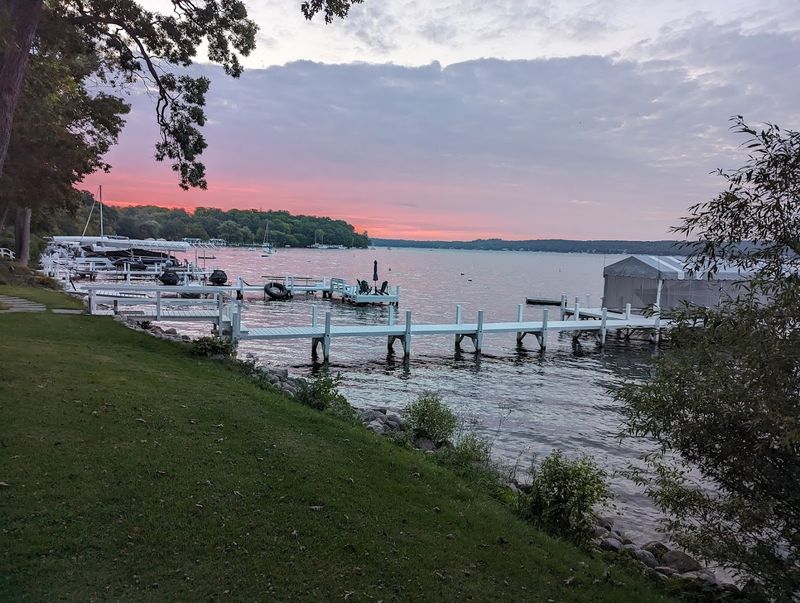
Water skiing and tubing require specific safety measures beyond general boating regulations. Every tow boat must carry an observer in addition to the driver, someone dedicated to watching the skier rather than navigating.
Boats towing skiers must display a bright orange or red flag when the skier falls, alerting other vessels to a person in the water.
Skiing is prohibited in slow-no-wake zones and during nighttime hours when visibility makes the activity dangerous. The patrol specifies minimum distances skiers must maintain from docks, swimmers, and anchored boats.
Operators must understand hand signals skiers use to communicate, and they must know proper procedures for retrieving fallen skiers safely.
These rules reduce accidents that occur when inexperienced operators attempt to tow skiers without understanding the risks involved. The patrol offers demonstrations at safety classes, showing proper techniques and common mistakes.
Families who ski regularly on Geneva Lake appreciate the clear standards, which prevent conflicts with other water users and keep everyone safer during this popular but potentially hazardous activity.
The Lake Covers More Than 5400 Acres
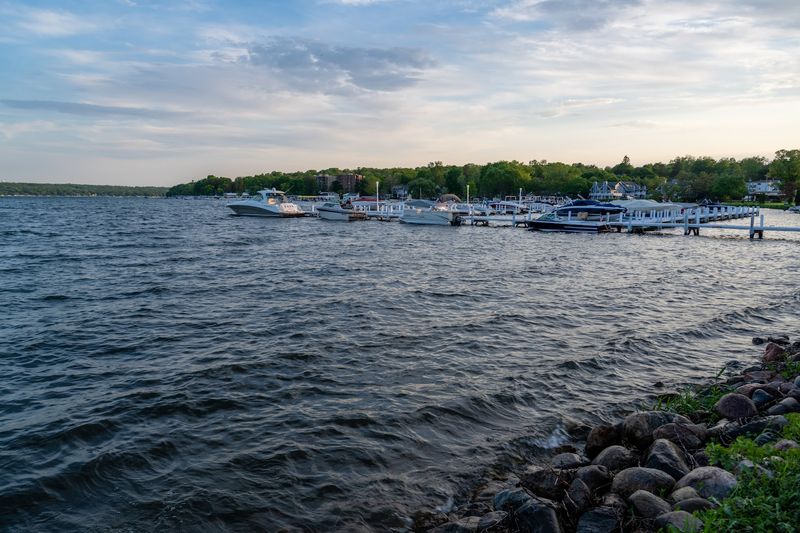
Geneva Lake spreads across 5,400 acres, making it one of southeastern Wisconsin’s largest inland bodies of water. The surface area provides enough room for multiple activities to occur simultaneously without crowding.
Sailors find consistent winds across the open water, while anglers seek quiet coves where fish congregate away from boat traffic.
This size creates management challenges that smaller lakes do not face. A single patrol boat cannot monitor the entire shoreline effectively, requiring multiple vessels and coordinated coverage patterns.
Weather conditions can vary significantly across the lake, with calm water at one end while whitecaps develop at the other.
The acreage also means property owners have invested heavily in lakefront development, creating a substantial tax base and strong motivation to protect water quality. Williams Bay occupies the western shore, giving residents and visitors access to this vast recreational resource.
The lake’s size allows it to absorb heavy summer use while maintaining the character that has attracted people for generations, though careful management remains essential to preserve that balance.
Geneva Lake Reaches A Depth Of 135 Feet
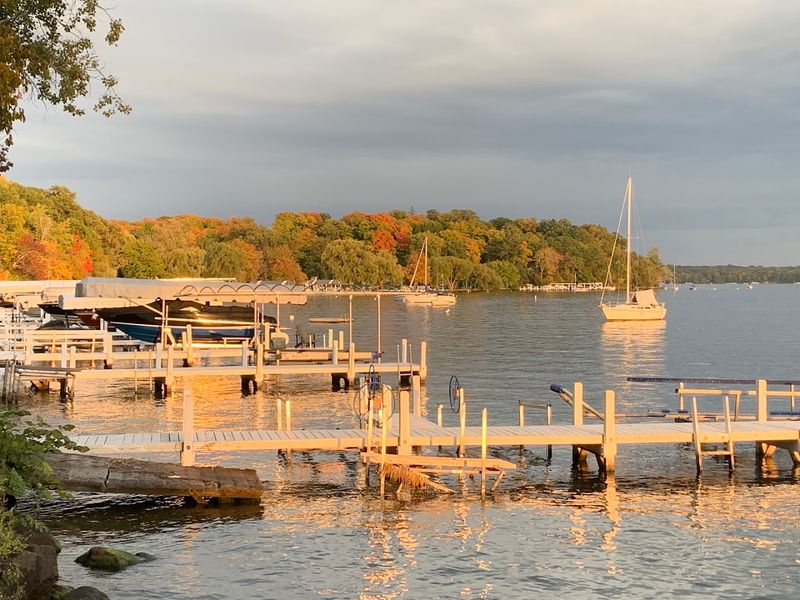
At its deepest point, Geneva Lake descends 135 feet below the surface, creating habitat for cold-water fish species and maintaining cooler temperatures even during hot summer months. This depth prevents the lake from warming uniformly, establishing thermal layers that affect where fish feed and how quickly the water circulates.
Deep areas remain cold year-round, while shallow zones near shore warm significantly by midsummer.
The depth also provides safety advantages, giving boats plenty of clearance even when water levels drop during dry periods. Sailors appreciate the consistent depth across much of the lake, which allows them to tack freely without worrying about running aground.
Swimmers and divers find the depth fascinating, though the patrol restricts diving to specific areas where boat traffic poses less risk.
This vertical dimension adds complexity to managing the lake, since conditions at depth differ dramatically from surface observations. Water quality monitoring requires sampling at multiple depths to assess the lake’s overall health accurately.
The depth contributes to Geneva Lake’s unique character among Wisconsin waters.
Williams Bay Gives The West End Its Quiet Lakefront Anchor
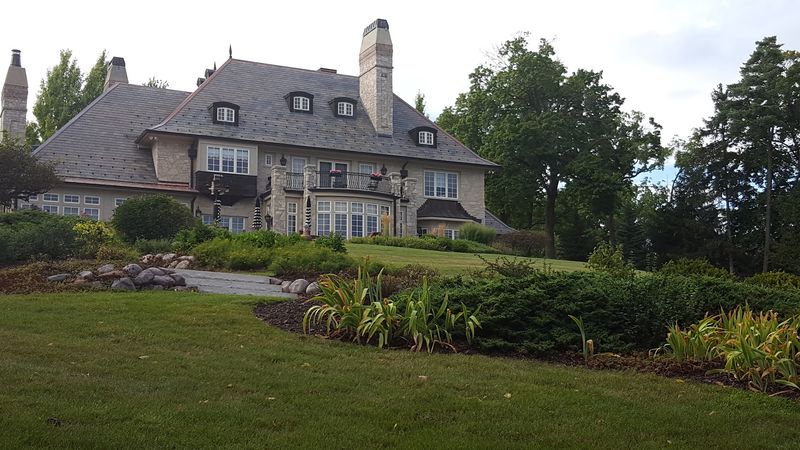
Williams Bay occupies the western shore of Geneva Lake, offering a quieter alternative to the busier communities on the north and east sides. The village maintains a year-round population of just under 3,000 residents, though that number swells during summer months when seasonal homes fill with visitors.
Downtown Williams Bay provides essential services without the commercial intensity found in larger lakefront towns.
The village operates public boat launches and beach access points that serve residents and visitors who lack private shoreline. Local marinas offer slips, fuel, and repair services for the boats that make Williams Bay their home port.
The community supports the Water Safety Patrol through participation and funding, recognizing that lake safety benefits everyone regardless of where they live around the shore.
Williams Bay suffered damage from an EF-1 tornado in June 2024, but the community rebuilt quickly, demonstrating the resilience that has sustained it through more than a century of change. Its position at 42.5780721, -88.54093329999999 places it perfectly for accessing the lake’s western waters while maintaining the small-town character that many visitors prefer.