
Lose Yourself In Over 85,000 Acres Of Untamed Tennessee Wilderness Where Trails Seem Endless
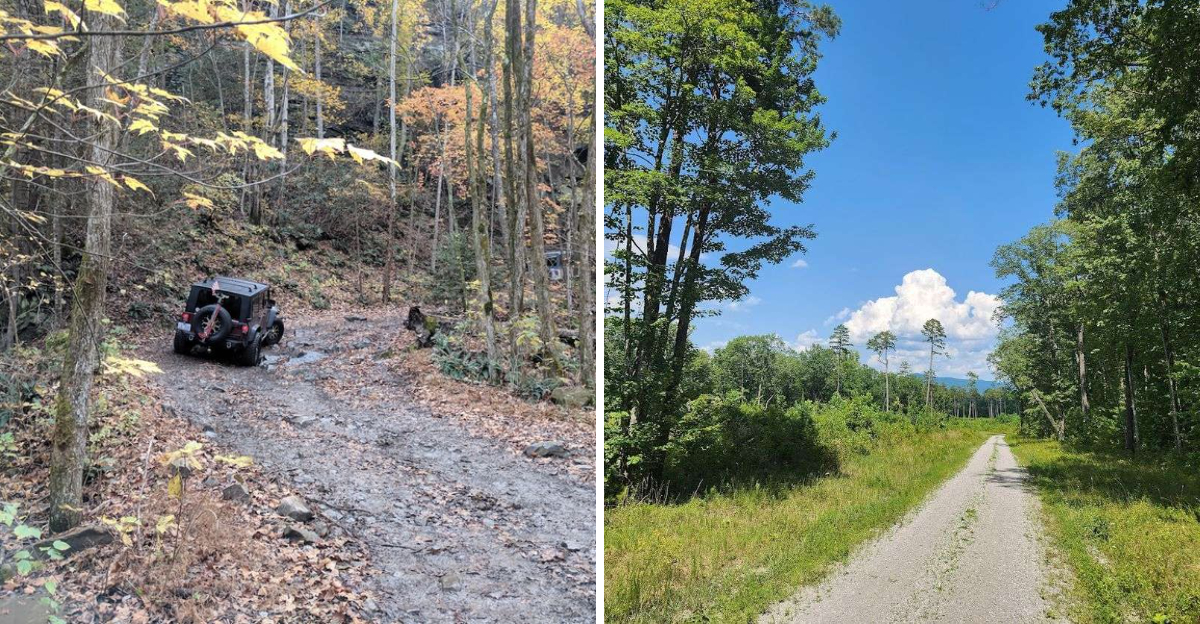
Ever followed a trail so long that your phone loses signal before your curiosity does? That is the kind of trip waiting inside this massive Tennessee wilderness.
With more than 85,000 acres to roam, the landscape feels built for people who like their outdoor days a little rough around the edges. Roads wind through thick woods.
Rivers cut through rocky country. Overlooks appear after quiet stretches that make every mile feel earned.
This is not the kind of place where you show up for a quick paved stroll and a snack stand. It asks for sturdy shoes, a good map, and a little patience. The reward is space. Real space.
For hikers, wildlife watchers, and anyone craving a wilder side of Tennessee, this rugged escape makes ordinary parks feel almost too neat.
The Sheer Scale Of The Land Will Surprise You
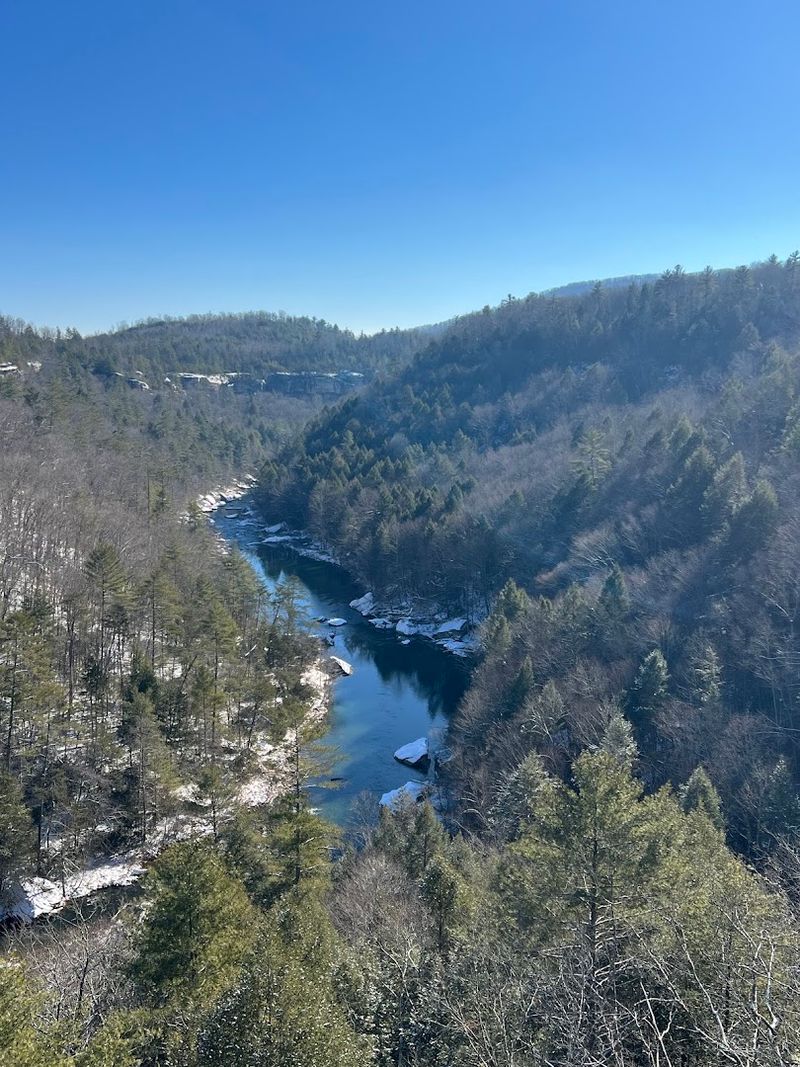
Numbers on paper rarely prepare you for what 82,000 acres actually looks like when you are standing inside it. This area stretches across the Cumberland Plateau with a confidence that very few public lands can match.
Over 98 percent of the entire area is forested, meaning the canopy never really breaks for long.
Gravel roads extend for more than 110 miles through the property, and logging roads add another 150 miles on top of that. That is a road network most small counties would envy.
Driving through even a fraction of it gives you a clear sense of just how far this land reaches in every direction.
Families have been returning here for generations, some for fifty years straight, because there is always a new corner to explore. The terrain shifts from gentle rolling hills to steep canyon walls carved by rivers and streams.
No two visits feel identical, and that consistency of discovery is exactly what makes this place so compelling for anyone who enjoys spending serious time outdoors.
Hiking Through Catoosa Feels Like A Conversation With The Forest
There is something quietly satisfying about a trail that does not end where you expect it to. Catoosa WMA offers hikers access to an enormous network of paths, gravel roads, and forest lanes that stretch across the Cumberland Plateau in every direction.
The Cumberland Trail, one of the most respected long-distance routes in Tennessee, passes directly through the area.
Visitors have noted that trails here rarely feel crowded. Cell service drops off quickly once you move into the interior, so coming prepared with a printed map and a compass is genuinely useful advice.
The forest itself is dominated by mature hardwoods, with oak and hickory forming a canopy that filters sunlight into soft, shifting patterns on the ground below.
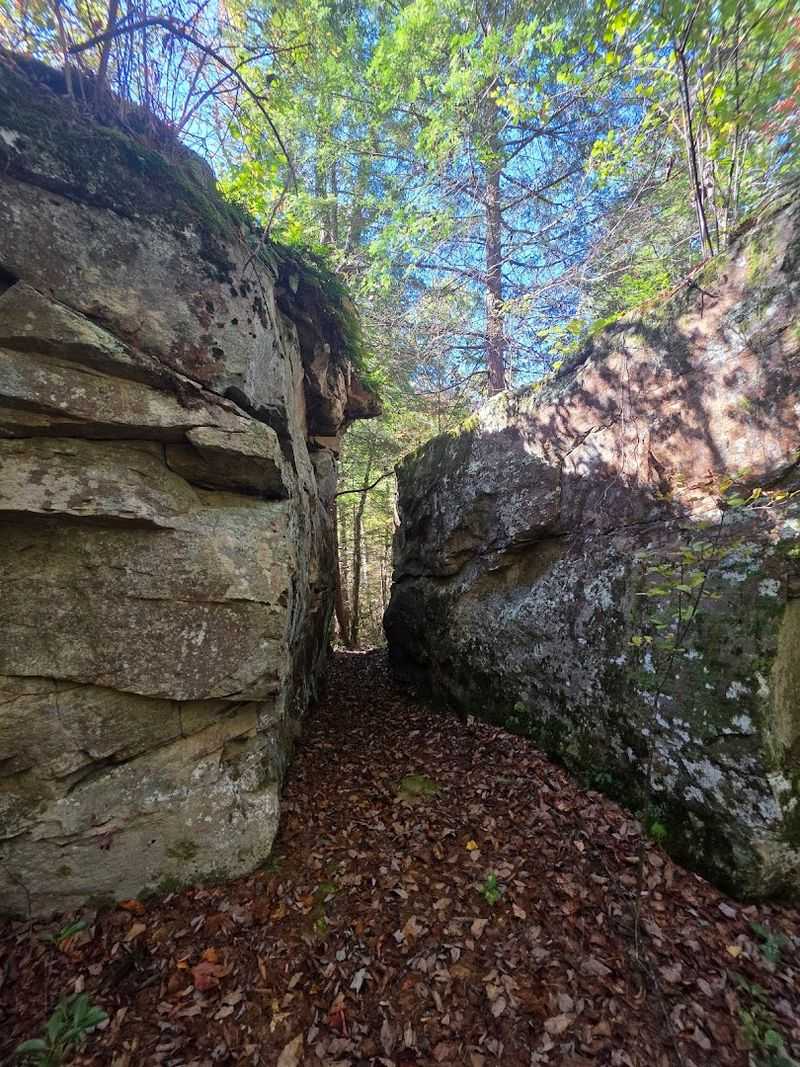
Hikers who enjoy discovering something unexpected will feel right at home. Rock walls appear along certain gravel paths near the Obed River corridor, and the elevation changes keep the walking interesting rather than monotonous.
Potters Ford Road and Otter Creek Road offer more relaxed options for those who prefer a steadier pace. Bring enough water, start early, and plan to spend more time than you originally intended.
The Obed Wild And Scenic River Runs Right Through The Heart Of It
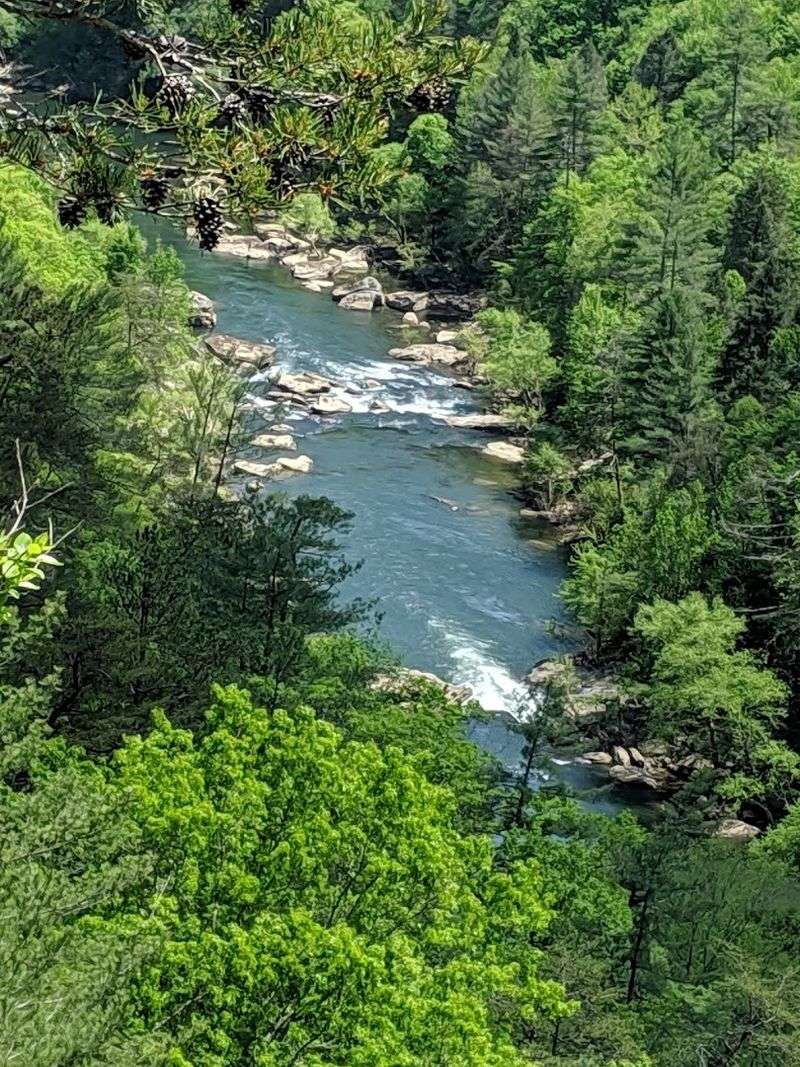
Rivers have a way of organizing a landscape around themselves, and the Obed does exactly that inside Catoosa WMA. Designated as a Wild and Scenic River, the Obed cuts through the property with enough force and character to make it one of the defining features of the entire area.
Kayakers and whitewater rafters plan trips specifically around its rapids.
Beyond the Obed, other major waterways including Daddy’s Creek, Clear Creek, and Otter Creek drain through the WMA, each carving its own path through the plateau.
The Devil’s Breakfast Table is a scenic overlook that rewards the short effort required to reach it with a sweeping view down into the Daddy’s Creek canyon below.
Fishing is popular throughout the stream network, and the water clarity in many sections is genuinely impressive. Anglers who know these drainages well tend to keep their favorite spots quietly to themselves, which is entirely understandable.
For swimmers, certain creek sections offer natural pools that feel refreshing after a long morning on the trail. Just be aware that snakes are present near water, particularly in warmer months, so staying alert is simply part of the experience here.
Wildlife Watching Here Rewards Patience And Quiet Footsteps
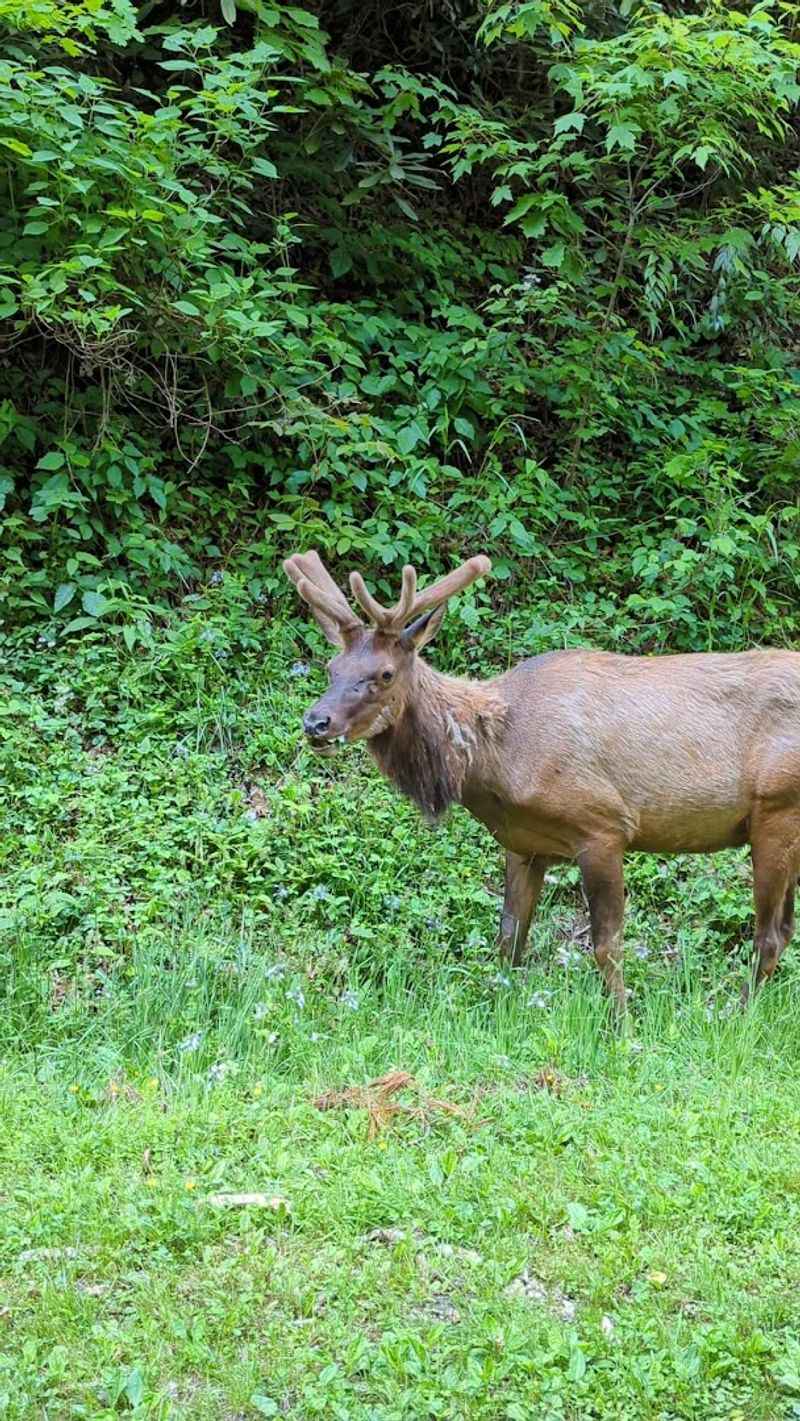
Catoosa WMA manages habitat for a wide range of species, and the diversity on display is one of the stronger arguments for spending multiple days rather than just one afternoon here. White-tailed deer are present in significant numbers.
Wild turkey and ruffed grouse round out the upland game population.
The oak savanna restoration projects underway across parts of the WMA have created open habitat that attracts some genuinely interesting bird species.
Red-headed Woodpeckers, Prairie Warblers, Yellow-breasted Chats, White-eyed Vireos, and Common Yellowthroats have all been recorded in these restored areas.
For birdwatchers, the combination of open savanna, mature forest, and riparian corridors offers a compelling variety of habitats within a single visit.
Neotropical migrant songbirds pass through during spring and fall, adding another layer of interest for anyone carrying binoculars.
Wild hogs are present throughout the property, and rattlesnakes inhabit rocky areas, so maintaining awareness of your surroundings is simply practical wisdom.
Small mammals are abundant but rarely seen, which only adds to the feeling that this landscape is quietly alive in ways that take time to fully appreciate.
Off-Highway Vehicles And eBikes Have Found A Real Home Here
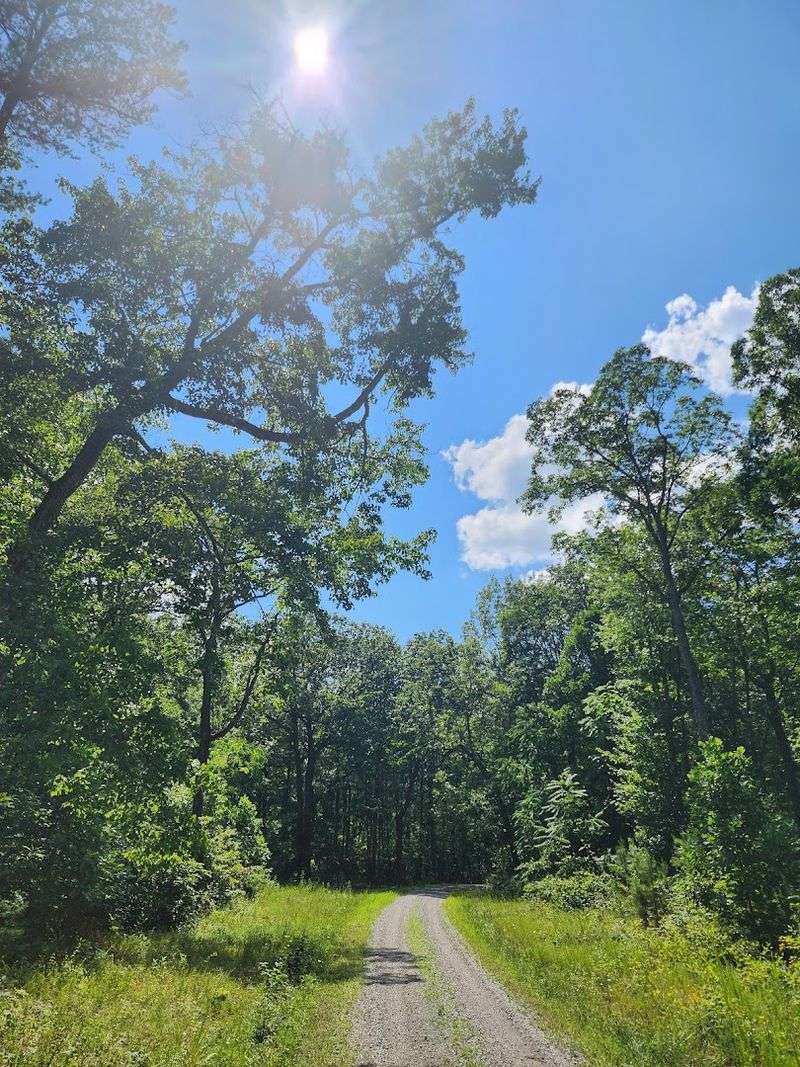
Not every visitor to Catoosa arrives on foot, and the WMA accommodates that reality thoughtfully. Off-highway vehicles are permitted seasonally on designated roads and trails, and riders consistently describe the experience as genuinely enjoyable rather than just passable.
The combination of easy gravel roads and more challenging forest tracks means different skill levels can find something suitable.
eBike riders have discovered Catoosa with particular enthusiasm in recent years. The gravel road network, which extends for over 110 miles, provides a riding surface that suits electric bikes extremely well.
Riders report finding gravel two-tracks and dirt lanes branching off the main roads, adding variety to longer rides without requiring technical off-road skill.
The area near the Obed River corridor, particularly along Potters Ford Road and Otter Creek Road, offers scenic riding with views of rock walls and streamside vegetation that make the effort feel worthwhile.
Crowds are rarely an issue, which is one of the more consistently praised qualities of Catoosa among visitors who prioritize solitude.
Arriving with a full battery, a good map, and realistic expectations about distance will make any motorized visit here far more satisfying than showing up without a plan.
Camping Inside Catoosa Connects You To Something Genuinely Quiet
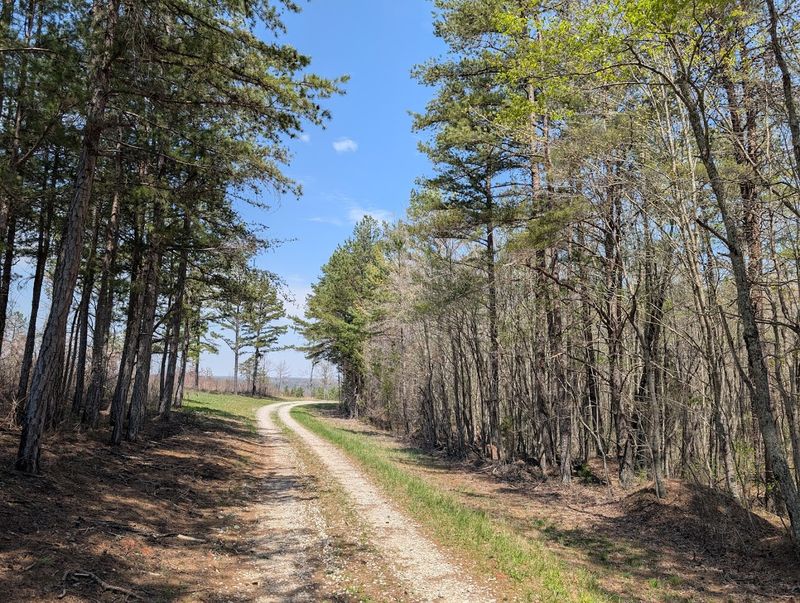
Camping at Catoosa is not the kind of experience that comes with electrical hookups or paved sites. There are no facilities of any kind in most areas, which is precisely the point for visitors who come looking for genuine disconnection.
Backpackers who have camped here repeatedly describe the silence as one of the most striking qualities of the place.
The absence of outside human sounds, apart from the occasional distant aircraft, creates an atmosphere that is surprisingly hard to find within a few hours of a major city. Knoxville is not far, yet Catoosa manages to feel entirely removed from that world.
Those who arrive prepared with their own shelter, water filtration, and food find the experience deeply satisfying. The road conditions are generally good enough for 2WD vehicles to access multiple camping areas, removing one common barrier for families or older visitors.
Several campground options exist both within and near the WMA boundary, giving visitors flexibility depending on their comfort level with truly primitive conditions.
A night here, under a canopy of mature hardwoods with no artificial light visible, is worth planning carefully to get right.
The Cumberland Plateau Terrain Makes Every Walk An Education
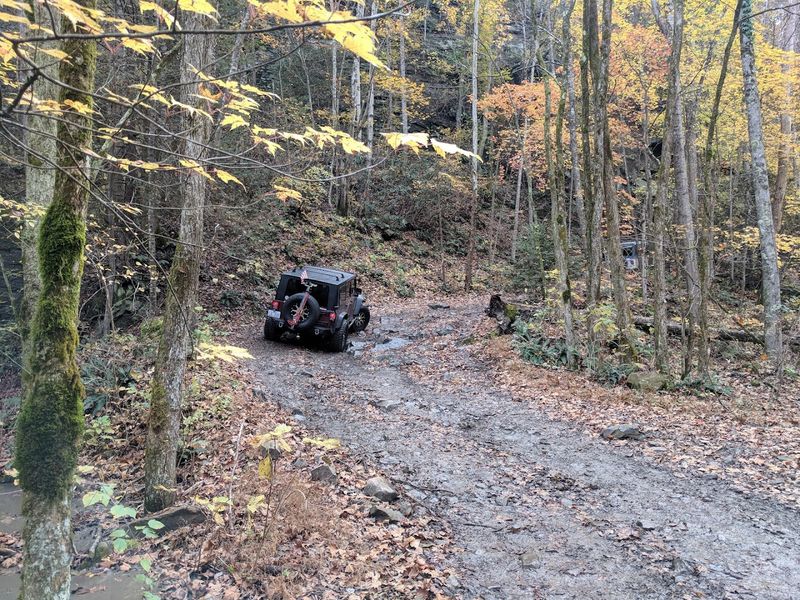
The Cumberland Plateau is not a landscape that flatters the unprepared visitor. It has its own logic, built over millions of years of erosion, uplift, and forest succession, and Catoosa sits squarely within some of its most dramatic geography.
Rivers and streams have cut deep canyons into the plateau surface, creating terrain that shifts from open ridgelines to steep canyon walls within a short horizontal distance.
Geologically, the area belongs to a broader sandstone and limestone formation that gives the plateau its characteristic flat tops and sheer edges. Those edges, in places like the Lilly Bluff overlook near the Obed corridor, deliver views that justify the drive from anywhere in the region.
The rock walls visible along certain gravel roads are remnants of the same geological story playing out at a more accessible scale.
For anyone with an interest in natural history, Catoosa functions almost like a textbook that you walk through rather than read.
The transition from young hardwood forest to mature old-growth sections, from open savanna to dense riparian vegetation, tells a coherent story about land management and ecological succession.
Visitors who pay attention to what the landscape is doing, rather than simply passing through it, tend to leave with a much richer understanding of what the Cumberland Plateau actually is.
Planning Your Visit To Catoosa Starts With Knowing The Basics
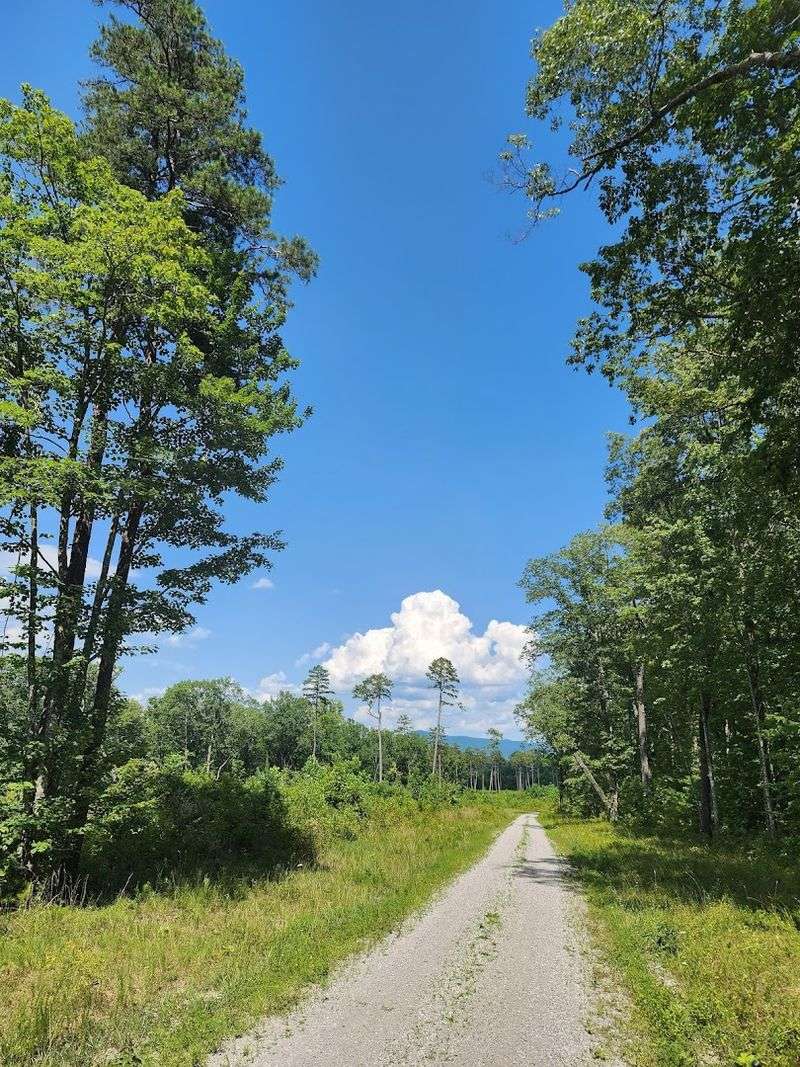
Catoosa Wildlife Management Area is located in Crab Orchard, Tennessee 37723, on the Cumberland Plateau roughly between Crossville and Wartburg.
The TWRA manages the property and maintains a dedicated information page at the official Tennessee government website.
The contact number for the area is listed as 931-456-2479 for anyone who needs to confirm seasonal regulations or access conditions before making the drive.
Cell service inside the WMA is minimal to nonexistent in most sections. Downloading offline maps or printing physical copies before arrival is a practical step that experienced visitors consistently recommend.
A 2WD vehicle handles the main gravel road network without difficulty, though some of the rougher forest tracks benefit from higher clearance.
Seasons matter here. Spring and fall offer the most comfortable hiking temperatures and the best wildlife activity.
Summer brings heat and snakes to areas near water. Winter access is generally fine for vehicles but requires proper layering and awareness of shortened daylight.
Arriving with realistic expectations, solid preparation, and genuine curiosity about the landscape is the most reliable formula for a rewarding visit to Catoosa.