
9 Wisconsin Small Towns With A Main Street Worth Slowing Down For
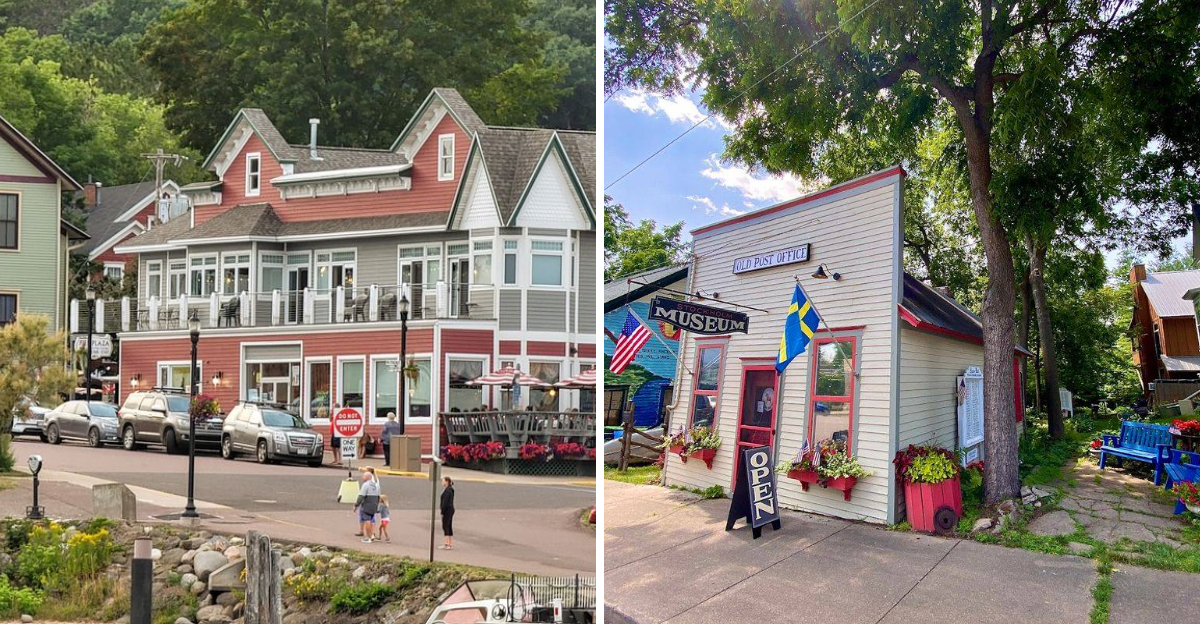
Small towns have a way of making you slow down before you even realize it. Wisconsin makes that easy with main streets full of old storefronts, local shops, hand-painted signs, and people who still wave like they mean it.
You might stop for coffee, peek into a bakery, wander past a courthouse square, or meet a shop owner ready to tell you where to eat next. Nothing feels rushed, and that is the whole point.
These places are not trying to compete with big cities. They have their own rhythm, built on history, pride, porch conversations, and small surprises. Give them an afternoon, and they will remind you why these simple little trips often linger the longest after you leave.
1. Mineral Point
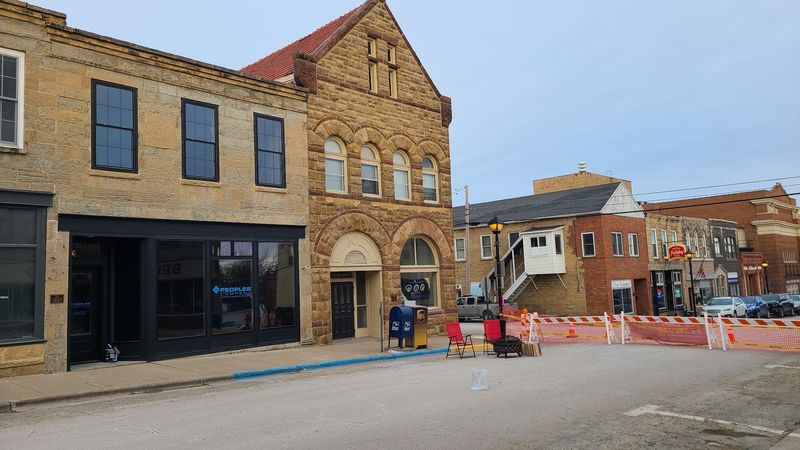
Cornish miners built this town in the 1830s, and their limestone cottages still line the streets like pages from a history book. Walking down High Street feels like stepping back in time, except the old buildings now house art galleries, antique shops, and restaurants that serve food way better than anything those miners ever tasted.
The whole downtown area is a National Historic Landmark, which means every building has a story worth hearing.
You’ll find artists everywhere here because Mineral Point became an arts colony decades ago. Studios open their doors so you can watch painters, potters, and jewelry makers create their work right in front of you.
Some of these folks came for a weekend visit and never left, which tells you something about this place.
Stop by Brewery Creek for lunch in a restored brewery, or grab pastries at Red Rooster Cafe where locals gather every morning. The shops sell handmade goods instead of mass-produced souvenirs, and store owners actually remember your name after one visit.
Spring through fall, the town hosts art tours and festivals that draw crowds, but even on quiet winter days, this main street rewards anyone who takes time to explore its nooks and crannies.
2. Sturgeon Bay
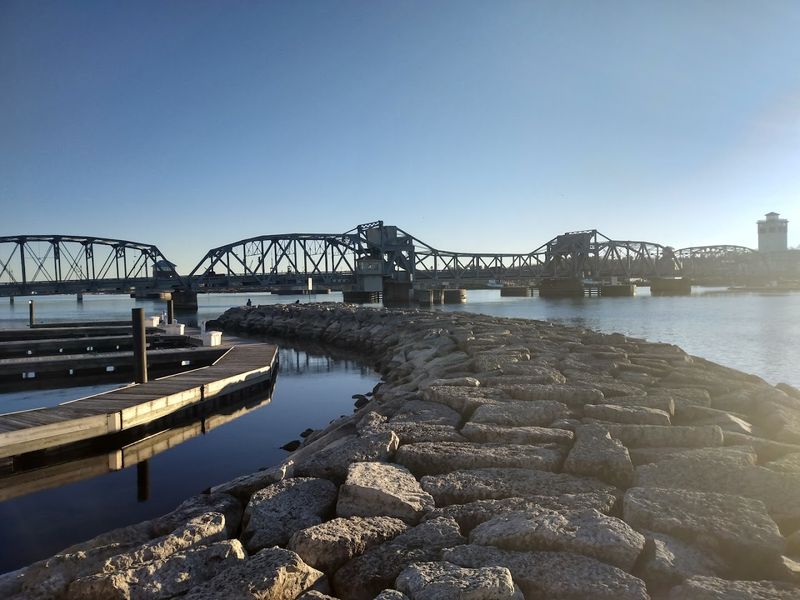
Shipbuilding made Sturgeon Bay what it is today, and you can still smell the lake air mixed with fresh paint from the working shipyards. Third Avenue runs right through the heart of downtown, packed with boutiques, cafes, and galleries that occupy buildings from the early 1900s.
The steel bridge looming overhead reminds you that this isn’t some manufactured tourist trap, real people work and live here.
Door County starts in Sturgeon Bay, so you get all the charm without the summer crowds that pack the peninsula’s northern towns. Maritime museums dot the area, showing off the boats and tools that built this community.
You can watch modern shipbuilders craft massive vessels in the same yards their great-grandfathers used, which creates this cool blend of past and future.
Third Avenue shops sell everything from nautical antiques to contemporary art, and the restaurants serve fresh whitefish caught that morning. The downtown farmers market runs Saturday mornings when local growers bring produce and baked goods that disappear fast.
Evening brings live music spilling from bars and restaurants, creating the kind of atmosphere that makes you want to stick around longer than planned. Winter transforms the street into a holiday wonderland with lights reflecting off snow-covered storefronts.
3. Stoughton

Norwegian heritage runs through Stoughton like a bright thread, visible in the rosemaling painted on buildings and the lefse sold in bakeries. Main Street stretches through downtown with a personality that’s part Midwest friendly, part Scandinavian quirky.
The town celebrates its roots without turning into a theme park, which means you get authentic culture instead of costumes and caricatures.
Coffee hounds worship at Fosdal Home Bakery, where recipes haven’t changed since 1932 and the krumkake tastes like grandma made it. Stoughton Opera House anchors the street, hosting concerts and shows in a beautifully restored theater that opened in 1901.
Downtown shops mix practical with playful, you can buy farm equipment or handmade jewelry, depending on which door you walk through.
May brings the Syttende Mai festival, when 50,000 people flood Main Street for what’s basically a giant Norwegian birthday party complete with parades and folk dancing. But visiting during quieter months lets you actually talk with shop owners who’ll share town history between sales.
Yahara River flows nearby, and walking paths connect downtown to parks and natural areas. The main street scene here proves small towns don’t need to abandon their identity to stay relevant, they just need to celebrate what makes them different.
4. New Glarus
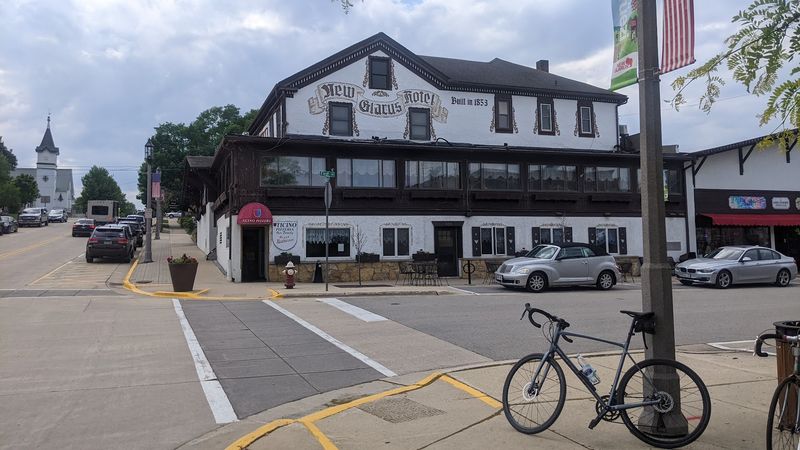
Swiss settlers founded New Glarus in 1845, and the town decided to really lean into that heritage. Alpine architecture covers downtown buildings, complete with flower boxes overflowing with geraniums and murals depicting mountain scenes.
Some people call it touristy, but when you’re eating authentic raclette and watching an alphorn concert, who cares what anyone calls it?
New Glarus Brewing Company put this town on the map for beer lovers, though you can only buy their famous Spotted Cow in Wisconsin. The main drag offers Swiss bakeries selling stollen and braided bread, restaurants serving schnitzel and fondue, and shops packed with imported goods from Switzerland.
Chalet Landhaus Inn looks like it was airlifted from the Alps and dropped onto First Avenue.
Summer transforms downtown into a festival ground with Heidi Festival, Wilhelm Tell Festival, and Oktoberfest drawing massive crowds. The Swiss Historical Village sits just off main street, where costumed interpreters demonstrate traditional crafts in authentic 19th-century buildings moved from around the area.
Even the local high school sports teams are called the Glarner Knights, keeping that Swiss connection alive. Critics might say New Glarus tries too hard, but visitors keep coming back because the town delivers exactly what it promises, a genuine slice of Switzerland in southern Wisconsin, complete with excellent beer and cheese.
5. Cedarburg
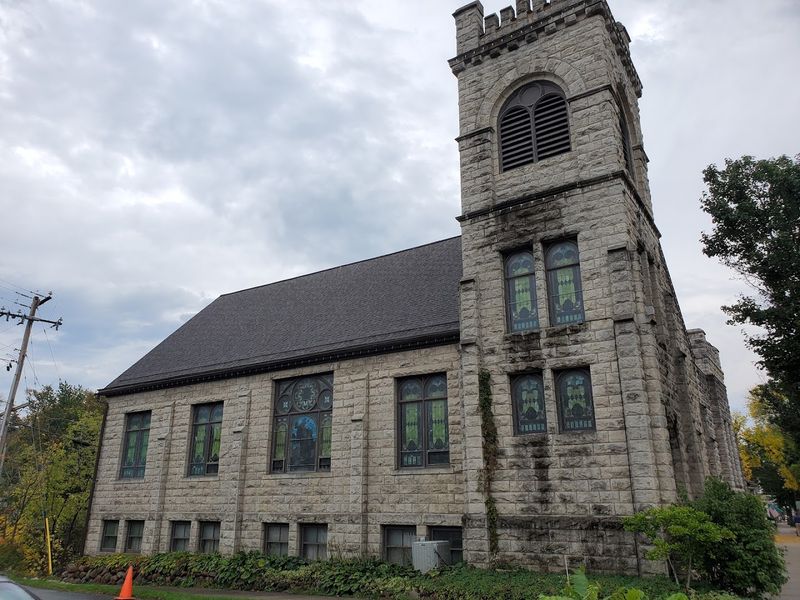
Cream City brick buildings line Washington Avenue, their warm golden color giving downtown Cedarburg a glow that changes with the light. These structures date back to the 1800s when the town thrived as a mill community, and preservationists fought hard to save them from wrecking balls.
Now those same buildings house galleries, antique stores, and restaurants that make this one of Wisconsin’s most visited small towns.
Cedar Creek runs right through town, and the covered bridge has launched a thousand Instagram posts. The old woolen mill got converted into a marketplace where artisans sell handcrafted goods in spaces that once held industrial equipment.
You can spend hours browsing shops that specialize in everything from vintage jewelry to contemporary pottery, all within a few blocks.
Wine and Harvest Festival each fall brings 100,000 people to this town of 12,000, which creates chaos but also incredible energy. Cedarburg Cultural Center hosts rotating art exhibits in a former church, and live music fills the streets during summer concerts.
The main street never feels artificial despite the tourist traffic because real businesses serve real residents alongside visitors. Cedar Creek Winery offers tastings in a stone building that predates the Civil War.
Spring through fall, sidewalk cafes let you watch the parade of people while sipping locally roasted coffee or Wisconsin craft beer.
6. Bayfield
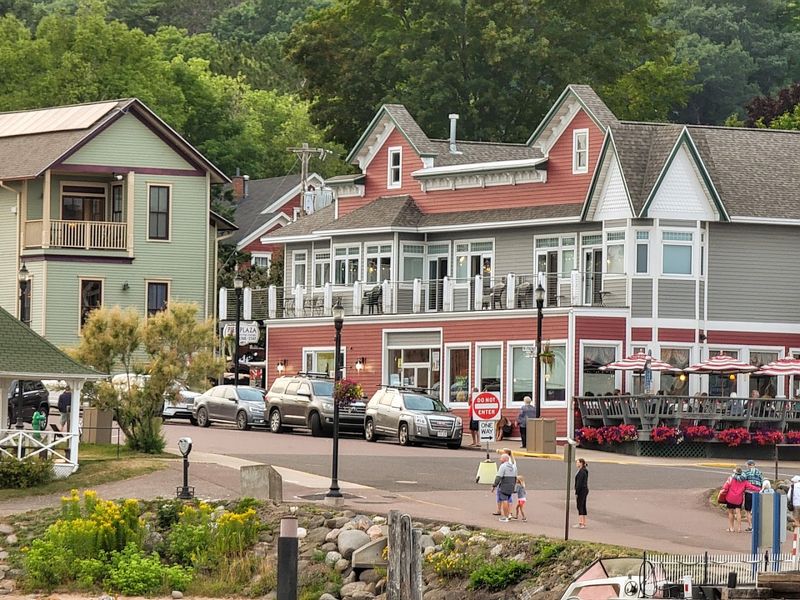
Lake Superior spreads out below Bayfield like a massive blue mirror, visible from almost everywhere on the sloping main street. Victorian homes and storefronts cling to the hillside, painted in colors that pop against the lake’s deep blue.
This town serves as the gateway to Apostle Islands National Lakeshore, but the main street itself deserves just as much attention as those famous islands.
Summer brings sailors, kayakers, and tourists who pack the ferry docks heading to Madeline Island. But Rittenhouse Avenue offers its own attractions, galleries showing local art, bookstores with carefully curated collections, and restaurants serving fresh lake trout and whitefish.
Big Top Chautauqua sits just outside town, hosting concerts under a massive tent that draws national acts all summer long.
Fall transforms Bayfield into apple country headquarters when orchards surrounding town ripen with fruit. The Apple Festival floods the streets with craft vendors, food stands, and enough apple pies to feed a small army.
Winter turns everything quiet and magical, with ice caves forming in the Apostles and cross-country ski trails winding through snowy forests. The main street shops stay open year-round, serving hardy locals and the few visitors brave enough to face Lake Superior’s winter moods.
Watching sunset over the lake from a bench on Rittenhouse Avenue costs nothing and beats most expensive entertainment.
7. Stockholm
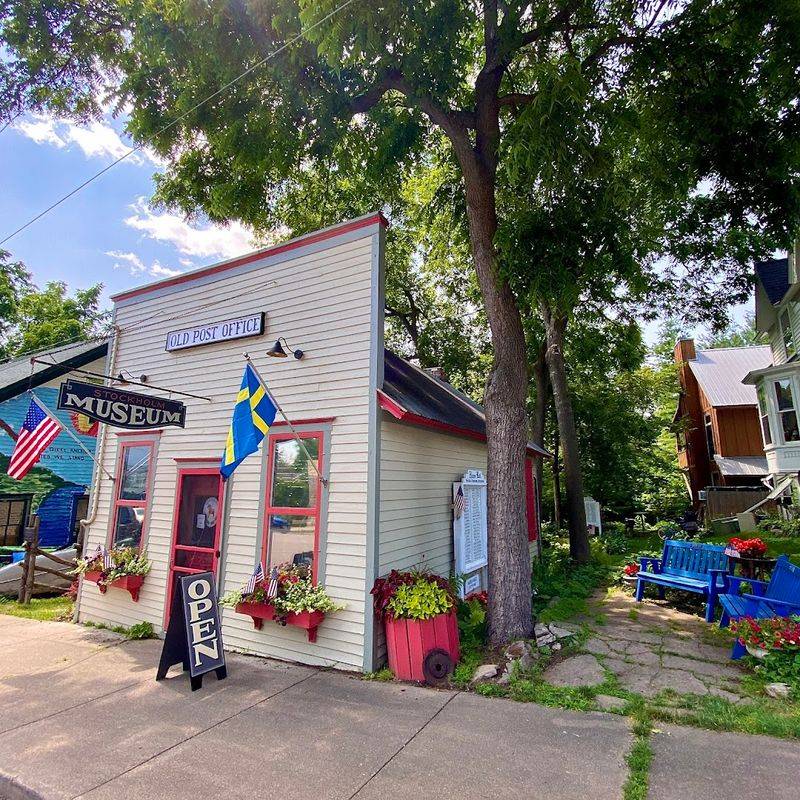
Calling Stockholm a town feels generous since only 66 people live here, but that main street packs more personality per square foot than places a hundred times bigger. The whole downtown fits into about two blocks along Highway 35, squeezed between the Mississippi River and towering bluffs.
Every building seems to house either an art gallery, a pie shop, or someone’s passion project turned into a business.
Stockholm Pie Company draws people from across the Midwest who make pilgrimages for slices of fruit pies baked fresh daily. The tiny post office operates out of a building smaller than most bedrooms, and locals collect mail while catching up on town gossip.
Amish furniture stores sell handcrafted pieces alongside galleries showing paintings and pottery from regional artists.
Great River Road runs right through Stockholm, making it a perfect stop for motorcyclists and road trippers exploring the Mississippi. The river views alone justify the visit, but the quirky shops and friendly residents make people stay longer than planned.
Stockholm Village Park sits right on the water, offering picnic spots with million-dollar views. Autumn brings leaf peepers who crowd the streets photographing the bluffs exploding in color.
This place proves that small doesn’t mean boring, sometimes the tiniest towns create the biggest impressions by simply being themselves without apology or pretense.
8. Westby
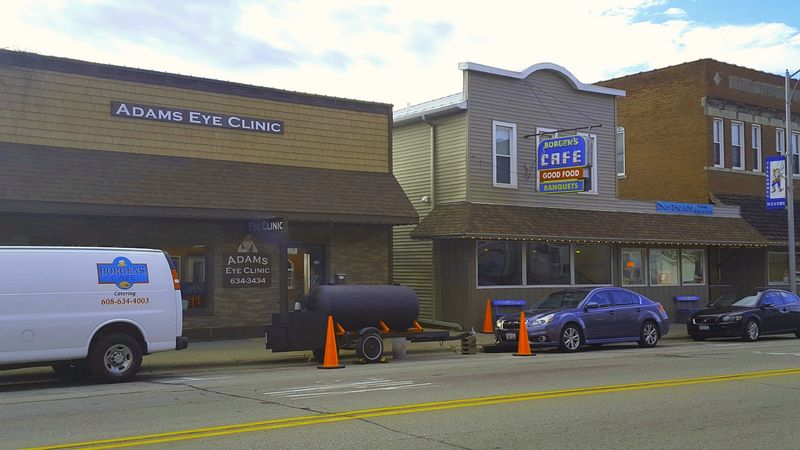
Norwegian flags fly year-round in Westby, where Scandinavian heritage isn’t just history, it’s current events. Main Street runs through downtown past family-owned businesses that have served the community for generations.
This isn’t a tourist town pretending to be Norwegian for visitors; it’s a working agricultural community that happens to maintain strong ties to its immigrant roots.
Borgen’s Cafe serves Norwegian meatballs and lefse alongside standard diner fare, and nobody bats an eye at the combination. The Snowflake Ski Club operates the largest ski jumping program in America, sending athletes to Olympic competitions from this tiny Wisconsin town.
Downtown buildings display rosemaling and other traditional decorative arts, painted by local artists who learned the craft from their grandmothers.
Westby’s Syttende Mai celebration rivals Stoughton’s, with parades and folk dancing taking over Main Street each May. The town sits in the heart of the Driftless Area, where rolling hills and valleys create scenery that actually resembles Norway more than typical Wisconsin flatlands.
Shops sell practical goods for farmers and families, not tourist trinkets, which gives the main street an authentic feel missing from more commercialized destinations. Elroy-Sparta State Trail runs nearby, bringing cyclists who stop for meals and supplies.
The Opera House hosts community theater and concerts in a restored venue that brings people together for entertainment like towns did before Netflix existed.
9. Sister Bay
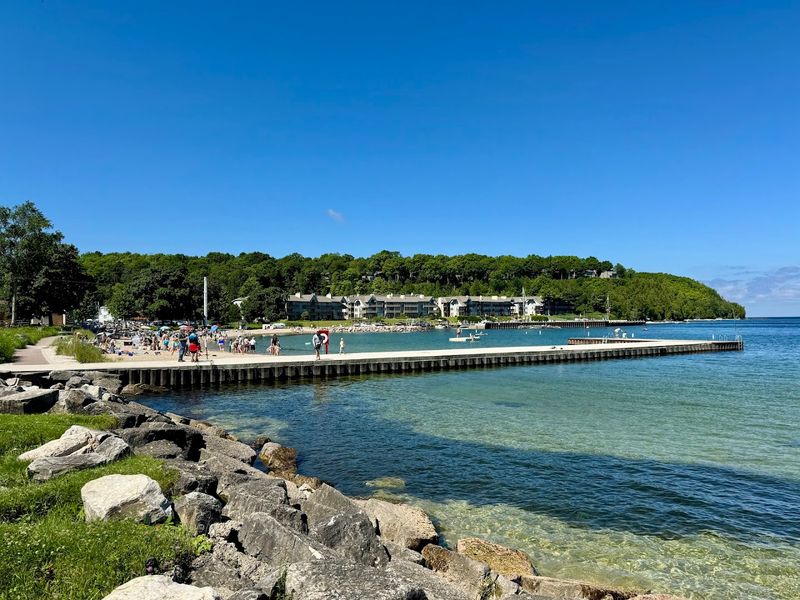
Door County’s northern tip holds Sister Bay, where the main street runs right along the water and summer feels like it lasts forever. Beach chairs and kayaks lean against storefronts, and the smell of fish boils drifts from restaurants cooking up this regional specialty.
Unlike some Door County towns that feel overwhelmed by tourists, Sister Bay maintains a balance between welcoming visitors and serving year-round residents.
Al Johnson’s Swedish Restaurant claims fame for the goats grazing on its grass roof, creating a photo opportunity that stops traffic. But beyond that quirky attraction, the downtown offers serious shopping and dining in buildings that blend into the natural landscape.
Marina views stretch across Sister Bay’s protected harbor where sailboats bob and fishing charters depart at dawn.
Fall Festival brings 75,000 people to watch pumpkins get launched from giant catapults, because apparently that’s what passes for entertainment in small Wisconsin towns. The main street handles the crowds without losing its charm, probably because locals have decades of practice managing tourist influxes.
Winter transforms Sister Bay into a quiet retreat where you can actually find parking and restaurant reservations. Sunset over the bay paints the sky in colors that look photoshopped but are completely real.
The downtown walkability means you can park once and explore everything on foot, stopping in galleries, boutiques, and ice cream shops without moving your car.