
This Massachusetts Reuse Shop Lets Artists Fill Bags With Cheap Creative Supplies And Leave With No Regrets
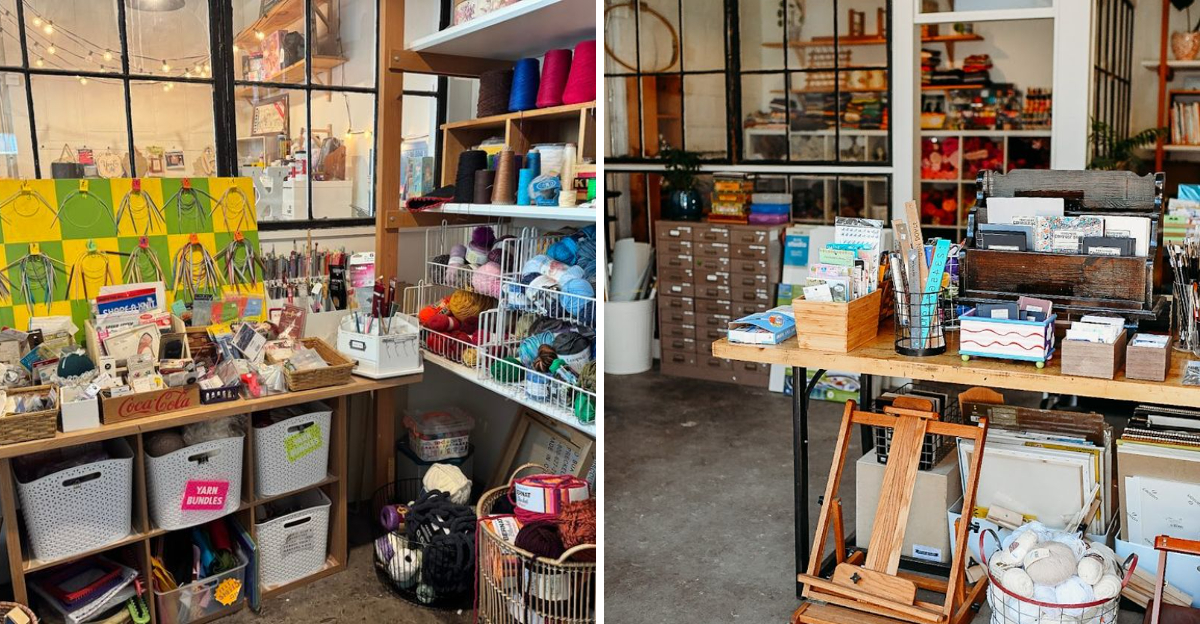
Creative people know that one odd button, paper scrap, or half-used paint tube can spark an idea fast.
Massachusetts has a reuse shop where artists, teachers, crafters, and curious shoppers can hunt through bins of supplies without spending much.
The fun is not knowing what will show up. Fabric pieces, yarn, beads, stamps, frames, markers, and strange little materials all wait for someone with a plan. Or no plan at all. That might be even better.
A simple bag can turn into a future collage, classroom project, costume, card, or weekend experiment. Prices stay friendly, the shelves keep changing, and every visit feels a little different.
For anyone who loves making things, saving money, and giving old materials a second chance, this Massachusetts stop turns creative shopping into part of the adventure.
A Place Where Creative Ideas Start To Take Shape
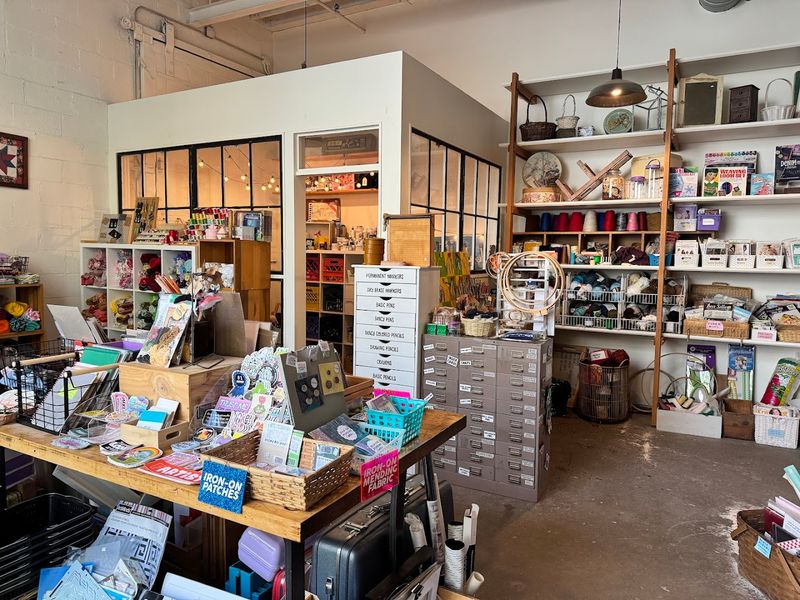
This shop operates out of nearly 500 square feet of carefully organized retail space, yet manages to house over 6,000 thrifted arts and crafts supplies at any given time.
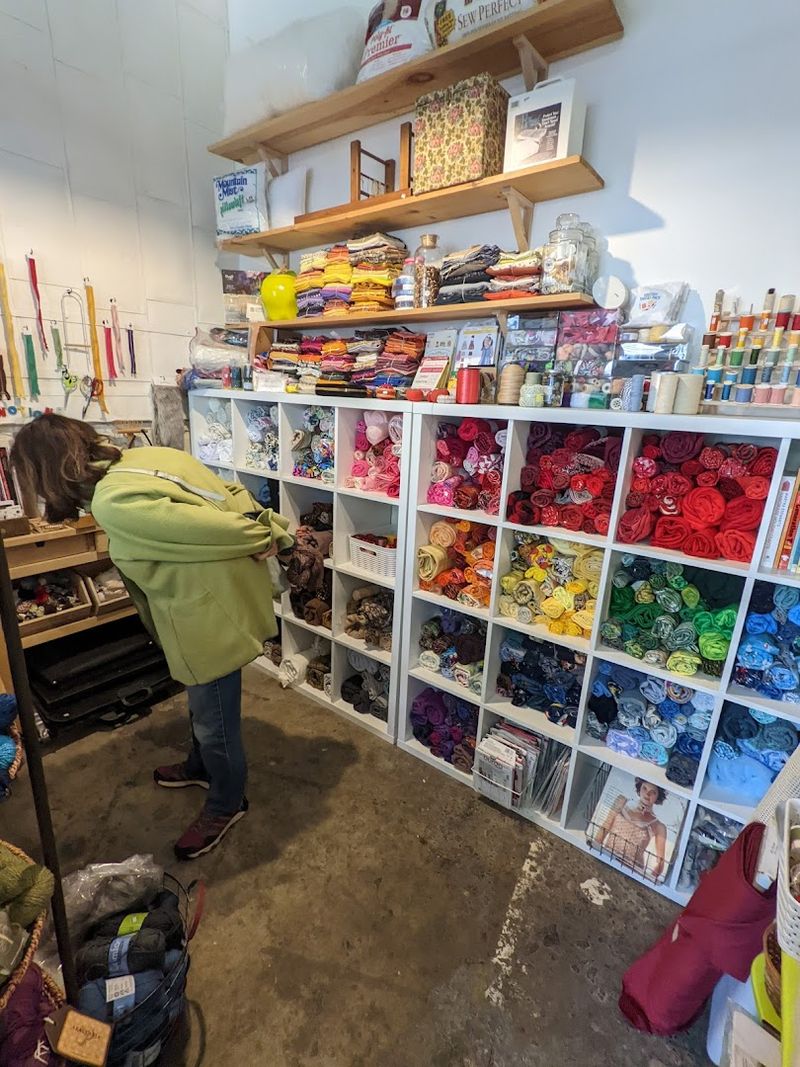
Every corner of the room has something worth pausing over. Vintage fabrics sit alongside embroidery floss, colored pencils, and various types of paint.
Yarn fills baskets. Paper stacks up in tidy sections.
The layout makes browsing feel purposeful rather than overwhelming, which is a small but meaningful design choice in a space this compact.
The shop welcomes both seasoned artists and complete beginners without distinction. Someone picking up a brush for the first time has just as much to gain here as a professional stocking up on supplies.
That open, non-judgmental atmosphere sets the tone the moment you step inside.
Make and Mend operates Sunday through Thursday from 11 AM to 6 PM, and Friday through Saturday from 11 AM to 7 PM, giving visitors a generous window to explore at their own pace.
The Ethos Of Creative Reuse
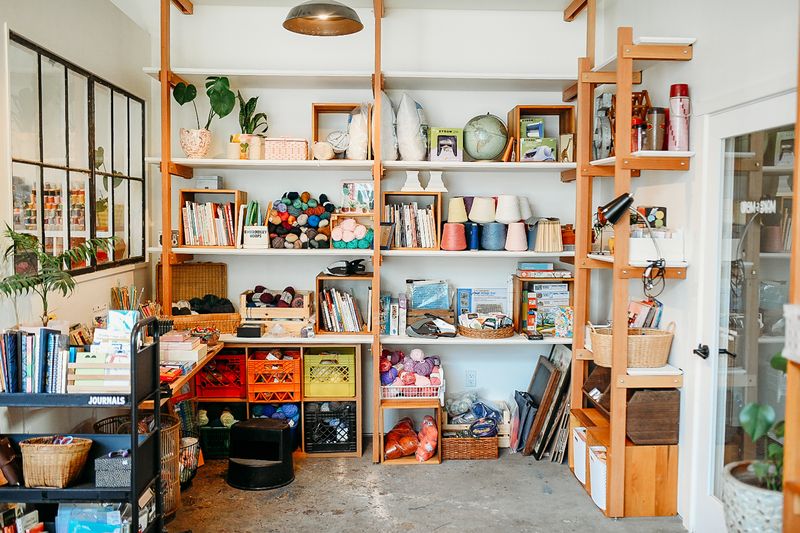
The idea behind Make and Mend is straightforward but genuinely meaningful.
Rather than letting perfectly usable art supplies end up in landfills, the shop gives them a second life by connecting donated materials with artists who will actually use them.
It is a practical solution to a problem most creative people have encountered at some point.
Artists accumulate supplies faster than they can use them. A half-finished skein of yarn, leftover paint from a finished canvas, fabric scraps from a sewing project that never got completed.
These items have real value, and throwing them away feels wrong. Make and Mend exists precisely to intercept that waste before it becomes a problem.
The shop actively accepts donations of clean, reusable art and craft materials from anyone willing to contribute. That donation pipeline keeps the inventory fresh and varied, which benefits everyone who walks through the door.
There is something quietly satisfying about knowing that the colored pencils you pick up were passed along by another artist who simply had too many.
The whole system runs on a kind of creative generosity that feels increasingly rare, and it gives the shop a character that no standard retail store could manufacture or replicate.
A Treasure Trove Of Affordable Inspiration
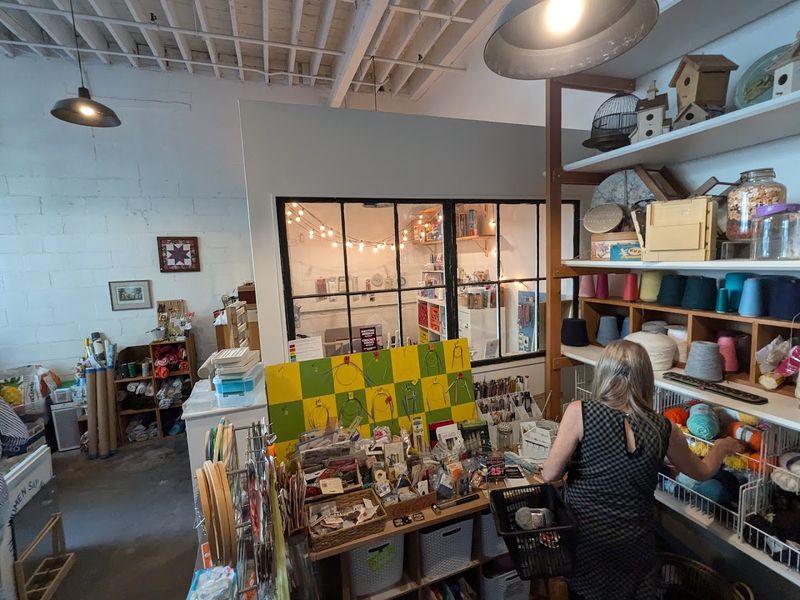
Prices at Make and Mend tend to hover between fifty cents and ten dollars for most items, which makes it one of the more budget-friendly options for artists in the greater Boston area.
For someone just starting out or experimenting with a new medium, that kind of pricing removes a significant barrier.
You can try something new without committing a large sum of money to it. The inventory covers a wide range of materials.
Knitting needles, balls of yarn, paint in multiple formulations, paper of various weights and textures, brushes, embroidery supplies, vintage fabrics, and tools of all kinds cycle through the shelves regularly.
New items reportedly arrive daily, which means no two visits feel identical.
Part of what makes the shop so enjoyable is the unpredictability of it. You might come in looking for one thing and leave with five others you did not know you wanted.
That element of discovery keeps people returning. One shopper reportedly picked up three sets of knitting needles and four brand new balls of yarn for under twenty-three dollars during a single visit.
That kind of value is difficult to find anywhere else in the region, and it speaks directly to what the shop was built to offer.
The Vision Of Emily Tirella
Make and Mend was founded in 2017 by artist Emily Tirella, whose motivations were practical, community-minded, and environmentally conscious all at once.
She recognized that financial barriers keep many people from engaging with art, and she wanted to do something concrete about that. The shop became her answer.
Tirella built the concept around three interlocking goals: removing the cost burden from artists, encouraging vulnerable creativity, and reducing the waste that art-making inevitably generates.
Those three ideas reinforce each other in ways that make the whole enterprise feel coherent rather than scattered.
A shop that is affordable, sustainable, and welcoming tends to attract people who share those values, and that shared sense of purpose gives Make and Mend its particular atmosphere.
Her background as an artist informs how the shop is organized and what kinds of materials it prioritizes. The selection reflects a genuine understanding of what artists actually need, not just what looks good on a shelf.
That insider knowledge shows in the quality and variety of items available at any given time.
Tirella created something that functions both as a retail space and as a community resource, and the distinction between those two things blurs in a way that feels entirely intentional and deeply considered.
Community, Craft, And Conscious Consumption
Make and Mend occupies a particular place in the Union Square neighborhood of Somerville that goes beyond what its square footage might suggest.
The shop functions as a gathering point for people who care about making things, sharing resources, and spending money thoughtfully.
That combination of values has built a steady and loyal community around it over the years since its founding.
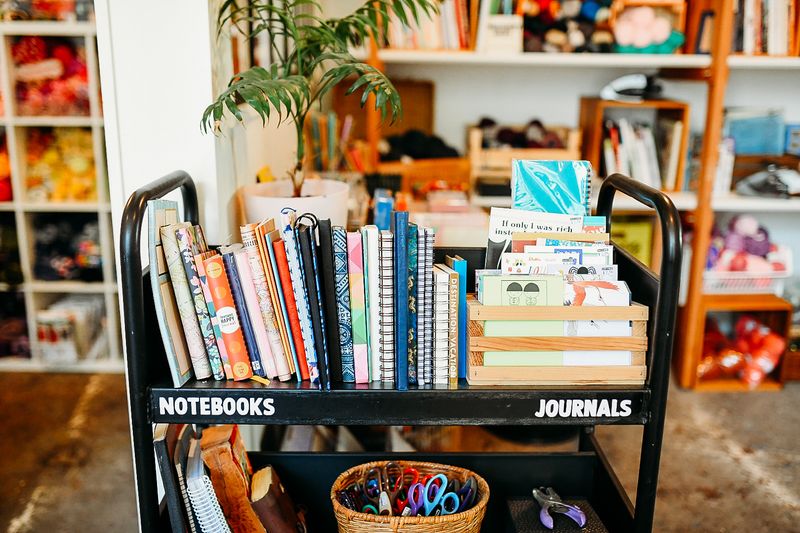
Regulars return not just for the supplies but for the experience of the place itself. There is a certain pleasure in browsing a space where every item has a history and where the act of buying something feels like participation in a larger project.
Conscious consumption is a phrase that gets overused, but at Make and Mend it describes something real and observable rather than aspirational.
The shop also serves people who want to give rather than receive. Donating unused supplies here means knowing those materials will find their way to someone who genuinely wants them.
That closed loop between donors and buyers creates a kind of trust that sustains the whole operation.
For artists in the Somerville and greater Boston area, Make and Mend has become the kind of place that feels irreplaceable once you know it exists, and sharing it with others becomes almost automatic.
From Studio Waste To Shared Resources
Every art studio generates waste. Supplies get bought in bulk, projects change direction, and materials accumulate faster than any single artist can use them.
Most of that surplus ends up in the trash, which is a practical shame as well as an environmental one. Make and Mend interrupts that cycle in a way that benefits everyone involved.
The donation model means that materials arriving at the shop come with a kind of provenance. A jar of paint once used in someone else’s studio carries a certain appeal that a factory-sealed container simply does not.
For artists who appreciate the texture and history of their tools, that quality adds something intangible but real to the shopping experience.
From a sustainability standpoint, the numbers matter. Over 6,000 items housed in a single 500-square-foot shop represent a significant volume of materials that did not end up in a landfill.
Multiply that by the shop’s years of operation and regular donation intake, and the environmental impact becomes genuinely substantial.
What began as one artist’s response to a familiar frustration has grown into a small but measurable contribution to the broader project of reducing creative waste in urban communities.
That quiet effectiveness is part of what makes the shop worth supporting.
The Shelves Change Enough To Keep Every Visit Interesting
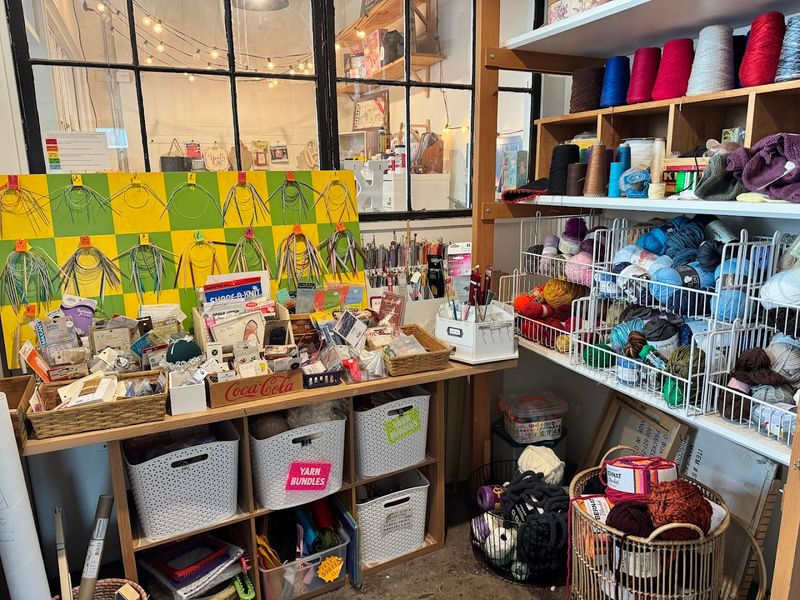
One of the more compelling aspects of Make and Mend is that the inventory never stays the same for long. New supplies arrive daily, donated by artists and crafters throughout the community.
That constant turnover means a visit on Tuesday might yield something completely different from a visit the previous Saturday. The shop rewards repeat customers in a way that static retail simply cannot.
This unpredictability is a feature, not a flaw. Shoppers who approach the space with curiosity rather than a fixed shopping list tend to have the most satisfying experiences.
The adventure of not knowing what you will find is something several visitors have noted as a primary reason they keep coming back. It is the kind of browsing that feels genuinely exploratory rather than transactional.
The online inventory updates daily as well, which gives potential visitors a way to check what is available before making the trip. That practical detail reflects a thoughtfulness about the customer experience that goes beyond the physical shop.
For anyone in the Boston area with an interest in affordable, sustainable art supplies, keeping an eye on that online inventory has become a habit worth developing.
The shop can be found at makeandmendshop.com for those who want to browse before they visit.
A Physical Space For Hands-On Discovery
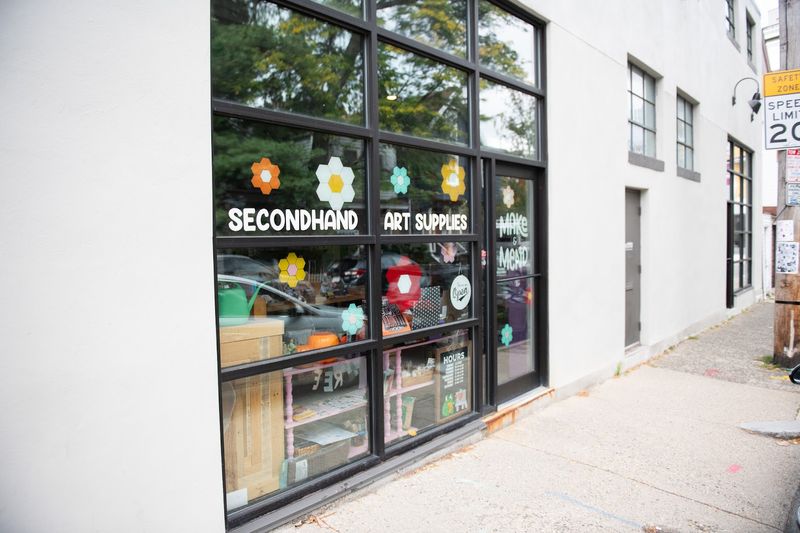
There is something about handling art supplies in person that no online shopping experience can replicate. The weight of a brush, the texture of a fabric, the way a skein of yarn feels between your fingers.
Make and Mend at 21 Hawkins Street is built around exactly that kind of tactile, in-person discovery, and the physical space reflects that intention throughout.
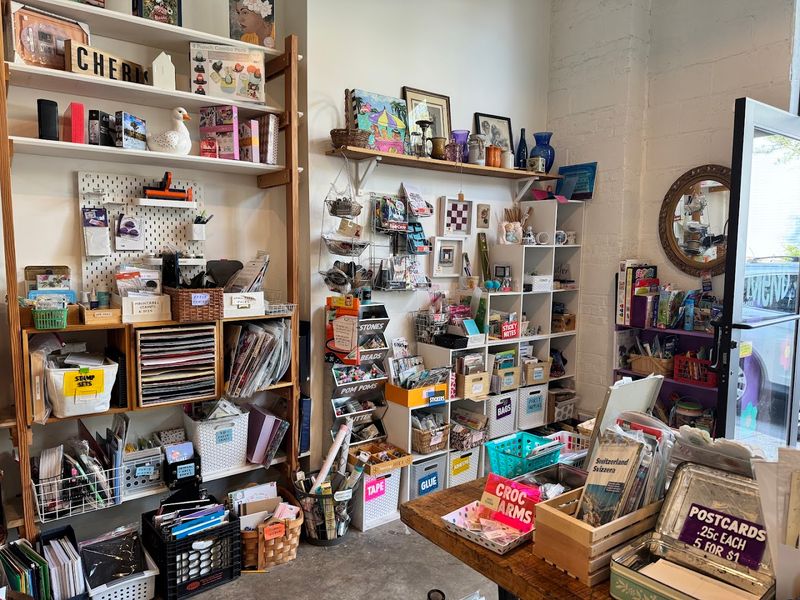
The shop is organized by material type and use, which makes browsing feel structured without being rigid. Visitors can move through sections dedicated to fiber arts, painting, drawing, and paper crafts without losing their bearings.
For a space of under 500 square feet, the organizational logic is impressive and clearly the result of deliberate planning rather than improvisation.
Accessibility has been considered at the entrance, with a wheelchair ramp available alongside the three-inch step at the door, though visitors should note the ramp has a steep grade.
Public metered parking is available on Somerville Avenue, and while street parking in the area can be competitive, planning ahead makes the visit straightforward.
The shop is open Sunday through Thursday from 11 AM to 6 PM and Friday through Saturday from 11 AM to 7 PM, offering a comfortable schedule for most visitors regardless of their weekly routine.
A Few Things To Know Before Filling Your Bag
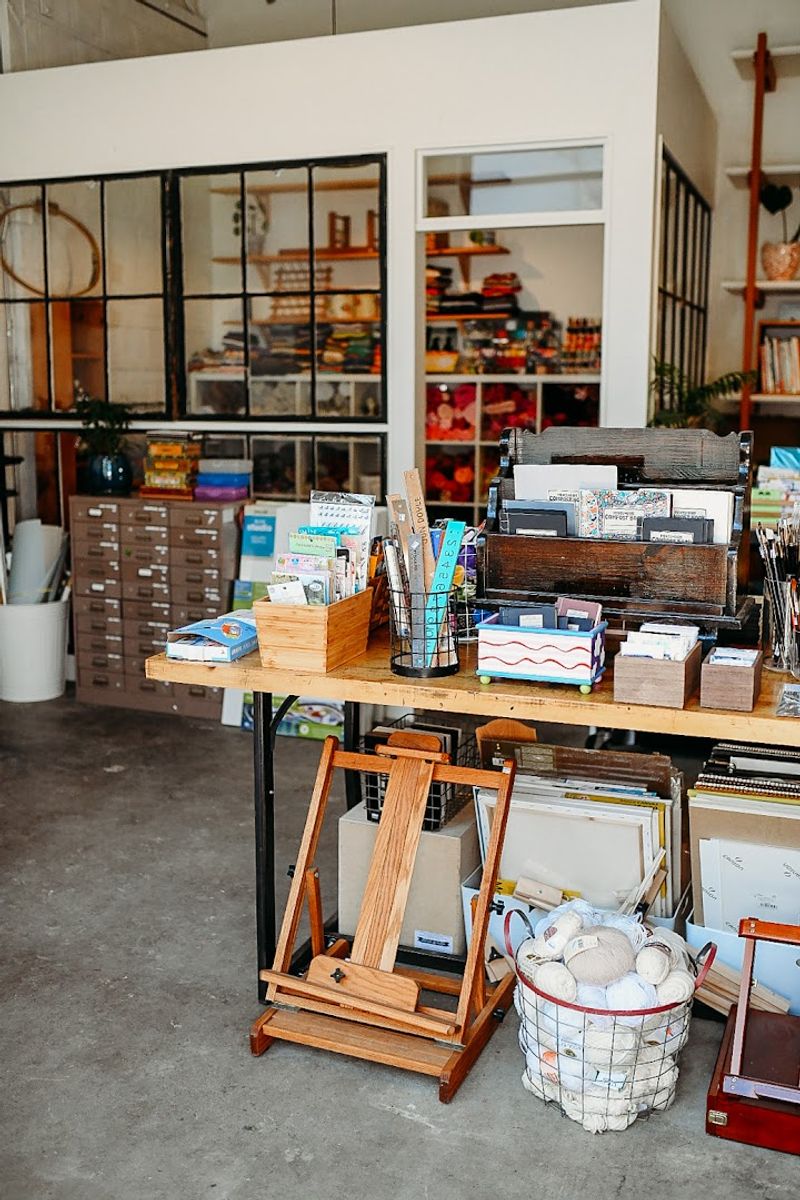
Planning a visit to Make and Mend takes very little effort, but a few details are worth knowing before you go. The shop is located at 21 Hawkins Street in Union Square, Somerville, Massachusetts.
That neighborhood sits close enough to Cambridge and downtown Boston to make it a reasonable destination from most points in the metro area, and the surrounding blocks have their own character worth exploring.
Masks are required inside the shop, and the staff provides them at the door for anyone who arrives without one. That policy is posted at the entrance, so first-time visitors will see it before stepping inside.
The shop keeps free masks on hand, which removes any practical obstacle for those who forgot or were unaware of the requirement.
The fill-a-bag sale event is a recurring highlight that draws shoppers looking for the best possible value on bulk supplies. Details on upcoming events can be found through the shop’s website at makeandmendshop.com.
For anyone who has ever left an art supply store feeling like they spent too much and got too little, Make and Mend offers a genuinely different kind of experience.
The prices are honest, the inventory is real, and the mission behind it all gives every purchase a sense of purpose that outlasts the transaction itself.