
This Wisconsin Salvage Store Is A Shopping Paradise Filled With Incredible Finds And Huge Savings
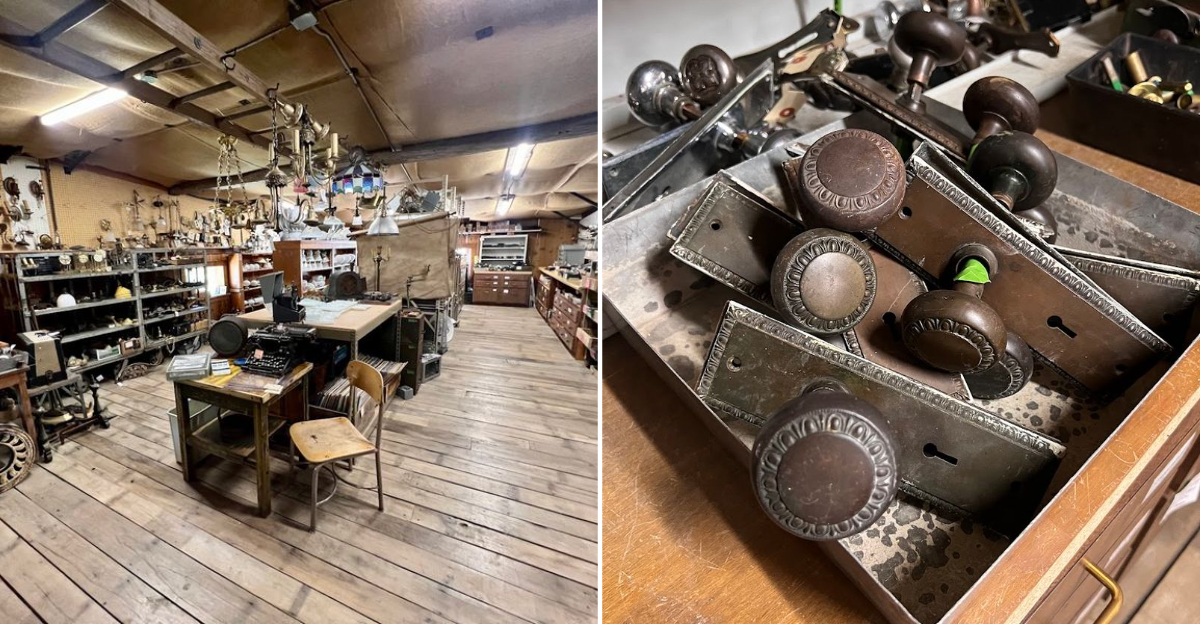
Salvage stores operating at this level turn retail inside out completely. Everything here arrived through circumstance rather than intention, which makes the inventory impossible to predict and the savings impossible to ignore.
Shelves stocked by chance rather than a purchasing department produce finds that no planned shopping trip could replicate. The best discoveries surface without warning and disappear just as fast.
Regulars arrive with flexibility rather than a list, having learned that rigid expectations and salvage shopping produce nothing but frustration. Instinct and timing serve considerably better than any predetermined plan.
Wisconsin delivered a salvage experience here that serious bargain shoppers treat as a destination rather than a detour. The finds justify coming back before the previous haul has even been fully unpacked.
Types Of Items Available At Salvage Stores
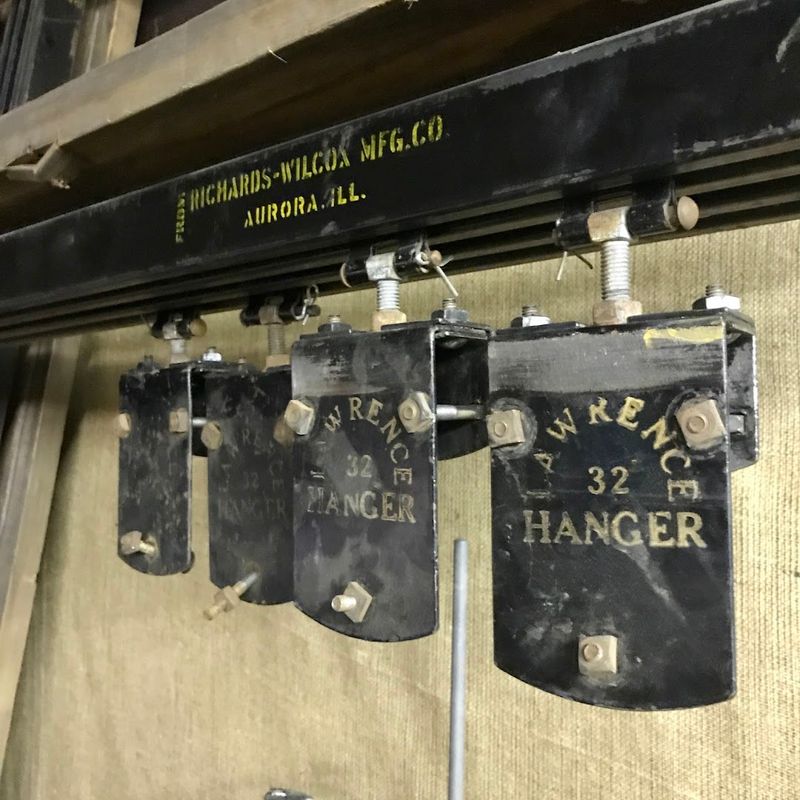
This place is not your average store. The inventory here reads like a love letter to old Wisconsin buildings.
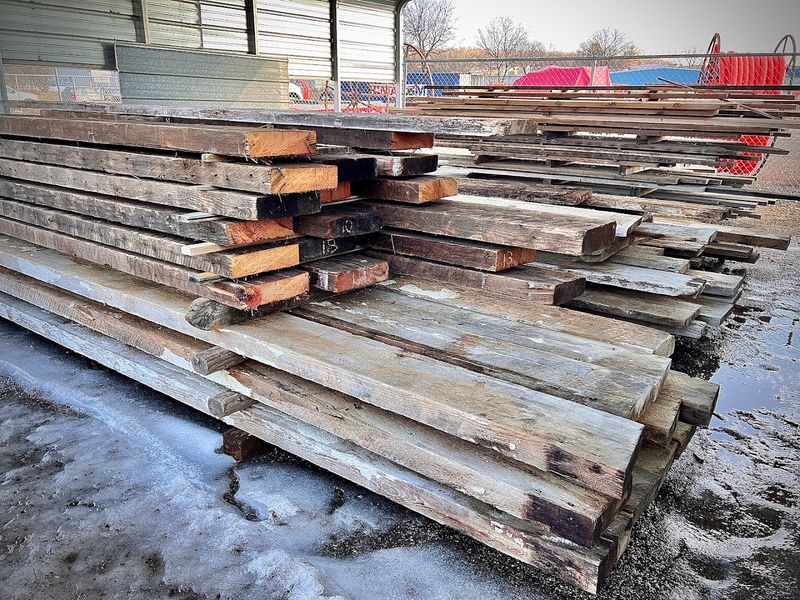
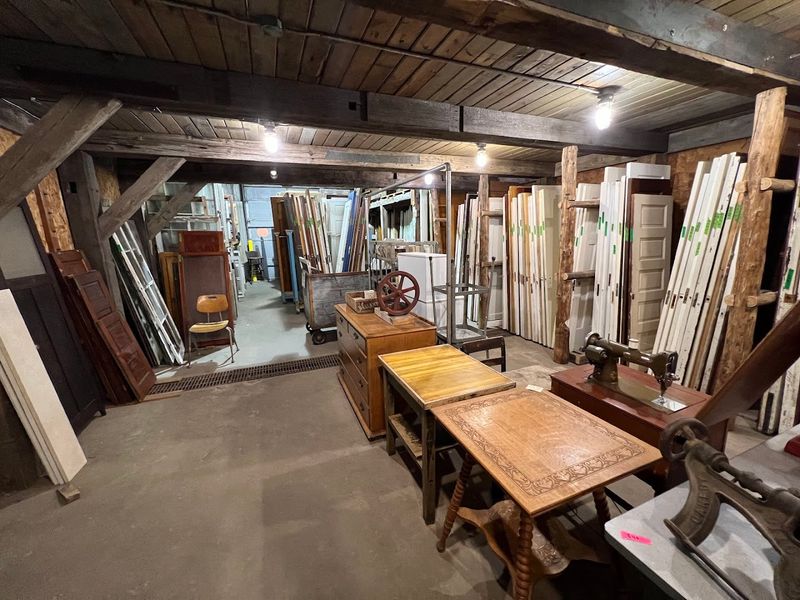
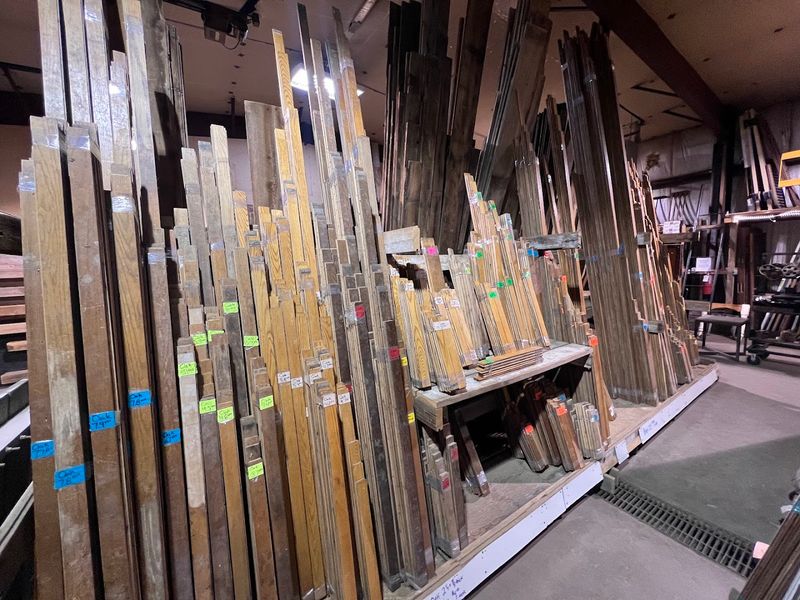
Factory beams, barn wood, reclaimed lumber, and aged Maple or Oak flooring are all waiting for a second life. You can find them stacked, sorted, and ready to go.
Vintage trim pieces are another big draw. Baseboards, crown molding, and rosettes show up regularly.
These are the kinds of details that new construction simply does not replicate well. Finding a piece of original millwork here feels like striking gold.
Cast iron farm sinks are also part of the mix. So are vintage doors, windows, and fireplace surrounds with real mantels.
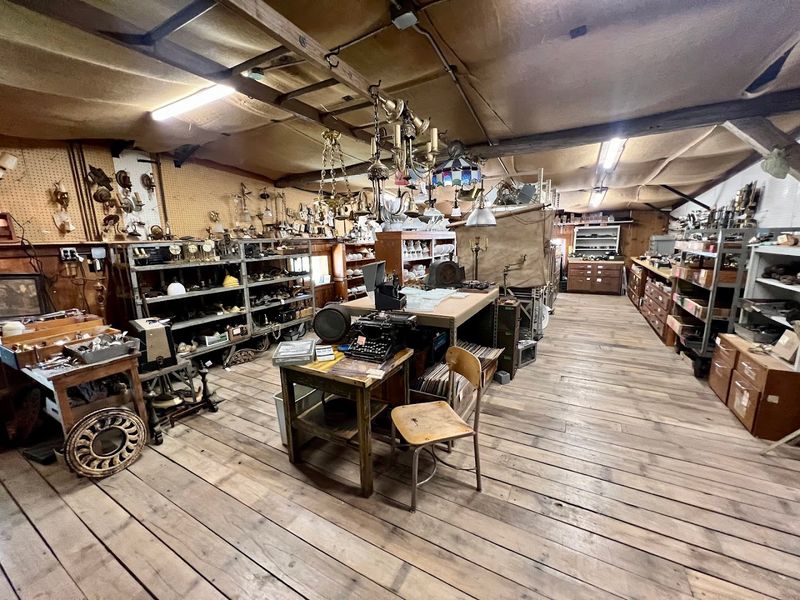
Ceiling tin panels appear too, and they add serious drama to any room. Lighting fixtures in styles you cannot find at a big-box store round out the collection.
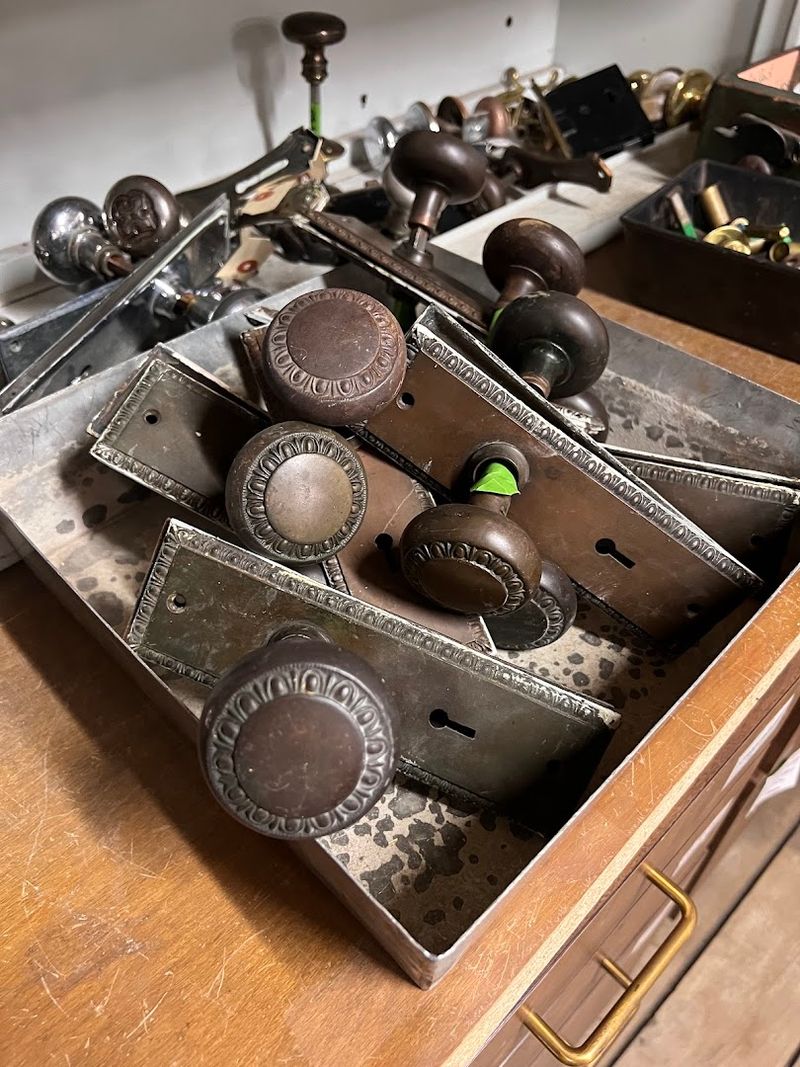
Door hardware alone could keep you busy for an hour. Knobs, hinges, locks, and escutcheons in brass, iron, and porcelain fill bins and boards throughout the space.
Deconstruction Inc. has been deconstructing Wisconsin buildings since 1986, so the depth of selection reflects nearly four decades of careful collecting. Every single visit turns up something different.
The store is located at 1010 Walsh Rd, Madison, WI 53714.
Strategies For Finding Valuable Products
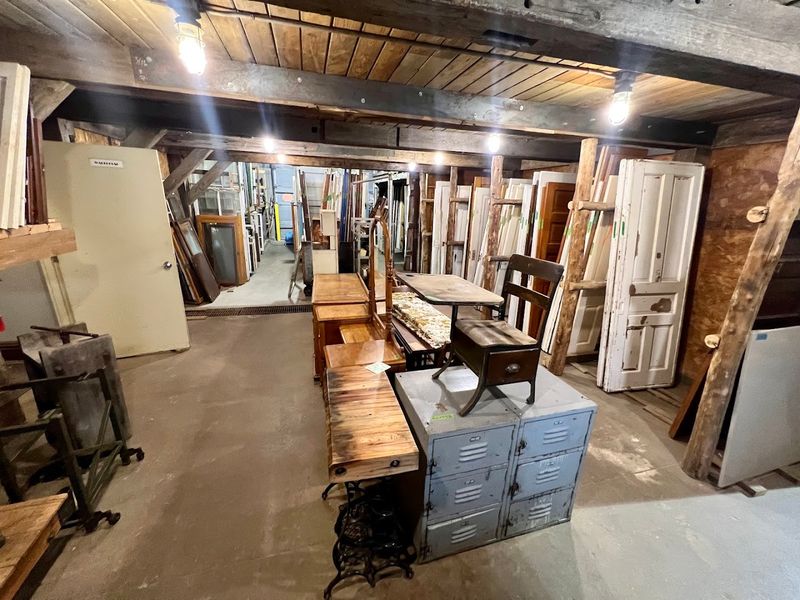
Scoring the best finds at Deconstruction Inc. takes a little strategy. Bring a tape measure every single time.
Seriously, do not skip this step. Knowing your exact dimensions saves you from hauling home a gorgeous door that is two inches too tall.
Visiting often is one of the smartest moves you can make. Inventory at Deconstruction Inc. shifts constantly because new deconstruction projects bring in fresh material regularly.
A piece that was not there last Thursday might be front and center this week. Frequency pays off in a big way here.
Train your eye to spot quality craftsmanship. Look for original finishes, hand-cut joinery, and maker marks stamped into hardware or wood.
These details signal genuine age and high-quality materials. Reproduction pieces rarely have that kind of character built in.
Check structural integrity before buying lumber or beams. Run your hand along the grain and look for cracks or soft spots.
For furniture or cabinetry, test joints and hinges. Bringing a photo of your project also helps.
Staff at Deconstruction Inc. can point you toward pieces that actually match what you are working on. A little prep before you walk in transforms a casual browse into a seriously productive shopping trip every time.
How Pricing Structures Work In Salvage Shopping
Pricing at Deconstruction Inc. works differently from a regular retail store. Items are not priced by brand or manufacturer-suggested retail value.
Instead, rarity, condition, size, and age all factor into the final number. A rare piece of original craftsman trim will cost more than a common pine board, and that makes total sense.
The real advantage is that Deconstruction Inc. sources materials at deep discount prices. Buildings slated for demolition give up their contents at a fraction of replacement cost.
Those savings get passed along to shoppers in a meaningful way. Finding an oak craftsman exterior door for one-fifth the cost of a new one is not unusual here.
Reclaimed lumber pricing also reflects the wood species and character. Old-growth timber recovered from 19th-century buildings is denser and tighter-grained than modern lumber.
That quality commands a slightly higher price, but still lands well below what specialty retailers charge. You are getting something genuinely better for less money.
Hardware bins offer some of the best value in the store. Individual knobs, hinges, and locks are priced affordably per piece.
Buying salvaged hardware instead of reproduction versions saves money and adds authenticity. For homeowners restoring older houses, this pricing model is a genuine lifeline.
Budget-conscious shoppers and contractors alike keep coming back because the math simply works in their favor every time.
Safety Measures When Handling Salvaged Materials
Old buildings hold a lot of history, and sometimes that history includes materials that need careful handling. Many structures built before the 1980s contain lead-based paint on woodwork and trim.
Asbestos sometimes shows up in older floor tiles, insulation, or ceiling materials. Knowing this before you dig in matters a lot.
Wear heavy-duty gloves every time you handle salvaged lumber or hardware. Safety glasses protect your eyes from splinters, dust, and debris that can fly unexpectedly.
A quality dust mask or respirator is not optional. Fine particles from aged wood and old finishes can irritate lungs quickly.
Protecting yourself from the start keeps the project fun instead of turning it into a health issue.
If you suspect a piece contains lead paint or asbestos, do not sand or cut it without professional testing first. Abatement services exist specifically for this situation.
Skipping that step is not worth the risk, no matter how great the piece looks.
Proper lifting technique prevents the most common salvage shopping injury. Old beams and stone are deceptively heavy.
Bend your knees, keep your back straight, and ask for help with anything oversized. The staff at Deconstruction Inc. regularly assists with loading heavy items.
Taking a few extra minutes to handle materials correctly means you walk out healthy and ready to actually use what you bought.
Environmental Benefits Of Purchasing Salvaged Goods
Every beam, door, and floorboard saved at Deconstruction Inc. is one less item headed to a landfill. That matters more than most people realize.
Construction and demolition debris makes up a significant portion of what fills landfills across the country. Choosing salvaged materials directly reduces that number.
Buying reclaimed wood also reduces pressure on forests. New lumber requires cutting trees, milling, drying, and shipping across long distances.
Each of those steps burns energy and releases emissions. A reclaimed barn beam sitting in a Madison warehouse skips every one of those steps entirely.
The environmental math strongly favors salvage every time.
Old-growth timber recovered from pre-1900 buildings is also a resource that cannot be replicated quickly. Those trees grew for hundreds of years before being harvested.
Preserving that material through reuse honors the time it took to grow. Letting it rot in a landfill is a waste nobody can justify.
Deconstruction Inc. has been operating this circular model since 1986. Buildings throughout Wisconsin have been carefully taken apart rather than demolished.
Demolition sends nearly everything to waste. Deconstruction saves the usable parts and puts them back into circulation.
Supporting a business built on this model sends a clear message to the broader construction industry. Salvage shopping is not just a hobby.
It is a practical, proven way to build and renovate with a much lighter footprint on the planet.
Maintenance Tips For Salvage Store Purchases
Bringing home a piece of reclaimed history is exciting. Keeping it in great shape is the next step.
Reclaimed wood furniture and millwork respond well to regular care. Apply a quality wood wax or oil every few months to nourish the grain and protect the surface.
Dry cloth dusting in between applications keeps things looking sharp without much effort.
Spills on reclaimed wood need quick attention. Blot them immediately with a clean, damp cloth and plain water.
Avoid soaking the wood or letting moisture sit. Harsh chemical cleaners can strip original finishes that took decades to develop naturally.
Natural soap solutions work well for stubborn spots without damaging the aged wood character.
Direct sunlight is a quiet enemy of reclaimed wood. UV exposure causes discoloration and can warp boards over time.
Position reclaimed wood pieces away from south-facing windows when possible. If that is not an option, use window film or curtains to reduce exposure during peak sun hours.
Vintage metal hardware like hinges, knobs, and locks benefits from occasional polishing with an appropriate metal cleaner. Match the cleaner to the metal type.
Brass, iron, and nickel each respond differently. A light coat of paste wax after polishing slows future tarnish.
For upholstered salvage finds, spot clean with mild soap and water only. Keeping salvaged items properly maintained means they can last another century without losing any of their original charm.
Community Impact Of Salvage Stores
Deconstruction Inc. has been part of the Madison community since 1986. That kind of longevity means something real.
Local jobs tied to deconstruction, sorting, organizing, and selling keep money circulating within Wisconsin. Supporting a business like this keeps dollars local rather than sending them to a national chain headquarters somewhere else entirely.
Historic preservation gets a quiet but powerful boost from salvage operations. When a building comes down, its irreplaceable architectural details often disappear forever.
Deconstruction Inc. intercepts those pieces before they are lost. Craftsman doors, vintage ceiling tiles, and hand-carved mantels survive because someone took the time to save them carefully.
Homeowners restoring older houses in Madison rely on this store for materials that simply cannot be found anywhere else. Matching original trim profiles or finding period-appropriate hardware is nearly impossible through standard retail channels.
Having a local resource that stocks exactly these items supports neighborhood preservation in a very practical way.
Contractors and developers working on historic rehab projects also depend on Deconstruction Inc. regularly. Access to authentic materials allows renovation work that meets historic standards without custom fabrication costs.
Artists and designers draw inspiration from the inventory too. The ripple effect of one well-run salvage store on a community is surprisingly wide.
From individual homeowners to large-scale developers, Deconstruction Inc. quietly serves a broad range of people who all share one goal: keeping quality materials alive and useful.
Seasonal Trends Influencing Salvage Inventory
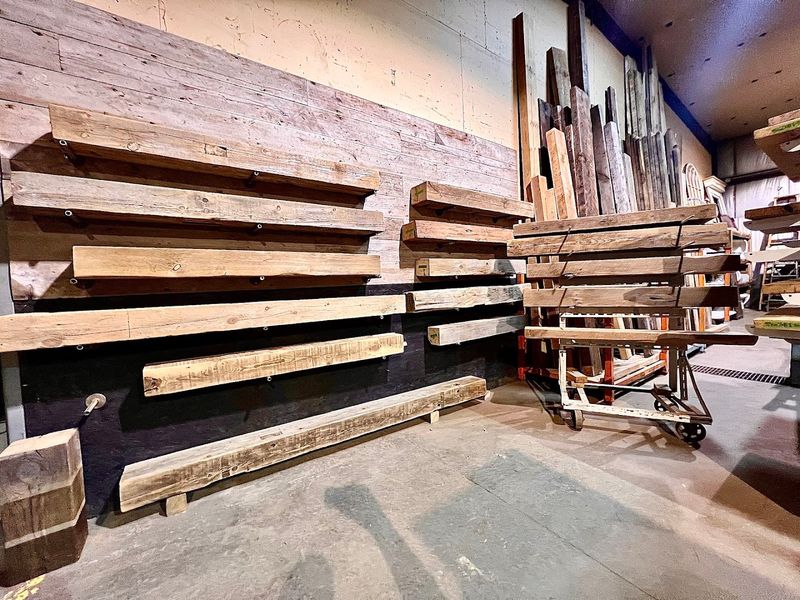
Deconstruction Inc. does not follow a predictable seasonal catalog the way a furniture retailer might. Inventory here depends on which buildings are being deconstructed across Wisconsin at any given time.
A farmhouse coming down in spring might yield barn wood and cast iron. A Victorian home project in fall could release ornate trim, stained glass, and original hardwood flooring.
Spring and summer tend to bring higher deconstruction activity outdoors. Warmer weather makes exterior work more practical.
This often means more structural lumber, windows, and masonry items arriving at the store during those months. It is a good time to shop if you are hunting for building materials for an outdoor or renovation project.
Fall projects sometimes bring in interior architectural details as teams work to complete deconstruction before winter. Fireplace surrounds, mantels, interior doors, and vintage lighting fixtures tend to surface during this period.
None of this is guaranteed, but patterns do emerge when you visit regularly enough to notice them.
Winter visits at Deconstruction Inc. are still worth making. The store is open Thursday through Saturday, and the inventory never fully stops changing.
New items arrive from stored deconstruction lots even when active field work slows down. The hours are Thursday and Friday from 10 AM to 6 PM and Saturday from 10 AM to 2 PM.
Calling ahead at 608-960-0110 before a special trip is always a smart move to confirm what is currently in stock.