
10 State Parks In Wisconsin Offering The Best Summer Swimming And Hiking Combo
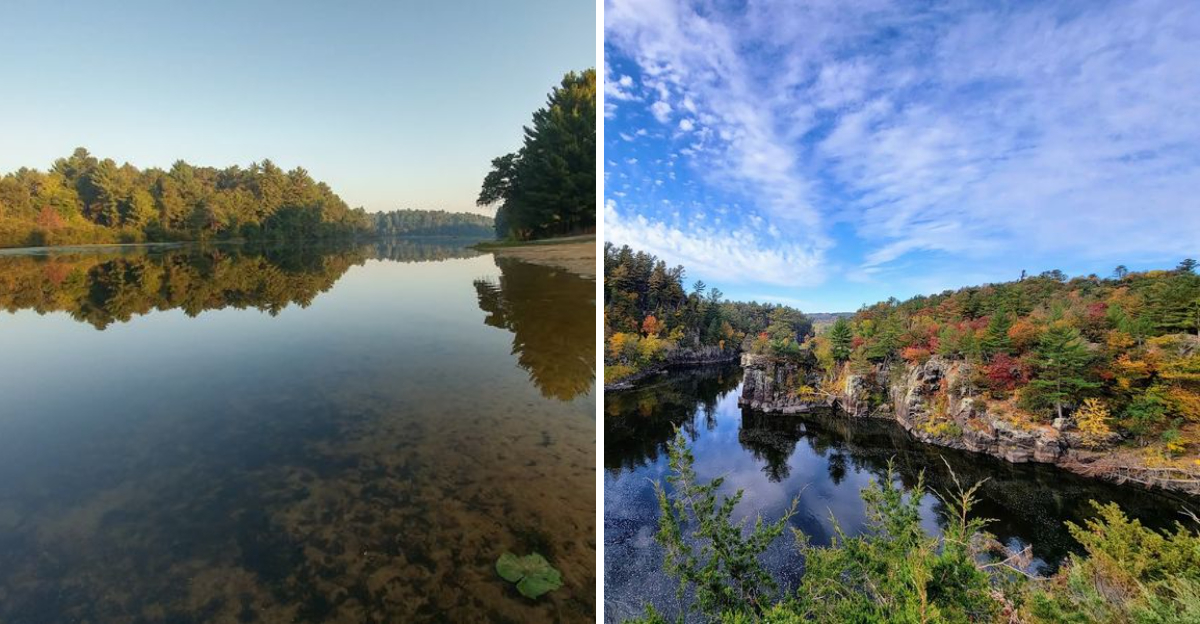
Nothing beats finishing a sweaty trail with a leap into cool, clear water. Wisconsin makes that kind of summer day surprisingly easy, pairing wooded paths, rocky overlooks, sandy shorelines, and inviting swimming areas inside its state parks.
One minute, you are climbing toward a bluff with a huge lake view. The next, you are kicking off your shoes and heading straight for the beach.
These parks turn a simple outing into a full-day adventure without requiring complicated plans or expensive gear. Families can split time between trails and shallow water, while stronger hikers can chase tougher routes before cooling down.
Pack a towel, sturdy shoes, and plenty of snacks because Wisconsin has no shortage of places where hiking and swimming belong together.
1. Devil’s Lake State Park – Baraboo
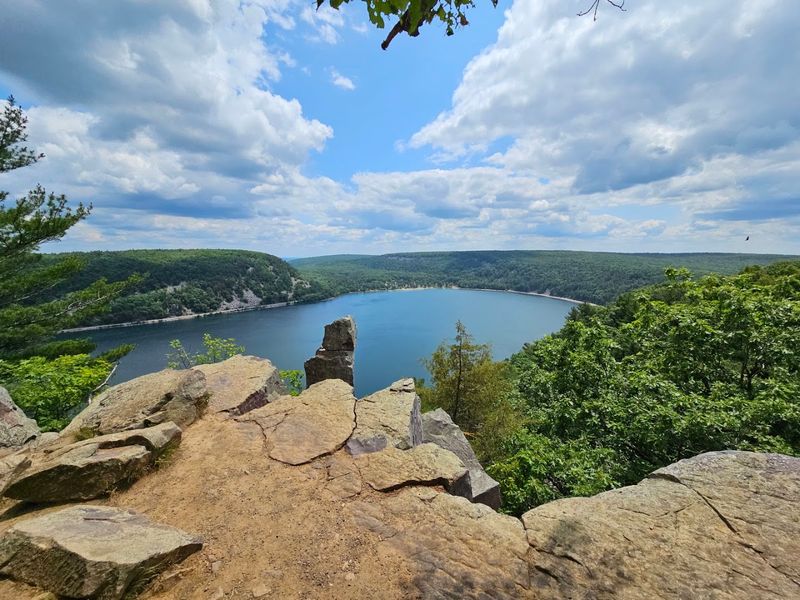
Purple quartzite cliffs rise 500 feet above one of Wisconsin’s deepest and clearest lakes, creating a backdrop so stunning you’ll forget you’re in the Midwest. This glacial gem sits in the Baraboo Hills and draws over three million visitors annually for good reason.
The lake itself is spring-fed, meaning the water stays remarkably clean and refreshingly cool even on the hottest August afternoons.
Two beaches frame opposite ends of the lake, both with designated swimming areas perfect for cooling off after conquering the trails. The East Bluff Trail takes you to breathtaking overlooks where you can see for miles across the surrounding countryside.
Rock formations with names like Devil’s Doorway and Balanced Rock make you feel like you’re exploring some ancient, mystical landscape.
Over 29 miles of hiking trails wind through the park, ranging from easy lakeside strolls to challenging climbs that’ll test your quads. The Tumbled Rocks Trail along the south shore offers a moderate option with incredible water views the whole way.
Families love the shorter nature trails, while serious hikers tackle the full bluff loop for a workout they won’t forget anytime soon.
2. Governor Dodge State Park – Dodgeville
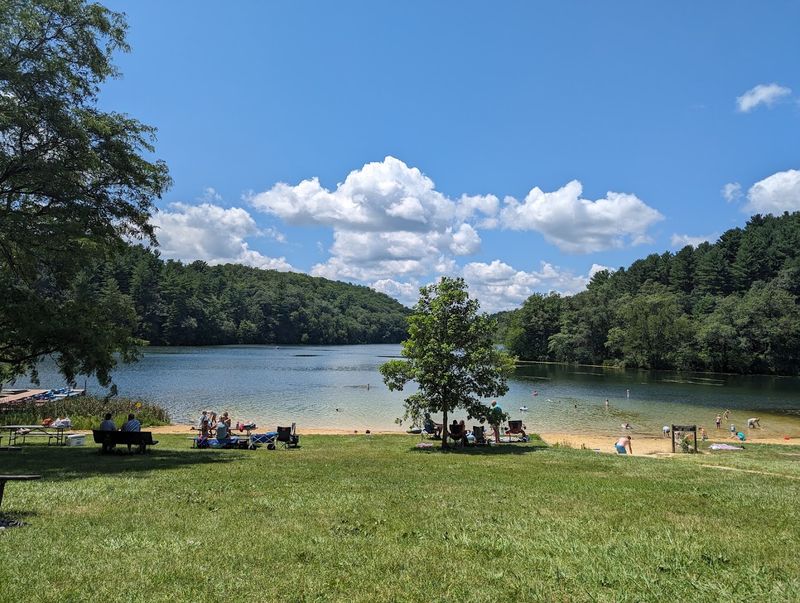
Rolling hills covered in oak and hickory forests surround not one but two lakes at this sprawling 5,270-acre playground in southwest Wisconsin. Twin Valley Lake and Cox Hollow Lake both feature sandy beaches where you can dive in after miles of exploring the park’s extensive trail system.
The landscape here feels different from northern Wisconsin—more open, with prairie restoration areas mixed among the woodlands.
Cox Hollow Lake’s beach area includes a bathhouse and concession stand, making it super convenient for families spending the whole day. The swimming is excellent, with a roped-off area that gradually deepens, so even younger kids can wade safely while older swimmers venture further out.
The water warms up nicely by mid-June and stays comfortable through September.
More than 40 miles of hiking trails crisscross the park, taking you through diverse terrain that includes pine plantations, oak savannas, and restored prairies bursting with wildflowers. The Mill Creek Trail follows a scenic valley and connects to several other paths if you want to extend your adventure.
Mountain bikers also flock here for the challenging terrain, but plenty of trails remain hiker-only for those seeking a quieter experience in nature.
3. Peninsula State Park – Door County (Fish Creek)
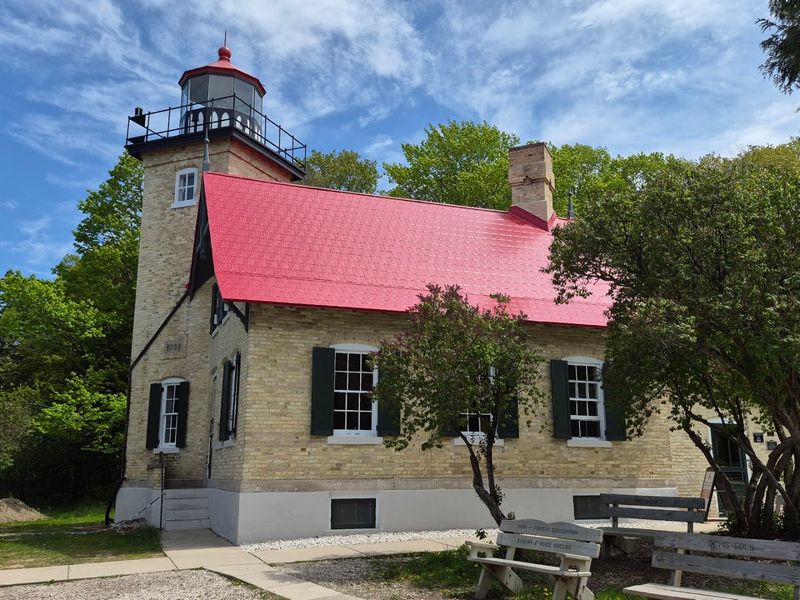
Perched on a limestone bluff peninsula jutting into Green Bay, this Door County treasure combines dramatic water views with some of the best hiking in the state. Eight miles of Green Bay shoreline mean plenty of spots to take a dip, though the main beach at Nicolet Bay is where most swimmers congregate.
The water here is surprisingly clear, and the sandy bottom makes it ideal for families with little ones.
Eagle Bluff Lighthouse stands as a historic centerpiece you can visit during your hike, offering tours that transport you back to the 1860s. The Eagle Trail takes you along the bluff’s edge with jaw-dropping views of the bay 180 feet below.
Sunset Trail lives up to its name, providing the perfect vantage point as the sun melts into the water each evening.
Twenty miles of trails wind through mixed hardwood forests, along rocky shorelines, and past hidden coves perfect for a secluded swim. The Skyline Trail challenges you with some elevation changes but rewards the effort with panoramic views across the peninsula.
Bike trails also weave through the park, and the nearby town of Fish Creek offers charming shops and restaurants when you’ve worked up an appetite from all that outdoor activity.
4. Mirror Lake State Park – Wisconsin Dells
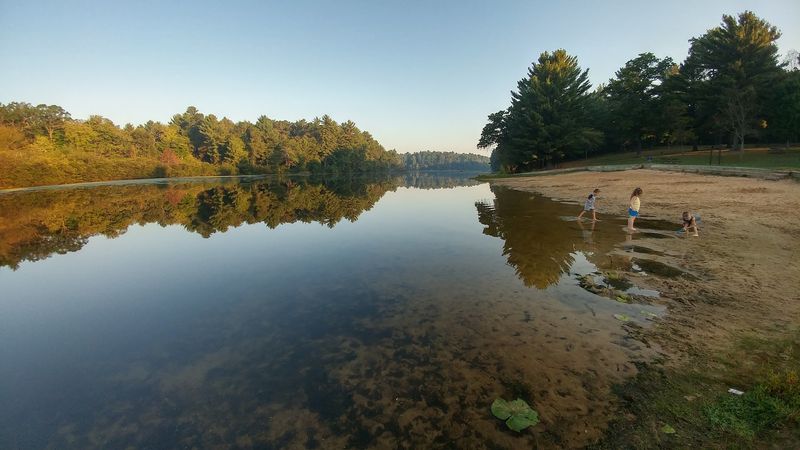
Sandstone cliffs reflect perfectly in the glassy waters of this 2,179-acre park, creating those postcard-worthy mirror images that gave the lake its name. Just minutes from the tourist hustle of the Dells, this park offers a peaceful natural retreat where the only sounds are lapping waves and rustling leaves.
The lake’s calm waters make it perfect for swimming, with a designated beach area that’s well-maintained and family-friendly.
Morning swims here are magical when the lake surface is completely still and reflects the surrounding bluffs like nature’s own looking glass. The beach has a gradual slope, so you can wade out quite a ways before the water gets deep.
Lifeguards aren’t on duty, but the swimming area is clearly marked and generally safe for confident swimmers of all ages.
Around 20 miles of trails loop through oak and pine forests, along sandstone outcroppings, and past small wetlands teeming with wildlife. The Fern Dell Gorge Trail takes you through a narrow canyon where ferns carpet the walls in vibrant green.
Echo Rock Trail leads to a massive sandstone formation where you can test out the acoustics—kids absolutely love shouting into the rock face and hearing their voices bounce back through the forest canopy overhead.
5. Kohler-Andrae State Park – Sheboygan
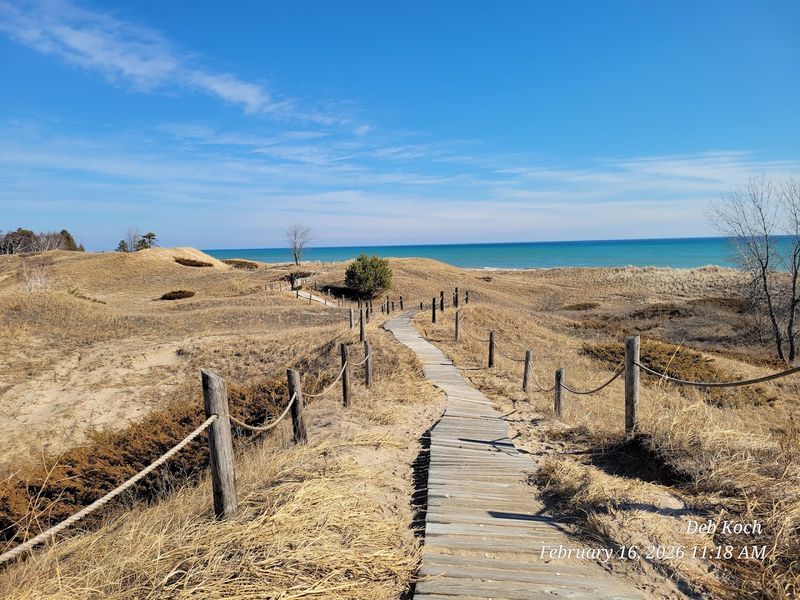
Two miles of unspoiled Lake Michigan shoreline stretch before you at this coastal gem, where towering sand dunes meet crystal-clear waters. This park protects one of the few remaining stretches of natural dune ecosystem along Wisconsin’s Lake Michigan coast.
The beach here rivals any ocean coastline, with fine sand that squeaks beneath your feet and waves that can range from gentle ripples to impressive rollers depending on the wind.
Swimming in Lake Michigan offers a completely different experience than inland lakes—the water stays cooler longer but feels incredibly refreshing on hot summer days. The beach is wide and spacious, so even on busy weekends you can find your own spot to spread out.
Beachcombing after a storm often reveals interesting stones, driftwood, and occasionally even beach glass worn smooth by the waves.
The Dunes Cordwalk Trail features a mile-long boardwalk that protects the fragile dune environment while letting you experience this unique ecosystem up close. Interpretive signs explain the specialized plants that survive in these harsh conditions.
The Black River Marsh boardwalk takes you through wetlands where herons, egrets, and countless other bird species make their home, offering a completely different landscape just steps from the beach.
6. Whitefish Dunes State Park – Door County
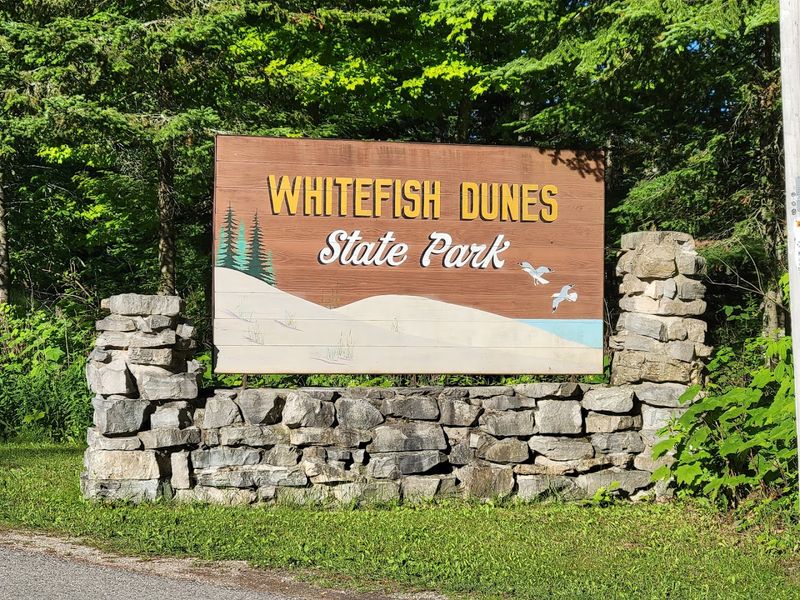
The highest sand dunes in Wisconsin rise along this spectacular Lake Michigan shoreline, with Old Baldy towering 93 feet above the beach below. This park protects critical dune habitat while providing amazing recreation opportunities for visitors who want to hike and swim in one spectacular location.
The beach stretches for miles, with powdery white sand that feels amazing between your toes and water so clear you can see your feet even in waist-deep areas.
Lake Michigan’s waves create perfect conditions for jumping and playing, especially when a good breeze kicks up some surf. The designated swimming area stays busy on summer weekends, but the long shoreline means you can always find a quieter spot if you walk a bit.
Water shoes come in handy here since occasional rocks hide beneath the sand near the waterline.
Fourteen miles of hiking trails explore diverse habitats including dunes, forests, and wetlands that support an incredible variety of wildlife and plants. The Red Trail takes you to the top of Old Baldy for sweeping views across Lake Michigan and the surrounding countryside—the climb is steep but totally worth the panorama.
Birdwatchers bring binoculars to spot species migrating along the Lake Michigan flyway, especially spectacular during spring and fall when waves of warblers and raptors pass through the area.
7. Harrington Beach State Park – Belgium
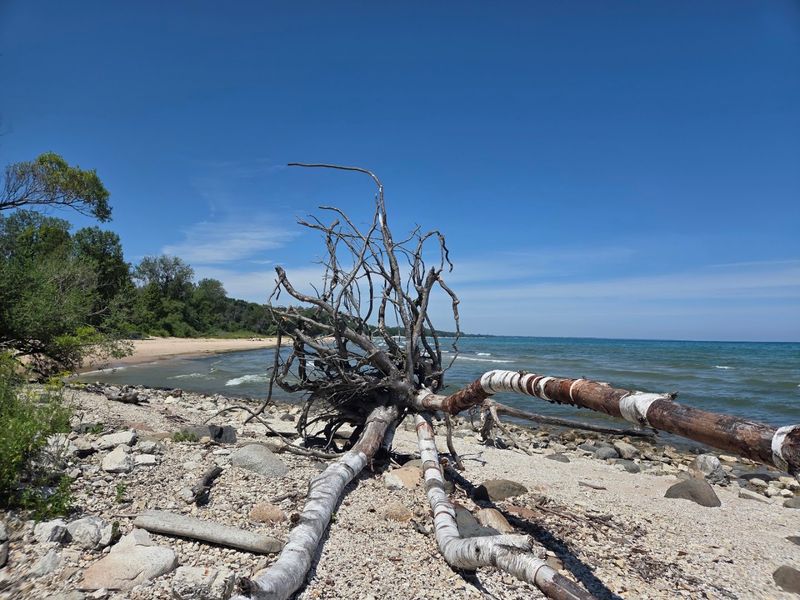
Limestone cliffs and a rocky shoreline create a rugged beauty along this Lake Michigan park north of Milwaukee. An abandoned quarry adds an intriguing historical element to your visit—the massive stone structures stand as reminders of the area’s industrial past.
The beach here is more pebbles than sand, giving it a distinctive character different from typical Wisconsin beaches, and the clear water reveals interesting rock formations beneath the surface.
Swimming conditions vary with Lake Michigan’s moods, but calm days offer excellent opportunities to cool off in the refreshing waters. The rocky bottom means water shoes are practically essential unless you have tough feet.
Snorkeling can be surprisingly rewarding here, with small fish darting among the rocks and interesting geology to observe just offshore.
Six miles of trails wind through wooded areas, along the shoreline, and past the historic quarry buildings that make great photo opportunities. The Quarry Lake Trail loops around a peaceful inland lake formed in the old quarry pit, where anglers try their luck and wildlife thrives in the sheltered waters.
The Ansay Prairie Trail showcases restored native grasslands bursting with wildflowers and butterflies from late spring through summer, offering a completely different ecosystem to explore just minutes from the lakeshore.
8. Interstate State Park – St. Croix Falls
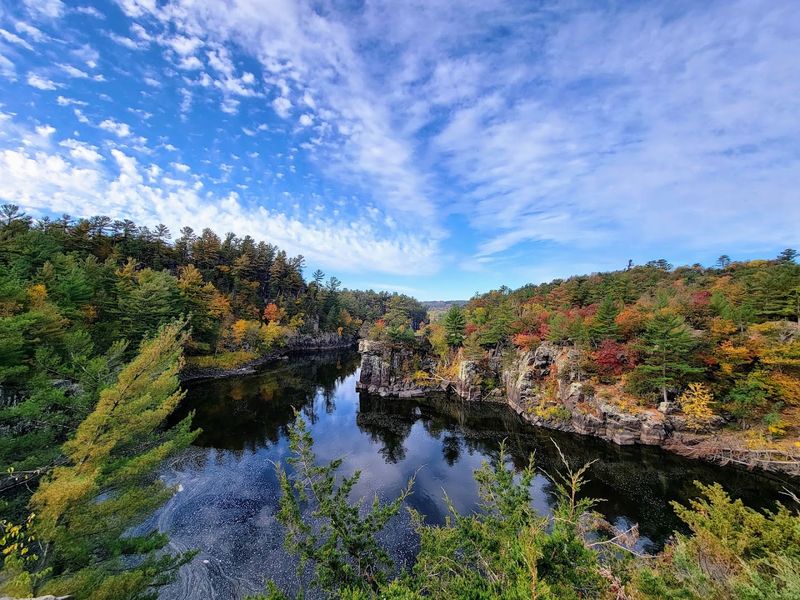
Ancient lava flows created the dramatic basalt cliffs and unique geology that make this park along the St. Croix River absolutely unforgettable. Glacial potholes—some of the deepest in the world—dot the landscape like nature’s own sculpture garden, carved by swirling water and rocks over thousands of years.
The river forms the border between Wisconsin and Minnesota, and the parks on both sides offer complementary experiences worth exploring.
Swimming happens in the calmer sections of the river, where designated areas provide safe access to the water. The current can be strong in places, so stick to marked swimming zones and always keep an eye on younger swimmers.
The water stays cool even in summer thanks to the river’s depth and flow, making it incredibly refreshing after hiking in the heat.
The Pothole Trail is an absolute must, taking you past these incredible geological formations with interpretive signs explaining how they formed. Some potholes are small enough to peer into, while others are massive caverns that drop dozens of feet into the bedrock.
The Skyline Trail climbs to viewpoints overlooking the river gorge, where you can watch kayakers navigating the rapids far below and appreciate the full scope of this dramatic landscape carved by ancient glacial rivers.
9. Perrot State Park – Trempealeau
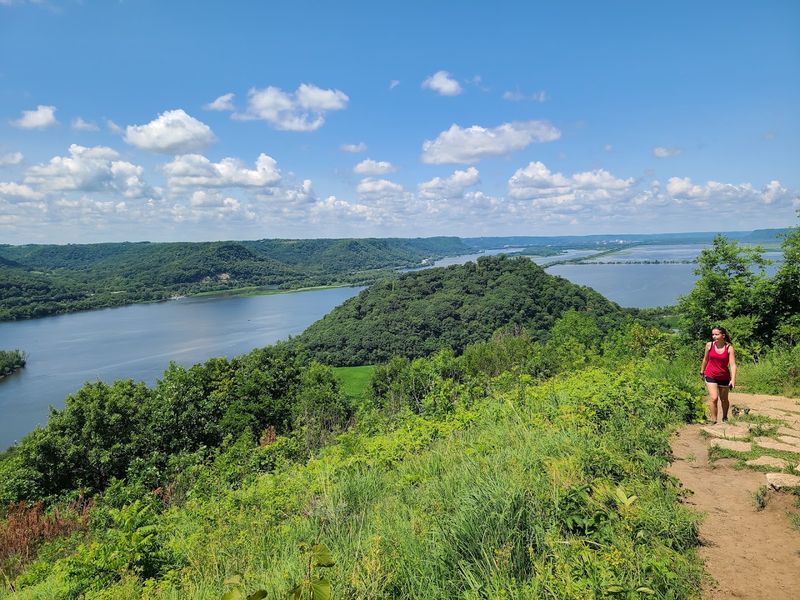
Towering 500-foot bluffs rise dramatically from the Mississippi River bottomlands, creating some of the most spectacular scenery in western Wisconsin. Brady’s Bluff and Perrot Ridge dominate the skyline, challenging hikers while rewarding them with views that stretch across three states on clear days.
The park sits where the Trempealeau River meets the Mississippi, creating diverse aquatic habitats and excellent swimming opportunities in the backwater areas.
The beach area along the Mississippi backwaters provides a unique swimming experience in calm, protected waters away from the main river current. Sandbars shift with the river’s moods, sometimes creating shallow areas perfect for kids to splash around safely.
The water warms nicely by midsummer, making evening swims especially pleasant as the sun sets over the river valley.
Brady’s Bluff Trail is the signature hike—a strenuous climb that gains 520 feet in elevation but delivers absolutely stunning panoramic views from the summit. The effort feels worth it when you’re standing on top looking out over the vast river valley, watching barges navigate the Mississippi far below.
Easier options include the Riverview Trail, which meanders through bottomland forest where wildflowers bloom in spring and wildlife sightings happen regularly, especially during quieter early morning or evening hours when deer and turkeys venture into the open.
10. Buckhorn State Park – Necedah
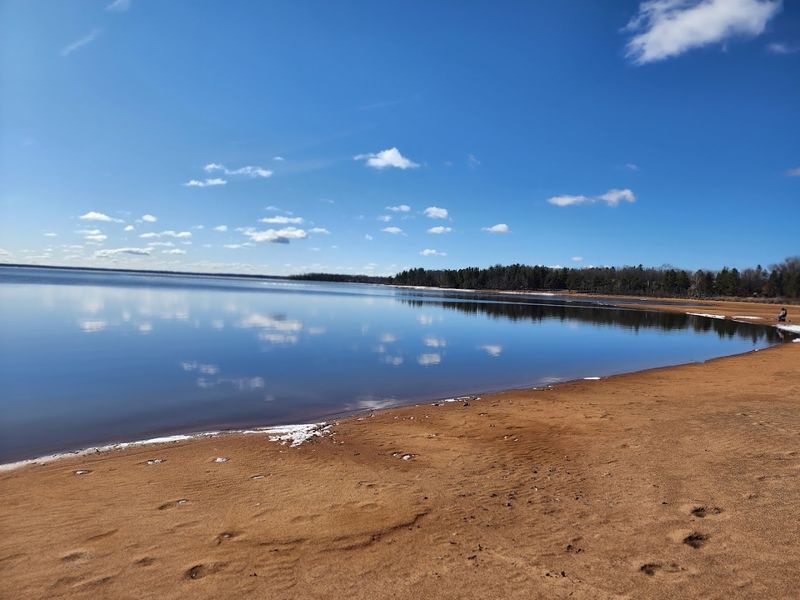
Castle Rock Flowage forms the centerpiece of this central Wisconsin park, where 2,000 acres of water create endless opportunities for swimming and water recreation. The landscape here mixes sandy areas with pine and oak forests, giving it a distinctive north-woods character despite being in the central part of the state.
This park flies under the radar compared to some of Wisconsin’s more famous destinations, meaning you often have trails and beaches more to yourself.
The sandy swimming beach slopes gently into the flowage, making it ideal for families with children who are still building their water confidence. The water stays relatively warm through summer since the flowage is shallower than natural lakes.
Buoys mark the swimming area clearly, and the beach gets maintained regularly to keep it clean and welcoming throughout the season.
Seven miles of hiking trails explore diverse habitats including oak savannas, pine plantations, and wetland edges where wildlife viewing can be exceptional. The Oak Ridge Trail takes you through upland areas with nice elevation changes and forest diversity.
Birdwatchers particularly appreciate this park during migration seasons when waterfowl and songbirds stop to rest and refuel in the flowage and surrounding wetlands, creating excellent opportunities to spot species you might not see elsewhere in Wisconsin during your summer adventures.