
This Wisconsin Lake Town Might Be Getting Too Popular For Its Own Good
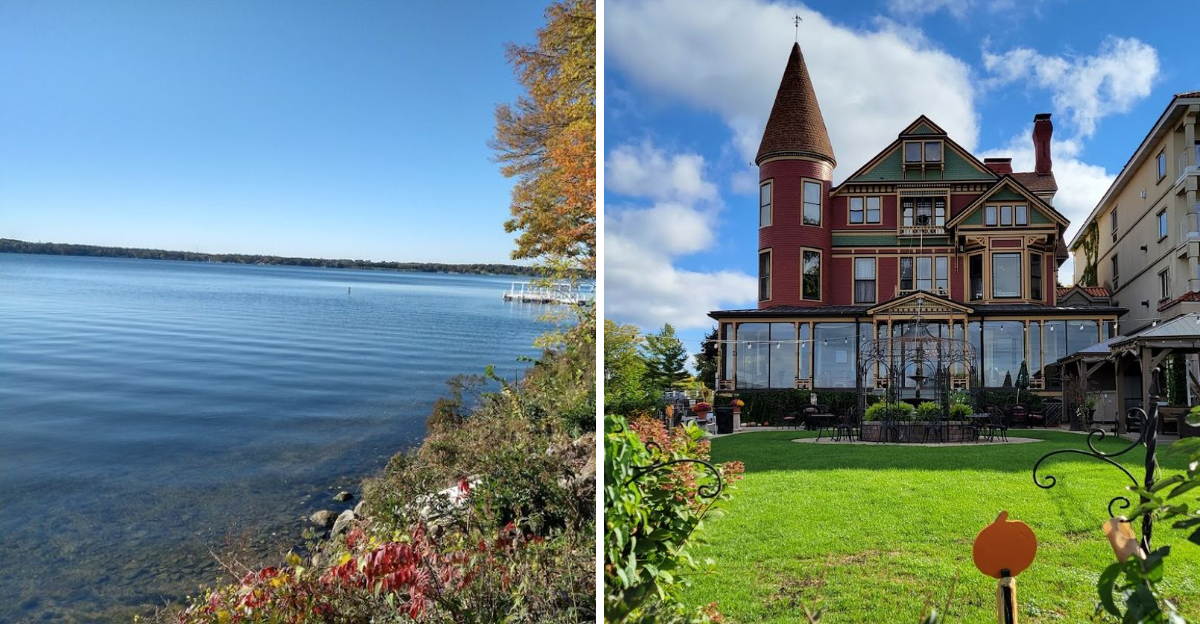
By midmorning on a sunny weekend, this lakeside town has already become a traffic puzzle. Cars circle for parking, beach towels cover the sand, and downtown sidewalks fill with visitors chasing boat rides, ice cream, and waterfront views.
This Wisconsin favorite began as an elegant retreat for wealthy families during the 1800s, but its fame has spread far beyond those early summers. Crowds now arrive from Chicago, Milwaukee, and beyond, especially between May and September.
The scenery still impresses, yet timing can shape the entire visit. Show up late and you may spend more time hunting for a parking spot than enjoying the shoreline.
Popularity comes with a price, and here it means packed beaches, busy streets, and nonstop weekend energy.
A Small City With A Much Bigger Vacation Crowd
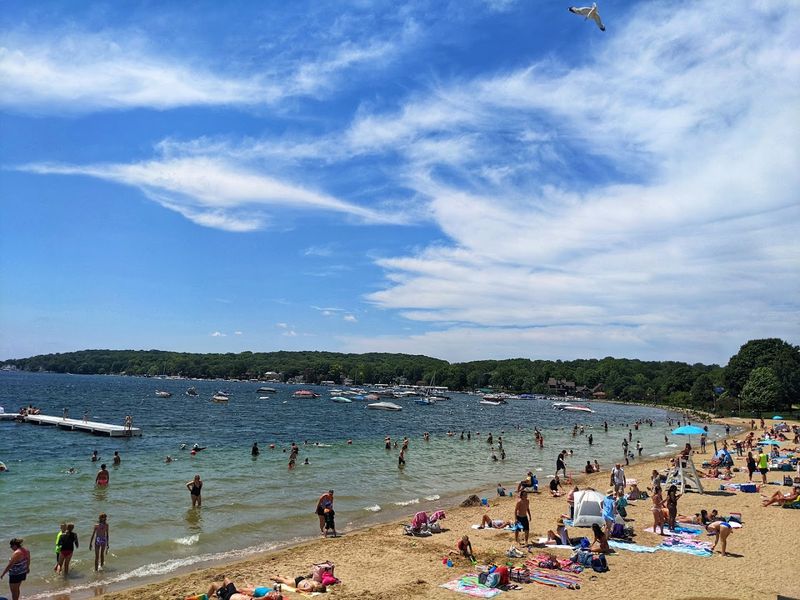
Lake Geneva holds around 8,000 permanent residents, but that number explodes when warm weather arrives. Thousands of visitors pour into the city every weekend, turning quiet streets into crowded thoroughfares.
The influx comes mostly from Chicago, which sits about 90 miles south, making Lake Geneva an easy escape for urban dwellers seeking water and fresh air.
Hotels, resorts, and vacation rentals fill up months in advance during peak season. Restaurants that might serve a few dozen locals on a Tuesday night suddenly face hour-long waits on Saturday evenings.
The city infrastructure, built for a small population, strains under the weight of so many temporary guests who arrive expecting the same level of service they find in larger tourist towns.
Local officials have worked to balance welcoming visitors with maintaining quality of life for residents. Traffic patterns shift, public services expand, and the entire rhythm of the town changes when summer begins.
Summer Parking Can Get Difficult Fast
Finding a place to park your car in Lake Geneva during summer weekends feels like a competitive sport. The downtown area offers limited street parking, and those spots disappear by mid-morning on busy days.
Public lots exist, but they fill quickly, leaving drivers circling blocks repeatedly or settling for spots far from their intended destination.
The city added more parking options over the years, but demand still outpaces supply during peak times. Beach parking lots reach capacity before noon on hot days, forcing families to either arrive very early or abandon their beach plans entirely.
Some visitors park in residential neighborhoods, which has created tension between tourists and locals who suddenly cannot park near their own homes.
Paid parking has become more common throughout the city, which helps manage the overflow but adds another expense to what should be a simple day trip. The parking challenge alone can turn a relaxing lakeside visit into a frustrating experience before you even step out of your vehicle.
Downtown Feels Busy Because It Was Built To Draw Visitors
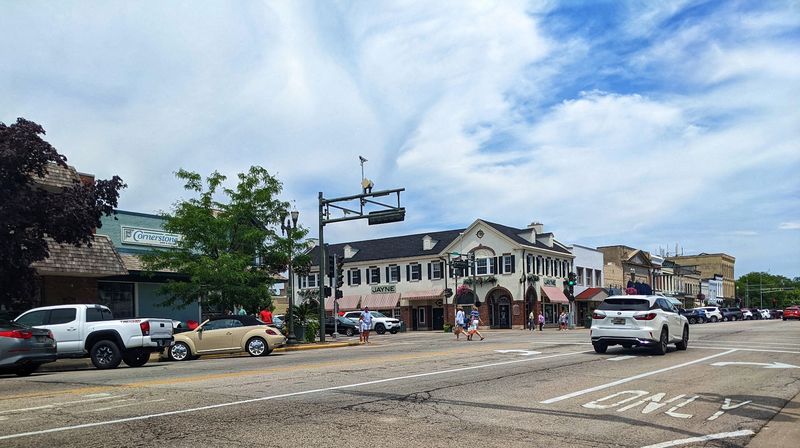
The downtown district along Wrigley Drive was designed with tourism in mind from the very beginning. Shops selling resort wear, ice cream parlors, gift stores, and waterfront restaurants line the streets in a concentrated area meant to keep visitors entertained and spending money.
The layout works exactly as intended, which means crowds concentrate in a relatively small space.
Sidewalks overflow with people carrying shopping bags, eating ice cream cones, and stopping to take photos of the lake. The constant flow creates a festival atmosphere on summer days, but it also means you rarely find a quiet moment to simply enjoy the scenery.
Every storefront seems designed to pull you inside, and the commercial energy never stops.
This setup differs from towns that grew organically and later became tourist destinations. Lake Geneva built itself around the vacation economy, so the busy feeling is not an accident but rather the intended result of urban planning focused on maximizing visitor engagement and commercial activity throughout the downtown core.
Riviera Beach Turns Hot Days Into Peak Crowd Days
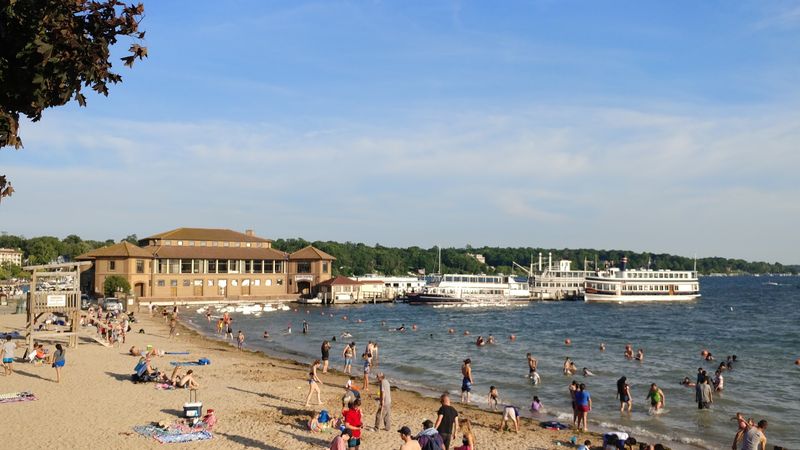
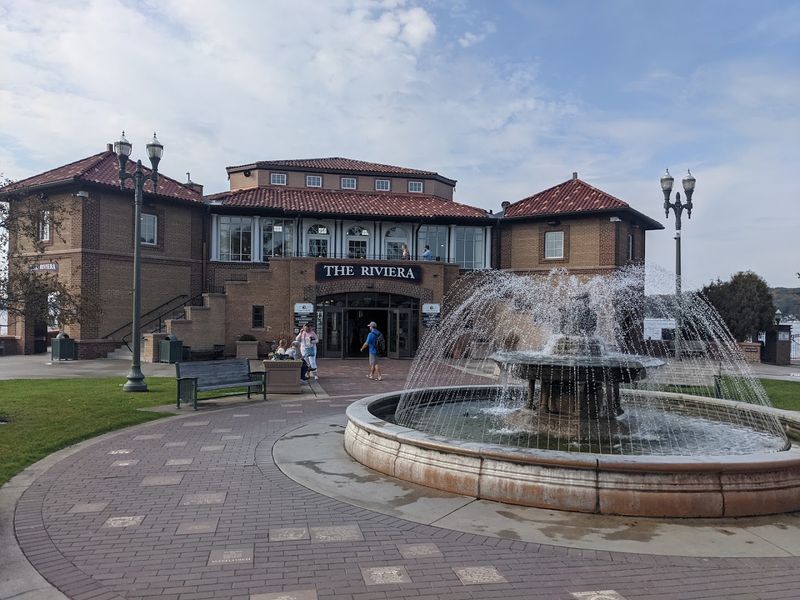
Riviera Beach serves as the main public beach in Lake Geneva, and on hot summer days it transforms into a sea of towels, umbrellas, and beachgoers. Families claim their spots early, spreading out blankets and setting up chairs while children run toward the water.
By afternoon, finding an open patch of sand becomes nearly impossible, and the swimming area fills with splashing kids and floating adults.
The beach offers amenities like restrooms, a concession stand, and a playground, making it the obvious choice for families visiting the area. That convenience comes at the cost of personal space, especially during July and August when temperatures climb and everyone has the same idea about cooling off in the lake.
Parking near Riviera Beach presents its own challenge, as the adjacent lot fills quickly and street parking disappears fast. The beach experience itself is pleasant enough, but the crowds can make it feel more like a community pool than a peaceful lakeside retreat, especially during peak afternoon hours.
The Shore Path Keeps Visitors Moving Around The Lake
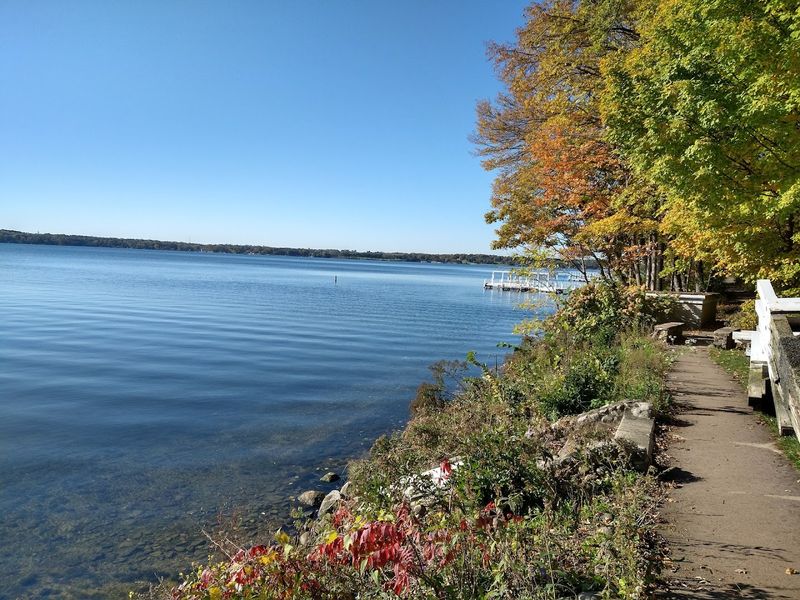
The Shore Path stretches for 26 miles around Geneva Lake, passing through yards of private estates while remaining open to the public through a historic easement. This unusual arrangement allows visitors to walk past some of the most impressive lakefront properties in Wisconsin while enjoying views of the water.
The path attracts hikers, photographers, and curious tourists who want to see how the wealthy vacation.
Most people walk shorter sections rather than the entire loop, with the stretch near downtown seeing the heaviest foot traffic. The path provides a legitimate reason for visitors to spend hours exploring the area, which extends their stay and increases the overall number of people moving through the community at any given time.
The Shore Path represents one of Lake Geneva’s most unique features, but it also contributes to the feeling of constant activity. Even when downtown feels too crowded, the path remains busy with people seeking a quieter experience, though true solitude rarely exists during summer months when the town is at its busiest.
Lake Cruises Add To The Classic Tourist Pull
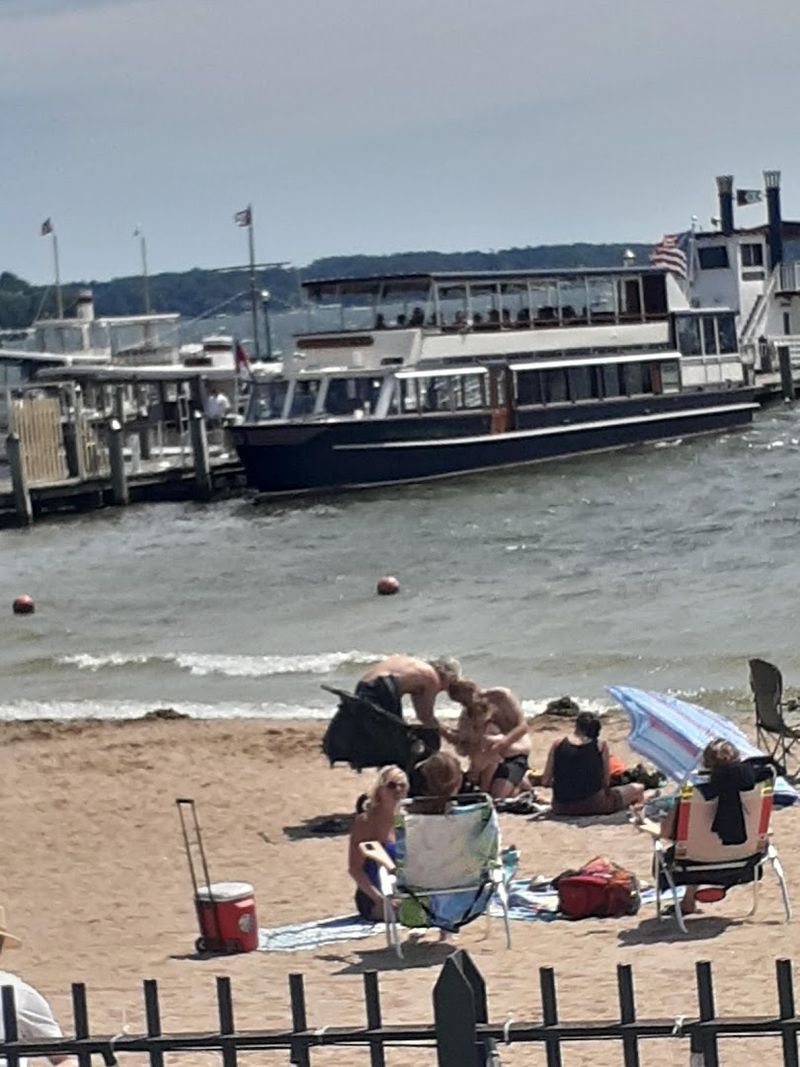
Several companies operate boat tours on Geneva Lake, offering everything from basic sightseeing cruises to dinner excursions and mail boat tours where agile crew members jump on and off docks to deliver mail. These cruises have operated for decades, becoming a traditional part of the Lake Geneva experience that guidebooks and travel websites consistently recommend.
The boats add another layer of activity to the waterfront, with passengers boarding throughout the day and tour narrators pointing out historic mansions and local landmarks. The cruises give visitors something specific to do beyond shopping and eating, which encourages longer stays and helps fill up the calendar for families planning their vacation activities.
Boat traffic on the lake increases noticeably during peak season, with tour vessels sharing the water with private boats, kayakers, and paddleboarders. The constant movement creates a lively atmosphere, but it also means the lake never feels truly peaceful or remote, even when you venture away from the downtown area by water.
Paid Parking Makes A Simple Stop Feel Less Spontaneous
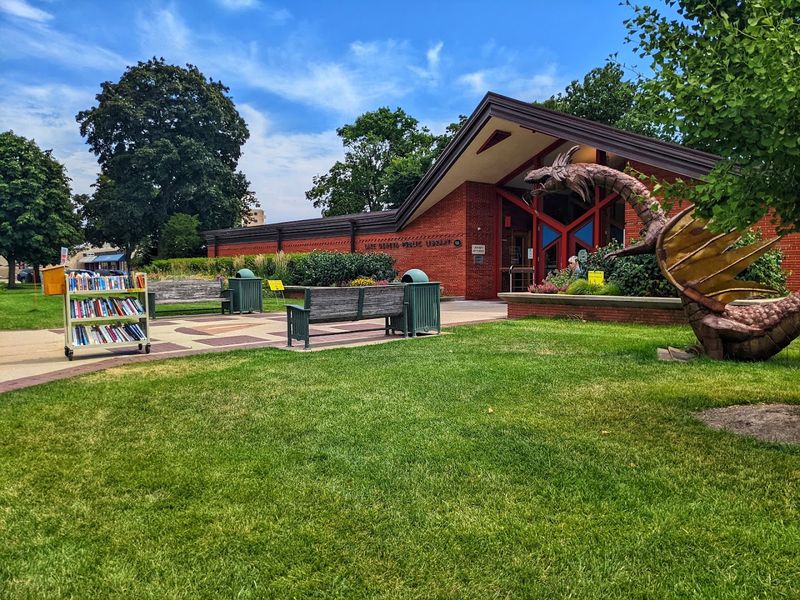
Lake Geneva has expanded paid parking zones throughout the downtown and lakefront areas, turning what used to be free street parking into metered spaces that require payment via app or kiosk. The change helps manage demand and generates revenue for the city, but it also adds friction to the visitor experience, especially for people who just want to stop briefly.
Grabbing a coffee or running into a shop now requires either feeding a meter or downloading a parking app, which feels excessive for a quick errand. The fees are not outrageous, but they accumulate quickly if you spend a full day exploring different parts of town, and the mental load of tracking parking time adds stress to what should be a relaxing visit.
Residents express mixed feelings about paid parking, with some appreciating that it keeps spots turning over while others miss the days when parking was simply available without transaction costs. For visitors, the system represents another sign that Lake Geneva has become a managed tourist destination rather than a casual lakeside town.
Summer Events Keep The Calendar Packed
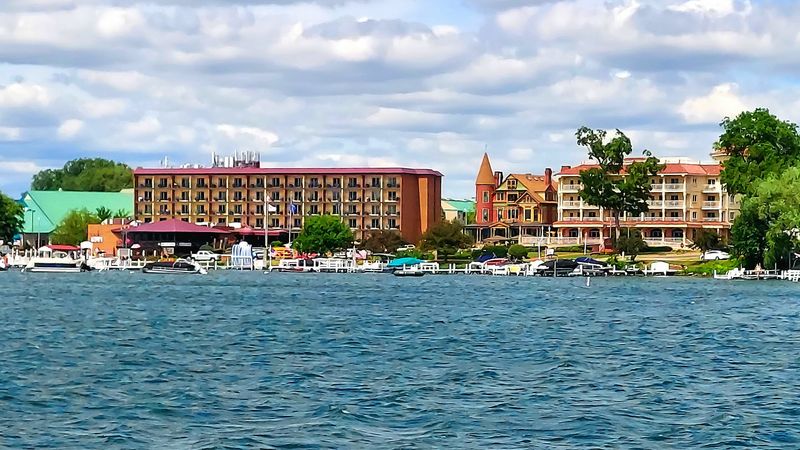
Lake Geneva hosts numerous festivals, car shows, art fairs, and special events throughout the summer months, with something scheduled almost every weekend. These events draw additional crowds beyond the regular stream of tourists, creating peak days when the town feels especially overwhelmed.
The Venetian Festival in August, featuring a boat parade and fireworks, represents one of the busiest weekends of the entire year.
Event organizers promote these gatherings as reasons to visit, which works perfectly from a tourism perspective but creates challenges for infrastructure and local quality of life. Streets close, parking becomes even more scarce, and restaurants face customer volumes that push their capacity limits.
The events themselves are often well-organized and enjoyable, but they compress large numbers of people into an already busy destination.
The packed calendar means there is rarely a quiet weekend during summer. Visitors who prefer a more relaxed pace find themselves competing with event crowds, while those attending festivals encounter general tourist traffic on top of event attendees, creating a multiplying effect on congestion.
The Lakefront Location Is Almost Too Easy To Love
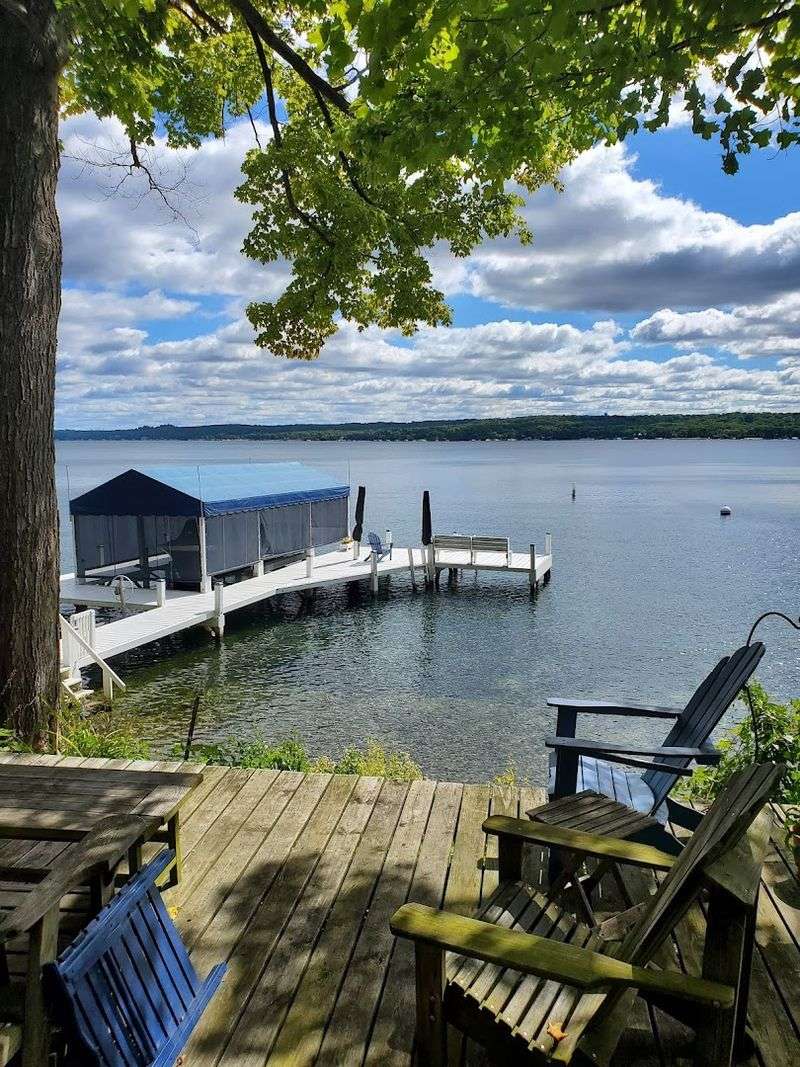
Geneva Lake itself is genuinely beautiful, with clear water, attractive shorelines, and a size that feels substantial without being overwhelming. The lake spans about 5,200 acres and reaches depths of over 140 feet, supporting excellent fishing and all types of water recreation.
The natural beauty provides the foundation for everything else Lake Geneva offers, and it is legitimately appealing.
The problem is that beauty attracts attention, and attention brings crowds. The lake’s proximity to major population centers means millions of people live within a two-hour drive, and a significant percentage of them decide to visit during the same summer months.
The waterfront becomes the main draw, concentrating activity along the shore where space is most limited.
If Geneva Lake were more remote or less accessible, it might retain more of its natural character. Instead, its convenient location and undeniable attractiveness have made it a victim of its own appeal, drawing more visitors than the surrounding community can comfortably absorb during peak season while maintaining the peaceful atmosphere that made it desirable initially.
Restaurants, Shops, And Resorts Stretch One Day Into A Weekend
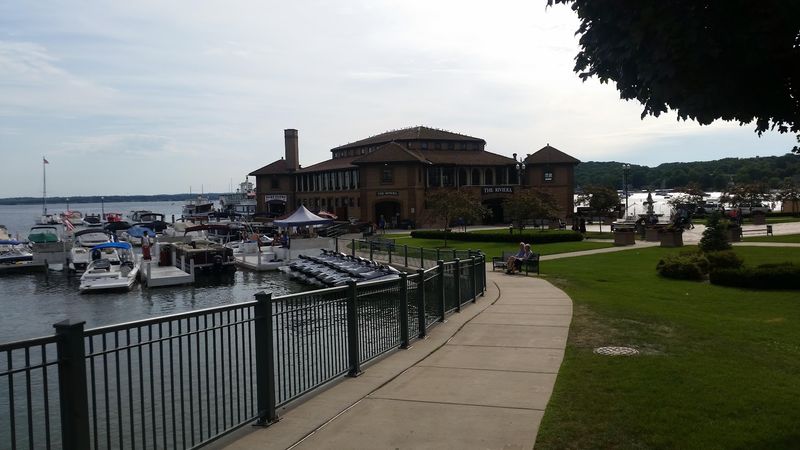
The business community in Lake Geneva has developed an ecosystem designed to extend visitor stays beyond a few hours. Restaurants offer lakefront dining that encourages leisurely meals, shops provide enough variety to justify browsing time, and resorts create packages that turn a day trip into an overnight stay.
The Grand Geneva Resort and Spa, located at 7036 Grand Geneva Way, exemplifies this approach with golf courses, spa services, and multiple dining options all in one property.
This strategy works brilliantly from an economic standpoint, generating more revenue per visitor and filling hotel rooms consistently throughout the season. The unintended consequence is that more people stay longer, increasing the sustained pressure on local resources and creating a constant state of busyness rather than periodic surges.
Visitors often arrive planning to spend just an afternoon but find themselves booking a hotel room and staying overnight because the area offers enough activities to justify it. The success of this model has transformed Lake Geneva from a day-trip destination into a weekend getaway, fundamentally changing the volume and duration of tourist presence.
The Small-Town Feel Competes With Big Tourist Energy
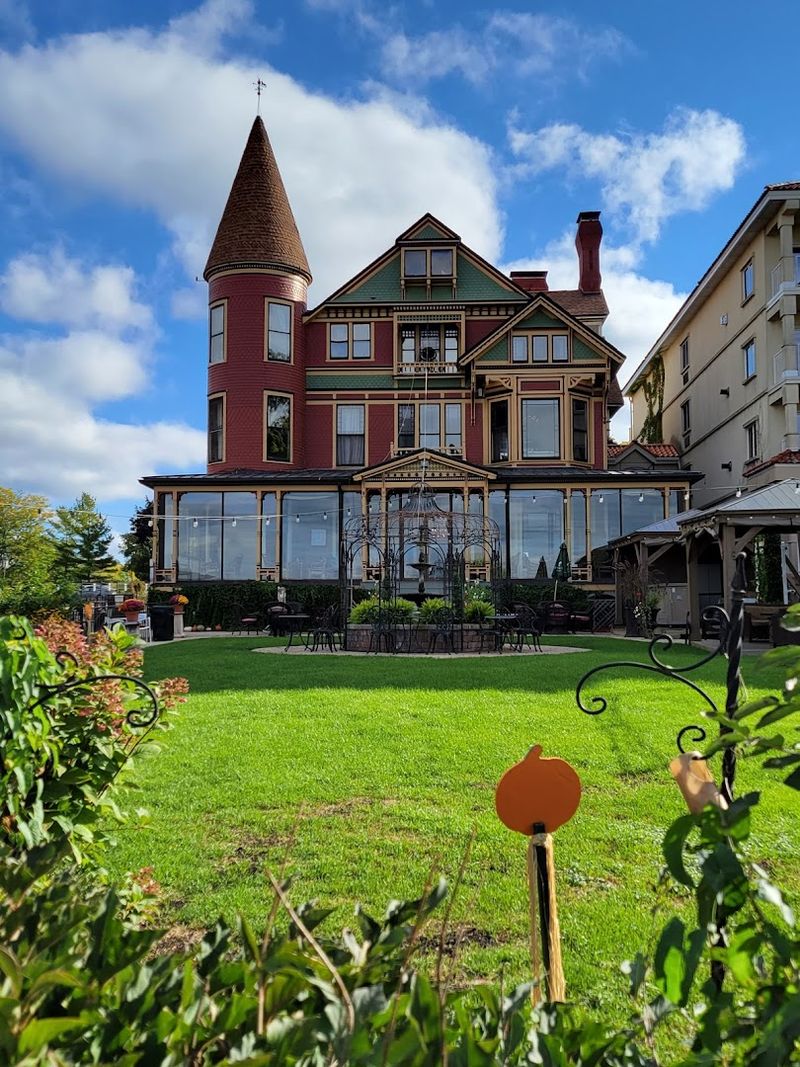
Lake Geneva retains architectural elements and a physical layout that suggest a small town, with historic buildings, tree-lined streets, and residential neighborhoods near the commercial core. The scale of the built environment creates expectations of a quieter, more intimate experience than what actually exists during peak season.
The disconnect between appearance and reality can feel jarring for first-time visitors.
Local businesses try to maintain friendly, personalized service, but the sheer volume of customers makes that difficult during busy periods. Servers rush between tables, store clerks handle long lines, and the relaxed pace you might expect from a small town evaporates under tourist pressure.
The community wants to preserve its character while also capitalizing on tourism revenue, creating an inherent tension.
Residents navigate this balance daily, watching their hometown transform each summer into something different. The small-town identity competes with big-tourist-destination reality, and increasingly the latter wins out, at least during the months when visitors arrive in force and overwhelm the local character with their sheer numbers.
Lake Geneva May Be A Victim Of Its Own Charm
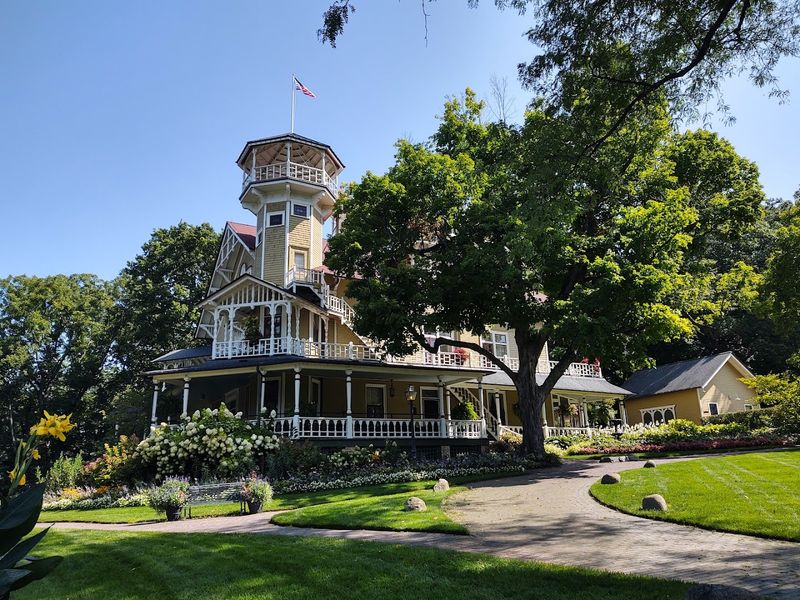
The qualities that make Lake Geneva appealing are the same ones driving its popularity problem. The historic mansions, clean lake water, walkable downtown, and proximity to Chicago created the perfect storm of attractiveness and accessibility.
Success in tourism often plants the seeds of its own complications, and Lake Geneva demonstrates this principle clearly.
City officials face difficult choices about managing growth, balancing resident needs against tourism revenue, and deciding how much infrastructure investment to make for seasonal crowds. Some communities intentionally limit development or access to preserve character, but Lake Geneva has generally chosen to accommodate demand, which perpetuates the cycle of increasing popularity.
The town has not reached a breaking point, but it teeters on the edge during peak weekends when crowds, traffic, and demand for services all spike simultaneously. The charm remains visible if you look past the crowds, but finding it requires patience and timing.
Lake Geneva may need to decide whether it wants to remain accessible to everyone or take steps to limit visitation and preserve the qualities that made it special originally.