
The Mississippi Model Railroad Museum Featuring A Tiny Town Built Over Decades Of Dedication
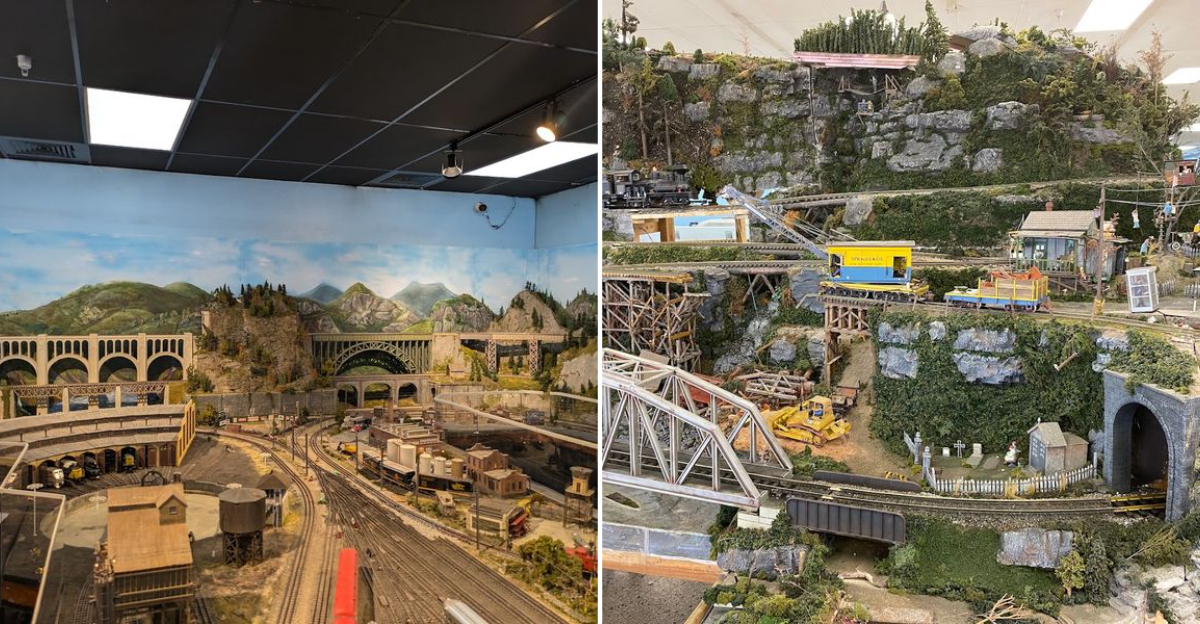
The miniature locomotives humming across the tracks carry the weight of countless late nights and steady hands. This massive display transforms a simple childhood hobby into a breathtaking monument to human patience.
Tiny streetlights flicker to life over beautifully detailed neighborhoods that took decades to perfect. Curious travelers pull over to see the world shrunk down to an astonishing scale.
Every corner of the vast layout reveals a new micro-story, from tiny farmers in fields to moving riverboats. The passionate creators spent a lifetime painting individual shingles and placing miniature citizens along the bustling main streets.
A vibrant sense of nostalgia fills the room as the small engines click along the rails. Visitors find themselves leaning in close to marvel at the sheer scale of this miniature wonderland.
This incredible labor of love provides a deeply moving look at American history frozen in time.
History Of Railroading In Mississippi
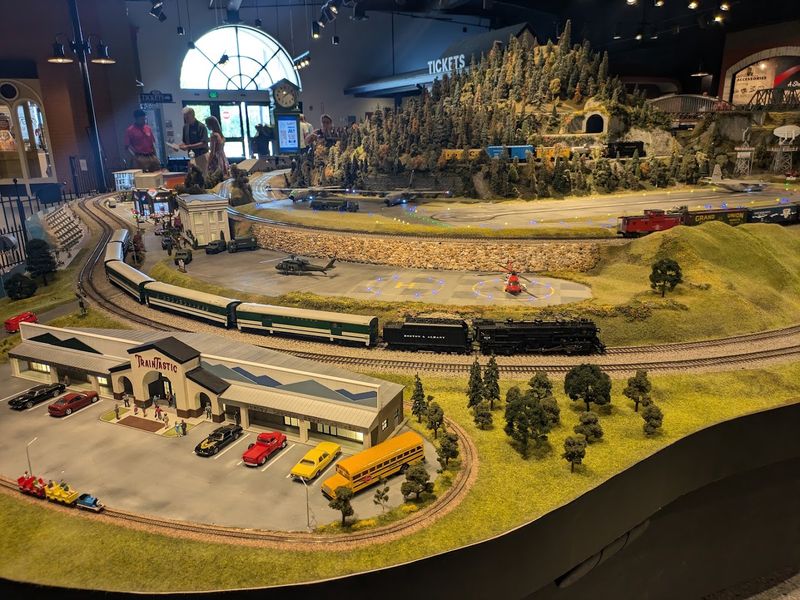
© TrainTastic! Train Museum formerly: Mississippi Coast Model Railroad Museum
The Gulf and Ship Island Railroad put Mississippi on the map in a serious way. It was first chartered back in 1850, though it took decades and multiple attempts before the dream became reality.
The line was built to connect the Gulf Coast with the pine forests deep inland, and in the process, created the city of Gulfport itself.
Construction was completed under Joseph T. Jones, a financier who took control of the struggling project.
The main line from Gulfport to Hattiesburg was finished by October 1896. Commercial operations launched on January 1, 1897, and the lumber industry boomed almost immediately after.
By 1900, the line had stretched all the way to Jackson. That expansion changed how goods and people moved across the state.
Railroads were not just transportation. They were economic engines.
TrainTastic, formerly the Mississippi Coast Model Railroad Museum, opened in 2015. It grew from a local model railroad club that had lost its previous home.
Richard P. Mueller, Jr. and Glenn Mueller, Sr. are the visionaries who made it happen.
Both men share a lifelong love of model trains. That passion turned into something much bigger than anyone expected.
The museum has since grown from one building to three, plus an outdoor area. You can find it at 615 Pass Rd, Gulfport, MS 39501.
Crafting Detailed Miniature Towns
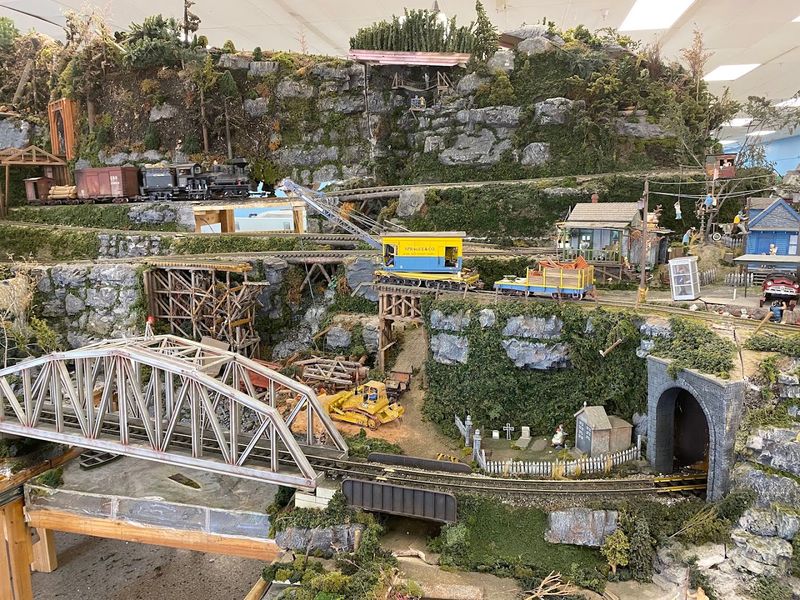
Building a miniature town is not just a hobby. It is an obsession that rewards patience with jaw-dropping results.
TrainTastic features miniature cities nestled in mountains and spread across open countryside.
The displays include rivers, coastlines, fields, farms, and factories. Every tiny detail is intentional.
Local artisans and hobbyists handcraft many of these layouts with serious care.
One massive layout recreates the Gulf Coast of Mississippi in miniature form. It includes over 50 interactive local landmarks.
History literally comes to life at a fraction of its actual size.
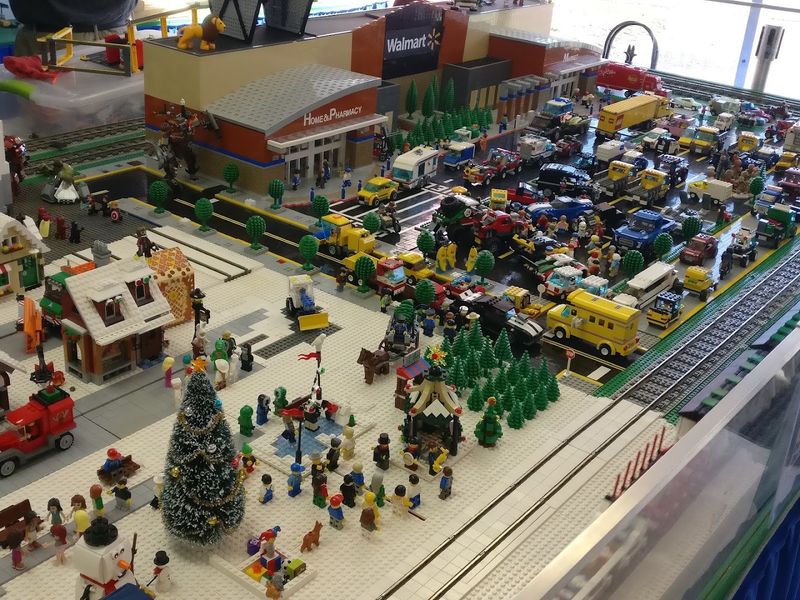
Then there is the LEGO railroad display. It features over two million LEGO pieces combined into sprawling, imaginative builds.
That number alone is enough to make your brain short-circuit a little.
The LEGO section blends design creativity with model railroading storytelling. Kids love it.
Adults secretly love it even more. The craftsmanship across all displays shows what happens when dedicated people commit years to a single vision.
Every corner of this museum holds something new to notice. You could visit multiple times and still spot details you missed before.
That is the magic of a truly handcrafted miniature world built by people who genuinely care about every square inch of it.
Techniques For Realistic Modeling
Realism in model railroading does not happen by accident. It takes careful painting, weathering, and a whole lot of trial and error.
Weathering simulates how time, harsh weather, and daily wear affect real structures.
Small details make a huge difference. Adding tiny signage, miniature figures, and scaled vehicles transforms a flat layout into a living scene.
Your brain starts believing it is real without even trying.
Lighting and electronics take things even further. LED headlamps, interior lights, and street lighting add visual depth that photographs cannot fully capture.
You have to see it in person to appreciate it.
Blending natural elements like rocks, streams, and hills creates authenticity that feels organic. Layering different textures, including ground foam and ballast, adds dimension to every surface.
No two sections of a well-built layout look the same.
Forced perspective is another clever trick. Modelers subtly reduce object sizes in the background to make layouts appear much larger than they actually are.
It is a classic illusion that works every single time.
Matte finishes and adjusted paint colors also help match the visual scale. Glossy paint looks wrong at miniature scale.
These small technical choices separate a good layout from a truly convincing one that stops visitors in their tracks.
Preserving Heritage Through Models
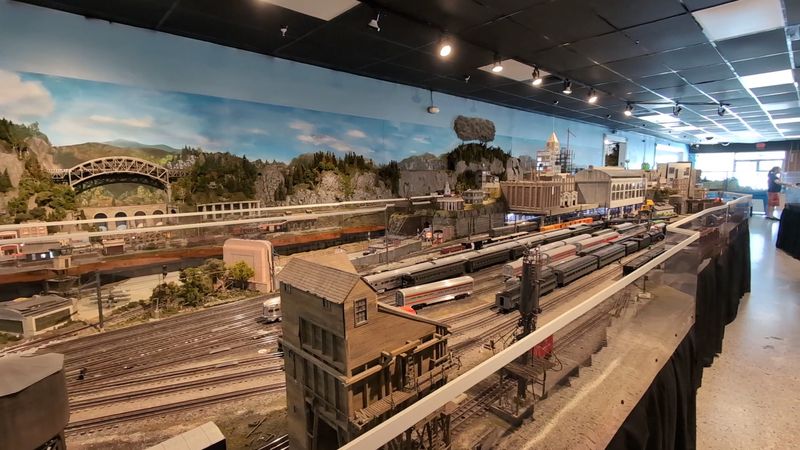
Preserving history is serious work. TrainTastic approaches it with both dedication and heart.
The museum shares the story of American railroading with every visitor who walks through the door.
Model railroading has a unique power to recreate eras that no longer exist. Layouts bring back the look and feel of American railroading from over a hundred years ago.
That kind of living history is hard to find anywhere else.
The museum aims to instill genuine appreciation for trains and how they shaped the country. It is not just about cool models.
It is about understanding why railroads mattered so deeply to American growth and identity.
Some displays honor specific historical events. Tributes to POW-MIAs from Vietnam and World War II appear throughout the exhibits.
Those moments give the museum a weight and meaning that goes beyond hobbyist fun.
Seeing a tiny replica of a 1940s train depot next to a WWII memorial display hits differently than reading about history in a textbook. The combination of visual storytelling and historical context creates something genuinely memorable.
It sticks with you long after you leave.
The spirit of the American Railroad lives here. Not just in the models themselves, but in the stories they carry.
That is what makes preservation through miniature modeling such a powerful and underrated art form.
Community Involvement In Railway Displays
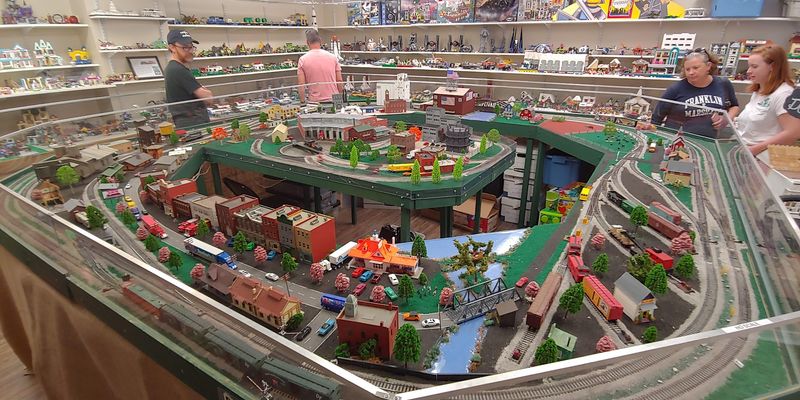
TrainTastic is not a corporate operation. A local model railroad club runs the whole thing.
That community backbone is obvious the moment you start looking closely at the exhibits.
Local artisans, hobbyists, and volunteers handcraft the displays you see throughout the museum. Many of the people who built specific exhibits are often on-site.
They will talk to you about their work if you ask.
That personal connection makes the experience feel completely different from a typical museum visit. You are not just looking at finished products behind glass.
You are seeing someone’s years of work up close.
The museum also welcomes donations of trains, garden materials, and LEGO sets. Monthly LEGO Build Days bring community members together to create and contribute.
A local LEGO Club calls TrainTastic home base.
Seasonal and holiday-themed events happen throughout the year. The museum becomes a gathering spot for families, hobbyists, and curious visitors alike.
Community ownership of this place is real and visible.
When a museum is built and maintained by the people who genuinely love what it represents, that energy transfers directly to visitors. You feel it walking through each room.
TrainTastic is proof that passion-driven community projects can create something truly extraordinary when everyone pitches in together.
Educational Benefits Of Railroading
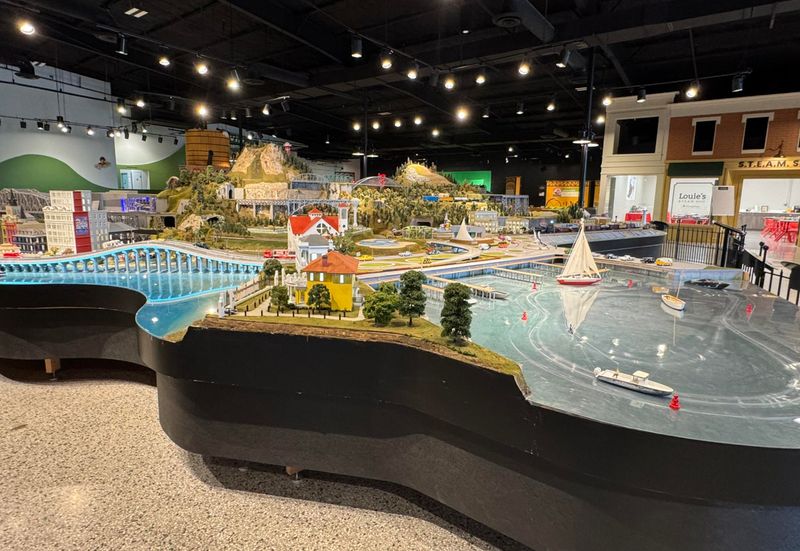
Model railroading teaches more than most people realize. It covers history, engineering, art, and math all at once.
TrainTastic leans fully into that educational potential.
The museum offers structured STEM and STEAM programs for school groups and families. Those programs focus on Science, Technology, Engineering, Art, and Math in hands-on ways.
Kids learn without realizing they are learning, which is honestly the best kind of education.
Early childhood learning experiences are part of the lineup. School field trips bring classrooms directly into the exhibits.
Children can design layouts, build miniature towns, and create original stories around their builds.
Fine motor skills get a serious workout through model railroading activities. Handling small parts, painting tiny details, and assembling track pieces all build dexterity.
Those physical skills transfer to many other areas of life.
Problem-solving and critical thinking also develop naturally through the hobby. Figuring out why a train keeps derailing or how to make a mountain look realistic requires real analytical effort.
It does not feel like a lesson. It feels like a puzzle.
The museum understands that education works best when it is wrapped in genuine excitement. Every interactive button, crawl-through tunnel, and hands-on display at TrainTastic serves a learning purpose.
Fun and education are not opposites here. They are the same thing.
Innovations In Technology
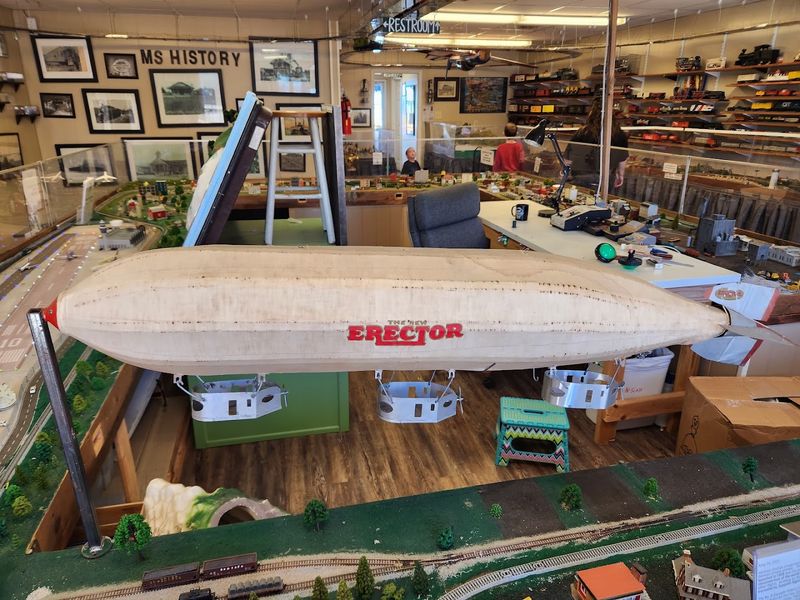
Model railroading has gone seriously high-tech. Digital Command Control, known as DCC, lets operators run multiple locomotives independently on the same track.
That was unthinkable a few decades ago.
Modern model trains use sound decoders that produce realistic engine noises, whistles, and brake sounds. The audio detail is surprisingly convincing.
Close your eyes near one of these setups, and you might actually feel like you are at a real rail yard.
LED lighting has transformed visual realism across layouts. Realistic headlamps, glowing interior lights, and working streetlamps all add layers of atmosphere.
The difference between an LED-lit layout and an older one is immediately obvious.
3D printing has opened up customization in ways that were previously impossible. Modelers now print custom locomotives, rolling stock, and unique scenery pieces directly from digital files.
One-of-a-kind details are now accessible to anyone with a printer.
Computer software helps with track planning and sophisticated control systems. Designing a complex layout before building it saves enormous amounts of time and material.
Planning on screen first is now standard practice for serious modelers.
Bluetooth control takes things even further. Smartphones and tablets can operate trains through dedicated apps.
Augmented Reality and Virtual Reality are also emerging in the hobby, pushing the boundaries of what model railroading can become in the years ahead.
Challenges In Maintaining Scale Railroads
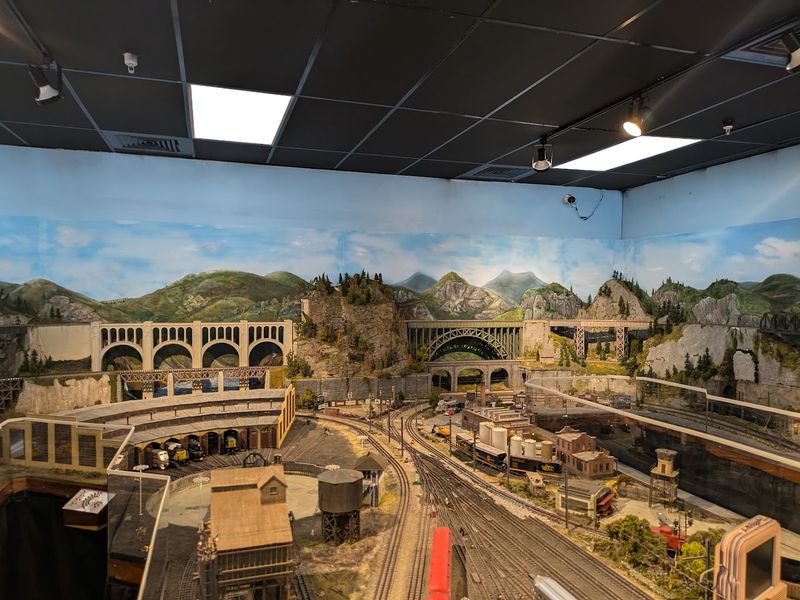
Keeping a large model railroad museum running smoothly is genuinely hard work. The scale of the challenge at TrainTastic is easy to underestimate from the visitor side.
Everything looks polished, but that polish requires constant effort behind the scenes.
Volunteers spend significant time repairing and redoing exhibits. Train layouts take wear from daily use, curious hands, and the simple passage of time.
Something always needs attention somewhere across the three buildings.
Digital Command Control systems are sensitive to dirty tracks. Even a thin layer of dust or oxidation can cause locomotives to stall or behave erratically.
Regular track cleaning is a never-ending maintenance task for any serious layout.
Achieving extreme detailing demands advanced techniques and consistent effort. Tiny painted figures, delicate foliage, and fragile structural models are all vulnerable.
Replacing or repairing these elements requires the same skill level as building them originally.
Ensuring visual authenticity at a reduced scale adds another layer of difficulty. Colors, proportions, and textures that look correct in real life do not always translate directly to miniature scale.
Every adjustment requires careful judgment and experience.
Despite all of it, the volunteers at TrainTastic keep showing up. Their commitment to maintaining these displays at a high standard is what makes the museum worth visiting again and again.
The work never really stops, and that dedication shows in every exhibit.