
The Mississippi Museum Where Coca Cola Was First Bottled Still Feels Like An 1890s Candy Store
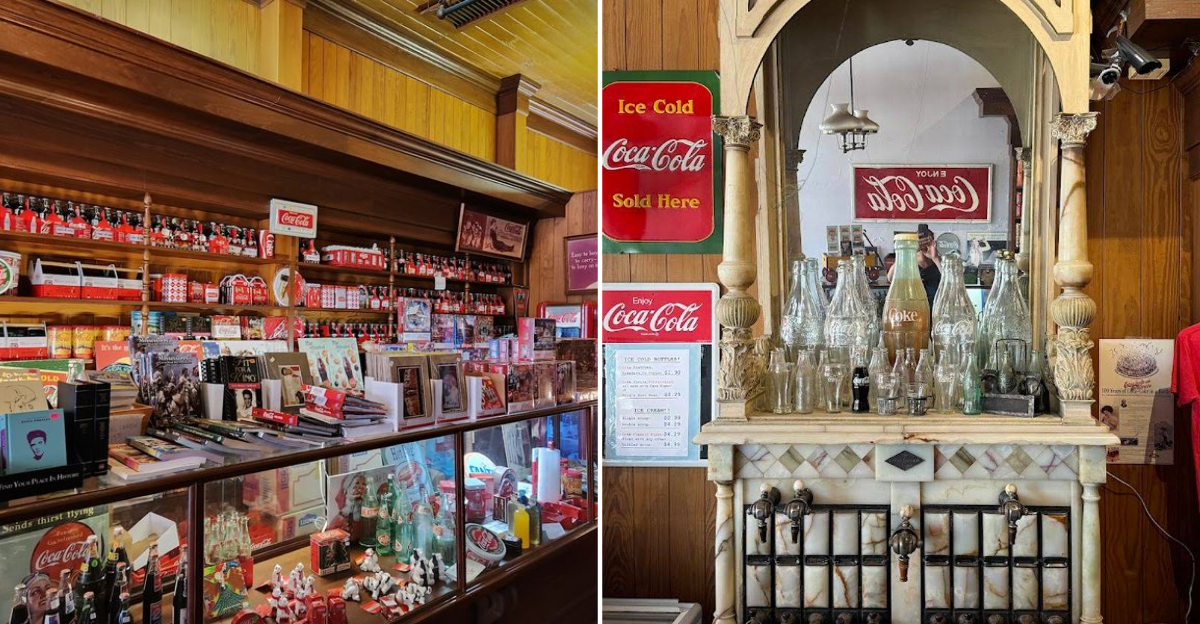
A brass cash register clicks open with a heavy metallic chime that belongs in another century. This restored brick building in Mississippi is where the world’s most famous soda first moved from fountain pumps into glass bottles.
The front room still smells like spun sugar, dark molasses, and old wood oil. A local senior sitting at the soda fountain recently joked that his doctor strictly banned sugar, right before ordering a second dark float.
Visitors sit on wire-back chairs while a clerk cuts homemade fudge with a massive silver knife. You can sip a cold drink made with the original, extra-sweet syrup formula from 1894.
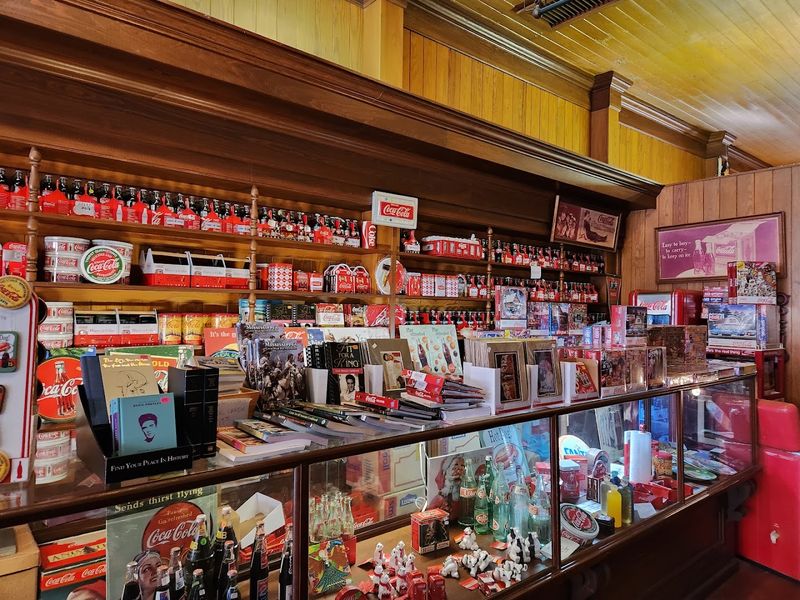
The shelves are packed with vintage candy jars that make modern packaging look incredibly dull. It is a rare space where global corporate history feels like a cozy neighborhood secret.
History Of Coca Cola Bottling In Mississippi
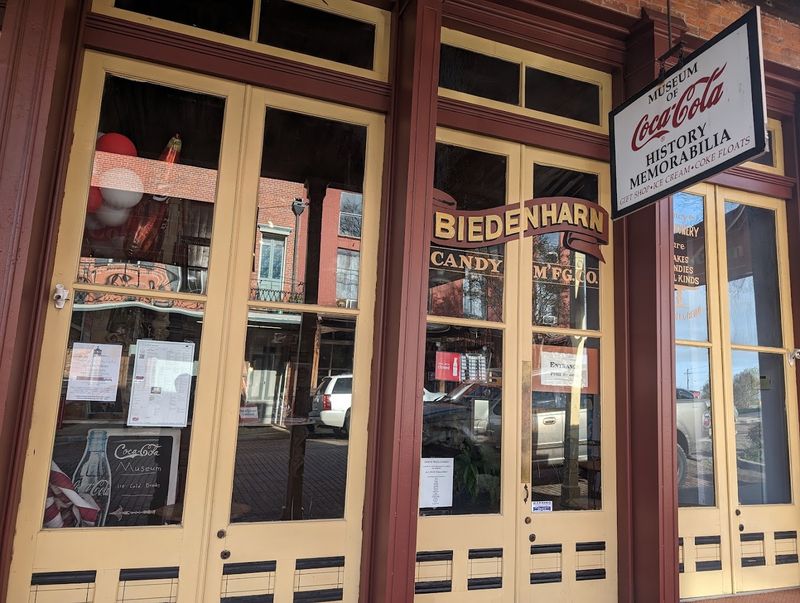
In 1894, a candy merchant named Joseph A. Biedenharn did something nobody had done before.
He put Coca-Cola into bottles. That single decision changed how Americans consumed beverages forever.
Before that summer, Coca-Cola was only served at soda fountains. You had to go to the counter and drink it there.
Biedenharn figured rural customers deserved a taste too. So he filled glass bottles and sent them out to people who could not easily reach a fountain.
The building where this happened still stands at 1107 Washington St, Vicksburg, MS 39183. Walking through it feels like a genuine history lesson.
The walls carry the story of how one small decision in Mississippi launched an entire global industry.
Vicksburg is already known for Civil War history. Adding the birthplace of Coca-Cola bottling makes it even more interesting.
This museum is not flashy or overwhelming. It is focused and real.
You leave knowing exactly why this moment mattered to American business history. The story is told clearly, and the building itself is part of the evidence.
Vintage Packaging And Advertising Displays
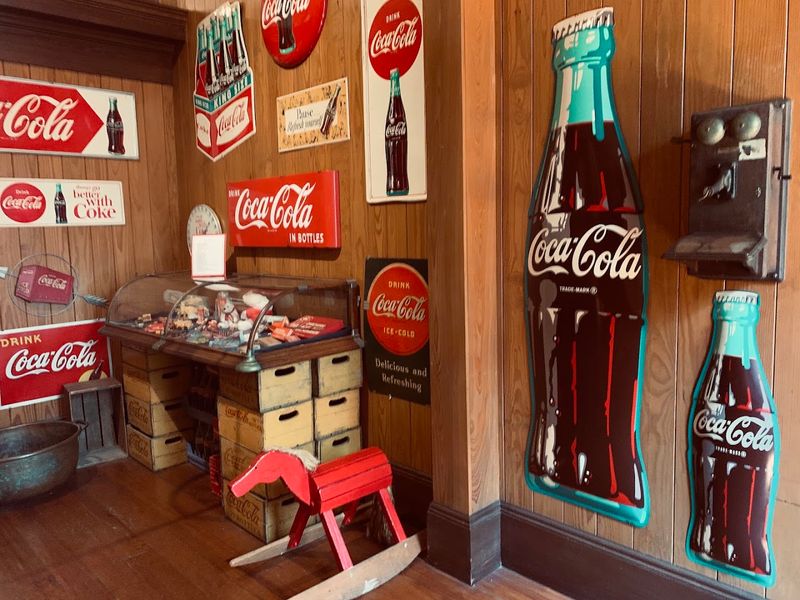
Old Coca-Cola advertising is genuinely cool to look at. The museum has walls and cases filled with it.
Tin signs, printed posters, and vintage bottle labels cover almost every surface.
The bottle collection alone is worth the visit. Shapes changed dramatically over the decades.
Early bottles look nothing like what you grab from a cooler today. Seeing them lined up together tells a visual story of design evolution across more than a century.
Advertising materials from the early 1900s are especially striking. The fonts, colors, and slogans reflect exactly what marketing looked like before television existed.
Everything was about print, color, and bold visuals. The museum preserves these pieces carefully.
One display focuses on trademarked Coca-Cola items. Trays, clocks, and promotional objects fill the cases.
Each piece was made to put the brand in front of customers in everyday settings. Seeing them all together shows how deliberate and creative early brand-building really was.
For anyone interested in design history or American consumer culture, this section of the museum delivers a surprising amount of depth in a compact space.
Interactive Exhibits That Engage All Ages
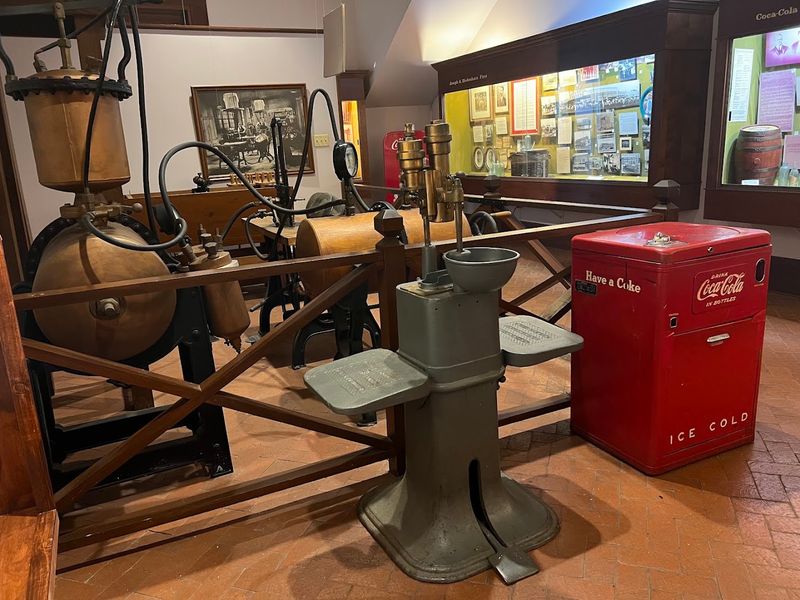
Not everything here is behind glass. Some exhibits invite you to get closer and actually look at how things worked.
That hands-on quality makes the museum feel more alive than a typical display-only space.
A replica soda fountain gives visitors a real sense of how drinks were served in the 1890s. It is not just decorative.
Staff members use it to explain how carbonation worked and why bottling became the logical next step. The explanation is clear enough for kids and interesting enough for adults.
Questions are welcome here. Staff members are knowledgeable and genuinely happy to talk about the history.
If you are curious about something specific, ask. The answers tend to go deeper than the exhibit labels alone.
Kids especially respond well to seeing equipment they can examine up close. There is something about being near the actual machinery, even a reproduction, that makes history click in a way textbooks cannot.
Families tend to move slowly through this section. Parents and children end up in actual conversations about how things were made.
That kind of engagement is hard to manufacture. Here it happens naturally because the exhibits are set up to invite it.
Authentic 1890s Candy Store Atmosphere
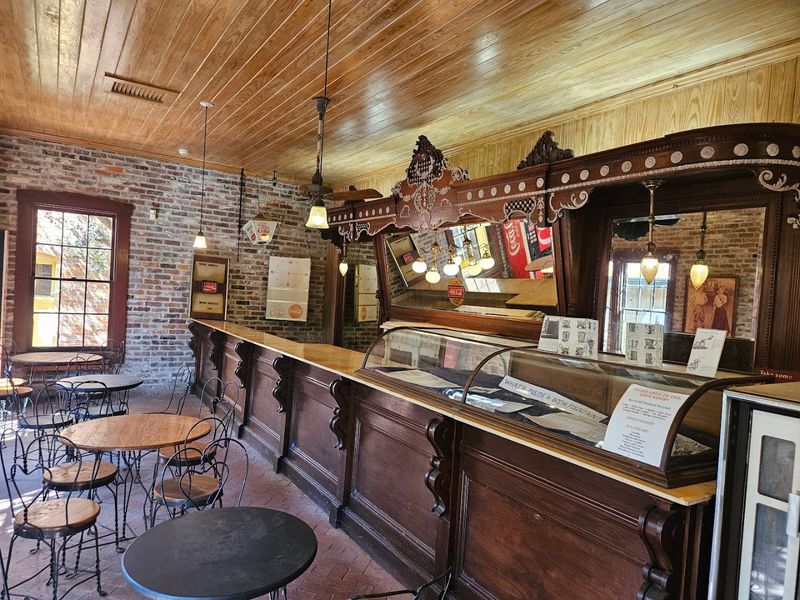
The candy store section of this museum is the kind of place that makes you slow down. Original shop fittings from the 1890s are still in place.
The wooden counters, glass cases, and period details are authentic and carefully maintained.
You can actually buy something here. Coke floats and ice cream are available.
Eating an ice cream float inside a restored 1890s candy shop while looking at vintage Coca-Cola memorabilia is a genuinely fun experience. It connects the past and present in a simple, enjoyable way.
The atmosphere does not feel manufactured. These fittings were here when Biedenharn ran the place.
The Vicksburg Foundation for Historic Preservation has kept them intact. That commitment to authenticity shows in every detail.
Small details add up quickly in this space. The scale of the room, the height of the shelves, and the layout all reflect how retail spaces actually functioned in the late 1800s.
Modern stores are designed very differently. Standing in this room gives you a physical sense of what shopping felt like more than a hundred years ago.
It is a surprisingly effective way to understand a different era without needing a single word of explanation.
Educational Programs Focused On Beverage Industry
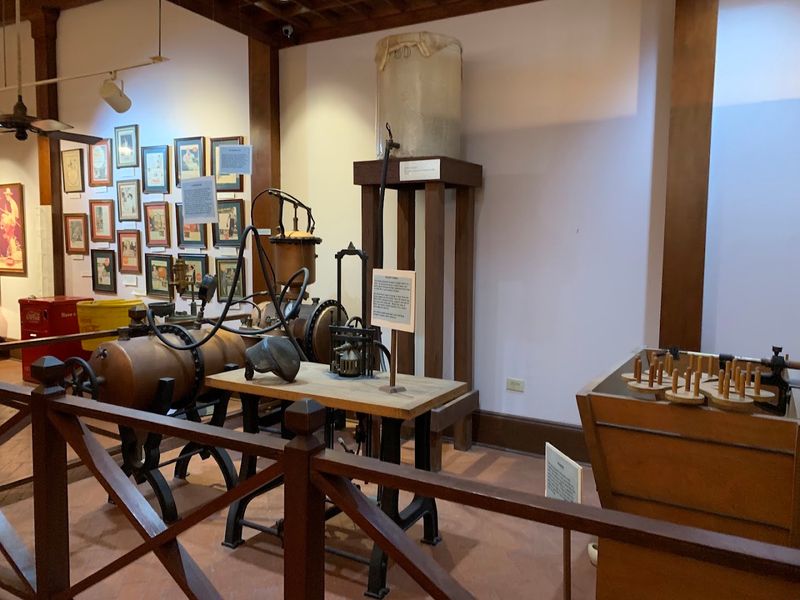
American business history does not always get the attention it deserves. This museum fills in one important chapter.
It explains how Coca-Cola grew from a soda fountain drink into a bottled product sold across the country.
The Vicksburg Foundation for Historic Preservation operates the museum. That background means the educational content is grounded in real historical research.
Exhibits are accurate, clearly written, and organized in a logical order. You follow the story from beginning to end without getting lost.
The bottling process itself gets serious attention here. How carbonation worked, what early bottling machinery looked like, and why the bottle shape mattered are all covered.
These details connect the beverage industry to broader themes of American innovation and entrepreneurship.
Teachers and curious adults both find value in this content. School groups visit because the material fits naturally into lessons about American history and economics.
Even visitors who come just for the novelty of it tend to leave with more knowledge than they expected. The museum does not lecture you.
It lays out the information and lets you absorb it at your own pace. That approach works well for all age groups and makes the educational side feel like discovery rather than homework.
Special Collections Featuring Bottling Equipment
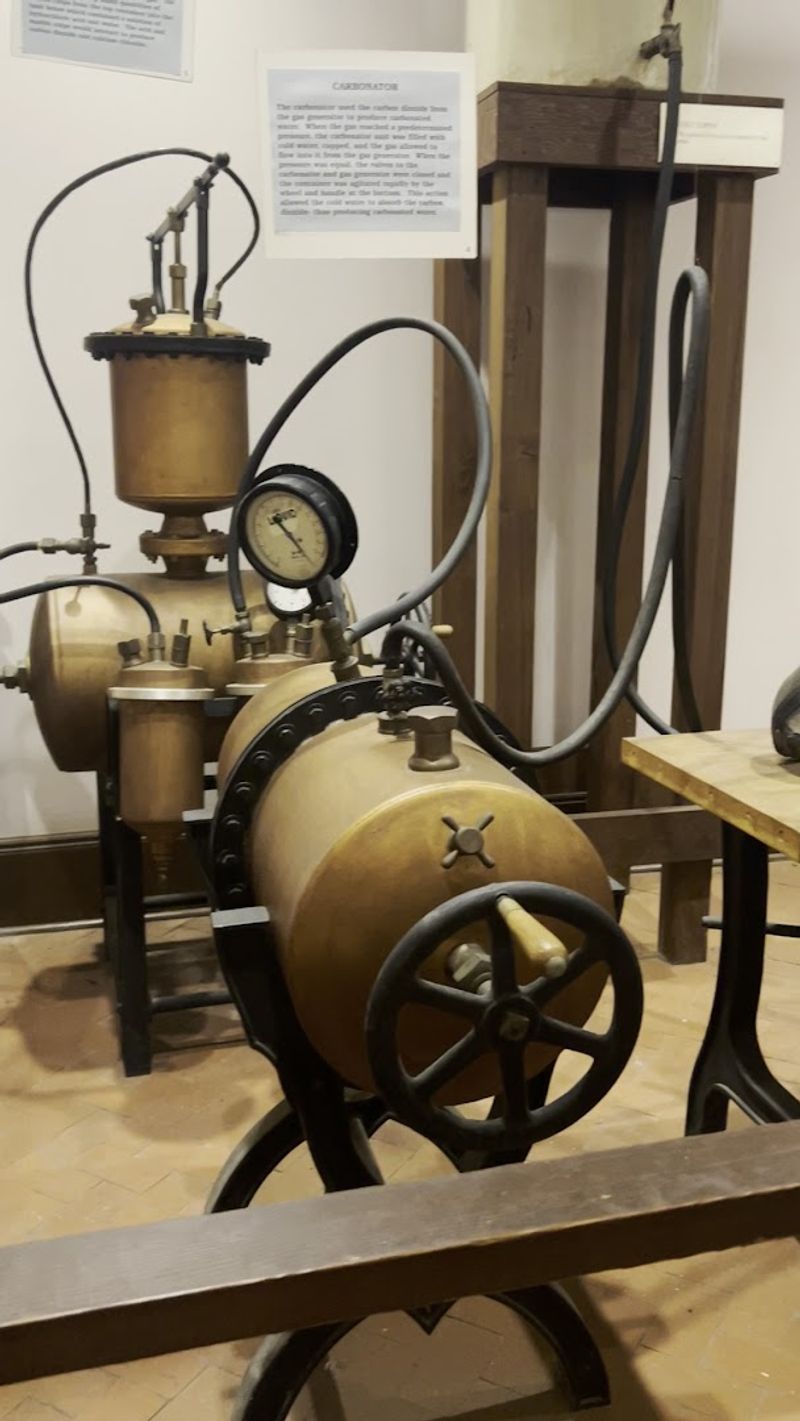
The bottling equipment on display here is the real centerpiece of the museum. A reproduction of the original machinery used by Biedenharn in 1894 shows exactly how the process worked.
It is mechanical, precise, and surprisingly compact for something so historically significant.
Seeing the equipment makes the history tangible. Reading that Coca-Cola was first bottled here is one thing.
Standing next to the kind of machine that did it adds a completely different dimension. The scale of early bottling operations was small.
One person could run the whole thing.
The tools and equipment reflect the industrial ingenuity of the era. Everything was manual.
Each bottle was filled, sealed, and prepared individually. The process required skill and consistency.
Biedenharn learned it quickly and made it work in a small candy store setting.
For anyone interested in industrial history or manufacturing, this collection is a highlight. The progression from hand-filled bottles to automated production is one of the great stories of American industry.
This museum captures the starting point of that story. The equipment here represents the very first chapter.
Seeing it in the original location where it was used adds a layer of authenticity that no reproduction facility could replicate. It is a rare chance to stand at the actual beginning of something enormous.
Stories Behind The Early Bottling Innovators
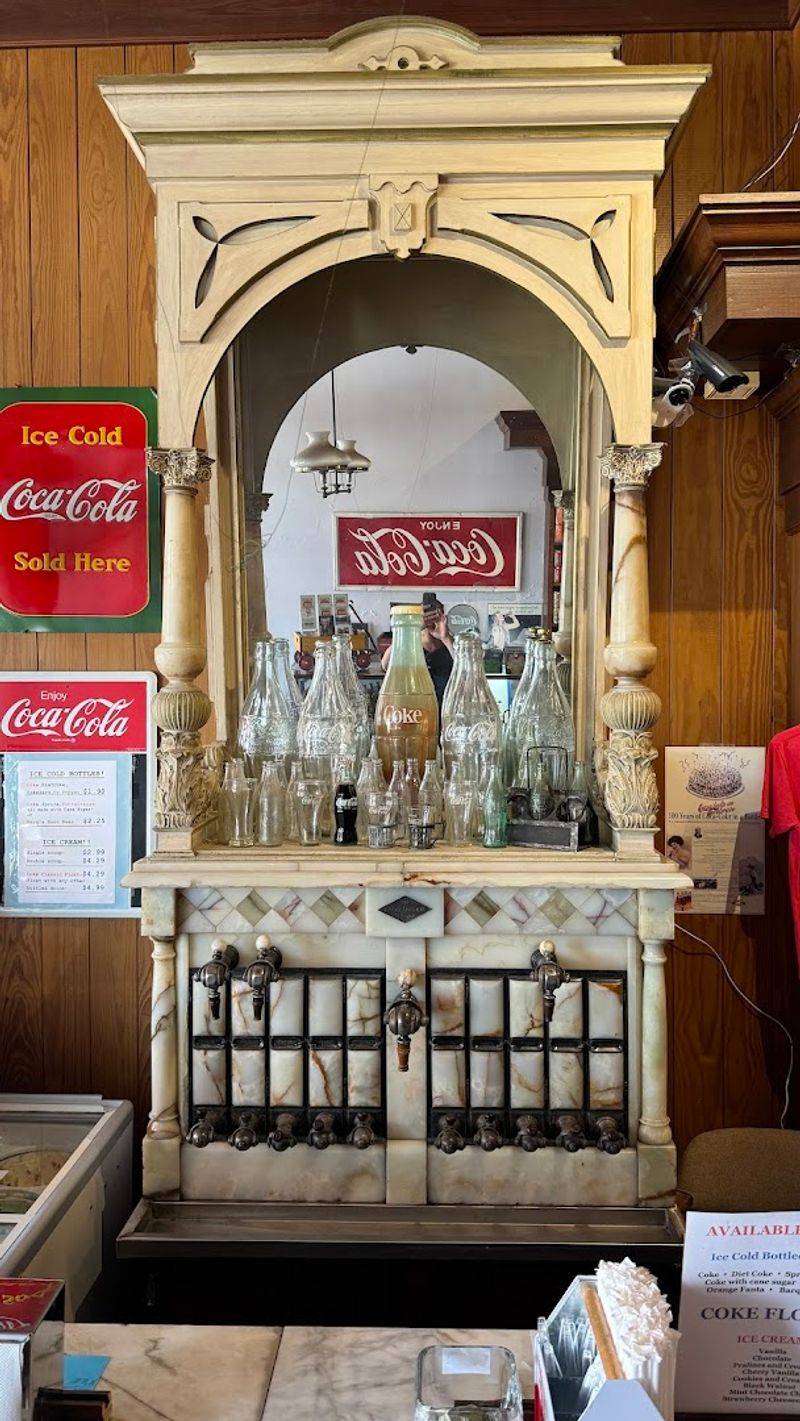
Joseph Biedenharn was not a chemist or a corporate executive. He was a candy merchant who ran a soda fountain.
His idea to bottle Coca-Cola came from practical thinking, not a business strategy meeting.
Rural customers in Mississippi could not easily visit a soda fountain. Biedenharn saw a gap and filled it.
He reached out to Asa Candler, who owned the Coca-Cola formula at the time, to share the bottling concept. Candler did not immediately jump on it, but the idea had been planted.
What makes Biedenharn interesting is how ordinary his starting point was. He was not trying to build an empire.
He was trying to serve more customers. That practical mindset turned out to be the spark that eventually transformed Coca-Cola into a product available everywhere.
The museum tells his story without exaggeration. It presents him as a resourceful businessman who paid attention to what his community needed.
That framing makes the story more relatable than a typical rags-to-riches narrative. Biedenharn solved a local problem.
The solution happened to matter globally. His story is a reminder that major innovations often start with someone simply trying to do their job a little better than the day before.
That is a story worth knowing.
Community Events Celebrating Local Heritage
The museum does not just sit quietly on Washington Street. It actively participates in the life of Vicksburg.
Community events tied to local heritage happen here regularly, and they draw real crowds.
The 130th anniversary celebration was a good example. The museum marked the milestone with events that connected the past to the present.
A sock hop and a drive-in movie were part of the lineup. Those choices reflect a museum that understands how to make history feel fun rather than formal.
Vicksburg has a strong sense of local identity. The Biedenharn museum fits naturally into that.
It is not just a building with old stuff inside. It is an active participant in how the community tells its own story.
Events here reinforce that connection between residents and their history.
For visitors passing through, catching one of these events adds an entirely different layer to the experience. You are not just looking at artifacts.
You are watching a community celebrate something it is genuinely proud of. That energy is contagious.
Even if you have no personal connection to Vicksburg or Coca-Cola, the enthusiasm around these events is easy to appreciate. Local history feels most alive when the people who live with it choose to celebrate it out loud.
This museum does exactly that.