
9 Mississippi Boardwalks That Carry You Over Swamps, Wetlands, And Ancient Cypress Country
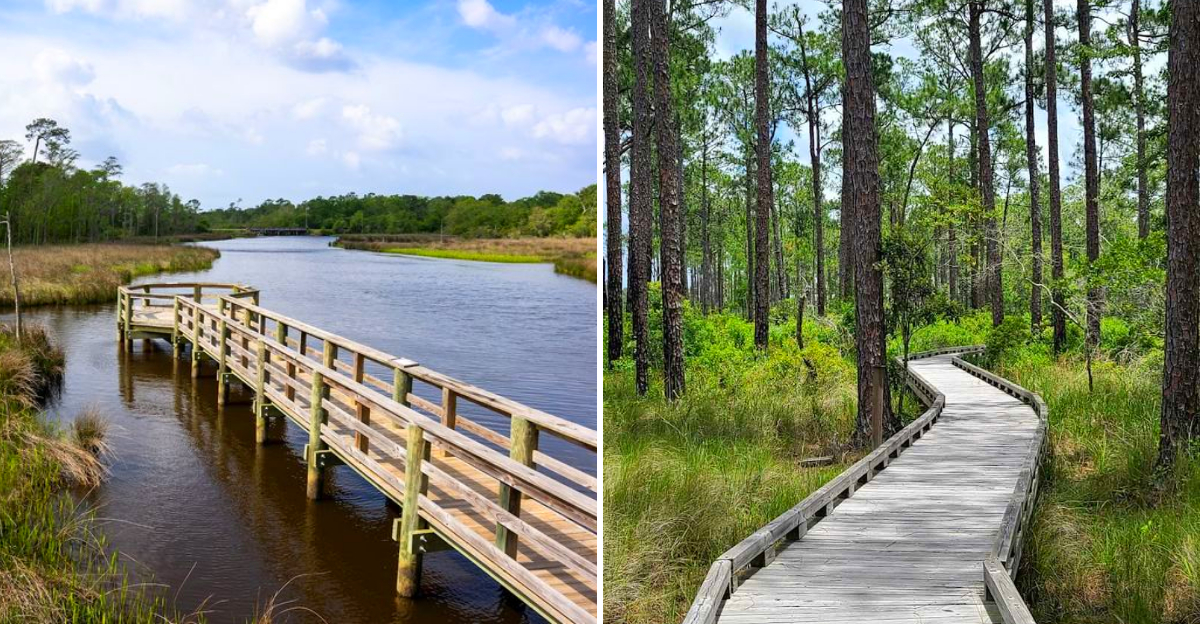
Your sneakers stay dry today, and that’s really the whole point. Mississippi grew a network of boardwalks so you could hover above swamp water without ever touching mud.
Cypress trees older than most family trees rise out of black water on both sides. Frogs sing louder than any playlist you could bring.
Herons stand so still you’ll wonder if they’re real. Every plank keeps a little distance between you and the muck, but not one inch of distance from the show.
Wetlands get a reputation they don’t deserve. People picture bugs and gunk instead of quiet and wonder.
A boardwalk trail fixes that fast, lifting you just high enough to spot turtles sunning on logs and vines twisting overhead in wild patterns.
Ten different trails across Mississippi prove that swamp country deserves a much better nickname.
1. Sky Lake WMA Boardwalk
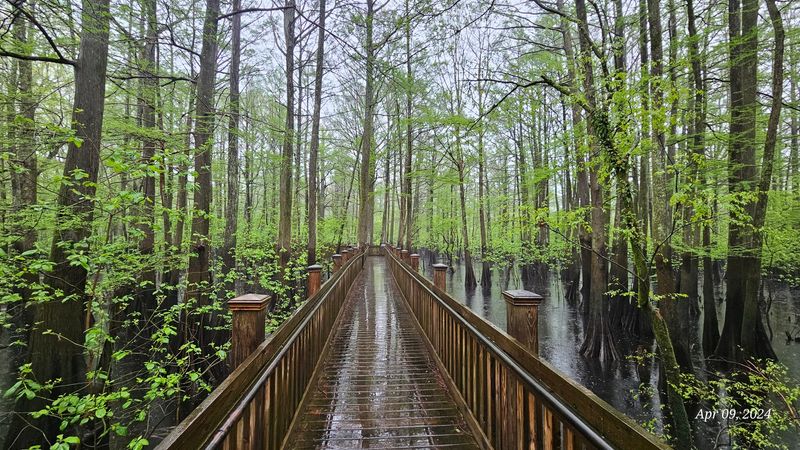
At 1,735 feet long, the Sky Lake WMA Boardwalk is one of the most jaw-dropping walks you can take in Mississippi. Ancient bald cypress trees tower over the water on both sides, and some of them have been standing for more than a thousand years.
That is not a typo. A literal thousand years.
The boardwalk at 1090 Simmons Rd, Belzoni, MS 39038 sits inside a wildlife management area that also offers a 2.6-mile paddling trail for canoe and kayak lovers. There is a picnic area, an education center, and restrooms on the grounds too.
It is a full day kind of place.
One important heads-up: as of early 2026, the boardwalk itself is temporarily closed for structural repairs after ice storm damage. The surrounding grounds and education area are still open, so you can still visit and plan your return trip.
Keep an eye on the Mississippi Department of Wildlife, Fisheries, and Parks website for reopening updates before you head out.
Belzoni sits in Humphreys County at the heart of the Mississippi Delta, and the drive through flat cotton country approaching Sky Lake gives the ancient cypress trees an even more dramatic impact when they finally come into view.
2. Cypress Swamp Boardwalk
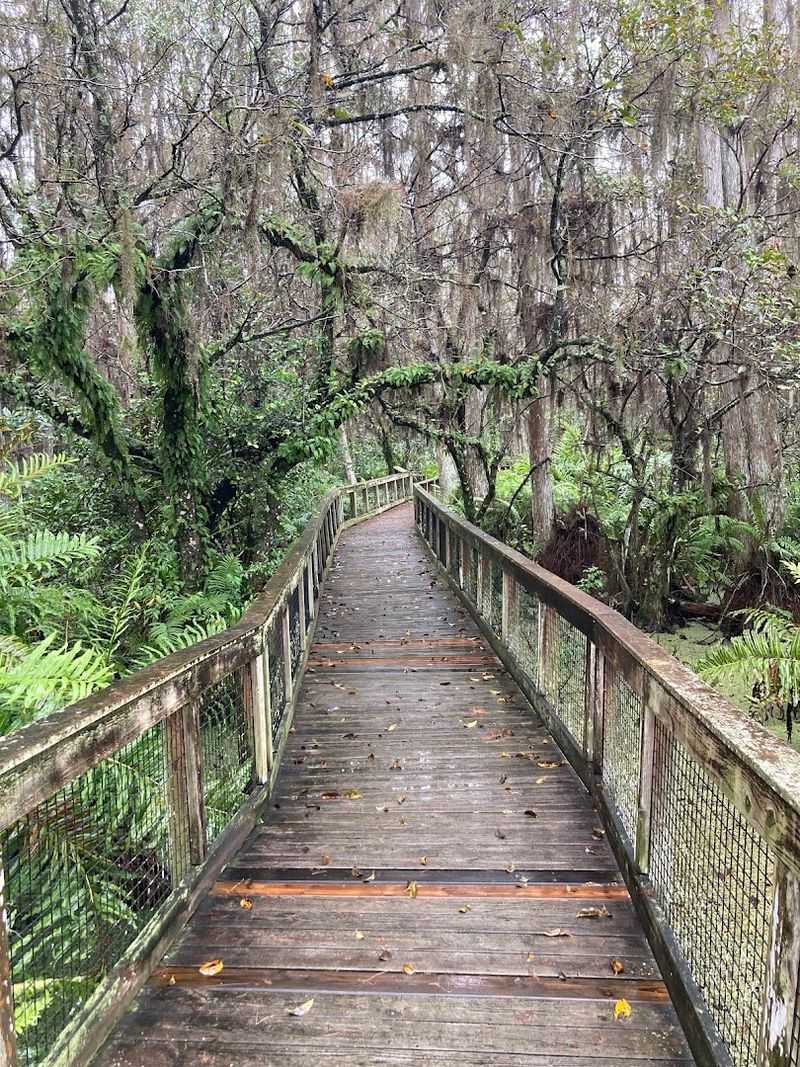
Free entry, alligators, and a half-mile stroll through one of the most scenic swamps in the South. That is the kind of deal that sounds too good to be true, but the Cypress Swamp Boardwalk on the Natchez Trace Parkway delivers every single time.
You will find this gem at Milepost 122 on the Natchez Trace Pkwy, Canton, MS 39046.
The 0.4-mile trail winds through towering bald cypress and water tupelo trees, and interpretive signs along the path explain the swamp ecology in plain language that actually makes you want to read them. Kids love it too.
Keep your eyes open for juvenile alligators sunning themselves near the water, turtles floating on logs, and a surprising variety of birds weaving through the canopy. The trail is accessible and family-friendly, making it a reliable choice for a relaxed afternoon.
There is zero cost to park or walk, which means your only expense is the gas to get there. Honestly, that makes it one of the best free outdoor experiences in all of Mississippi.
The Natchez Trace Parkway context makes this stop part of a much larger story. Milepost 122 puts it roughly midway along the Mississippi portion of the Trace, making it a natural anchor for a full day of parkway exploration.
3. The Crosby Arboretum
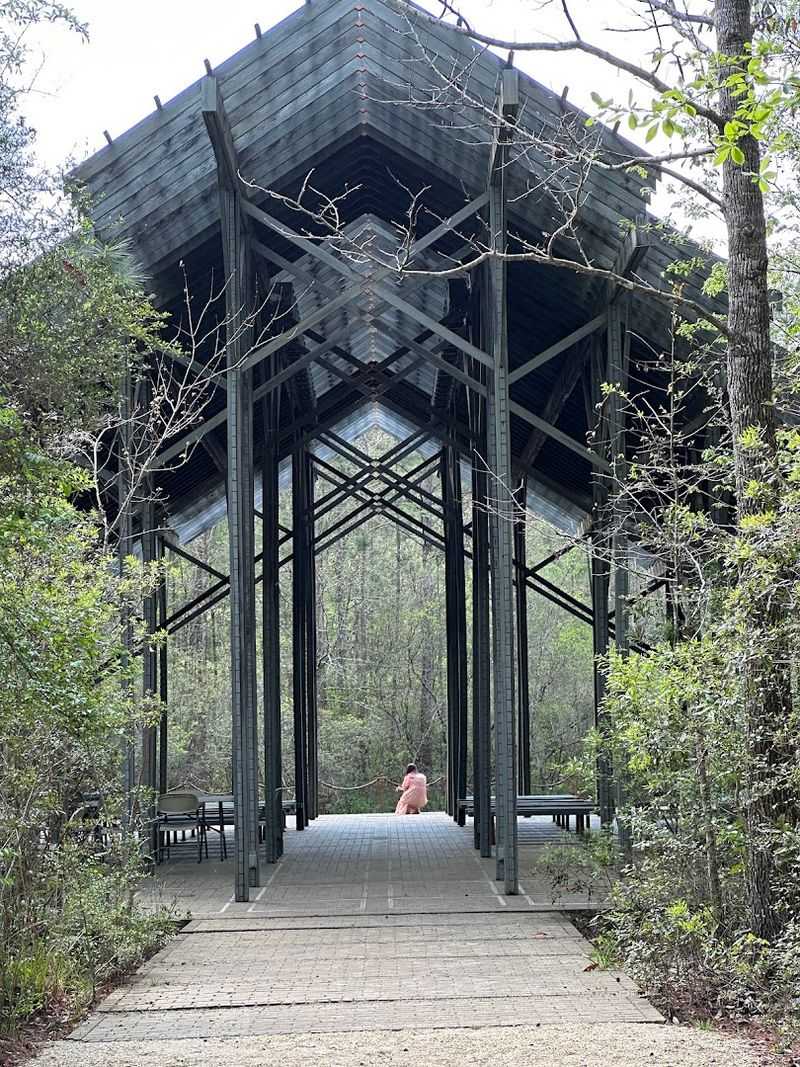
Not every boardwalk takes you over open water. The Crosby Arboretum in Picayune, Mississippi offers something genuinely rare: a walk through pitcher plant bogs and longleaf pine wetlands that most people have never seen up close in their lives.
For just five dollars, adults get access to three miles of walking trails spread across three distinct coastal habitats. Seniors and military pay four dollars, and kids under 12 get in for two.
You will find the arboretum at 370 Ridge Rd, Picayune, MS 39466, open Tuesday through Saturday from 9 AM to 5 PM.
Over 300 species of native plants grow here, including rare, threatened, and endangered varieties you will not spot anywhere else on a casual afternoon walk. The iconic Pinecote Pavilion is a Mississippi Landmark, and on the right day you can feed turtles near the water.
The arboretum also manages over 700 acres across seven natural areas for research and conservation. It is a proper outdoor classroom disguised as a peaceful garden stroll, and honestly, five dollars has never gone further.
4. Sam D. Hamilton Noxubee National Wildlife Refuge
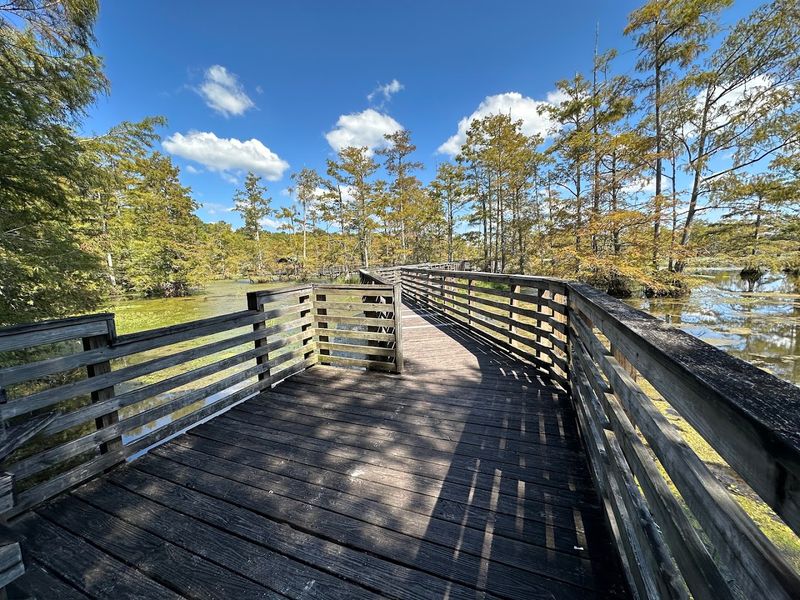
When one boardwalk is not enough, you go to a place that has three. The Sam D.
Hamilton Noxubee National Wildlife Refuge near Starkville, Mississippi offers multiple boardwalk experiences spread across 48,000 acres of some of the most wildlife-rich land in the state.
The Bluff Lake Boardwalk runs just under 1,000 feet and leads to a roofed overlook through cypress trees above Bluff Lake.
A second wheelchair-accessible boardwalk stretches over 500 feet through bald cypress groves, and a 150-foot boardwalk leads to the Goose Overlook above Dickerson Arm.
You can find the refuge at 13723 Bluff Lake Rd, Starkville, MS 39759.
American alligators are commonly spotted in the wetlands, especially during August when they are most active. Bald eagles nest on the property from November through February, and wood storks, egrets, and herons show up regularly too.
The endangered red-cockaded woodpecker calls this refuge home as well. Entry requires a pass: five dollars for a daily visit or twenty-five dollars for an annual pass.
Federal duck stamps and Recreational Lands Passes also work at the gate.
5. Grand Bay Coastal Resources Center
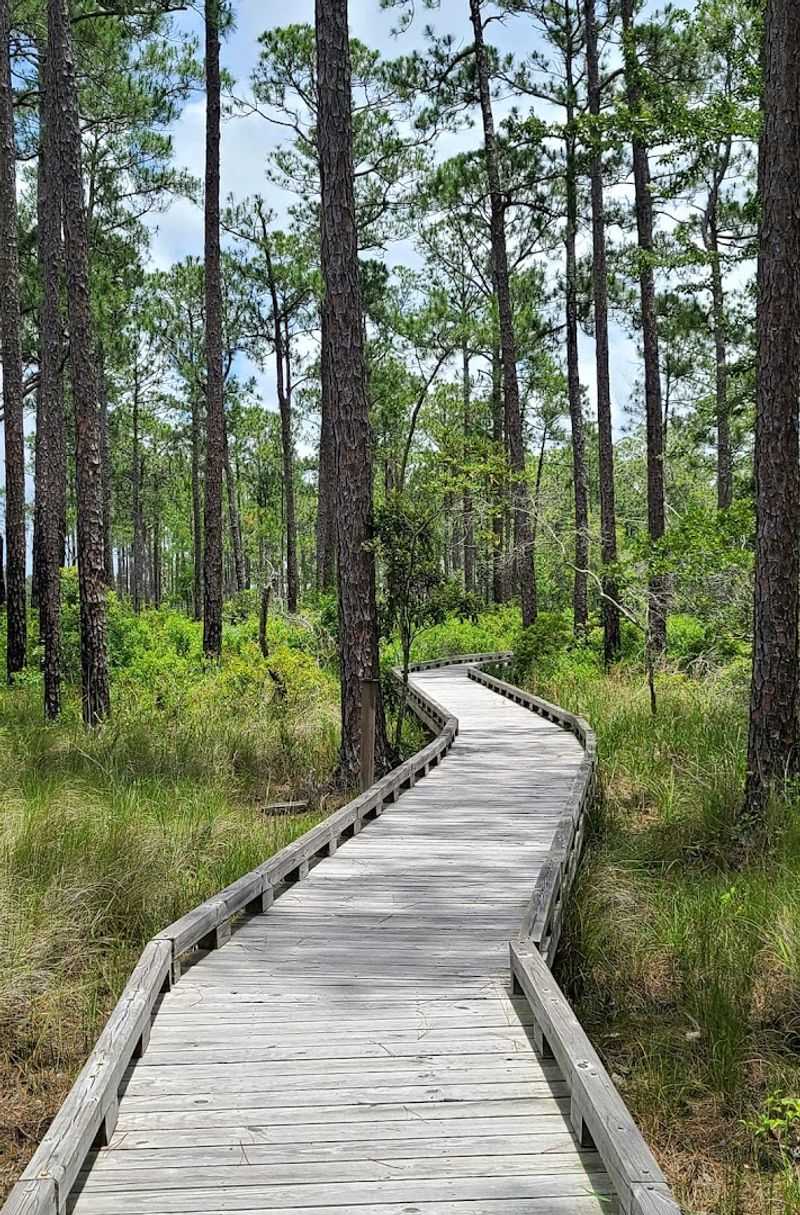
Grand Bay is the kind of place that reminds you just how alive the Gulf Coast really is.
The Grand Bay Coastal Resources Center at 6005 Bayou Heron Rd, Moss Point, MS 39562 features a 1,000-foot Savanna Trail Boardwalk that meanders through a wet pine savanna before opening up to a freshwater marsh.
The boardwalk was completed in August 2016 and sits at the headquarters of both the Grand Bay National Estuarine Research Reserve and the Grand Bay National Wildlife Refuge.
Together, those two protected areas cover nearly 18,000 acres of pristine coastal wetlands, salt marshes, pine savannas, and pitcher plant bogs.
Entry is completely free, and the center is open Monday through Friday from 9 AM to 3 PM. Inside, you will find exhibits on coastal habitats, resource management, and cultural heritage.
There is also a resident Mississippi diamondback terrapin named Tobi who basically serves as the unofficial mascot of the whole operation. Families can borrow Adventure Packs to make the boardwalk walk even more engaging for younger visitors.
Wildlife sightings include sea turtles, bottlenose dolphins, pelicans, ospreys, and occasional alligators.
6. Bells Ferry Unit Of Wolf River Coastal Preserve
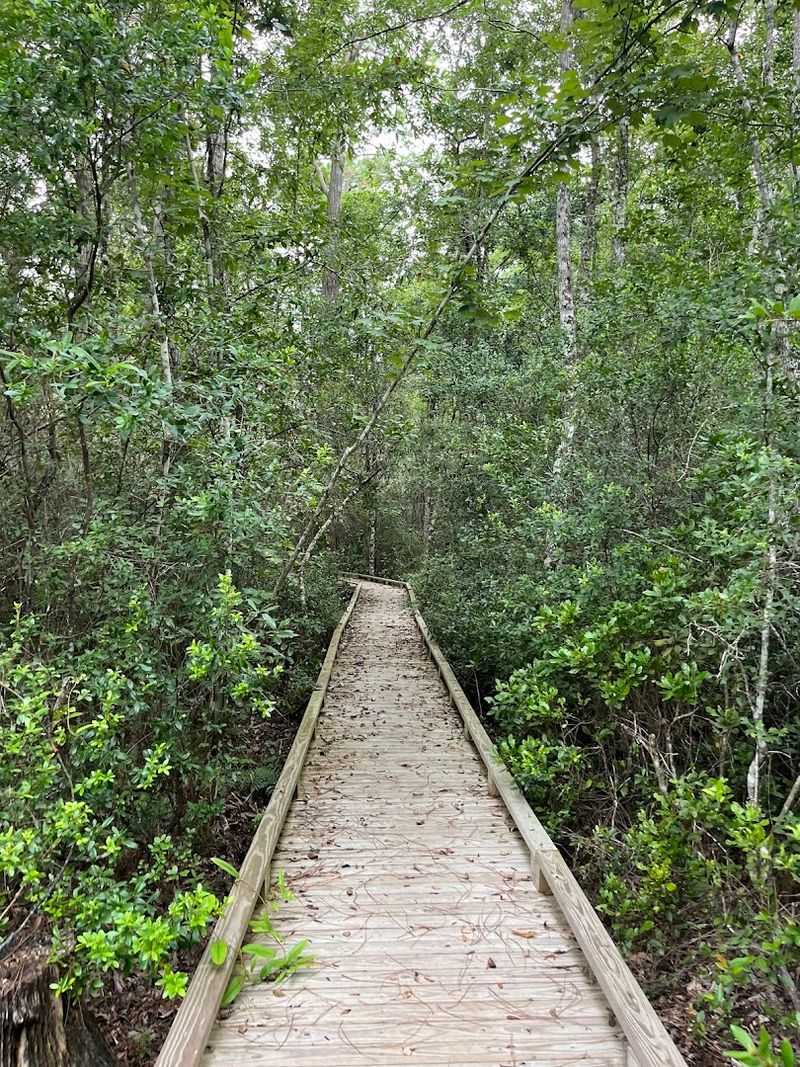
Tucked inside 101 acres of sensitive coastal wetland habitat, the Bells Ferry Unit of the Wolf River Coastal Preserve is the kind of trail that feels like a reward just for knowing it exists.
The Bell’s Ferry Nature Trail stretches just over one mile through pine flatwoods and bottomland swamps on well-maintained deck walks above the forest floor.
You will find the trailhead at 23335 Bells Ferry Rd, Pass Christian, MS 39571, and access is free during daylight hours. The trail winds through a lush green forest and offers scenic views of the lower Wolf River along the way.
Leashed dogs are welcome, which makes it a solid pick for the whole family.
The preserve is a critical habitat for migratory birds including Brown Pelicans, White Pelicans, Ospreys, and cormorants.
American Alligators patrol the wetlands, and sharp-eyed visitors might spot Mottled Ducks, Yellow Rails, Black Rails, and even Gulf Salt Marsh Snakes.
Diamondback Terrapins also call this preserve home. With 1.5 miles of relaxed walking and zero entry fee, it punches well above its weight as a coastal Mississippi outdoor experience.
7. Marshwalk Pier At Shepard State Park
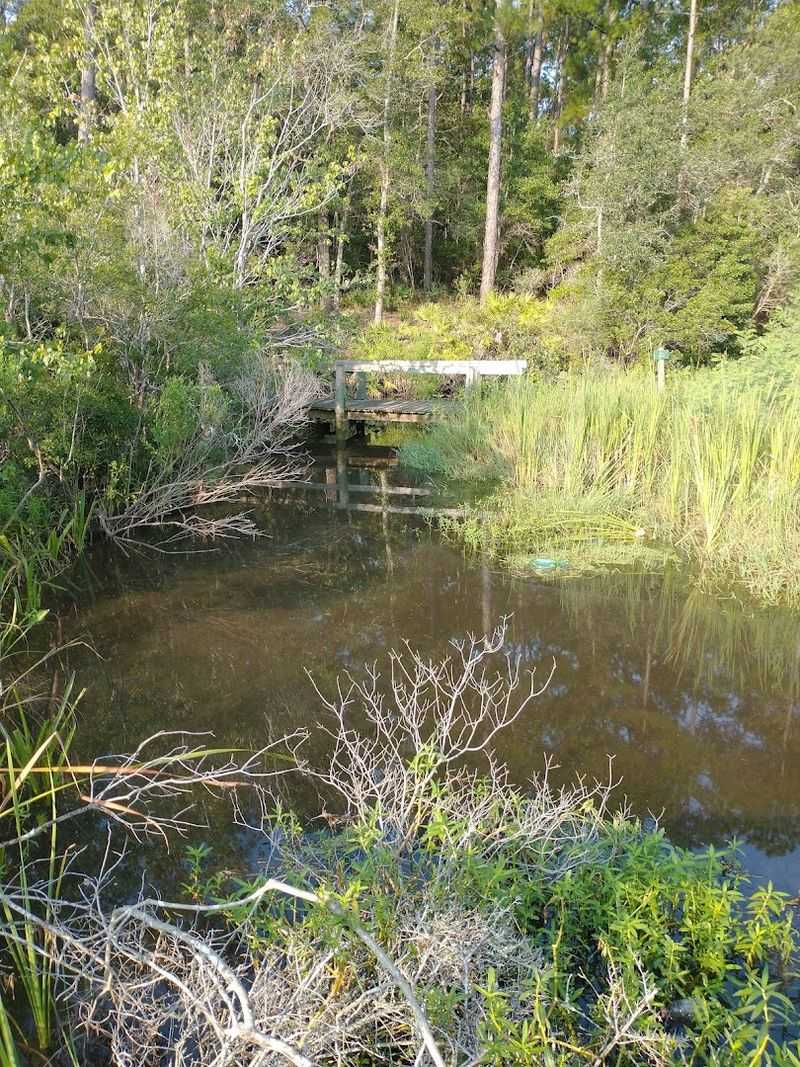
Rated 4.8 stars and open after sunset, the Marshwalk Pier at Shepard State Park is the kind of outdoor attraction that makes you wonder why you ever stayed inside.
Opened in April 2021, this pier stretches approximately 1,005 to 1,100 feet over marshland and Lamotte Bayou in Gautier, Mississippi.
The pier earns its title as the longest of its kind built over a marsh in the state. It features Thruflow decking that lets sunlight pass through the boards and reach the water below, keeping the ecological impact low while the visual impact stays sky high.
Interpretive panels cover marsh birds, salt marshes, seagrasses, crabs, shrimp, and alligators. The park address is 1034 Graveline Rd, Gautier, MS 39553.
A daily vehicle fee of five dollars covers up to six people and grants access to the full park, including the Marshwalk and the fishing pier. An annual pass runs forty-two dollars.
Shepard State Park operates from dusk to dawn and also offers campgrounds and disc golf for those who want to make a full weekend of it.
Evening walks on the lighted pier hit differently, especially when the marsh goes quiet and the stars come out.
Gautier sits between Biloxi and Pascagoula in Jackson County, and Shepard State Park occupies a stretch of coastline that the broader Gulf Coast tourism industry has largely overlooked.
That oversight works entirely in the visitor’s favor when they arrive and find the pier uncrowded.
8. Weeks Bayou Nature Trail
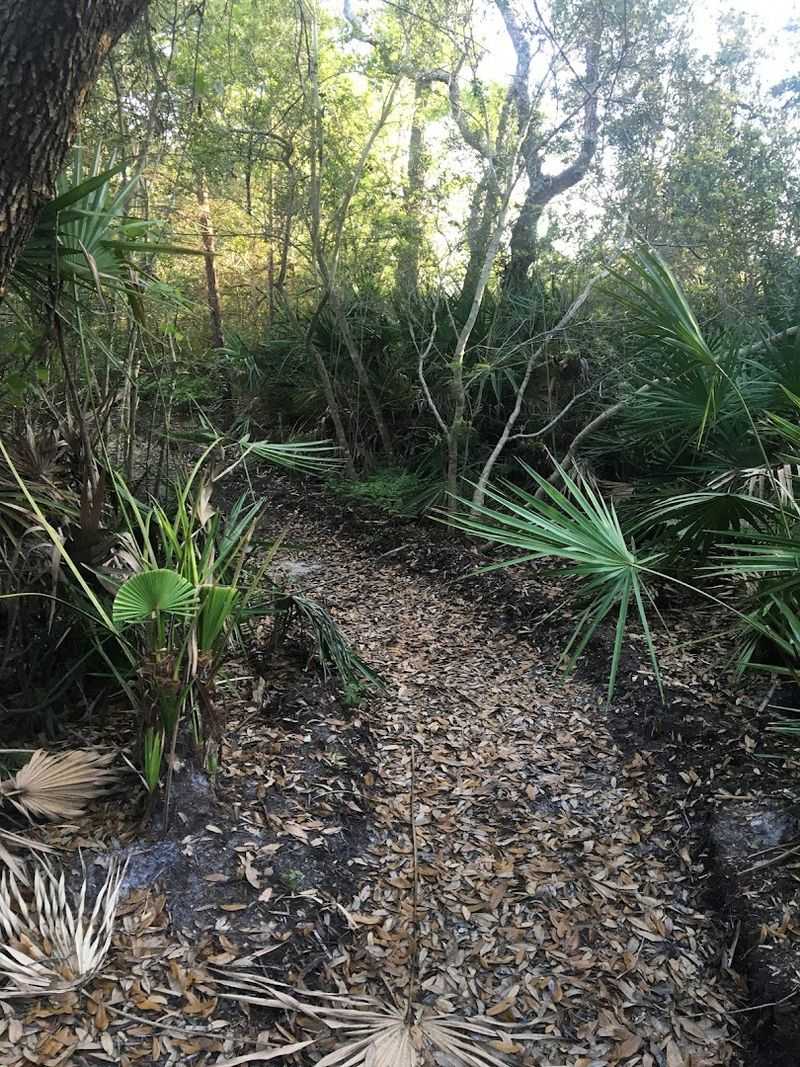
Short trails can carry big surprises, and the Weeks Bayou Nature Trail in Ocean Springs, Mississippi is proof of that.
The trail runs alongside Weeks Bayou through coastal salt marshes, scattered pines, and patches of hardwoods, offering a peaceful slice of Gulf Coast nature that feels far removed from everyday life.
You can find the trailhead on Shearwater Dr, Ocean Springs, MS 39564, and it is free and open around the clock every day of the week. The trail leads to a long, partially covered pier that works well for fishing if you have a valid Mississippi fishing license.
Beach access is available nearby too, which gives you a bonus reason to linger.
Wading birds, white pelicans, hermit crabs, and various fish species are regular sightings along the water. The area was restored with native marsh grasses and trees after Hurricane Katrina, so what you see today is the result of years of careful recovery work.
A maintained park area with restrooms and a picnic lawn sits close by. Joggers use the trail regularly, and families tend to treat it as a quick nature fix on an otherwise ordinary afternoon.
Ocean Springs has developed a strong reputation as one of the most artistically and culturally vibrant small cities on the entire Gulf Coast.
The Weeks Bayou Nature Trail gives visitors a natural complement to an afternoon spent exploring the downtown galleries and restaurants.
9. Pascagoula River Audubon Center
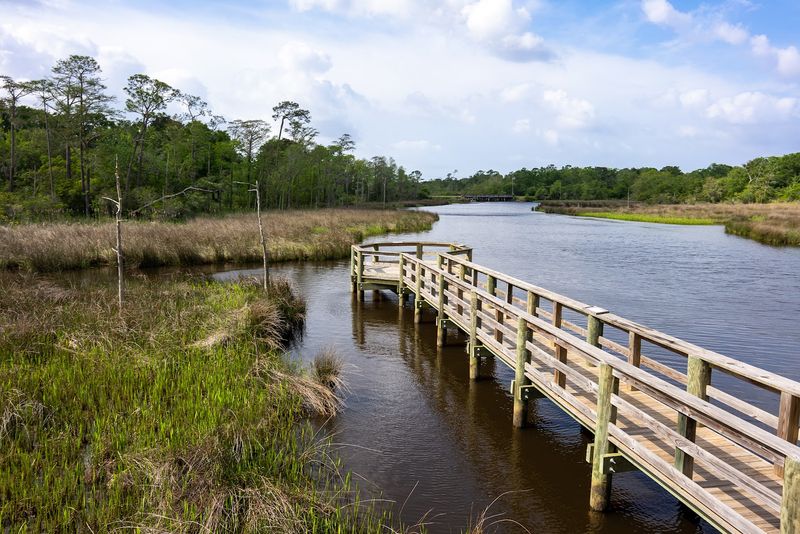
The Pascagoula River holds a title that very few rivers in the country can claim: it is the last major undammed and free-flowing river system in the lower 48 states.
That fact alone makes the Pascagoula River Audubon Center one of the most meaningful places to visit on this entire list.
The center at 5107 Arthur St, Moss Point, MS 39563 features nature trails, a bayou pier boardwalk, native plant botanical gardens, critter tanks, an art gallery, and kayak rentals.
The grounds cover marsh, hardwood bottomland, and live oaks, creating an ecosystem so diverse it supports 327 species of birds.
Swallow-tailed kites, eagles, ospreys, and wading birds are among the regulars.
Over 22 threatened and endangered species of flora and fauna depend on this watershed. Admission to the trails and bayou pier is free, though specific programs and kayak rentals carry their own fees.
The center is open Tuesday through Friday from 9 AM to 3 PM and Saturday from 9 AM to noon. Historic structures including a trolley ticket booth and the original Scout Hut add a layer of local history that makes the visit feel even richer.
The Pascagoula River’s undammed status is not just a conservation talking point but an active ecological reality.
The uninterrupted flow supports fish migrations, floodplain health, and biodiversity levels that dammed river systems in neighboring states have spent decades trying to partially restore.