
The Abandoned Pennsylvania Asylum That’s Too Big And Too Expensive To Demolish
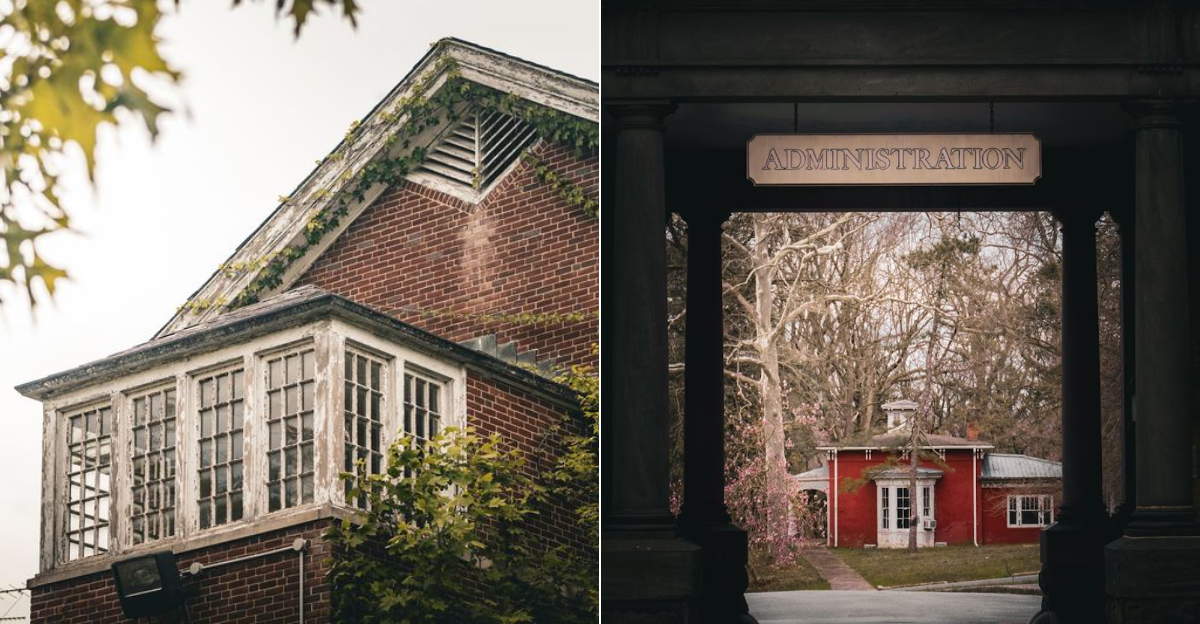
A campus this massive doesn’t just disappear, no matter how many decades pass. Some places outlast every plan made to tear them down.
How does one hospital end up shaping a whole region’s history? By starting as one of the first places in the country built to actually help, not just contain.
Grand columns and brick facades still stand across hundreds of acres, even as nature slowly creeps back in. Vines climb walls that once housed thousands of people.
A famous film crew once used these very buildings as a backdrop, and the real history behind them left a bigger impression. Hollywood found what was already here.
Some buildings are coming down while others get a second life entirely, turned into offices and labs for a new purpose. History and construction are happening here at the exact same time.
Pennsylvania keeps rewriting this place’s story instead of just letting it fade. Walk the perimeter, take it slow, and give the history here the attention it deserves.
Where It All Began
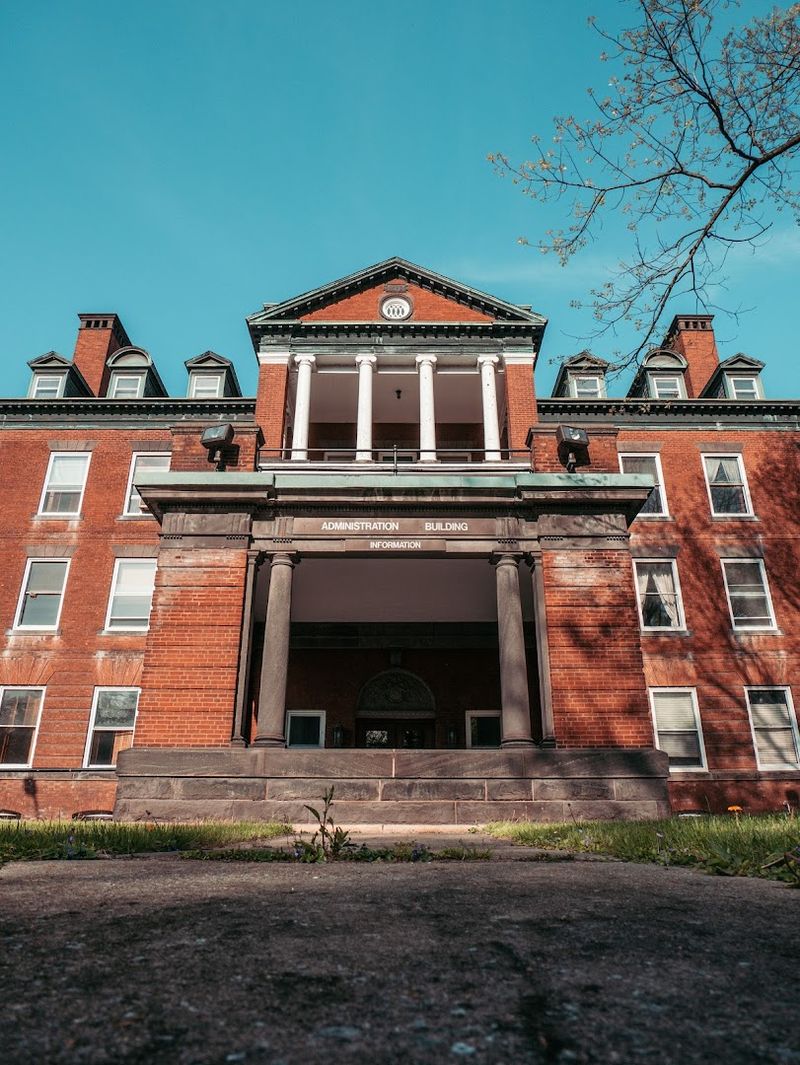
Back in 1845, a determined social reformer named Dorothea Dix convinced Pennsylvania lawmakers to do something radical for its time: build a public hospital dedicated entirely to mental health care. That decision led to the creation of what we now know as Harrisburg State Hospital, located on N Cameron St in Harrisburg, Pennsylvania.
It was the very first public institution of its kind in the entire state.
Think about that for a second. At a time when most people with mental illness were locked in jails or poorhouses, this place was designed to actually help them.
That was a genuinely revolutionary idea in the mid-1800s.
Dorothea Dix traveled across Pennsylvania and beyond, documenting the horrific conditions people faced, and her advocacy changed history. The hospital she helped create went on to serve residents for over 150 years.
Can you imagine the sheer number of lives that passed through these gates across nearly two centuries? Visiting today means standing on ground where one of America’s most important social movements took its first real steps forward.
A Town Within A Town
Most hospitals have a waiting room and a parking lot. This one had a farm, a power plant, a bakery, and its own stores.
At its peak, the Harrisburg State Hospital campus functioned almost like a completely self-sufficient small town, and residents rarely needed to leave the grounds for anything.
The campus eventually sprawled across hundreds of acres in central Pennsylvania, housing thousands of patients and staff at once. Every meal, every service, every daily need was handled right there on site.
It was a world unto itself, humming along with its own internal economy and community rhythm.
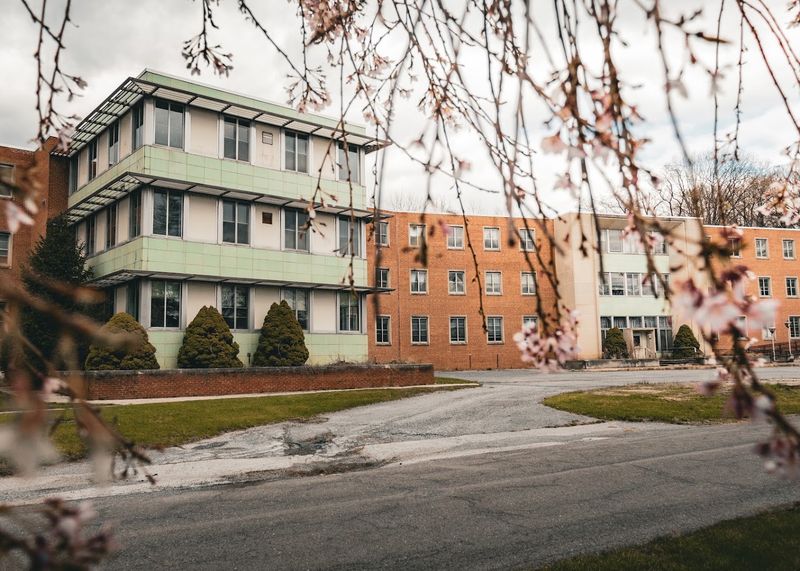
Walking the grounds today, even with many buildings in various states of repair or demolition, that sense of scale is still completely overwhelming. The sheer number of structures spread across the land tells you immediately that this was no ordinary institution.
Have you ever stood somewhere and felt the weight of a whole community that once lived and worked around you? That feeling hits hard here, and it hits in the best possible way for anyone who loves uncovering the real stories behind old places.
Nature Reclaims Its Space
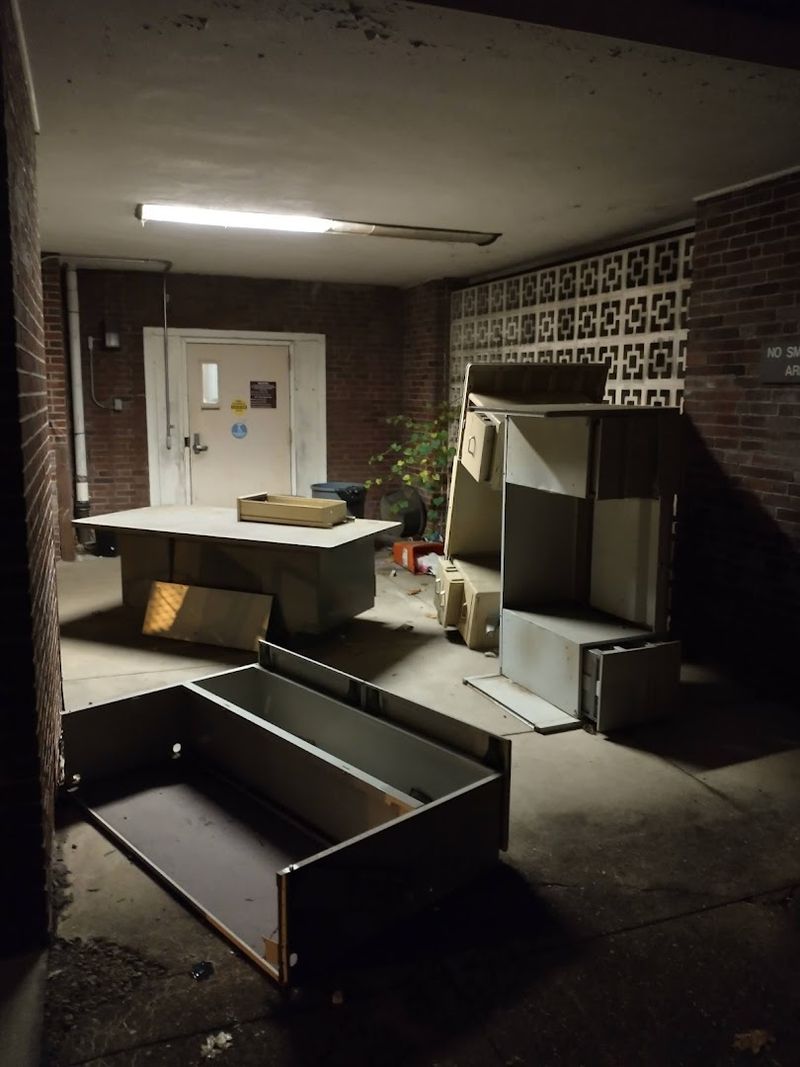
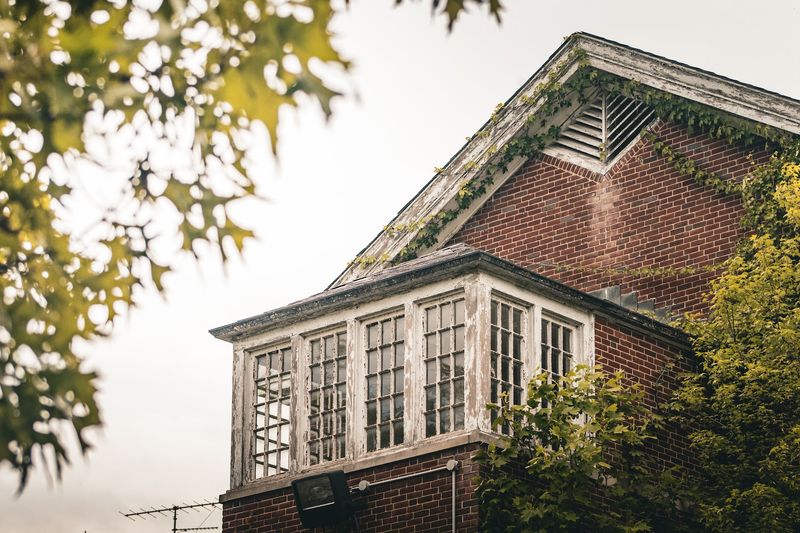
One of the most visually striking things about this campus is the way nature has gradually wrapped itself around everything. Vines climb old brick walls.
Trees have grown tall and full along pathways that once saw daily foot traffic. The grounds include an arboretum and a section of the Capital Area Greenbelt, making the natural setting genuinely beautiful alongside the architectural drama.
Visitors who have walked the accessible perimeter describe the experience as surprisingly peaceful. The grass is kept cut in many areas, and the overall grounds feel maintained enough to explore safely from public vantage points.
That contrast between wild growth and tended land gives the whole place a layered, almost painterly quality.
Pennsylvania’s seasons add another dimension to every visit. Spring brings fresh green growth climbing old stone.
Autumn turns the trees surrounding the campus into a brilliant backdrop. Have you ever noticed how nature always finds a way to make even the most forgotten places beautiful again?
This campus is a perfect example of that quiet, persistent transformation, and it offers some of the most photogenic scenery you will find anywhere in the Harrisburg area. Bring a camera, because every angle tells a different story.
Too Big To Just Disappear
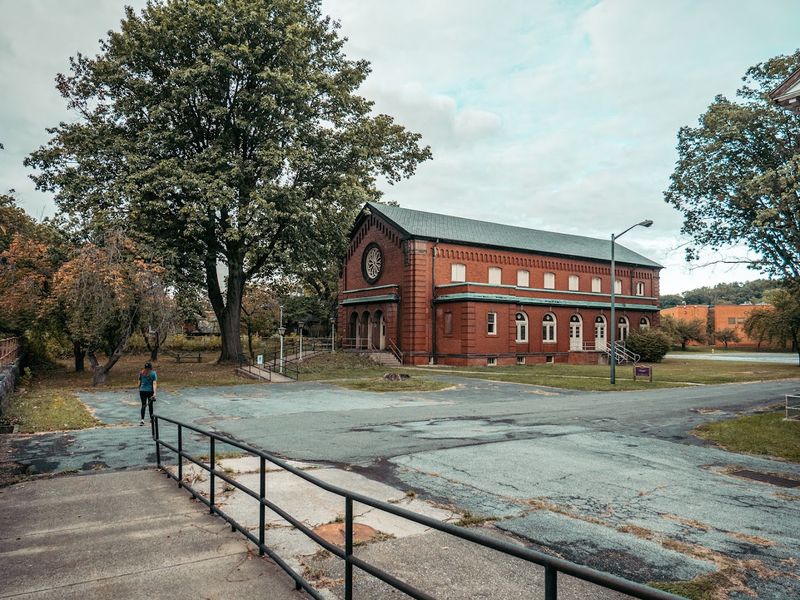
Here is the wild part of this whole story: the campus is so enormous that tearing it all down would cost a staggering amount of money. That is literally one of the key reasons so much of it still stands today.
Demolishing a complex this size requires resources that have consistently outpaced available budgets, leaving the buildings caught in a kind of limbo for decades.
Some structures have already come down in recent years, and active demolition and construction are ongoing across parts of the site. Visitors who have stopped by recently note that the transformation happening right now is dramatic and fast-moving.
Seeing it before more of it changes is a real reason to plan your visit soon.
The sheer scale of this campus is something that photographs simply cannot fully capture. You have to stand there and look around in every direction to truly feel how massive this operation was.
How often do you get to witness a piece of history that is actively being reshaped in real time, right before your eyes? This is one of those rare opportunities where the present and the past are happening simultaneously, and that makes the experience genuinely unforgettable for anyone who shows up curious and ready to look around.
Hollywood Found This Place
Long before urban explorers and history enthusiasts started talking about this campus, Hollywood came knocking. The Harrisburg State Hospital served as a primary filming location for the 1999 film “Girl, Interrupted,” starring Winona Ryder and Angelina Jolie.
Seeing those buildings on a movie screen gave millions of viewers a glimpse of this Pennsylvania landmark without even knowing it.
The film’s producers chose the campus because its architecture and scale created exactly the right atmosphere for the story. Real locations carry a weight that sets cannot replicate, and this campus delivered that in abundance.
The production brought serious attention to just how visually compelling this place truly is.
Beyond that film, the campus has appeared in other productions over the years, lending its unmistakable character to different stories and settings. For fans of film history and location scouting, this is a genuinely exciting piece of trivia to explore in person.
Can you picture yourself standing on the same ground where scenes from a major Hollywood film were shot? That connection between cinema and real history makes visiting feel like stepping into two worlds at once, and that is a rare kind of travel experience worth chasing.
Architecture Worth The Trip
Not every old building earns a second glance. These ones absolutely do.
The campus features striking Classical Revival architecture, with designs credited to notable architects including John Haviland and Addison Hutton. The craftsmanship on display in the preserved structures is genuinely impressive, even after decades of neglect in some areas.
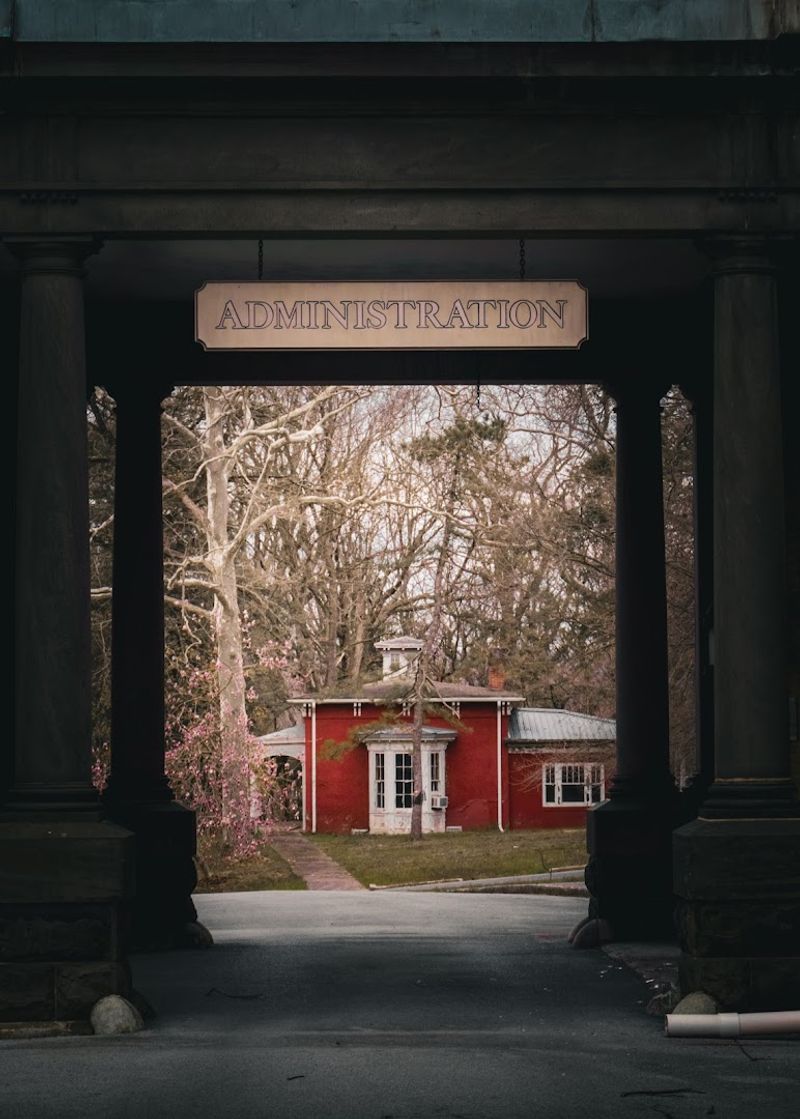
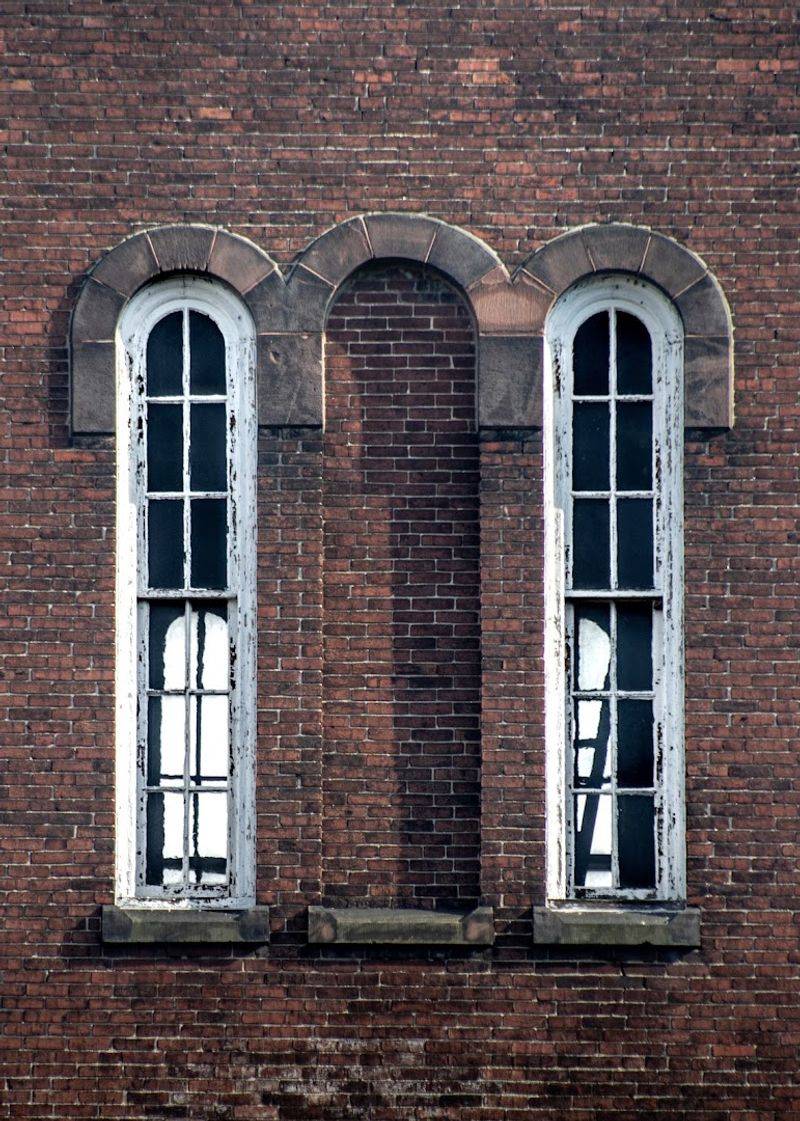
Grand columns, arched windows, and heavy brick facades give the buildings a presence that modern construction rarely achieves. Standing in front of the main Administration Building feels like looking at something that was built to last forever, because in many ways, it was.
The builders clearly intended this campus to endure.
Pennsylvania has no shortage of beautiful historic buildings, but there is something uniquely powerful about architecture that carries this much human history inside its walls. Preservation efforts are actively underway for several key structures, including the Chapel and the Dix Museum, named after the hospital’s founding advocate.
Do you ever find yourself drawn to places where the walls feel like they could tell stories for hours? This campus is exactly that kind of place, and every carefully preserved detail rewards a curious eye.
A Bold New Chapter
Not everything here is fading away. Pennsylvania has committed to transforming a significant portion of this historic campus into a modern Joint Laboratory Complex serving multiple state agencies.
That is a major investment in both the land and the legacy of this place, and it signals that the story here is far from finished.
Several of the most historically significant buildings are being carefully preserved and repurposed as part of this ambitious plan. The grand Administration Building, the Chapel, Dixmont Cottage, and the Dix Museum are all part of the preservation effort.
Watching old bones get new purpose is one of the most exciting things a history lover can witness.
The idea that a place this old and this complex can find a new reason to exist is genuinely inspiring. It takes vision, funding, and a real commitment to honoring what came before while building something useful for the future.
Do you ever root for old buildings the way some people root for sports teams? If so, this campus is your kind of underdog story.
Pennsylvania is betting big on this transformation, and the early signs suggest it is going to be something worth returning to see again and again as it evolves.
Plan Your Visit Now
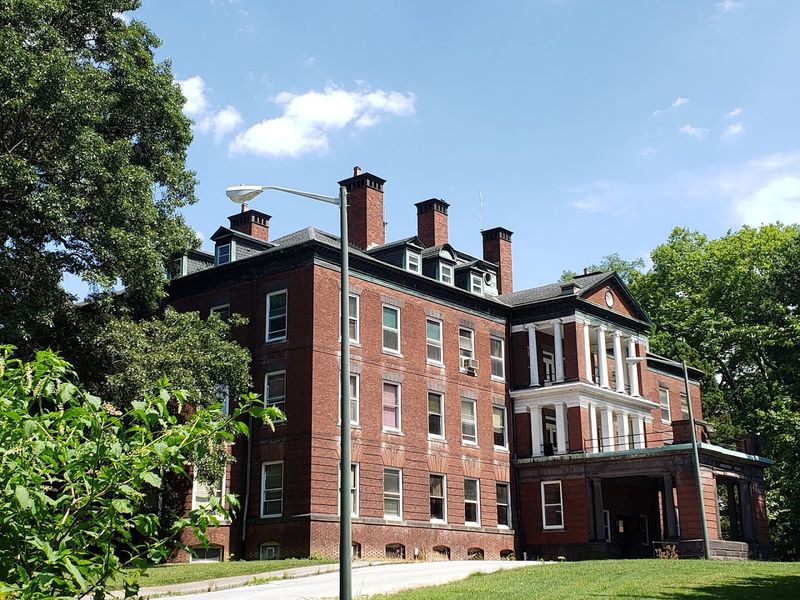
Ready to see this place for yourself? Access to many areas of the campus is currently limited due to active construction and safety measures, so exploring from public vantage points along the perimeter is the way to go right now.
That said, what you can see from the outside is already worth the trip on its own.
The surrounding neighborhood and accessible pathways offer views of the preserved architecture that are genuinely impressive. Bring comfortable shoes, a fully charged phone for photos, and a healthy sense of curiosity.
Early morning visits tend to offer the best light and the quietest experience, but check current access conditions before heading out.
The Capital Area Greenbelt passes near the grounds, so combining your visit with a walk along the trail makes for a full and rewarding day out in Pennsylvania’s capital region. History, nature, architecture, and an ongoing transformation all in one location is a rare combination that most destinations simply cannot offer.
Harrisburg State Hospital is located at N Cameron St, Harrisburg, PA 17110, and it is the kind of place that rewards anyone willing to show up, look closely, and let the layers of history do the talking. Go see it before the next chapter rewrites the view entirely.