
These 9 Historic Mississippi Tea Rooms Still Serve Recipes And Diners That Have Survived For Generations
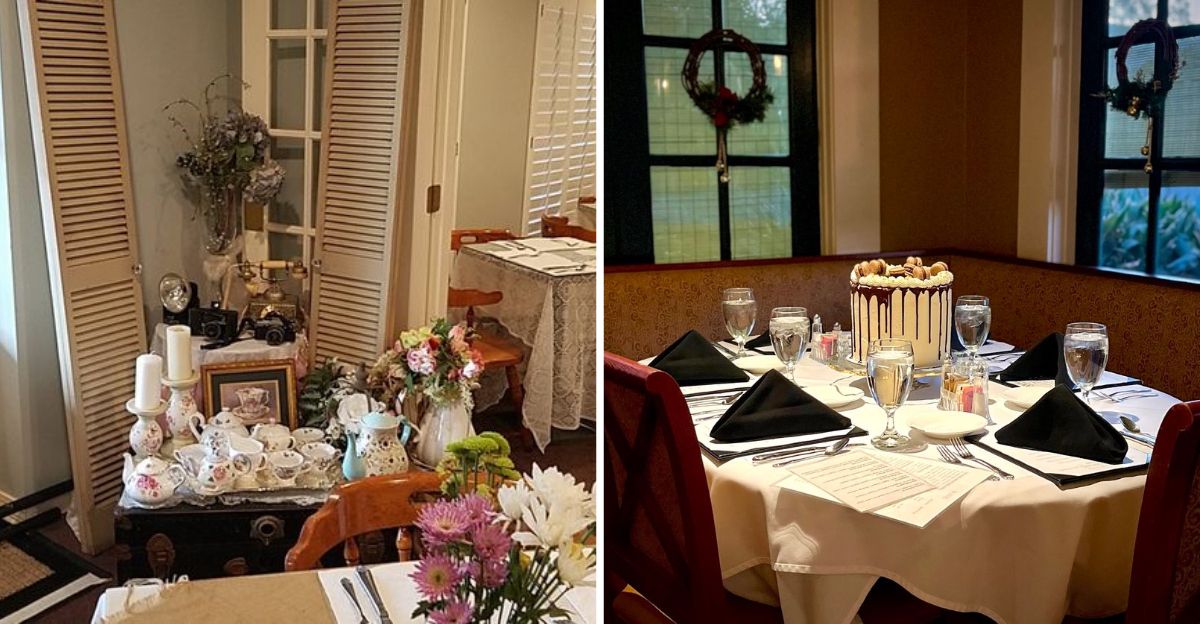
Grandmothers would recognize every single dish on these menus, and that’s exactly the point. These spots across Mississippi kept their recipes locked in place while the rest of the food world chased trends elsewhere.
Chicken salad still gets made the same way it did fifty years ago, guarded closely enough that some owners refuse to write it down at all. Tablecloths stay pressed.
Servers move with the kind of quiet care that restaurants seemed to forget somewhere along the way. Nothing about these places rushes, and that includes the food.
Biscuits rise from recipes some families have protected longer than most marriages last. Sweet tea arrives before anyone even asks, poured from a pitcher that never seems to run dry.
1. The Dinner Bell
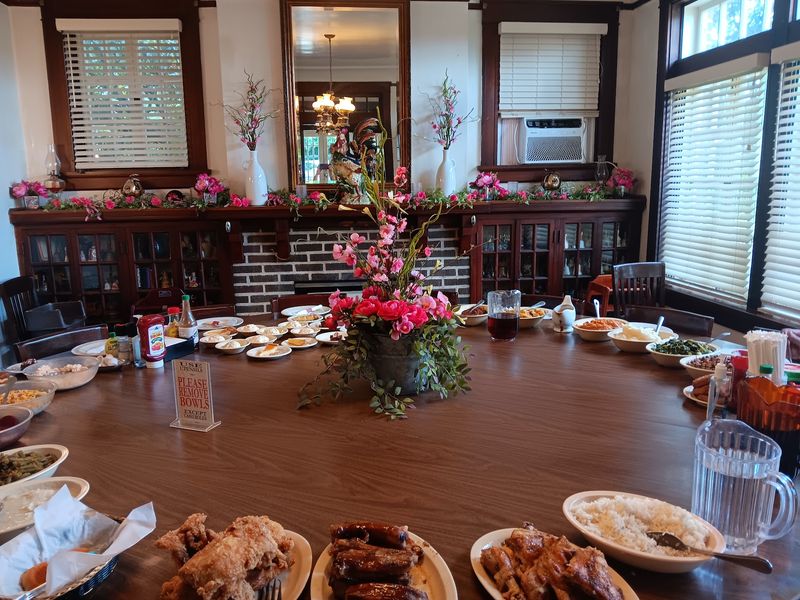
Round tables, lazy Susans, and enough fried chicken to make your eyes water, that is the Dinner Bell experience in a single sentence. Opened in 1953, it has been feeding families in McComb with the same generous spirit for over seven decades.
The communal dining setup means you are passing dishes with strangers, and somehow that feels completely natural.
Head over to 229 5th Ave, McComb, MS 39648, and prepare to eat more than you planned. The kitchen turns out Southern classics like cornbread, collard greens, and sweet potato casseroles, all made from recipes passed down through the staff over generations.
Every dish arrives at the table without you having to ask twice.
Dessert at the Dinner Bell is not an afterthought. Banana breeze pie, pistachio nut cake, and whipping cream pound cake rotate through the menu regularly.
The whole meal feels less like dining out and more like sitting at your grandmother’s table, except the portions are even bigger. That lazy Susan keeps spinning, and so does your appetite.
McComb sits in Pike County in the southwestern corner of Mississippi, and the Dinner Bell has anchored its downtown dining scene since Eisenhower was president.
Seven decades of communal lazy Susan dining is a tradition that very few American restaurants anywhere can match.
2. Walnut Hills
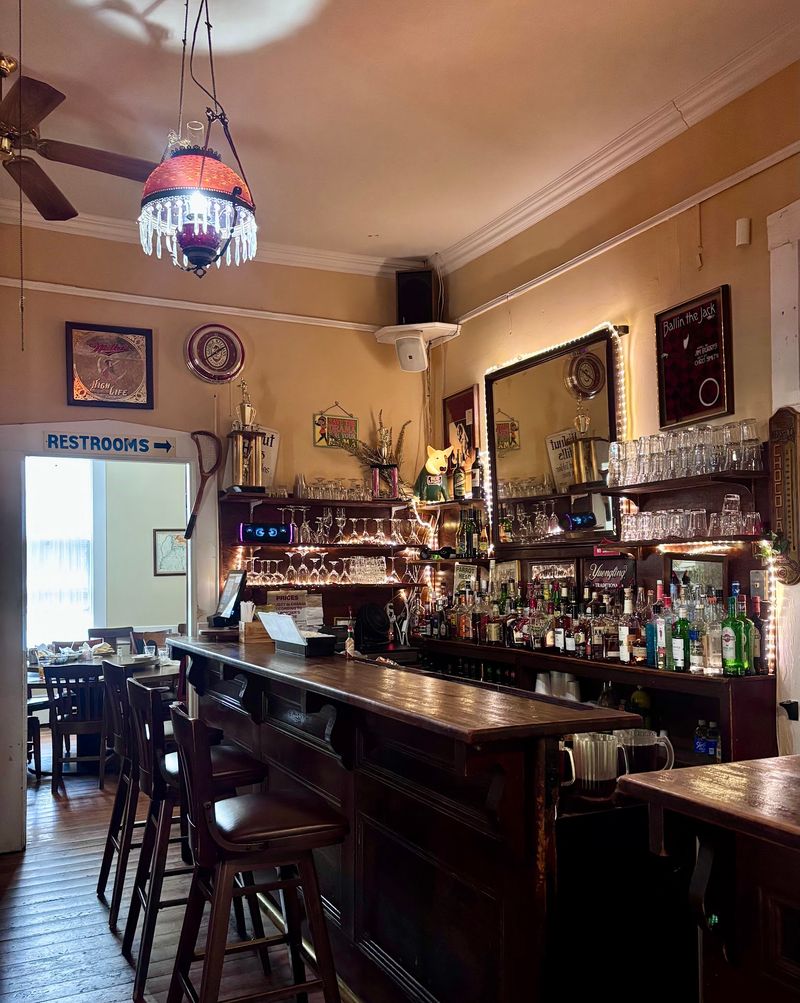
Fried chicken done right is almost a spiritual experience, and Walnut Hills in Vicksburg has been delivering that experience since the 1880s. The building itself is a piece of Mississippi history, and the kitchen has matched that energy every single day since it opened.
Good old-fashioned Southern cooks run the back of the house, and that title is earned, not given.
You can find Walnut Hills at 1214 Adams St, Vicksburg, MS 39180, right where old-school charm and serious cooking meet.
The menu features house-made pimento cheese, Jukin’ Tamales crafted right here in Mississippi, and fried green tomatoes topped with a rich crab sauce that stops people mid-conversation.
Garden vegetables are prepared fresh using time-honored methods that have not changed in over a century.
Save room for the pecan praline pie, which has won awards and broken hearts in the best possible way. The atmosphere inside feels warm and unhurried, like the building itself wants you to stay longer.
Walnut Hills is proof that some things genuinely get better with age, and Southern cooking is absolutely one of them.
Vicksburg’s position along the Mississippi River gives it a layered history that few Mississippi cities can match.
Eating at Walnut Hills while surrounded by that Civil War and river town atmosphere turns a meal into something that feels genuinely connected to the place it occupies.
3. The Old Country Store
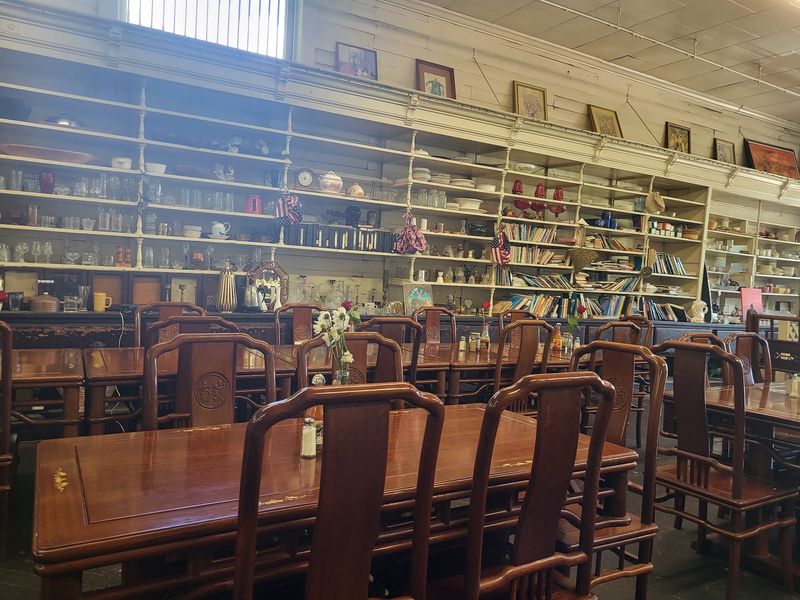
Out in Lorman, a late-nineteenth-century general store became the home of what many people call the best fried chicken in Mississippi. Arthur Davis, known to everyone as Mr. D, cooks his acclaimed bird using his grandmother’s cherished recipe.
That is not a marketing line. That is a fact with decades of proof behind it.
The Old Country Store sits at 18801 US-61, Lorman, MS 39096, in a building that once operated as Cohn Brothers Store back in the day.
The all-you-can-eat Southern buffet covers every base, with ribs, greens, field peas, cornbread, macaroni and cheese, and homemade cobblers that disappear fast.
Mr. D’s fried chicken is so good that Alton Brown featured it on the Food Network, which is basically the culinary version of getting a standing ovation.
The setting adds something extra to the meal. Eating surrounded by original store fixtures and Mississippi history makes every bite feel more significant.
The Old Country Store is a full experience, not just a lunch stop. Plan accordingly, and bring your appetite, because one plate is never going to be enough here.
Lorman sits along the historic Natchez Trace corridor in Jefferson County, and the Old Country Store anchors a stretch of US-61 that has been moving travelers through southwestern Mississippi for well over a century.
The Food Network coverage brought national attention the food always deserved.
4. Martha’s Tea Room
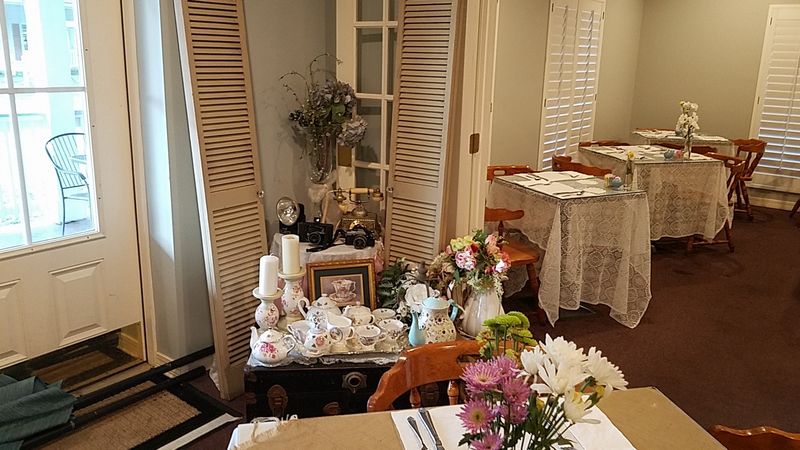
Homemade bread that smells like a Sunday morning is the first thing that greets you at Martha’s Tea Room on Government Street. Rhonda Villers took over from founder Martha Reichard in June of 2016, and she kept every original recipe intact.
That kind of loyalty to a menu is rarer than you think.
You can find it at 2113 Government St, Ocean Springs, MS 39564, right in the heart of a charming coastal town. The menu reads like a love letter to comfort food, featuring turkey sandwiches, chicken salad, Greek salad, and a bread pudding that has earned serious respect.
Fresh soups rotate through the kitchen daily, so no two visits feel exactly the same.
Rhonda also added a few of her own recipes over the years, which keeps things exciting without losing the soul of the original spot. Hot black tea and coffee round out the experience perfectly.
Martha’s Tea Room is the kind of place where you slow down, eat well, and leave wondering why you do not do this every single week.
Ocean Springs has built a well-deserved reputation as one of the Gulf Coast’s most artistically vibrant small cities.
Martha’s Tea Room fits naturally into that creative, unhurried community identity that makes the town worth visiting well beyond a single meal.
5. Doe’s Eat Place
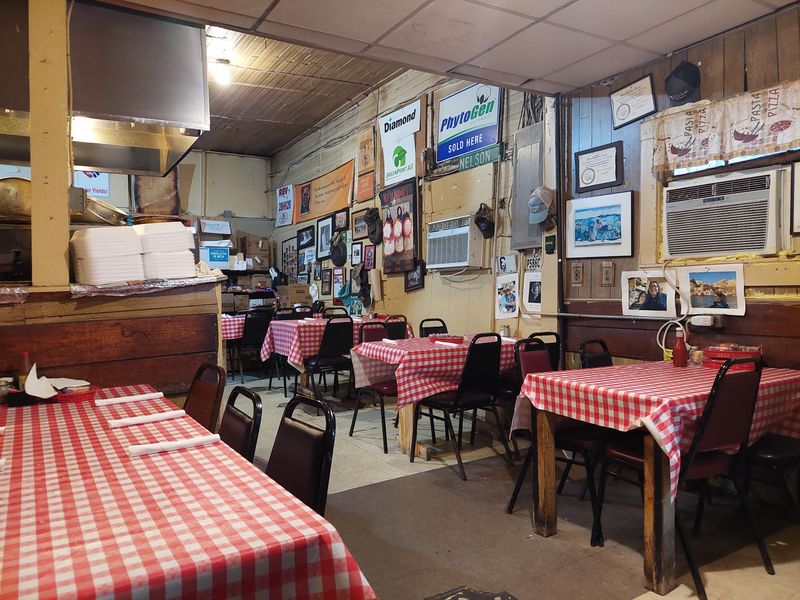
Hot tamales and massive steaks sound like an odd pairing until you eat at Doe’s Eat Place, and then it makes complete sense. Dominick Signa’s father opened a small grocery store in 1903, and Doe himself turned it into a legendary steakhouse starting in 1941.
His wife Mamie perfected the tamale recipe, and those flavors have not budged since.
Doe’s Eat Place is at 502 Nelson St, Greenville, MS 38701, and the original kitchen from 1941 is still the one producing every meal. The steaks are cut in-house, served family-style, and sized in a way that makes you question every other steakhouse you have ever visited.
Everything here carries the weight of real history and real flavor.
Generations of the Signa family have kept the menu honest and the portions generous. There is no reinvention happening at Doe’s, and that is exactly the point.
The tamales alone are worth the drive to Greenville. Pair them with a thick slab of steak cooked in that storied kitchen, and you have a meal that Mississippi bragging rights are genuinely made of.
6. Blue And White Restaurant
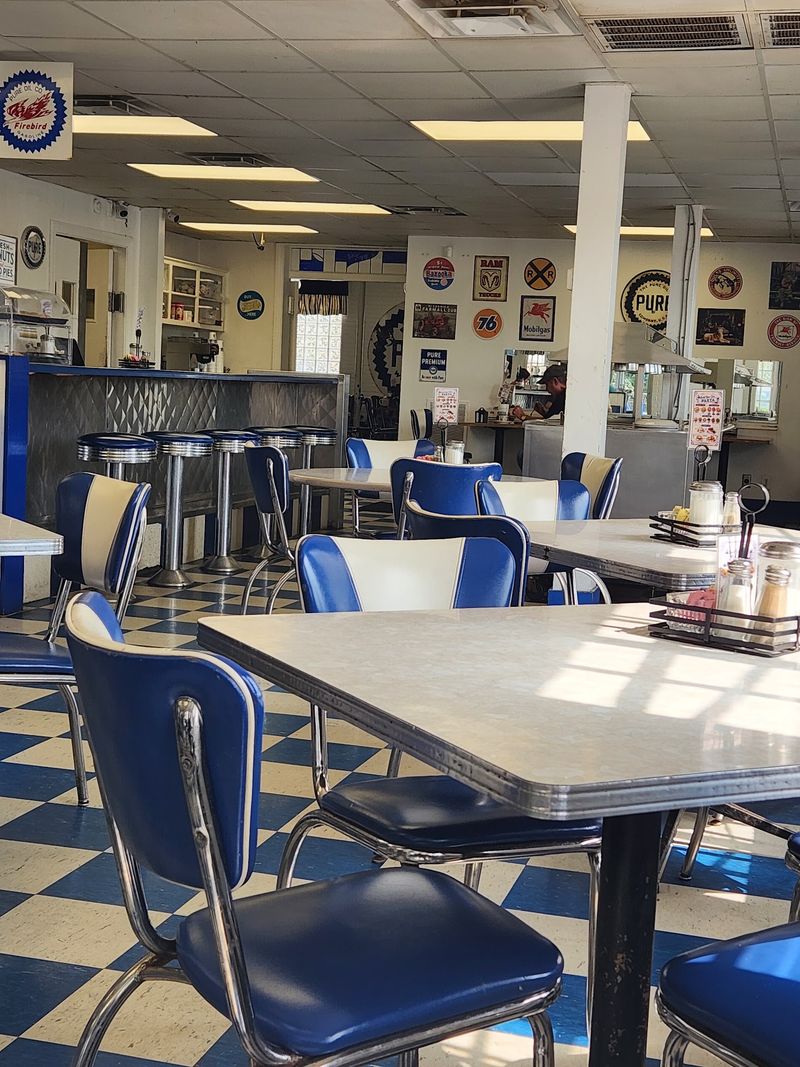
A hundred years of cooking is not something you stumble into by accident. The Blue and White Restaurant in Tunica opened in 1924 as a small cafe and service station, and it has been feeding travelers and locals ever since with zero apologies for keeping things classic.
That kind of staying power deserves a serious amount of respect.
At 1355 US-61, Tunica, MS 38676, the kitchen runs on fresh ingredients and scratch cooking, managed by a dedicated family-driven staff that treats every meal like it matters.
The menu hits all the Southern comfort notes, with fried green tomatoes, BBQ pork, biscuits and gravy, and chicken and dumplings that warm you from the inside out.
Nothing here is prepackaged or phoned in.
The fried chicken at Blue and White has its own fan club, and rightfully so. Generations of families have pulled off the highway here and left with full stomachs and plans to return.
The building has changed a little over a century, but the cooking philosophy has stayed exactly the same. Fresh, honest, Southern food made by people who genuinely care about what lands on your plate.
7. Restaurant 1818
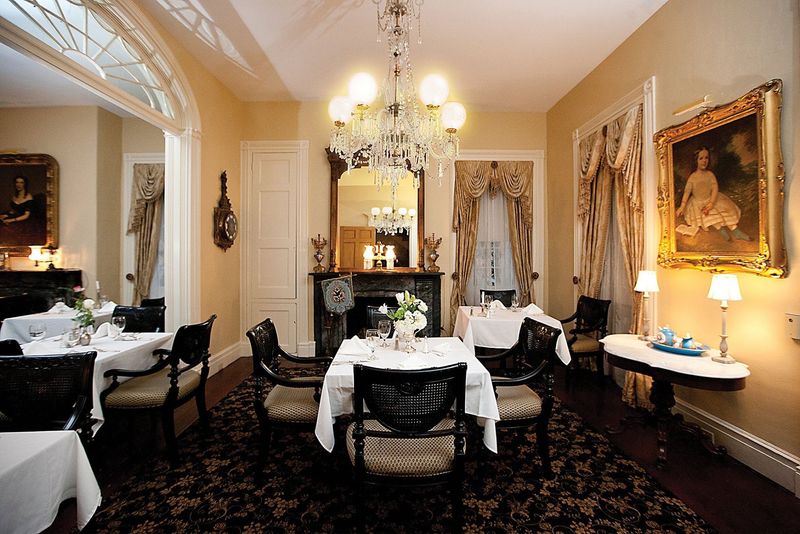
Eating inside a room that has stood since 1818 changes the way food tastes, and Restaurant 1818 at the Monmouth Historic Inn in Natchez understands that completely.
The original men’s and ladies’ parlors now serve as dining rooms, adorned with period crystal chandeliers that cast everything in a flattering glow.
Chef Jay Yates, a Natchez native, runs the kitchen with a focus on local ingredients and refined Southern technique.
You can find it at 1358 John A. Quitman Blvd, Natchez, MS 39120, on a property rich with the history of John and Eliza Quitman.
The menu features fried green tomatoes topped with jumbo lump crab, which sounds simple and tastes extraordinary. White chocolate bread pudding closes out the meal in a way that makes you want to sit at the table for another hour just thinking about it.
Restaurant 1818 is the kind of spot you dress up a little for, not because anyone requires it, but because the space earns that courtesy. The food is polished without being pretentious, and the history surrounding every table gives each meal a sense of occasion.
Natchez has always known how to do things with style.
8. The Castle Restaurant At Dunleith Historic Inn
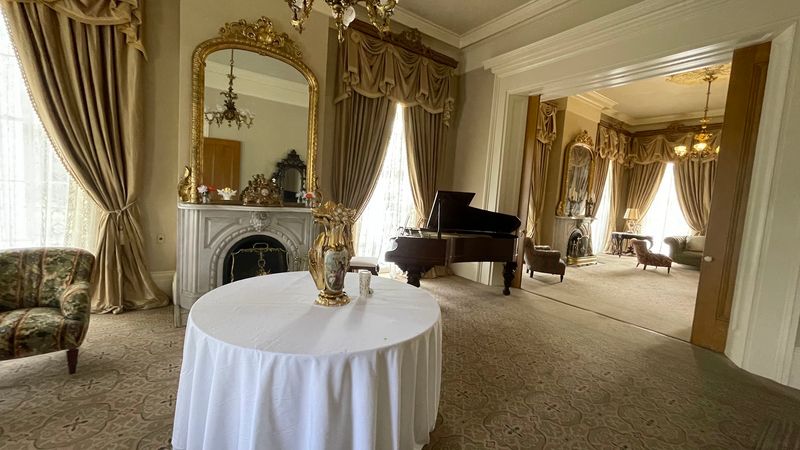
Not many restaurants can claim they serve dinner inside what looks like a castle, but The Castle Restaurant at Dunleith Historic Inn in Natchez pulls it off with remarkable ease.
The original 18th-century carriage house and stables were designed to resemble a castle, and the building has held onto that architectural swagger ever since.
The address is 84 Homochitto Street, Natchez, MS 39120, and the setting alone is worth the trip.
The menu leans into Southern comfort with a refined edge. Crab cakes, fried chicken thighs, New Orleans-style BBQ shrimp and grits, and Tasso braised Southern greens cover the savory side of things with confidence and skill.
Each dish feels like it belongs in that particular building, which is a harder trick to pull off than it sounds.
Bread pudding and seasonal cobbler handle dessert with the same level of care that goes into every other course. The atmosphere is comfortable rather than stiff, which keeps the experience from feeling like a museum visit.
The Castle Restaurant gives you history, architecture, and genuinely excellent Southern cooking all in one sitting. That combination does not come around very often, so take full advantage when it does.
9. Anchuca Historic Mansion
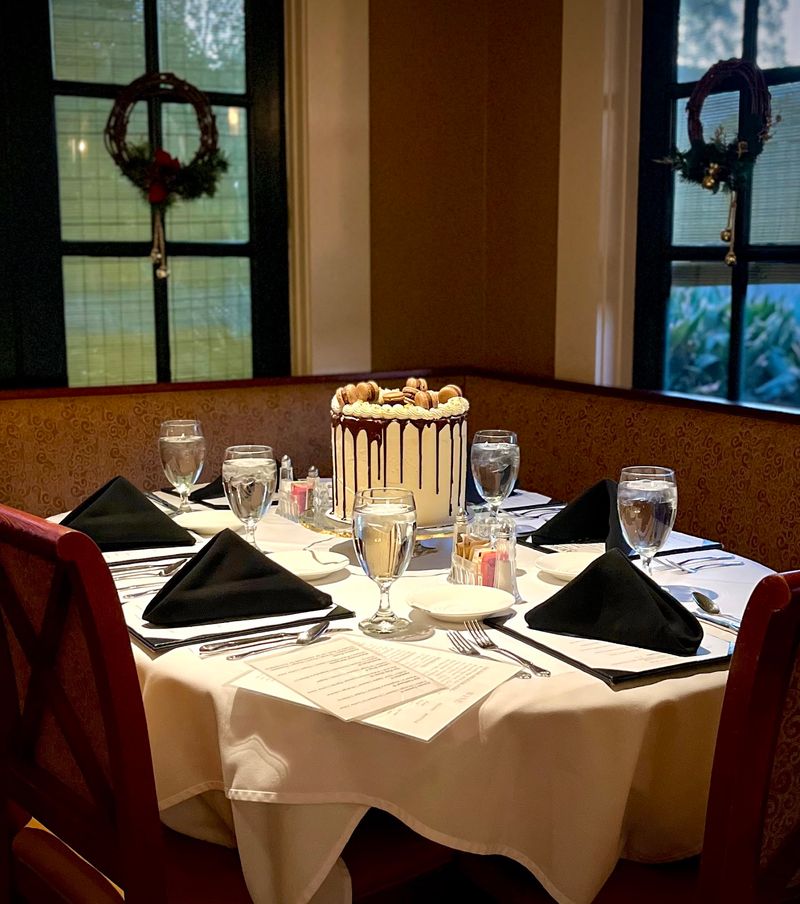
Built in the late 1820s and updated with Greek Revival styling in the 1840s, the Anchuca Historic Mansion in Vicksburg carries more than just architectural beauty.
The on-site Restaurant Anchuca serves casually elegant Southern cuisine in a setting that feels like time travel in the best possible way.
Every corner of the property whispers antebellum history while the kitchen speaks the universal language of outstanding food.
The mansion and inn are at 1010 First East Street, Vicksburg, MS 39183, and the dining room draws both overnight guests and visitors who come specifically for the food.
Shrimp and grits, paneed Mississippi farm-raised catfish, and homemade rolls are the signature dishes that keep people talking long after they leave.
The catfish alone is a strong argument for planning your next road trip around a single meal.
Overnight guests receive a complimentary traditional Southern-style breakfast, which sets a high standard for how every morning should begin.
The combination of historic architecture and genuine Southern cooking creates something that is hard to replicate anywhere else.
Anchuca is a full sensory experience, and Mississippi should be very proud to have it within its borders.
First East Street in Vicksburg sits within walking distance of several significant Civil War sites, making Anchuca a natural anchor for a full day of history and food in one of Mississippi’s most storied river cities.
The 1820s construction date predates Mississippi statehood by six years.