
8 Pennsylvania Hotspots With The Highest Reported Tick Numbers This Summer
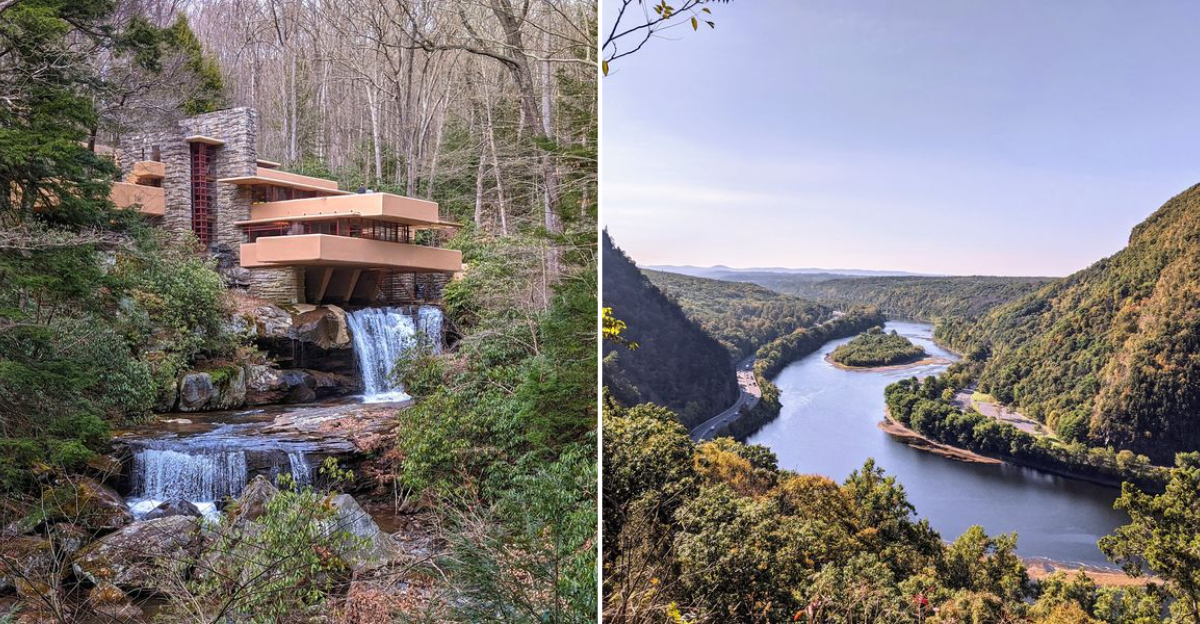
Beyond their remarkable body design, ticks also rely on serious cunning to survive. They rank among the most despised parasites for mammals, and these Pennsylvania locations have recorded a noticeable rise in their numbers this summer.
Health officials tracked higher than usual tick populations across these specific areas compared to previous years. Warmer winters likely played a role, allowing more ticks to survive into the current season.
Wooded trails and tall grass areas tend to see the highest concentrations, especially during peak summer months. Hikers and pet owners report more frequent encounters than in past years, sometimes even in backyards.
Officials recommend checking thoroughly after outdoor activity and using proper repellent as basic precautions. These locations remain worth extra caution as tick activity continues through the rest of summer.
1. Samuel Lewis State Park
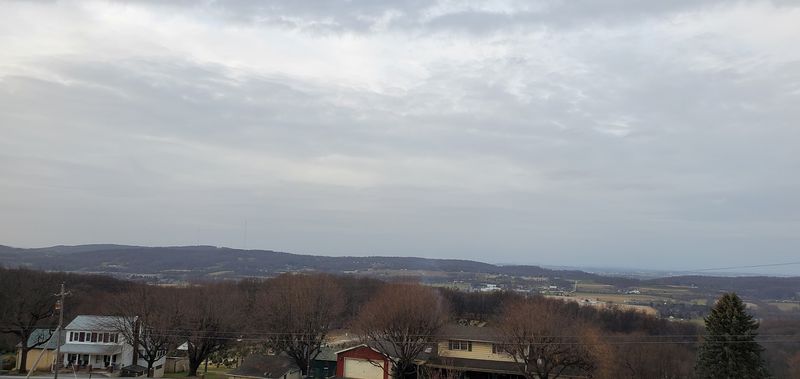
Standing on top of Mount Pisgah, you get one of the most jaw-dropping views in all of York County. The Susquehanna River Valley stretches out below you.
Farmlands roll across the horizon like a painting.
Samuel Lewis State Park covers 85 acres of open meadows and wooded trails. It sounds like a dream, and honestly it is.
The catch is that health officials flagged it for tick activity back in June 2026.
Blacklegged ticks, also called deer ticks, are the ones you really need to watch for here. They hide in tall grasses and leaf litter along the trail edges.
One tiny bite can lead to Lyme disease, anaplasmosis, or worse.
The park also has a nine-hole disc golf course that weaves through grassy open areas. Those open stretches are prime tick territory, especially in summer.
Wear long pants and tuck them into your socks. Yes, it looks goofy.
Do it anyway.
Kite flying clubs and stargazing groups love this park too. The scenic overlook has even hosted weddings.
Just make sure your guests know to do a tick check before heading home.
After any visit, do a full body check within two hours. Ticks love to hide behind knees, in hair, and around waistbands.
Remove any attached tick with fine-tipped tweezers right away.
Repellents with DEET or permethrin-treated clothing can seriously cut your risk. The views from Mount Pisgah are absolutely worth the trip.
Just go in ready.
2. Ridley Creek State Park
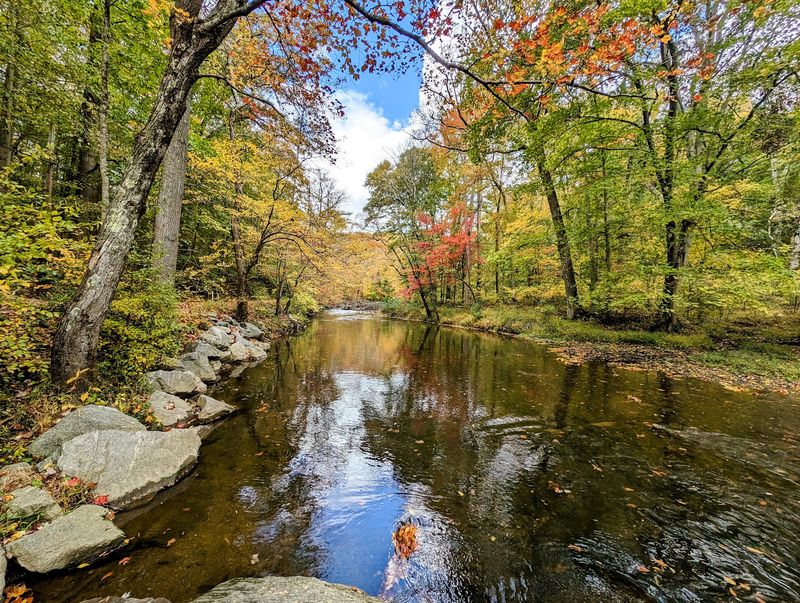
Ridley Creek State Park is one of those places that feels like you escaped the suburbs entirely. It sits in Delaware County, which health experts classify as one of the high-risk collar counties for tick exposure.
That is not a small detail.
The park spans 2,606 acres of rolling woodlands and open meadows. Ridley Creek winds through the whole property.
The streamside scenery is genuinely stunning.
Old-growth American beech and hickory trees shade many of the trails here. Those shady, humid corridors are exactly where blacklegged ticks like to wait.
They do not jump. They just grab onto you as you brush past.
You can hike, bike, or even ride horses across the extensive trail network. The historic Colonial Pennsylvania Plantation sits right inside the park.
It is a working 18th-century farm, which is a pretty cool bonus to any trail day.
Because this park is close to Philadelphia, it sees a lot of weekend foot traffic. More visitors means more chances for ticks to hitch rides in and out.
Tick populations here are consistently reported as high through the summer months.
Wear light-colored clothing so you can spot ticks more easily. Stick to the center of trails and avoid brushing against tall vegetation on the edges.
Check yourself and your pets thoroughly after every visit.
Showering within two hours of being outside also helps wash off any ticks that have not attached yet. Ridley Creek is beautiful, and it deserves every visit.
Just bring your bug spray. Ridley Creek State Park is at 1023 Sycamore Mills Rd, Media, PA 19063.
3. Little Buffalo State Park
State health officials actually chose Little Buffalo State Park in July 2025 as the site for a tick prevention awareness campaign. That tells you everything you need to know.
This park has history, beauty, and ticks in abundance.
Holman Lake sits at the center of the park. Fishing and boating happen there regularly.
The water is calm and the scenery around it is gorgeous.
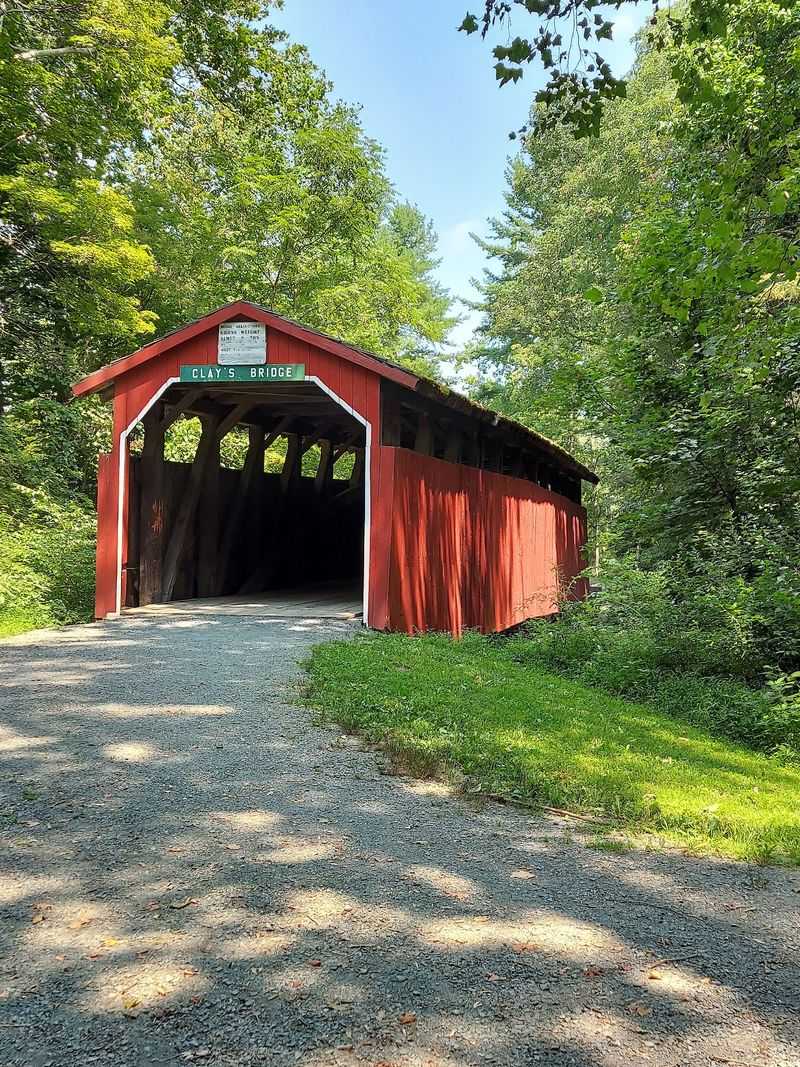
History fans will love the restored grist mill and covered bridge on the property. You can also spot remnants of the early 1800s charcoal iron industry along the Buffalo Ridge Trail.
It is like hiking through a living museum.
The problem is that those same wooded, historically rich trails are loaded with tick habitat. Leaf litter, dense undergrowth, and tall grasses line every path.
Blacklegged ticks thrive in exactly these conditions.
The park also has an environmental interpretive center where staff teach visitors about local wildlife and ecosystems. Ironically, ticks are a big part of that local ecosystem.
The center sometimes offers tick identification resources, which is genuinely useful.
Kids especially love exploring this park, but parents should be extra careful about doing thorough tick checks after any trail time. Check hair, behind ears, and around ankles.
Ticks are sneaky little hitchhikers.
Permethrin spray on your gear and clothing before you arrive makes a real difference. Reapply DEET-based repellent on exposed skin throughout your visit.
The park is worth every precaution. Little Buffalo State Park is at 1579 State Park Rd, Newport, PA 17074.
4. Rothrock State Forest
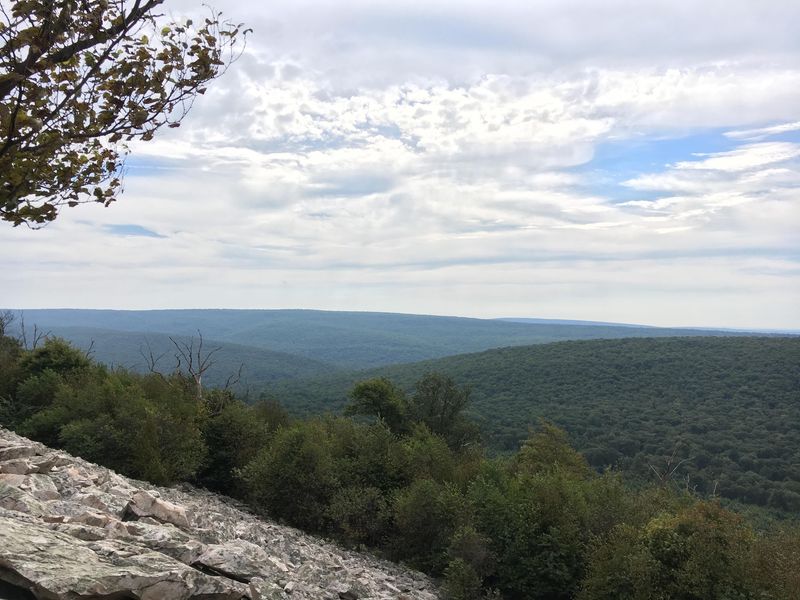
Nearly 100,000 acres of rugged, rock-strewn ridges and dense forest. That is Rothrock State Forest, and it is stunning.
It is also one of the most tick-active areas in the state right now.
Centre County, where much of this forest sits, had already reported 14 confirmed Lyme disease cases by early July 2026. That number is not just a statistic.
It is a real warning for anyone planning a summer hike here.
Blacklegged ticks thrive in the moist, leafy understory of these forests. The thick canopy keeps things cool and humid, which ticks absolutely love.
You can barely see them on dark clothing, so wear light colors.
The trail network here stretches over 30 miles. Mountain bikers and hikers both flock to Rothrock every summer.
Bear Meadows, a rare high-elevation fen wetland, is one of the most unique natural areas in all of Pennsylvania.
Stone Valley Vista offers breathtaking panoramic views of the surrounding ridges. Getting there requires hiking through prime tick country.
Tuck your pants into your socks and spray up before you head out.
Rothrock is also popular with hunters and campers in the fall. Tick activity actually stays high into autumn here, especially as deer move around more.
Do not let the cooler weather make you careless.
Always carry a tick removal tool in your pack. Check your gear, your dog, and yourself before getting back in the car.
The forest is magnificent and absolutely worth the effort.
5. Gettysburg National Military Park
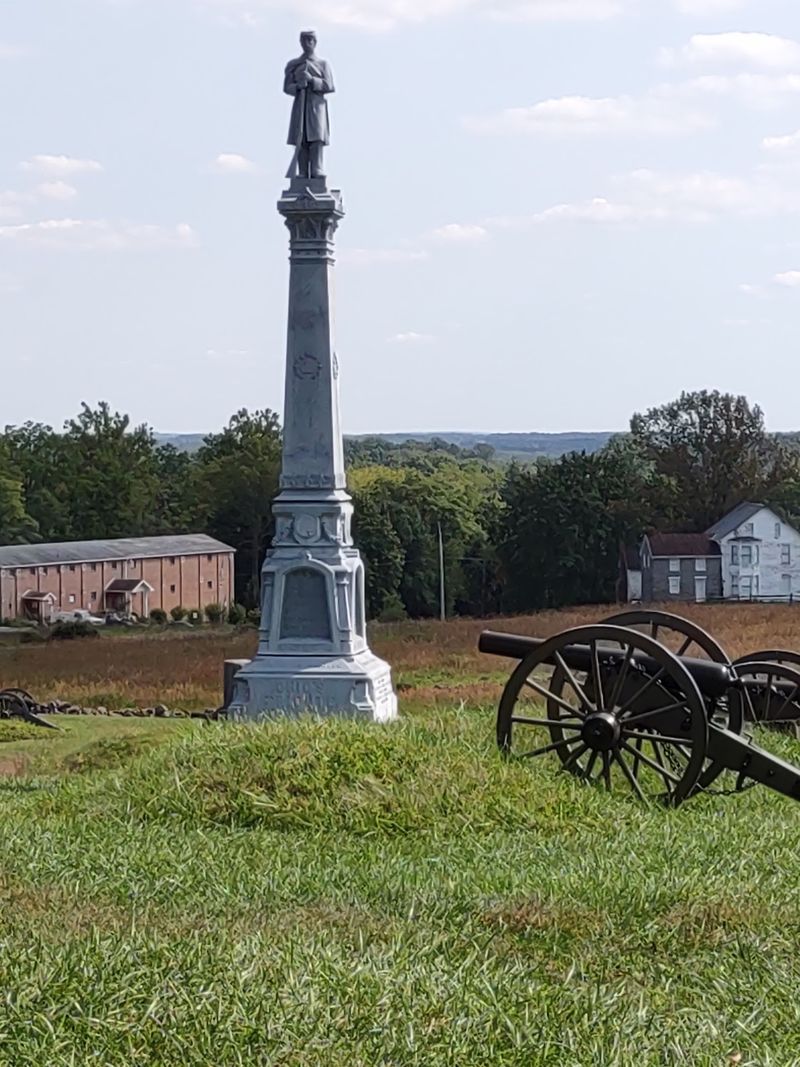
Few places carry the weight of history the way Gettysburg does. Over 1,300 monuments, 400 cannons, and miles of battlefield stretch across this hallowed ground.
It is one of the most visited historic sites in the entire country.
But park employees have been vocal about one persistent issue: Lyme disease is a serious concern here. Ticks are active throughout the park, and they are not picky about where they set up camp.
American dog ticks favor the wide open fields where visitors walk between monuments. Blacklegged ticks are more common in the wooded sections along the tree lines.
Both species are present in significant numbers through the summer months.
The Cyclorama painting and Ranger-led programs draw huge crowds every season. Many visitors spend hours walking the open ground without thinking twice about ticks.
That is a mistake that can have real health consequences.
Ranger programs do sometimes include reminders about tick safety, which is helpful. But most visitors are so focused on the history that prevention takes a back seat.
Bring your repellent and use it before you step out of the car.
Check yourself after touring the wooded sections especially. The tree lines between fields are where the two tick species overlap.
That overlap zone is where your risk is highest.
After your visit, do a full body check before driving home. Shower as soon as you can.
The history here is irreplaceable and worth every visit. Just respect both the hallowed ground and the tiny creatures sharing it.
6. Delaware Water Gap National Recreation Area
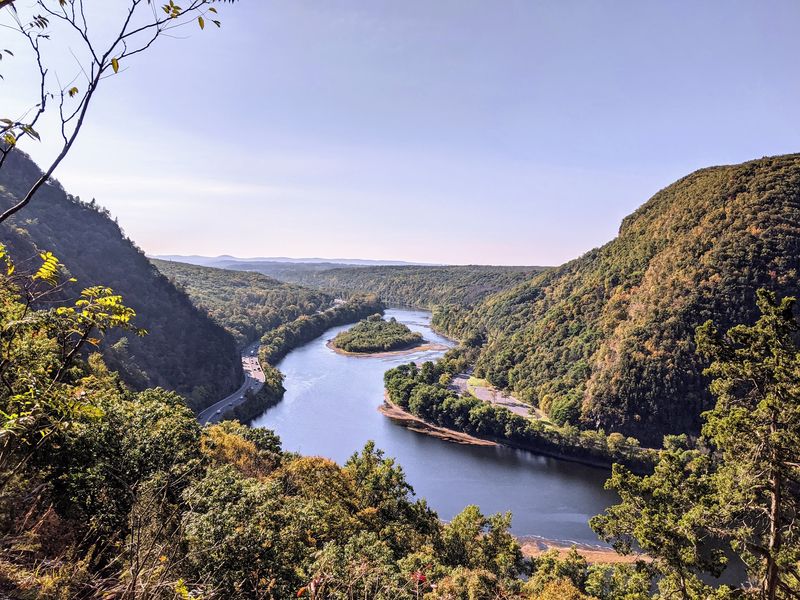
Forty miles of the longest free-flowing river east of the Mississippi. That is what the Delaware Water Gap National Recreation Area offers.
It is a genuinely spectacular stretch of land, and tick numbers here spike hard every late spring and summer.
Blacklegged ticks are especially prevalent in this region. The mix of river bottomland, dense forest, and open meadows creates perfect tick habitat across the entire park.
There is really no tick-free zone here in summer.
Hiking, paddling, fishing, and hunting all bring visitors in by the thousands every season. The trails range from easy riverside walks to challenging ridge hikes.
Every single one of them passes through tick territory.
The park encompasses rich human history alongside its natural beauty. Native American sites, historic farms, and old canal remnants dot the landscape.
Exploring them is rewarding, but always means walking through tall grass or forest edges.
Kayakers and canoeists who pull their boats into grassy riverbanks should be especially careful. Ticks congregate in the vegetation right at water’s edge.
A quick launch stop can turn into a tick encounter without you even noticing.
Permethrin-treated clothing is one of the best defenses for a full day out here. Apply DEET to exposed skin and reapply every few hours.
Keep pets on a tick preventative medication year-round if they visit with you.
The scenery is absolutely worth the precautions. Sunsets over the Delaware River from the ridge trails are unforgettable.
Just check every inch of yourself before you call it a day. Find it at 1978 River Road, Bushkill, PA 18324.
7. Fayette County

Fayette County does not mess around when it comes to tick exposure. Infection rates in local blacklegged tick populations start at 40 percent.
That means nearly half the ticks you might encounter here could be carrying something harmful.
Between 2000 and 2020, the county recorded 560 confirmed Lyme disease cases. That is a significant number for one county over two decades.
And the outdoor recreation scene here keeps drawing visitors right into tick-heavy terrain.
Ohiopyle State Park is the crown jewel of Fayette County outdoor life. Whitewater rafting, natural waterslides, and miles of hiking trails make it one of the busiest parks in the state.
The dense river corridor vegetation is prime blacklegged tick habitat.
Fallingwater, the iconic Frank Lloyd Wright house, is also here. Most visitors spend time on guided walks through the wooded grounds.
Gorgeous architecture surrounded by gorgeous forest, with ticks lurking in every shaded corner.
Laurel Caverns offers a different kind of adventure underground. The cave itself is tick-free, but the forested trails leading to it are not.
Do your tick check before you head inside and again when you come back out.
Fayette County sits in the Laurel Highlands region. The rolling hills, dense hardwood forests, and river valleys are genuinely some of the most beautiful landscapes in Pennsylvania.
They are also some of the most tick-dense.
Use a combination of repellent and protective clothing every single time you go out. Do not rely on just one method.
Fayette County rewards outdoor lovers who come prepared.
8. Washington County

Here is a number that should make you stop and think: in a 2024 survey, 80 percent of Washington County residents reported seeing ticks on their property. Not in the deep woods.
On their own property. That is a staggering figure.
Washington County sits on the Western Allegheny Plateau in southwestern Pennsylvania. The landscape is a mix of hardwood forests, open meadows, and wetlands.
Every single one of those environments is a tick magnet in summer.
Mingo Creek County Park is one of the most popular outdoor destinations here. Trails wind through forested hillsides and along creek corridors.
It is beautiful, and it is absolutely loaded with tick activity through the warm months.
Hillman State Park is another major outdoor spot in the county. Hunters, hikers, and horseback riders all use its extensive trail system.
Any activity that puts you near vegetation or leaf litter means tick exposure is a real possibility.
Conservation efforts in Washington County focus on restoring natural habitats and preserving green spaces. That is great news for wildlife and ecosystems.
It also means more undisturbed tall grass and forest edges where ticks breed and thrive.
Lone Star ticks have also been spotted in Pennsylvania, including in counties like Washington. A bite from one can trigger alpha-gal syndrome, which causes a red meat allergy.
That is a consequence most people have never even heard of before.
Tick checks after every outdoor outing are non-negotiable here. Check kids, pets, and yourself thoroughly.
Washington County is gorgeous and full of outdoor opportunities. Just go in with your eyes open.