
8 Charming Mississippi Towns Every History Lover Should Visit At Least Once
Do you know why every place has its own kind of magic? Because it tells a story shaped by thousands of generations before us.
These Mississippi towns carry that kind of history, the sort you could sit and listen to for hours without getting bored. Buildings here date back further than most visitors expect, some still standing exactly as they were built.
Local guides and museums fill in details textbooks tend to skip over completely. Walking through these towns feels less like sightseeing and more like stepping through layers of time.
Historical markers sit on nearly every corner, easy to miss unless you’re actually looking for them. Preservation efforts kept much of the original character intact instead of modernizing it away.
These towns prove that history still has plenty left to teach anyone willing to slow down and listen.
1. Natchez
Perched on bluffs high above the Mississippi River, Natchez has been watching history unfold since the early 1700s. It started as a French colonial settlement and grew into one of the wealthiest cities in the entire country by the mid-1800s.
Cotton made millionaires here, and those millionaires built mansions that still stand today.
Longwood is one of the most jaw-dropping stops in the city. It is a six-story octagonal mansion that was never fully finished because the Civil War interrupted construction.
Workers literally left their tools on the floor and never came back. That detail alone gives me chills every time I think about it.
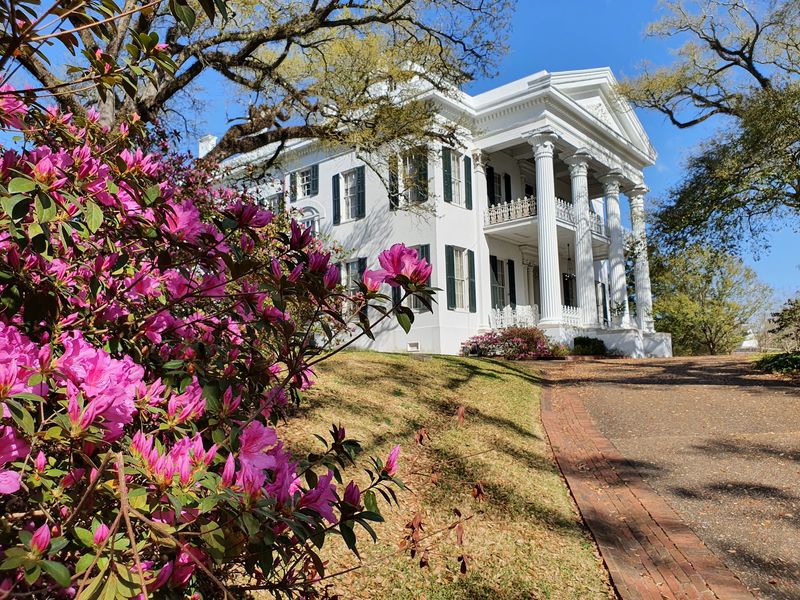
Stanton Hall is another must-see, with its massive white columns and grand ballroom. The historic core of Natchez is full of streets shaded by old oak trees that have seen centuries come and go.
Bluff Park offers sweeping river views that will make you want to just sit and stare for a while.
Down at the riverbank, Natchez Under-the-Hill was once a rough-and-tumble port neighborhood. Today it is a restored area with a scenic waterfront vibe.
The city holds the title of oldest settlement on the Mississippi River, and it wears that distinction with great pride.
The climate here is humid subtropical, so summers are long and hot. Spring and fall visits are ideal for walking tours of the antebellum homes.
Natchez hosts a famous Pilgrimage Tour each spring and fall where many private historic homes open their doors to visitors.
2. Vicksburg
Few towns in America carry as much Civil War weight as Vicksburg. Union General Ulysses S.
Grant laid siege to this city for 47 straight days in 1863. The people inside ate mules and hid in caves just to survive.
When Vicksburg finally surrendered on July 4th, it was a turning point that gave the Union full control of the Mississippi River.
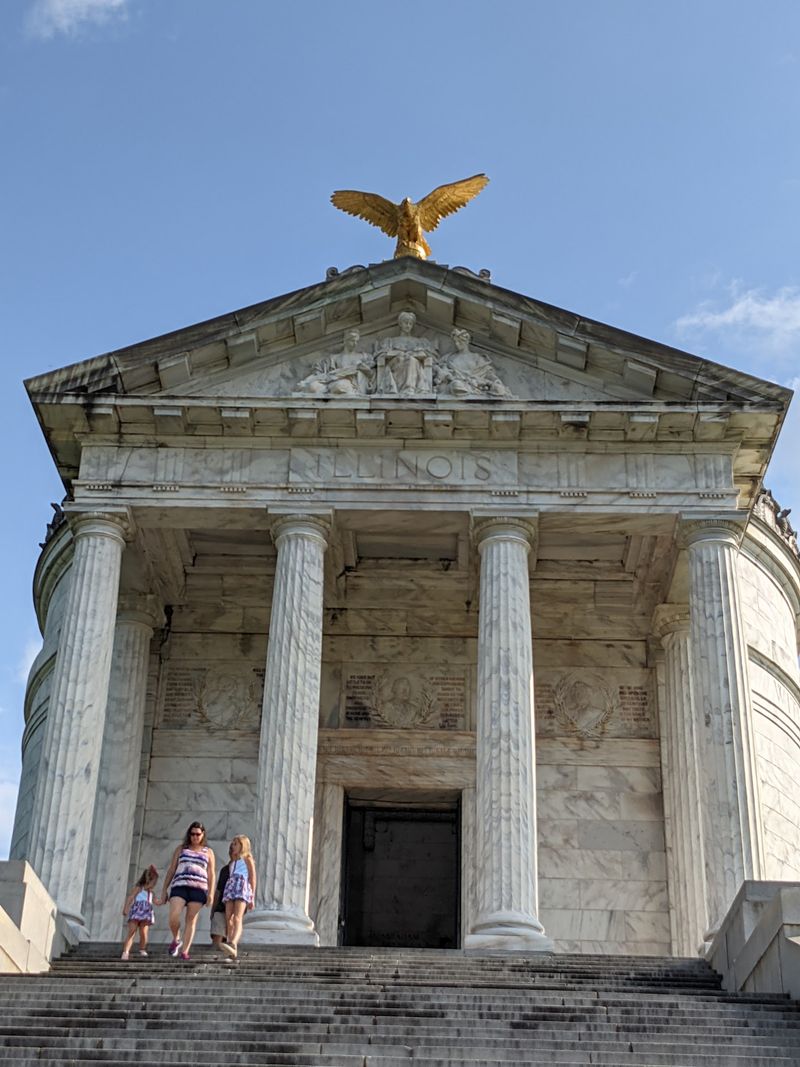
The Vicksburg National Military Park is the crown jewel of the city. It covers over 1,800 acres and features more than 1,300 monuments and markers.
You can walk or drive through the reconstructed trenches where soldiers once fought hand-to-hand. The sheer scale of it is hard to process until you are standing right in the middle of it.
The restored USS Cairo is docked right at the park. It is an actual Union ironclad gunboat raised from the river in the 1960s.
Seeing a real Civil War warship up close is the kind of thing that makes history suddenly feel very real and very close.
The Old Courthouse Museum, built in 1858, is another highlight. It holds Confederate artifacts, antebellum relics, and a collection of stories that fill in the gaps between the battle statistics.
The Gray and Blue Naval Museum rounds out the Civil War experience with detailed dioramas of the famous siege.
Beyond the battlefield, Vicksburg sits right on the river and has a lively downtown with murals and local shops. The bluffs here offer gorgeous views, especially at sunset.
History and scenery come together in a way that is hard to find anywhere else.
3. Corinth
Originally called Cross City, Corinth was founded in 1854 at the intersection of two major railroads. That location made it one of the most strategically valuable spots in the entire Civil War.
Both Union and Confederate armies fought fiercely to control those rail lines. Soldiers who passed through here knew exactly what was at stake.
The Battle of Shiloh was fought just a short drive north, and Corinth served as the Confederate base before that bloody engagement. After the battle, tens of thousands of wounded soldiers were brought back here for treatment.
The town basically became a massive field hospital overnight. That history is both haunting and deeply moving.
The Corinth Civil War Interpretive Center is one of the best-designed Civil War museums in the South. It uses immersive exhibits, maps, and artifacts to walk you through the entire campaign for the town.
The Crossroads Museum right in the heart of downtown adds another layer of local history that goes beyond just the battlefield years.
What makes Corinth special is that it has not tried to dress itself up too much. It still feels like a small Southern town with a genuine community vibe.
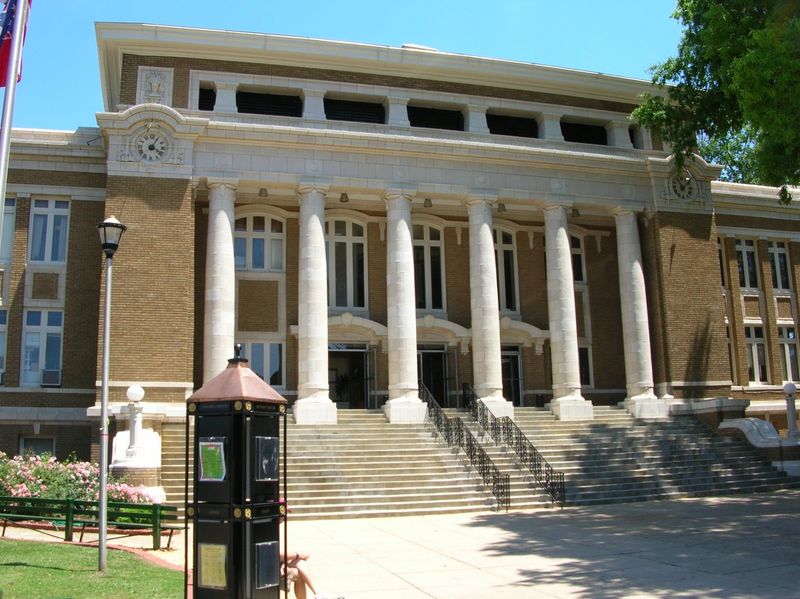
The Alcorn County Courthouse square hosts local events, and you might catch some live bluegrass music on a good evening.
The town is also a gateway to the Shiloh National Military Park, which is just across the state line in Tennessee. Combining both sites in one trip gives you a remarkably complete picture of the Western Theater of the Civil War.
Corinth rewards slow, curious visitors who actually read the markers.
4. Port Gibson
General Ulysses S. Grant reportedly called Port Gibson too beautiful to burn during his march through Mississippi in 1863.
Whether that quote is entirely accurate or not, the result is the same. The town survived the conflict with much of its architecture intact, and walking its streets today feels like stepping into a 19th-century painting.
Port Gibson was founded in 1788 by a cotton planter named Samuel Gibson, making it Mississippi’s third oldest town. The antebellum homes here range from modest Greek Revival cottages to grand plantation-style estates.
Each one carries its own story, and several are still privately owned and lovingly maintained by local families.
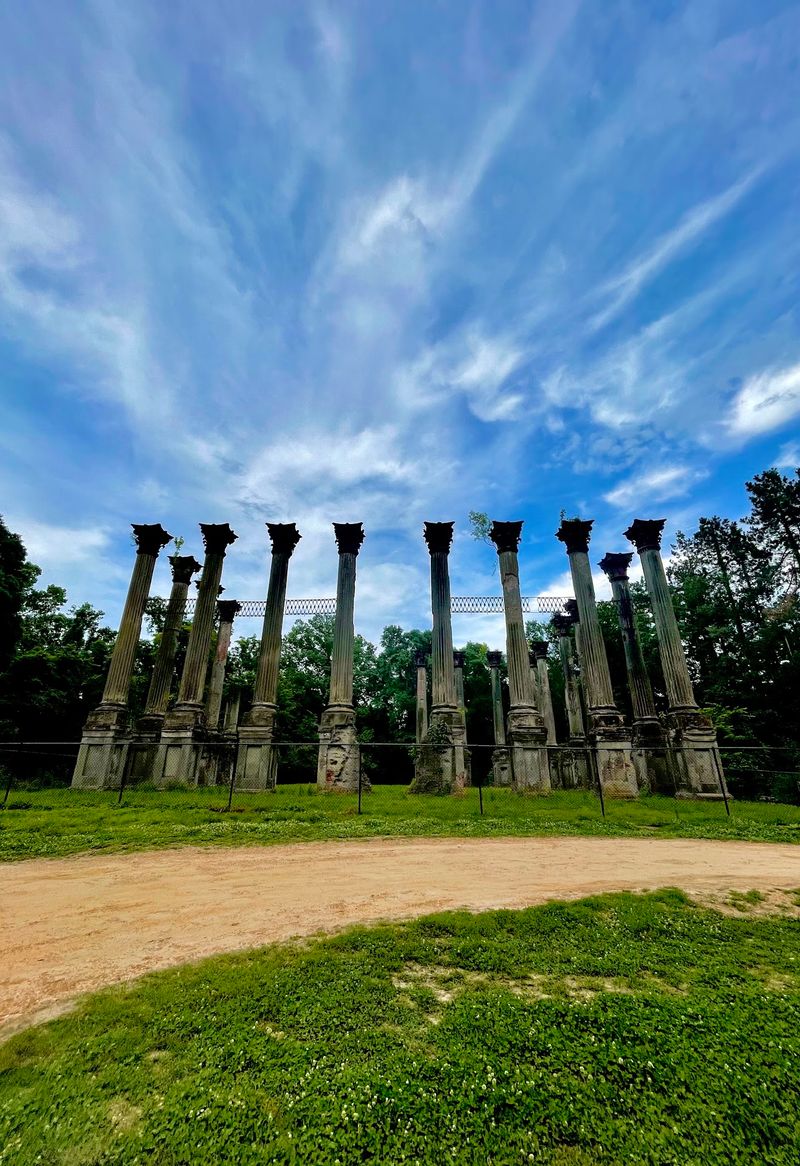
The Windsor Ruins are the most unforgettable sight in the entire area. Twenty-three massive Corinthian columns rise out of a field, all that remains of a grand Greek Revival mansion that burned in 1890.
The fire had nothing to do with the conflict. It was an accidental blaze that destroyed one of the most elaborate homes in the state.
Standing among those columns at dusk is genuinely eerie in the best way.
Grand Gulf Military Park sits just outside town and marks the site of a key river battle. The park includes a museum, a Confederate fort, and a cemetery.
It is a compact but well-organized site that most visitors underestimate until they get there.
Port Gibson also has deep Civil Rights Movement history. Local activism here helped shape statewide efforts during the 1960s and 1970s.
The town is quiet, tree-lined, and unhurried. It is the kind of place where history is not performed for tourists.
It simply exists, all around you.
5. Tupelo
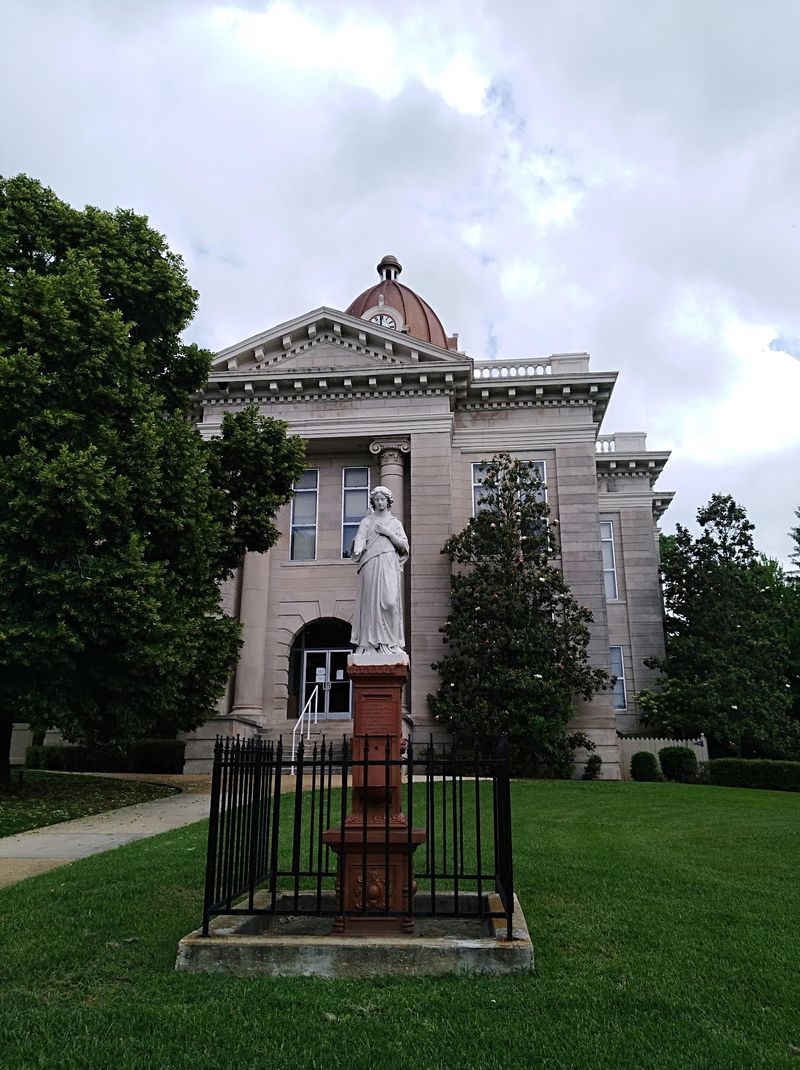
On January 8, 1935, a baby boy named Elvis Aaron Presley was born in a two-room shotgun house in Tupelo. That little house on Old Saltillo Road is now one of the most visited landmarks in the entire state.
It is surprisingly small, which somehow makes the story of his rise to fame even more remarkable. From this tiny home to sold-out stadiums is one of the greatest American stories ever told.
The Elvis Presley Birthplace site includes the original house, his childhood church, and a full museum. The museum traces his early years in Tupelo with photographs, personal items, and audio from his own voice.
There is also a statue called Elvis at 13 that captures him right at the age when music was starting to take hold of his life.
Tupelo Hardware Company is a fun stop for fans because Elvis’s mother, Gladys, bought his first guitar there. The staff loves telling that story, and the store still operates as a hardware shop today.
Johnnie’s Drive-In, one of the oldest restaurants in town, was a place young Elvis reportedly visited. It is a classic American diner experience.
Beyond Elvis, Tupelo is a genuinely pleasant small city. It has been named an All-America City multiple times, which reflects the strong community spirit here.
The Natchez Trace Parkway runs right through the area, offering beautiful drives through forested hills and past ancient Native American mounds.
The pace of life in Tupelo is slower and friendlier than most places. Locals are proud of their town’s legacy and happy to share it.
First-time visitors often end up staying longer than planned.
6. Canton
Canton has survived more than most towns its size could handle. It weathered two Union invasions during the Civil War, a devastating yellow fever epidemic in 1870, and the upheaval of the Civil Rights Movement.
Through all of it, the town held onto its courthouse square, its community spirit, and its architectural charm. That kind of resilience deserves some serious respect.
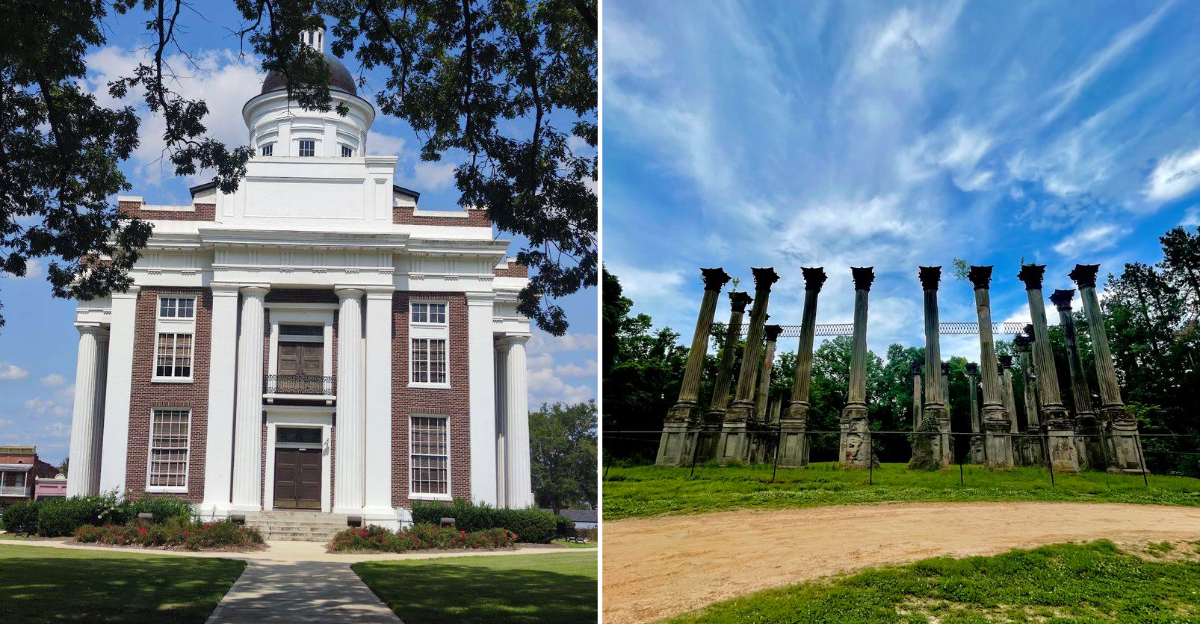
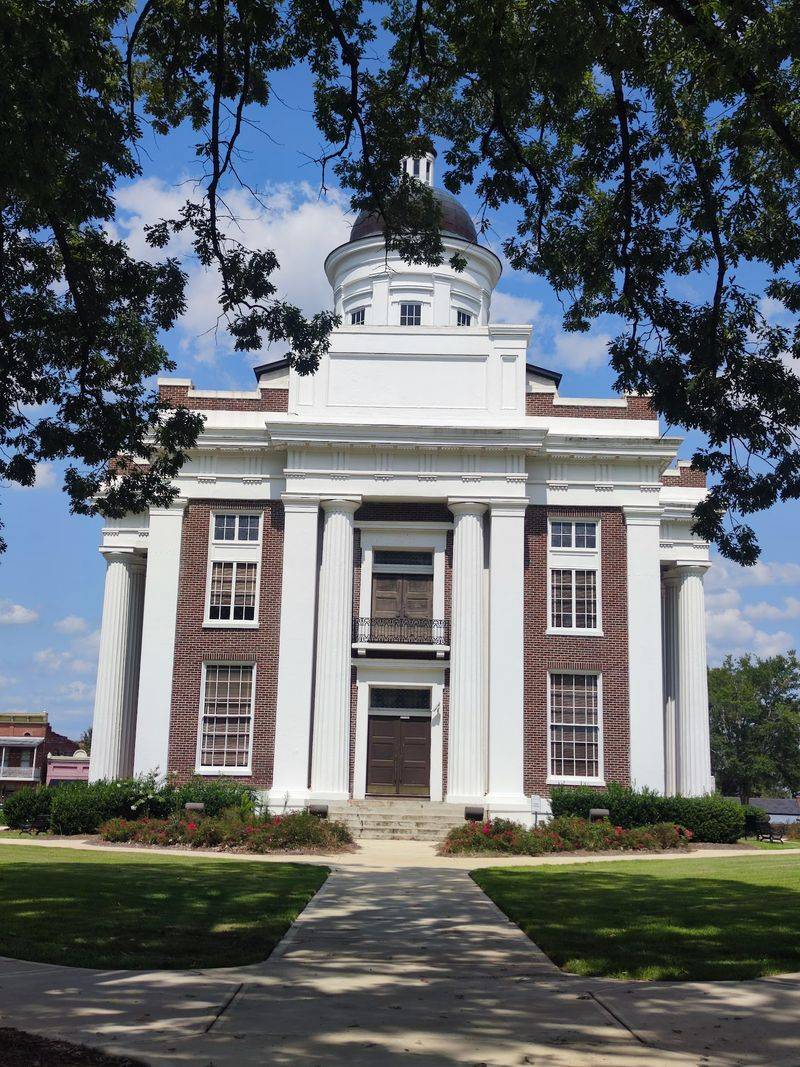
The 1855 Greek Revival courthouse sitting at the center of Canton’s historic square is stunning. Local women once fought hard to preserve the dome on that building, reportedly arguing that beauty should prevail over reason when it came to renovation decisions.
Their campaign worked. The dome is still there, and the courthouse is still one of the most photographed buildings in Mississippi.
Canton was incorporated in 1833 as the seat of Madison County and grew quickly as a cotton-centered agricultural hub. The antebellum architecture that survived the conflict gives the town a layered visual history that you can read just by walking around the square.
Many of the buildings have been repurposed as shops, galleries, and restaurants without losing their historic character.
The Canton Freedom House played a major role during the Civil Rights Movement as a headquarters for CORE, the Congress of Racial Equality. Activists organized voter registration drives and community meetings here.
That history is honored and interpreted thoughtfully throughout the town today.
Each December, Canton transforms into what locals call the City of Lights during its Victorian Christmas Festival. The courthouse square gets lit up with thousands of lights and vintage decorations.
It draws visitors from all over the region. Even if you visit in the off-season, the square has a warmth to it year-round.
7. Columbus
Columbus calls itself the Friendly City, and that nickname is not just marketing. Before it was officially incorporated in 1821, the area along the Tombigbee River was known as Possum Town.
That name came from Native Americans in the region. Not every city can say it went from Possum Town to a nationally recognized historic destination, but here we are.
During the Civil War, Columbus served as a hospital town rather than a battlefield. That decision saved its remarkable collection of antebellum homes from destruction.
Today, Columbus has three National Register Historic Districts, and visitors can tour homes that have stood since the early 1800s. Some are still privately owned and opened during annual pilgrimages.
Friendship Cemetery holds a special place in American history. In 1866, local women placed flowers on the graves of both Union and Confederate soldiers buried there.
That act of reconciliation is widely credited as the inspiration for what became Memorial Day. A small, quiet cemetery inspired a national holiday.
That is the kind of story Columbus tells without even trying too hard.
Tennessee Williams, one of the most celebrated playwrights in American history, was born in Columbus in 1911. The home where he was born is preserved and open to visitors.
His early years in this small Mississippi city clearly left a mark on his writing and his worldview.
Catfish Alley was once a thriving cultural corridor for blues, jazz, and soul music in the African American community. Efforts to preserve and celebrate that legacy are ongoing.
Columbus blends history, arts, and genuine Southern hospitality in a way that feels completely effortless and absolutely worth the drive.
8. Holly Springs
This place sits in the rolling hills of North Mississippi, and the landscape alone is worth the trip. The terrain here is greener and more dramatic than the flat Delta region to the west.
The town itself is packed with antebellum architecture, and the streets have that slow, shaded quality that makes you want to walk everywhere and read every historical marker you pass.
During the Civil War, Union General Ulysses S. Grant used Holly Springs as a major supply depot and headquarters.
Confederate cavalry under General Earl Van Dorn swooped in and burned those supplies in a raid that forced Grant to rethink his entire Vicksburg campaign. That single raid had massive consequences for how the conflict played out along the Mississippi River.
The town suffered badly after the conflict. A catastrophic yellow fever epidemic in 1878 claimed hundreds of lives and devastated the local population.
Holly Springs rebuilt, but that history adds a somber layer to an already complex story. The Marshall County Historical Museum does an excellent job of covering all of these chapters without glossing over the difficult parts.
Walter Place and Montrose are two of the most impressive antebellum homes in town. Both are well-preserved and open for tours during certain times of the year.
Walking through rooms that have survived conflict, disease, and more than 150 years of Mississippi weather is a genuinely humbling experience.
The Behind the Big House program is one of the most thoughtful history projects in the state. It interprets the lives of enslaved people on antebellum properties, giving voice to stories that were left out of the official record for far too long.
Holly Springs handles hard history with honesty and care.