
Watch Your Step At These Nevada Destinations Known For Rattlesnakes
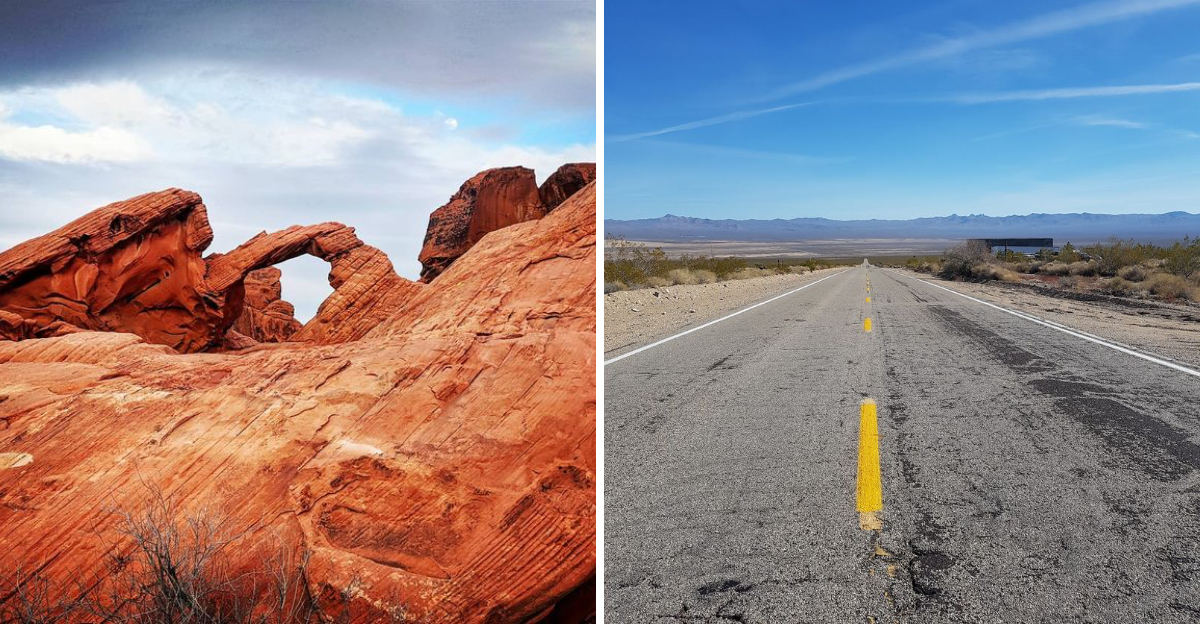
Nevada hides something wilder than bright neon and open highways, and it slithers. Rattlesnakes rule the sunbaked rocks and shadowy canyon walls across this terrain, closer to popular trails than most visitors guess.
Ready to watch every single step?
The scenery looks like something torn from an old western, all dust and drama.
Crimson cliffs, glassy desert lakes, and dusty backroads all double as prime snake habitat here. Locals swap stories about washes and boulder fields where a rattle can break the silence without warning.
Nevada rewards the bold with jaw-dropping scenery, but it demands real respect for what slithers beneath the surface. Which spots on this list would make you think twice?
Grab sturdy boots, stay alert, and let curiosity steer your next desert adventure.
1. Lake Mead National Recreation Area
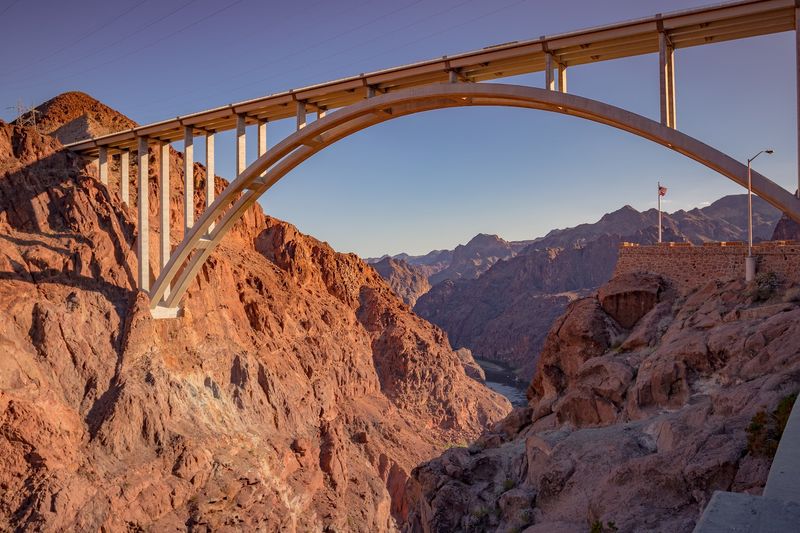
Picture a massive lake carved out of desert rock, stretching across the Nevada-Arizona border with no signs of civilization for miles. Lake Mead National Recreation Area is one of the largest recreation areas in the United States, covering well over a million acres of raw desert terrain.
Boating, fishing, kayaking, and swimming draw visitors year-round. Hikers love the trails that wind through rocky canyons and open desert flats.
The scenery shifts constantly, from sandy beaches to dramatic cliff faces.
Rattlesnakes are very much at home here. They tuck into rocky crevices, hide beneath desert shrubs, and sometimes rest near the water’s edge where prey is plentiful.
The Western diamondback and speckled rattlesnake are among the species known to inhabit this area.
Always scan the ground before stepping, especially around boulders and brush. Wearing sturdy, closed-toe footwear is a must on any trail.
If you spot one, back away slowly and give it space.
Early morning hikers should be especially alert, as snakes often warm themselves on sun-heated rocks after cool desert nights. Smart preparation makes all the difference out here.
Lake Mead National Recreation Area spans southeastern Nevada and northwestern Arizona, near Boulder City, Nevada.
2. Red Rock Canyon National Conservation Area
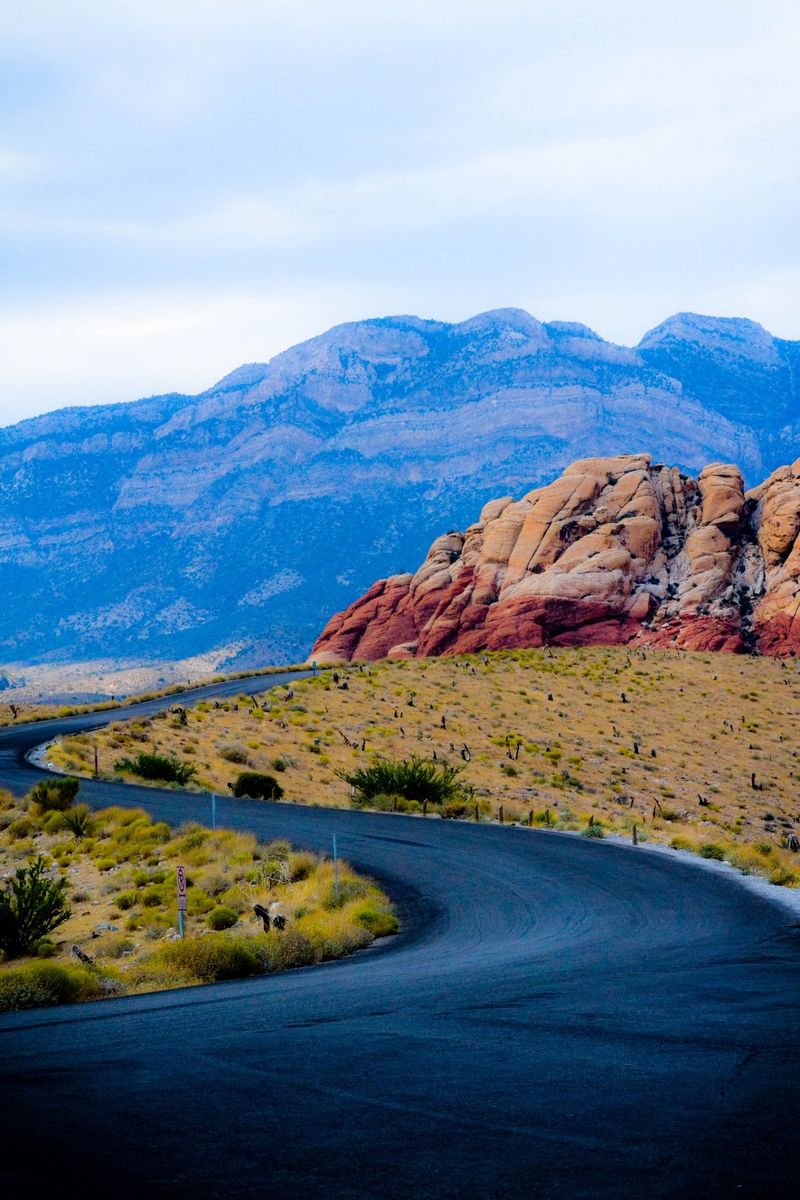
Those crimson cliffs are not a mirage. Red Rock Canyon National Conservation Area sits just west of Las Vegas, yet it feels like a completely different world the moment you step inside.
The Calico Hills blaze in shades of red, orange, and cream. Sandstone formations tower overhead as you walk through narrow corridors and open desert flats.
Rock climbers, hikers, and wildlife watchers all find something to love here.
Rattlesnakes are well-documented residents of this conservation area. The Mojave rattlesnake, one of the more venomous species in North America, has been spotted throughout the canyon.
Speckled rattlesnakes also blend brilliantly into the rocky terrain, making them genuinely easy to miss.
Stay on marked trails and resist the urge to flip rocks or reach into crevices. Loose boulders and shaded overhangs are favorite resting spots for these reptiles.
Trekking poles can help you probe the path ahead on narrow sections.
Spring and fall bring the most comfortable hiking temperatures, and those are also the seasons when snake activity peaks. Awareness is your best tool out on any trail.
Red Rock Canyon National Conservation Area is located in Clark County, Nevada, about 17 miles west of Las Vegas.
3. Humboldt-Toiyabe National Forest
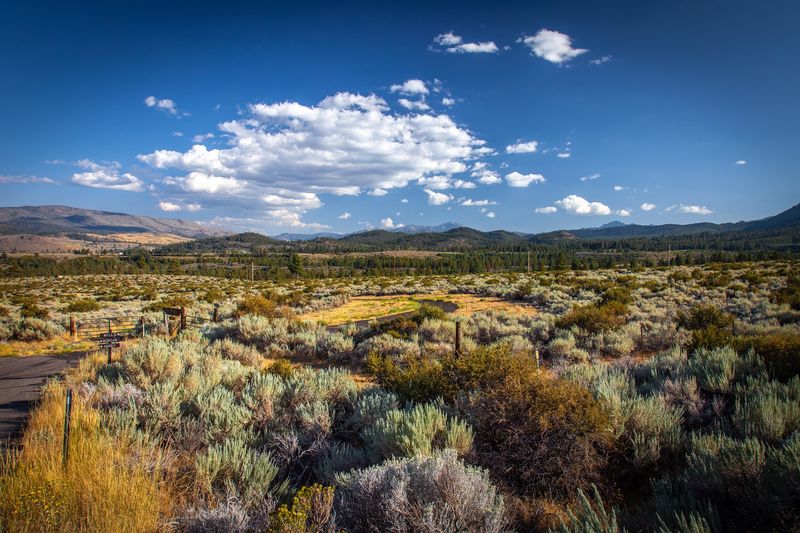
Biggest does not even begin to cover it. Humboldt-Toiyabe National Forest is the largest national forest in the contiguous United States, stretching across much of Nevada with pockets extending into eastern California.
The landscape here is wildly diverse. Sagebrush flats transition into alpine meadows, and dense pine forests give way to granite peaks.
Camping, backpacking, horseback riding, and fishing keep outdoor lovers busy across every season.
Rattlesnakes are most commonly found at lower elevations, particularly in the sagebrush and rocky foothill zones. The Great Basin rattlesnake is the primary species to watch for across Nevada’s interior regions.
These snakes are generally not aggressive, but they will defend themselves if startled or cornered.
Setting up camp near rocky outcrops or woodpiles increases the chance of an unexpected encounter. Always shake out boots and check sleeping gear before use.
Keep a flashlight handy for any nighttime trips away from camp.
Late spring through early fall is peak hiking season, and that overlaps directly with peak snake activity. Knowing the habitat helps you hike with confidence rather than anxiety.
Humboldt-Toiyabe National Forest is primarily located across central and northern Nevada, with portions in eastern California.
4. Sloan Canyon National Conservation Area
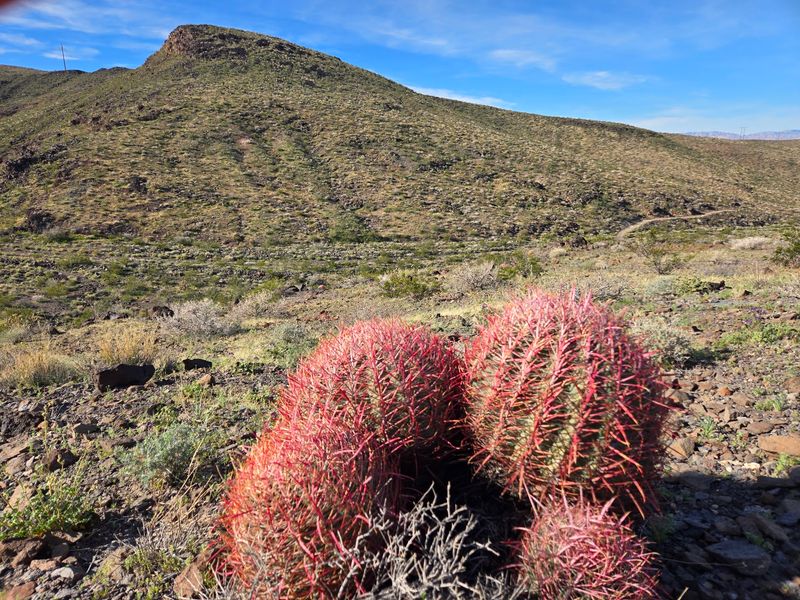
Thousands of years of human history are scratched into the rock walls here, and the landscape has changed very little since. Sloan Canyon National Conservation Area protects one of the largest petroglyph sites in the Mojave Desert, with over 1,700 individual rock carvings spread across a rugged volcanic terrain south of Henderson, Nevada.
Hiking to the petroglyph panels is the main draw, and the trail passes through classic Mojave Desert scenery. Dark basalt boulders, dry washes, and sparse desert shrubs define the landscape.
The quiet and remoteness of the area make it feel surprisingly far from the nearby suburbs.
That same rugged, undisturbed character makes it ideal rattlesnake country. The rocky volcanic hills provide perfect shelter, and the area sees less foot traffic than many other conservation areas in the region.
Snakes here appreciate the peace.
Stick to established trails and avoid stepping over boulders without first checking the other side. Petroglyphs are often found in sheltered alcoves, exactly the kind of shady spots that rattlesnakes favor on hot afternoons.
Visiting in cooler morning hours gives you better lighting for viewing the rock art and reduces the chance of encountering a snake in active feeding mode.
Sloan Canyon National Conservation Area is located south of Henderson, Nevada, in Clark County.
5. Valley Of Fire State Park
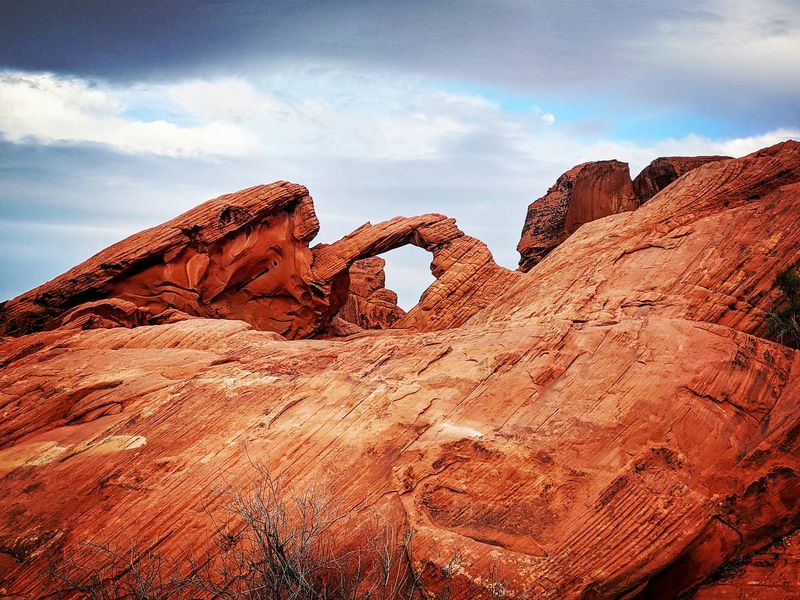
Red does not even do justice to the color of these rocks at golden hour. Valley of Fire State Park is Nevada’s oldest state park, and it earns that status with some of the most visually striking geology in the entire American Southwest.
Aztec sandstone formations, some over 150 million years old, glow in shades of crimson, orange, and purple depending on the light. Elephant Rock, the Wave, and Fire Wave are among the most photographed formations.
Ancient petroglyphs left by the Ancestral Puebloans add a cultural layer that makes every hike feel richer.
Rattlesnakes thrive in this environment. The warm sandstone retains heat long after sunset, making it an attractive resting spot for cold-blooded reptiles.
Sidewinder rattlesnakes, well-adapted to sandy desert terrain, are among the species found here.
Morning visits during warmer months are smart for two reasons: better light for photography and cooler ground temperatures that keep snakes less active. Always watch your step around rock formations, particularly in narrow slot-canyon sections where visibility is limited.
Rattlesnakes are a natural part of the ecosystem at Valley of Fire, so observing from a respectful distance without disturbing them is the safest approach for both visitors and the animals.
Valley of Fire State Park is located near Overton, Nevada, approximately 50 miles northeast of Las Vegas.
6. Eldorado Valley
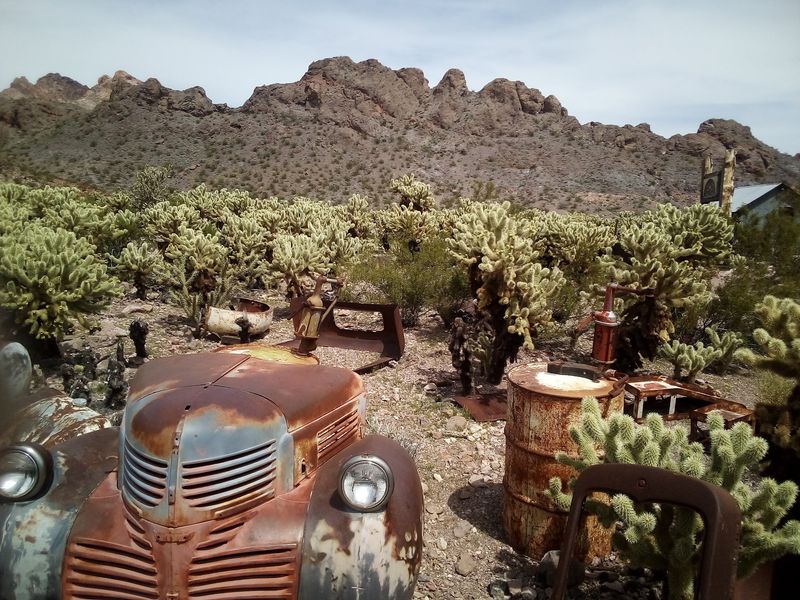
Open space does not get much more open than this. Eldorado Valley spreads out southeast of Boulder City, Nevada, as a broad expanse of flat desert floor framed by distant mountain ridges on every side.
The valley is increasingly known for its large-scale solar energy installations, but beyond those industrial zones, the surrounding terrain is raw Mojave Desert. Off-road enthusiasts, nature photographers, and anyone craving solitude find their way out here.
The silence is its own reward.
That same wide-open, sun-baked environment is exactly what rattlesnakes need to thrive. Sparse desert scrub, rocky edges along the valley floor, and the heat radiating off the ground create ideal conditions for multiple rattlesnake species.
The sidewinder is particularly well-suited to the sandy, flat terrain found throughout the valley.
If you pull over to explore on foot, scan the ground around your vehicle before stepping out. Snakes sometimes shelter in the shade of parked cars during the hottest parts of the day.
Moving slowly and deliberately is always the right approach in open desert.
Dusk and dawn are beautiful times to visit, but keep in mind that rattlesnakes are often more active during those transitional hours, especially in summer.
Eldorado Valley is located southeast of Boulder City in Clark County, Nevada.
7. Lake Mohave
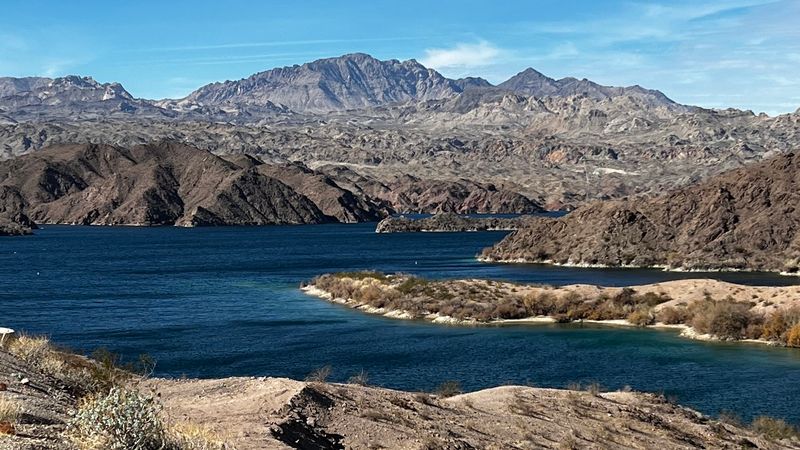
Warm, clear water tucked between steep canyon walls sounds like a dream, and Lake Mohave delivers exactly that. Stretching roughly 67 miles between Hoover Dam and Davis Dam, this narrow lake forms the southern section of Lake Mead National Recreation Area along the Nevada-Arizona border.
Houseboating, water skiing, swimming, and fishing for striped bass are popular activities across the lake. Secluded coves offer anchoring spots that feel completely private.
The surrounding desert mountains drop dramatically into the water, creating scenery that surprises first-time visitors.
Rattlesnakes are found along the rocky shoreline and in the desert terrain above the waterline. Hikers exploring the canyon edges or scrambling to viewpoints above the lake should pay close attention.
Rocky ledges and sun-warmed flat stones near the water’s edge are common resting spots.
If you beach your boat to explore on foot, take a moment to survey the area before wandering. Footwear matters here.
Sandals are fine on the water, but proper closed-toe shoes are essential the moment you step onto rocky ground.
The spring and fall shoulder seasons bring ideal water temperatures and slightly reduced snake activity compared to the peak summer heat.
Lake Mohave is situated on the Nevada-Arizona border, within Lake Mead National Recreation Area, south of Boulder City, Nevada.
8. Lake Tahoe (Nevada Shoreline)
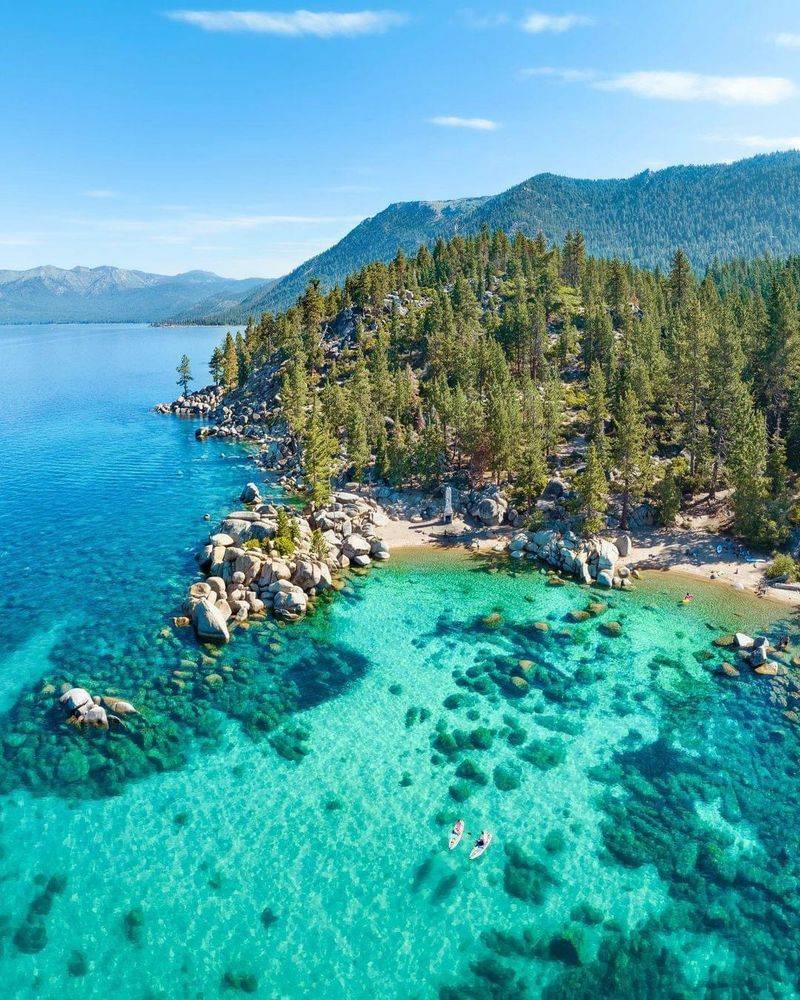
Most people think of rattlesnakes and picture flat, scorching desert. Lake Tahoe’s Nevada shoreline quietly challenges that assumption.
Rattlesnake sightings have been increasing around the wider Lake Tahoe basin in recent years, and wildlife experts expect the trend to continue reaching the Nevada shoreline’s rocky, sun-exposed slopes as the reptiles expand their range.
The Nevada side of Lake Tahoe offers some of the region’s most breathtaking scenery. Sand Harbor State Park, with its crystal-clear water and granite boulders, draws swimmers, paddlers, and photographers in droves.
The Tahoe Rim Trail winds through forested ridgelines with views that stretch for miles in every direction.
Western rattlesnakes, sometimes called the Northern Pacific rattlesnake, have been documented in parts of the Sierra Nevada region. They tend to favor rocky, sun-warmed areas at lower to mid elevations around the lake basin.
Dense forest at higher elevations is less suitable habitat, but the transition zones deserve attention.
Hikers on rocky trails should watch where they place hands and feet, especially when scrambling over granite outcroppings. Snakes here benefit from camouflage that blends well with the gray and tan granite surfaces common across the Nevada shoreline.
Autumn visits bring spectacular foliage and cooler conditions, which generally reduce snake activity. Summer remains the busiest season and the one that requires the most trail awareness.
Lake Tahoe’s Nevada shoreline is located in western Nevada, primarily in Washoe and Douglas counties.
9. Laughlin-Searchlight Stretch
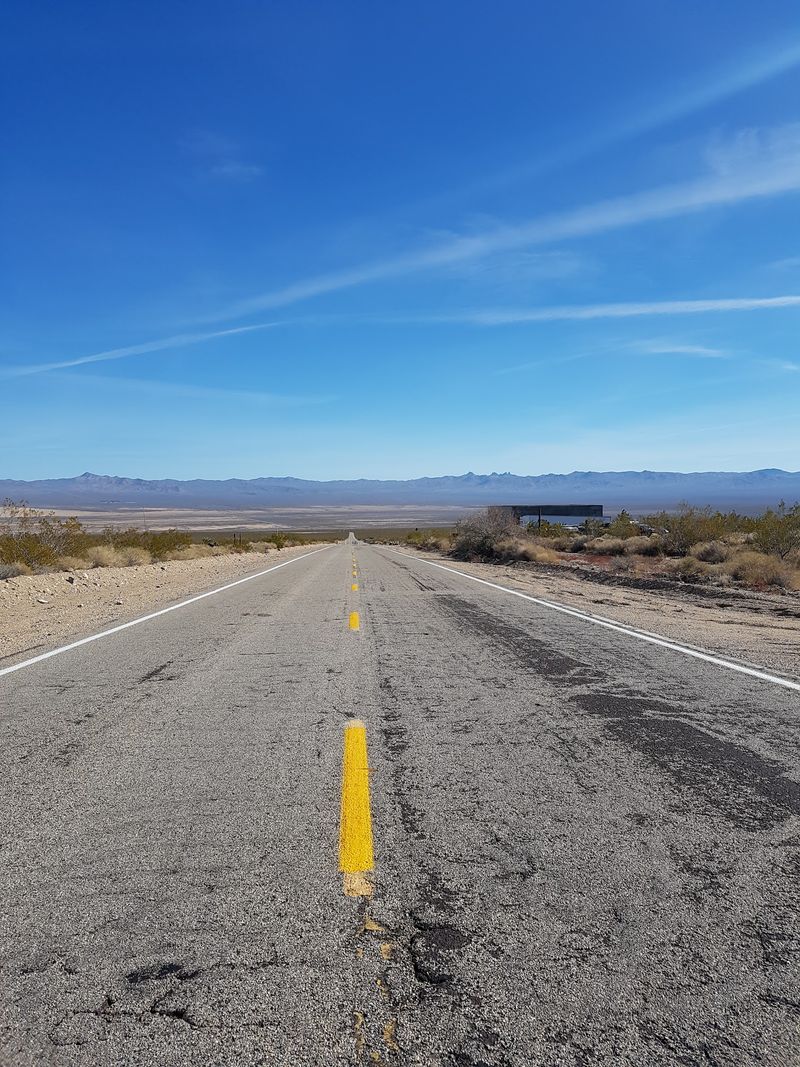
Classic Mojave Desert stretches in every direction along this route, and the scenery is more dramatic than most road-trippers expect. The stretch of southern Nevada between Laughlin and Searchlight runs through open desert that tells the story of the region’s mining history and raw natural character.
Laughlin sits along the Colorado River, offering boating access and a lively waterfront atmosphere. Searchlight, a small town with deep roots in Nevada’s silver and gold mining past, marks the inland end of this desert corridor.
The road between them cuts through some genuinely rugged terrain.
Rattlesnakes are well-established throughout this entire stretch. The Mojave rattlesnake and Western diamondback both inhabit this region, and the hot, dry conditions suit them perfectly.
Roadside stops and off-road exploration areas deserve extra caution, as snakes frequently cross roads during cooler morning and evening hours.
If you pull off to take photos or stretch your legs, scan the surrounding ground carefully before moving away from the vehicle. Rocky roadsides and brushy pullouts are prime rattlesnake territory in this part of southern Nevada.
Winter and early spring offer the most comfortable temperatures for exploring this stretch, though snakes can still be active on warm winter afternoons. Stay sharp and enjoy the wide-open views.
The Laughlin-Searchlight stretch is located in southern Nevada, in Clark County.