
This Mississippi Gulf Coast Reef Is Where Locals Gather Their Own Oysters At Low Tide And Take Home Dinner
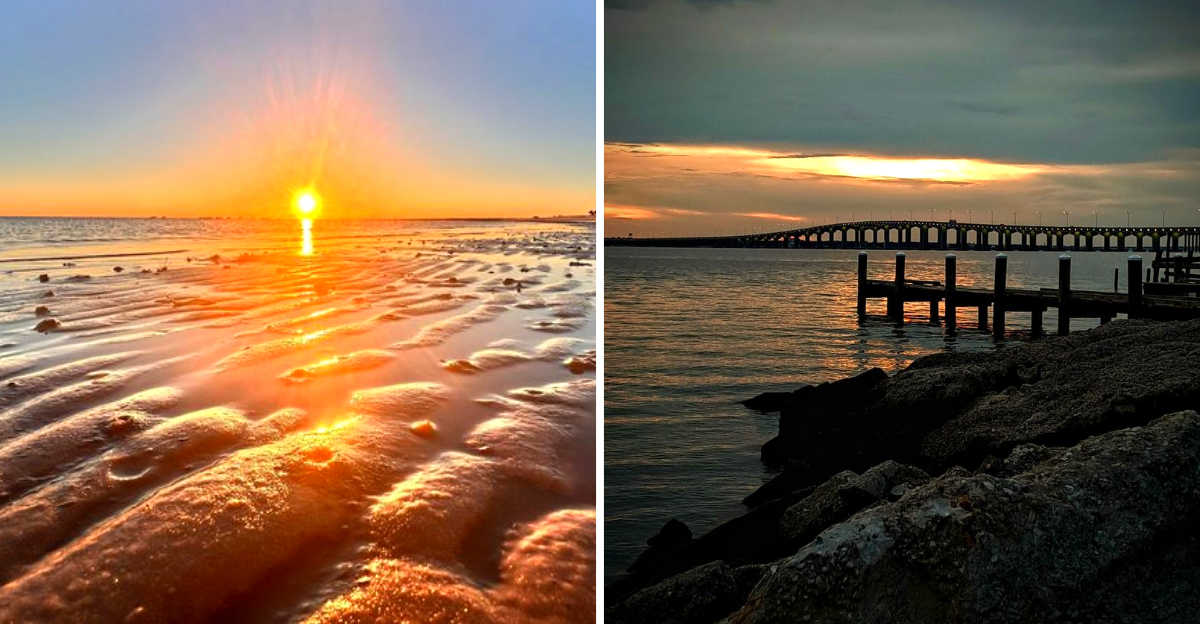
Most mornings, a quiet concrete ramp along the Mississippi Gulf Coast belongs to anglers and people hoping to spot dolphins. Then the cold months arrive, and the whole scene changes character entirely.
Families start showing up with long-handled tongs, motoring out to the state reefs to work the bottom the same way people around here have done for generations. A few hours later they come back in with sacks of oysters headed straight for somebody’s kitchen.
It’s harvesting in the most literal sense, no middleman, no market, just you and a set of tongs and whatever the tide decides to leave within reach.
There are real rules involved though, the kind written specifically to keep these reefs producing for the next generation, and knowing how the whole system works turns a cold morning on the water into something a lot more meaningful than dinner.
A Ramp That Opens The Door To Dinner
Few boat ramps carry a menu, yet this one practically does. The water beyond it holds state-owned oyster reefs, and during open season those reefs feed families up and down the coast.
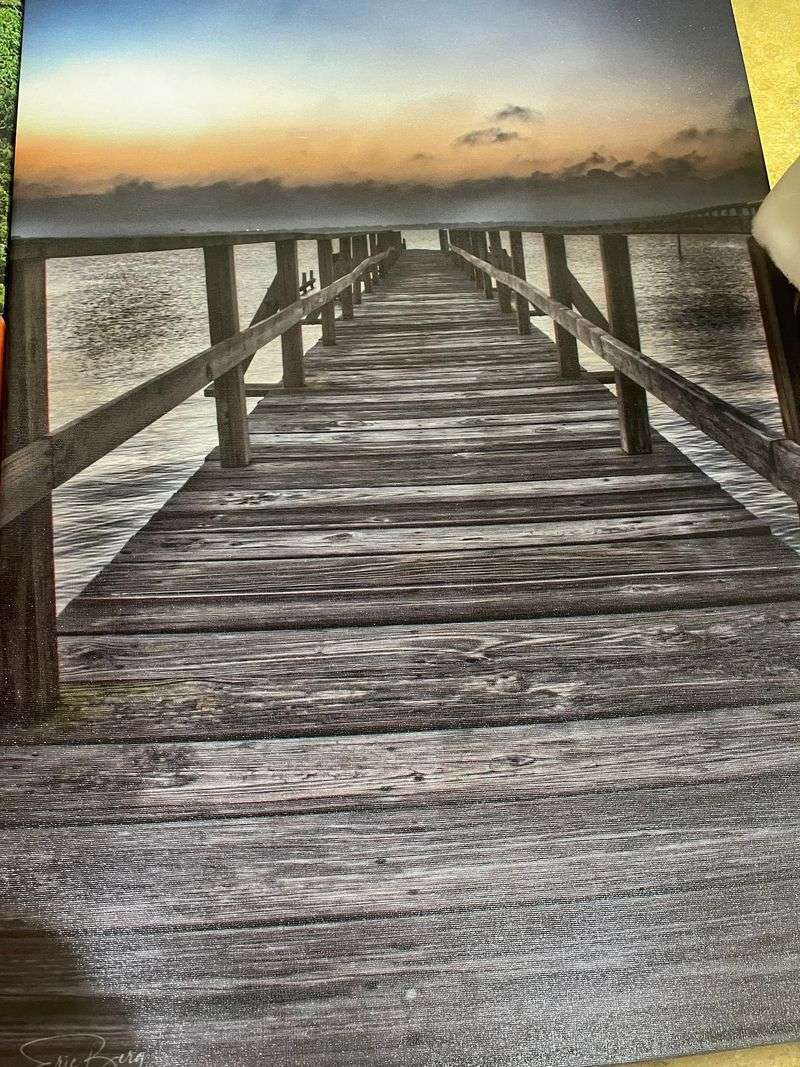
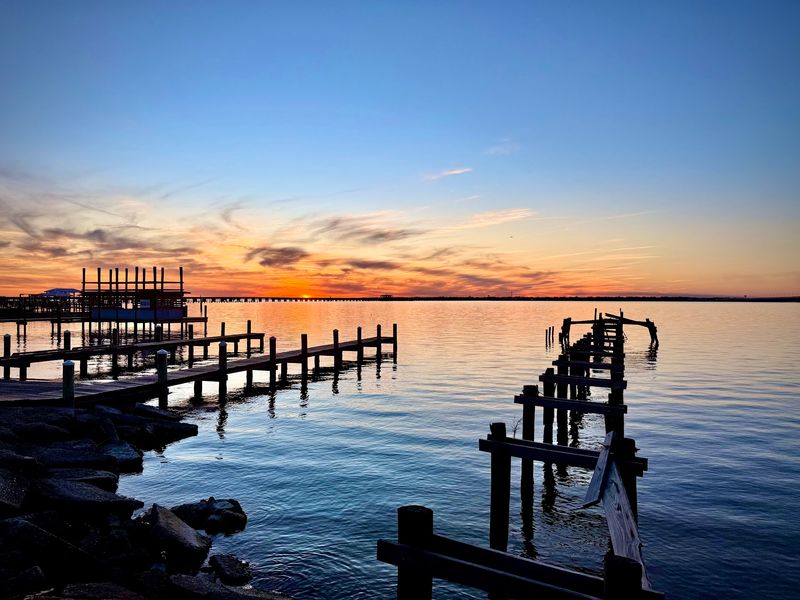
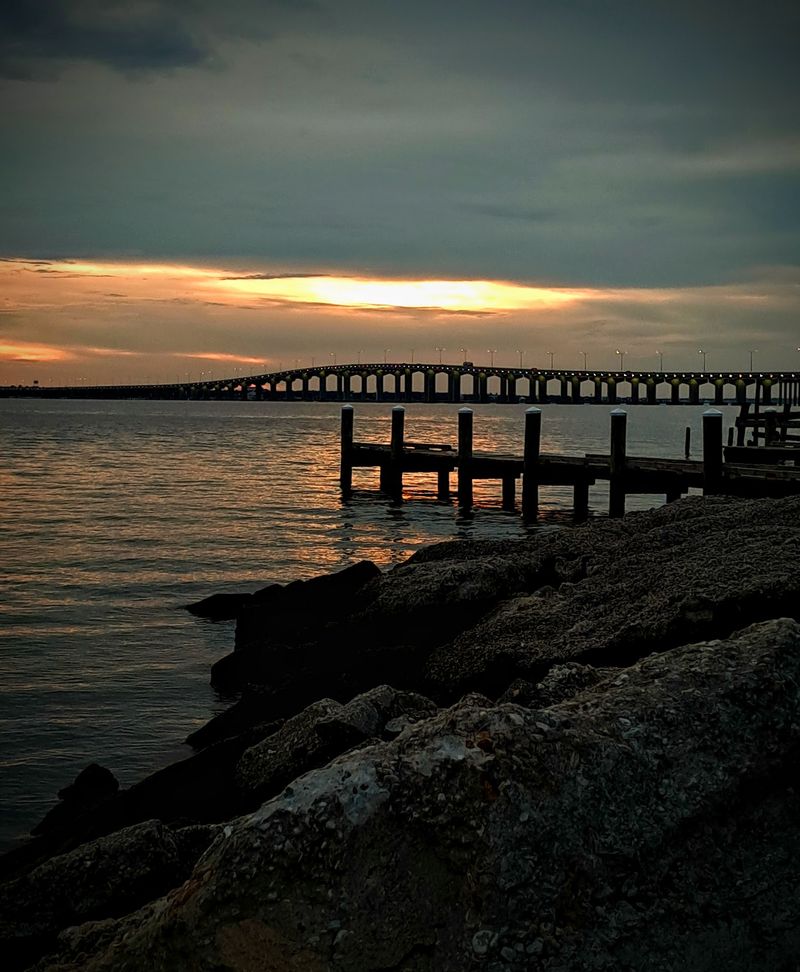
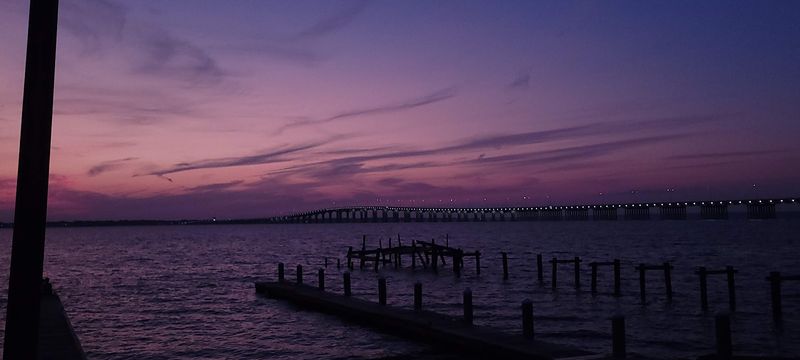
Bay St. Louis stretches out wide and shallow here, silver at daybreak and copper near sundown. Dolphins surface without warning.
Pelicans coast low, watching for mullet that never see them coming.
What sets the spot apart is purpose. Plenty of ramps exist for pleasure cruising, but harvesters treat this one as a workplace with a view.
Trailers back down before the sun clears the pines, and coolers ride out empty with real hope attached.
The ramp itself has a noticeably steep pitch, so seasoned boaters leave the bow hook fastened until the hull touches water. There is generous room to maneuver, and the crowd tends toward polite patience rather than horn blowing.
Access runs around the clock, which suits harvesters who chase early tides and photographers who chase late light. Either way, the payoff arrives quietly.
Come once for the scenery. Come again with a license and a plan, because the reefs reward the prepared.
Henderson Point, Where West Bayview Street Meets The Bay
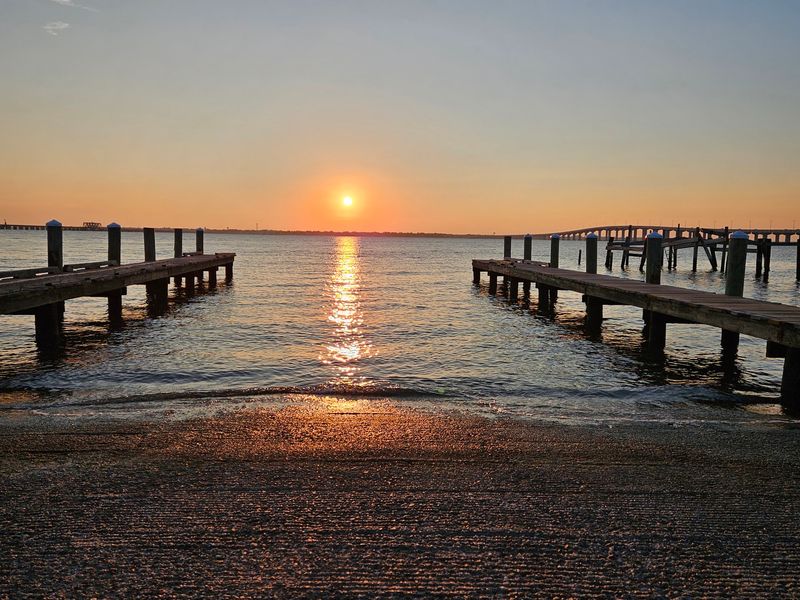
Locals call it Henderson Point, the westernmost sliver of Pass Christian before the bridge lifts traffic toward Bay St. Louis. The Public Boat Launch sits at 99 W Bayview St, Pass Christian, MS 39571, right where the neighborhood streets surrender to open water.
Getting there feels almost accidental. Residential lanes lined with stilted homes narrow down, then the bay appears all at once, broad and unhurried.
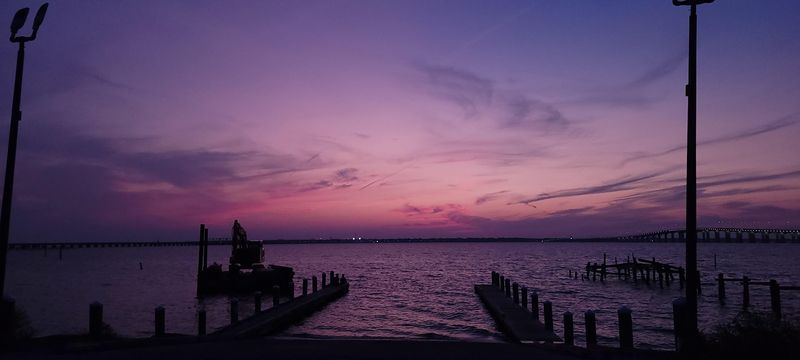
Parking accommodates trucks and trailers without much fuss, and the adjacent pier gives non-boaters a front row seat. Sunset here has earned a reputation, and the reputation holds up.
Because the launch stays open every hour of every day, timing becomes a personal choice rather than a logistical hurdle. Harvesters favor first light.
Casual visitors drift in during the golden stretch before dark.
The surrounding area carries a working waterfront rhythm. Shrimp boats pass in the distance, and the breeze usually smells faintly of salt and pine.
Treat the address as a starting line instead of a destination. The reefs are the point, and the ramp simply gets you there.
Cold Months Are Oyster Months
Oyster season on the Mississippi coast belongs to sweater weather. Harvest generally runs October through April, with the Mississippi Department of Marine Resources announcing exact opening and closing dates each year.
Cooler water keeps oysters firmer and safer to handle, which is the practical reason behind the calendar. Summer visitors will find the reefs closed, so plans should follow the season rather than the vacation schedule.
Mornings in December and January can bite. Wind crosses the bay unobstructed, and wet hands lose warmth quickly.
Layers, waterproof gloves, and a thermos earn their keep.
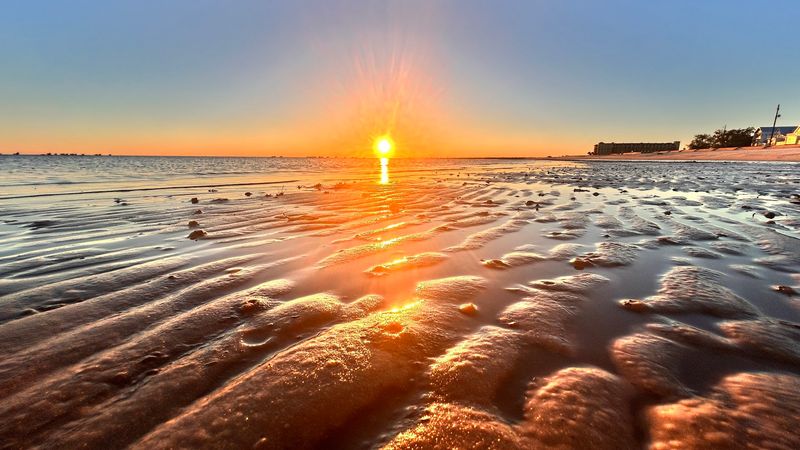
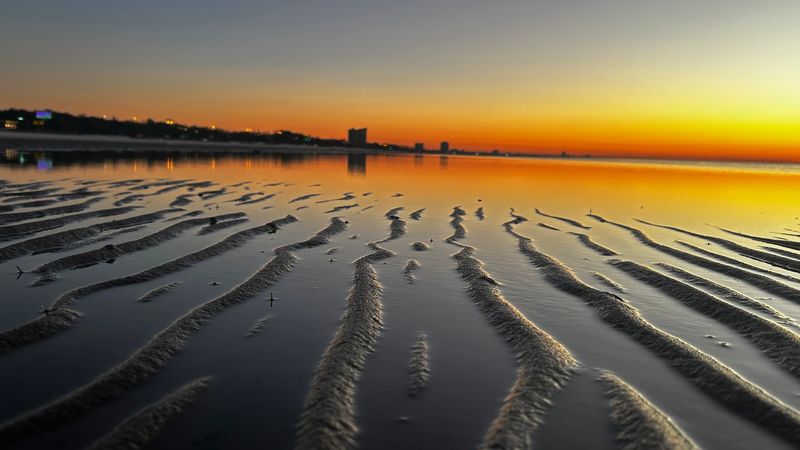
On the upside, winter light on Bay St. Louis is exceptional. The water turns pewter, the sky goes pale gold, and traffic on the ramp thins considerably.
Season length varies year to year based on oyster abundance and water quality. Some years open wide, others stay tight, and the state adjusts accordingly.
Anyone building a trip around harvesting should confirm dates before loading the truck. The reefs run on their own clock, and that clock is not negotiable.
License And Training Come First

Paperwork rarely sounds romantic, but here it is the gateway to the reef. Recreational harvesters need a valid Mississippi saltwater fishing license before anything else happens.
Beyond the license, the state requires a Harvester Education Training certification. Completing it earns you the ability to obtain a recreational harvest tally card, and the certification stays valid for five years.
The training covers safe handling, sizing, and the reasoning behind harvest rules. None of it takes long, and the knowledge genuinely improves your day on the water.
The tally card matters because it records what you take. Officials use those numbers to track pressure on individual reefs, which keeps the resource healthy for future seasons.
Skipping any step is not worth the risk. Enforcement takes oyster regulations seriously, and rightly so, since these reefs have already weathered decades of trouble.
Handle the credentials weeks ahead of your trip rather than the night before. Then the only thing left to think about is tide, weather, and how many sacks your back can honestly manage.
Three Sacks, Three Inches, Fifteen Cents
The numbers behind recreational harvesting are easy to memorize and worth respecting. Each licensed resident may take up to three sacks within a seven-day period.
Size rules are just as firm. Oysters must measure at least three inches from hinge to bill, and anything smaller goes back onto the reef where it can keep growing.
Carrying a simple measuring gauge saves guesswork. Eyeballing works for veterans, but a gauge removes doubt and speeds up sorting on a rocking deck.
There is also a shell retention fee of fifteen cents per sack, paid on the harvest day at check-in. The fee sounds tiny because it is, yet it funds shell recycling that rebuilds reef habitat.
Returning undersized oysters is not a formality. Those young shells anchor the next generation, and a reef stripped bare produces nothing the following year.
Think of the limits as portion control for an entire ecosystem. Three sacks still feed a serious gathering, and the reef gets to keep its future intact.
Tonging Is The Method Of Choice
Forget shovels and forget bare hands. Recreational harvesting here happens with tongs, a long-handled tool that works like two rakes hinged together.
The technique looks simple and feels anything but. You lower the tongs, feel for shell along the bottom, close the handles, and haul up a load of oysters, mud, and the occasional startled crab.
Arms learn fast. Shoulders learn faster.
Most first-timers discover muscles they had filed away as decorative.
Certain areas, including the Pass Christian Tonging Box, are designated for tonging only. That rule protects reef structure, since gentler methods leave the bottom intact.
Sorting happens right on deck. Keepers go into the sack, undersized oysters return to the water, and empty shell gets tossed back to help hold the reef together.
Borrowing tongs from a coastal supply shop is common for newcomers. Handles run long, so measure your boat before you commit to a set.
There is real satisfaction in the rhythm of it. Lower, grip, lift, sort, repeat, with the bay glittering all around you.
Loop Back To The Harbor Check Station
Launching at Henderson Point is only half the route. Every harvester must check in before working the reefs and check out afterward at the designated station.
For the Pass Christian area, that station sits at 104 South Market Street inside Pass Christian Harbor. The short drive between ramp and harbor becomes part of the routine.
Checking in logs your trip and lets you pay the shell retention fee. Checking out records your harvest on the tally card, which keeps state monitoring accurate.
Timing rules kick in immediately after check-out. Oysters need mechanical refrigeration within two hours, and they must reach fifty-five degrees or cooler within a set window that follows.
Plan your cooler situation before you leave home. Ice, drainage, and enough space for full sacks all matter more than people expect.
The check station staff know these reefs intimately. Ask questions, since a two-minute conversation often saves a wasted morning.
Building the harbor stop into your schedule removes stress entirely. Launch, harvest, log, chill, and then the cooking can begin.
A Reef Comeback Worth Rooting For
Bay St. Louis oysters have taken a beating over the decades. Hurricane Katrina, the BP oil spill, and the 2019 Bonnet Carré Spillway opening all hit these reefs hard, with freshwater floods dropping salinity to levels oysters cannot tolerate.
Recovery arrived in an unusual shape. The Nature Conservancy built the Tony Trapani Reef, roughly thirty-five to forty acres of new habitat in the bay south of the Wolf River and offshore of Pass Christian.
Construction wrapped up largely in the summer of 2024. Crews used 17,658 limestone pods along with recycled oyster shell to create vertical height and complicated nooks where young oysters can settle.
The reef honors the late chef and conservationist Tony Trapani, which feels fitting for a project built around food and water.
Harvesting is not allowed there. Closing the reef lets oysters mature undisturbed, filtering water and seeding surrounding areas over time.
Funding came from the National Fish and Wildlife Foundation’s Gulf Environmental Benefit Fund, the Mississippi Tidelands Fund, and the Mississippi Outdoor Stewardship Trust Fund.
Every sack harvested legally supports that same long recovery.
Call The Hotline Before You Hitch Up
Reef status changes quickly along this stretch of coast. Heavy rainfall, river conditions, or other water quality events can close areas with little warning.
The Mississippi Department of Marine Resources runs an Oyster Information Hotline that operates twenty-four hours a day. Reach it at 1-228-374-5167 or 1-800-385-5902 for current season status and open or closed reef areas.
A single phone call can spare you a long drive with a loaded trailer. Locals treat it as standard procedure rather than an extra step.
The department also maintains an interactive online map with real-time updates. Between the hotline and the map, guesswork becomes unnecessary.
Closures exist for good reason. Bacteria levels rise after heavy freshwater runoff, and the state closes reefs to keep harvested oysters safe to eat.
Checking twice makes sense on trips that follow storms. Conditions on Tuesday tell you very little about conditions on Saturday.
Save both numbers in your phone under something you will actually find later. Future you, standing in a dark driveway at five in the morning, will appreciate the foresight.