
This California Grocery Store Is So Popular That Locals Would Rather Keep It A Secret
California keeps one grocery stop that locals rarely mention out loud. A weathered wooden building gives away nothing about what waits past the door.
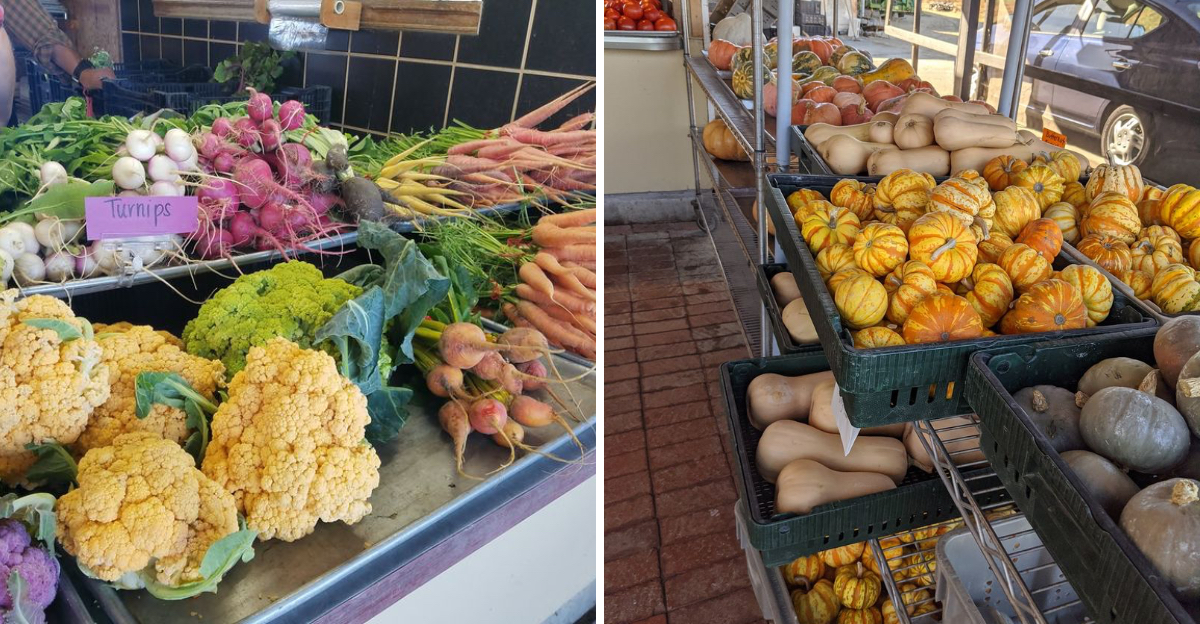
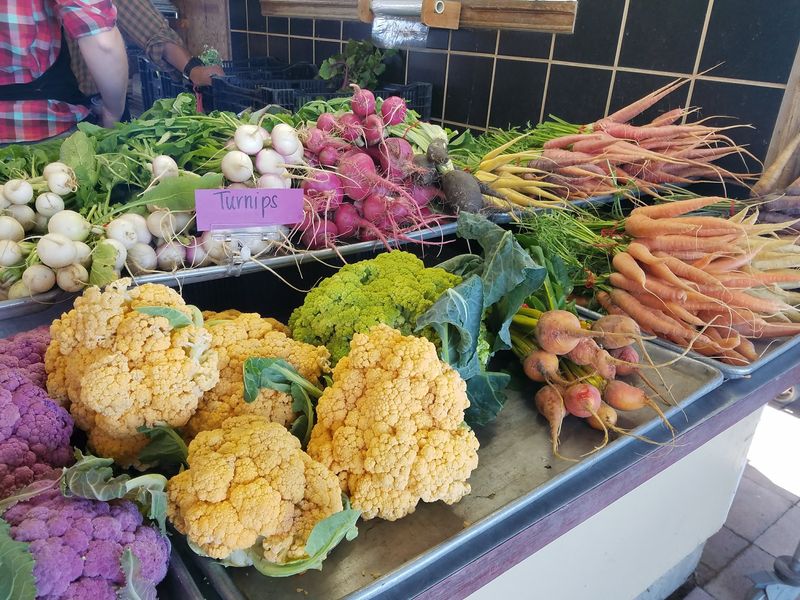
Step through and color takes over completely, crate after crate of produce most shoppers have never seen in a store. Purple broccoli sits beside rainbow chard, and the scent hits before your eyes even adjust.
What kind of shop makes famous chefs wait in the same line as everyone else?
California rewards the early risers here. Doors open before most people finish coffee, and the best produce disappears fast.
Bring cash, bring curiosity, and expect vegetables you cannot even name yet. Some mornings turn into the best stop of the whole trip.
Roots Planted In The 1920s
Hardship built this farm long before flavor made it famous. Junzo Chino arrived in California from Japan during the 1920s, chasing a farming dream with his wife, Hatsuyo.
World War II shattered that plan. The family faced internment and lost what they had spent years building.
Returning home meant facing a cold social climate and open discrimination. They kept working anyway.
Eventually they purchased acreage in San Diego County and started again from bare ground. They named the operation Chino Nojo, which simply means Chino Farm in Japanese.
Nine children grew up in those fields, learning soil by hand rather than by textbook. Several siblings still run the place today.
The retail side, The Vegetable Shop at Chino Farm, sits at 6123 Calzada Del Bosque, Rancho Santa Fe, CA 92091. The address feels ordinary until you understand what happened to reach it.
Every basket of produce carries that backstory quietly. Nobody at the counter will bring it up unless you ask.
A Wooden Shack Hiding A Rainbow
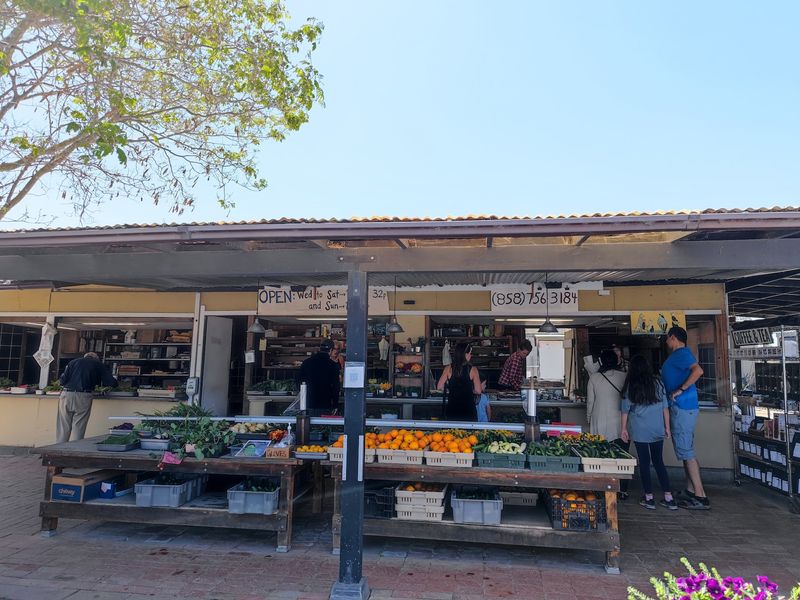
Drive past too fast and you will miss it entirely. The building looks weathered, plain, almost forgettable from the road.
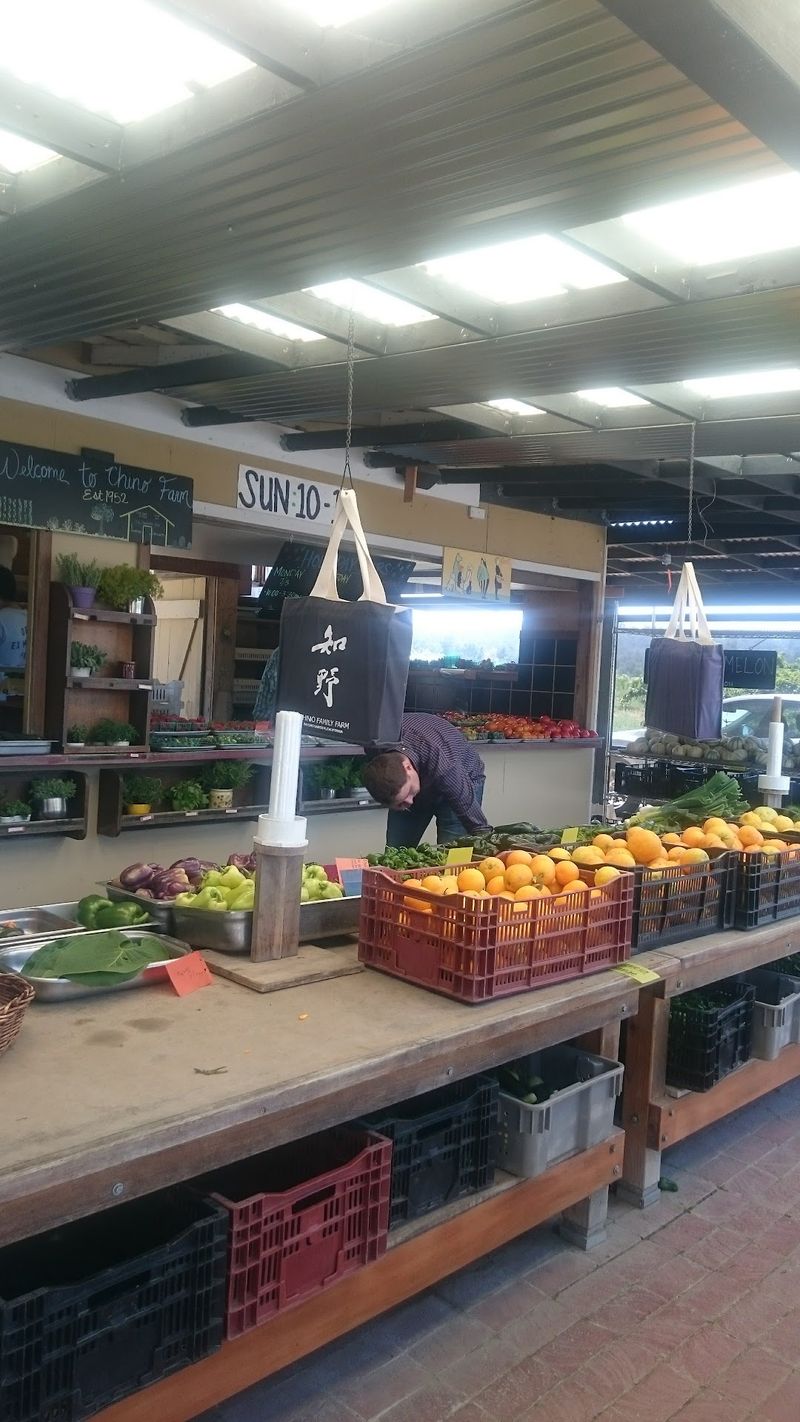
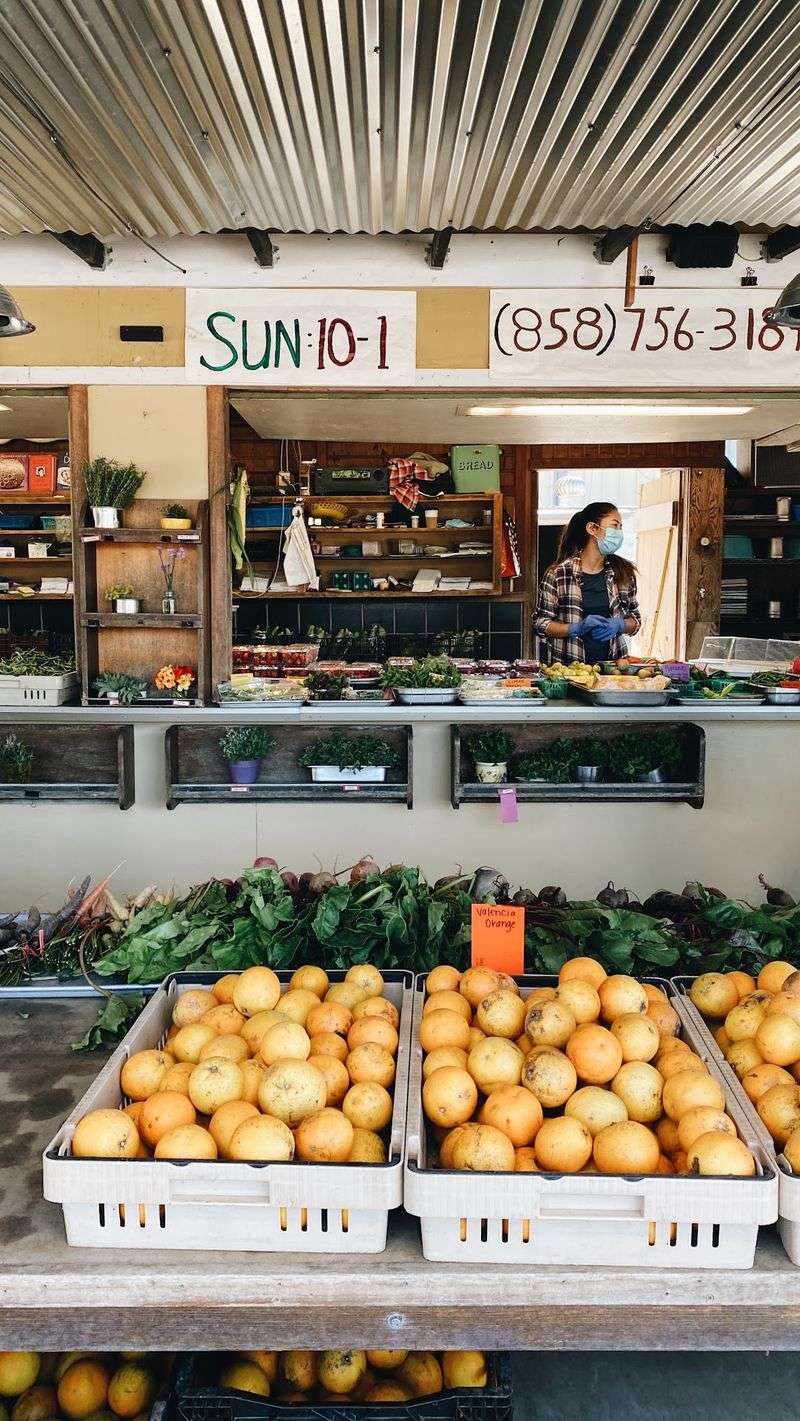
Then the doorway opens onto color. Tables and crates pile up with produce arranged like a display case at a museum.
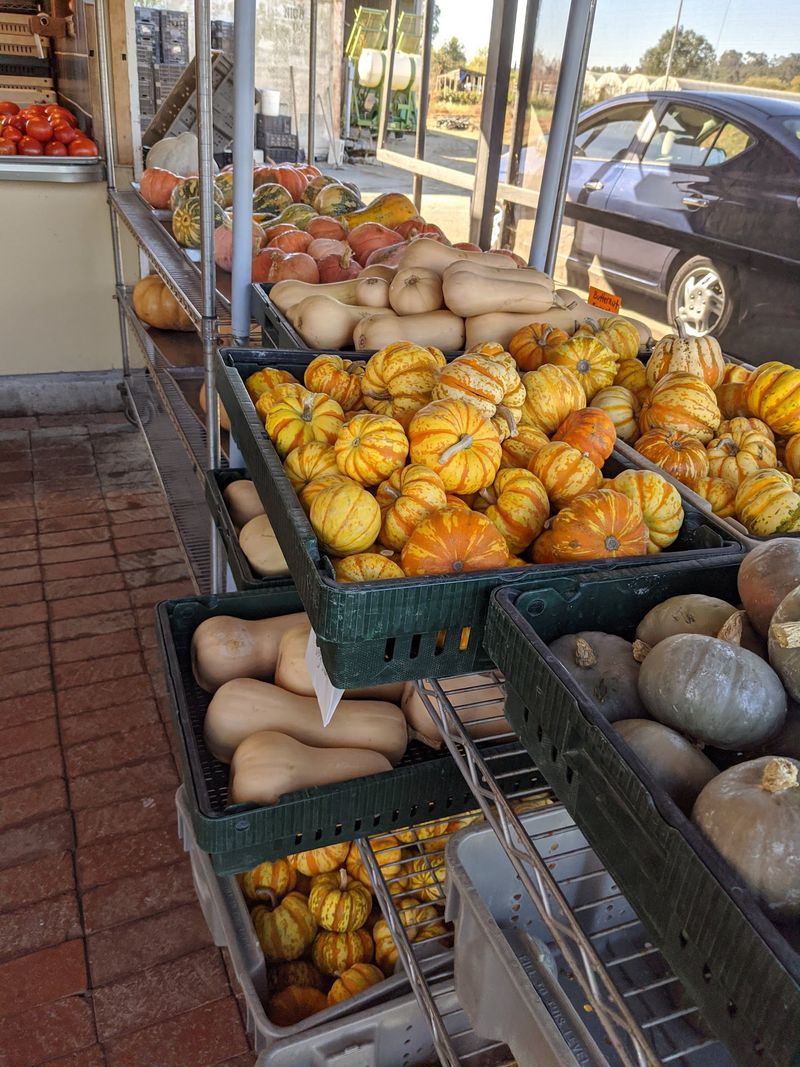
Purple broccoli sits beside rainbow chard. Tomatoes come in shades most shoppers have never seen in a supermarket bin.
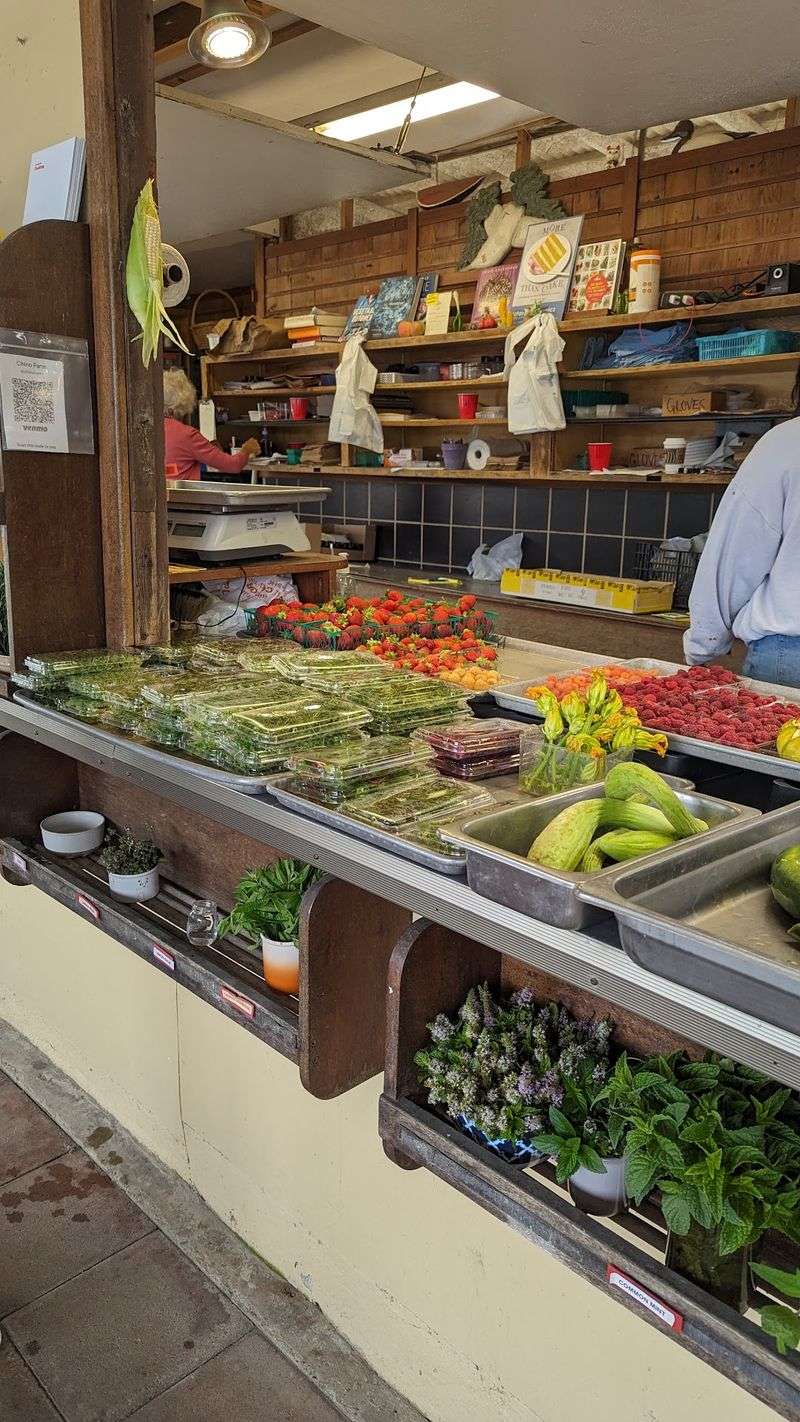
The scent hits before the eyes adjust. Warm strawberries, cut herbs, and fresh greens fill the small space.
Staff arrange everything with real care, stacking and rotating throughout the day. Nothing looks tossed into place.
Flower boxes brighten the front, a small detail regulars mention often. It softens the rough exterior in a charming way.
Displays shift constantly because the harvest dictates the inventory. A visit in April looks nothing like a visit in September.
That unpredictability keeps people coming back. Half the fun is discovering what showed up that morning.
Strawberries Worth The Drive
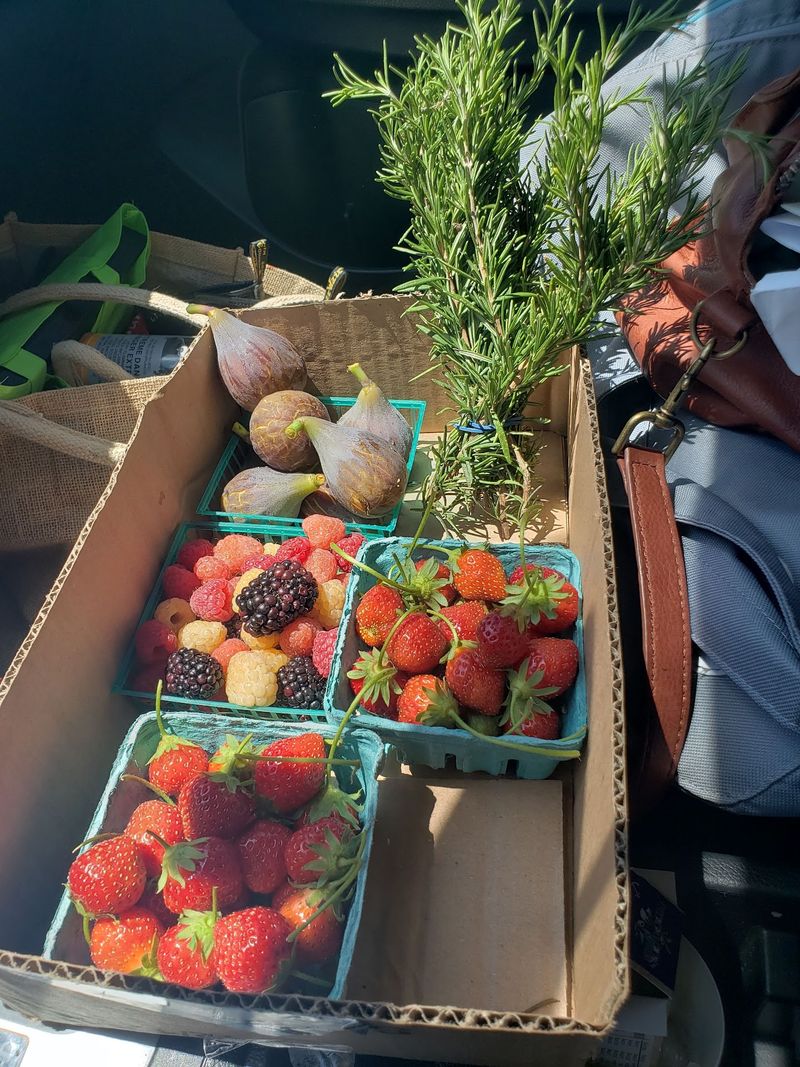
Fourteen mentions of strawberries in customer reviews says plenty. These berries built a reputation that travels farther than the fruit ever does.
Varieties like Albion and Mara des Bois appear through the season. Each carries its own sweetness and perfume.
They tend to be smaller than typical grocery berries. Flavor concentrates instead of spreading thin across water weight.
Shoppers have driven in from other states specifically for them. One reviewer made the trip down from Oregon.
Figs draw similar devotion during their short window. Raspberries and blueberries appear too when timing cooperates.
Availability changes constantly, so nothing is guaranteed on any given day. Calling ahead helps, though inventory can shift by the hour.
Prices sit higher than a chain store, and reviews reflect that honestly. The trade is flavor over volume.
Anyone who has tasted one usually stops arguing about the receipt.
Corn That Announces Summer
Ask a longtime local when summer starts. Many will answer with corn rather than a calendar date.
Some regulars nicknamed the place The Corn Place decades ago. That tells you how seriously people take it.
Sweet corn arrives in warm months and disappears fast. Early arrivals get the best pick.
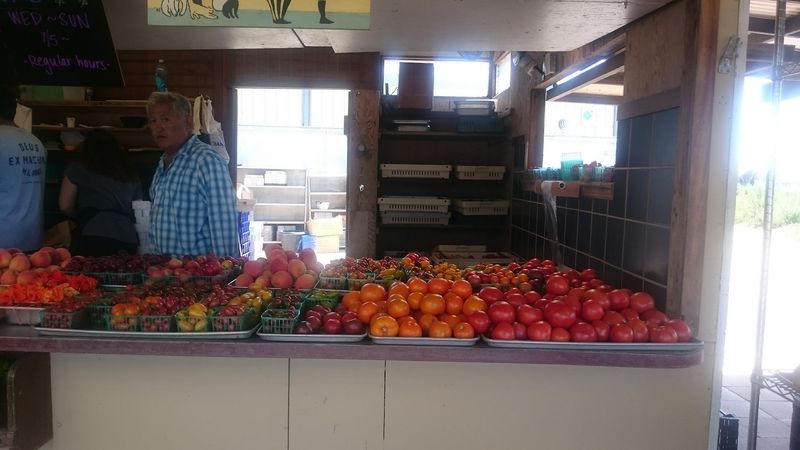
Tomatoes share the spotlight during the same stretch. Heirloom types show up in odd shapes and unusual colors.
Those tomatoes taste layered rather than flat. Slicing one open often ends any plan for a complicated recipe.
Both crops get picked the same day they are sold. That short window explains the texture difference immediately.
Menus at nearby restaurants often note the source by name. Chefs rarely credit a supplier unless it matters.
Summer visits reward anyone willing to show up early with cash. Waiting until afternoon usually means empty crates and a polite shrug.
Vegetables You Cannot Name Yet
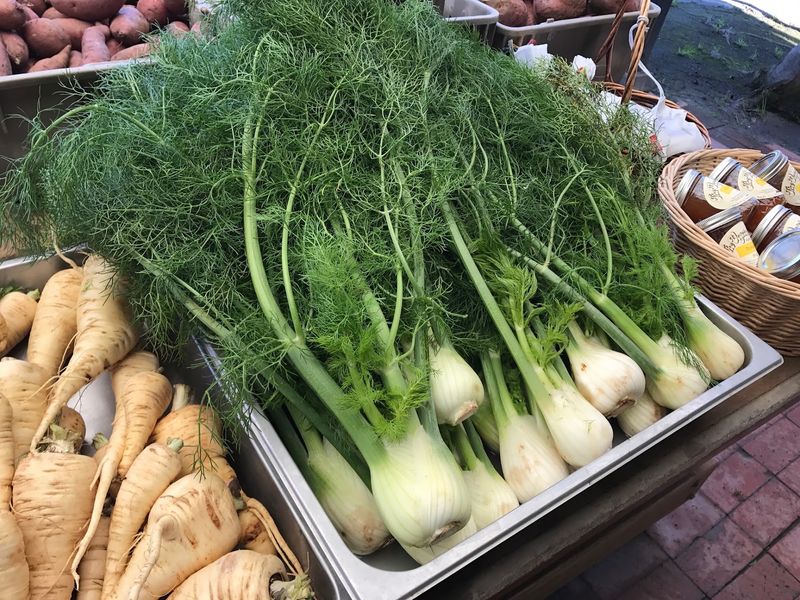
Salsify. Sorrel.
Strawberry figs. Half the labels here read like a botany quiz.
The farm grows hundreds of fruit and vegetable varieties across a single year. Many rarely reach ordinary shelves.
Broccoli shows up in purple peacock and sprouting forms. Cauliflower rotates through white, green, purple, and spiky Romanesco.
Root crops get equally interesting. Red carrots and watermelon radishes turn a simple salad into something worth photographing.
Kabocha squash arrives in several types, including Winter Sweet and Sunshine. Each cooks up with a different texture.
Herbs and specialty greens fill in the gaps. Candy lime mint and microgreens have their own quiet fan club.
Staff will explain how to cook anything unfamiliar. They also hand out samples when something is peaking.
Curiosity pays off here more than a shopping list does. The smartest approach is asking what tastes best right now.
Why Famous Chefs Keep Showing Up
A tiny stand in a wealthy suburb should not shape American cooking. Yet it did.
Alice Waters of Chez Panisse discovered the farm decades ago. She later called it the most important farm in the country.
Wolfgang Puck made the trip too. Word spread through kitchens in the late 1970s and never really stopped.
Inside hangs an informal wall of tributes. Handwritten notes from admiring chefs and cooks hang among them, collected naturally over the years.
Those notes are not marketing. They accumulated naturally over years of visits.
Restaurants around Rancho Santa Fe and Del Mar list the farm on menus by name. That credit signals quality to anyone paying attention.
Chefs still wait in the same line as everyone else. No back door, no priority orders, no special handling.
That flat playing field surprises first-time visitors most. It also explains why regulars feel protective of the place.
Cash, Checks, And No Card Reader
Forget the tap-to-pay habit. Plastic does not work here.
Cash rules, with checks and Venmo also accepted according to shoppers. First-timers frequently learn this at the counter.
One visitor arrived on an e-bike with only a credit card. Staff let them take the produce and return the next day with cash.
Prices are not always posted on the displays. Several reviews mention that openly.
Expect higher totals than a chain grocery. Small-scale farming and same-day harvesting cost more to produce.
Bringing a tote bag and small bills speeds everything up. The line moves quicker when nobody fumbles.
Coffee and tea have appeared for sale in recent years, and reviewers rave about it. One called it reason enough to stop.
Paperwork here stays handwritten, including daily pick lists. Old habits run the whole operation, and that is entirely the point.
The Morning Rush Is Real
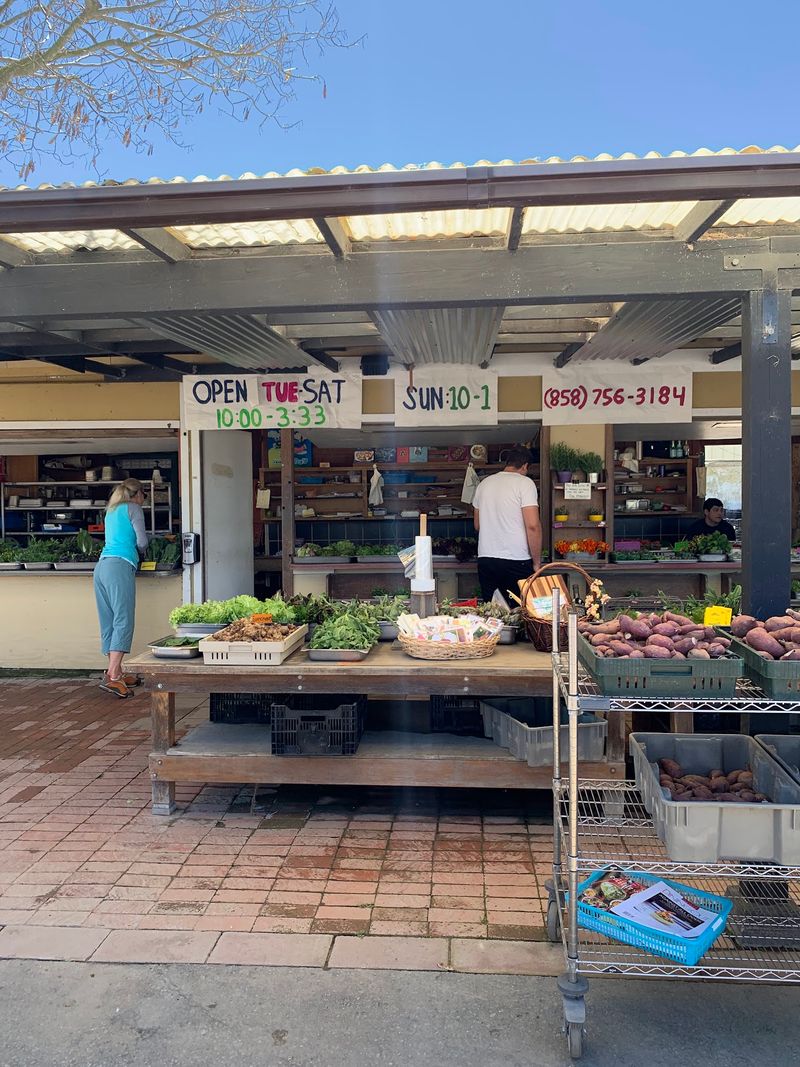
Doors open at ten, and people gather before that. The crowd builds quickly on weekend mornings.
Popular items sell out by early afternoon. Longtime shoppers have known this for years.
Everything runs first come, first served. No holds, no reserves, no exceptions.
The shop closes Monday and Tuesday, and Sunday hours run shorter. Checking current hours before driving over saves frustration.
Arriving late sometimes means a rushed experience. A couple of reviews mention feeling hurried near closing.
Show up in the first hour instead. Staff have more time to talk, and the tables look their fullest.
Conversation flows easily in that early window. Strangers compare baskets and swap cooking ideas without prompting.
The whole scene feels closer to a neighborhood gathering than a checkout lane. Come early, and the visit lasts longer than the shopping.
Farmland Surrounded By Estates
Picture working farmland wedged among some of San Diego County’s priciest properties. That contrast defines this spot.
Rancho Santa Fe sits north of downtown San Diego, with rolling terrain and large residential lots. The community began as a Spanish pueblo, later a Mexican rancho, then a planned town in the 1920s.
That original plan emphasized agriculture and rural character. A protective covenant still guards the look of the area.
The ocean lies roughly four miles away. Coastal air moderates temperatures and stretches the growing season.
San Diego County holds more farms than any other county in the United States. Small specialty growers thrive in this climate.
The family could have sold this valuable land long ago. They chose to keep farming it.
Nearby San Dieguito County Park makes an easy picnic stop afterward. Solana Beach sits about twenty minutes out.
Few places in California pair luxury zip codes with vegetable rows this convincingly.
Keeping A Small Farm Alive
Running a small farm in California in this era takes stubbornness. Costs climb every year.
Water expenses hit especially hard. Supplemental water reportedly comes at residential rates, and salt intrusion near the coast complicates quality.
Restaurant buying habits have shifted too. Large distributors offer convenience that specialty growers cannot match on price.
The family has publicly raised questions about continuing past their eighth decade. That news rattled loyal customers and chefs alike.
They still refuse shipping and distributors. Produce leaves only through the stand itself.
No advertising budget exists. Reputation spreads by word of mouth, which regulars have happily controlled for years.
Support here looks simple. Show up, bring cash, buy the odd vegetable you cannot pronounce.
Places like this survive on customers who value taste over convenience. Anyone who has tasted the corn already understands the assignment.