
9 Affordable Mississippi Lake Towns Where Retirees Can Still Live Well Off Social Security In 2026
Most towns have become too expensive for the people who built modern America. But places still exist where a comfortable retirement remains possible.
Discover Mississippi lake towns that still let retirees live well on Social Security alone. Housing costs stay reasonable here compared to retirement destinations in pricier states nearby.
Social Security often covers essentials without the constant budgeting bigger cities tend to require. Local shops and healthcare facilities sit within easy reach of most homes in these towns.
Quiet lake living replaces the noise and pace many retirees actively try to leave behind. Communities here tend to welcome retirees warmly, offering activities and social opportunities suited to a slower pace.
Nothing about these towns feels like a compromise despite the lower cost of living.
1. Grenada
Crappie fishing built this town’s reputation, and nobody in Grenada seems eager to change the subject. Anglers drive in from several states to work the waters of a 36,000-acre reservoir formed where the Yalobusha and Skuna Rivers meet.
Six beaches line the lake, so swimming and sailing get equal billing with fishing. Bald eagles show up overhead often enough that regulars keep an eye on the treeline.
Hugh White State Park handles the land-based crowd with hiking trails and a golf course that looks out over the water.
The Grenada Lake Visitor Center explains the region’s natural history, and its overlook gives one of the best panoramic views in north-central Mississippi.
Rolling hills thick with pine and hardwood surround everything, forming a scenic gateway toward the Mississippi Delta. Downtown adds a different flavor entirely, with historic architecture and painted storefronts that reward a slow walk.
Here is a fun bit of origin trivia. The town came together in 1836 when two rival settlements, Pittsburg and Tullahoma, finally decided to merge instead of squabble.
Every year the Thunder on Water festival fills the shoreline with noise and crowds, a nice contrast to the usual quiet mornings. For retirees, the appeal is simple math.
Low housing costs, a lake big enough to never learn completely, and a downtown small enough that the pharmacist remembers your name.
2. Batesville
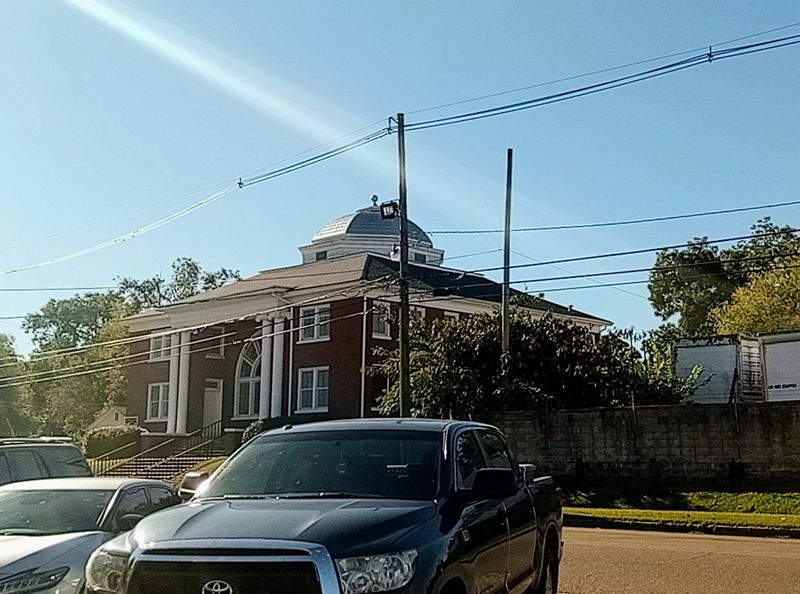
Two enormous lakes sit within a short drive of the same small town, which feels almost unfair to the rest of Mississippi. Batesville has Enid Lake to the southeast and Sardis Lake to the northeast, both managed by the Corps of Engineers.
Enid covers roughly 44,000 acres and holds a wild claim to fame. Record-setting crappie and short-nose gar have come out of those waters, and the North Mississippi Fish Hatchery Visitor Education Center explains how the fish get their start.
Sardis Lake counters with nearly 100,000 acres of water and land, a full-service marina, and the 18-hole Mallard Pointe golf course. Trails for hiking and biking run through the woods around both shorelines.
The historic Square downtown keeps the town’s older story visible, anchored by the Panola County Courthouse and a row of well-preserved buildings.
Batesville’s roots reach back to the 1850s, layered with Native American heritage and Civil War chapters.
Local legend adds a strange wrinkle. Whippoorwill Lake supposedly holds healing properties, and moonlit nights are said to fill the air with a song nobody can quite trace.
Growth has come to the area, yet the pace has stayed unhurried, and the neighbors have stayed friendly. Retirees get grocery stores, medical access, and sandy beaches within twenty minutes of the front porch.
3. Sardis
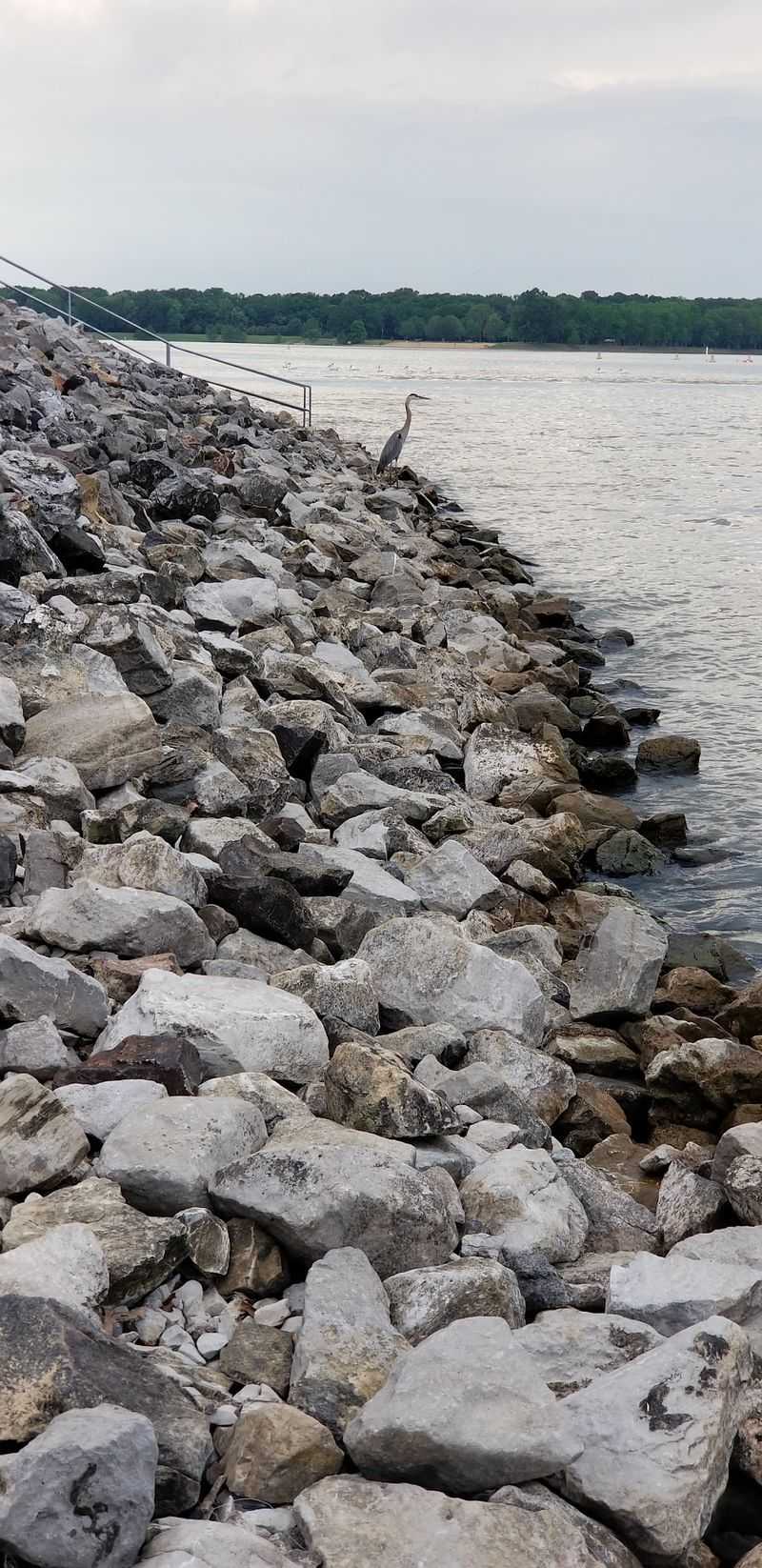
The name comes straight from Choctaw words meaning Rock of Waters, and once you see the dam, it makes sense. Sardis sits beside a 98,000-acre reservoir held back by an earthen wall on the Little Tallahatchie River.
When that dam was completed in 1940, it was the largest earth-filled dam in the world. Engineering buffs still make the trip just to stand on top of it.
Fishing runs the show around here, with crappie and bass drawing steady traffic to boat ramps year-round. Water skiing, boating, and swimming at the sandy beaches fill out the warmer months.
John W. Kyle State Park perches right on the shoreline with a golf course, a recreation hall, and cabins for visiting family.
Hiking trails cut through dense forest and open onto views of the dam and the shimmering water beyond.
Geography here is more interesting than people expect. Hardwood river bottoms give way to rolling hills, creating a mix of habitats within a few miles of each other.
Social groups and community activities keep newcomers from feeling like outsiders for long. The wider region carries the nickname The Most Southern Place on Earth, a nod to how deep the cultural roots go.
For a retiree who wants water access without traffic, this corner of northwest Mississippi delivers with very little fuss.
4. Corinth
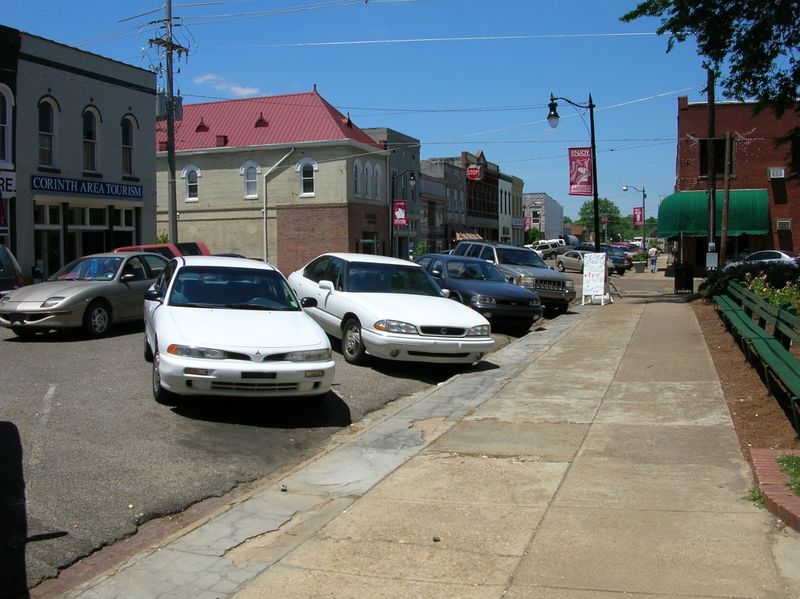
Railroads made this town famous and nearly destroyed it. During the Civil War, Corinth earned the nickname Crossroads of the Confederacy because whoever controlled the junction controlled the region.
Downtown today looks nothing like a battlefield. Brick-paved sidewalks, restored storefronts, and neatly trimmed topiary trees show a community that clearly takes pride in its appearance.
Water is close by too. Pickwick Lake spreads across about 41,000 acres a short drive northeast, offering boating, fishing, kayaking, and sandy beaches for swimming.
Hidden coves along the shoreline reward anyone with a small boat and free time. Trails inside Pickwick Landing State Park handle the walking crowd without demanding much effort.
For something wilder, the Cypress Creek Wildlife Refuge covers 25,000 acres of wetlands where deer and turtles outnumber people by a comical margin. Birdwatchers tend to lose track of the afternoon out there.
History fans have an ace in the hole nearby. Shiloh National Military Park, site of one of the war’s bloodiest battles, sits a short drive away and takes a full day to absorb properly.
What makes Corinth work for retirees is balance. Northeastern Mississippi keeps costs low, the downtown stays walkable, and there is enough history and lake access to fill a calendar without ever leaving the county.
5. Kosciusko
First things first, the name honors Tadeusz Kosciuszko, a Polish military hero who fought in the American Revolution. Locals pronounce it their own way and enjoy watching visitors attempt it.
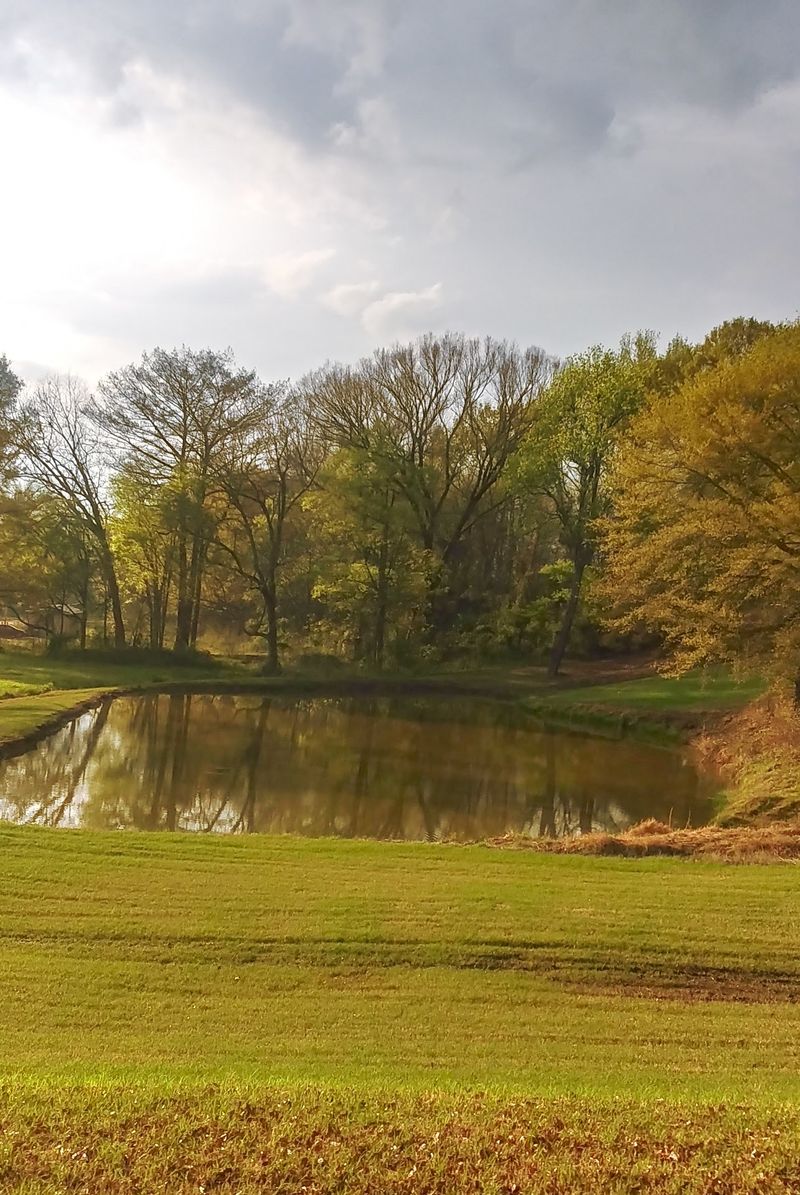
Green hills wrap around the town, dotted with wildflowers and wooded stretches that stay pleasant most of the year. The Natchez Trace Parkway runs nearby, giving residents scenic drives and miles of walking and cycling paths.
That corridor is older than the country. The Old Natchez Trace carried American Indians and early settlers along the same route that still passes through town.
Several local lakes handle the fishing and boating side of life, hosting tournaments and family events once the weather warms. Nothing about it feels crowded.
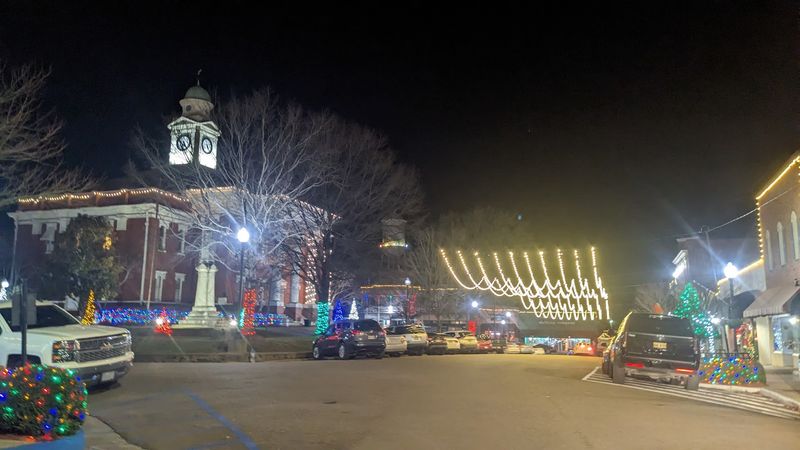
Back on the historic square, the Attala County Courthouse has stood well over a century and still anchors downtown. Antique shops and small boutiques fill the surrounding buildings, most of which have stories older than their inventory.
Before it had its current name, the settlement went by Redbud Springs and buzzed along as a frontier trading post known as The Beehive of the Hills. It is also the birthplace of one of the most influential media figures in America.
Every April the Natchez Trace Festival takes over the streets. Between low costs and easy neighbors, retirement here moves at a comfortable speed.
6. Louisville
Lake of the Pines is what the Choctaw name Tiak-O’Khata means, and the description holds up perfectly. This man-made lake sits at the center of life in Louisville, ringed by tall timber and sheltered from wind.
Calm water makes it forgiving for beginners, whether the plan involves a kayak, a canoe, or a stand-up paddleboard. Kayak fishing has a loyal following here.
A white sandy beach comes with spiral water slides and smaller slides for grandkids, which turns summer visits into a guaranteed win. Tennis, basketball, and volleyball courts sit nearby, plus a nature trail circling the shoreline.
Legion State Park adds history to the mix. Built by the Civilian Conservation Corps in the 1930s, it spreads over 420 wooded acres with two small lakes, including Lake Toppasha.
The park’s rustic buildings survive in excellent shape, especially the lodge with its big stone fireplace. It joined the National Register of Historic Places in 1998.
Then there is the Sam D. Hamilton Noxubee National Wildlife Refuge, 48,000 acres of bottomland and upland forest a short drive out.
Migratory birds, red-cockaded woodpeckers, alligators, and bald eagles all use it, and five trails plus two boardwalks let you look for them.
Winston County stays affordable, crime stays low, and the community welcomes festivals and art shows with real enthusiasm.
7. Canton
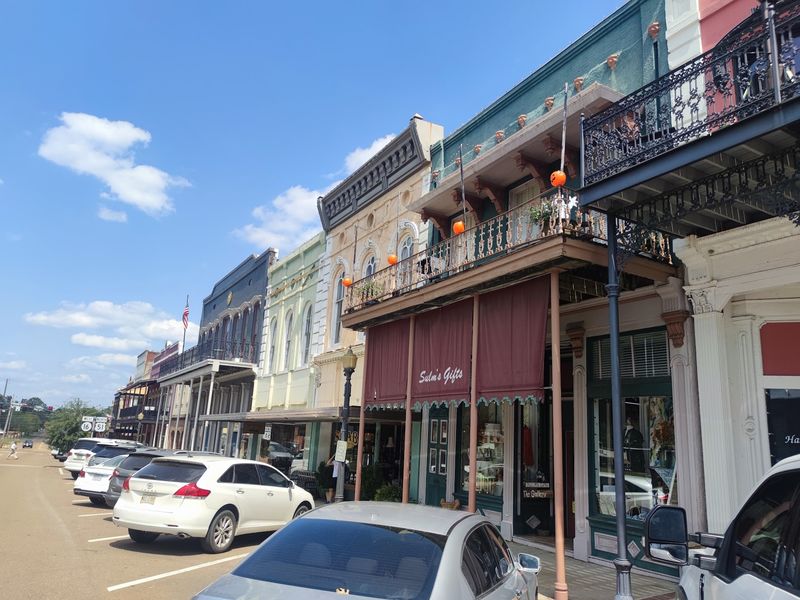
Flea markets put Canton on the map long before anyone called it a retirement destination. Downtown fills with vendors, boutiques, and a growing arts scene that keeps the square busy.
Geography helps. The town sits between the Pearl and Big Black Rivers in Madison County, on fertile land with easy access to central Mississippi’s biggest playground.
Ross Barnett Reservoir covers about 33,000 acres of water plus surrounding parkland, and it is only a short drive away. Boating, crappie and bass fishing, swimming, and picnics all happen there on the same afternoon.
Skiing, jet skiing, kayaking, and paddleboarding fill out the busier weekends. Miles of trails handle hikers and cyclists who prefer solid ground.
Lakeshore Park and Pelahatchie Shore offer green space to spread out, and the latter even has a disc golf course. Frisbees in the trees are a known hazard.
For quieter days, the Cypress Swamp along the Natchez Trace Parkway near town is hard to beat. Boardwalks cross still black water where turtles and herons do most of the moving.
Canton’s cultural roots run deep, with African-American contributions to jazz still alive in the community today. March through May brings the best weather of the year, which makes outdoor plans nearly foolproof.
Low housing costs seal the deal for anyone counting on a fixed monthly income.
8. Enterprise
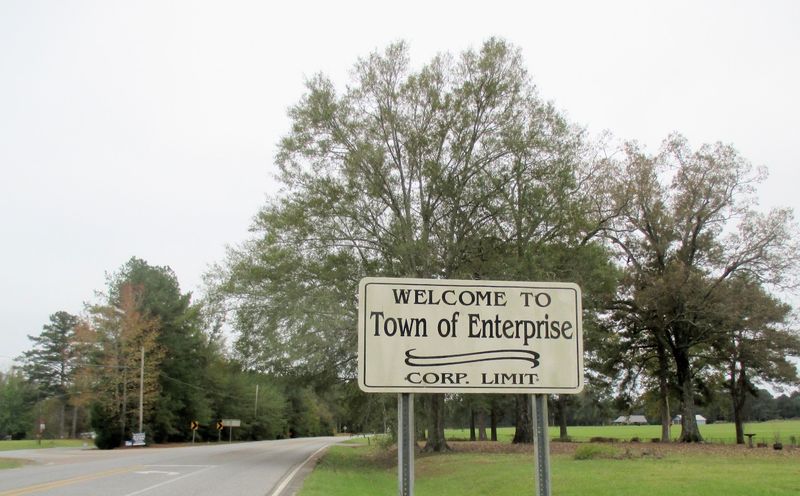
A 65-foot waterfall in Clarke County catches most people off guard. Dunn’s Falls Water Park centers on that drop and on a historic water wheel built in the mid-1850s by an Irish immigrant named John Dunn.
Swimming, canoeing, and paddle boating happen in clear river water below the falls. The mill pond holds catfish, bass, and bream for anyone who brings a rod.
Trails wander off through the woods where wild turkey, deer, and very bold squirrels make regular appearances. Massive trees keep the whole area shaded, which matters in July.
Enterprise itself sits where the Chunky River and Okatibbee Creek join to form the Chickasawhay River. Two waterways meeting in one small town is a good setup for anyone who likes a boat.
Clarkco State Park lies a short drive away, covering 815 wooded acres around the 65-acre Clarkco Lake. Fishing, boating, swimming, disc golf, tennis courts, nature trails, and shaded picnic spots all fit inside the fence.
The town was founded in 1834 by John J. McRae, who later served as governor of Mississippi.
Early residents picked the name to advertise their hardworking spirit, which is a bold branding move for 1834.
During the Civil War, it even served briefly as the state capital. The East Enterprise Historic District still holds architecturally notable homes tied to that era.
9. Luka
Mississippi’s highest point is not where most people would guess. Woodall Mountain rises near Iuka in the far northeastern corner of the state, a place of rolling hills, hardwood forests, and noticeably cooler air.
The Tennessee River and Pickwick Lake border the town, and that lake is a monster. Roughly 47,500 acres stretch across three states, drawing smallmouth bass and crappie anglers all season.
Boating, water skiing, swimming, kayaking, and paddleboarding all fit easily on water that size. Yellow Creek Cove even hides a small waterfall worth the paddle.
J.P. Coleman State Park sits just north on wooded bluffs above the lake, with overlooks that make the drive worthwhile.
Cabins, motel rooms, RV and tent sites, a swimming pool, a marina, and miniature golf cover almost every mood.
Nature trails inside the park wind through hardwoods where deer and wild turkey turn up regularly. Quiet mornings out there are the main draw.
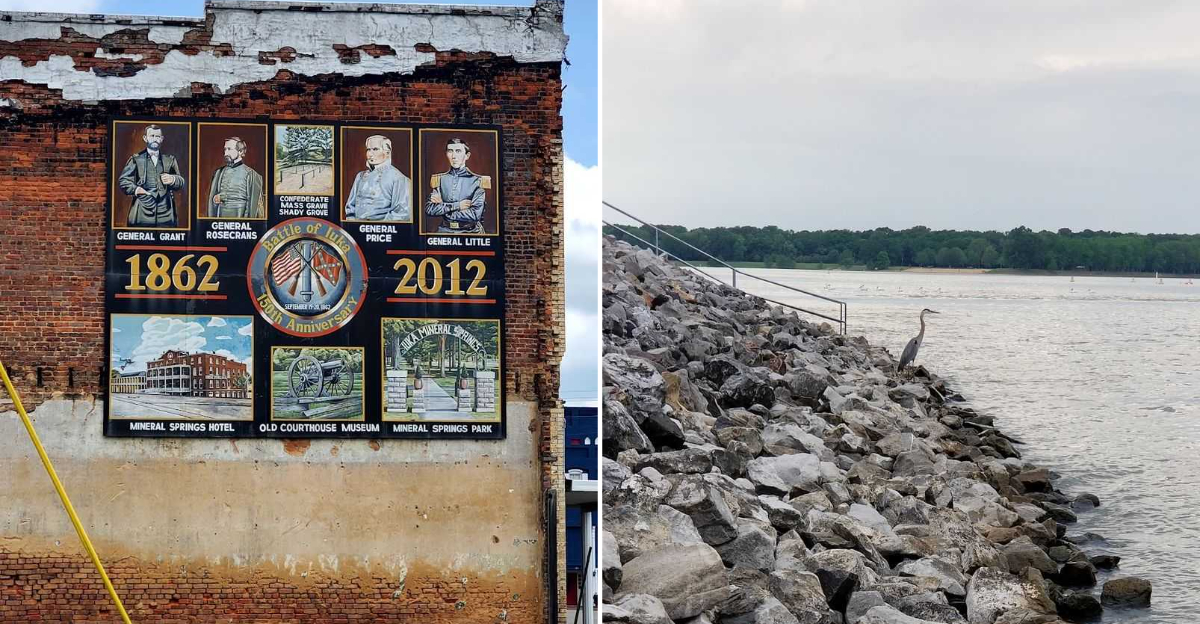
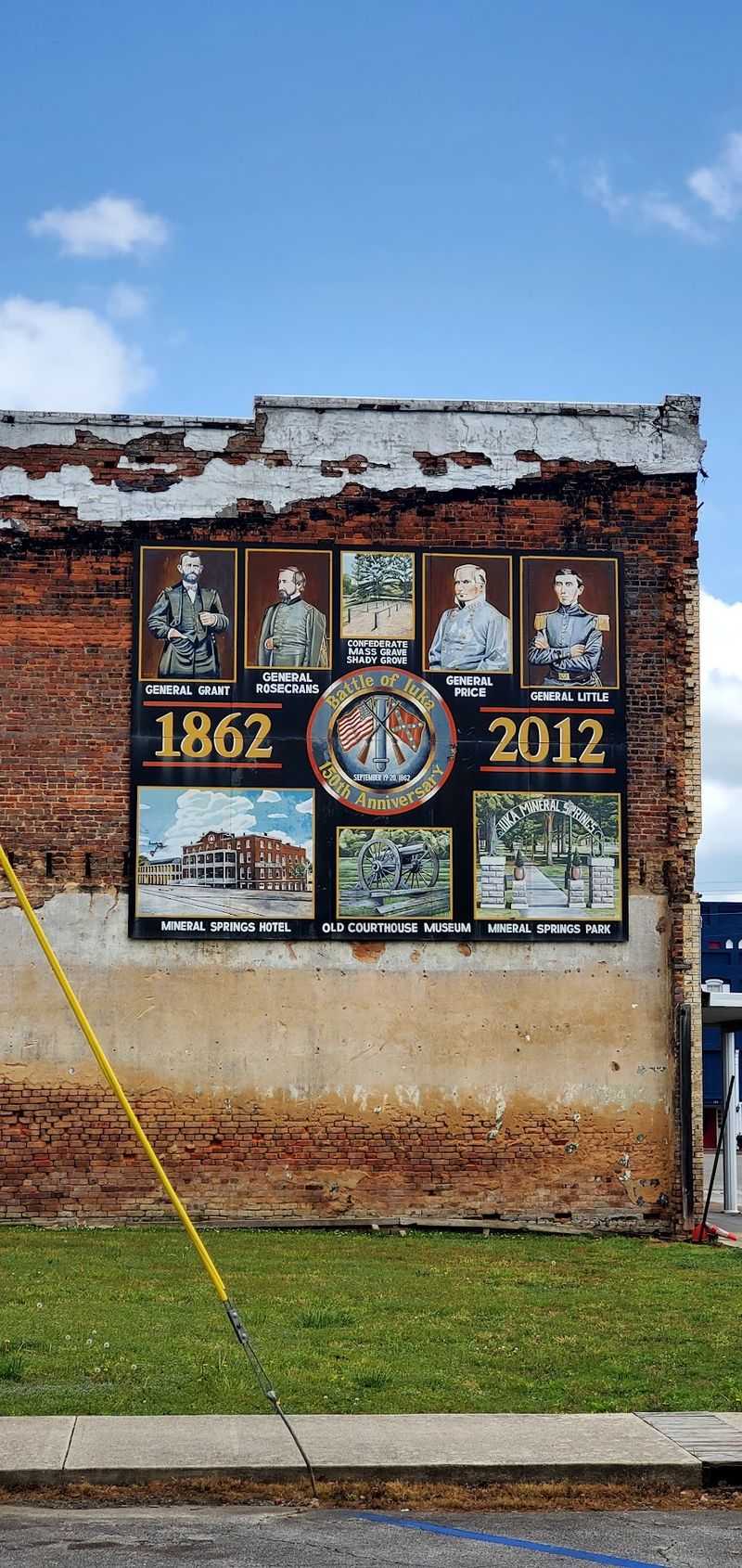
History runs deep in town. The Iuka Battlefield marks a Civil War engagement, Woodall Mountain played a part in that same battle, and the Old Courthouse Museum keeps local stories organized.
Then there is the Apron Museum, which is exactly what it sounds like and completely charming. Add the Iuka Heritage Festival and low living costs, and retirement here looks pretty appealing.