
Wisconsin Is Home To An Underground Tunnel Where Visitors Can Walk Through History
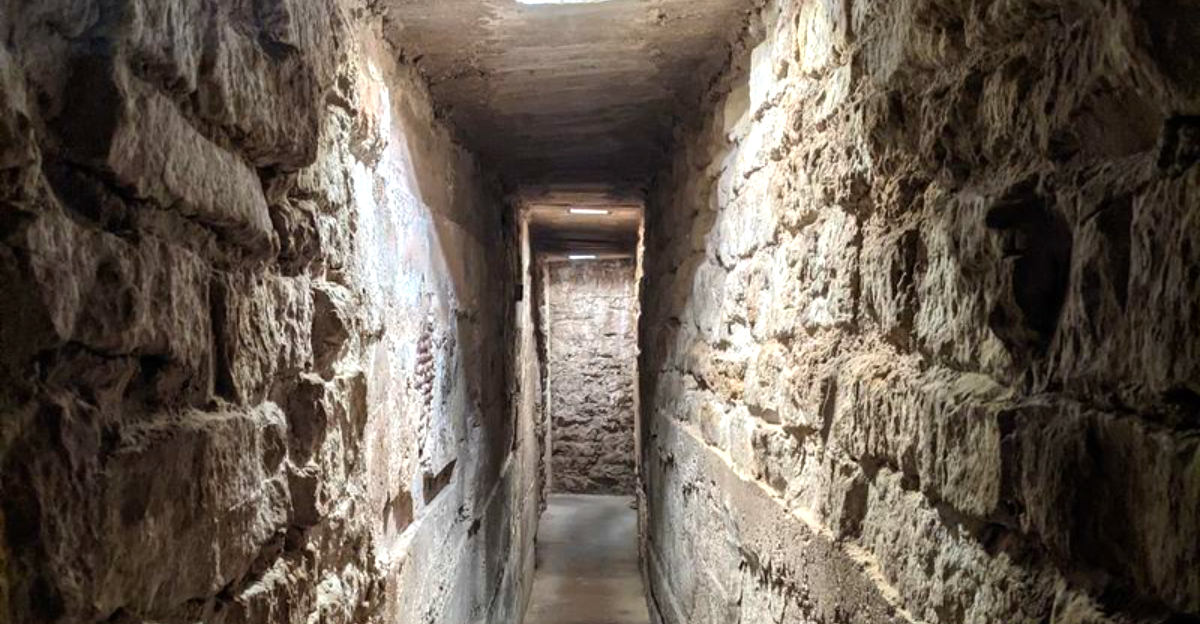
History feels different when you can stand where it actually happened. One unassuming stop in Wisconsin proves that a quiet exterior can hide a story with serious weight.
Below the floor is a passage tied to people searching for freedom. Today, visitors can explore part of that space and see the rooms, stairs, and narrow areas connected to its past.
Nothing here needs extra drama. The setting does the work. You move through spaces connected to hope, determination, and important journeys, then come back outside with a much sharper sense of what those stories meant.
This is the kind of stop that stays in your head after the visit ends. It is small, powerful, and deeply connected to a much larger chapter of American history. Before you go, there are a few details worth knowing that can make the experience even more meaningful.
The Tunnel That Started It All
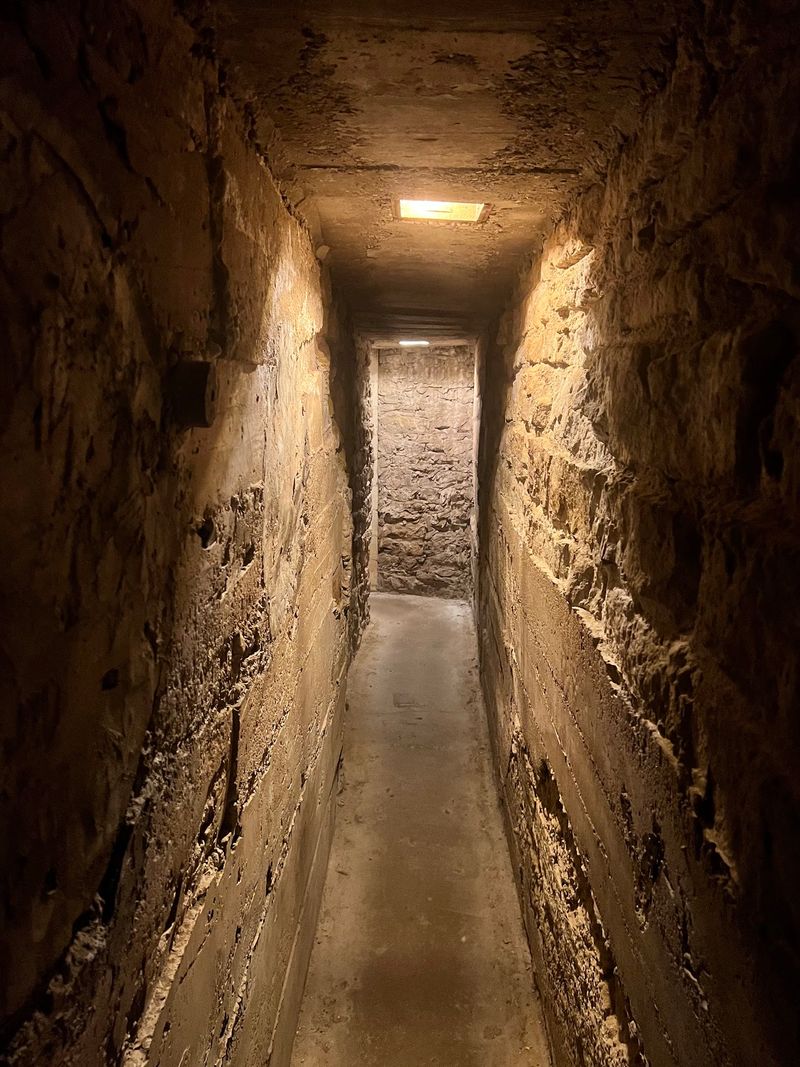
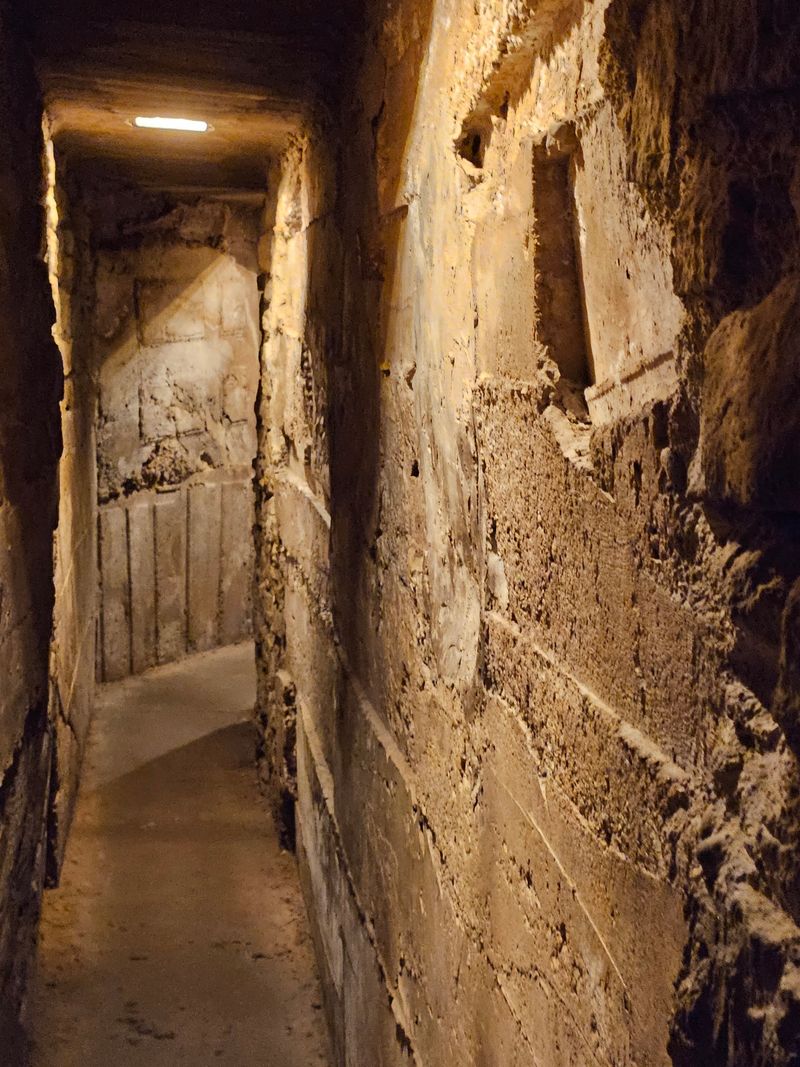
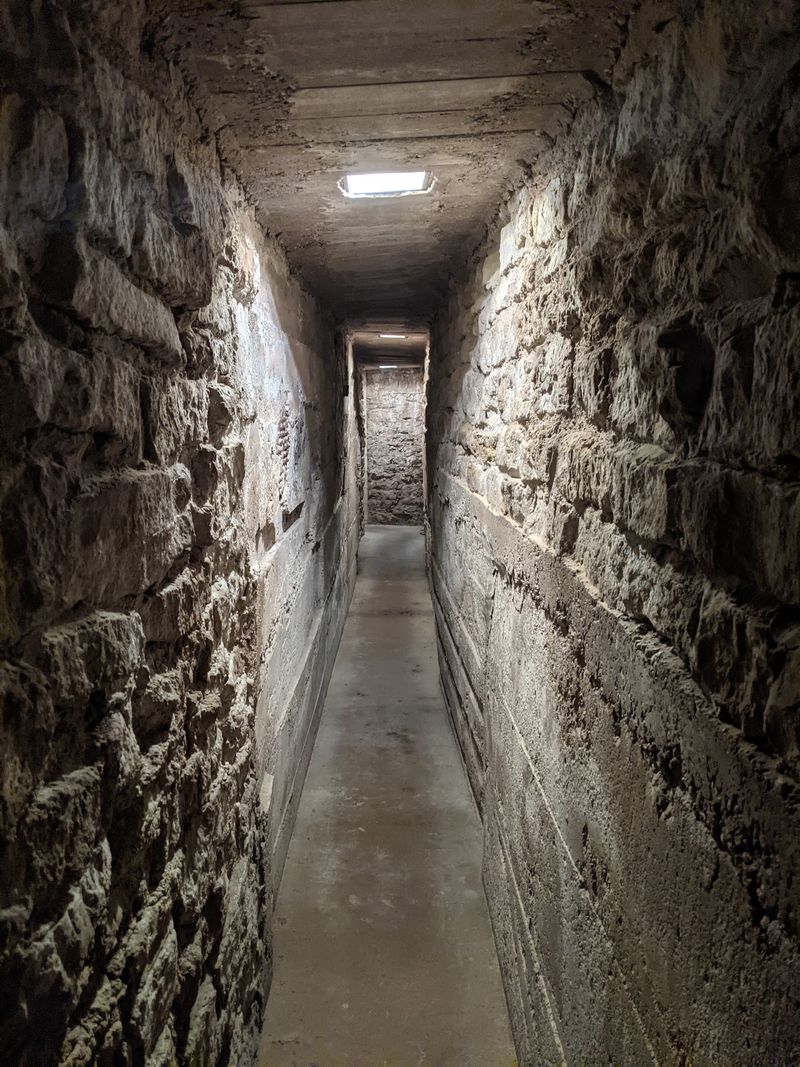
Underneath the Milton House Museum runs the feature nearly everyone comes to see: a low, narrow passage that connects the main building’s basement to a log cabin out back.
The tunnel connects the Milton House cellar to the pioneer cabin, and museum records document at least one freedom seeker, Andrew Pratt, being sheltered at the site. The roughly 45-foot tunnel still connects the cellar of the Milton House to the pioneer cabin behind it.
Today, visitors can walk through the underground passage as part of the guided museum tour. Even improved, the space feels tight and quiet in a way that sticks with you.
Your guide shows you the concealed door in the cellar that served as the original entrance, then lets you walk the route yourself. Most people go silent partway through, and I think that reaction says more than any plaque could.
If you are tall or uneasy in small spaces, know that the walk is short and there is a clear exit ahead. Bring shoes you do not mind getting a little dusty, since the floor is uneven in spots and the air stays cool year round.
A Hexagon-Shaped Inn Made Of Homemade Concrete
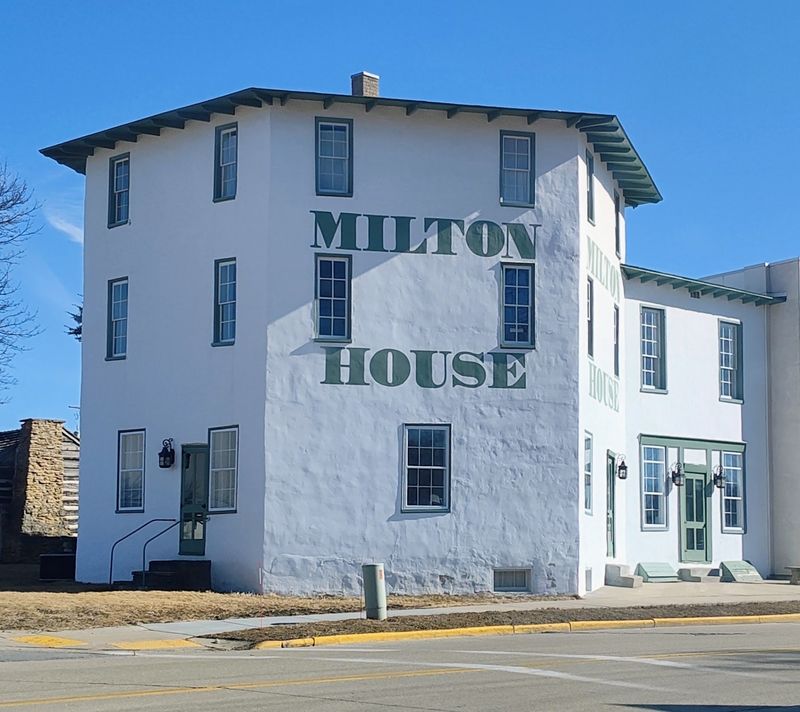
Here is something you rarely see in old American architecture: a six-sided hotel. The main Milton House structure was built in 1844 as a distinctive hexagonal inn made from grout.
Even more unusual is what it is made of. Founder Joseph Goodrich built the structure using grout, an early concrete-like mixture made with materials including sand, cement, broken stone, and gravel.
Nobody in the area was building that way at the time, and the fact that the walls still stand nearly two centuries later says plenty about his experiment.
As you walk the rooms, your guide points out which sections belong to the original 1844 construction and which came later as the building grew. That contrast is easy to spot once someone shows you where to look.
Take a minute outside before your tour begins. The shape is much clearer from the sidewalk than it is once you are indoors, and photographers tend to get their best angles from the corner of the property in Wisconsin’s soft morning light.
The Story Behind The Secret
Every good story needs someone willing to take a risk. Joseph Goodrich founded the town, built the inn, ran a frontier stagecoach stop, and quietly helped people continue their journey toward freedom.
Guides at the Milton House Museum spend real time on his life, because understanding him helps explain why the tunnel exists at all. He strongly supported freedom and acted on that belief while keeping his efforts carefully out of public view.
You learn about federal laws of the era that placed serious consequences on people who helped freedom seekers continue their journeys. You also hear about the secrecy required among people helping freedom seekers, since sharing the wrong information could put families at serious risk.
What I appreciate is how the tour keeps Goodrich human rather than turning him into a statue. He had a business to run, a family to feed, and a community watching him.
Bring your questions. The guides know his correspondence, his building methods, and his family history well enough to go deeper than the standard script whenever a visitor shows interest.
Guided Tours Bring The History To Life
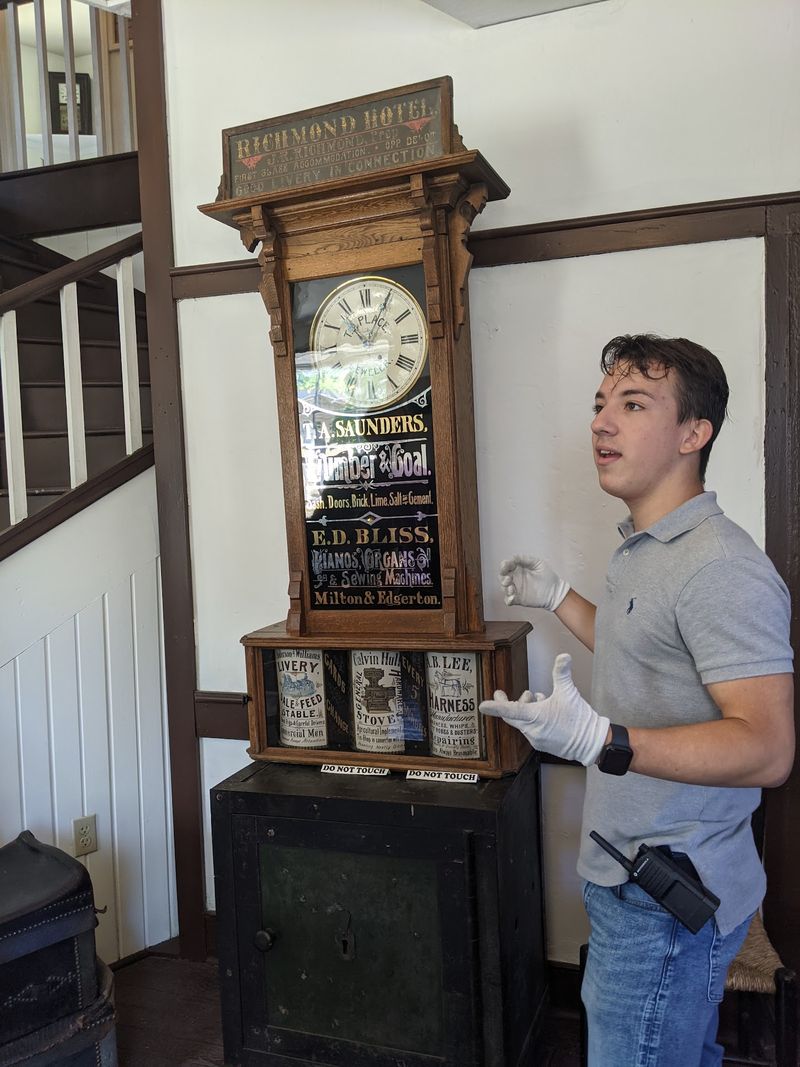
You might expect retired historians behind the counter. Tours at the Milton House Museum are led by knowledgeable museum guides and volunteer docents, and they know their material cold.
The guided tour is the only way to see the full house, the cabin, and the tunnel, so plan on joining one rather than wandering solo. Tours generally run about an hour, though guides often stretch that when a group keeps asking questions.
Watching a teenager explain the Fugitive Slave Act, point out original grout walls, and answer a child’s question about hiding places is genuinely impressive.
Adult staff and longtime docents also lead tours, so you will get a well-prepared guide either way. Groups stay small, which means you can hear everything and actually have a conversation.
My advice: call ahead to check tour times, especially if you are traveling with a group or arriving early in the day. A quick phone call saves you from showing up between scheduled starts and having to rearrange your Wisconsin road trip plans on the fly.
Murals And Mosaics That Tell The Journey
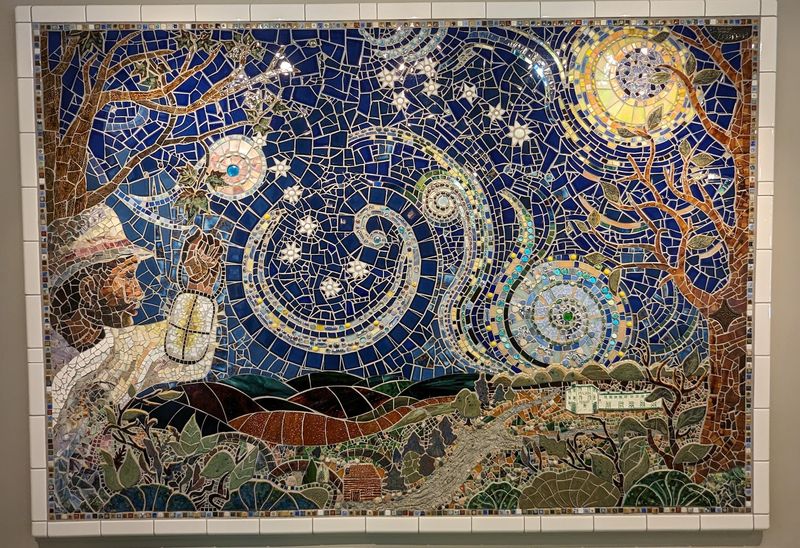
Art shows up in places you would not expect here. The museum uses artwork to help tell its history, including the “Follow the Drinking Gourd” tile mosaic displayed in the lobby.
The pieces are not decoration for its own sake. They fill in the emotional parts of the story that furniture and documents cannot reach, showing movement, distance, and hope. Kids especially respond to them, since a picture of a river crossing lands faster than a date on a timeline.
You will find the museum at 18 S Janesville St, Milton, WI 53563, right along the main street with parking nearby. Once inside, slow down on the stairs instead of rushing to the next room.
The mosaic work rewards a close look, with small tiles forming faces and landscapes when you step back. I suggest walking past each piece twice, once on the way through and once on your way out, because you notice different details the second time.
A Past Filled With Remarkable Visitors
Names matter more than numbers when it comes to this history. One story visitors remember long afterward is that of Andrew Pratt, a freedom seeker connected to the Milton House Museum whose life took remarkable turns after reaching Wisconsin.
The museum explains how the Underground Railroad operated in Milton while sharing the documented story of Andrew Pratt. Because secrecy was essential, written evidence is limited, which makes the documented accounts here even more valuable.
This site is one of the authenticated Underground Railroad stops in the country, meaning historians have verified its role rather than relying on legend alone. That verification is part of why the museum carries such weight for teachers and history travelers.
Give yourself a quiet moment in the cabin at the tunnel’s far end. Standing where someone once waited for word that the journey could continue adds another layer of meaning to the visit.
Families with older children often find this the most meaningful part of the visit, and it opens the door to conversations worth having on the ride home.
Artifacts, A Tiny Model House, And Old-Fashioned Candy
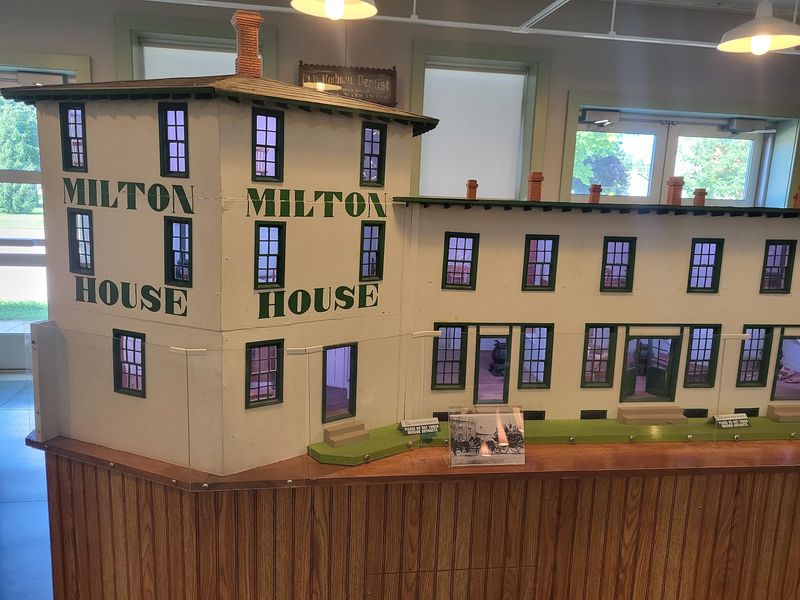
Not everything here is heavy. The foyer at the Milton House Museum holds a detailed scale model of the building, and you can peek through its miniature windows to see furniture arranged inside each little room.
Children tend to park themselves in front of it, and honestly, adults do too. The gift shop nearby stocks old-fashioned stick candy in glass jars, books about state history, and small keepsakes.
Throughout the house, period rooms hold tools, clothing, dishes, and stagecoach-era objects that show how travelers lived when this was a working frontier hotel.
Storyboards throughout the building fill in context between rooms, so you can read at your own pace while the group moves along. That mix of guide talk, objects, and signage keeps the tour from feeling like a lecture.
If you arrive a few minutes before your tour, spend them in the entry area. There is enough to read and examine that the wait passes quickly, and the model gives you a mental map of the building before you start climbing stairs and heading down toward the cellar.
Planning Your Visit To This Wisconsin Landmark
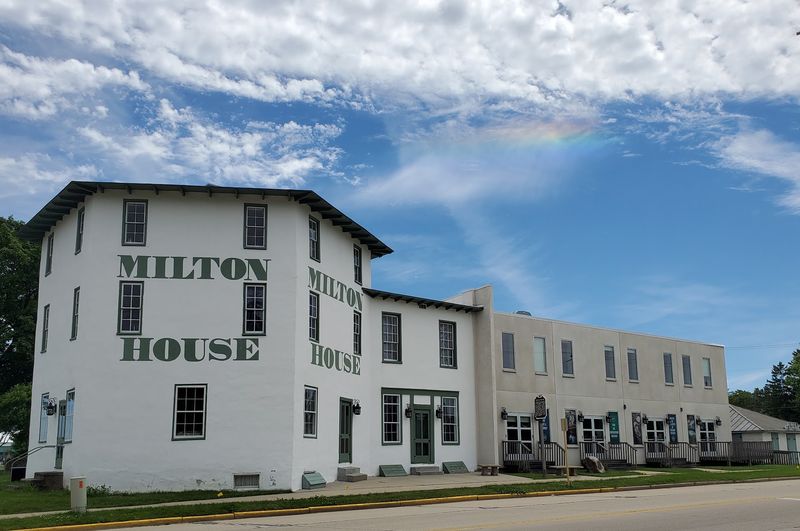
Timing makes a difference here. The Milton House Museum is generally open Tuesday through Sunday from 10 AM to 4 PM during its main season. Hours can change seasonally, so check the current schedule before visiting.
Tours run at set times during the day, which is why calling ahead pays off, particularly outside the busy summer months. The museum hosts annual special events, including Civil War Living History Days with soldiers and civilians encamped on the historic grounds.
Allow at least an hour, and closer to ninety minutes if you like to linger over exhibits. There is a park directly across the street, handy if you are traveling with restless kids or want a place to eat a packed lunch afterward.
The Ice Age Trail passes through the area too, so hikers often pair the two.
You have driven past buildings like this before without knowing what they held. Few places in Wisconsin let you stand inside the actual architecture of courage, and fewer still let you walk the route people took toward freedom.
Make the stop, take the tour, and let the tunnel do the rest.