
This Indiana German Restaurant Quietly Draws Diners With Its Delicious Jaeger Schnitzel
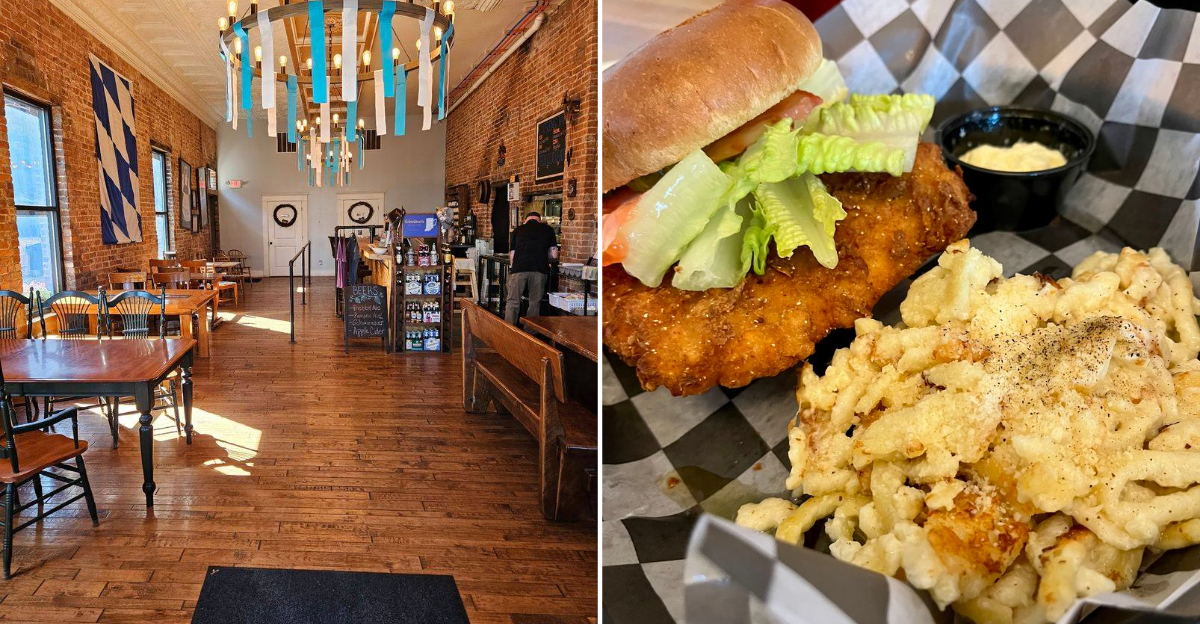
Germans know how to truly enjoy food, and that gets confirmed every time you try something new from their kitchen. This Indiana restaurant quietly draws diners in with its delicious jaeger schnitzel.
Dishes here follow traditional recipes, hearty and rich the same way they’ve been prepared for generations. Nothing about the menu gets softened or altered to match typical American preferences.
Regulars know exactly what to order before even sitting down, trusting quality built over years of consistency. Portions stay generous, matching the comfort food reputation this restaurant built over the years.
Every dish gets prepared with the same care regardless of how busy the dinner rush gets. This restaurant proved that sometimes the best German food shows up in the most unexpected place.
History Of Jaeger Schnitzel
The word Jaeger means hunter in German, and the dish earned that name honestly. Hunters in Central Europe needed food that filled them up after long days in the woods.
Pounding meat thin and frying it goes back centuries, possibly all the way to Roman cooks. But the version most people recognize today, the one drowning in mushroom gravy, really came together during the 1800s.
Wild game like venison or boar filled the pan back then. Mushrooms were free if you knew where to look, which made the sauce a practical choice rather than a fancy one.
Over time, pork and veal replaced the game meat, mostly because they were easier to get. During lean years in East Germany, some cooks even swapped in slices of Jagdwurst sausage and called it close enough.
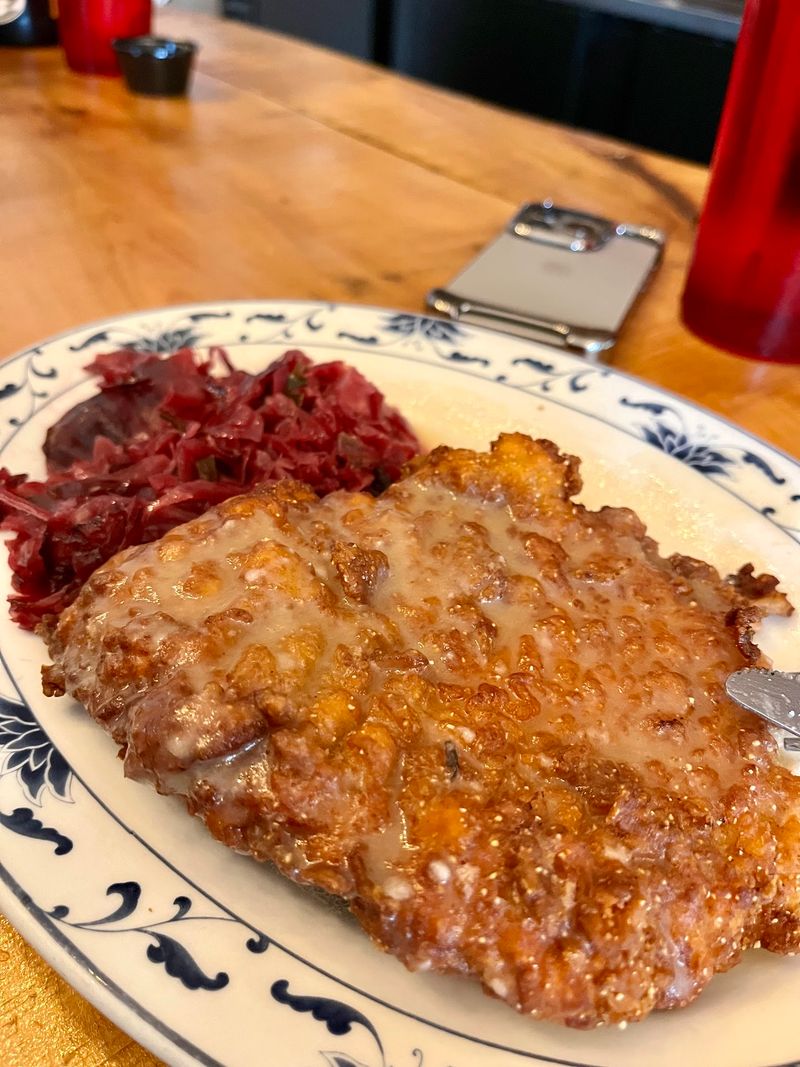
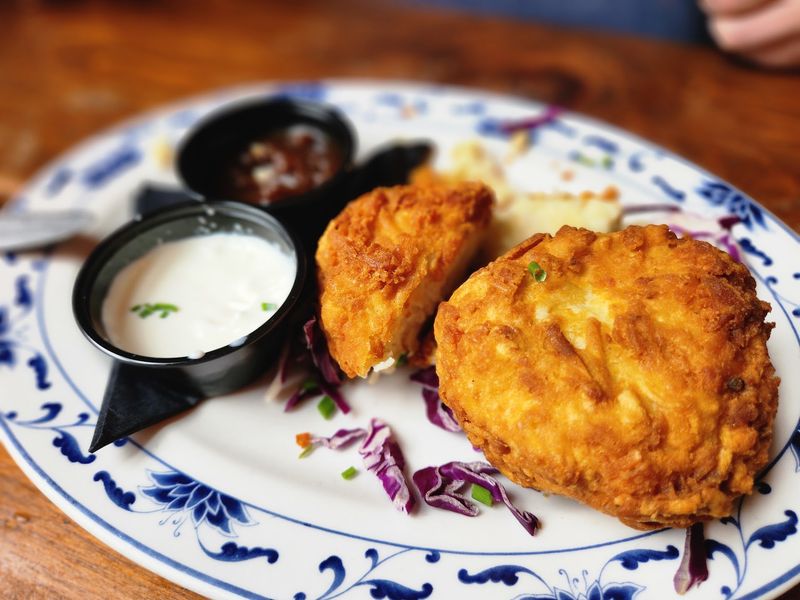
Schwätzer’s serves the pork version, breaded and crisped, with that mushroom gravy poured over the top. Gravy on the side is an option too, which keeps the crust crunchy for anyone particular about texture.
Knowing the backstory makes the plate more interesting. A dish born from hunters and forest mushrooms somehow ended up on a menu in southern Indiana, and it still tastes as it belongs.
You can find it at 113 Indianapolis Ave, Seymour, IN 47274.
Common Ingredients In Dishes
Boneless pork cutlet does most of the heavy lifting in the Jaeger Schnitzel here. Veal shows up in some German kitchens, but pork is the everyday standard and it holds gravy beautifully.
Breading is a three-part job. Flour first, then beaten egg, then breadcrumbs, though a few regional German versions skip the coating entirely and go straight into the pan.
The gravy, called Jägersoße, leans on mushrooms and onions. Cream or beef broth gives it body and that deep brown color people scoop up with a fork.
Beyond schnitzel, the pantry list stays familiar. Pork, beef, potatoes, and cabbage in both sauerkraut and red forms show up again and again across the menu.
Seasoning stays restrained on purpose. Thyme, rosemary, marjoram, plus salt, pepper, and paprika do the work without shouting over the meat.
Brisket has become a signature at Schwätzer’s, appearing in dinners, on rye, and even folded into egg rolls with sauerkraut and Swiss cheese. That last one is not traditional German, but nobody seems to mind.
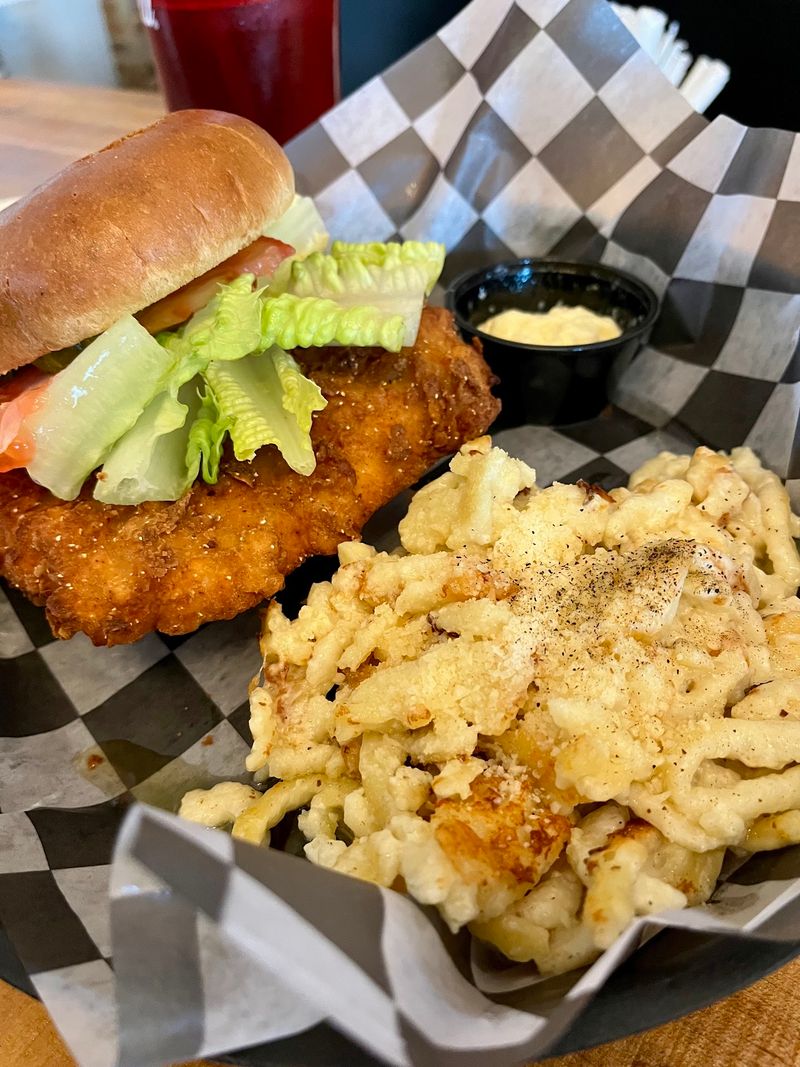
Spätzle noodles are made from eggs, flour, and a little patience. Add Swiss cheese and they turn into Käsespätzle, which tends to disappear off plates faster than anything else on the table.
Techniques For Preparing Authentic Schnitzel
Getting schnitzel right is less about secret recipes and more about doing simple things carefully. The meat gets pounded thin, usually somewhere between a quarter and an eighth of an inch.
Flattening does two jobs at once. It tenderizes the cutlet and it makes sure the whole thing cooks evenly instead of drying out at the edges.
Breading follows a rhythm. Flour, egg, breadcrumbs, and the crumbs should sit loosely on the surface rather than being mashed on with force.
Pressing too hard is the classic mistake. Loose crumbs puff up in the oil and create those little air pockets between crust and meat that give real schnitzel its shattery bite.
Into the pan it goes immediately, oil hovering somewhere around 330 to 360 degrees. Crowding the skillet drops the temperature and turns crisp into soggy in a hurry.
A quick drain afterward keeps things from getting greasy. Done properly, the outside crackles and the inside stays juicy, which is exactly what the kitchen at Schwätzer’s aims for.
Everything is made on site, from the noodles to the sauces. That matters more than people realize, because schnitzel does not sit well and needs to hit the table soon after it leaves the fryer.
Popular Side Dishes Served With Meals
Sides carry real weight in German cooking, and this kitchen treats them like more than an afterthought. Warm German potato salad with a tangy vinegar dressing is one of the standouts.
Braised red cabbage is another. Simmered with vinegar and butter, it lands somewhere between sweet and sour and cuts right through a rich plate of meat.
Then there is spätzle, the soft egg noodle that exists mainly to soak up gravy. The cheesy Käsespätzle version has developed a serious following.
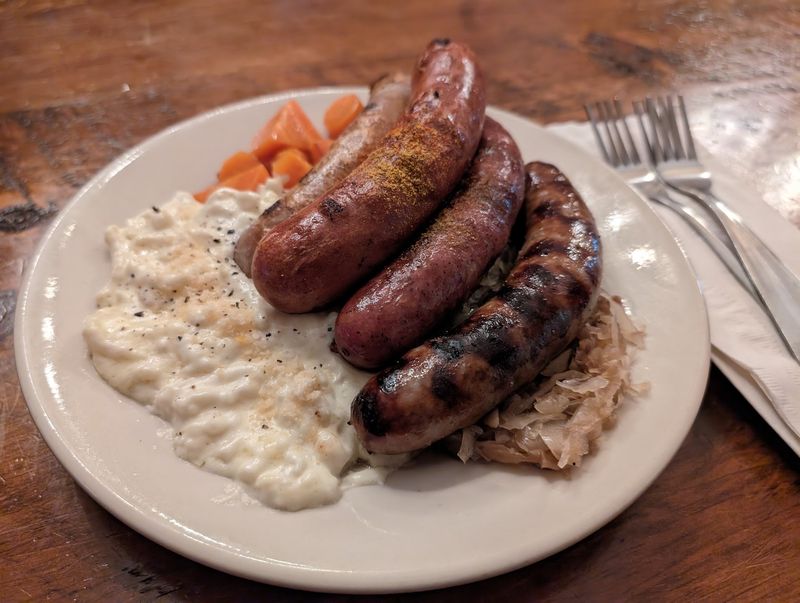
Sauerkraut appears in a few forms, sometimes with caraway seed, sometimes with apple and sweet onion softening the sharpness. It pairs naturally with sausage plates.
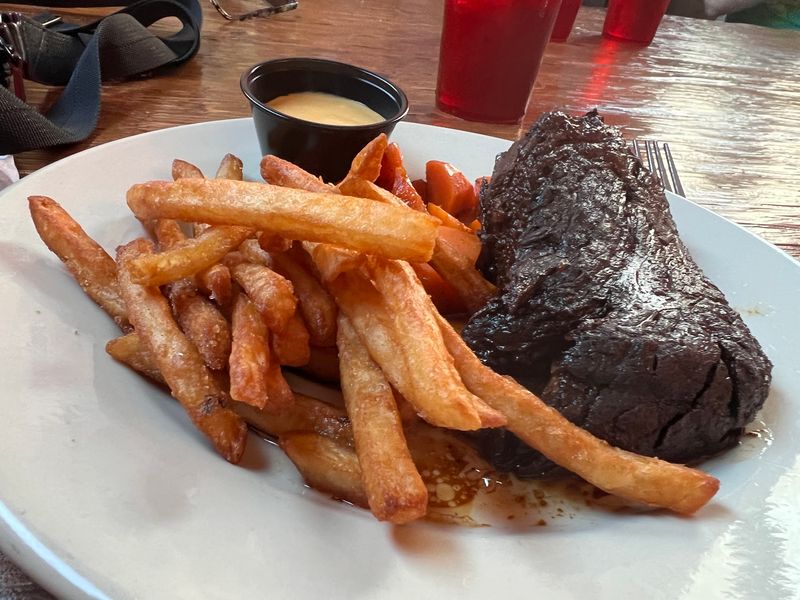
Braised carrots show up alongside brisket and get mentioned often enough to count as a favorite. A maple glaze gives them a slight sweetness that plays well with smoky meat.
Fries with cheese have become an unofficial table staple. Not remotely traditional, but perfect for sharing while waiting on the main course.
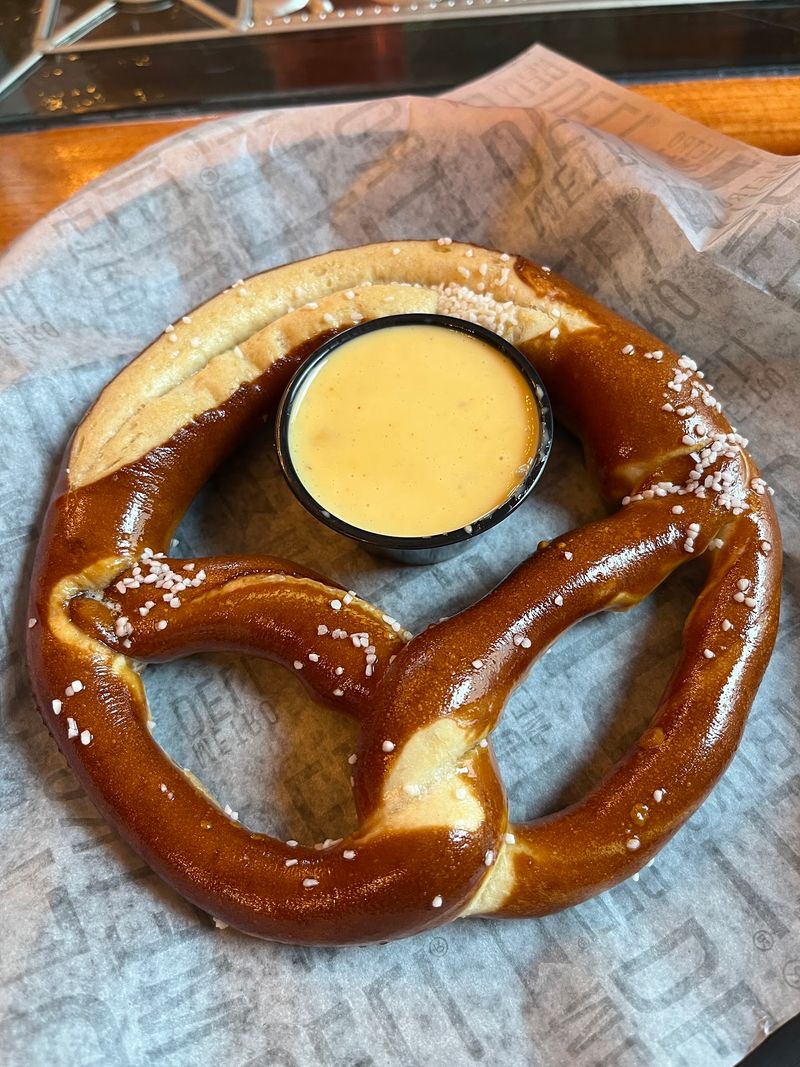
Potato soup and the oversized soft pretzels round out the opening act. Ordering just one pretzel for the table is usually a planning error.
The lunch and dinner menus differ, so sides available midday are not always the same ones offered in the evening.
Cultural Significance Of Recipes
German cooking developed out of farming life, where nothing got wasted and meals needed to fuel real work. That practicality still shows up in the food.
Recipes vary sharply from one German region to the next. A potato salad in the south looks nothing like one from the north, and both are considered correct.
There is a word, Gemütlichkeit, that describes the feeling of warmth and easy company around a table. It has no clean English translation, but everyone recognizes it once they feel it.
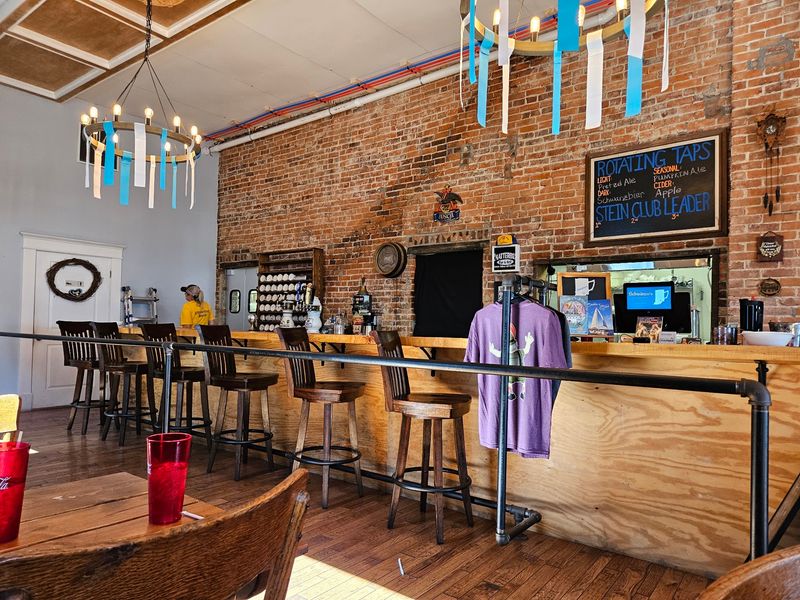
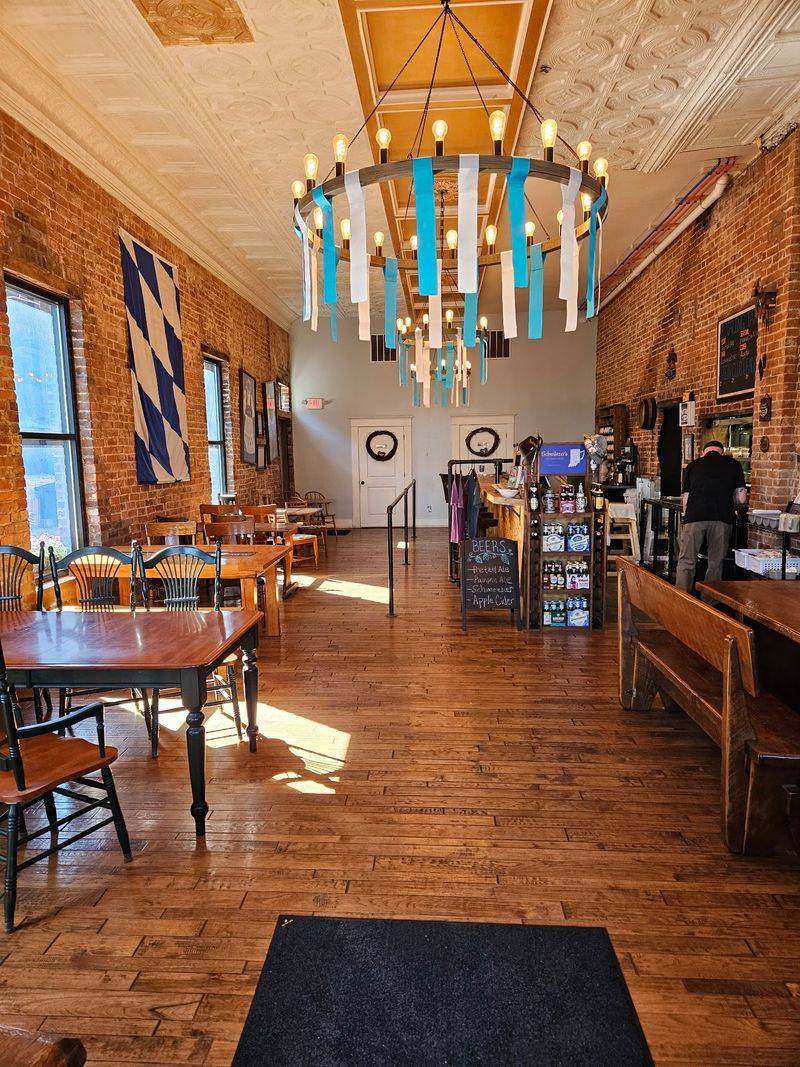
Schwätzer’s operates in a restored historic building in Seymour, and the owner clearly cared about keeping that history intact. Staff can talk about the building and the town if asked.
Guests can sit at tables or pull up to the bar. Live music happens sometimes, which turns the room lively rather than quiet.
The owner has described the food as German with an Indiana flair, and that description fits. Brisket egg rolls and cheese fries would confuse a Bavarian grandmother, though probably not for long.
Recipes here connect to something older while still belonging to this town. That mix is why the place feels rooted instead of like a themed copy of somewhere else.
Tips For Enjoying Traditional Flavors
Come hungry and come curious. German food tastes different from most American comfort cooking, and expecting a match usually leads to disappointment.
Ordering the gravy on the side is a smart move if crunch matters to you. The crust stays crisp and you control how much sauce lands on each bite.
When schnitzel arrives without sauce, a squeeze of lemon brightens the whole thing. That trick is standard practice in Germany and works just as well here.
Pair the main with a traditional side rather than defaulting to fries. Warm potato salad or red cabbage balances the richness in a way that ketchup never will.
Save room for dessert. The apple strudel gets ordered constantly, and rotating specials like Nockerln, a warm baked lemon soufflé, occasionally appear.
Hours are limited, so check before driving. The restaurant is closed Sunday through Tuesday, opens at eleven Wednesday through Saturday, and stays open later on Friday and Saturday nights.
Lunch and dinner menus are completely separate. If a specific dish caught your eye online, confirm which service it belongs to before making the trip.
Reservations help on weekends. The dining room is not huge, and word about the schnitzel has traveled.
Differences Between German And American Versions
People sometimes confuse schnitzel with chicken fried steak, and the two are genuinely different dishes. German schnitzel is pounded thin with a light, crackly coating.
Chicken fried steak runs thicker and heavier, with gravy doing most of the talking. Schnitzel lets the meat stay in charge.
Naming rules matter in Germany and Austria. Wiener Schnitzel legally means veal, served without sauce and usually with nothing but a lemon wedge beside it.
Anything made with pork gets labeled differently, often as schnitzel Vienna style or simply by its meat and sauce. Jäger Schnitzel falls squarely in that pork category.
Potato salad splits along similar lines. German versions run warm and vinegary or lightly creamy, while American potato salad usually leans heavily on mayonnaise.
Schwätzer’s does not pretend to be a museum piece, and the owner says so plainly. Some items are prepared with an Indiana twist rather than strict European method.
Pierogi come out fried instead of poached. Sausages hit a grill rather than a pot of water.
Purists notice, and everyone else keeps eating happily.
The schnitzel itself stays close to the original. Thin, crisp, tender inside, with mushroom gravy that tastes made rather than poured from a can.
Seasonal Variations In Cuisine
German kitchens follow the calendar closely, and spring belongs to white asparagus. Spargel season runs roughly March through May and turns into a national obsession.
Rhubarb and spinach arrive around the same time. Cooking shifts lighter after months of heavy winter plates.
Summer brings strawberries, cherries, cucumbers, and tomatoes. Late in the season, Zwiebelkuchen, a savory onion tart, starts appearing on tables.
Autumn is when things get hearty again. Game dishes, thick stews, pumpkin, and Brussels sprouts fill out menus from September into November.
Winter leans on warmth and baking. Lebkuchen gingerbread and Stollen bread show up, along with kale and every variation of cabbage imaginable.
Schwätzer’s rotates specials rather than keeping one fixed lineup all year. Repeat visitors notice new items appearing, which gives them a reason to keep coming back.
The core menu stays fairly compact. Instead of stretching thin across dozens of dishes, the kitchen focuses on doing a shorter list properly.
Desserts rotate too, with the occasional soufflé style special joining the standard apple strudel. Asking what is new that week tends to pay off.
Seasonal thinking is really just old-fashioned common sense. Cook what tastes best right now, and the food takes care of itself.