
A Massive Stargazing Festival Is Coming To These California Parks This Month
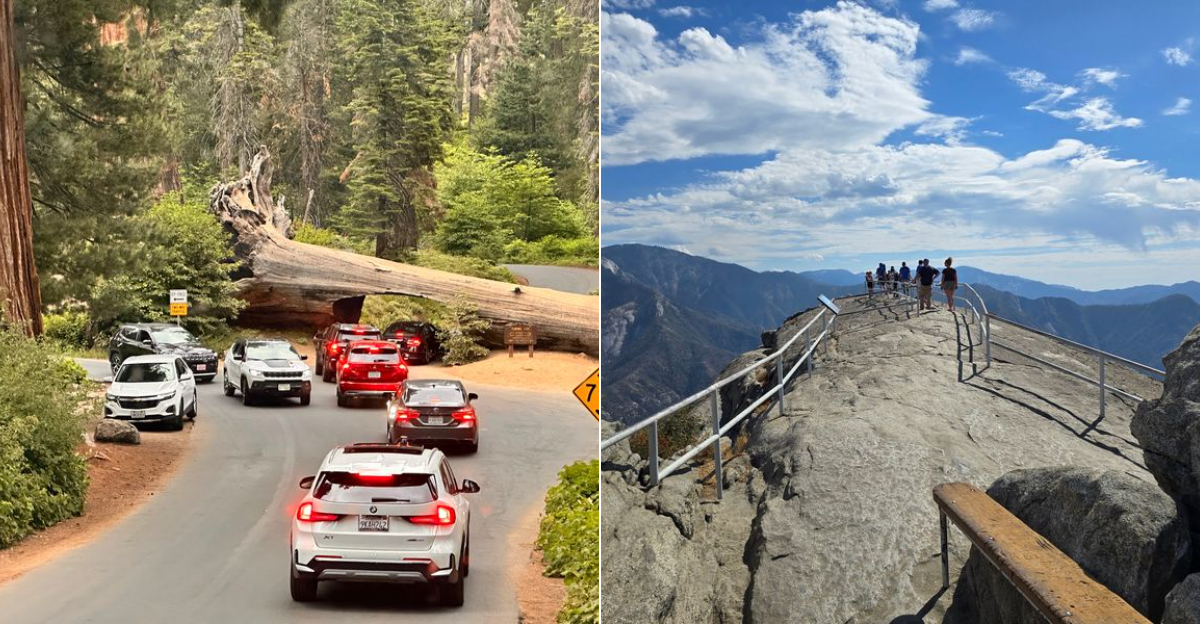
Picture ancient trees so tall they seem to brush the clouds, deep canyons carved by rivers, and mountain air that wakes you up the moment you breathe it in.
California holds all of this in one incredible corner of the state, and the fun does not stop when the sun goes down. Once darkness falls, the sky here turns into something most people never get to see.
Thousands of stars appear, the Milky Way stretches overhead like spilled sugar, and shooting stars slip past when you least expect them. Far from city lights, the universe feels close enough to touch.
This month, a three-day celebration invites you to look up with astronomers, rangers, and hundreds of curious visitors standing right beside you.
There will be telescopes pointed at distant galaxies, solar viewing during the day, night walks under the trees, and talks that explain what you are actually seeing up there.
Three Nights Of Starry Magic
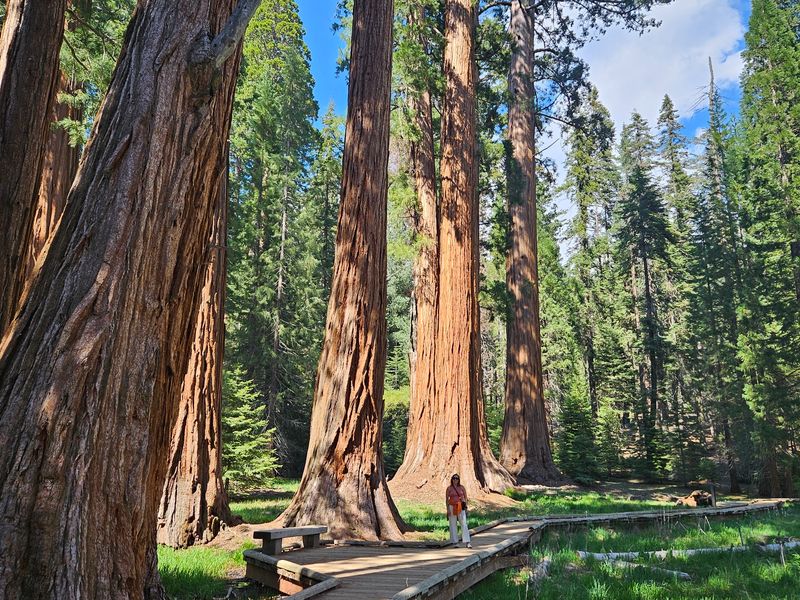
Mark your calendar, because the 13th Annual Dark Sky Festival runs September 11 through 13 at Sequoia and Kings Canyon National Parks in California. The Sequoia Parks Conservancy teams up with the National Park Service to pull it all together.
Three full days are packed with astronomy, wildlife science, and the simple joy of watching the sky change color. Programs run from morning until well past bedtime.
You can show up for one event or chase as many as your legs allow.
Festival activities themselves are free, which is a rare treat. You only pay the standard park entrance fee at the gate, and that covers everyone in your vehicle.
Events spread across Grant Grove, Lodgepole, Giant Forest, and Cedar Grove. New this year, the gateway town of Three Rivers and nearby Lake Kaweah join the lineup, giving you even more places to park yourself under the stars.
Crowds do gather, so arriving early pays off. Parking lots near popular viewing spots fill quickly once the sun starts dropping behind the ridges.
Nights get chilly at elevation, even in September. A jacket, hat, and thick socks will make the difference between shivering and staying out for hours.
Which night would you pick if you could only choose one?
Telescopes Pointed At Galaxies
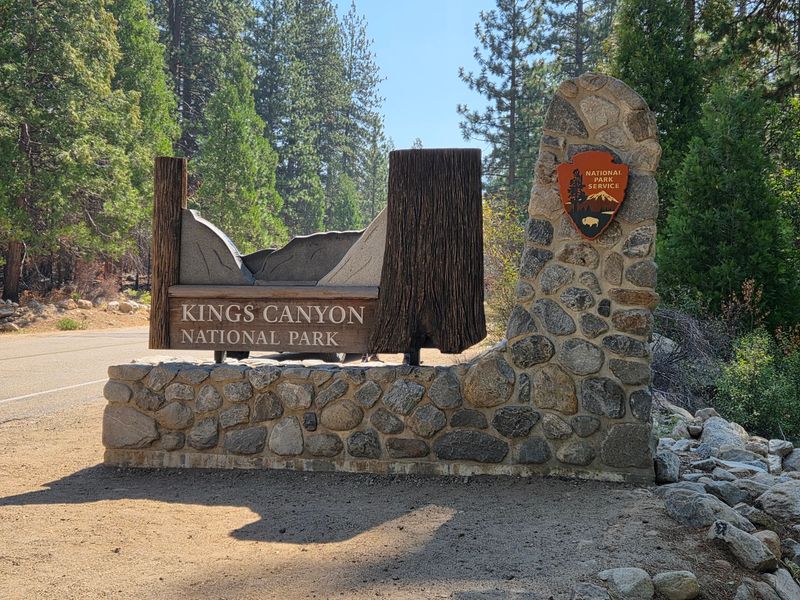
Nothing quite prepares you for your first real look through a large telescope. Saturn shows up with its rings sharp and tilted, and it honestly looks fake until your brain catches up.
Volunteer astronomers haul serious equipment up the mountain for this festival. They set up in open meadows and parking areas, then spend hours letting strangers peek through their eyepieces.
Star clusters, glowing nebulae, and galaxies millions of light years away all take their turn. The people running the scopes love questions, so ask away.
No question is too basic here.
Naked-eye astronomy programs run alongside the telescope stations. Guides use laser pointers to trace constellations and share the old stories tied to them, from Greek myths to Indigenous sky knowledge.
A few practical tips help enormously. Red flashlights protect everyone’s night vision, so grab one or tape red cellophane over your regular light.
Give your eyes twenty minutes to adjust before expecting to see much.
Phone screens ruin the effect fast. Tuck the phone away and let the darkness do its work.
Kids often spot meteors before adults do, since they are not overthinking it. Bring them along and let them lead.
Daytime Sun Zone Fun
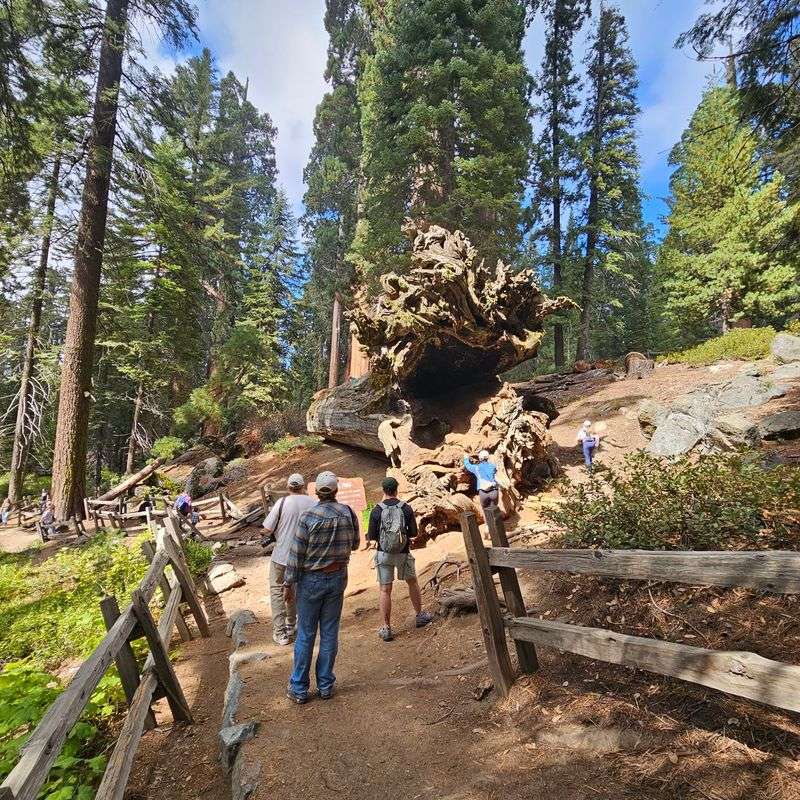
Stargazing does not mean sleeping all day. At Grant Grove Village, the Sun Zone opens up while the sun is high, turning a quiet village into a hands-on science playground.
Special solar telescopes with heavy filters let you stare straight at our nearest star, safely. Sunspots appear as dark freckles, and flares curl off the edge like orange ribbons.
Hands-on tables keep younger visitors busy. Kids build simple models, test light experiments, and walk away actually understanding why the sky looks the way it does.
Guest speakers, including working astrophysicists, give talks throughout the festival. Topics range from comets and planets to light pollution and how too much artificial glow harms both people and animals across California.
Those talks are surprisingly gripping. Speakers keep things plain-spoken, and there is always time for questions afterward.
Grant Grove Village also has restrooms, a market, and shaded picnic spots, which makes it an easy base for a full day. Fill your water bottles here before heading out.
Fun fact: the sun is so large that roughly one million Earths could fit inside it. Seeing it through a filtered scope makes that number feel real.
Giants That Touch Sky
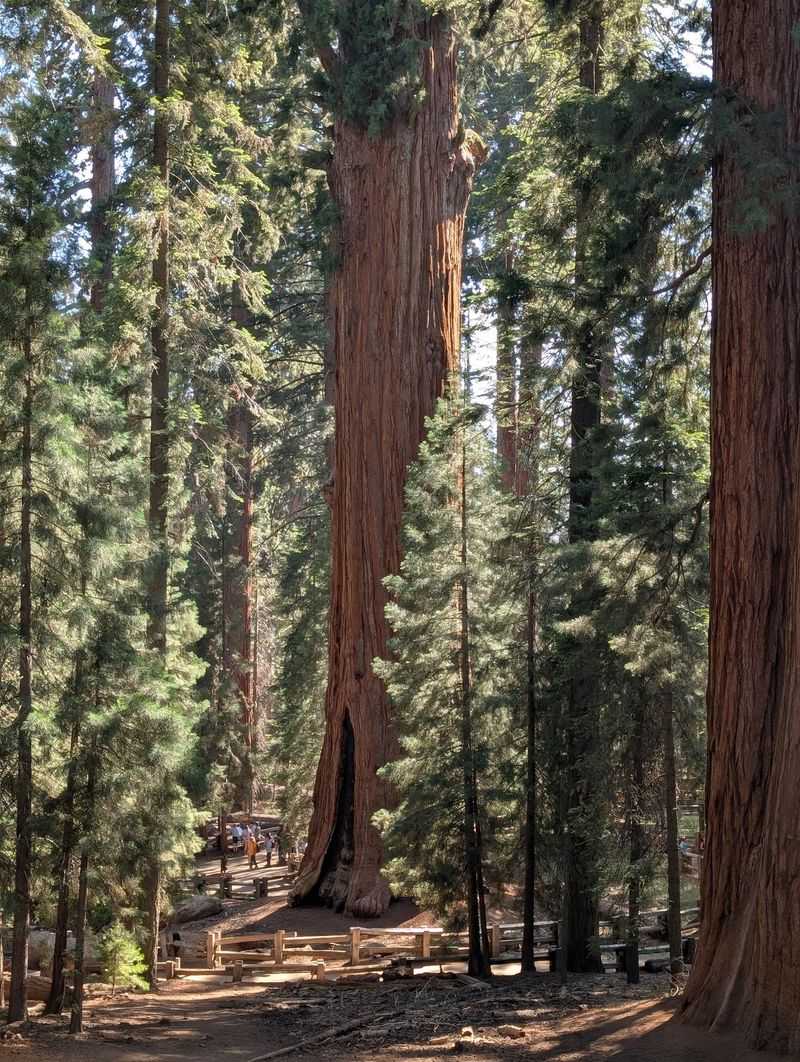
General Sherman is the largest living thing on Earth by volume, and standing at its base rearranges your sense of scale. Photos never work.
People try anyway.
Over in Kings Canyon, the General Grant Tree ranks second among known sequoias. It carries the title of the Nation’s Christmas Tree and doubles as a living war memorial.
Both trees sit in groves laced with easy, mostly flat trails. Giant Forest holds thousands of mature sequoias, and wandering between them feels like walking through cathedral columns made of cinnamon-colored bark.
These trees have been growing for two to three thousand years. Every single one of those years included a night sky, which makes the festival timing feel poetic.
Visitors often mention the silence in the groves. Thick bark and soft duff swallow sound, so even busy trails feel hushed.
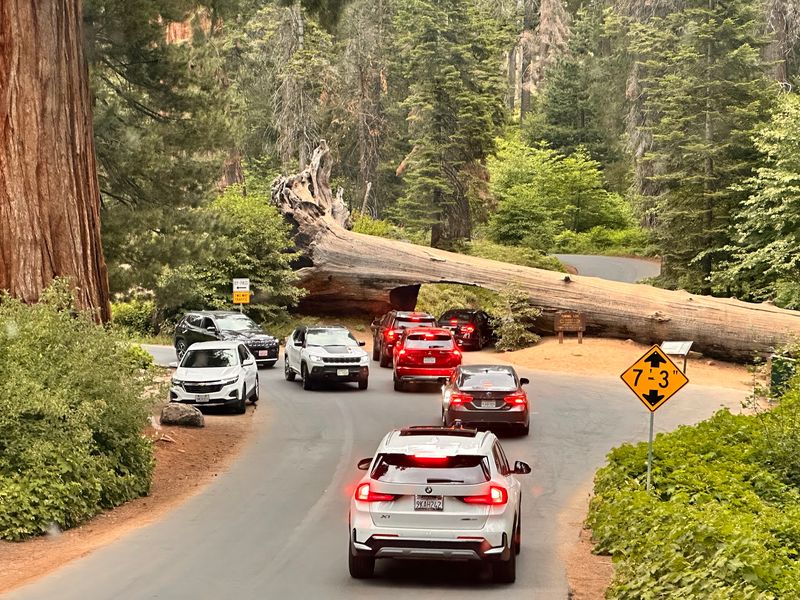
Morning light works best for photos, and crowds thin out before ten. Weekends bring shuttle buses that save you the parking headache entirely.
Sequoia bark can grow up to two feet thick, which is why these giants survive fires that flatten other trees. Look for blackened scars near the bases.
Could you resist trying to hug a trunk that wide?
Deep Canyons And Peaks
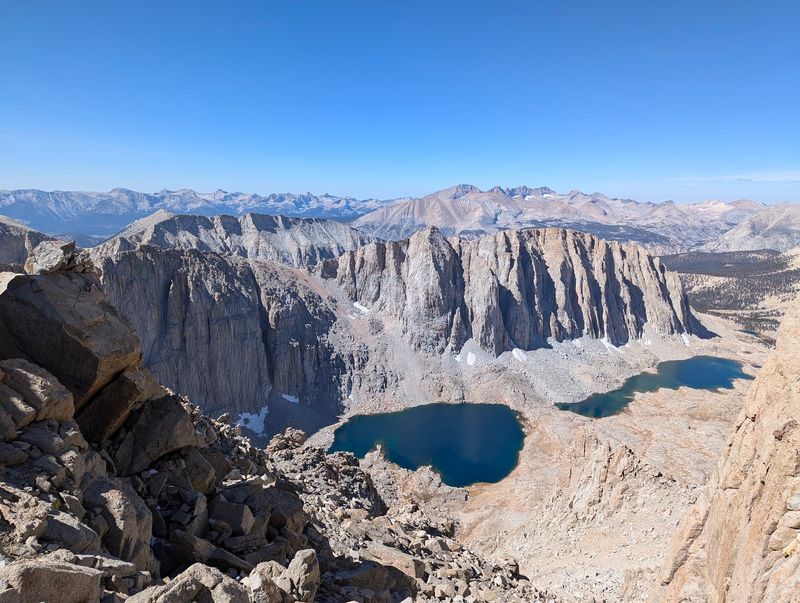
Here is something most people do not expect: Kings River Canyon ranks among the deepest canyons in North America. Glaciers ground it out over thousands of years, leaving granite walls that soar above the river.
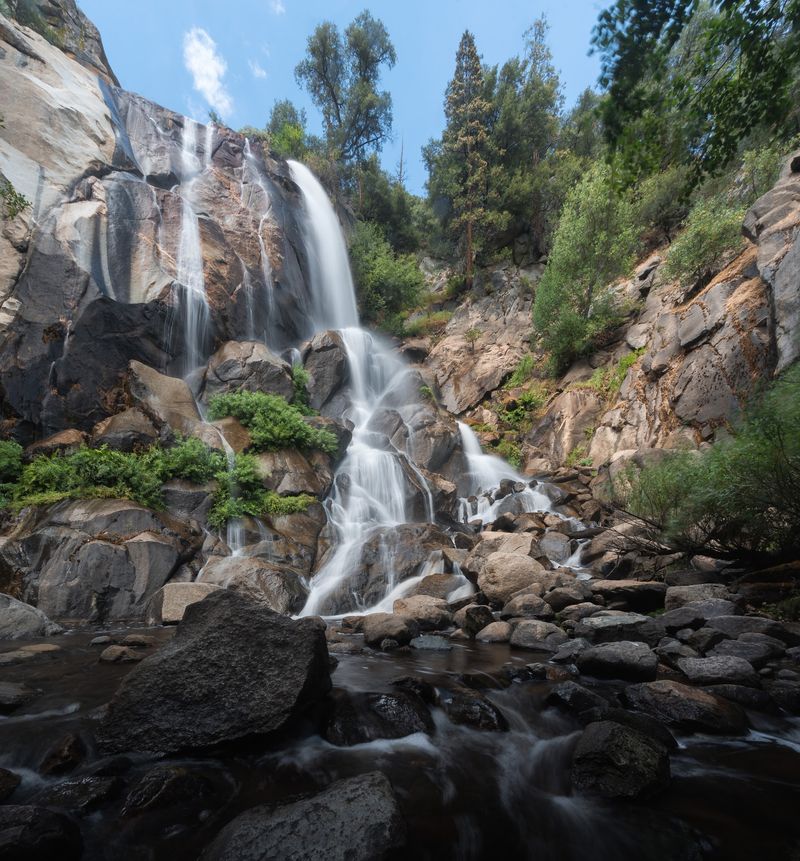
The drive along the Kings Canyon Scenic Byway keeps handing you new views around every bend. Waterfalls, sheer cliffs, and a rushing river follow you the whole way down.
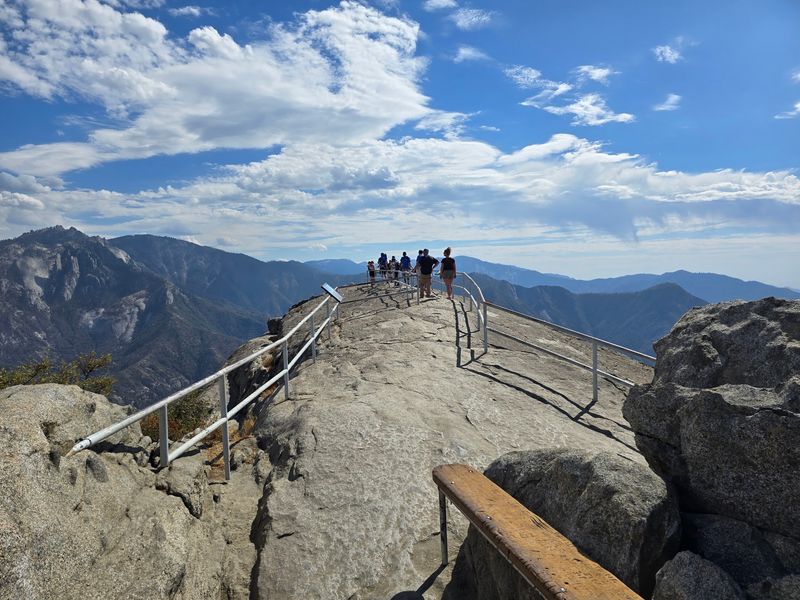
Moro Rock rewards climbers with one of the finest lookouts in California. Around 350 stone steps take you to the top, where the Great Western Divide spreads out in a jagged line of alpine peaks.
The climb is short but steep, with railings the entire way. Take your time, catch your breath, and let faster hikers pass.
Sunset from up there is unforgettable. The peaks glow pink, then fade, and suddenly the first stars pop out overhead.
Bring water and grippy shoes. Afternoon storms sometimes roll in, and granite plus lightning is a bad mix, so watch the weather.
Tourists frequently say the canyon rivals Yosemite with a fraction of the crowds. That comparison holds up, especially midweek.
How would you even try to photograph a view that wide?
Bats, Bears And Owls
Dark skies matter for more than pretty views. Nocturnal animals depend on real darkness to hunt, navigate, and raise their young, and artificial light throws all of that off.
The festival leans into this with Bat Walks led by park wildlife staff. Evening strolls come with acoustic devices that translate bat calls into clicks and chirps you can actually hear.
One visitor described watching thousands of bats swirl overhead after dark and called it unforgettable. Once you know what to listen for, the sky feels alive.
Black bears roam both parks, along with mule deer, bighorn sheep, chipmunks, and dozens of bird species. Early mornings offer the best odds of a sighting from a safe distance.
Food storage rules are strict for good reason. Use the metal bear boxes at trailheads and campgrounds, and never leave snacks in your car.
Owls call from the sequoias at night, and coyotes sometimes answer from the meadows. Standing still and just listening is its own kind of program.
Keep a respectful distance from every animal, no matter how calm it looks. Zoom lenses exist for exactly this reason.
Trails For Every Explorer
More than 1,000 miles of trails thread through these two parks, so the hardest part is choosing. Some paths take fifteen minutes.
Others swallow a week.
Zumwalt Meadow in Kings Canyon suits almost everyone. A gentle loop crosses the river and skirts a green meadow with granite walls towering on both sides.
Congress Trail in Giant Forest is paved and mostly level, winding past named sequoias with plenty of benches. Strollers handle it fine.
Feeling ambitious? Routes climbing into the High Sierra wilderness deliver alpine lakes, thin air, and views that stretch for miles.
Start early and pack more water than you think you need.
Guided night hikes are part of the festival lineup. One popular option heads to Panoramic Point in Kings Canyon, blending a short walk with a wide-open sky above the Sierra.
Cell service is spotty to nonexistent across much of these California parks. Download maps ahead of time and tell someone your plan.
Elevation sneaks up on people arriving from sea level. Walk slower than usual on day one and drink steadily.
Trail conditions change fast, so check with a visitor center before setting out.
Which trail sounds like your kind of adventure?
Smart Planning Pays Off
A little planning turns a good trip into a great one. Lodging inside and near the parks books up fast during festival weekend, so reserve as early as you can.
Campgrounds at Lodgepole, Grant Grove, and Cedar Grove put you close to the action. Nearby Three Rivers offers rooms just outside the entrance, and it hosts festival events this year too.
Driving is unavoidable here. The parks cover enormous ground, and the road between major areas takes real time, so build extra hours into your schedule.
Pack a cooler with water and snacks. Food options exist but close early, and you will be out well past dinner if you are chasing stars.
Layers are essential. Warm afternoons flip to near-freezing nights at higher elevations, and September in this part of California can swing dramatically.
Check road and weather updates before you leave, since conditions shift quickly in the Sierra Nevada.
Above all, treat these places gently. Stay on trails, pack out trash, and leave every pinecone where it fell.