
9 Tennessee Towns Where Retirees Stretch A Social Security Check Further Than Expected
A friend of mine spent years assuming retirement meant leaving the South for somewhere cheaper, until she ran the numbers on a few Tennessee towns and realized she had been looking in the wrong direction the whole time. Tennessee charges no state income tax on wages or salaries, keeps property taxes near the bottom of the national list at roughly 0.50 percent of home value, and trims the grocery tax rate down to 4 percent.
Add an overall cost of living about 11 percent under the national average, and a monthly Social Security deposit suddenly covers more than it did back home. Below are nine towns across the state where retirees consistently find breathing room in the budget.
1. Memphis
Big-city amenities usually come with a big-city price tag, but the far western corner of Tennessee breaks that rule pretty firmly. Memphis carries a cost of living index roughly 6.6 percent under the state average and about 16 percent under the national figure.
Housing does the heaviest lifting here. The housing index sits near 65 percent of the national average, and the median home value hovered around $146,949 as of mid-2026, a number that reads like a typo to anyone shopping in Nashville or Denver.
For retirees, that gap matters in a practical way. A paid-off house at that price level means property tax bills stay modest, and the money left over can go toward groceries, medical visits, or a grandchild’s birthday fund instead of a mortgage.
Beyond the math, the city gives you free-admission parks, riverfront walking paths, and museum days that cost less than a nice dinner out. Public transit exists, medical care is plentiful, and the international airport keeps family visits simple.
Housing values and living costs shift, so check current listings before you commit to a neighborhood.
2. Knoxville
Utility bills quietly wreck more retirement budgets than people expect, which makes Knoxville’s numbers worth studying. Energy costs here rank among the lowest in the country, thanks in large part to regional power pricing, and that shows up every single month.
The broader picture holds up too. Knoxville’s cost of living index lands somewhere between 84.9 and 86, putting it 14 to 15 percent below the national average.
Knox County’s effective property tax rate of 0.37 percent is remarkably light for a city of this size.
Home prices are the one place where the bargain thins out, with median figures ranging from roughly $335,000 to $374,802 in mid-2026. Retirees who already own property elsewhere and plan to downsize usually come out ahead; first-time buyers should shop patiently.
What you get in return is a walkable downtown, a major university with free lectures and concerts, a large hospital network, and the Great Smoky Mountains about an hour east. Sunday afternoons on the greenway system cost nothing at all, which is exactly the kind of entertainment a fixed income appreciates.
3. Crossville
Retirement communities did not stumble onto the Cumberland Plateau by accident. Crossville has drawn budget-minded retirees for decades, largely because the elevation keeps summers cooler than the valleys below and the land was historically inexpensive.
Cost of living here has been measured at roughly 16 percent under the national average. Home price estimates vary widely depending on the source and the year, with older figures near $133,000 and more recent ones closer to $310,214, so it pays to look at actual listings rather than a single index.
Day-to-day spending is where Crossville really earns its reputation. Groceries, services, and utilities all trend low, and the town’s small scale means you rarely burn gas crossing town for an errand.
Golf is the local obsession, with a long list of public courses charging rates well below resort pricing. The Cumberland County Playhouse offers live theater without a two-hour drive, and state parks nearby, including Cumberland Mountain, provide free hiking and picnic areas.
Medical services are adequate for routine care, though specialists often mean a trip toward Knoxville or Nashville.
4. Cookeville
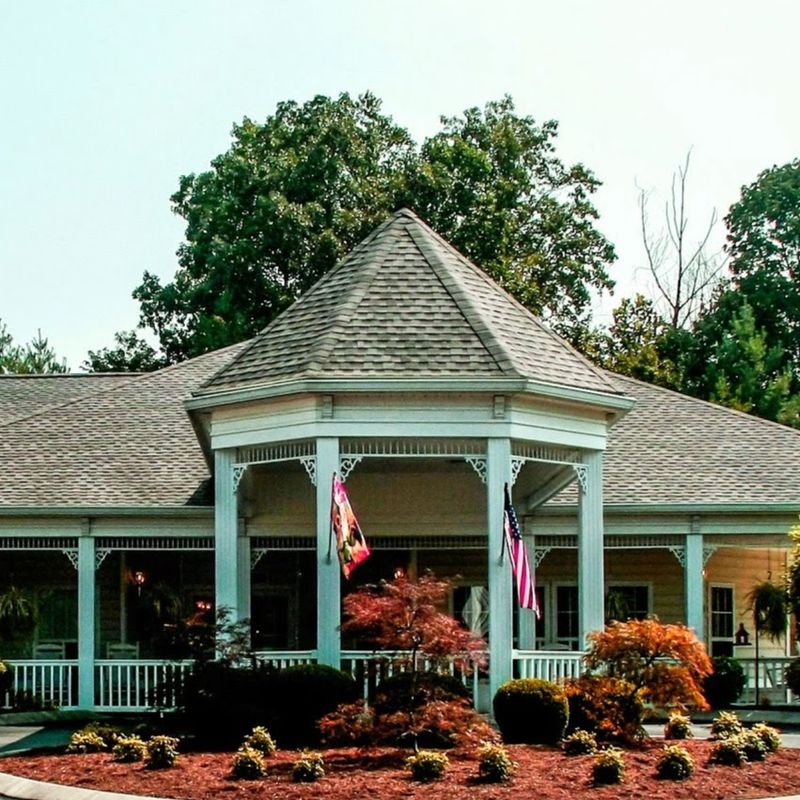
Sitting almost exactly halfway between Nashville and Knoxville, Cookeville solves a problem that trips up a lot of retirees: how to live cheaply without being stranded from real hospitals, airports, and adult children.
Numbers back up the appeal. The cost of living index reads 87.3, everyday goods and services run about 4 percent below the national average, and the grocery index of 95.8 keeps weekly food runs reasonable.
Median home prices sit around $324,134.
Tennessee Tech anchors the town, which means a steady supply of free or low-cost concerts, art exhibits, and public lectures. The historic West Side district, with its restored depot and brick storefronts, is the kind of place where an afternoon costs the price of a coffee.
Drive twenty minutes and you hit Burgess Falls or Cummins Falls, both state parks where parking and entry are either free or nominal. Both Nashville and Knoxville sit about ninety minutes away, close enough for a specialist appointment or a flight, far enough that big-city prices never followed the interstate out here.
5. Johnson City
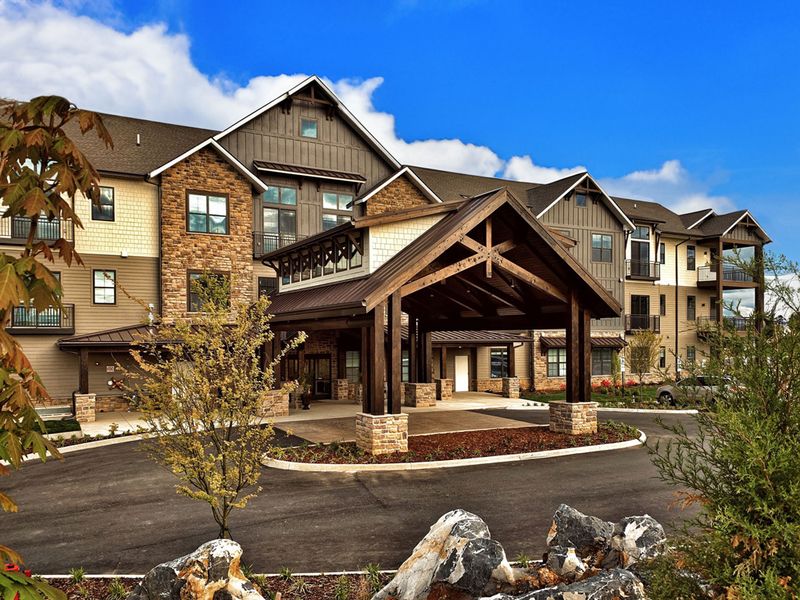
Healthcare access tends to move to the top of the list somewhere around age seventy, and few small Tennessee cities handle it better than Johnson City. The regional medical center and the university’s health sciences programs put a genuine concentration of doctors in a town this size.
Affordability holds up alongside that. Johnson City belongs to the group of smaller Tennessee cities running 14 to 20 percent under the national cost of living, with median home prices between roughly $288,254 and $296,489.
East Tennessee State University supplies the cultural side, from gallery shows to student recitals, much of it free to the public. Downtown has been steadily restored, and Founders Park hosts open-air events through the warmer months at no charge.
Then there is the setting. Roan Mountain, the Appalachian Trail, and some of the best fall foliage drives in the state are all within an hour, which turns an October Saturday into a full day out for the cost of gas and a packed lunch.
Winters are mild by mountain standards, though snow does visit the higher elevations.
6. Kingsport
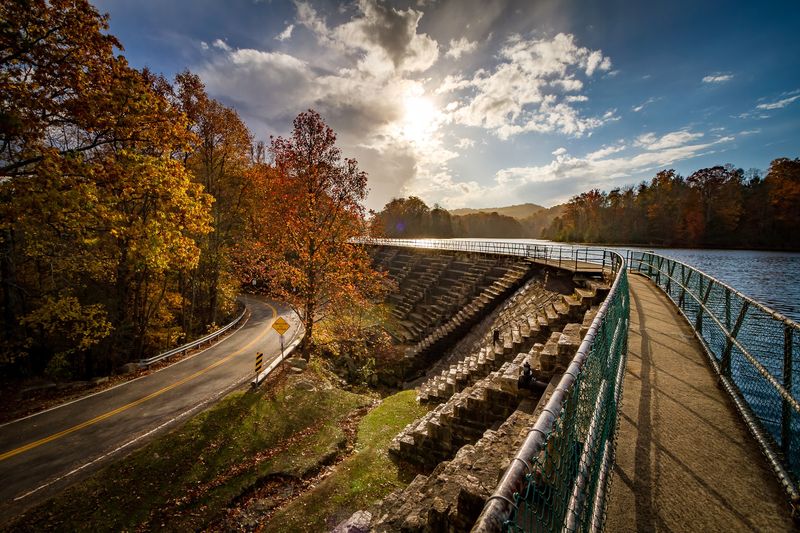
Medical bills climb faster than almost any other retirement expense, so an 8 percent discount on healthcare costs compared to the national average is not a small footnote. Kingsport delivers exactly that, which is one reason the Tri-Cities region keeps landing on retirement shortlists.
Housing here is the most affordable of the three Tri-Cities, with a median home price near $257,361. That figure leaves real room in a monthly Social Security budget, especially once Tennessee’s low property tax rate is applied.
The town itself is quiet and orderly, built around a planned downtown grid that makes errands quick. Bays Mountain Park sits just south of the city with hiking trails, a planetarium, and animal habitats, and the admission is modest enough that grandchildren can be entertained for well under $20.
Greenbelt trails follow the Holston River for miles, giving walkers a flat, paved route that costs nothing. Bristol and Johnson City are both a short drive away for additional shopping and specialists, and the Blue Ridge foothills start almost immediately east of town.
Prices and park hours can change seasonally.
7. Greeneville
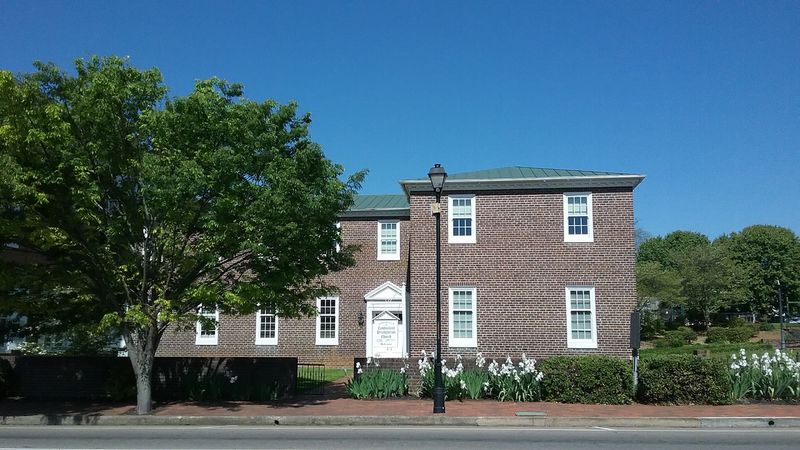
Founded in 1783, Greeneville ranks among the oldest towns in Tennessee, and the Main Street still shows it in brickwork and cornices that predate most of the state’s cities.
History is the draw, but affordability is the reason retirees stay. Median home list prices run around $330,000, and the surrounding Greene County countryside offers acreage at prices that would be unthinkable closer to Nashville.
Life here moves at an unhurried pace. The Niswonger Performing Arts Center brings touring shows to a town of about 15,000 people, a genuine oddity for a place this size, and community theater and gallery walks fill the calendar between.
Outdoors, the Nolichucky River and the Cherokee National Forest are both close enough for a morning trip. Fall color along the ridges east of town rivals anything in the Smokies without the traffic or parking fees, and the Andrew Johnson National Historic Site downtown is free to walk through.
Practical note: routine medical care is available locally, but complex specialists usually mean a thirty-minute run over to Johnson City or Kingsport.
8. Morristown
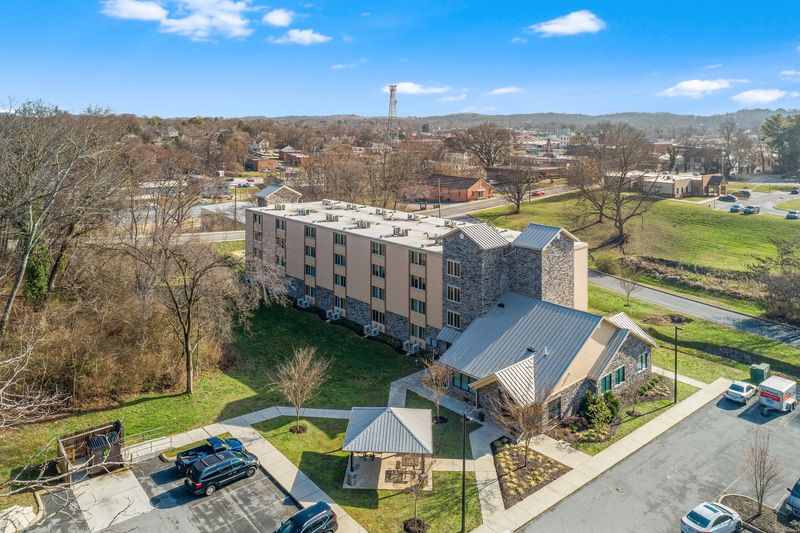
Grocery bills at 94.0 on the index might not sound thrilling until you multiply the savings across twelve months of shopping. Morristown quietly runs cheaper than average on food, and that adds up for households living check to check.
Housing follows the same pattern, with a median home price around $270,889. Combined with Tennessee’s roughly 0.50 percent effective property tax rate, the annual carrying cost on a modest house here stays genuinely manageable.
Cherokee Lake sits just outside town, and it changes what a weekend looks like. Bank fishing, boat ramps, and lakeside picnic spots are largely free or nearly so, meaning a full Saturday outdoors can cost little more than the sandwiches you packed.
Downtown has an unusual feature worth mentioning: an elevated walkway system, sometimes called the skywalk, that runs above Main Street and dates to a 1960s revitalization effort. It is one of very few structures like it in the country.
Knoxville is under an hour southwest for hospitals and airline connections, and the Smokies are about the same distance in the other direction.
9. Clarksville
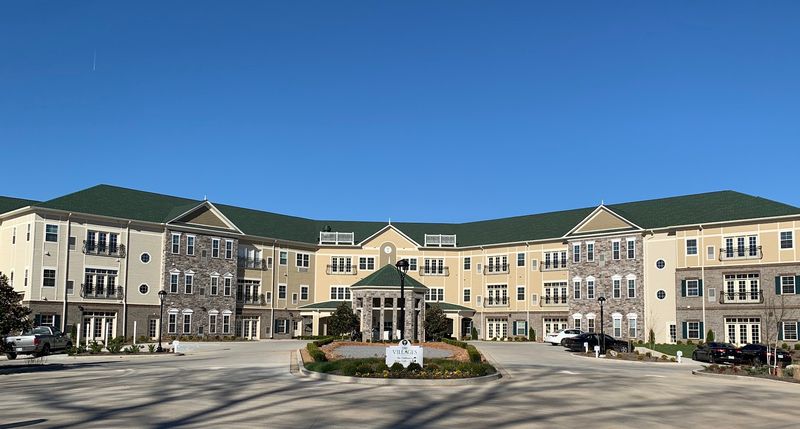
Fifty miles northwest of Nashville, the price of everything drops noticeably, and Clarksville is where that drop becomes obvious. Overall cost of living sits about 10 percent under the nationwide average.
Home figures depend on which measure you use, with median home costs around $281,900 and a median sale price near $308,382 as of mid-2026. Either way, buyers are paying substantially less than they would inside the Nashville metro while keeping a straightforward drive to its hospitals, concerts, and airport.
The Cumberland River shapes the town, and the riverwalk provides a free paved loop that gets plenty of use from morning walkers. Downtown’s restored courthouse square and the Customs House Museum give retirees somewhere to spend an afternoon for a few dollars.
Fort Campbell sits on the northern edge, which brings a steady military-connected population, a strong VA presence, and a level of medical and retail infrastructure larger than the town’s size alone would support.
Traffic on the Highway 41A and I-24 corridor has grown with the population, so scout your commute times before choosing a neighborhood. Growth here is real and prices continue to move.