
This Mississippi Creek Is A Must-Visit For Rock Hounds Who Love Digging For Free
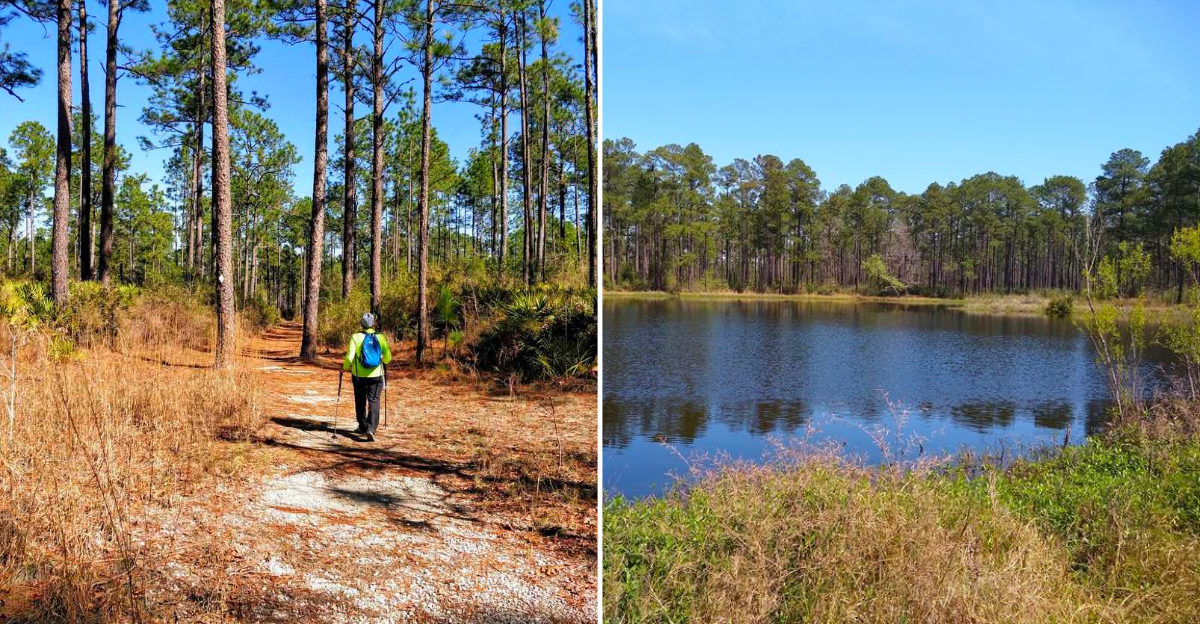
Kneel in the gravel and pull banded agate out of a creek bed with your bare hands. That is the whole activity, and it happens inside a national forest in Mississippi that covers more than half a million acres.
Free treasure hunting sounds like something a stranger tells you at a gas station. This one holds up. No permit.
No entry fee. No specialized gear, no guide, nobody checking anything at a gate. A shallow stream just keeps handing out stones to whoever shows up willing to look for a while.
Water does most of the sorting before you arrive, which is the part that makes it work. Bring a bucket and shoes you do not mind soaking. Bring patience too, since the good stuff rarely surfaces in the first ten minutes.
A Shallow Stream That Sorts Its Own Treasure
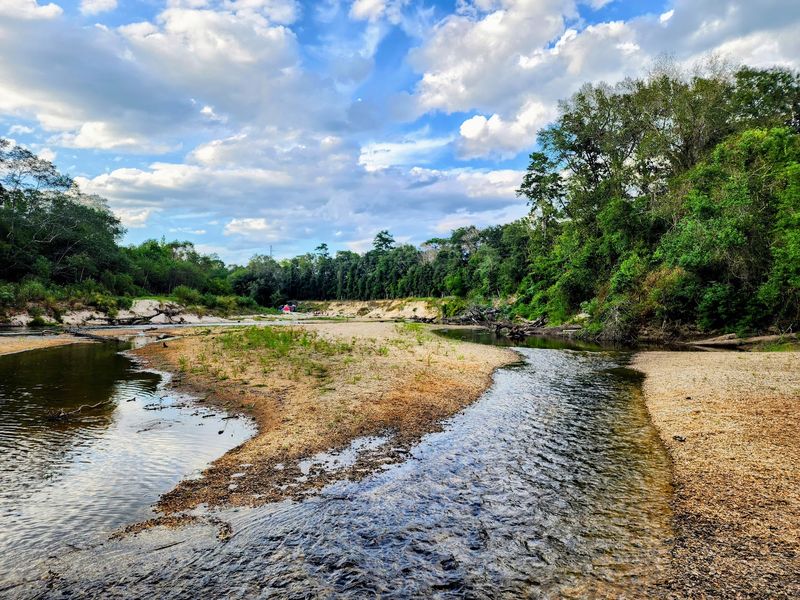
Moving water is a surprisingly good employee. Every season, rain pushes sediment through this stretch of southern Mississippi and drops the heavy stuff in predictable places. Gravel bars form on the inside of bends, and that is exactly where collectors kneel.
The geology behind it runs deep. The Gulf Coastal Plain here holds Quaternary sediments layered over older Tertiary formations, and both are rich in silica. Over millions of years, those silica materials rounded, tumbled, and concentrated into the pebble beds you see today.
What makes the spot friendly for newcomers is the terrain. Elevation sits near 51 feet, so there is no scrambling up steep walls or hauling gear uphill. You walk in, you crouch, you look.
Wet stones show their colors best, which is a happy accident of creek hunting. A dull gray lump on a dry bank can turn coral orange the second it goes underwater.
Bring a small sieve if you have one. Otherwise, your hands and a bit of patience work fine. The creek already did the hard labor of separating the good from the ordinary.
Meet Bell Creek Inside De Soto National Forest
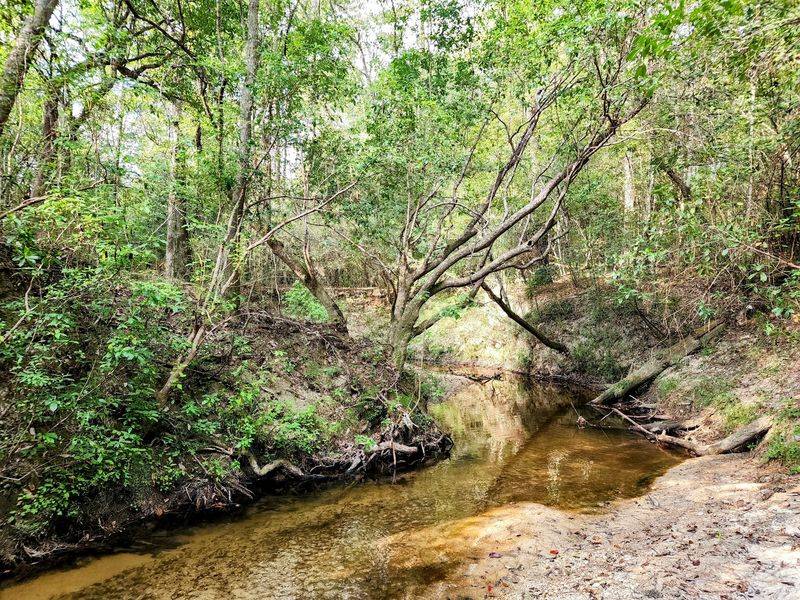
Names matter when you are chasing rocks, so here it is. Bell Creek runs through De Soto National Forest in Pearl River County, part of a public forest whose main address reads Brooklyn, MS 39425.
The creek itself sits south of Hattiesburg, and the general coordinates land near 30.558116, -89.326630.
Getting close is straightforward. U.S. Highway 49 and U.S.
Highway 98 both feed into the forest, and from there you switch onto forest roads that wind through pine ridges.
Those roads deserve respect. Some are packed sand, some are rutted, and a vehicle with decent clearance saves you worry. Download your maps before you leave, because cell service thins out fast.
The forest around you spans 518,587 acres of protected Gulf Coast habitat. Longleaf pine savannas, hardwood bottoms, and tea colored streams fill the space between collecting spots.
Signage for the creek is minimal, so treat navigation as part of the adventure. Mark your parking pin the moment you step out. Rock hounds have a habit of wandering downstream and losing track of where the truck sat.
Agate Is The Headliner Here
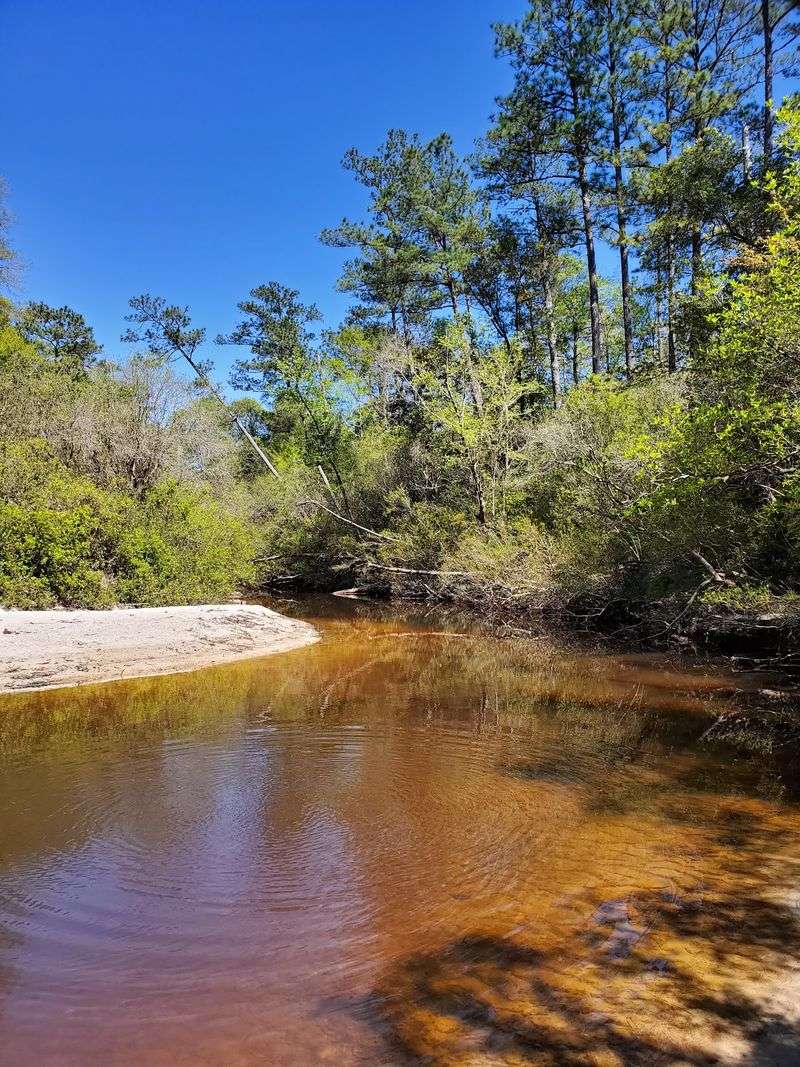
Ask anyone who hunts this creek what they came for, and the answer arrives quickly. Agate is the star attraction, and Bell Creek produces it in generous amounts.
Colors run through orange, red, brown, and creamy white. Many pieces carry banding, those concentric rings that look like tree growth lines frozen in stone. Hold one up to sunlight and the thinner edges glow amber.
Size varies wildly. Some agates come up thumbnail small, polished smooth by years of tumbling. Others arrive fist sized with rough exteriors that hide the good pattern until you cut or tumble them at home.
Learning to spot them takes maybe twenty minutes of practice. Look for a waxy surface sheen rather than a chalky one. Agate also feels denser than the surrounding sandstone pebbles.
A quick trick helps enormously. Wet every candidate stone before you judge it, because dry agate is a master of disguise.
Beginners often fill a bucket, then sort on the tailgate afterward. That approach keeps your creek time focused on searching instead of second guessing every pebble in your palm.
Jasper, Quartz, And Petrified Wood
Agate hogs the spotlight, but the supporting cast pulls its weight. Jasper turns up in deep reds and mustard yellows, opaque where agate is translucent.
Chert appears constantly, often gray or tan, and it is worth learning to recognize since it fooled plenty of new collectors before you. Quartz shows up in several forms, from milky chunks to clearer fragments that catch light along fracture planes.
Petrified wood is the sleeper favorite. Pieces still carry grain lines and bark texture, evidence of trees that turned to stone across unimaginable spans of time. Finding one feels less like collecting and more like meeting an ancestor.
Chalcedony rounds out the silica family with its smooth, slightly glassy surface. Iron concretions add a stranger note, forming odd knobby shapes that some folks keep purely as curiosities.
Sedimentary fossils also surface in the creek sediments. They are not the dramatic dinosaur kind, but they carry real geological history.
Keep a separate bag for the unknowns. Half the fun happens later at the kitchen table with a field guide and good lighting.
Casual Use Rules Keep It Legal And Free
Free does not mean lawless, and knowing the rules keeps this hobby open for everyone. Collecting at Bell Creek falls under the casual use policy that governs National Forest lands.
Under that policy, you may gather minerals for personal, non commercial use without applying for a permit. Sell your finds and the whole arrangement changes, so keep it hobby level.
Tools stay simple. Small shovels, picks, and hammers are fine. Motorized equipment, explosives, and heavy machinery are flatly prohibited, which honestly makes the creek quieter and more pleasant anyway.
Digging into bedrock or other geological formations is off limits. Loose gravel and sediment are your playground, and that is where the good material sits regardless.
Volume limits apply too. The daily cap allows 25 pounds of material plus one additional piece, with an annual ceiling of 250 pounds across everything you collect.
Restricted zones exist within the forest. Collecting natural objects is not permitted in the Black Creek Wilderness Area, so check your position before filling a bucket.
A call or visit to the De Soto Ranger District office before your trip confirms current access. Rules shift, and rangers appreciate the courtesy.
Spring Timing Beats Summer Sweat
April and May earn the crown for creek hunting in this part of Mississippi. Temperatures sit warm without turning oppressive, and the water level usually cooperates.
Summer here is a different animal. Humidity climbs, the sun bears down on open gravel bars, and your enthusiasm evaporates faster than the creek does. Early mornings help, but spring simply feels better.
Fall deserves equal billing. October and November deliver comfortable air, fewer insects, and long stretches of productive daylight for extended searching.
Rain plays a starring role in your planning. A solid storm scours the banks and exposes fresh material that had been buried under packed sediment for months.
Wait a day or two after heavy rain, though. High, murky water hides everything and makes footing unreliable on slick clay.
Winter visits work for the cold tolerant. Vegetation dies back and sightlines improve, though the water will remind your fingers exactly how it feels about January.
The forest itself stays open 24 hours, so your schedule has room to breathe. Plan around daylight anyway, since spotting subtle color in gravel is nearly impossible under a headlamp.
Gear That Earns Its Spot In The Pack
Packing light matters when the walk from the road involves sand and roots. A five gallon bucket handles hauling and doubles as a seat when your knees file a complaint.
Footwear ranks first in importance. Water shoes or old sneakers with real tread beat sandals every time, since creek rocks are slick and shifting.
A classifier screen or simple mesh sieve speeds sorting dramatically. Scoop gravel, shake underwater, and let the fines wash away while the keepers stay behind.
Gloves protect your hands from sharp chert edges and the occasional bit of buried glass. Thin ones preserve enough feel for picking through pebbles.
Bug spray is not optional in a Mississippi forest. Mosquitoes take their duties seriously, especially near standing water and shaded bottoms.
Bring more drinking water than you think you need, plus snacks. There are no stores down the forest roads, and dehydration sneaks up quietly.
Toss in a spray bottle for rinsing finds on the bank. Add a small notebook to log where each good piece came from, because your memory will blur the details by dinner.
Reading The Creek Like A Pro
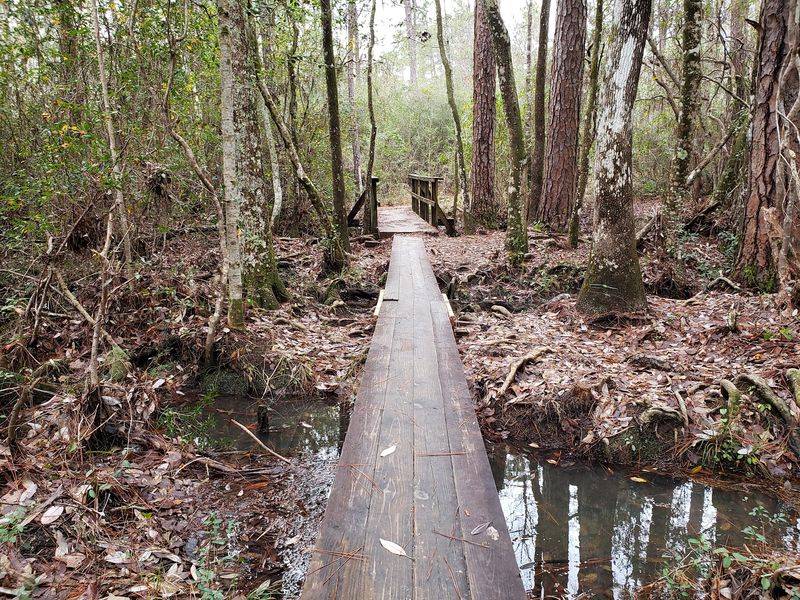
Water leaves clues everywhere, and learning to read them separates a full bucket from an empty one. Heavy material drops where current slows, which means inside bends and the downstream tail of gravel bars.
Exposed banks reward attention after storms. Freshly cut faces reveal material that had been locked away, and those spots often produce the best specimens of the day.
Root wads and fallen logs act as natural traps. Gravel piles up behind them, and so do agates.
Shallow riffles work well for spotting because moving water keeps stones clean and colors visible. Deeper pools hide their contents under silt.
Change your angle often. Crouching low and looking toward the sun makes translucent stones light up in a way that vertical viewing never does.
Work slowly across a small area rather than covering long distances. Most experienced hunters find that ten thorough feet beat a hundred rushed ones.
Return to productive spots on later trips. Creeks reshuffle their deposits constantly, so a bar that looked picked over in spring may hold entirely new material by autumn after the water has done its rearranging.
Leave The Banks Better Than You Found Them
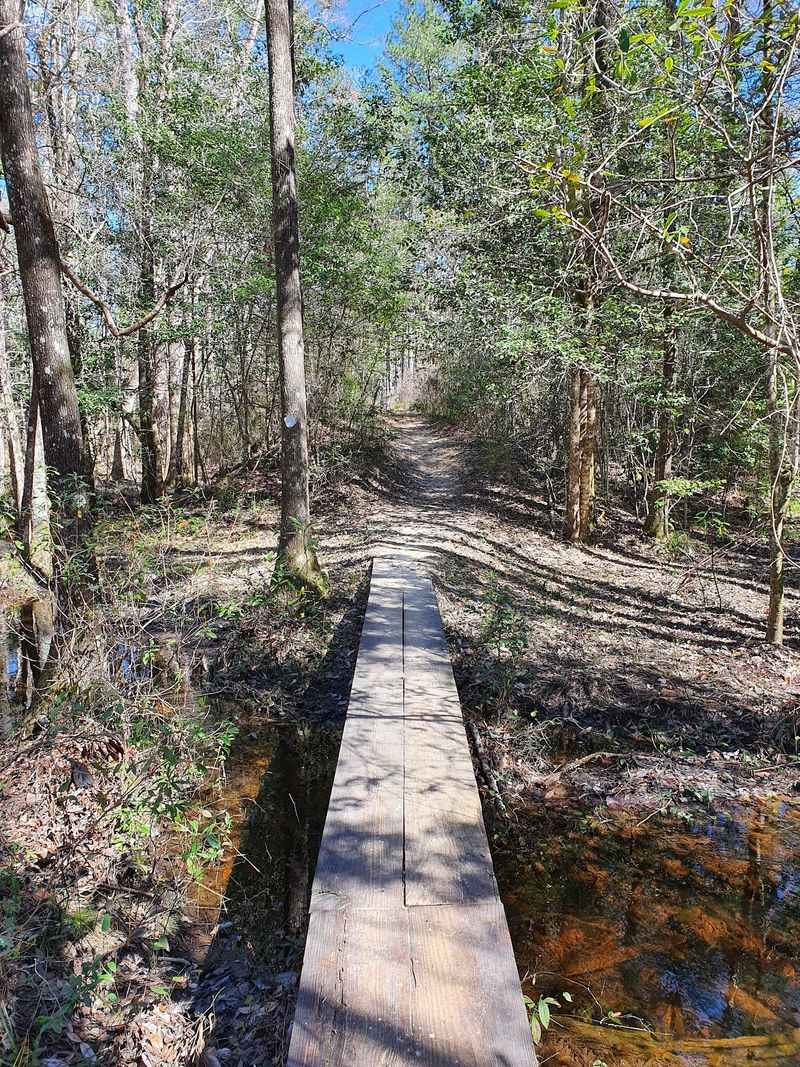
Good stewardship keeps free access free. Leave No Trace principles apply fully here, and rock hounds have a real stake in following them.
Fill in every hole you dig. An open pit on a creek bank erodes fast and looks careless to the next visitor and to rangers watching the area.
Pack out your trash, then grab a little extra if you spot it. Litter turns up along popular pull offs, and a spare bag in your pack costs nothing.
Respect wildlife while you work. The forest shelters gopher tortoises, gopher frogs, and rare carnivorous plants including pitcher plants that deserve a wide berth.
Stay on established roads with your vehicle. Driving onto soft creek banks causes damage that takes seasons to heal.
Take only what you will actually use. Buckets of material that end up forgotten in a garage help nobody, and the limits exist for good reason.
Share the spot generously but responsibly. Teaching a newcomer how to spot wet agate builds the kind of community that keeps public collecting alive in Mississippi for the next generation of hunters.