
This Wisconsin Sausage Shop Is Keeping A Nearly Lost Butchering Tradition Alive
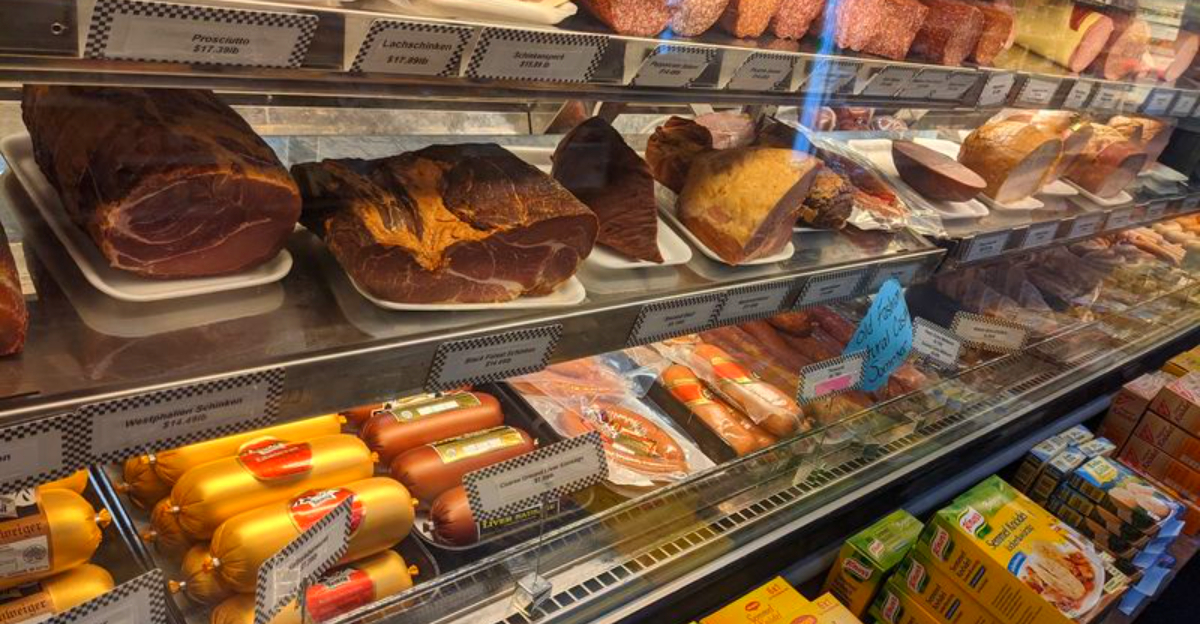
You can smell the smoke before you reach the door. In Wisconsin, one old-school butcher shop still grinds, stuffs, cures, and smokes meat with the kind of patience that has mostly disappeared.
The recipes have deep roots. The methods do too. Sausages are made by hand, seasonings are carefully balanced, and the smokehouse still does plenty of the heavy lifting.
Inside, the shelves are packed with flavors that feel straight out of another era. Some are hard to find anywhere else without making a much longer trip.
That is why people arrive with coolers and leave with them full. Others send boxes to family members who miss the tastes they grew up with. This is not fast food or factory work. It is old-world skill, kept alive one batch at a time.
A Butcher Shop Built On German Apprenticeship Training
Real German butchering is not a weekend hobby. In Germany, becoming a Metzger means years of formal apprenticeship, written exams, and hands-on training under a master butcher.
That training system barely exists in the United States anymore, which is why sausage made this way has become so rare. Bavaria Sausage grew out of that European tradition, and the recipes and methods reflect it.
You taste the difference in small details. The grind is consistent, the seasoning is balanced instead of overpowering, and the casings snap the way they should when cooked properly.
Nothing here relies on shortcuts or heavy flavor cover-ups. When you handle meat correctly from the start, you do not need to hide anything.
Wisconsin has always had a strong German farming and food heritage, so the shop fits naturally into the state’s history. Still, very few places kept the full skill set intact as older butchers retired.
If you have ever wondered why grocery store sausage tastes flat by comparison, this is your answer. Skill, time, and proper technique are the ingredients you cannot see on a label, and they matter more than most shoppers realize.
Bratwurst That Explains Wisconsin’s Reputation
Brats are practically a food group in this part of the country, and they come up more than any other item people mention about Bavaria Sausage. That reputation is earned rather than marketed.
The lineup goes far past one basic style. You will find classic bratwurst alongside seasoned versions like Cajun, plus other regional recipes that rotate through the case.
Cooking them at home is simple if you resist the urge to rush. Keep the heat moderate, turn them often, and let the inside cook through instead of splitting the casing over high flames.
A quick turn on the grill is enough to heat the fully cooked bratwurst through and brown the outside. Skip poking them with a fork, since that drains everything good right out.
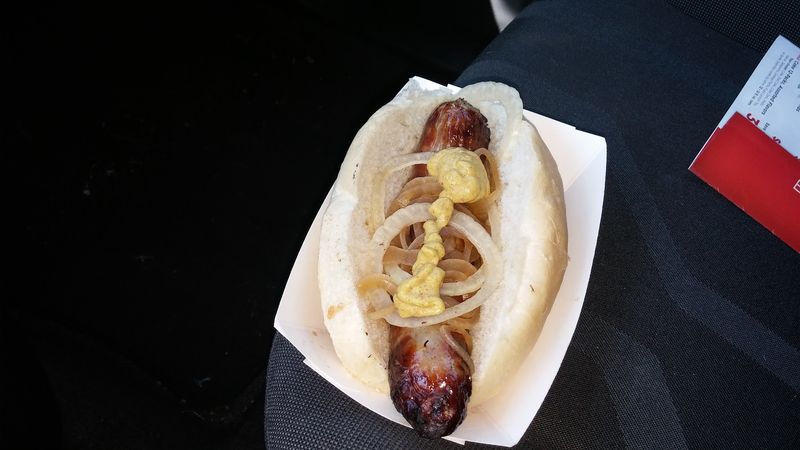
Serve them on a soft roll with mustard, sauerkraut, or grilled onions. Potato salad on the side keeps the meal traditional.
Plenty of visitors buy far more than they need for one dinner, then freeze the rest in small batches. That habit makes sense once you taste them, because driving back across Wisconsin for a single package starts to feel unreasonable pretty quickly.
Landjager And Other Old-World Snacks Worth Trying
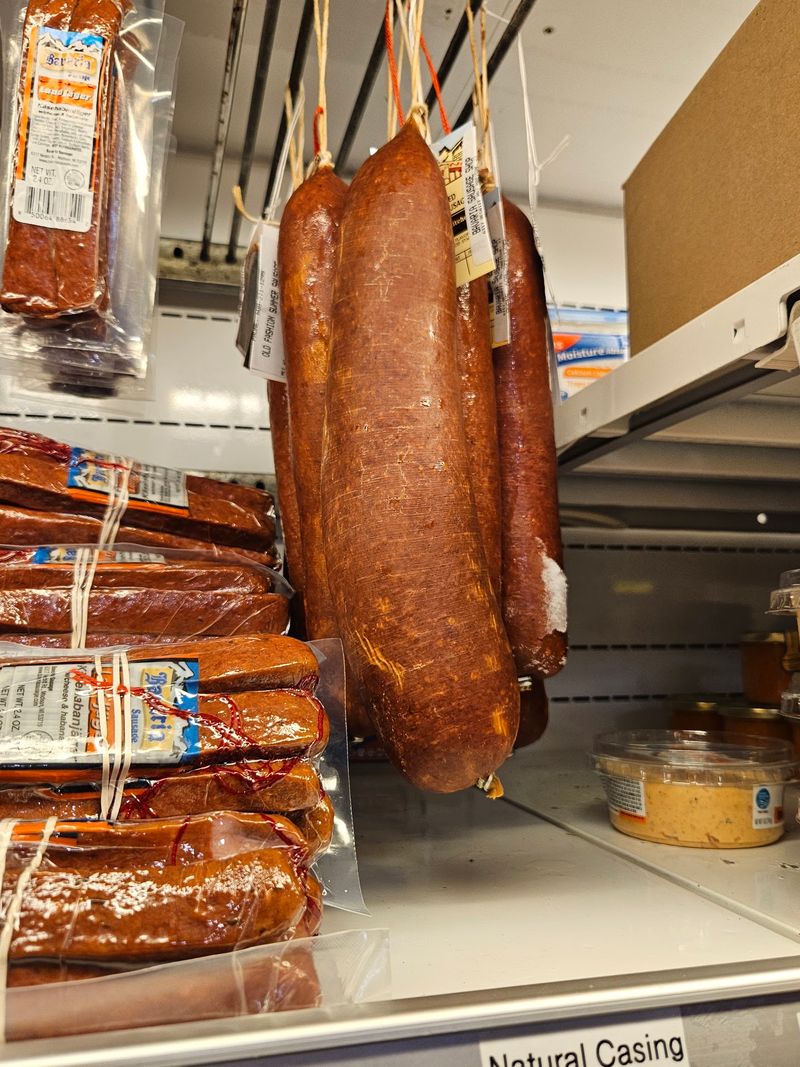
Ask longtime customers what to grab first, and landjager comes up fast. These flat, semi-dried sausages were originally made as portable food for hunters, soldiers, and hikers who needed protein that would not spoil in a pack.
Bavaria Sausage keeps them in regular rotation, and they have become one of the shop’s signature items. Their distinctive flattened shape sets them apart from the round sausages most shoppers are used to seeing.
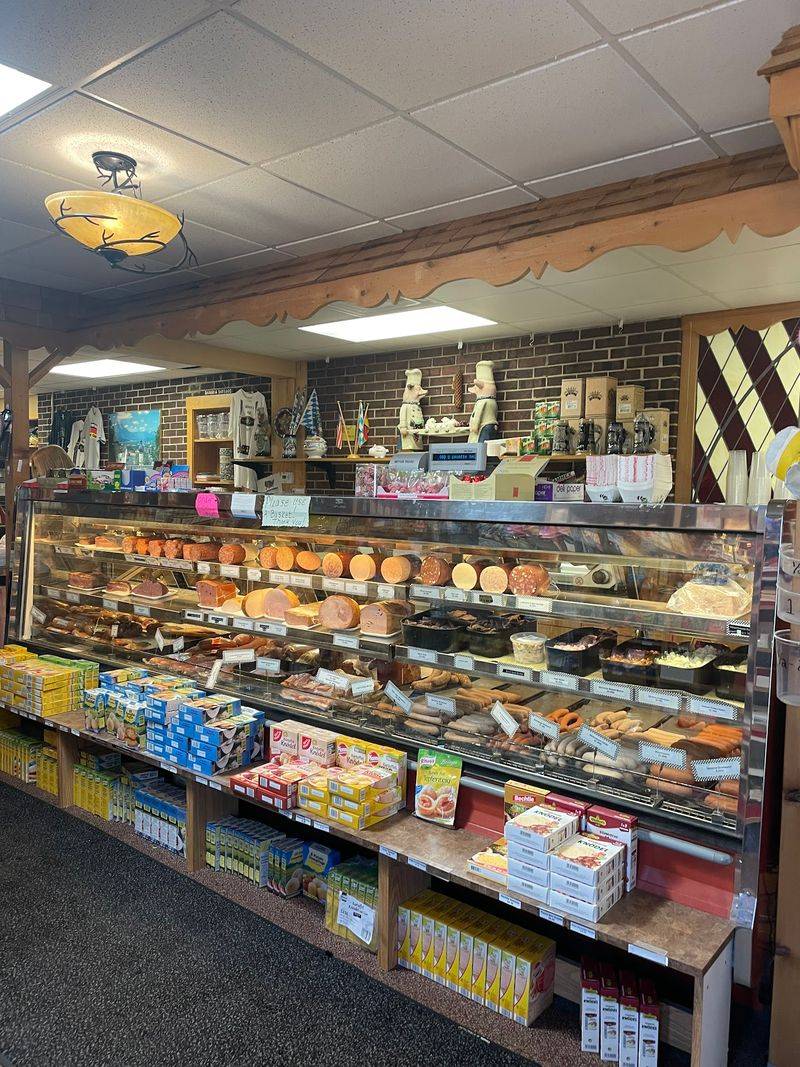
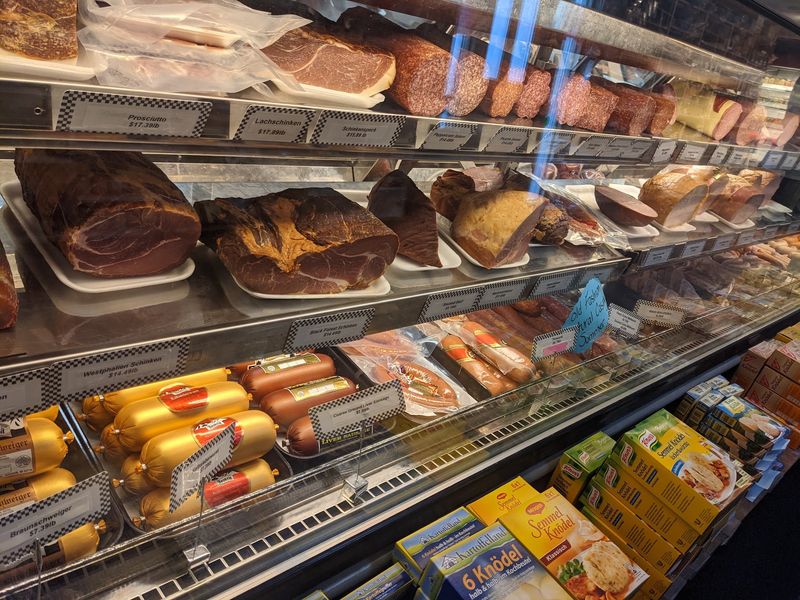
Beyond landjager, the counter holds summer sausage, dried beef, Westphalian ham, and leberkase. Each one represents a different preservation method, from smoking to curing to baking.
Snacks like these travel beautifully. Toss a pair in a backpack or lunch bag and you have real food that holds up without refrigeration as long as it stays cool and dry.
My advice is to buy one of several kinds rather than a big stack of just one. You learn what you actually like, and the variety makes for a great cheese board later.
Fun bit of history: Landjager has long been associated with portable, hearty food for people on the move.
Where To Find This Local Favorite
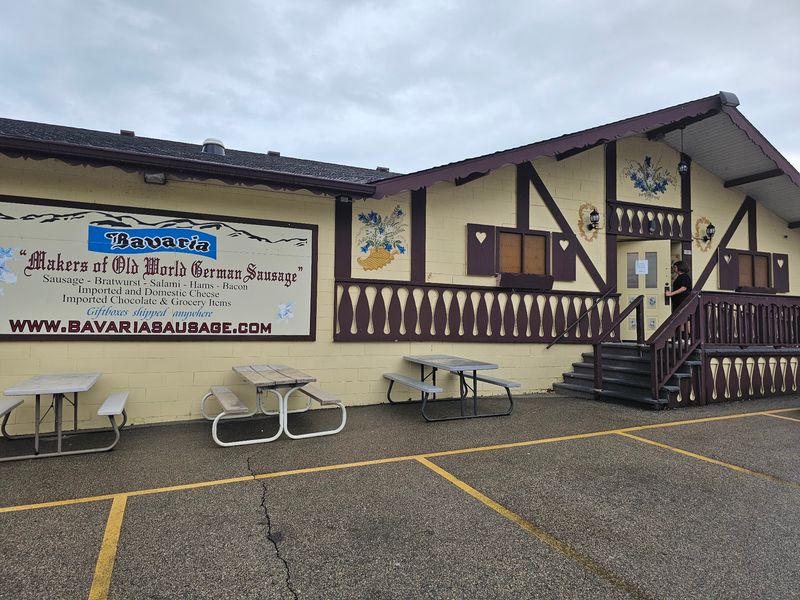
Plenty of specialty food stores sit downtown where parking is a headache. Not the case here, which makes a stock-up trip much easier.
You will find Bavaria Sausage at 6317 Nesbitt Rd, Fitchburg, WI 53719, just southwest of Madison and close to the highway. The drive out takes only a few minutes once you leave the city, and there is room to park right outside.
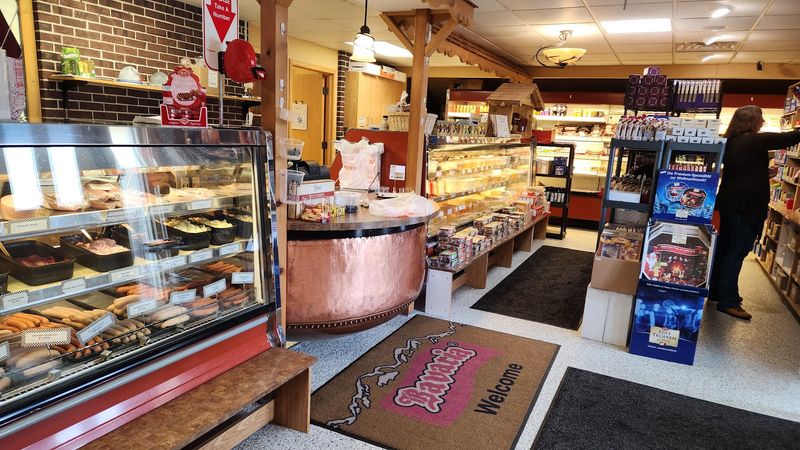
The building itself is modest. Do not expect a flashy storefront, because the effort clearly goes into what happens in the smokehouse and behind the counter. Inside, the space feels compact but well organized. Shelves run wall to wall, and the meat case anchors the room.
Bring a cooler if you are driving any real distance. Ice packs and an insulated bag turn a fun stop into a genuine grocery run, and you will almost certainly buy more than you planned.
If you are visiting Wisconsin as a tourist, pairing this stop with a morning in Madison works well. You get the lakes, the capitol square, and then a trunk full of sausage on the way out of town.
A Grocery Aisle That Feels Like A Trip Abroad
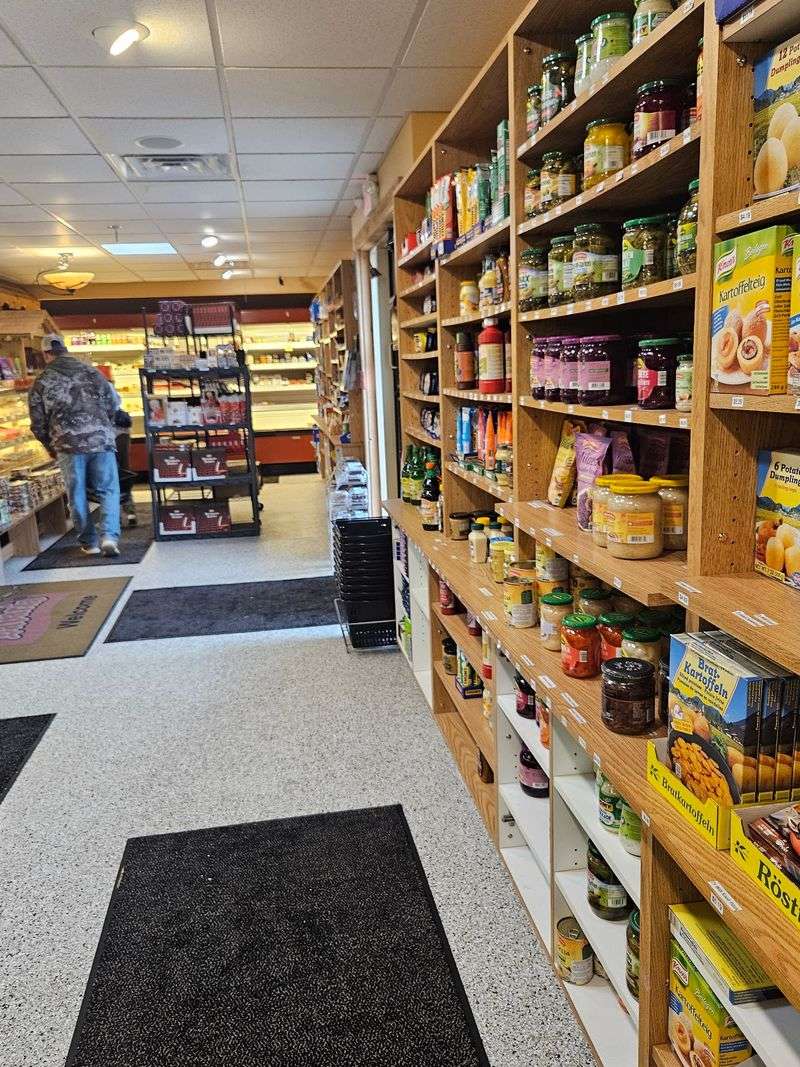
Meat brings people through the door, but the shelves keep them wandering. Imported mustards, pickles, herring, spaetzle, cookies, and chocolates fill the space between the coolers.
For anyone who grew up eating this food, Bavaria Sausage solves a real problem. Finding proper rye bread, brotchen rolls, or specific European candy bars is genuinely difficult in most American supermarkets.
Cheese gets solid attention too, with European styles that pair naturally with the cured meats. Building a simple platter takes one visit and about ten minutes of shopping.
The candy section deserves a mention on its own. Hazelnut chocolate, marzipan, and gummy varieties you rarely see stateside all show up here, and they make easy gifts.
If you are new to German food, start small and ask questions. The staff know the products well and will point you toward beginner-friendly options instead of something too strong for a first try.
Bread is best eaten within a few days or frozen right away. Dense rye holds up longer than soft American loaves, but freezing it fresh keeps the texture closer to how it left the shelf.
Friday Brat Fry Lunches Returned In Summer 2026
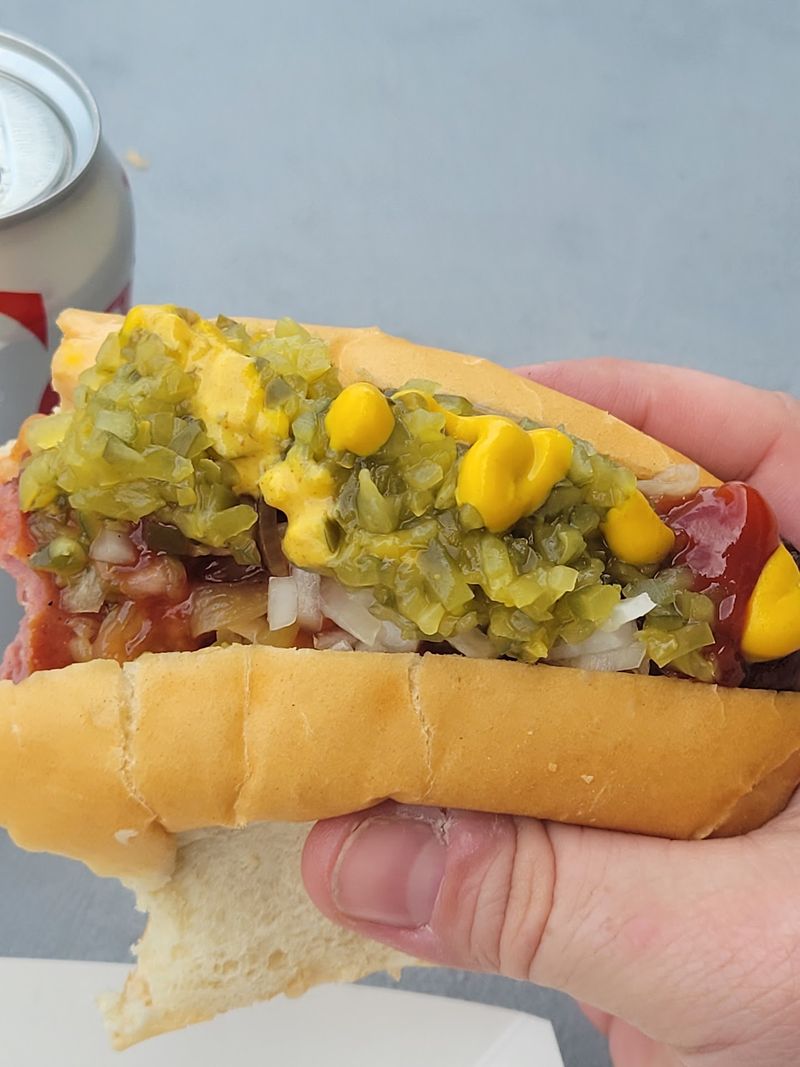
Summer brings a tradition that locals watch the calendar for. On warm-weather Fridays, the grill comes out and you can buy a hot brat on a roll instead of taking raw links home.
Eating one fresh off the flame is the fastest way to understand what Bavaria Sausage does well. The smoked brat is a longtime favorite, and seasoned versions like the Cajun style add mild warmth without overwhelming heat.
The brat fry is a Wisconsin custom that goes back generations, tied to church picnics, fundraisers, and neighborhood gatherings. Seeing a butcher shop keep it going feels right.
Plan to arrive around midday if you want the full experience. Lunch hours are when the grill is busiest and the line moves quickly. Eat first, then shop. You will make smarter choices at the counter once you have tasted what you are buying.
Bring a friend and split two different varieties. Comparing them side by side teaches you more about seasoning and grind than any label description could, and it turns a quick errand into an actual outing worth remembering.
Custom Venison Processing Continues An Old Tradition
Hunters can bring in qualifying venison for custom processing into products such as summer sausage, bratwurst, Landjagers, ring bologna, and old-fashioned wieners. Bavaria Sausage still offers custom venison processing, continuing a service it has provided for more than fifty years.
Venison is lean, so turning it into good sausage requires knowing exactly how much pork fat to add and how to season around a stronger flavor. Guessing wrong ruins an entire batch.
If you hunt, check the processing requirements before making the trip. Knowing the drop-off rules and packaging requirements saves you a wasted trip.
Keep your meat cold and clean from the field to the counter. Good sausage starts with good handling long before anyone turns on a grinder.
The shop also makes its own venison sausage for sale, though availability can vary. It gives you a taste of a food tradition that ties farming, hunting, and butchering together, and it pairs surprisingly well with sharp cheese and dark bread.
Planning Your Visit And Why It Stays Worth It
Timing your trip takes ten seconds of planning and pays off. Doors open at 9 AM Monday through Friday and stay open until 7 PM, with shorter Saturday hours ending at 1 PM. The shop is closed Sunday.
Calling ahead helps if you want a specific item held. You can also order through bavariasausage.com if a drive to Bavaria Sausage is not realistic for you.
Weekday afternoons tend to be calmer than Saturday mornings. Go then if you want time to browse and ask about products.
What keeps this place meaningful goes beyond the food. Traditional butchering is a craft that nearly vanished, and every purchase supports the people still doing it by hand.
You leave with dinner for a week, snacks for the road, and a better sense of how much skill sits behind a simple link of sausage. That combination is rare anywhere in the country.
Add it to your list next time you travel through southern Wisconsin. Bring the cooler, take your time, and let the counter staff guide you toward something new.