
The Largest Natural Habitat Zoo On Earth Is Right Here In North Carolina
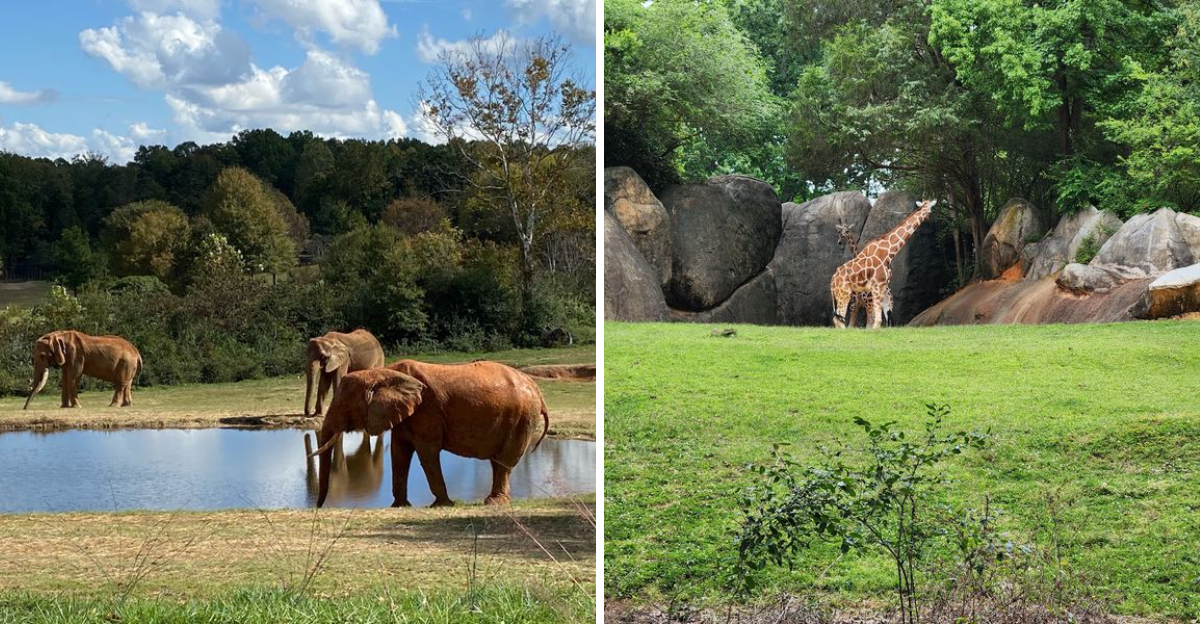
You do not expect a zoo visit to feel this huge. Yet this North Carolina attraction can easily fill an entire day. The habitats stretch far beyond the usual zoo setup. The walking paths keep revealing new animals and wide open spaces.
North Carolina is home to the largest natural habitat zoo on Earth. That fact alone makes it worth paying attention to. The state has many famous attractions, but this one feels different. Animals have room to move in massive natural settings.
Visitors cover serious ground here, and every section feels like its own experience. By the end, it becomes clear why the state can claim something this extraordinary.
A 500-Acre Park That Rewrote The Rules
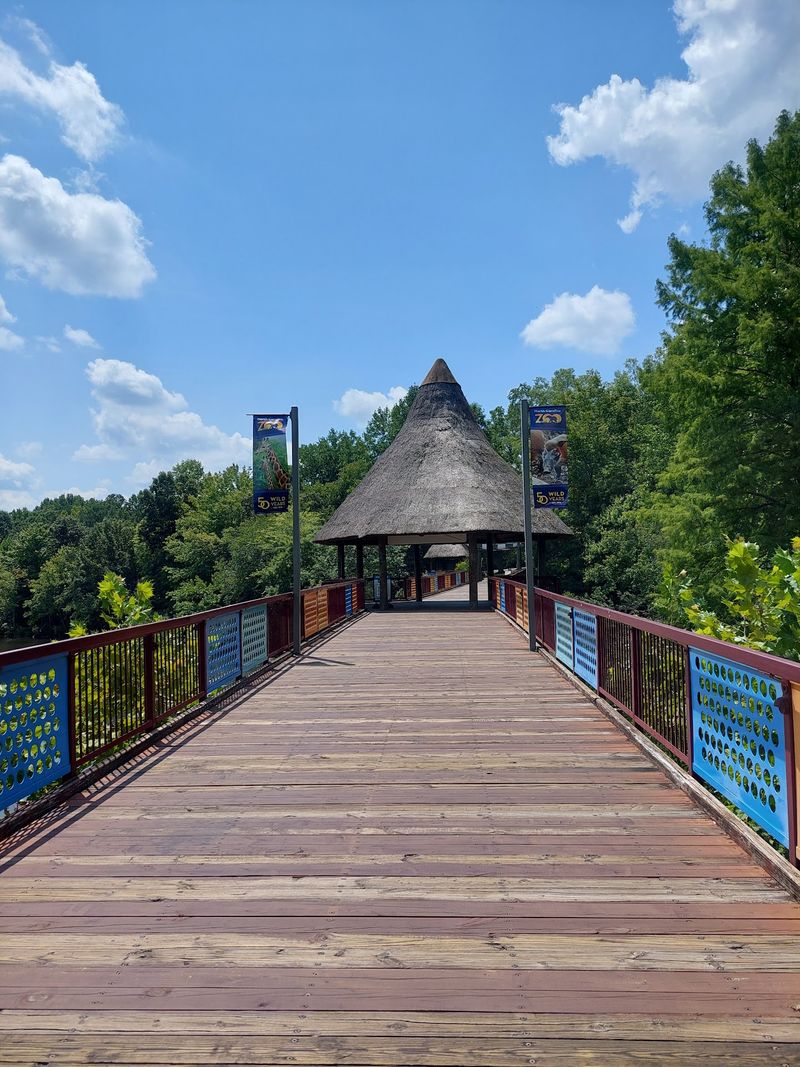
Most zoos fit inside a few city blocks. The North Carolina Zoo covers 500 acres, which makes it the biggest natural habitat zoo anywhere.
Instead of cages and concrete, the design leans on wide-open space and real terrain. Animals roam across grassland, rock, and forest that mirror the places they come from.
Roughly 1,700 animals live here, gathered from Africa and North America. Because the habitats are so large, creatures can wander far out of sight whenever they please.
That freedom changes how the day feels. Spotting a bison or a gorilla becomes a small reward rather than a guarantee, and the payoff feels earned.
The whole park sits at 4401 Zoo Pkwy in Asheboro, framed by thick stands of native trees. Those trees do double duty, shading the paths and cooling the air on warm afternoons.
Plan for real distance. Walking from one end to the other and back can eat up three or four hours if you stop often.
Comfortable shoes are not a suggestion here. They are the price of admission.
Watani Grasslands And The Elephants Who Own It
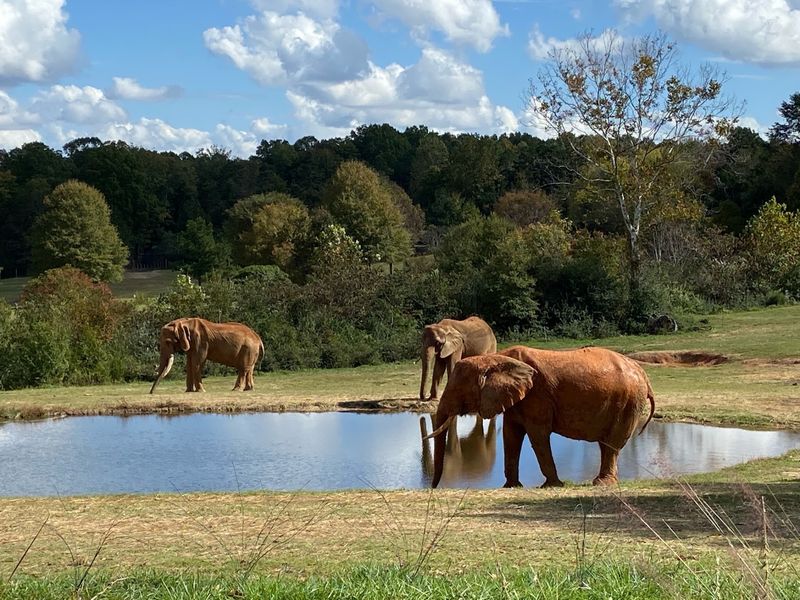
Few sights stop a crowd faster than an elephant strolling toward the viewing rail. In the Watani Grasslands, that happens on a scale that feels genuinely wild.
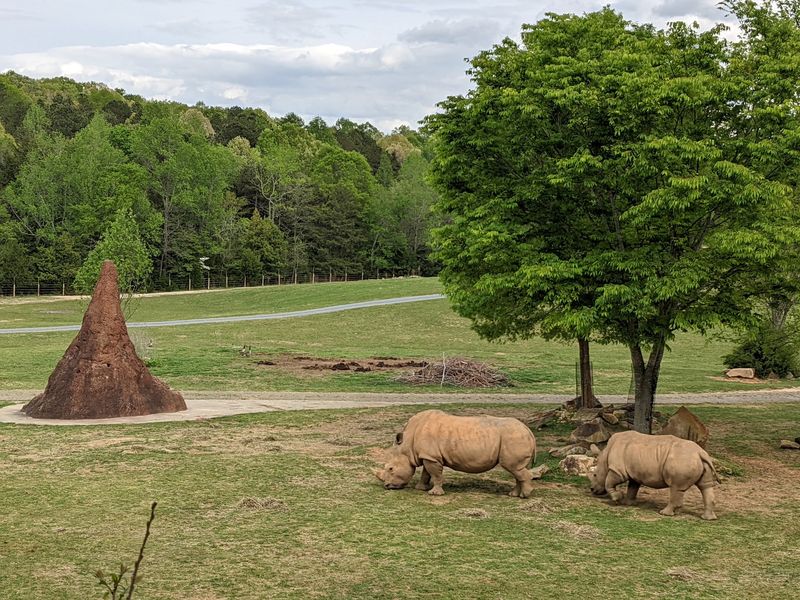
The savanna-style habitat stretches across acres of open ground. African elephants share the landscape with rhinos, and the space lets them move like a real herd rather than a display.
Sometimes they drift close enough to make you catch your breath. Other times they graze far off near the tree line, tiny gray shapes against the grass.
Zebras and antelope round out the scene, grazing in loose groups. The layered view makes the habitat read like a slice of East Africa dropped into the Piedmont.
Morning tends to be the smartest window. Animals move more before the heat settles in, and the light is kinder for photographs.
Shade structures and benches line the overlooks, so nobody has to rush. Sitting still for ten minutes often reveals more than walking fast for thirty.
Patience is the real ticket in this section. The grassland rewards anyone willing to linger.
Eye-Level Giraffe Feeding At Acacia Station
A giraffe tongue is roughly eighteen inches long, purple-black, and startlingly fast. You learn all of that in about two seconds at Acacia Station.
The elevated deck lifts guests up to giraffe height. From there, you hand over lettuce while a very tall animal studies you with enormous dark eyes.
There is a separate fee for the feeding, and it operates on set hours. Checking the schedule before arriving keeps the timing from slipping away.
Kids tend to shriek, then laugh, then immediately ask for another leaf. Adults usually do the same thing with slightly more dignity.
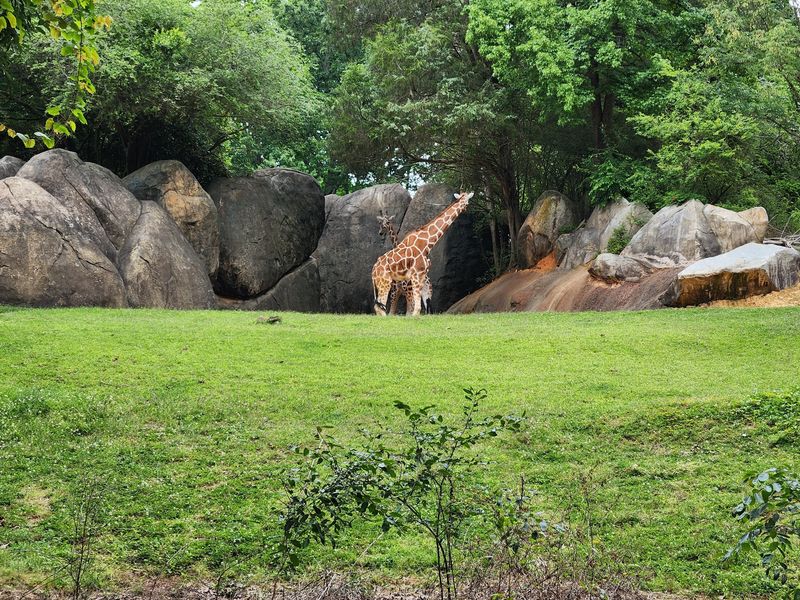
Even without feeding, the giraffe overlook is worth a stop. Watching them lope across open ground shows off a gait that looks almost slow-motion.
Giraffes are among the most talked-about residents of the North Carolina Zoo, and the reason is easy to understand. Standing eye-to-eye with one reshapes your sense of scale.
Bring a camera you can hold with one hand. The other hand will be busy.
Polar Bears On The Rocky Arctic Coast
The most requested animal in the whole park weighs more than a refrigerator and swims like a torpedo. Polar bears are the headline act of the North America region.
Their Arctic Coast habitat features rocky terrain and a deep pool with underwater viewing. When a bear glides past the glass, the room goes quiet.
Do keep expectations flexible. On hot days the bears often retreat to cool, shaded spots well away from the windows.
Coming back later in the day is a reliable trick. Animals shift their routines, and a second pass frequently pays off.
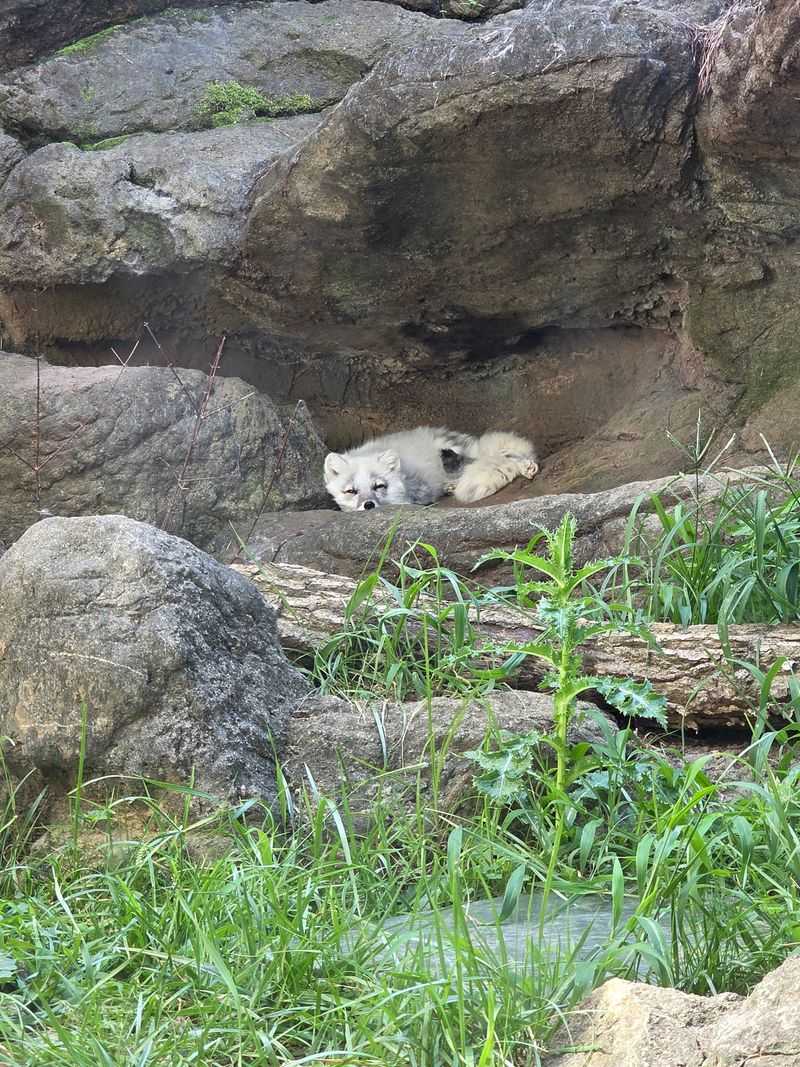
Nearby, arctic foxes patrol their own space with restless energy. Their thick coats and quick movements make them easy to watch for a long stretch.
Cooler months are the sweet spot for this area. Bears grow noticeably more active once the temperature drops.
The habitat also carries a teaching mission about changing sea ice and conservation work. Signage explains it without lecturing.
Give the underwater window a few minutes of your time. Timing beats luck almost every time.
Gorillas And Chimpanzees At Forest Edge

Gorillas have a habit of looking right back at you. It is a strangely level exchange, and it tends to stick with people.
The Forest Edge habitat gives western lowland gorillas grassy hills, logs, and thick greenery. Family groups sprawl, groom, and occasionally wander toward the viewing area on their own terms.
Chimpanzees live in a neighboring habitat and run on a completely different setting. Loud, busy, and constantly rearranging themselves, they are the park’s best free entertainment.
Both species are highly intelligent, and the habitats include plenty of enrichment. Keeper talks explain what the behaviors actually mean.
Baboons add another layer of activity nearby. Youngsters tumbling over each other draw crowds without any effort at all.
Try arriving during a scheduled keeper chat if you can. The context turns casual watching into genuine understanding.
Benches and shade make this a natural place to slow down. Ten unhurried minutes usually beats a quick lap.
Primates reward the observant. Stand still, and the stories start showing themselves.
The Kaleidoscope Butterfly Garden
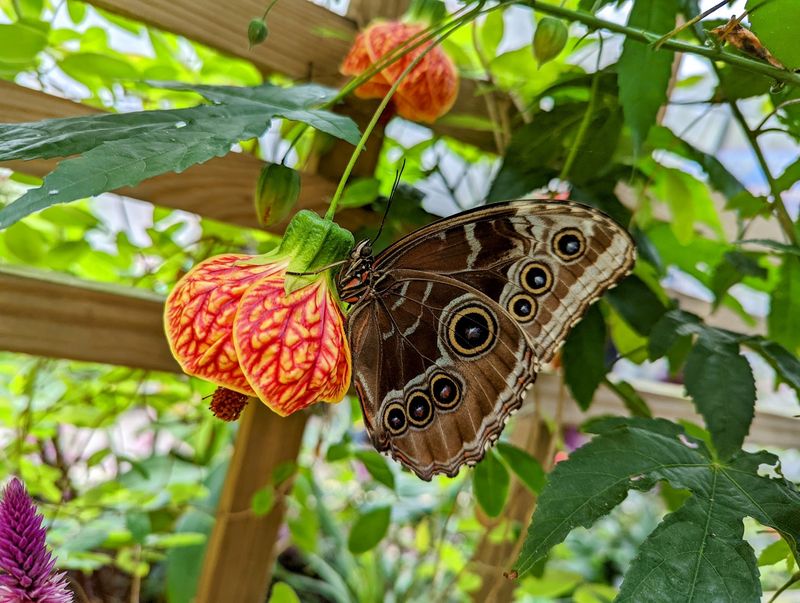
Colorful wings brushing past your shoulder is a peculiar kind of magic. The Kaleidoscope Butterfly Garden delivers it in a warm, plant-filled room.
Dozens of butterfly species drift among tropical flowers and vines. Some land on railings, some land on hats, and nobody minds either way.
The garden is a seasonal attraction with a small separate fee. Confirming that it is open before you go saves disappointment.
Inside, the pace slows automatically. People lower their voices and start pointing instead of talking.
It is one of the most beloved corners of the North Carolina Zoo, and space stays comfortable rather than crowded. Staff at the entrance explain how to move gently and check for hitchhikers on the way out.
Wearing bright colors sometimes helps. Butterflies are curious about anything that resembles a blossom.
Photographers should be ready for quick focus work. These subjects rarely hold a pose for long.
Consider saving it for midday when the sun is high. Warm air keeps the butterflies moving.
Free Trams And Buses That Save Your Feet
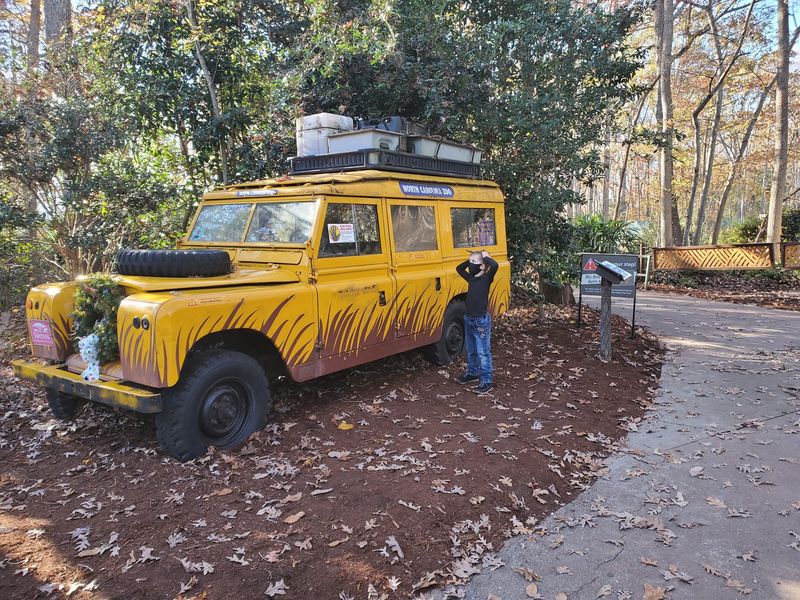
Six miles of walking is not unusual here. Thankfully, the park runs free transportation to keep legs from staging a rebellion.
Trams and buses connect the North America entrance, Junction Plaza, and the Africa side. They run regularly, and the ride itself is breezy and pleasant.
Strollers need to be folded before boarding. Knowing that in advance prevents a scramble at the loading area.
A clever strategy circulates among regulars. Start in North America and walk toward Africa, since the route trends downhill in that direction.
Then catch a tram back rather than repeating the climb. Your afternoon self will approve of the decision.
Wheelchairs and electric scooters are available to rent, and the paths include both ramps and stairs. The rental process is straightforward, and battery life holds up well over several hours.
Shaded rest areas and water refill stations appear along the way. Filling a bottle costs nothing at all.
Use the shuttles early rather than late. Pacing beats endurance.
Grizzlies, Bison, And North American Wildlife
Catching a grizzly at feeding time is a small stroke of luck. Claws, muscle, and appetite all come into view at once.
The North America region gathers species from across the continent. Grizzly bears, black bears, cougars, red wolves, and bison each get generous, naturalistic ground.
Bison in particular reward repeat passes. Herds shift position through the day, so a second look often finds them grazing right up front.
A cypress swamp area adds a completely different mood. Still water, tall trees, and quiet make it feel worlds away from the savanna.
Red wolves carry special importance here. The species is critically endangered, and the park participates in serious recovery efforts.
Checking the daily feeding and activity schedule online before arriving is genuinely useful. Timing your route around those windows changes the whole day.
Trails through this section include gentle inclines and long shaded stretches. The tree cover keeps summer heat manageable.
Do not rush past an empty-looking habitat. Circle back instead.
Smart Planning Tips For A Full Day
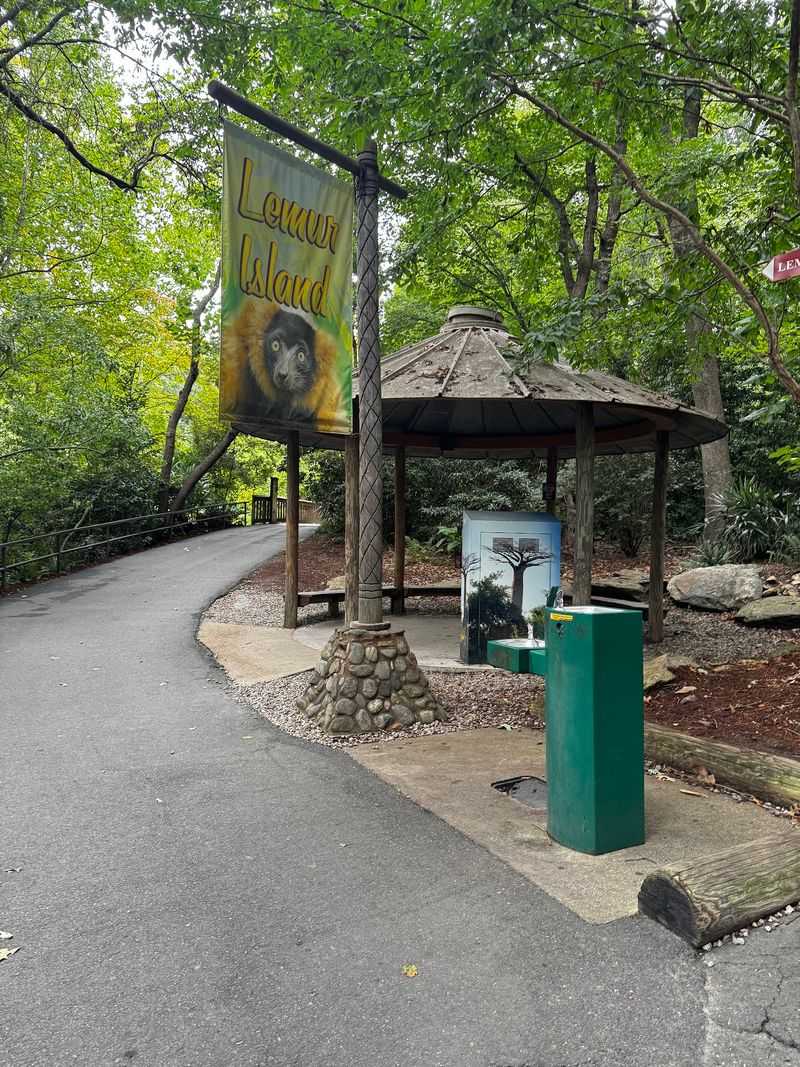
Four hours is the realistic minimum, and a full day is better. Some families split the park across two separate outings.
Gates open at 9 AM daily and close at 5 PM. Arriving early means easier parking and cooler temperatures on the trails.
Weekdays are noticeably calmer than weekends and holidays. Fewer people means longer, quieter moments at the viewing areas.
Buying admission online ahead of time is worth the two minutes. Pre-ticketed entry lines move much faster than the ticket windows.
Packing food is a practical move. There is a spacious picnic area, and water refill stations sit throughout the grounds.
Hats, sunscreen, and refillable bottles belong in every bag. Cooling-down stations offer welcome relief on hot afternoons.
Note that oversized rolling carts are not permitted inside, so bring what you can carry comfortably. A regular backpack handles the job well.
Check the website for feeding times and daily activities. A little planning turns a long day into a great one.
Conservation Work And The Coming Asia Expansion
Big habitats are only half the story. The park is also a working conservation organization with projects reaching far beyond Asheboro.
Staff and educators stationed around the grounds share details about species protection. Instruction stations let curious kids ask real questions and get real answers.
Red wolf recovery is one of the most significant programs connected to the park. That work matters well outside the fence line.
Funding has been approved for a major Asia expansion, with the new region expected to open in late 2026. It will add an entire continent to a park that already spans two.
Word of the project has people planning return trips. Anticipation like that says plenty about the place.
The North Carolina Zoo also stays connected to accredited zoo networks, so reciprocal memberships often apply. Checking your membership benefits before you go can pay off.
Between the scale, the animals, and the mission, the day carries real substance. Fun and purpose fit together neatly here.
Come once, and you will start planning the next trip.