
In This Hidden Kentucky Mountain City, $1500 A Month Still Feels Comfortable
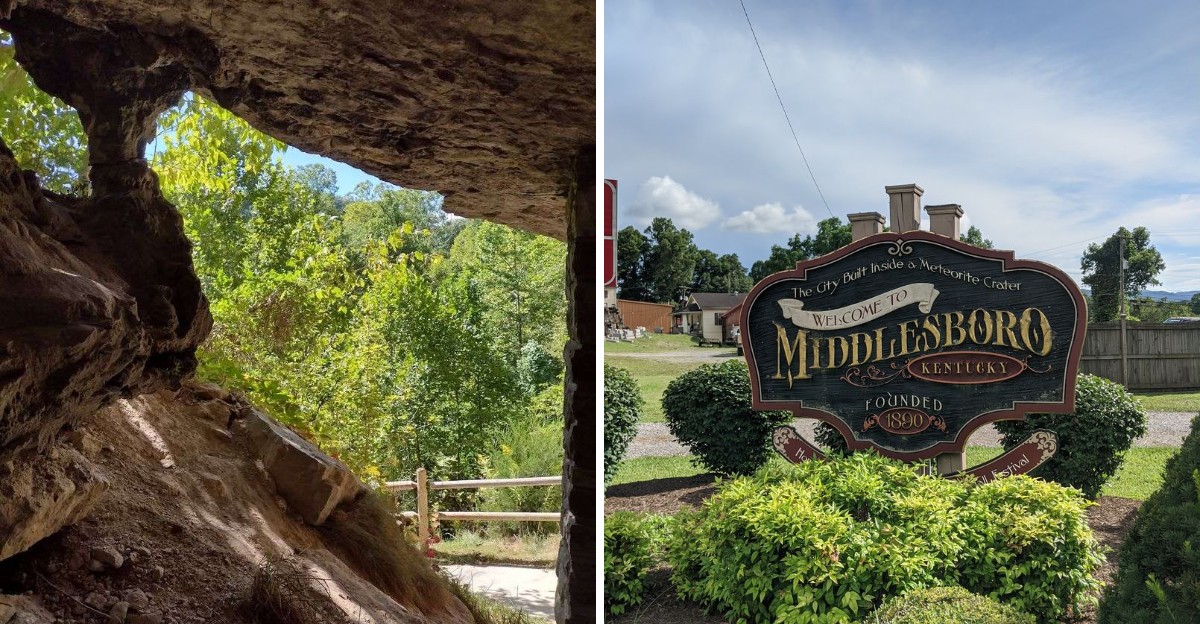
A city sits inside a crater nobody expected to find in Kentucky. Rent stays low.
Grocery runs cost less than expected.
Fifteen hundred dollars covers more here than it should almost anywhere else in Kentucky. Ridges circle the town like a bowl, holding in quiet streets and slower mornings.
History piles up fast around here. A vanished railroad dream, a golf course older than most states, music that maybe started in a back room downtown.
Curious how a town this small carries so much weight? Overlooks nearby stretch across three states at once, and caves wait underground, ready for a guided walk through the dark.
Budgets stretch further when rent barely registers as a line item. Worth circling on a map before prices catch up.
A City Sitting Inside A Meteorite Crater
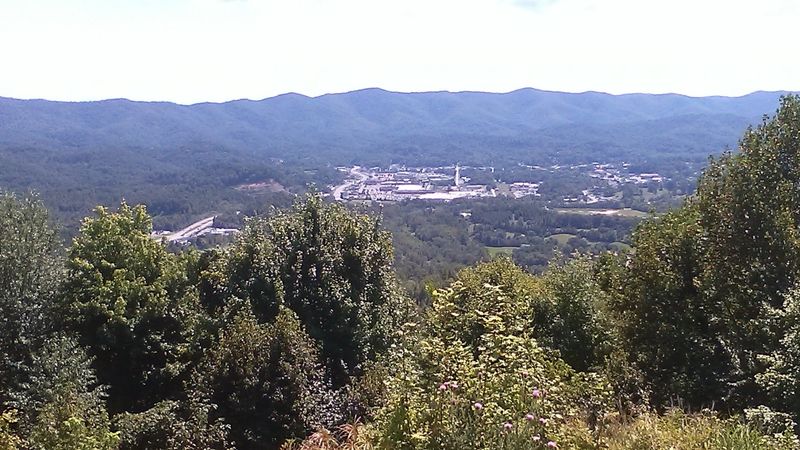
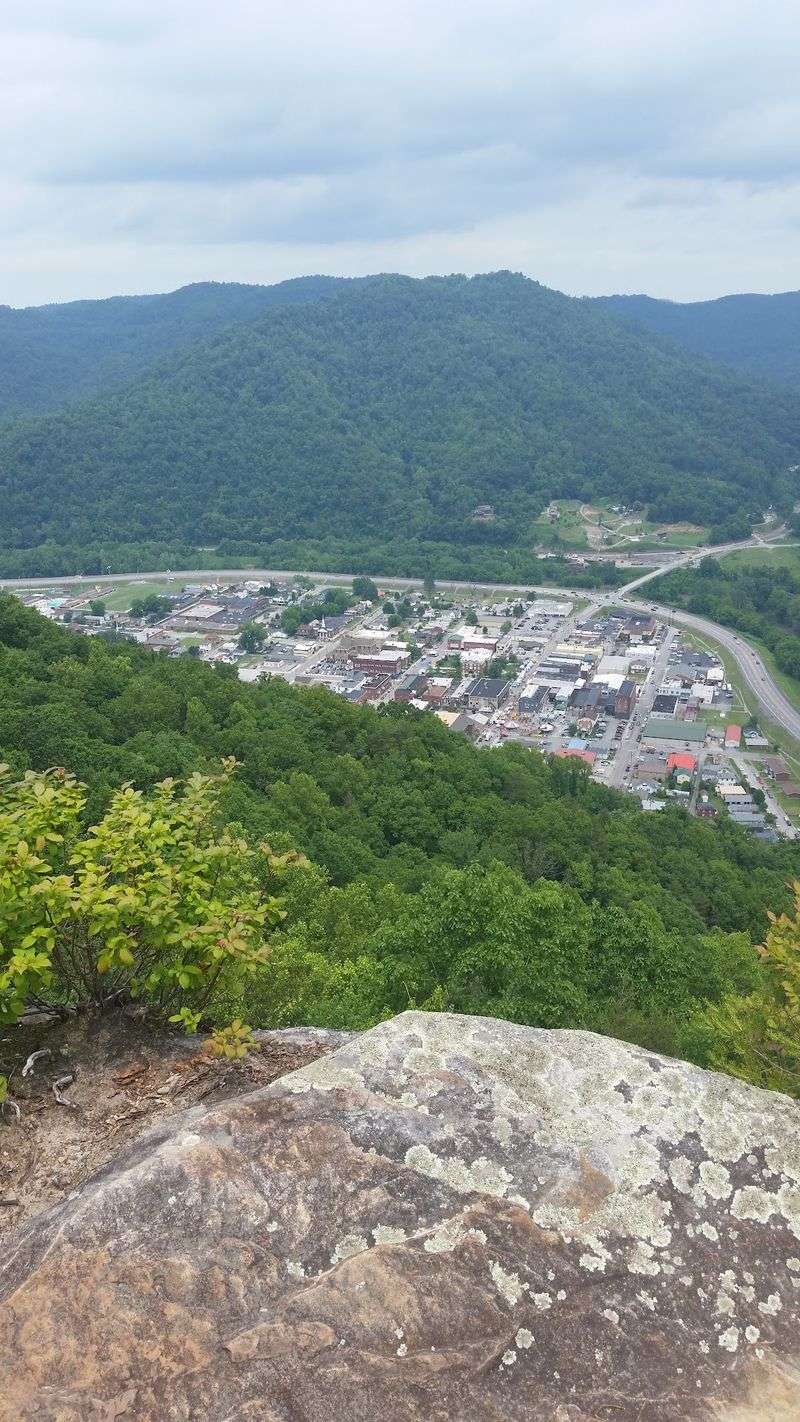
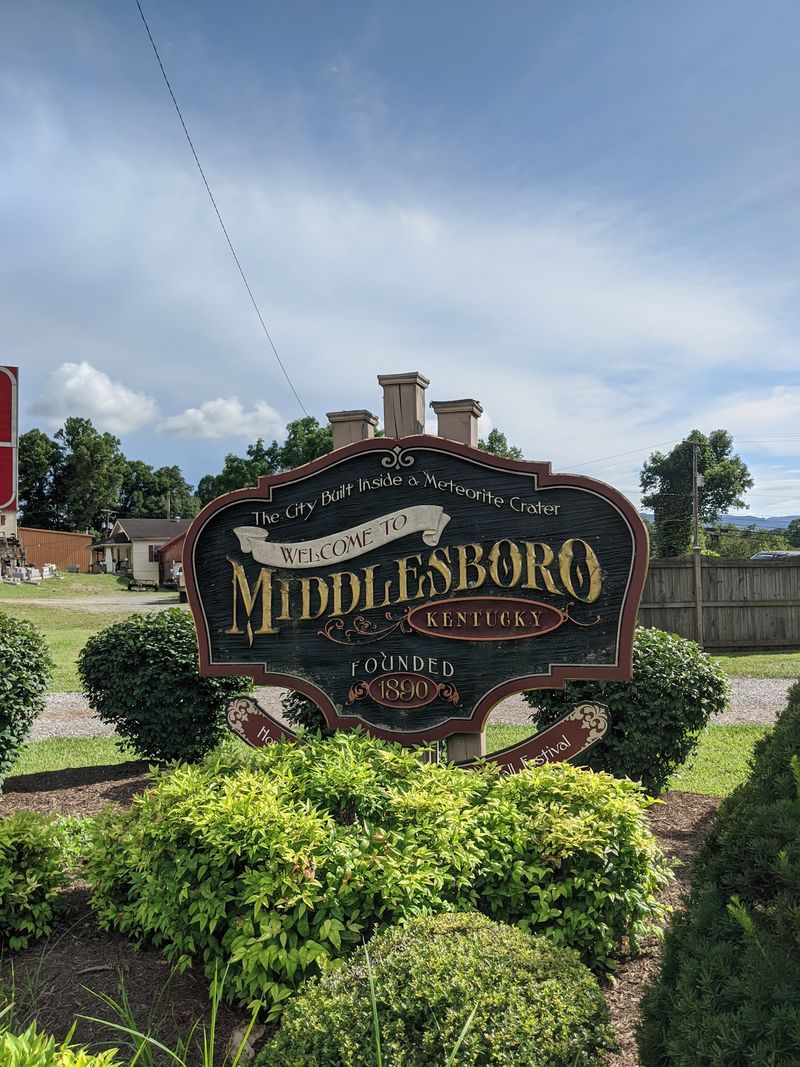
Look down from the ridgeline and the shape gives everything away. Middlesboro sits inside a confirmed meteorite impact crater, roughly 3 to 3.7 miles across.
Geologists settled the question in 1966. Shatter cones found in local sandstone pointed to an enormous ancient impact rather than ordinary mountain folding.
The collision happened somewhere near 300 million years ago. Rock layers buckled, coal seams fractured, and a circular valley formed where none belonged.
Early observers found the geology confusing. Mining crews hit broken, tilted seams that refused to follow the usual patterns of the region.
That cosmic accident left behind something useful. The bowl gave settlers flat ground and natural shelter in a landscape built almost entirely of slopes.
No other city in the United States can claim the same address inside a verified crater. Middlesboro, in Bell County, Kentucky, holds that title alone.
Visitors will find the city center along East Cumberland Avenue, the main thoroughfare running through the historic district.
Standing on flat pavement while ringed by ridges feels quietly surreal. The ground underfoot carries a story older than the mountains framing it.
The Gateway West Through Cumberland Gap
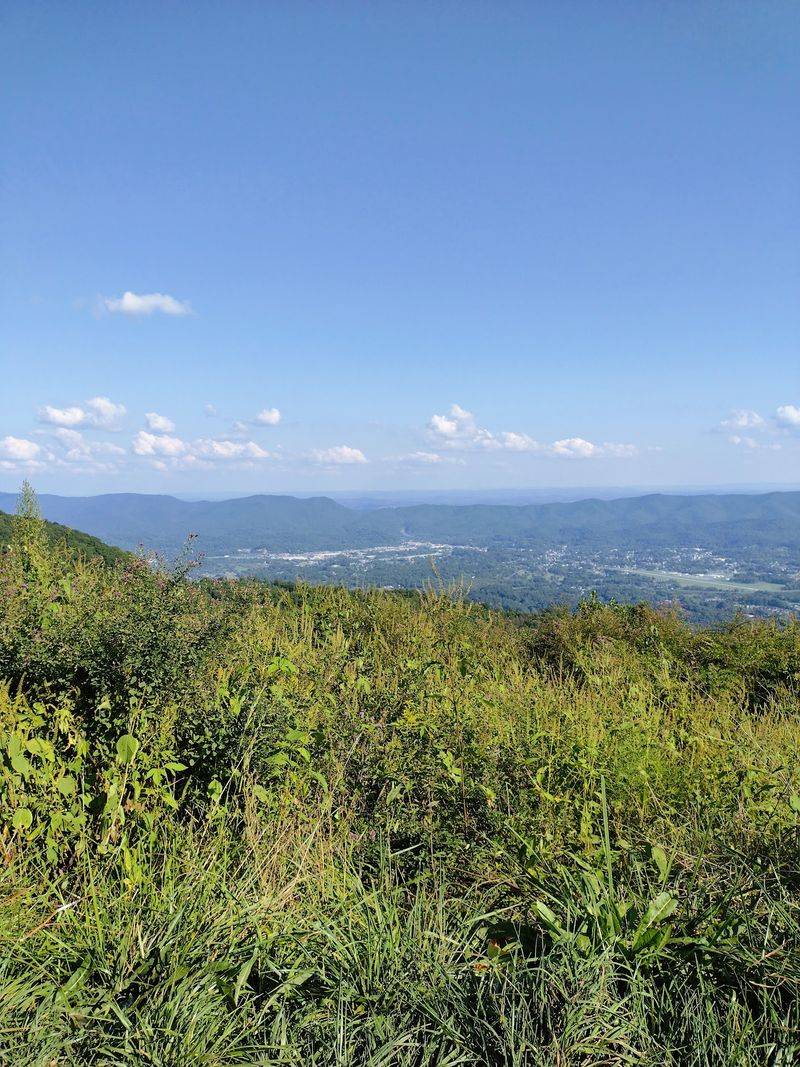
One mile west of town, a notch in the mountains changed American history. The Cumberland Gap opened the first practical route west through the Appalachians.
A famous trailblazer cut the Wilderness Road through the pass in 1775. Settlers followed by the hundreds of thousands over the decades that came after.
Wagons, livestock, and families squeezed through that gap. Middlesboro would later grow up in the crater basin just east of it.
The pass also carried strategic weight during the Civil War era, valued by both sides for its position along the route.
Today the corridor sits protected inside Cumberland Gap National Historical Park. Trails, markers, and restored road segments help explain what happened here.
The park spreads across parts of Kentucky, Tennessee, and Virginia. Its visitor center near Middlesboro makes a sensible first stop for orientation.
Hikers can walk portions of the historic route on foot. Interpretive signs fill in details that textbooks usually skip.
Standing in that saddle between ridges puts the migration in perspective. Thousands of hopeful travelers once funneled through a space this narrow.
Grand Plans And The Magic City Dream
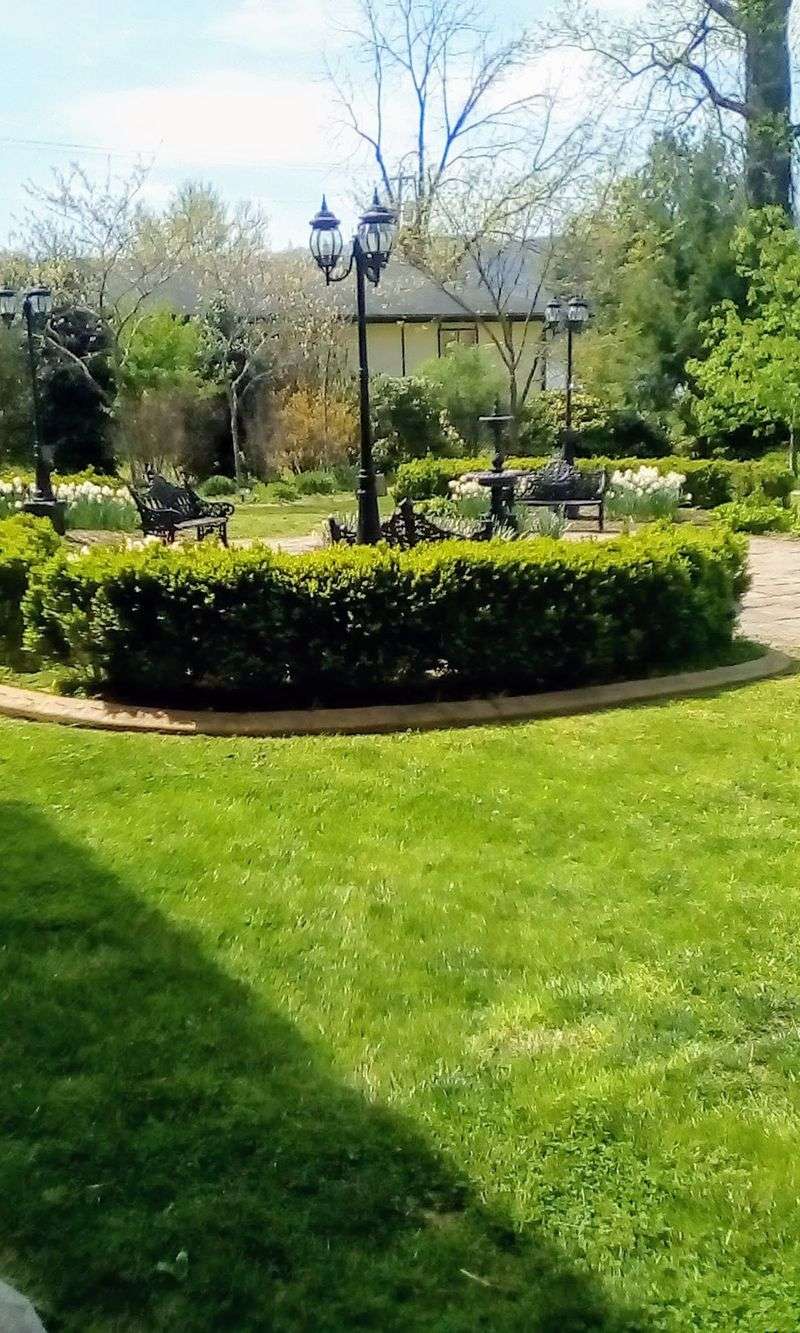
Big money once poured into this crater. A Scottish-Canadian businessman arrived in the Yellow Creek Valley around 1886 with a bold industrial vision.
He called it the Magic City. Backers hoped it might grow into an industrial rival of major southern manufacturing centers.
British investors funded the effort generously. Plans reportedly imagined a population reaching into the hundreds of thousands, an astonishing target for the mountains.
The design included a neat street grid. That layout still shapes Middlesboro today, and it remains unusual in this steep corner of Appalachia.
Modern conveniences were part of the pitch. Electric streetcars and running water appeared in promotional plans meant to attract new residents.
The town incorporated on March 14, 1890, under the original spelling Middlesborough. A railroad project aimed to link the region toward Knoxville, Tennessee.
Iron and steel were meant to power everything. For a short while, the boom looked unstoppable to outside observers.
Walk the orderly blocks now and the ambition still shows in the brickwork. Middlesboro was drawn on paper before it was built on ground.
Boom, Bust, And Constant Reinvention
The Magic City never reached its promised size. Local iron ore proved too poor in quality to feed a lasting steel industry.
Then trouble arrived in waves. A damaging fire in 1890 and the Panic of 1893 wrecked the financing behind the whole enterprise.
By 1894 the name had been trimmed. Middlesborough became Middlesboro, a shorter label for a humbler reality.
Collapse did not end the story, though. The city kept finding new identities as decades passed.
During the 1930s, the city leaned into a flashier identity and picked up a nickname that hinted at bigger city nightlife.
The 1950s brought a different reputation. Strong local support for music, theater, and the arts led to the nickname The Athens of the Mountains.
Coal shaped the economy through much of the twentieth century. Employment shifted repeatedly as markets rose and fell.
Resilience became the through line here. Middlesboro adapted again and again rather than fading quietly into the hills.
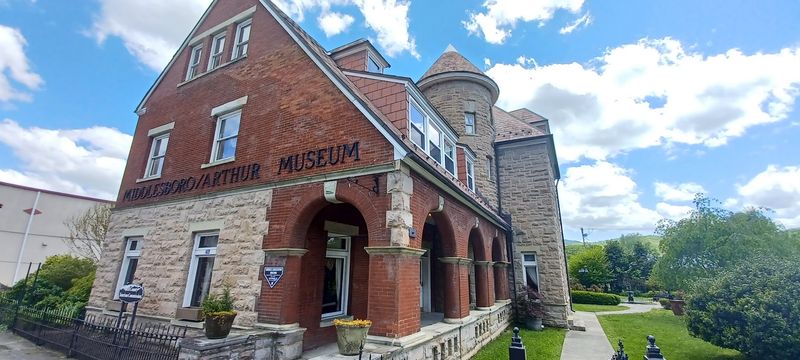
Local museums and archives keep these turns documented. The city wears its uneven history without much embarrassment.
Why A Modest Budget Goes Further Here
Numbers explain a lot of the appeal. Cost of living in Middlesboro sits well below the national average, with housing the biggest factor.
Reported figures place overall expenses around 18 percent under the national benchmark. Housing costs come in dramatically lower still.
Median rent has been reported in the neighborhood of $650 monthly, though figures vary by source and shift over time. Median home values have hovered around $87,000, though these figures also shift over time.
Lower housing costs free up the rest of a budget. Groceries, fuel, and everyday errands feel less punishing on a fixed income.
That math is why $1500 a month can still feel comfortable here. It buys breathing room rather than constant calculation.
Wages in the area also run lower, which matters for anyone job hunting. Remote workers and retirees often benefit most from the gap.
Rural realities apply too. Specialty shopping and some medical services may require driving to larger towns.
Anyone considering a longer stay should verify current listings directly. Prices change, and averages hide plenty of variation across neighborhoods in Bell County.
Three States From One Overlook
Few short drives pay off this well. The Pinnacle Overlook sits a few winding miles above the Cumberland Gap visitor center.
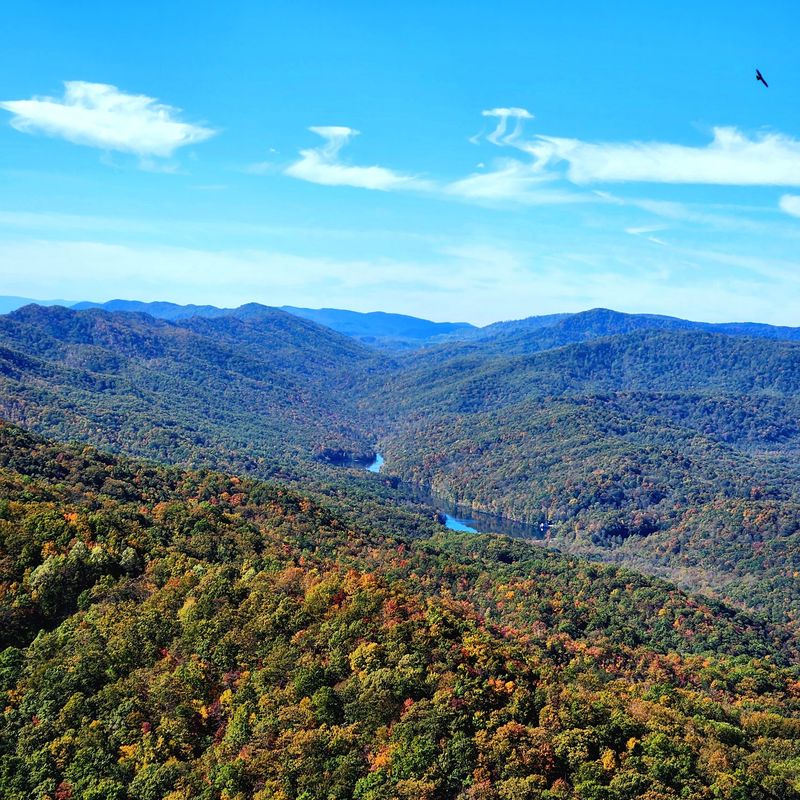
The reward at the top is a wide, layered panorama. The circular basin holding Middlesboro spreads out directly below.
Kentucky, Tennessee, and Virginia all appear from the same railing. Seeing three state lines at once feels like a geography lesson with a view.
Ridges roll outward in overlapping blue lines. Morning haze and late afternoon light both flatter the scene differently.
Early travelers used the Pinnacle as a landmark. Scouts and soldiers valued the sightlines it offered over the pass.
The road up is paved but narrow with tight curves. Larger vehicles and trailers are generally not suited to the climb.
Autumn draws the biggest crowds. Hardwood color across the Cumberland Mountains turns the overlook into a photography magnet.
Short paved paths connect several viewing platforms. Benches allow a slower look for anyone not in a hurry.
Sunset here quietly justifies the drive up the mountain from Middlesboro.
Underground Wonders Inside Gap Cave
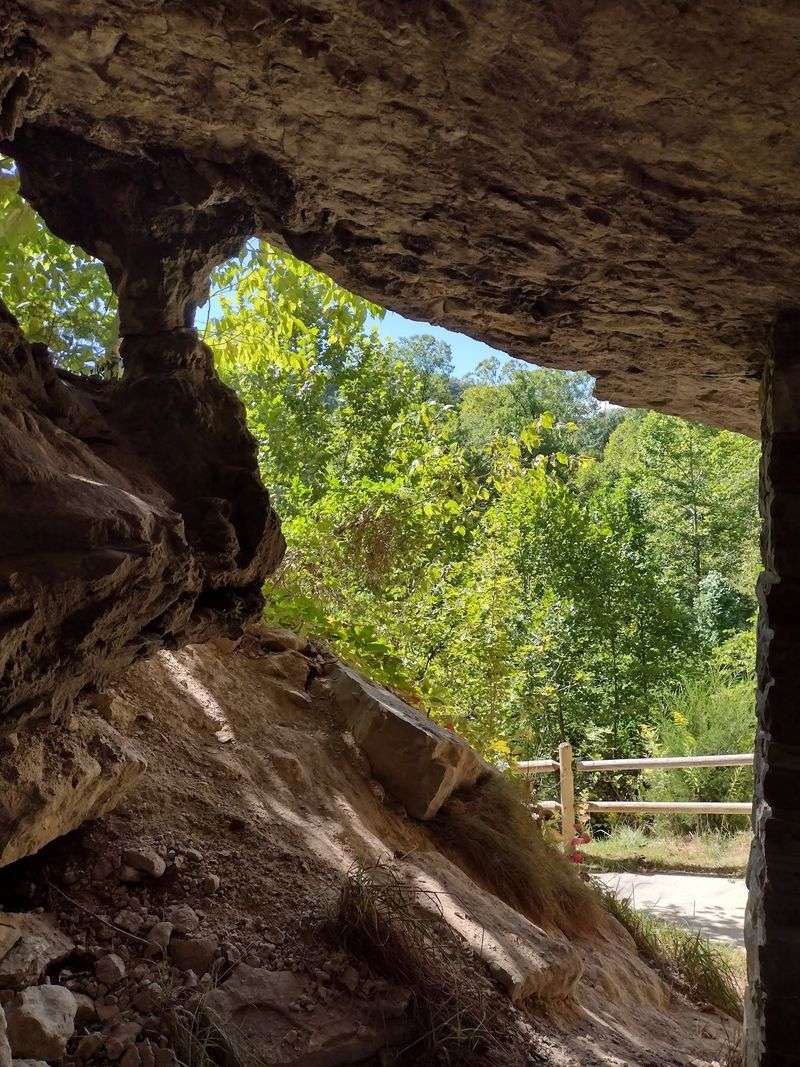
The mountains keep secrets below the surface. Gap Cave, inside Cumberland Gap National Historical Park, opens only through ranger-guided tours.
The walk typically lasts around two hours. Stone stairs, damp passages, and cool air define the experience.
Formations do the heavy lifting visually. Stalagmites, columns, and flowstone cascades catch the light in enormous chambers.
Wildlife occasionally makes an appearance. Bats and salamanders live in the cave system, though sightings are never guaranteed.
Temperatures underground stay chilly year-round. A light jacket makes the tour far more pleasant, even in August.
Sturdy closed shoes matter here. Floors can be slick, and the route involves plenty of steps.
Human history threads through the cave as well. Travelers and soldiers passing through the Gap knew of it long before tourism existed.
Tour availability changes seasonally, and space can be limited. Checking ahead with the park before driving over saves disappointment.
Coming from Middlesboro, the trip takes only minutes. Trading mountain overlooks for underground chambers makes for an unusually varied afternoon in Kentucky.
Downtown Streets And A House Built Of Coal
A building made of coal is not a metaphor here. Middlesboro built its Coal House in 1926 from roughly 42 tons of bituminous coal.
The structure now serves as the local Chamber of Commerce. Visitors photograph its black, glittering walls constantly.
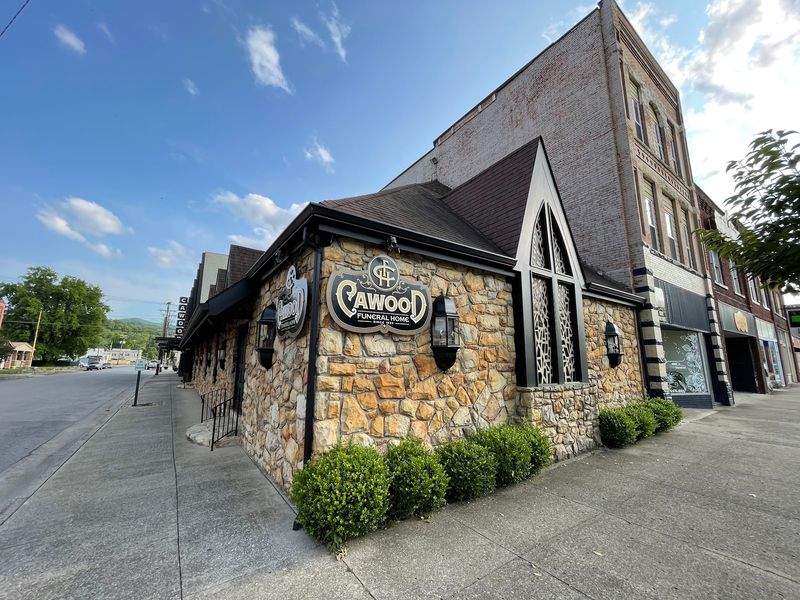
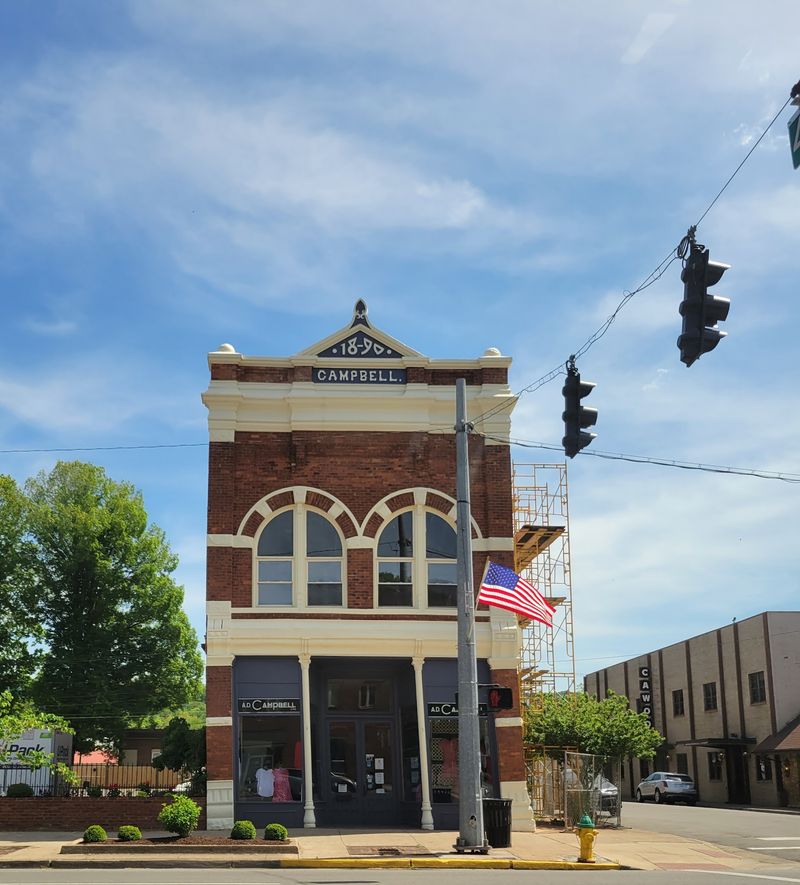
Downtown earns attention beyond that oddity. The commercial district appears on the National Register of Historic Places with sixty-plus contributing buildings.
Architecture varies block to block. The palatial Old City Hall and a Classical Revival post office from 1915 anchor the streetscape.
A Carnegie library from the early 1910s still stands as well. It houses the Bell County Historical Society Museum and its local archives.
Fountain Square marks the heart of things. Fountains sit at the corners where Cumberland Avenue meets 20th Street.
Revitalization efforts have brought shops, murals, and gathering spaces back to the sidewalks. Foot traffic feels livelier than in many small mountain towns.
Parking downtown is straightforward and usually free. Walking the grid takes an easy hour at a relaxed pace.
Few downtowns pack this much curiosity into so few blocks.
Ragtime Rhythms And An Old Golf Course
Ragtime may owe part of its birth to these mountains. A pianist working in local rooms during the early 1890s is widely credited with helping shape the genre.
Middlesboro rarely gets that credit nationally. Syncopated rhythms that later swept the country found early expression here in Kentucky.
The connection fits a town once nicknamed The Athens of the Mountains. Music mattered locally long before radio arrived.
Sports history runs deep too. The Middlesboro Country Club opened its nine-hole course in 1889.
That makes it one of the oldest continuously played golf courses in the United States. British investors behind the Magic City plan brought the game with them.
Fairways sit inside the crater with ridges rising all around. Mountain backdrops replace the usual manicured monotony.
The atmosphere leans relaxed rather than exclusive. Casual players find the layout approachable.
Access policies for visitors can vary, so calling ahead is wise. Course conditions also shift with the seasons.
Music and golf make an odd pairing for one small city. Middlesboro somehow claims both without breaking a sweat.
Festivals, Trails, And Small Town Energy
Summer evenings fill the streets with sound. A free downtown music series brings touring performers and food trucks to Middlesboro during warmer months.
Car culture gets its moment too. The Cruisin the Crater Car Show turns the crater city into a showroom of polished classics.
Seasonal events keep the calendar busy. A Fourth of July celebration and a winter Tinsel Trail along the avenue draw steady crowds.
The Cumberland Mountain Fall Festival adds crafts and live entertainment. Local vendors treat it as a highlight of the year.
Outdoor options stretch well beyond festivals. Fern Lake Recreation Area offers fishing and boating on quiet no-wake water.
Pine Mountain State Resort Park, the first state park in Kentucky, lies within easy reach. Its hiking trails and the Chained Rock landmark reward a day trip.
Middlesboro carries an official Trail Town designation. That status reflects real access to hiking, paddling, and cycling routes nearby.
Event dates shift yearly, so confirming schedules helps. Community hospitality, however, tends to show up regardless of the season.