
This Nevada Corral Near Reno Takes In Wild Mustangs And Lets Kids Meet Them
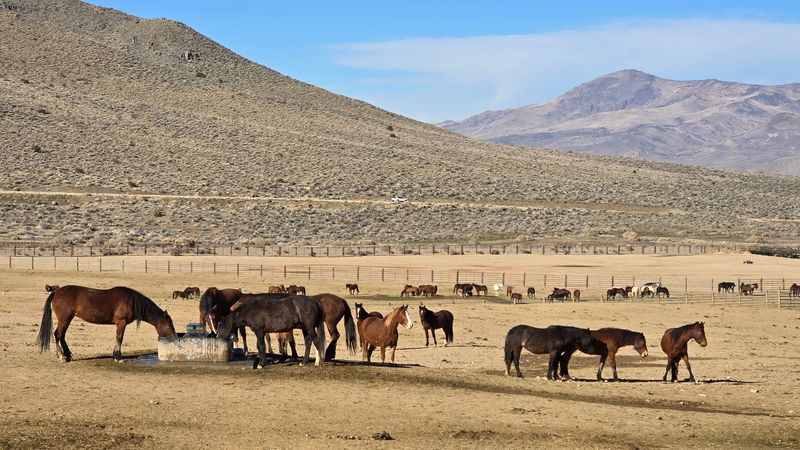
Twenty minutes past the last stoplight in northern Nevada, the sagebrush flattens out and the road stops feeling like a commute. Somewhere out there, behind long lines of pipe fencing, a few hundred wild horses stand in the open air, chewing hay and sizing up whoever pulls into the gravel lot.
Most people drive right by without knowing it exists, which is a shame, because kids tend to go quiet in the best possible way when a mustang walks over to look at them. Admission costs nothing, the animals are real, and the whole thing sits close enough to the city for an easy morning trip.
Where The Pavement Gives Way To Sagebrush
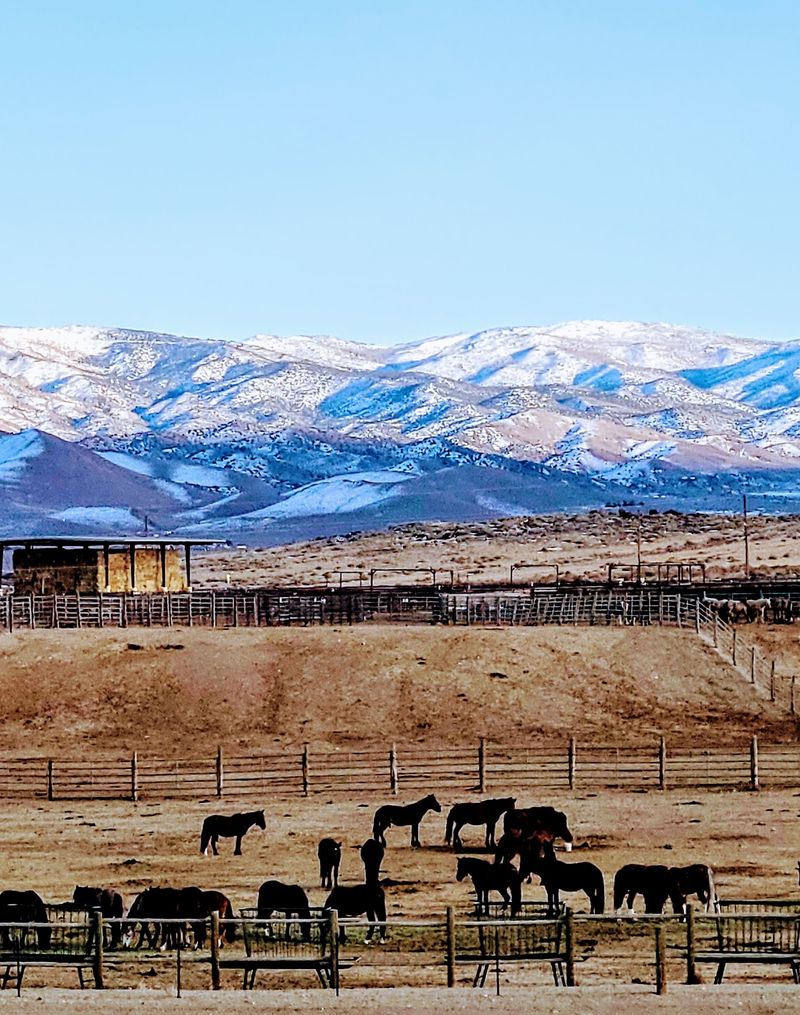
North of Reno, Pyramid Highway carries you out of the suburbs and into open range country fast. The National Wild Horse and Burro Center at Palomino Valley sits about 20 miles up that road, with its entrance off Ironwood Road at 15780 Pyramid Highway, Reno, NV 89510.
Run by the Bureau of Land Management, the facility is the country’s largest preparation and adoption center for wild horses and burros gathered from public rangelands. Animals arrive here after roundups, get veterinary care and feed, and wait for adopters or long-term pasture placements.
What that means for a family is straightforward: hundreds of mustangs and burros standing in big pipe corrals, visible from fence lines you can walk along. There is no ticket booth, no gift shop turnstile, no admission fee of any kind.
Drive time from central Reno usually runs 30 to 40 minutes depending on traffic through Sparks and Spanish Springs. The last stretch is paved, and the parking area is packed dirt and gravel.
Bring a hat. Shade out here is scarce, and the wind has opinions.
Second Chances For Horses Off The Range
Every horse standing at these fences has a backstory that started somewhere on Nevada public land. When herd numbers outgrow what the range can support, BLM gathers animals and brings them here to be checked over, fed on a schedule, and matched with people willing to take them home.
Adoption is the whole point of the place. Visitors have mentioned learning that a wild horse can be adopted for around $125, though the paperwork matters more than the price.
Applicants have to show they can care for an animal and that their property is adequate and properly zoned.
Some of the mustangs now living in Nevada backyards and arenas passed through these same corrals, and returning adopters sometimes stop by just to see the pens again.
Kids grasp the idea quickly. A horse that once ran loose across miles of sagebrush is standing right there, waiting for a family.
That single sentence does more teaching than a whole worksheet, and it reframes the visit from sightseeing into something closer to rooting for someone.
Fence-Line Moments Kids Remember
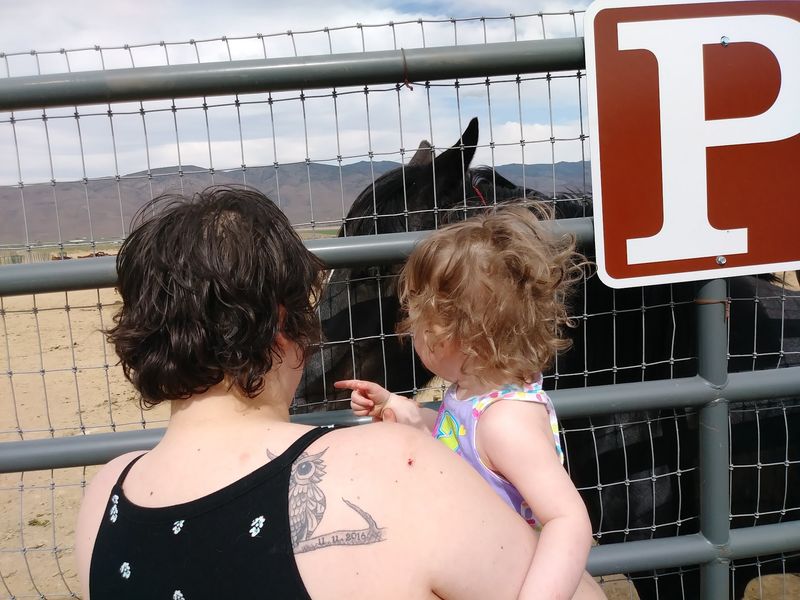
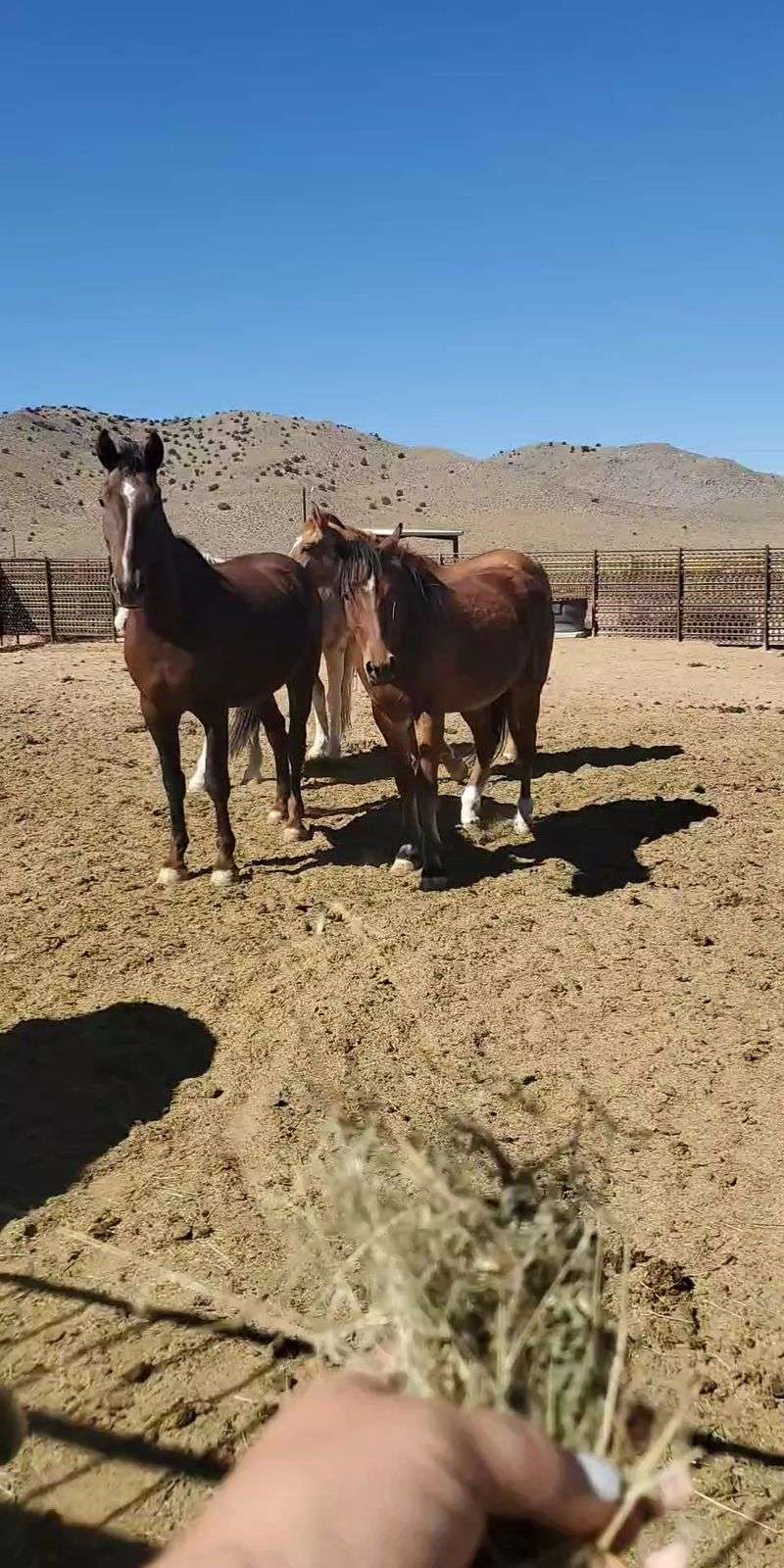
Curiosity runs both directions out here. Mustangs in the nearer pens often drift toward the fence to investigate new arrivals, and visitors have described standing just a few feet from an animal that walked over on its own terms.
One person recounted a horse approaching through the rails and calling the moment magical, which is about as accurate a description as you will get. Nothing is staged.
No trainer cues the animal forward.
For children, the rule is simple and worth saying twice in the car: quiet voices, slow movements, hands to yourself unless a staff member says otherwise. Sudden noise sends a whole pen wheeling away, and then everybody loses the show.
Younger kids often do better with a goal. Counting how many colors they can spot, finding the smallest foal, or watching which horse acts as the bossy one in a group keeps attention anchored for longer than you would expect.
Families have said the kids stayed engaged even on days when the office itself was closed and all they could do was read the signs and watch.
Foals, Herd Antics, And The Big Group Run
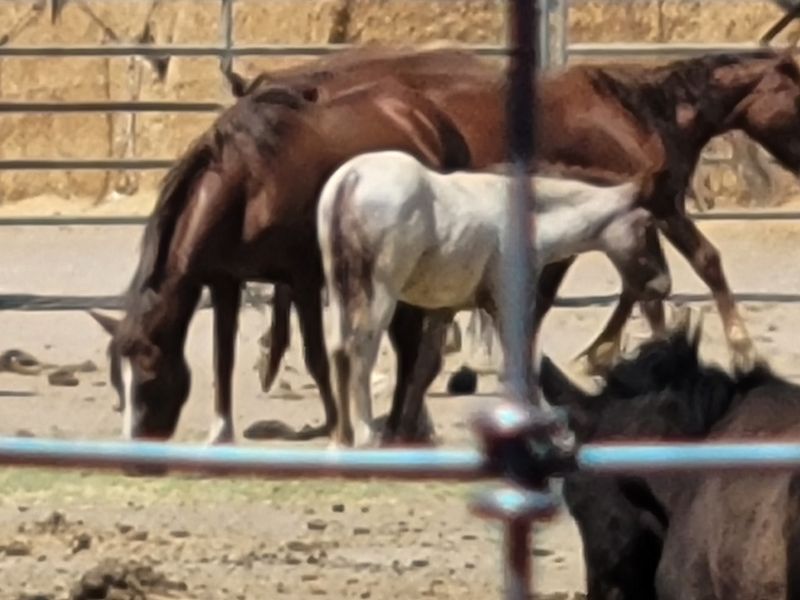
Ask anyone who visits regularly what the highlight is and the answer usually involves babies or motion. Foals show up in the pens at certain times of year, all legs and fuzz, sticking close to the mares.
Repeat visitors have described how striking it is when a whole group decides to move at once, hooves drumming and dust lifting off the pen floor. It lasts maybe fifteen seconds and then everyone settles back into eating.
Burros deserve their own mention. Smaller, stockier, and considerably more opinionated than the horses, they tend to stand closer to fences and stare at people with what looks like mild judgment.
Kids find them hilarious.
Horse numbers shift constantly as animals arrive from gathers and leave for adoption or pasture, so no two visits look alike. Some trips deliver a crowded fence line.
One visitor pulled up on a Sunday and found no horses in view at all.
Calling ahead at 775-475-2222 can save a wasted drive if seeing a full pen matters to your crew.
Signs, Maps, And Learning Without Trying
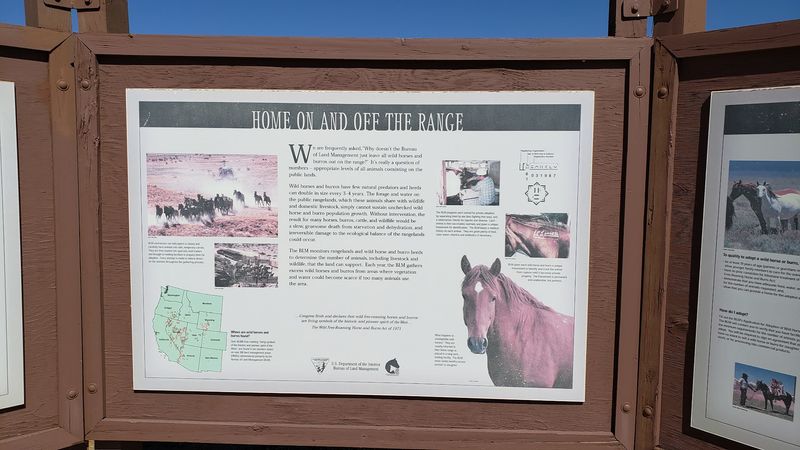
Reading material at the entrance does a lot of quiet work. Posters, informational panels, and range maps explain which Nevada herd management areas the animals came from and why gathers happen in the first place.
Families have noted that the entryway displays and kid-oriented items were a genuine hit with children, which is not something you can say about most interpretive signage.
The staff will fill in the rest if you ask. Visitors describe the center as informative once you walk into the office and start a conversation, and several have mentioned how much the employees clearly care about the animals under their watch.
Good questions to hand your kids beforehand: How far did these horses travel to get here? What does a horse eat every day?
How do you tell a horse from a burro at a distance?
Geography sneaks in too. Pointing at a map and realizing the animal in front of you came from a mountain range two hours east makes Nevada feel bigger and more connected than a textbook ever manages.
Room To Roam Inside The Pens
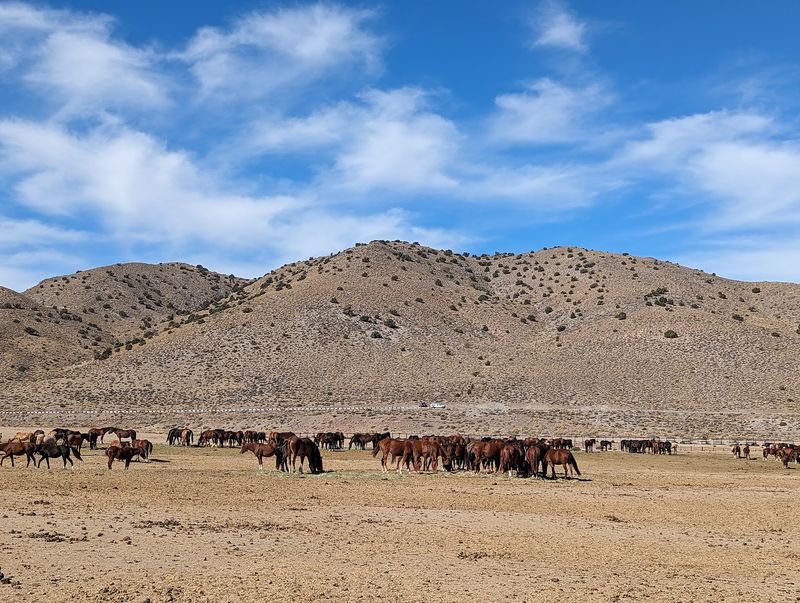
Scale surprises first-timers. The corrals here are enormous, laid out in long rectangles with room for animals to trot, roll, and spread out rather than stand shoulder to shoulder.
Guests have described the pens as large and clean, with herds well fed and watered and plenty of space to stretch their legs. Feed is delivered on a managed schedule, which is exactly why outside food should stay in your car.
Worth knowing before you arrive: the pens are open to the sky, and some visitors have raised concerns about the lack of overhead shelter for the animals in Nevada sun and wind. Others counter that the horses have consistent feed, clean water, and far more space than a typical boarding setup.
Your family may end up discussing it on the drive home, and that conversation about how people manage land and animals is part of what makes the stop stick.
Practical note for parents: those same wide-open pens mean long sight lines, so binoculars turn distant horses into a real view.
Hours, Days, And The Weekend Trap
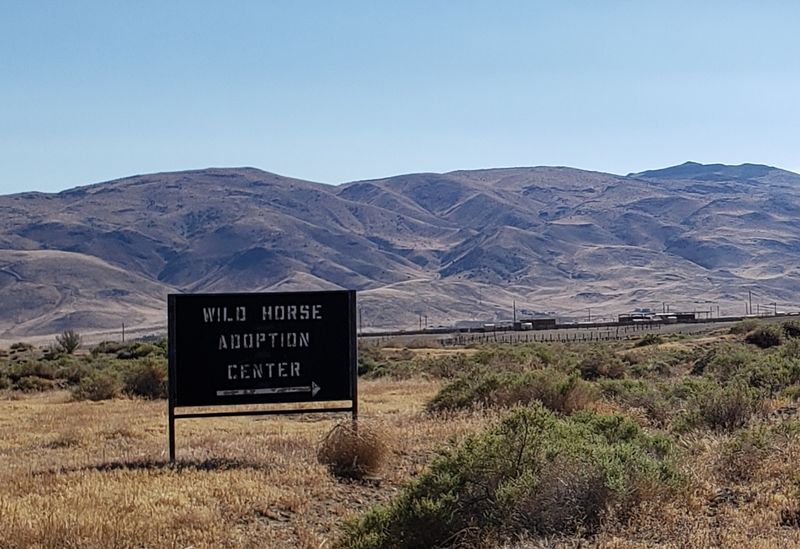
Weekday only. That is the single most important thing to know, because the number one disappointment reported by families is showing up on a Saturday or Sunday.
The center runs Monday through Friday, 8 a.m. to 4 p.m., and stays closed Saturdays, Sundays, and federal holidays. Occasional closures happen for other reasons as well, and one group arrived to find a posted notice during a government shutdown.
Here is the consolation: several weekend arrivals still reported a good outing. The perimeter roads and fence lines let them see horses from outside, read the signs, and take photos, even with the office locked.
Still, the full experience, including staff conversations and any tour access, requires a weekday trip. Summer visits go best early, before mid-morning heat settles over the valley and the horses drift toward the far end of the pens.
Spring break and Nevada Day weekend timing can be tricky, so check the calendar before promising anything to the kids. A quick phone call the morning of your drive may spare you a long, quiet ride back.
Free Admission And What A Family Actually Spends
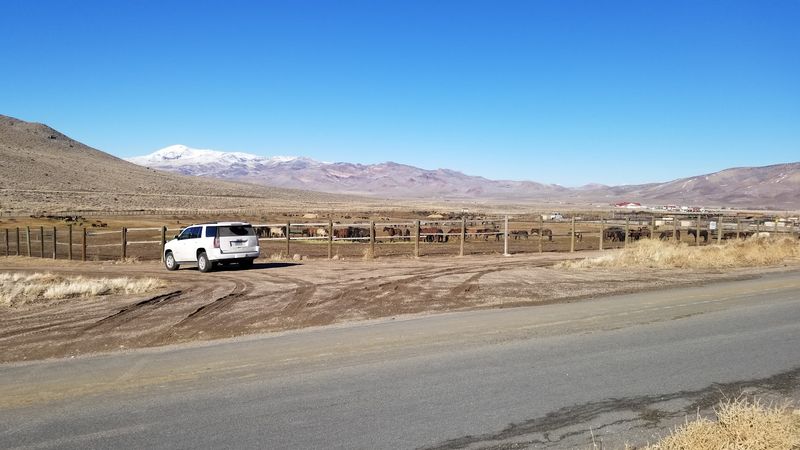
Zero. That is the admission cost for a family of four, a family of eight, or a grandparent with three grandkids in the back seat.
Fuel is the real budget line. Figure roughly 40 miles round trip from central Reno, a little more from Carson City or the far side of Sparks, and nothing else unless you stop for snacks on Pyramid Highway on the way out.
Because there is no concession stand, pack your own water and food. Nevada air pulls moisture out of kids faster than they notice, and there is little shade to duck under while you regroup.
Sun protection belongs on the list too: hats, sunscreen, and closed shoes for dusty ground. Strollers roll better on the packed areas than on loose gravel, so a carrier may work better for the smallest members of the group.
For grandparents who grew up around Western Nevada ranch country, this is an easy, affordable way to hand down something real. No tickets, no reservations, just horses and open ground.
Quiet Rules That Make The Visit Better
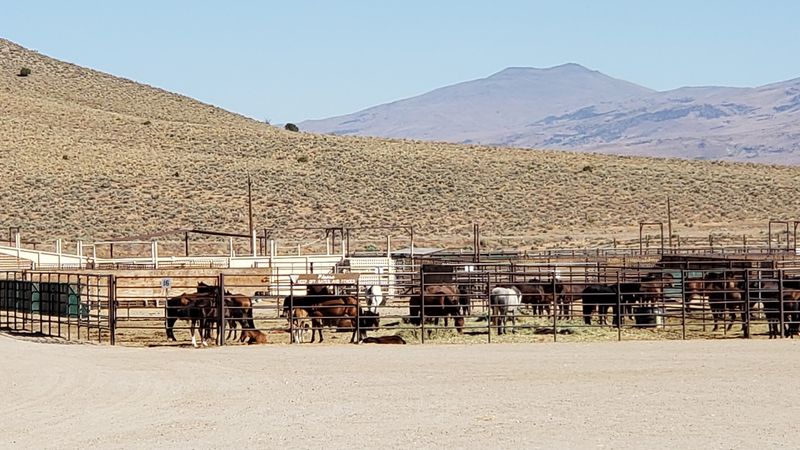
Volume control changes everything here. Horses that have recently come off the range read loud noise and quick movement as trouble, and a startled pen empties toward the far fence in seconds.
Skip the treats, even though it feels generous. Animals are on carefully managed feeding schedules, and outside apples or carrots can interfere with that, so keep snacks for the humans in your group.
Binoculars are the single best thing you can toss in the car. Plenty of the action happens deep in the pens, where a foal naps or two young horses spar playfully out of easy eyeshot.
Photography works well in morning light, with the hills behind the corrals and dust catching the sun. Long lenses help, but phone cameras do fine when a curious mustang wanders close.
One more thing for parents: set expectations before the car doors open. Telling kids that the horses decide whether to come near, and that waiting quietly is how you earn it, turns restlessness into a game everyone can win.
Worth The Morning Drive North
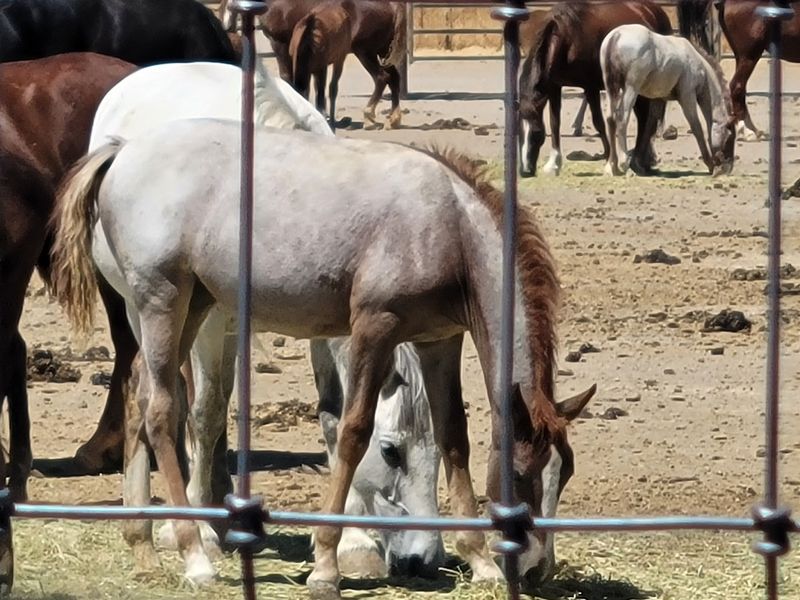
Half a day, no admission cost, and a real chance your child stands three feet from an animal that was running across open Nevada rangeland a few months ago. That is the trade on offer here.
It is not a polished attraction. There are no interactive exhibits, no cafe, no shaded pavilion.
What exists is a working government facility that opens its gates on weekdays and lets the public walk the fence lines.
Families who go in expecting a theme park leave underwhelmed. Families who go in expecting horses, wind, dust, and a lesson about how the West manages its herds tend to leave talking the whole way home.
Best plan: weekday morning, early in the day, phone call ahead, water bottles filled, binoculars on the seat. Pair it with a picnic somewhere along Pyramid Highway and you have filled a school-break morning for the cost of gas.
Some outings impress kids with noise and lights. This one does it with a horse that walks over, looks at them, and decides they are all right.