
This Three-Story Museum On The Mississippi Gulf Coast Kept Our Kids Busy For Two Hours With Boats And Shrimp Nets
We only pulled over because the kids were asking about the shrimp boats bobbing in the harbor, and we figured a quick look would buy us time before lunch. Two hours later, nobody wanted to leave.
Tucked beside the water on the Mississippi Gulf Coast sits a three-story building packed with nets, boats, and stories about the families who fed half the South. If your crew has ever peeled a shrimp and wondered where it came from, this stop answers that question in the most hands-on way.
A Waterfront Museum On The Mississippi Gulf Coast
Salt air hits you the moment you step out of the car at 115 East First Street in Biloxi. The Maritime and Seafood Industry Museum sits right near the water in Harrison County, and that location is no accident.
Its whole purpose is preserving the maritime history of the Mississippi Gulf Coast through exhibits and educational programs.
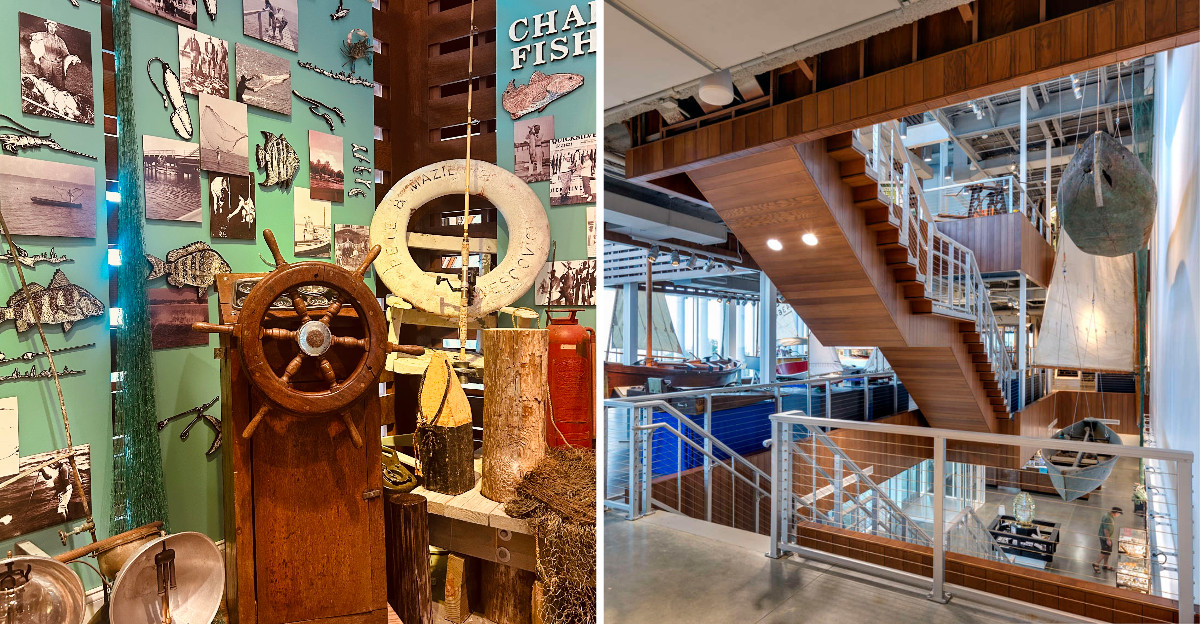
So what exactly is inside? Three floors cover shrimping, oystering, crabbing, netmaking, wooden boat building, and marine blacksmithing.
Hurricane history gets its own space too, along with an environmental gallery and plenty of Gulf Coast art.
For families driving in, the trip is easy to plan. Folks coming from Hattiesburg can usually make it in around an hour and a half, while Jackson families should budget closer to three hours down Highway 49.
Anyone already along the coast in Gulfport or Ocean Springs is just minutes away.
Visitors often describe the place as information-heavy in the best way, with lots of displays and careful labels. Plan on roughly two or three hours if your group likes to read and linger.
Younger kids may move faster, but the boats and machines tend to slow everyone down eventually. It makes a solid anchor for a coast day that feels educational without feeling like school.
How Shrimp Traveled From The Gulf To The Dinner Table
Around 1918, everything changed for Mississippi shrimpers. Shrimp trawls and motorized boats arrived, and harvests suddenly became far more efficient than hauling nets by hand.
That shift also moved boat ownership away from big factories and toward individual fishermen and their families.
Picture a Biloxi dock a century ago. Boats unloading at dawn, factories humming, and whole neighborhoods working to clean, pack, and ship seafood across the country.
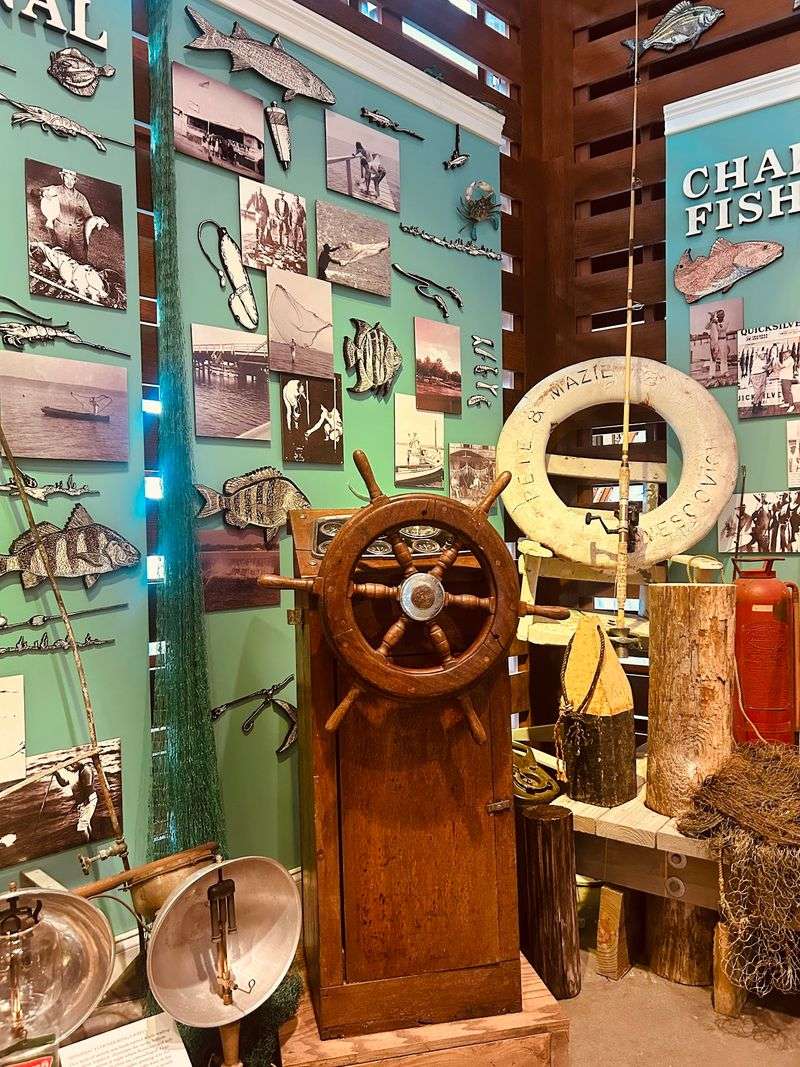
The museum walks visitors through that journey step by step, using tools, photographs, and artifacts donated by local families.
Kids tend to grasp the big idea quickly. Before the machines, people did every task by hand.
After the machines, fewer hands were needed, but boats could go farther and bring back more. It is a simple story about change that connects straight to the shrimp basket on a plate.
Grandparents raised along the coast may recognize some of the gear. That can turn a quiet exhibit into a family conversation about uncles who trawled or cousins who worked the canneries.
Those shared memories often become the real treasure of the visit, especially for children who have never seen a working shrimp boat up close.
The 1920s Shrimp Peeling Machine
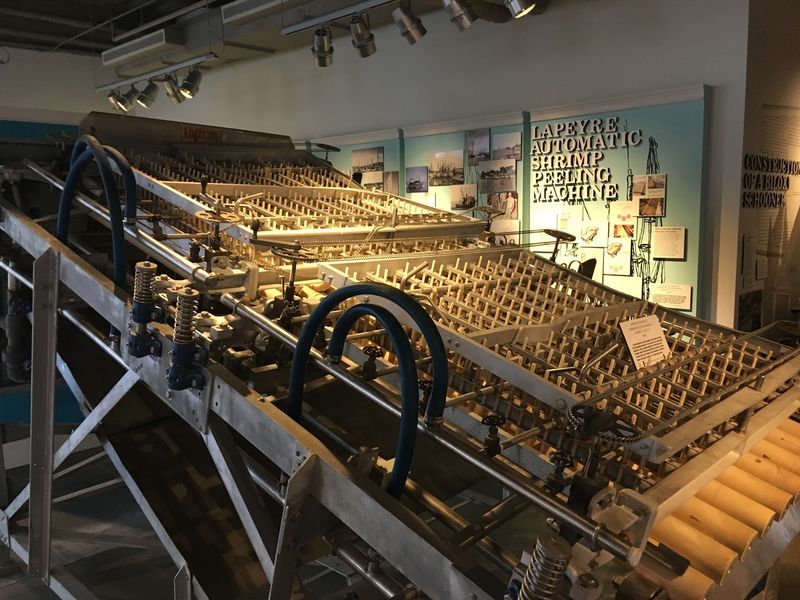
Here is a fact that tends to stop kids in their tracks: the automatic shrimp peeling machine was dreamed up by a 16-year-old from Louisiana. A teenager solved a problem that thousands of workers faced every single day.
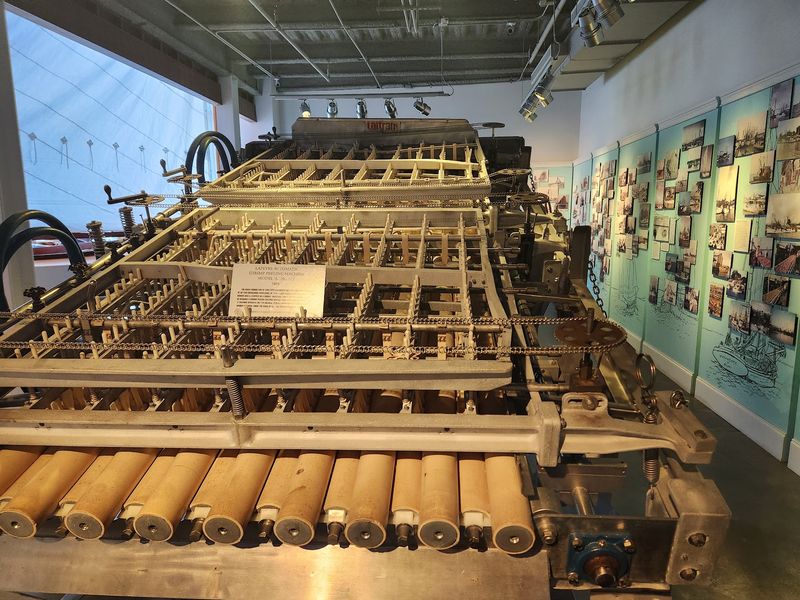
The museum displays one of these machines from the 1920s, and it is one of the most talked-about pieces in the building. According to the exhibit history, a single machine could replace roughly 150 people who once peeled shrimp by hand.
That number alone sparks plenty of questions from young visitors.
Videos nearby show the machine running, rollers turning and shells coming loose. Watching it helps children understand how factories worked and why the invention mattered so much.
It also invites a gentle talk about the people whose jobs changed when machines moved in.
Parents might try a quick challenge at home afterward. Hand everyone a few shrimp and time how long peeling takes.
Then remember that one clanking machine did the work of an entire room. It is a memorable way to turn a museum object into a lesson that sticks, and it costs nothing beyond a pound of shrimp from the market.
Women, Children, And The Old Seafood Factories
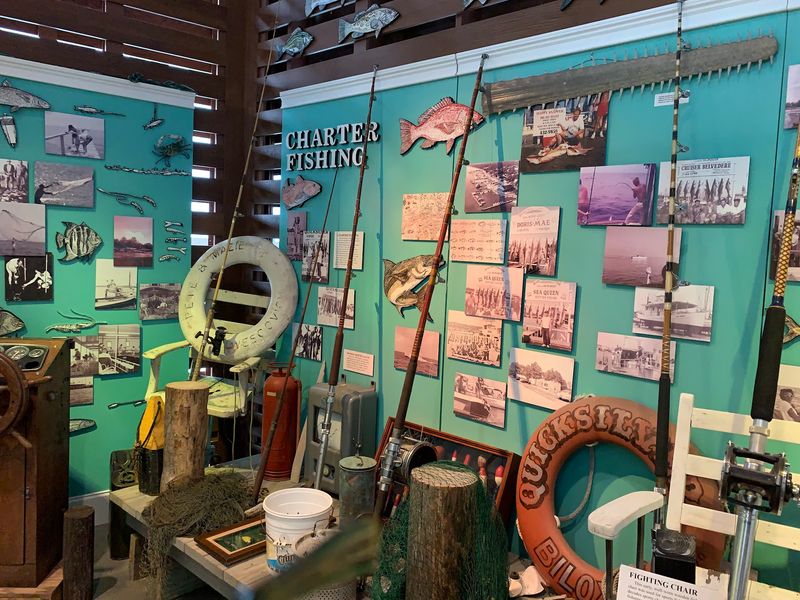
Old photographs line part of the exhibit space, and they tell a story many visitors never expected. Before child labor laws existed, women and children worked alongside men in the Gulf Coast seafood industry.
Families often labored together in canneries, shucking oysters and peeling shrimp.
Why does that matter for today’s kids? Seeing it helps them realize how different childhood once looked.
A child their own age might have spent long days in a factory instead of a classroom, and the images make that history feel real rather than distant.
Handled thoughtfully, this corner can open meaningful conversations. Parents may ask children what they would miss most if school were replaced by work.
Grandparents can share what they heard from their own elders about coastal life.
The museum also explores the many communities who shaped the coast. One display highlights Vietnamese refugees who found a place in the local fishing community, adding a more recent chapter to the story.
Together, these exhibits show that the seafood industry was built by many hands from many backgrounds. That respect for coastal families is something visitors often mention carrying home with them long after the drive back.
Boats Hanging Overhead And Schooners On The Water
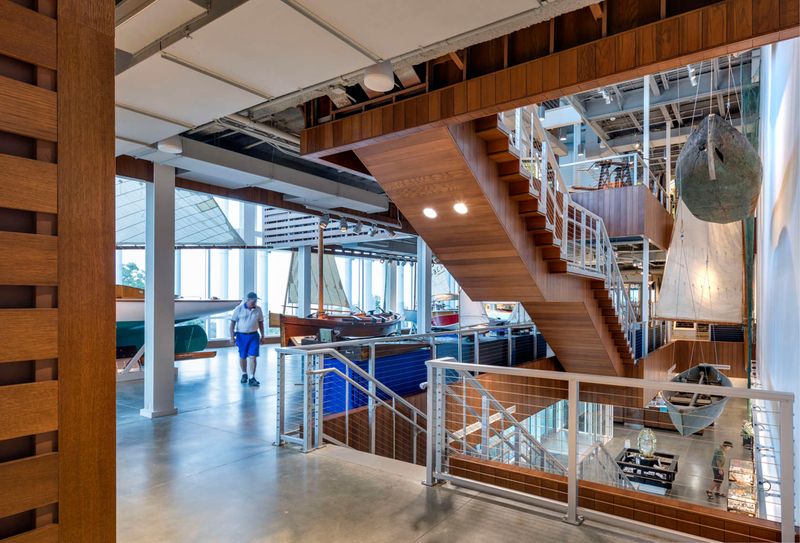
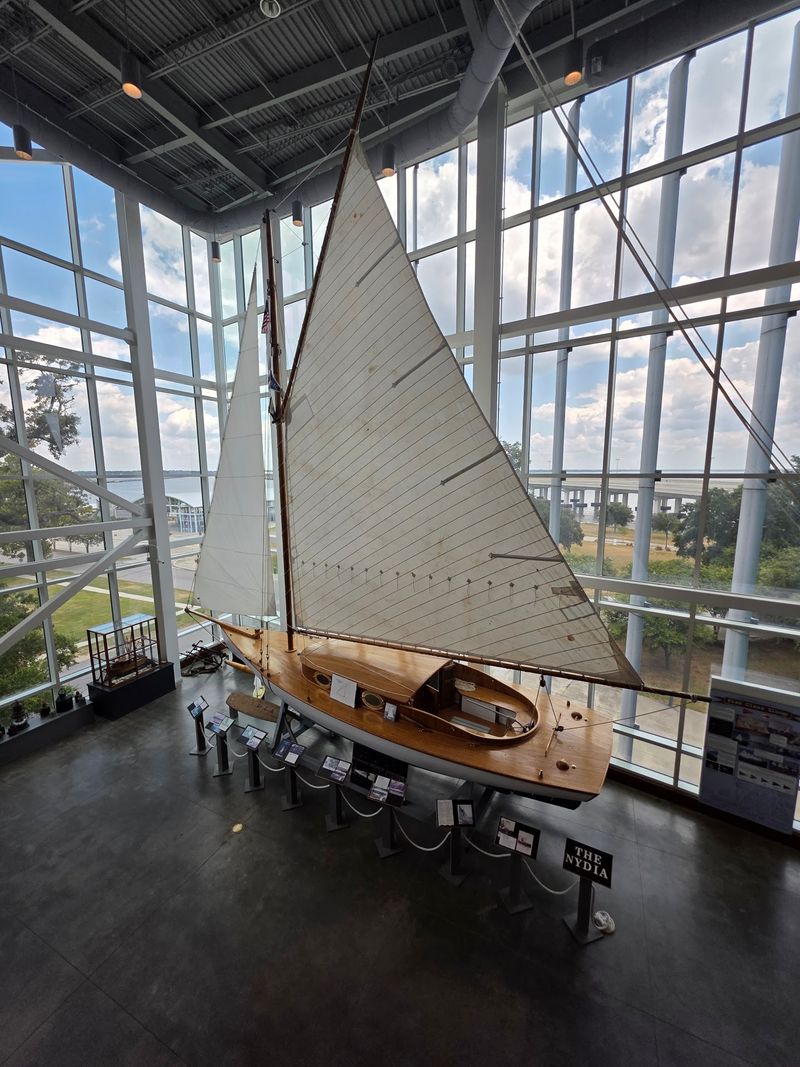
Look up. That is the first instruction to give kids inside the double-height gallery, where smaller boats hang overhead and can be viewed from different floors and angles.
It is a rare chance to see hull shapes from below and above.
Sailboats, racing vessels, and fishing boats fill the museum, along with models, maps, and industry equipment. One favorite is a racing boat built in a high school wood shop, which tends to inspire any young builder in the group.
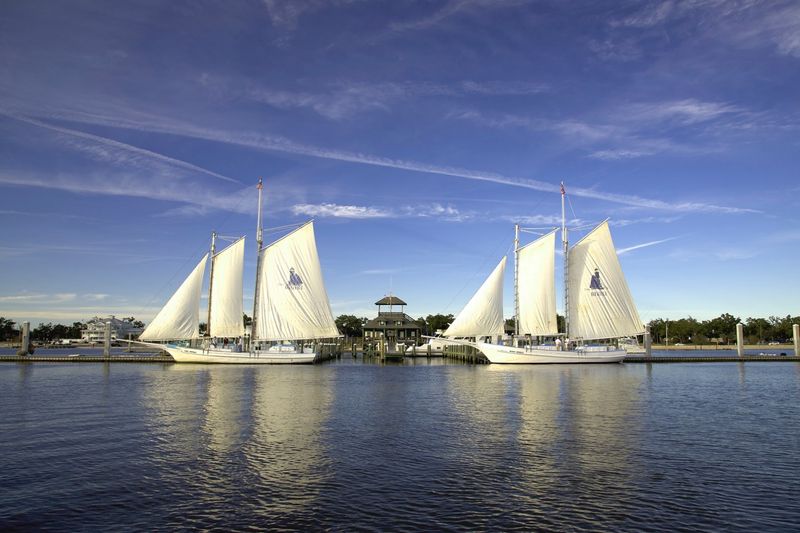
Outside, the story keeps going. Full-size replica Biloxi schooners sail Gulf waters, connecting the exhibits to a living tradition.
These two-masted boats were once the workhorses of local oyster and shrimp fleets, prized for their speed and shallow draft.
Wooden boat building and marine blacksmithing get their own attention too. Those trades kept the fleets afloat, and seeing the tools helps children understand that every boat started as raw timber and iron.
For anyone who loves boats, this section easily becomes the highlight.
A small library of boating and sailing books rounds out the collection for curious readers who want more.
Hurricane Katrina Stories And The Wade Guice Hurricane Museum
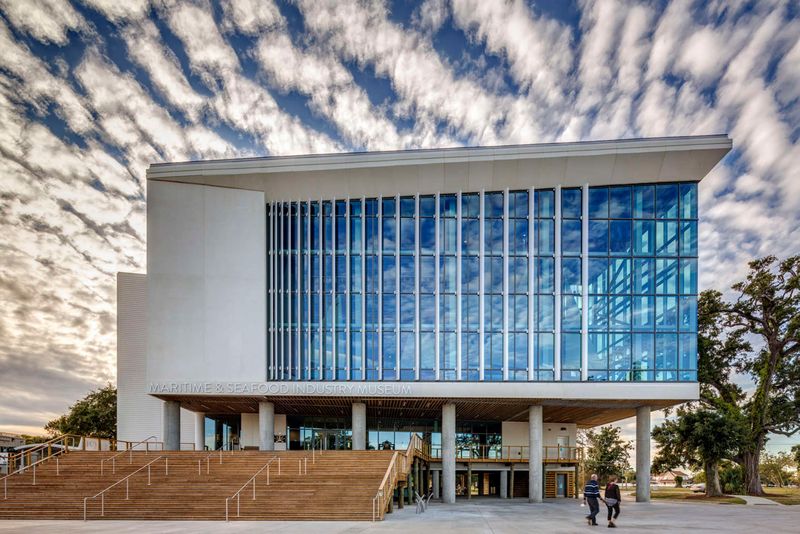
Not every exhibit here is about fishing. The building itself was rebuilt after Hurricane Katrina and reopened in 2014, and it also houses the Wade Guice Hurricane Museum, dedicated to the powerful storms that shaped the coast.
A film about Katrina draws strong interest. Visitors frequently point to it as a memorable part of the trip, showing the area before and after the storm through broadcast clips.
The video runs fairly long, so families with restless little ones may want to watch part and move on.
Maps, artifacts, and displays cover several Mississippi hurricanes, not just one. The text can be dense, so older kids and adults tend to get the most out of this room.
Younger children may prefer asking a grown-up to summarize.
Driving through Biloxi afterward adds context. Some lots along the coast still sit empty, marked with signs honoring buildings that once stood there.
Pointing those out helps kids connect the exhibit to the real neighborhood around them.
Handled calmly, the section teaches resilience. Coastal families rebuilt homes, boats, and even this museum, and that message of starting over can resonate with every generation.
Sea-n-Sail Adventure Camp For Young Sailors
Cast nets, shell painting, and a sail out to Deer Island. That lineup describes the museum’s annual Sea-n-Sail Adventure Camp, a summer program built for kids ages 6 to 12.
Campers learn Gulf Coast maritime heritage by doing rather than reading. They sail on replica Biloxi schooners, fish off the pier, learn to throw a cast net, and bait hooks.
Families have described kids riding a shrimping boat, making pottery, and painting boats during the week-long sessions.
Parents of young campers have shared that their children absolutely loved the experience and came home with new friends. For kids who get bored in traditional classrooms, this kind of outdoor, hands-on learning can make history click in a whole new way.
Camp spots and schedules can change from year to year, so checking with the museum early in the spring is a smart move. Summer sessions on the coast mean heat, so sunscreen, water bottles, and hats belong in every backpack.
Even if camp does not fit your calendar, knowing it exists is useful. A regular visit can serve as a preview, letting kids decide whether they want to return next summer as real deckhands.
Quiet Grounds, Golden Fisherman, And A Local Gift Shop
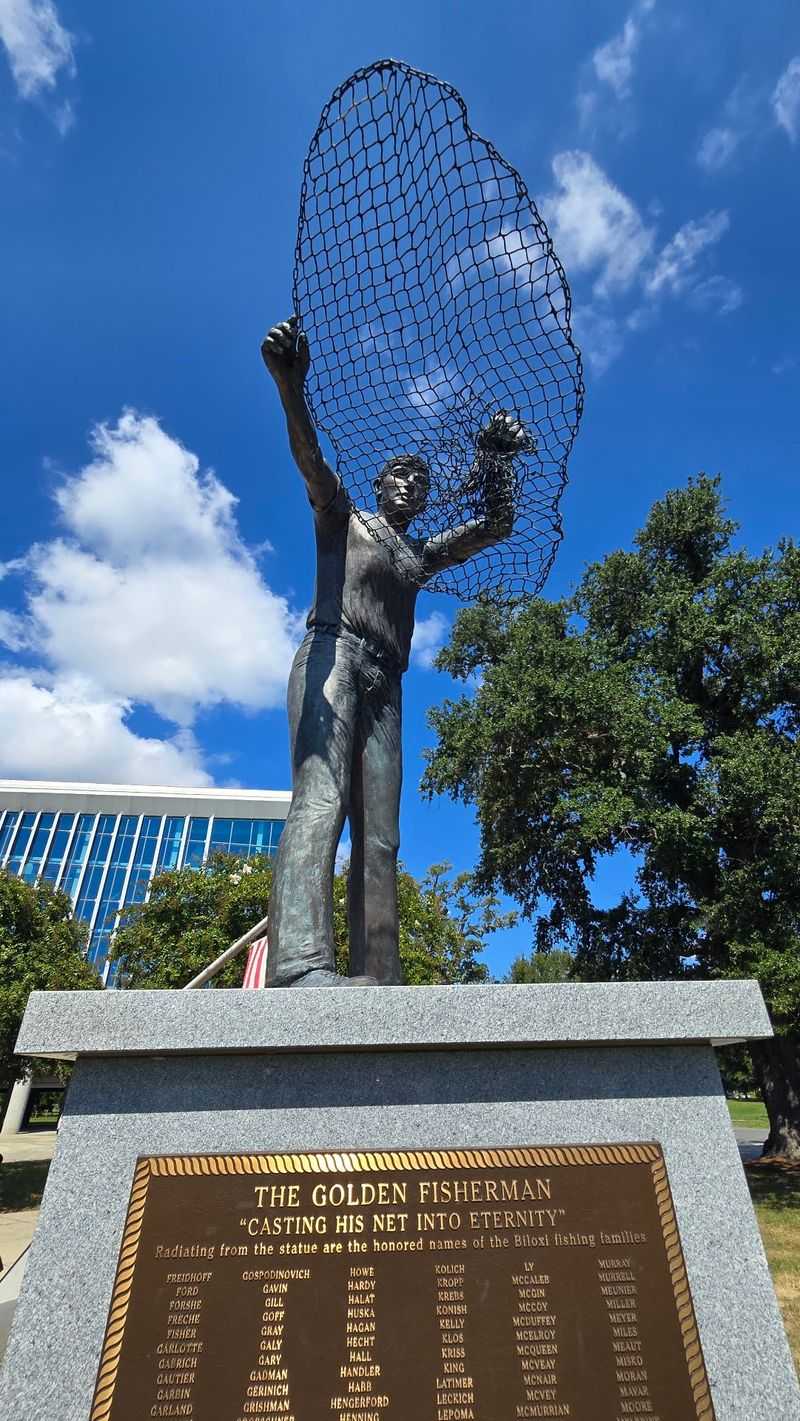
Outside the front doors, a Golden Fisherman statue and a small submarine greet arrivals. Kids usually want to inspect both before heading inside, which makes for an easy warm-up to the day.
The grounds sit close to the water, and visitors describe them as peaceful. Memorials dot the area, and the setting offers a calm spot to rest, especially on a sticky Mississippi afternoon when everyone needs a breather.
Inside, the gift shop is small but thoughtfully stocked. Shoppers mention items from local artists at reasonable prices, and some even pick up holiday presents there.
For grandparents hunting a souvenir with meaning, a piece of coastal art beats a plastic trinket every time.
Staff members earn warm mentions as well. Some groups have received guided tours, including personal walkthroughs from a director who shared the objects that meant the most to her.
Large groups, including bus tours, have been accommodated comfortably.
The building also hosts events like class reunions, with roomy spaces that never felt crowded for those gatherings. That tells you the museum is woven into the community, not just a tourist stop.
It feels like a place locals are proud of.
Hours, Tickets, Parking, And Access
Monday through Saturday, doors open at 9 AM and close at 4:30 PM. Sunday hours run from noon to 4 PM, though Sunday openings may be seasonal, so a quick check before driving down is wise.
Tickets stay friendly on a family budget. Admission has been listed at $10 for adults, $8 for seniors 60 and up, AAA members, and military, and $6 for students ages 5 to 15.
A family of four could often get in for around $32, and some visitors mention finding discounted tickets through Groupon.
Parking is free in the museum’s south lot, with public parking roughly a short walk from the entrance. Bring comfortable shoes for that stretch, especially in summer heat.
Accessibility is a strong point. Ramps, elevators, and accessible restrooms serve every floor, and wheelchairs are available for visitor use.
Strollers can move easily between levels thanks to the elevator, which matters in a three-story building.
Air-conditioned galleries make it a smart pick during hot months. Arriving right at opening may mean quieter rooms, and a weekday visit often feels relaxed.
Lunch plans nearby are easy to arrange once everyone finishes exploring.