
This Humane Society In Tupelo, Mississippi Gives Hundreds Of Homeless Pets A Safe Place To Wait For Family
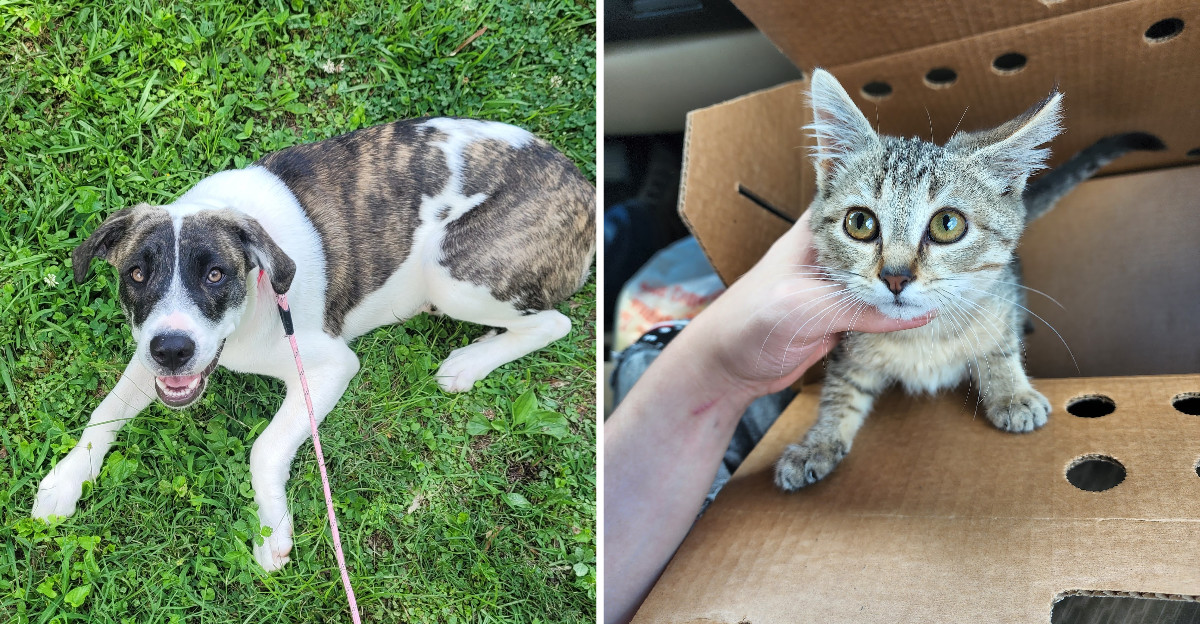
I pulled off a busy road in northeast Mississippi expecting a quick stop and a plain building. Instead, I found rows of wagging tails, curious kittens, and people who clearly love their work.
It is the kind of place that can change a family’s whole Saturday, and maybe the next ten years of their lives. If your crew has been talking about a new pet, or just wants to help animals in need, keep reading.
A Shelter On Cliff Gookin Boulevard
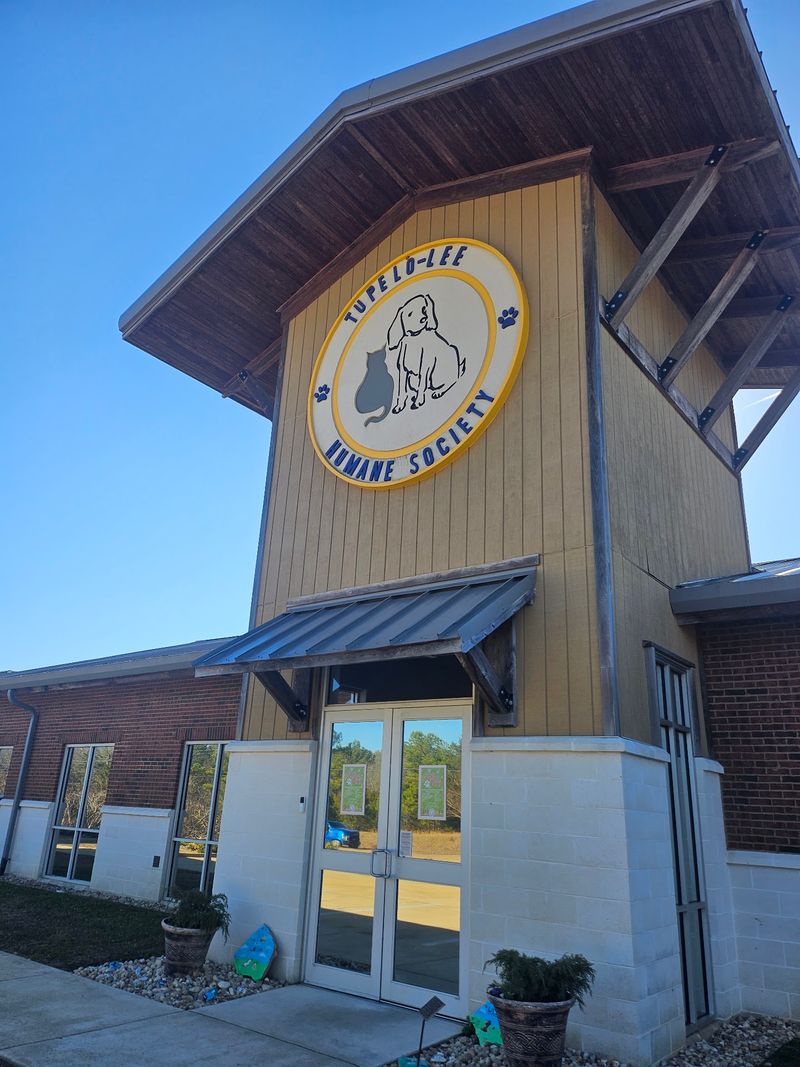
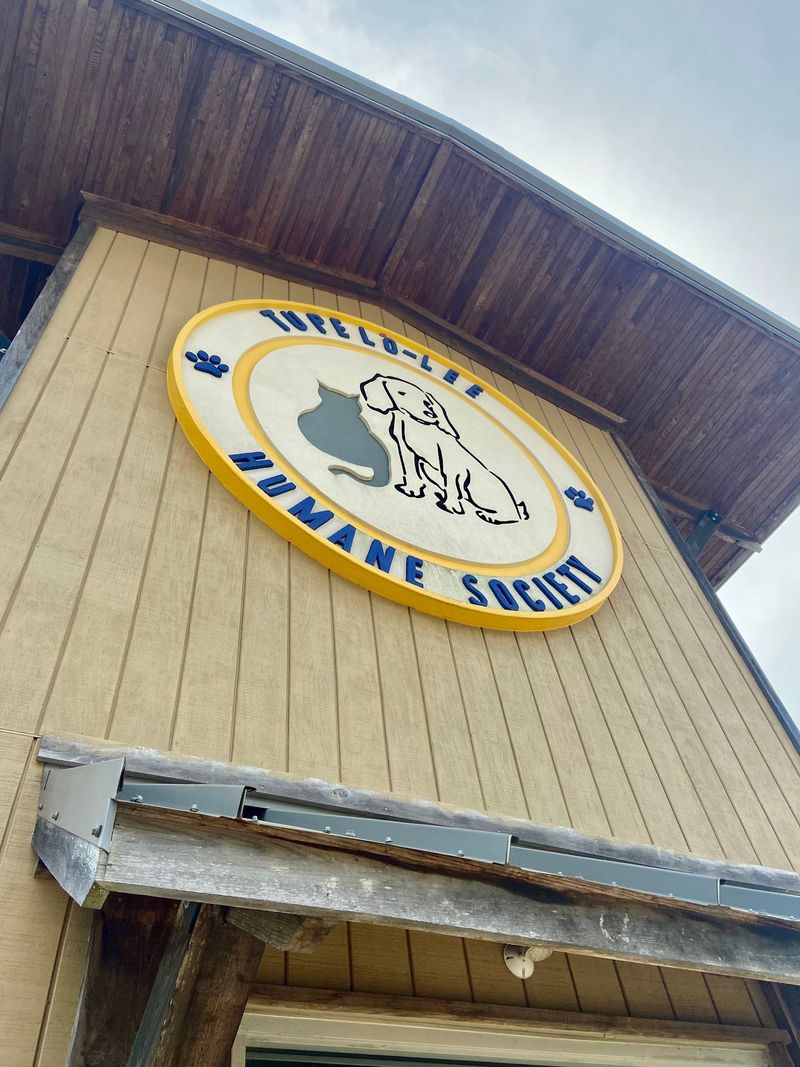
Right off Cliff Gookin Boulevard in Tupelo sits the Tupelo-Lee Humane Society, an animal shelter serving Lee County and nearby areas. Its address is 2795 Cliff Gookin Blvd, which puts it within easy reach of most of town.
Families driving in from Oxford, Starkville, or the smaller communities of northeast Mississippi can often make the trip in about an hour or less. Folks from Jackson face a longer ride, so pairing a visit with other Tupelo errands may make the day feel fuller.
Dogs, puppies, cats, and kittens all wait here for new homes. The shelter handles adoptions, fostering, low-cost spay and neuter appointments, and community wellness clinics, so it works as much more than a holding place.
Picture it as a busy crossroads for animals. Some arrive scared and thin, some come in as tiny litters, and many leave with a family who could not imagine life without them.
For parents and grandparents searching for a meaningful outing, the shelter offers something a mall or movie cannot. Kids see kindness in action, and the grown-ups learn how their community cares for its most helpless members.
Roots Reaching Back To 1979
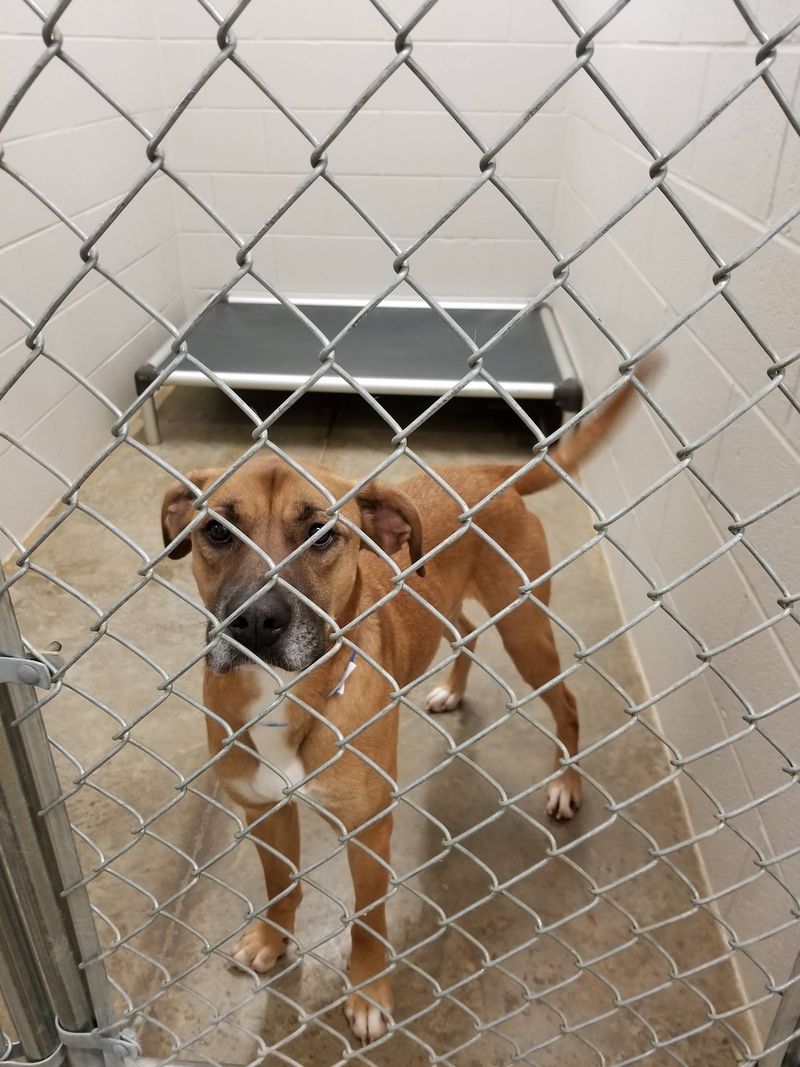
Did you know this group has been looking out for local animals since 1979? That is more than four decades of rescues, adoptions, and late nights spent caring for pets nobody else wanted.
From the start, the mission was clear. Leaders set out to promote humane treatment, prevent cruelty, teach the public about animal welfare, and work toward ending pet overpopulation across Lee County and surrounding areas.
Those goals still guide the work today. The shelter pushes for spaying and neutering, helps law enforcement in animal abuse cases, and spreads awareness so fewer pets end up homeless in the first place.
Grandparents in the area may remember the older days, when the shelter operated out of a building that was easy to drive right past. Community members raised money for years to change that, and their effort paid off in a big way.
History like this matters when you visit. Every kennel and cat room represents the work of volunteers, donors, and staff who kept going through lean seasons.
Sharing that story with kids can turn a simple pet visit into a lesson about how one town decided its animals deserved better.
The 2018 Move Into A Purpose-Built Home
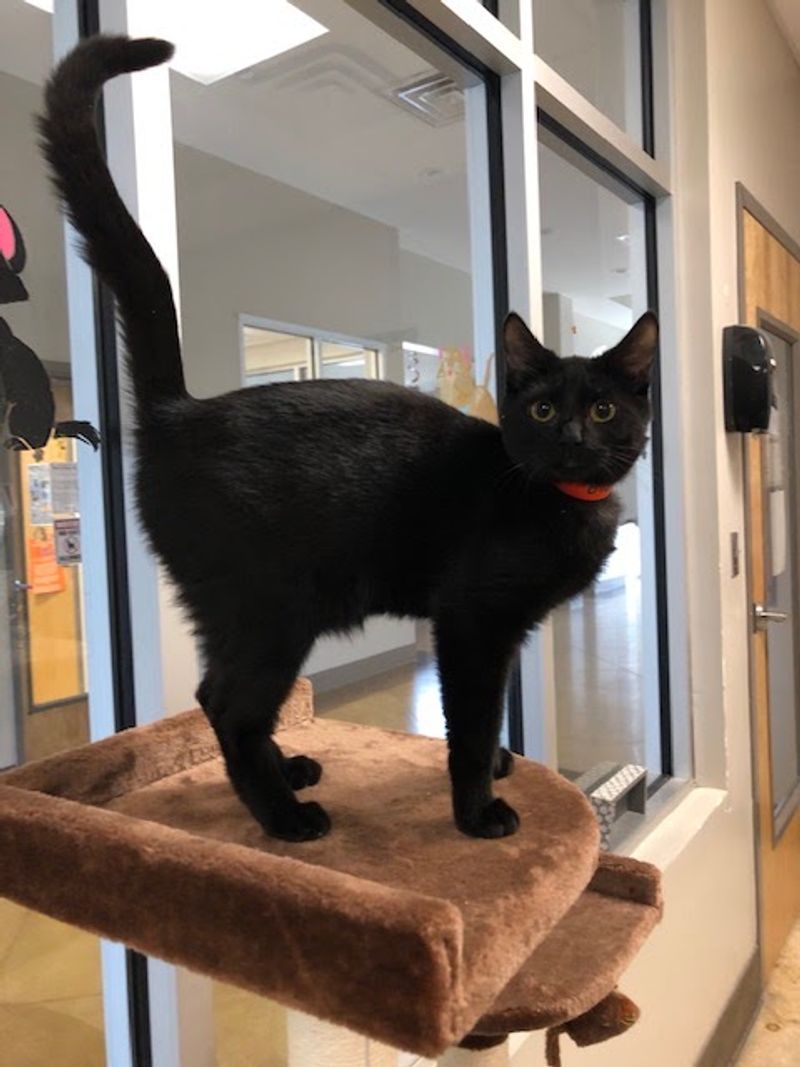
October 2018 marked a turning point. That month, the shelter moved into its current facility, a building designed around the real, daily needs of caring for animals.
Older shelters often struggle with cramped rooms and outdated layouts. The new space was planned to fit modern animal welfare practices and to adapt as those practices keep changing over time.
Visitors frequently mention the new facility and how clean it feels. A regular foster has described the spaces as very clean, with animals loved on and medically tended to with care.
For families bringing little ones, a tidy environment makes the visit far more comfortable.
Fundraising made the building possible. Local supporters worked hard to get a desperately needed new shelter built, and some families still remember loved ones who poured their energy into that campaign.
Walking through today, you may notice how the layout helps both people and pets. Animals can rest in calmer areas, and adopters have room to meet potential companions without feeling rushed.
It is a practical home, not a fancy one, and that fits the heart of the place perfectly.
How Adoption Works Here
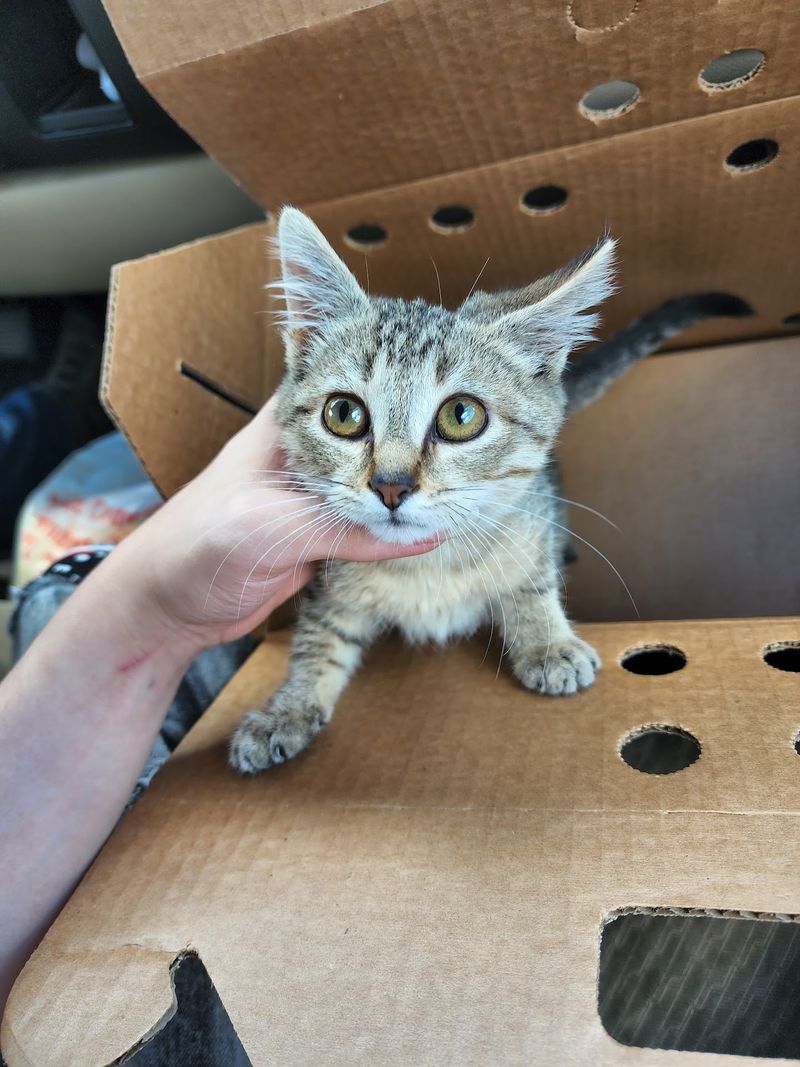
Meeting a future pet starts with a plan. The shelter currently schedules appointments for all adoption meet-and-greets, which helps visits go smoothly for both families and animals.
Here is the basic flow. You visit the facility, submit an application, and meet the pets that catch your eye.
Staff can answer questions about personality, energy level, and health so you are not guessing.
Every pet is spayed or neutered before the adoption becomes final. That step supports the bigger goal of cutting down on pet overpopulation in Lee County.
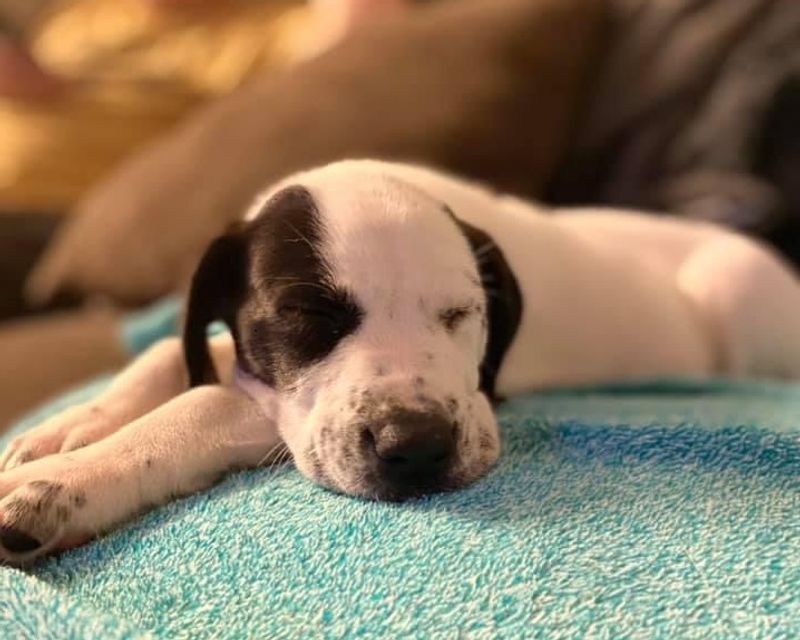
Young puppies may need extra care during visits. In one case, staff explained that a puppy stayed off the floor and indoors because it had not finished its shots yet, which protects the little one from getting sick.
After adoption, new families often receive a voucher for a free health exam at participating vet clinics. The shelter recommends using it within 48 hours.
One more comforting detail: if the first match is not right, pets may be exchanged for another animal of equal fee within 14 days. Fees count as donations and are not refundable, but that exchange window can ease a nervous first-time owner.
Fees That Stretch A Family Budget
Compare the cost of shots, microchipping, and spay surgery at a regular vet, and the adoption fees here start to look like a real bargain. Standard fees often run around $100 for dogs and puppies and $50 for cats and kittens.
Special fees for certain dogs can range from $0 to $175. Those specials may pop up for pets who have waited longer or have unique needs, so asking at the desk can pay off.
What does the fee cover? Typically, it includes spay or neuter surgery, initial vaccinations, bordetella for dogs, and a microchip.
Put together, that bundle can save a family a good chunk of money.
Add in the free health exam voucher at participating clinics, and the value grows even more. For grandparents on a fixed income or young parents counting every dollar, that math matters.
Prices can change with promotions and seasons, so treat these numbers as a general guide. Still, few Mississippi outings deliver this much heart for the cost of a family dinner out, and the reward keeps greeting you at the door for years.
Foster Homes As A Soft Landing
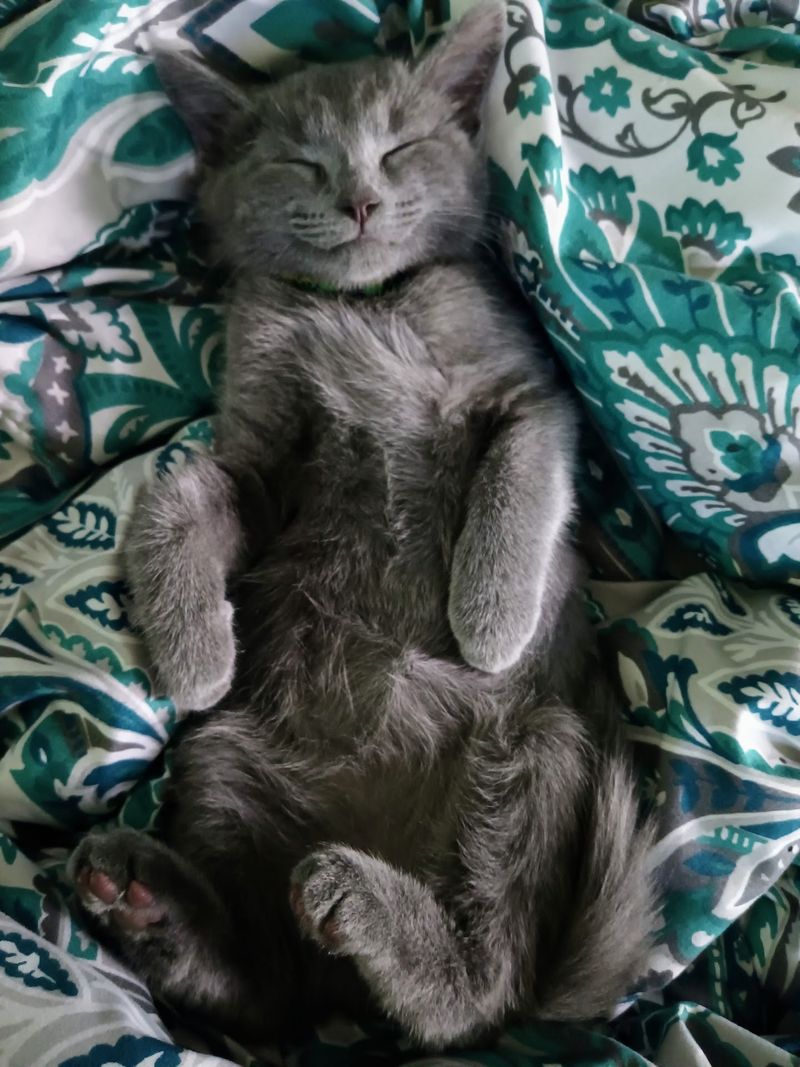
Not every animal is ready for a kennel. Very young, stressed, or sick pets often do better in a quiet house, and that is where the foster program steps in.
Foster families open their homes temporarily, giving animals a calmer place to grow, heal, or simply relax. One regular foster shared that they care for more than 30 animals a year, and a few ended up staying for good.
Fostering can suit families who love animals but cannot commit to a lifelong pet yet. Kids learn responsibility, and the animal gains confidence before meeting potential adopters.
Clear communication makes the arrangement work best. Before agreeing to foster, ask about timelines, supplies, and what happens when the animals are ready to return, especially with litters of kittens.
Kitten season can be demanding across north Mississippi. Tiny kittens need frequent feedings and warm spaces, and the shelter depends heavily on caring homes during those busy months.
If a full-time pet feels like too big a step, fostering offers a middle path. It lets your household make a real difference while keeping flexibility, and it frees up shelter space for another animal waiting its turn.
Volunteer Roles For Teens And Grown-Ups
Laundry might not sound glamorous, yet it keeps the whole place running. Volunteers are vital to daily operations, and the list of jobs is surprisingly varied.
Onsite volunteers must be at least 16 years old. Anyone under 18 needs a parent or guardian to sign off, which makes it a nice project for a teen and a grandparent to share.
Tasks include walking dogs, socializing cats, cleaning, preparing newspapers, filling enrichment toys, and even reading to animals. That last one can help shy pets settle down while giving teens a peaceful hour away from screens.
Event help is part of the mix too. Adoption days and fundraisers often need extra hands for setup, greeting, and cleanup.
Picture a Saturday where a teenager spends the morning walking a nervous hound until its tail finally starts to swing. Moments like that build patience and empathy in ways a classroom cannot easily match.
Retirees may find volunteering especially rewarding. The work offers gentle routine, fresh purpose, and plenty of furry gratitude.
Many longtime helpers say the animals give back just as much as they receive.
Ways Younger Kids Can Pitch In
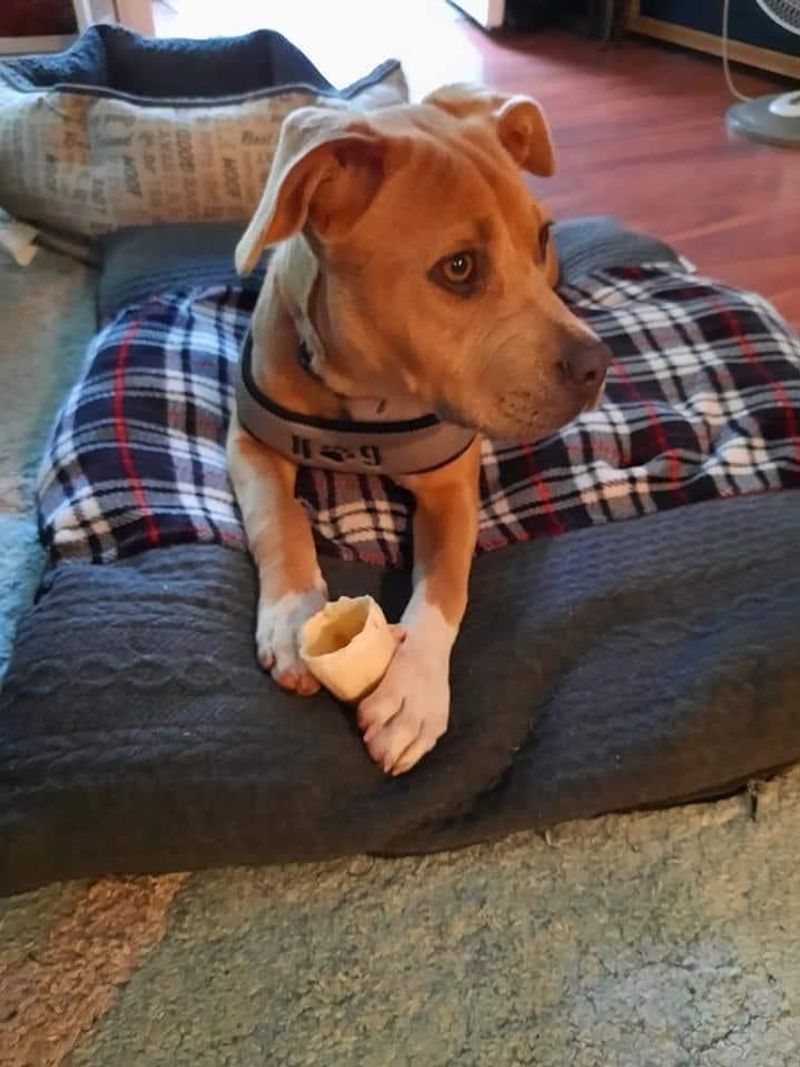
What if your animal lover is only eight? Kids under 16 cannot volunteer onsite, but the shelter still offers plenty of ways for them to help.
At-home projects are a great start. Children can make toys, sort donations, or create crafts that support the animals from the kitchen table.
Supply drives are another favorite. A classroom, church group, or neighborhood can collect food, blankets, and cleaning items, then drop everything off during regular business hours.
With a parent or guardian along, younger helpers can also assist at outreach and fundraising events. These outings let kids see the difference their effort makes.
Scout troops have options as well. The shelter supports Scout projects, offering chances to earn service badges while learning about animal welfare.
Small hands can do big things here. A birthday party that asks for pet food instead of presents, or a lemonade stand raising money for vaccines, can teach generosity early.
When kids later deliver those donations and see the animals up close, the lesson tends to stick far longer than any lecture about kindness ever could.
Atmosphere And Who Will Love It
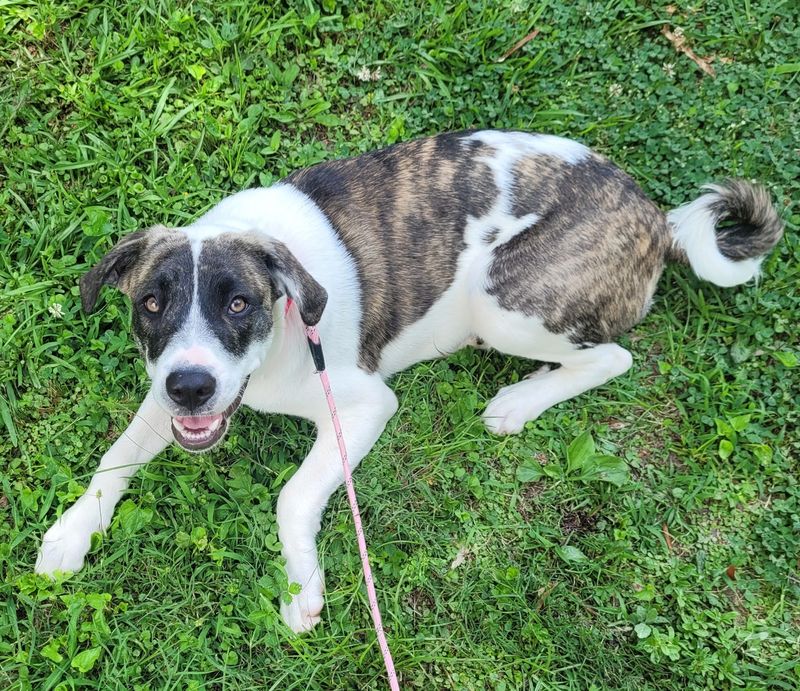
Barks echo down the hallway the moment you step inside, followed by the softer sounds of cats stretching in their rooms. It feels lively but cared for, a working shelter where the animals come first.
Staff often earn praise for being kind, patient, and knowledgeable. Visitors describe workers who clearly love the animals and take time to help families find a good match.
Families with young children may enjoy seeing so many dogs and cats in one place. Grandparents can take a slower pace, pausing at each kennel and asking questions about personalities.
Keep in mind that this is a busy shelter, not an attraction. Intake space can be limited, so people hoping to surrender or drop off found animals should call ahead and ask about current options.
First-time adopters, experienced pet owners, and animal-loving teens all fit in here. So do families simply exploring whether a pet makes sense right now.
A calm, respectful approach helps everyone. Remind little ones to use quiet voices and wait before reaching toward kennels.
Nervous animals relax faster, and kids leave feeling proud of how gently they behaved.
A Gentle Nudge Toward A Saturday Visit
Some outings fade from memory by Monday. A trip here can leave your family with a new best friend, or at least a deeper sense of how much love a community can give.
Everything fits together nicely for Mississippi families. Fees are affordable, medical care comes bundled in, and there are ways for toddlers, teens, and grandparents to take part.
Not ready to adopt? Donating supplies, joining a Paw Partners monthly giving plan, fostering, or signing a teen up to volunteer all make a lasting difference.
Imagine the ride home with a sleepy puppy curled on a lap, or a shy cat peeking from its carrier. That quiet drive often becomes the story your kids retell for years.
The shelter has spent more than four decades turning hard beginnings into happy endings. Its newer building gives animals a safer place to wait, but it still depends on local families showing up.
So check the hours, book an appointment, and grab a bag of pet food for the donation bin. Whatever happens, your family will leave having helped a homeless animal move one step closer to home.