
This Wisconsin Museum Lets You Descend Into A Real Mine Before Riding An Old Mine Train
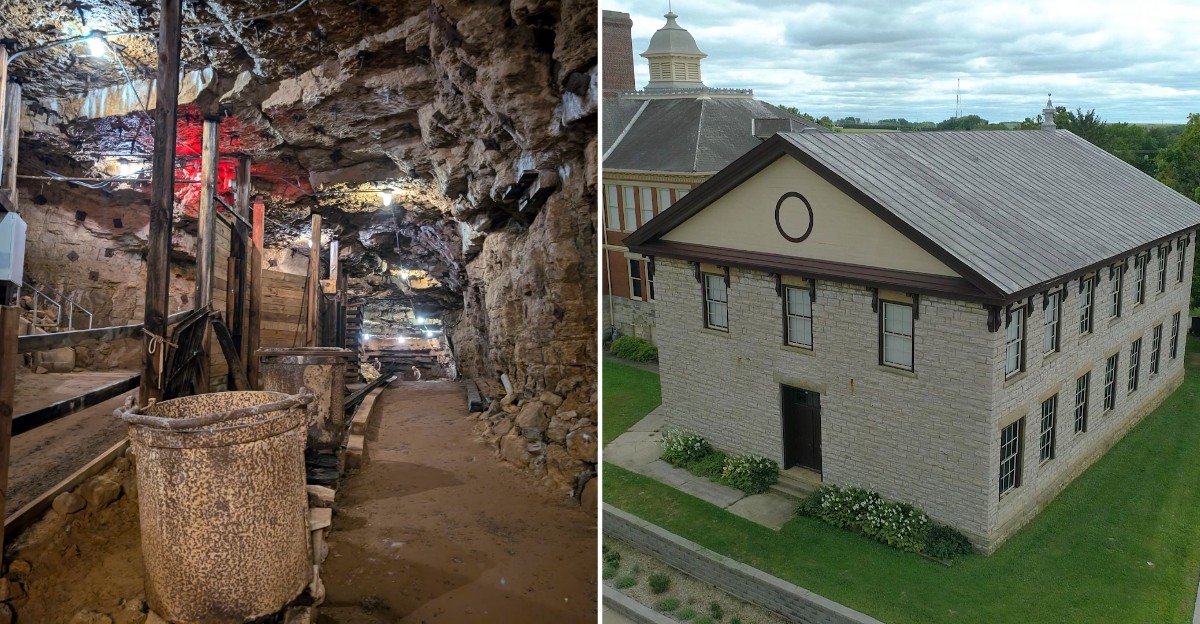
Most museums keep history safely behind glass. This one sends you underground with a hard hat. Beneath a small Wisconsin city, tunnels cut by lead miners nearly two centuries ago are still open to visitors.
The temperature drops. The walls close in. Suddenly, the stories in the history books feel a lot more real.
Back above ground, the experience keeps going with a historic train ride and exhibits packed with old toys, mechanical music machines, mining equipment, and pieces of everyday life from another era.
What makes this place memorable is how much of the past feels within reach. You are not staring at a distant scene through a display case.
You are moving through the spaces where people actually worked and seeing the machines that helped shape an entire region. It turns a history lesson into something far more vivid, surprising, and fun to explore.
Ninety Steps Down Into 1845
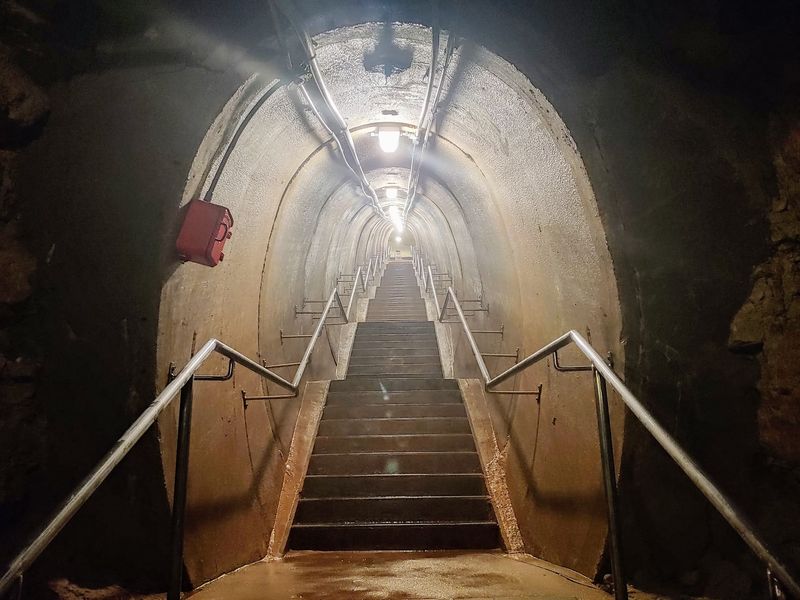
Ninety steps. That is how far you climb down to reach the Bevans Lead Mine at The Mining & Rollo Jamison Museums. Each step takes you farther from daylight and closer to the year 1845, when miners chased rich veins of lead through solid rock.
The stairs have strong railings on both sides, which helps a lot. You should still take your time, because the steps can feel a little damp and slippery.
Remember that you will also climb 90 steps back up at the end, so wear shoes with good grip and pace yourself.
Once you reach the bottom, the air turns cool and quiet. The tunnels are lit, so you can see the walls, the tool marks, and the narrow paths where men once worked long hours. Staff will hand you a hard hat before you go, and you will be glad to have it in the low spots.
Here is a fun bit of history to think about while you walk. The Bevans mine was one of the richest finds in the area, and a single strike here produced a huge amount of lead in one year. Standing in that space makes the past feel real in a way books simply cannot.
All Aboard The 1931 Mine Train
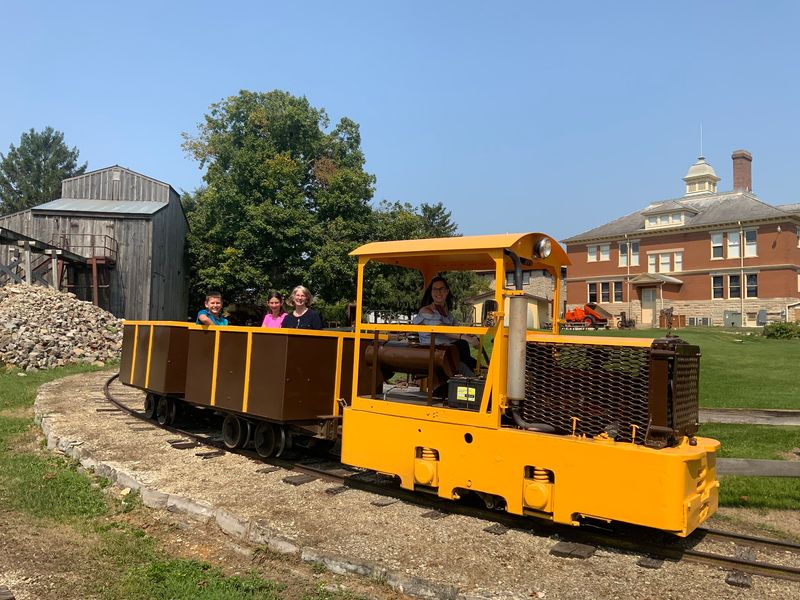
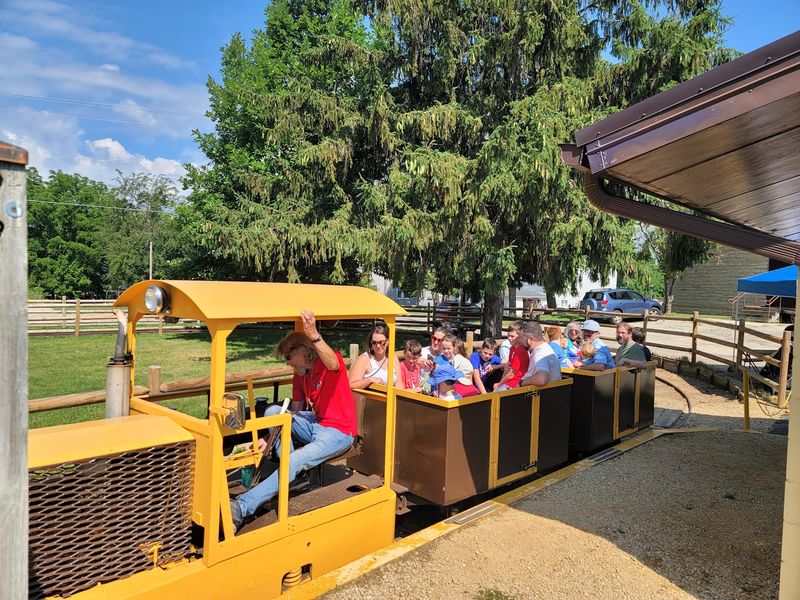
Clang, clang! Few sounds bring out a grin faster than a train bell, and the mine train at The Mining & Rollo Jamison Museums has one that kids love. After your time underground, you get to ride in ore cars pulled by a small locomotive built in 1931.
The train once hauled rock and ore, not people. Now it carries visitors around the grounds on a short, easygoing loop. You sit in open cars, so you feel the breeze and see the area around the museum as you roll along.
The train ride is included with regular museum admission and the guided mine experience, weather permitting, so plan for both together. That actually works out well, because the ride gives your legs a rest after those mine stairs.
Younger visitors often treat this as the highlight of the day. Some guides have even let a lucky child ring the bell, which turns an ordinary moment into a story they will repeat at dinner. You should bring a camera and keep it ready, because the faces on that train are worth saving.
Guides Who Know Every Tunnel
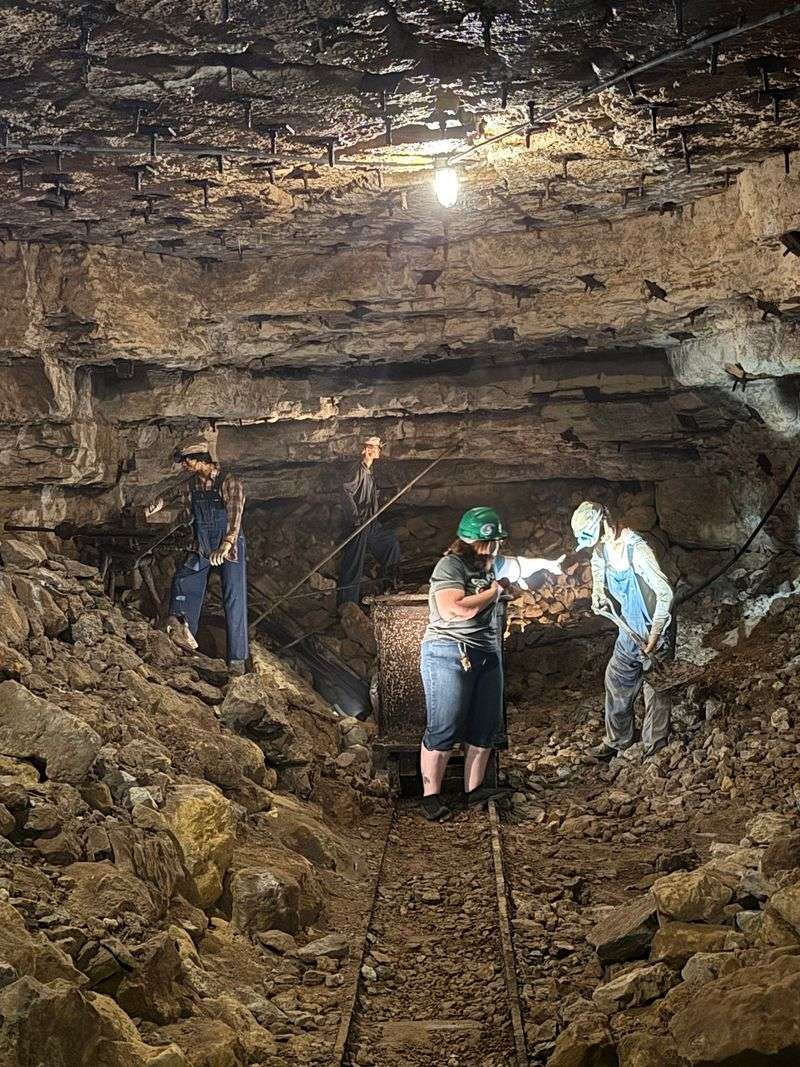
A good guide can turn a dark tunnel into a storybook. At The Mining & Rollo Jamison Museums, the guides lead every trip into the mine, and they bring the place to life with facts, tales, and plenty of patience.
You will learn how miners found lead, how they broke rock with hand tools, and how they hauled it to the surface. Guides also explain why this corner of Wisconsin drew so many workers in the 1800s.
The guides know the museum’s mining history well, so their explanations can add useful context.
You should ask questions. Kids especially get a lot out of this, since the guides are used to curious minds and happy to explain things in simple ways. No question is too small down there.
Try to stand near the front of your group when you can. The tunnels are fairly quiet, but voices travel better when you are close. That way you catch every detail about the hard lives of the men who worked here.
By the end, you will likely leave with a new respect for those miners. Their work was tiring and risky, and hearing it explained in the actual space makes it stick.
Lead, Zinc, And The Story Of A Region
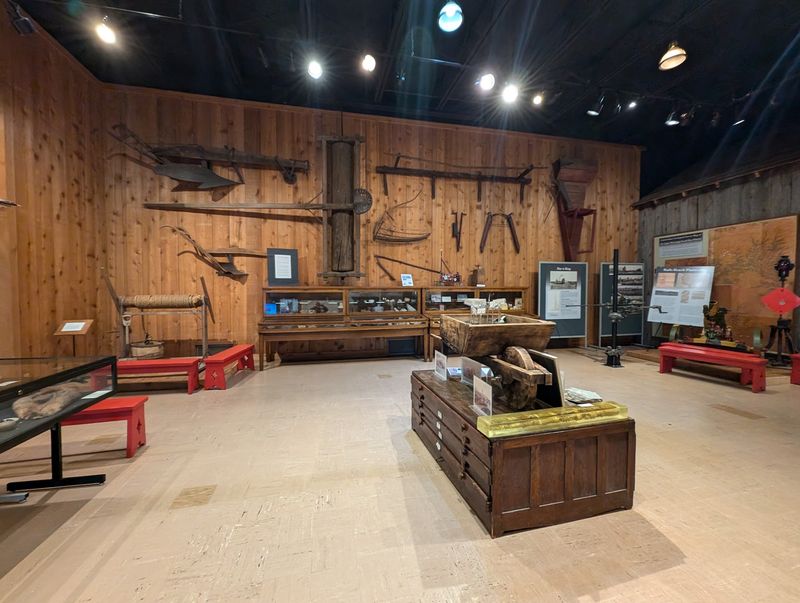
Long before Wisconsin became a state, people were already digging for lead in its southwest hills. The first floor of The Mining & Rollo Jamison Museums tells that story, and it gives your mine trip some helpful background.
You will find tools, lanterns, ore samples, and life-sized figures dressed as miners. A short video explains how lead mining worked and why it mattered so much to the area. You should watch it before heading underground, because it makes the tunnels easier to understand.
Early miners sometimes dug shelters into hillsides and lived in them much like badgers. That practice helped inspire Wisconsin’s nickname, the Badger State.
Later, zinc became the big prize in the region. The exhibits show how mining changed over time, from simple hand digging to bigger operations with machines. Seeing that shift helps you picture how small towns grew around the work.
Take your time with the displays. You can walk through at your own pace before or after your tour, so there is no rush. Reading a few signs closely will make your walk through the mine much richer.
Music Boxes And A Player Piano Upstairs
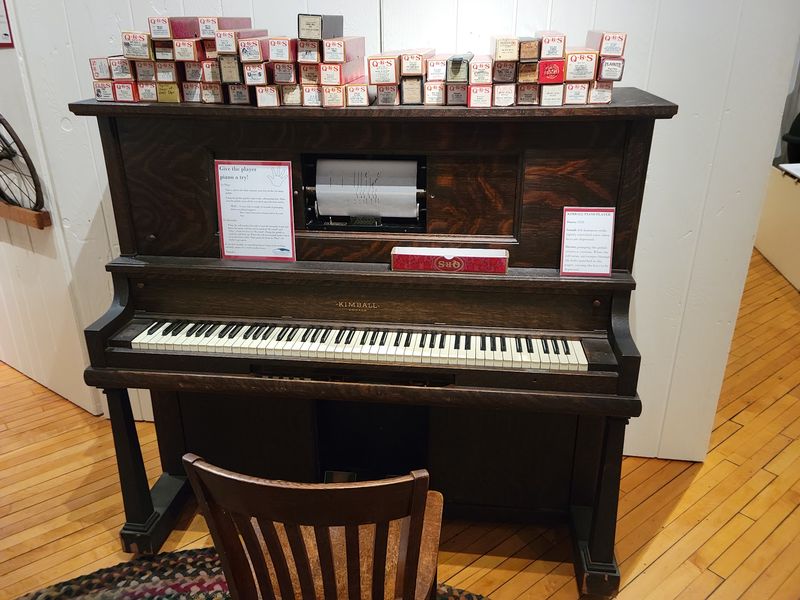
Picture a piano that plays itself while you stand there watching the keys move. Head upstairs at The Mining & Rollo Jamison Museums and you can see one in action.
The museum holds the collection of Rollo Jamison, a local folk historian who spent years gathering everyday objects from the past. His finds cover generations of life in the area. You will spot old kitchen tools, farm items, clocks, and much more.
The music side of the collection is a favorite. A working player piano and a set of music boxes fill the room with tunes your great grandparents might have heard. Listening to them feels warm and a little nostalgic, even if you have never heard the songs before.
You should slow down in this space. Small details, like the shape of an old toy or the label on a tin, tell you a lot about how families once lived. It is easy to rush, but the best moments come when you stop and look.
Kids enjoy the hands-on pieces too. Some exhibits are interactive, so young visitors can do more than just stare through glass.
Smart Tips For Planning Your Trip
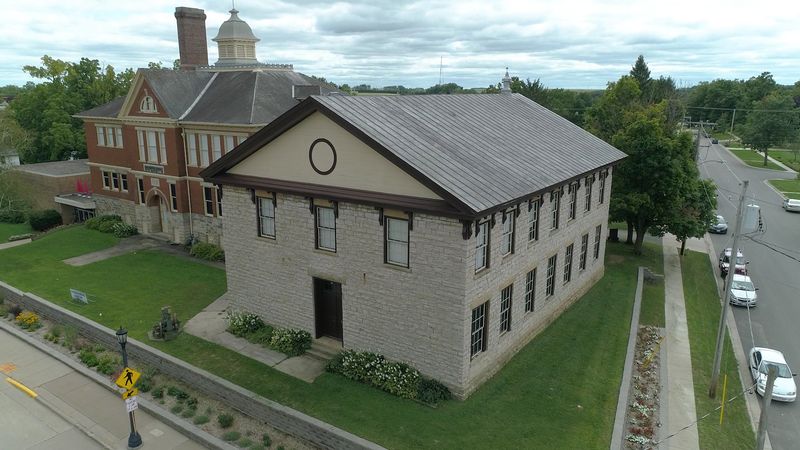
A little planning goes a long way here. The Mining & Rollo Jamison Museums sit at 405 E Main St, Platteville, WI 53818, right in town and easy to find on most maps.
Timing matters most. The museum is generally open to the public from May through October, and it closes to walk-in visitors for the colder months. During the season, hours run from 10 AM to 5 PM, Wednesday through Sunday, with Monday and Tuesday closed.
You should call ahead or check the museum website before you drive. Schedules can shift, and a quick check saves you a long trip. This is especially helpful if you are coming from another part of Wisconsin.
Plan for about one to two hours total. That gives you time for the guided mine tour, the train ride, and both floors of exhibits. Bring a light jacket, since the mine stays cool even in summer. Wear closed shoes with good traction for the stairs.
Restrooms are in the main building, and the museum store carries rock and mineral specimens along with regional-history gifts.
Special Events Worth Marking On Your Calendar
Some days at the museum feel extra lively. The Mining & Rollo Jamison Museums host special events through the year, and they give you fresh reasons to come back.
Heritage Day is a big one, often held around the Fourth of July. Families come out to explore history, try old-fashioned games, and play with toys from long ago. It feels like a small-town celebration with a history lesson mixed in.
The museum also runs workshops where you can learn a hands-on skill. Past programs have included hands-on crafts and activities tied to local history. These classes are a nice way to spend time with family while making something with your own hands.
After-dark events add another twist. Wandering the exhibits in the evening, with music boxes playing, gives the collection a cozy, almost magical feel. You notice different things when the mood changes.
You should check the museum website or social pages for upcoming dates. Events can fill up, so signing up early helps. If you live in Wisconsin or visit often, these programs turn a one-time trip into a fun tradition you can repeat each year.
Why This Stop Belongs On Your List
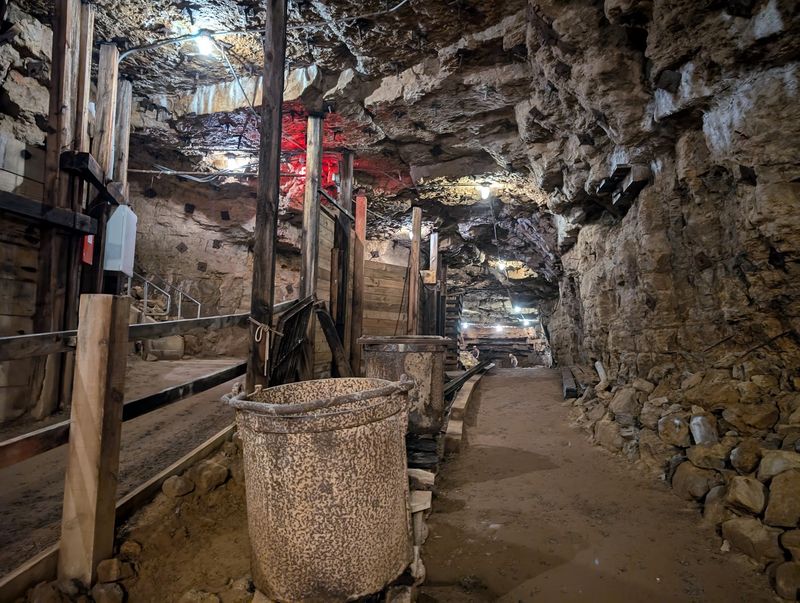
Great trips leave you with stories, and The Mining & Rollo Jamison Museums hand you plenty. You climb into a real 1845 mine, ride a train from 1931, and hear music from machines older than your grandparents.
That mix is rare. Many places focus on one thing, but here you get underground adventure, local history, and playful collections in a single visit. It works for young kids, curious teens, and adults who simply enjoy learning.
The experience also builds respect. Seeing the tight tunnels and hand tools helps you understand the hard work that shaped southwest Wisconsin. Those lessons stay with you longer than a page in a textbook.
You should pair your visit with a stroll around Platteville afterward. The small-city charm makes a nice ending to a day spent in the past.
Families often say their kids talk about the trip for weeks. Teens who usually shrug at museums tend to get pulled in once they put on a hard hat. That says a lot about how well this place connects with people.
So pack sturdy shoes, check the season, and make the drive. History is waiting ninety steps below.