
This Biloxi, Mississippi Museum Shows Kids Where Dinner Comes From, From Shrimp Boats to a 1920s Peeling Machine
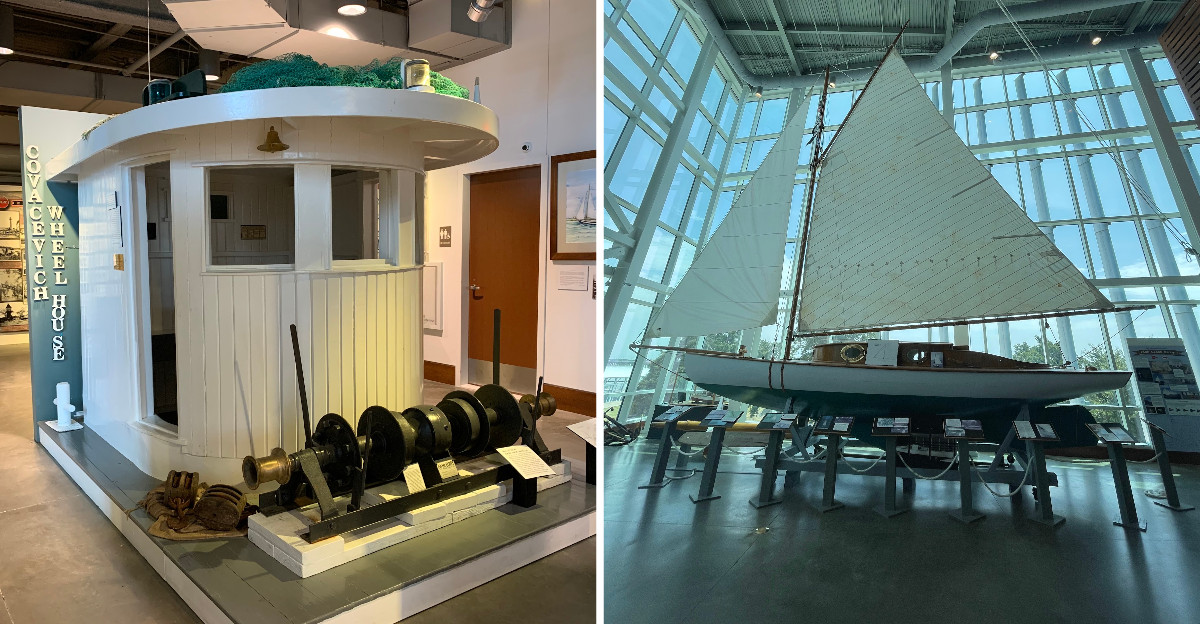
We only stopped because the kids needed a break from the car and the building had a boat on the sign. Two hours later, my son was explaining how shrimp get peeled by machine, and my daughter wanted to know why the fishing boats outside had such long arms.
This spot on the Mississippi coast turns the work of fishermen into something kids can actually see, touch, and talk about. It is a cheap, easy way to learn where dinner really comes from.
A Waterfront Museum at the Tip of the Peninsula
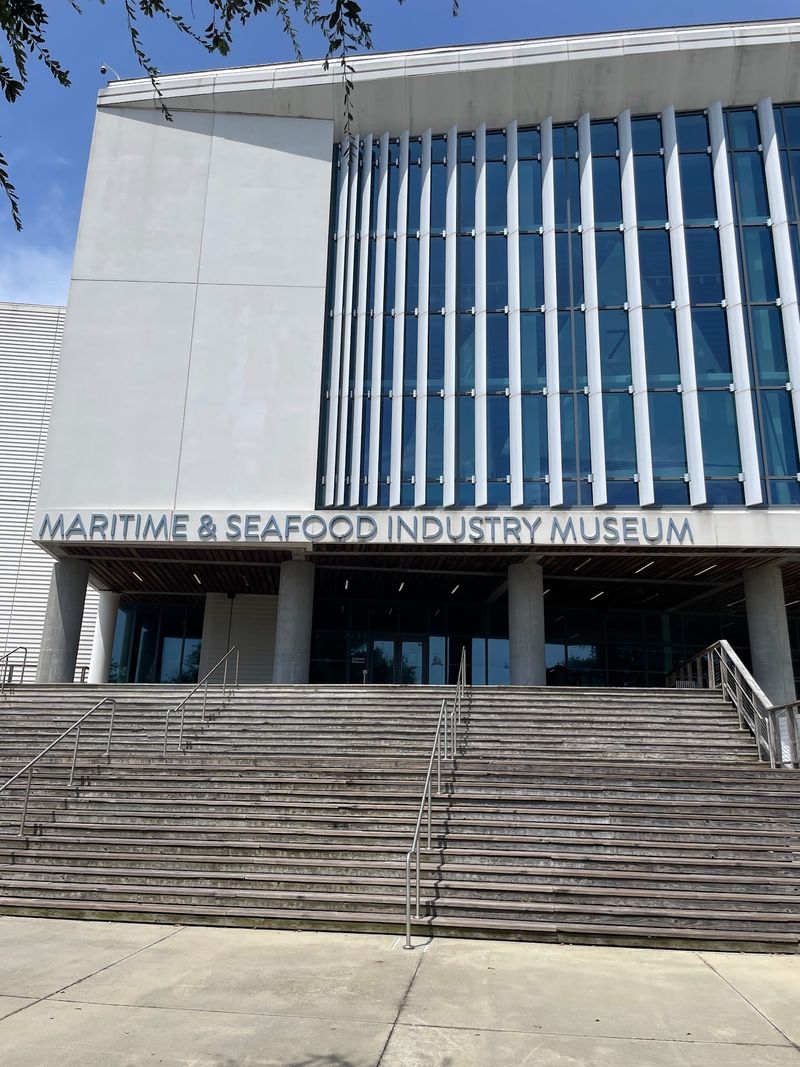
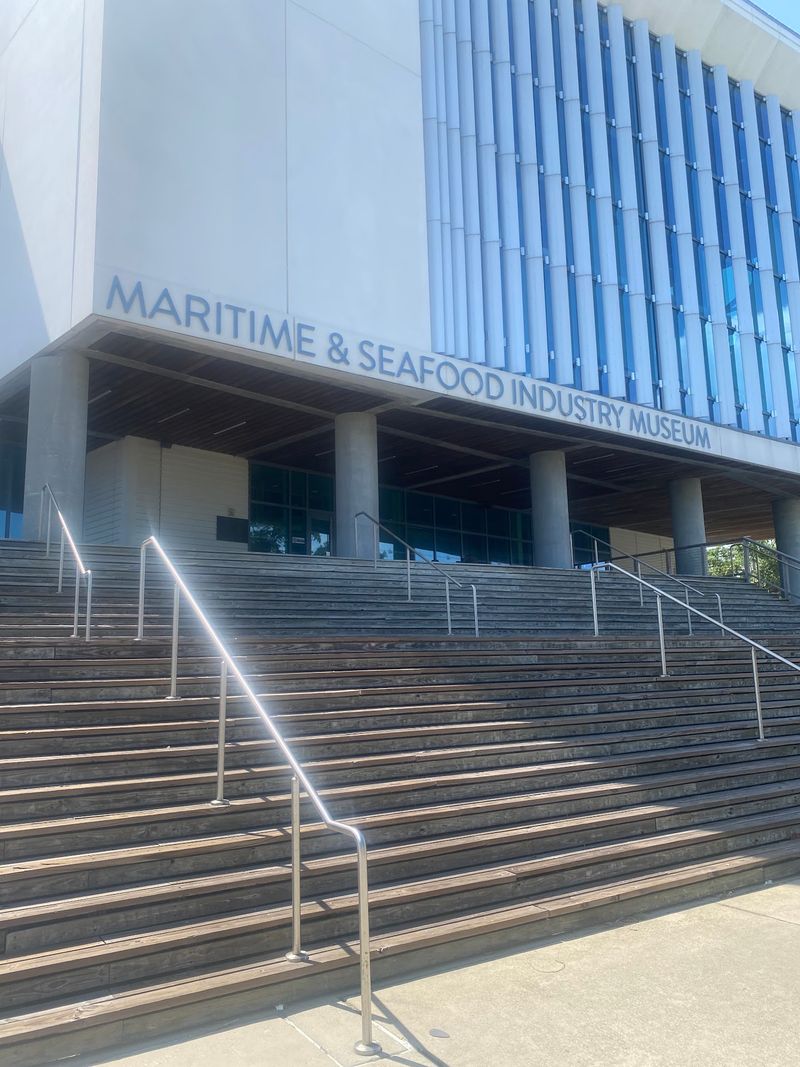
Sitting right where the land runs out on the eastern end of the Biloxi peninsula, the Maritime and Seafood Industry Museum looks straight across the Mississippi Sound. The address is 115 East 1st Street, close to the Point Cadet area where working boats still tie up.
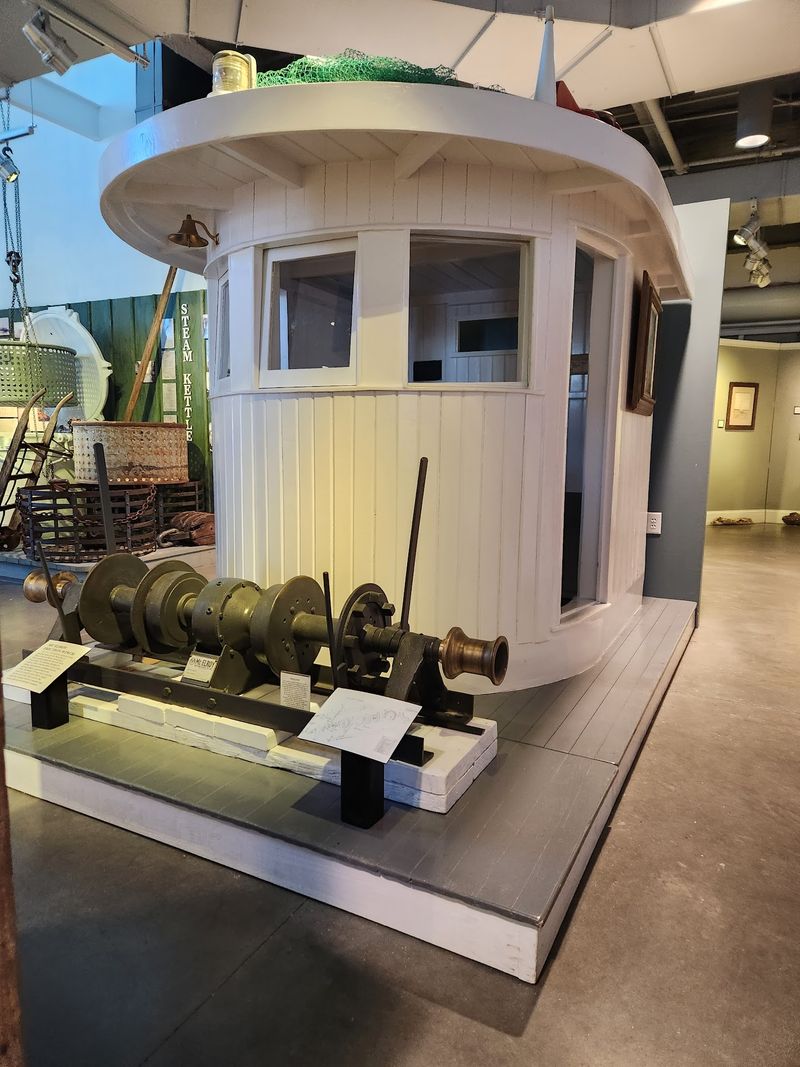
Inside, three floors tell the story of how this stretch of coast earned its living from the water. Shrimping, oystering, crabbing, net-making, wooden boat building, and marine blacksmithing all get their own space.
For families, that means kids can follow a single shrimp from the net to the dinner plate without leaving the building.
Location matters here more than at most museums. Because the building sits so close to the water, the lessons inside connect to what kids can spot outside the windows and along the nearby docks.
Boats, gulls, and salty breezes make the history feel current rather than dusty.
Parents planning a Gulf Coast trip will find it an easy add-on to a beach day or a stroll near the casinos. A visit usually runs one to three hours, depending on how much reading your crew enjoys.
Short attention spans can still find plenty of boats and machines to keep eyes busy.
Why Biloxi Built a Home for Its Seafood Story
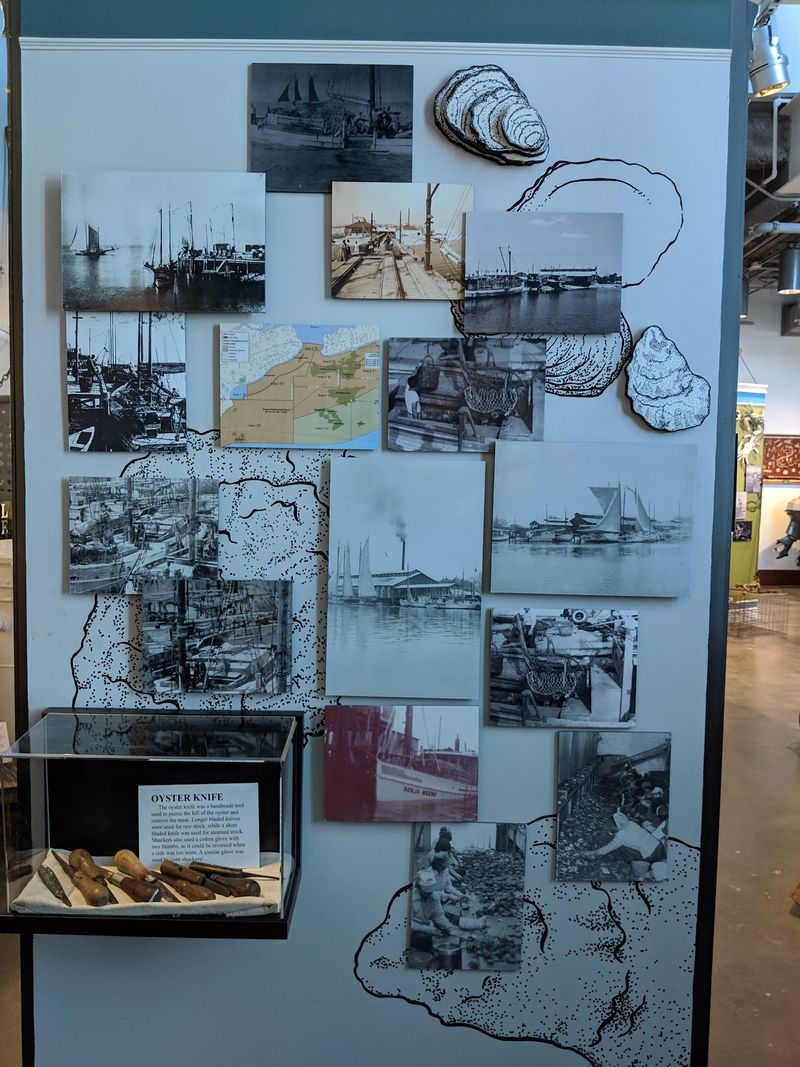
Biloxi was once called a seafood capital, and the city never wanted that chapter forgotten. The museum’s stated mission is simple: preserve and interpret the maritime history of Biloxi and the Mississippi Gulf Coast through exhibits and educational programs.
Much of what fills the galleries appears to have come from local families. Tools, models, maps, and photographs carry the fingerprints of people who worked the boats and the canneries.
Kids tend to respond to that, since a worn net or hand-forged hook feels more real than a picture in a textbook.
The building itself carries a story too. After Hurricane Katrina struck the coast in 2005, the museum had to be rebuilt, and guided tours often mention that comeback.
Children who hear how a community pulled its history back together get a quiet lesson in resilience.
For parents, the background helps frame the whole visit. Before walking in, it can be fun to ask kids what they think a shrimp boat captain does all day.
By the end, they will have real answers drawn from the generations who lived it along these same shores.
The 1920s Shrimp Peeling Machine
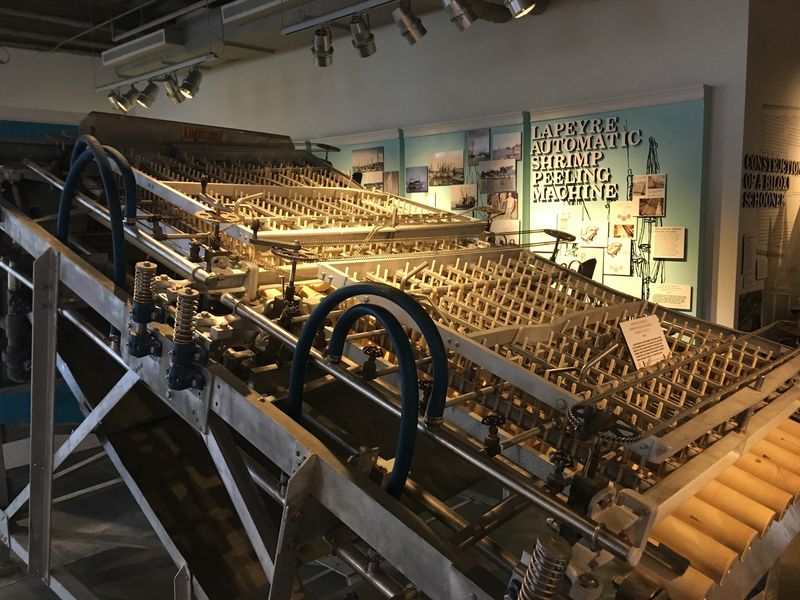
Nearly every child who walks past it stops cold. The 1920s automatic shrimp peeling machine is one of the museum’s most popular exhibits with young visitors, and it is easy to see why.
Big metal parts, rollers, and belts look like something out of a cartoon factory. Videos nearby show the machine in action, so kids can watch exactly how shrimp moved through it and came out ready to cook.
That moving picture turns a still object into a working puzzle.
Before machines like this, peeling was done by hand, often by rows of workers in local factories. The exhibit helps visitors understand the shift from manual labor to mechanized processing, which changed how the industry worked on the coast.
Older kids may enjoy comparing it to the way robots and assembly lines work today.
A handy tip for parents: let children guess how many shrimp a person could peel in an hour versus the machine. It sparks good conversation without needing exact numbers.
Then, if you plan to eat shrimp later in the trip, the meal becomes a callback to something they actually learned, which tends to make the lesson stick far longer.
Sailboats Under One Roof in the Grand Hall
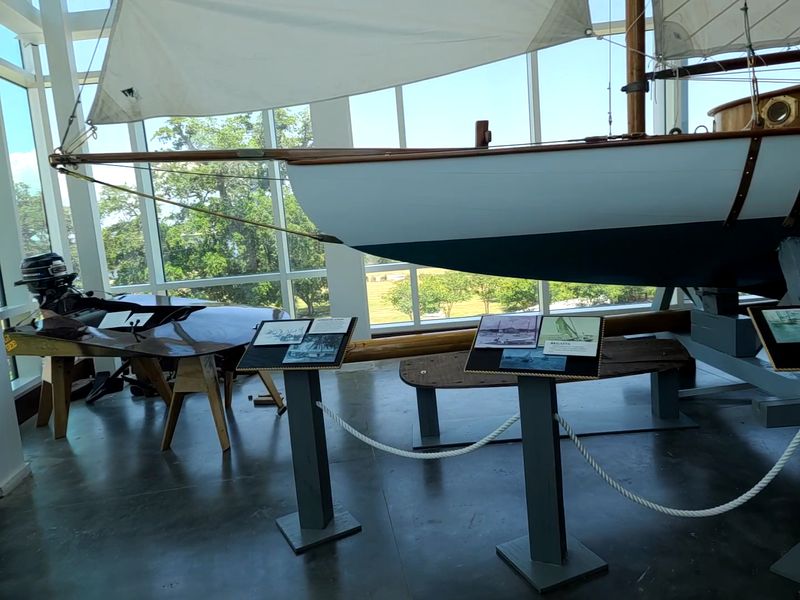
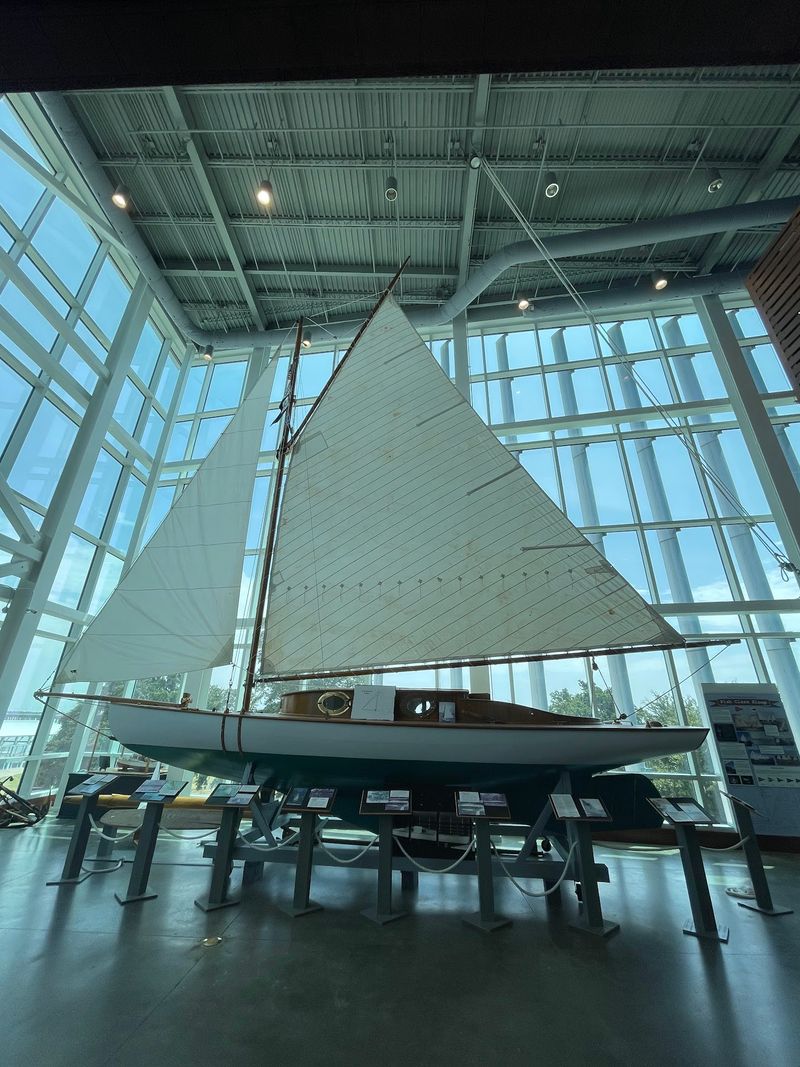
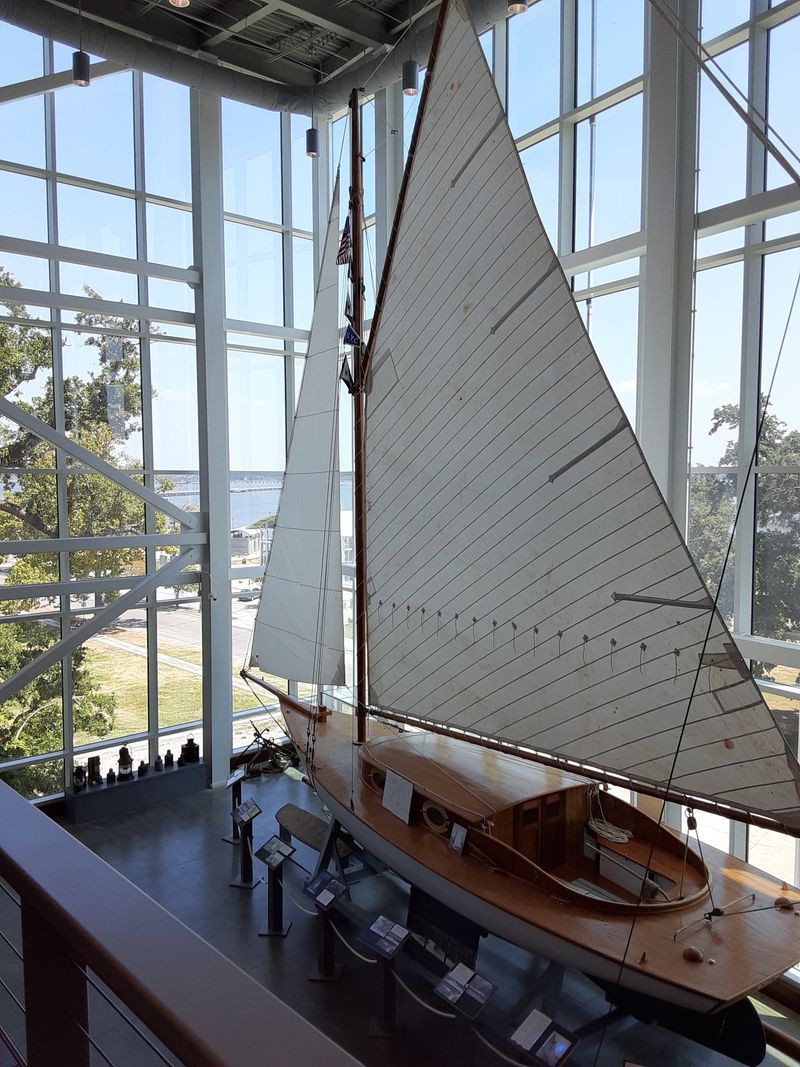
Few kids expect to find a full sailboat parked indoors. In the Grand Hall, the Nydia, a sailboat roughly 120 years old, stretches out beneath high ceilings and instantly sets the scale of the place.
Wooden hulls look different up close than they do bobbing on the water. Children can study the curves, the planks, and the craftsmanship that went into boats built long before fiberglass.
The Nydia is not the only vessel inside either, since several boats appear throughout the floors.
One crowd-pleaser is a racing boat built in a high school wood shop. That detail lands well with older kids and teens, who suddenly realize students not much older than them created something worthy of a museum.
It can even inspire a weekend project back home.
Photos come out nicely in the Grand Hall thanks to its open layout. Parents should give little ones time to walk all the way around each boat, because the stern and bow often reveal small details missed from the front.
Pointing out the mast height or comparing boat sizes keeps younger visitors engaged while older siblings read the panels about how each vessel was used.
Nets, Oysters, Crabs, and the Blacksmith’s Forge
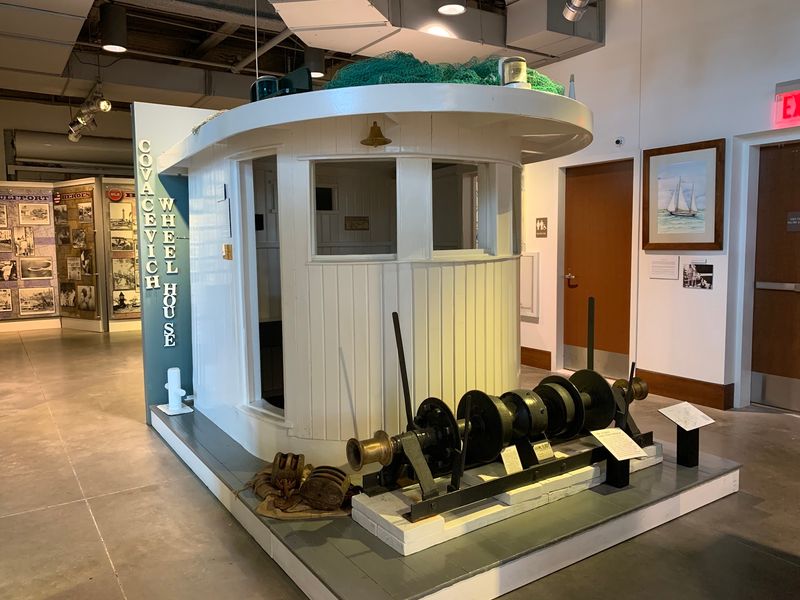
Shrimp may grab the headlines, but the coast fed itself in many ways. Separate exhibits cover oystering, crabbing, net-making, wooden boat building, and marine blacksmithing.
Net-making displays reveal how much skill hides in a simple-looking mesh. Kids can trace the knots and imagine casting one off a pier.
Oyster tongs and crab traps show the different tools each catch required, which helps children see that every seafood has its own rhythm and method.
The blacksmithing section adds a surprise. Boats needed metal fittings, anchors, and hardware, and someone had to forge them by hand near the water.
Children who love building things often linger here longest, connecting hammers and fire to the boats they just saw upstairs.
A gentle heads-up: the museum leans heavily on reading. Families with early readers can turn panels into a scavenger hunt, asking kids to find a crab, a net, or an anchor in each room.
Older children can take on the role of tour guide and read short sections aloud. That approach keeps everyone moving at a comfortable pace and makes the information feel like a game rather than homework.
Free Dockside Viewing of the Working Shrimp Fleet
Here is the part of the day that costs nothing. Just beyond the museum, real commercial shrimp boats tie up at the Biloxi Small Craft Harbor at Point Cadet, and anyone can stand by and watch these working vessels.
The downtown commercial dock also provides berths for the local shrimp and oyster fleet. During shrimp season, fishermen often sell their fresh catch straight off the boats to the public.
Kids who just studied nets and peeling machines inside can now see the real thing, with tall outrigger arms, coiled ropes, and crews at work.
Timing makes a difference. Boats come and go with the season and the catch, so activity varies from day to day.
A quick walk along the harbor before or after your museum visit is the simplest way to check what is happening.
Keep little hands close near the water’s edge, since these are busy work areas rather than playgrounds. Ask kids to count the boats, read their names, or notice which ones look freshly returned.
Buying a bag of shrimp directly from a boat, when available, turns the whole lesson into dinner and gives children a story they will tell for years.
Replica Biloxi Schooners on the Mississippi Sound
Watching boats is fun; riding one is better. The museum operates two full-size replica Biloxi schooners, the Glenn L.
Swetman and the Mike Sekul, which sail the Mississippi Sound almost daily.
Biloxi schooners were once the workhorses of the local oyster trade, built to move fast and carry heavy loads. Climbing aboard a replica lets families feel the wind fill the sails the same way crews did generations ago.
For kids, the tilt of the deck and snap of canvas beat any video.
Sailing is a separate ticketed activity from museum admission, so plan your budget with that in mind. Checking with the museum ahead of time is smart, as schedules depend on weather and conditions on the water.
Pack sunscreen, hats, and water bottles, because shade on open water is limited. Younger children may do best with a parent’s lap close by during turns.
After a morning in the galleries, an afternoon sail ties everything together: the boats, the history, and the working harbor all suddenly make sense from the deck. Many families find this becomes the highlight their kids remember most once the trip is over.
The Wade Guice Hurricane Museum Inside
Storms shaped this coast as much as shrimp did. Tucked within the building, the Wade Guice Hurricane Museum offers 1,400 square feet of exhibit space plus a theater explaining how hurricanes have affected the Gulf Coast.
Displays cover major storms including Camille and Katrina. The film on Katrina draws a lot of attention, using broadcast footage to show how Mississippi communities handled the storm and its aftermath.
Some find it moving, while others note it runs long, so families with small children may want to watch part of it and move on.
Parents of sensitive kids should preview this area first. The tone focuses on preparation, community, and rebuilding, which can be a reassuring way to talk about weather.
Older children often have plenty of questions about wind speeds, storm surge, and why some buildings along the coast are now empty lots.
Text in parts of the exhibit is small and covers many events at once, so reading together helps. Afterward, a walk outside to see the water and the rebuilt neighborhood offers a hopeful ending.
Kids leave understanding why coastal families respect the Gulf so deeply.
Community Stories, Mardi Gras Films, and a Sailing Library
Every coastal town is built by many hands. One exhibit tells how Vietnamese refugees found a place in the Biloxi community, many joining the fishing industry and helping keep the shrimp fleet alive.
That section opens doors for meaningful family conversations about moving to a new home and finding work. Kids who have switched schools or cities often relate right away.
It shows the seafood trade as a story of people, not just boats.
Lighter moments appear too. A video on Mardi Gras brings color and music into the visit, a nice break for restless younger travelers.
Gulf Coast celebrations have deep roots, and seeing them on screen helps kids understand that this region knows how to have fun as well as work hard.
Bookish families should seek out the library, stocked with books about boating and sailing. It is a quiet nook where an older child might flip through pages on knots or navigation while parents finish reading a nearby panel.
Between the films, the personal stories, and the books, the museum rewards curious minds who like to keep asking one more question after the exhibit ends.
Hours, Tickets, Parking, and Practical Tips
Ten dollars gets an adult through the door. Seniors 60 and older, military members, and AAA members pay $8, while students ages 5 to 15 pay $6.
Museum entry is not free, though some special events, like a Christmas open house, have offered free admission, and discount ticket deals sometimes show up online.
Hours run Monday through Saturday from 9 a.m. to 4:30 p.m., and Sunday from noon to 4 p.m. The museum closes on Sundays from December through February.
Schedules can shift, so calling 228-435-6320 before a Sunday or Monday trip saves headaches.
Parking is not right at the door. Public lots sit about 100 yards away, so expect a short walk, which is easy with older kids but worth noting if you push a stroller in the heat.
Inside, an elevator and stairs connect all three floors, making the building friendly for strollers and grandparents alike. A small gift shop carries items from local artists at fair prices.
Plan for at least an hour, though curious families can easily stretch it to two or three, especially if a schooner sail or harbor walk is added.
A Salty, Satisfying Family Stop on the Coast
By the end of our afternoon, the kids had swapped beach chatter for questions about nets, storms, and schooners. That shift is what makes this museum a smart pick for Gulf Coast families.
Value comes from pairing paid and free experiences. Admission covers three floors of boats, machines, and stories, while the nearby harbor offers real shrimp boats at no cost.
Add a schooner sail for a full day, or keep it short with a one-hour loop and a dockside stroll.
Families who love hands-on learning will feel right at home. Children who resist reading may need some coaching, though the peeling machine, the Grand Hall sailboats, and the films carry plenty of visual punch on their own.
Teens often connect with the community stories and the student-built racing boat.
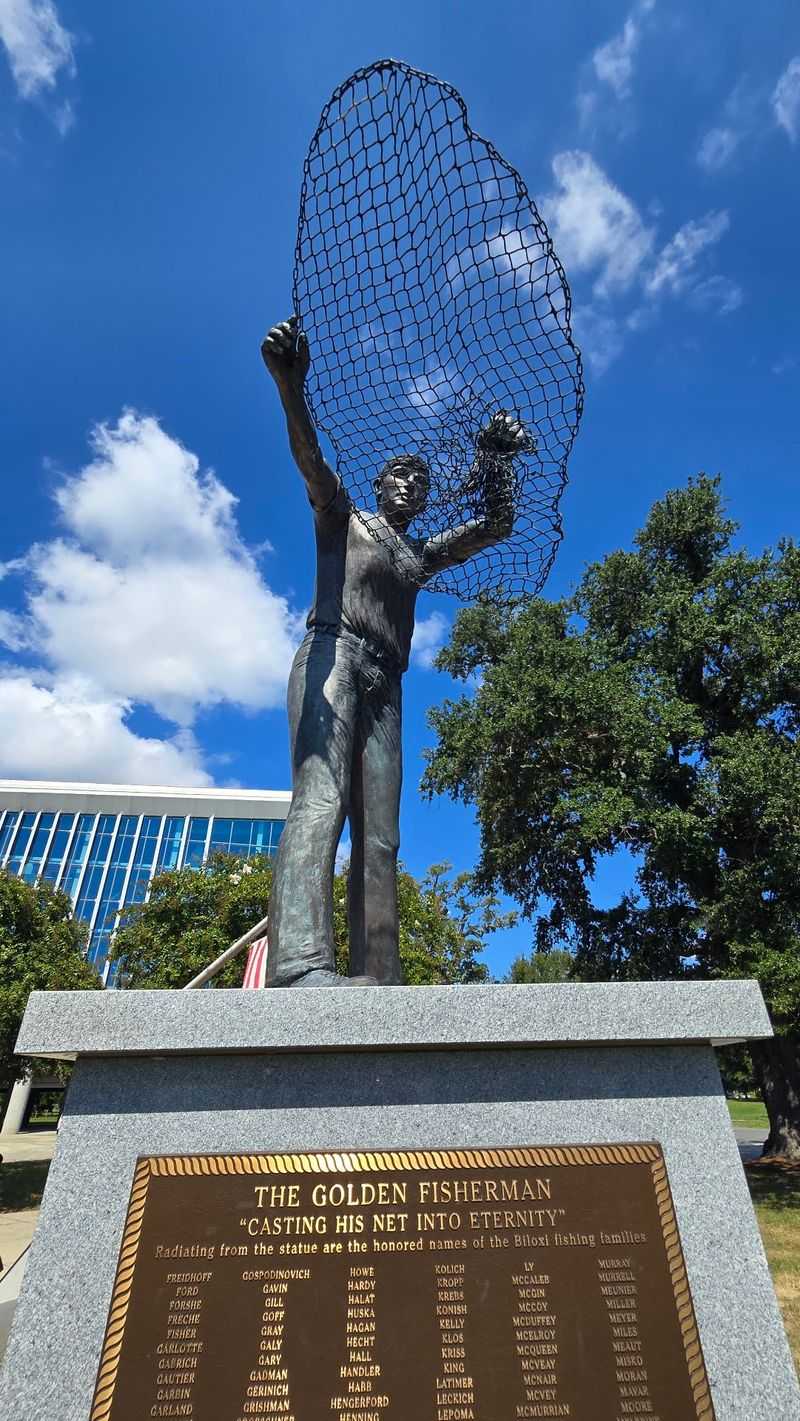
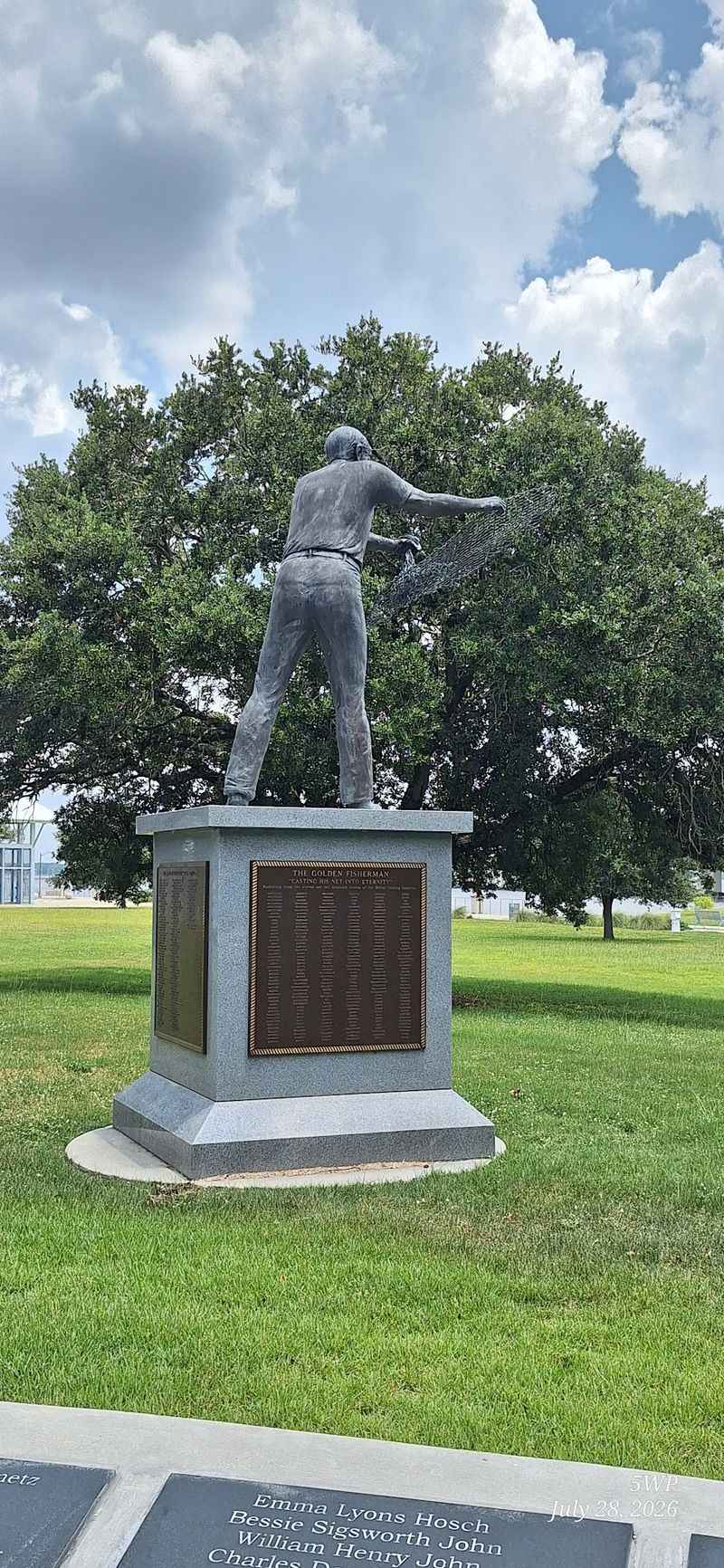
Outside, quiet grounds close to the water offer memorials and a calm spot to rest on a hot day. Grab a bag of fresh shrimp if a boat is selling, and the lesson follows you to dinner.
Few stops along the Mississippi coast tie the place, the people, and the plate together quite so neatly for kids.