
This Once-Small Tennessee Town Has Doubled In Size And Locals Are Feeling The Growing Pains
A busy stretch of four-lane interstate near one fast-growing Tennessee suburb has become a major traffic headache. That stretch was never built for that kind of load.
Ask any commuter there, and the sigh says plenty.
The growth behind that traffic is wild. This town south of Nashville jumped from about 29,000 people in 2010 to over 50,000 by 2020.
No other Tennessee city of its size grew faster that decade.
New rooftops replaced old farmland. New schools opened.
Even the sewer plant hit its limits, and the state stepped in.
I appreciate a place that admits it is playing catch-up. So how does a town keep its small-town heart when the neighbors keep multiplying?
The Numbers Behind A Town That Refused To Stay Small
Spring Hill, Tennessee, did not just grow. It practically sprinted, and the census numbers prove it.
Back in 2000, the town was a modest dot between Nashville and Columbia. By 2010, the population hit 29,036, a jaw-dropping 276 percent jump in ten years.
The momentum never slowed down. The 2020 census counted 50,005 residents, which made Spring Hill the fastest-growing city in Tennessee among places over 15,000 people that decade.
Estimates for 2024 put the count near 59,398. That is roughly double the 2010 figure, and the line on the chart still points up.
So what pulls people here? The city sits about 30 miles south of Nashville and straddles both Maury and Williamson counties.
That location gives families access to big-city jobs without big-city density, at least in theory.
Major employers helped too. Ultium has announced a $1 billion investment in its Spring Hill operations, which adds to the town’s long manufacturing story.
Put those pieces together, and the boom makes sense. A quiet farm town became a serious suburban hub in about two decades.
The tricky part is that roads, pipes, and classrooms do not double nearly as fast as people do.
Rush Hour Here Can Test Anyone’s Patience
Thirty minutes. That is the average commute for folks in Spring Hill, and it sounds almost reasonable until rush hour enters the chat.
A trip to downtown Nashville during peak times can stretch to 60 or 75 minutes. That is a full podcast episode, plus a few deep breaths.
The biggest headache sits on a six-mile piece of I-65 between I-840 and Saturn Parkway. It currently has four lanes, but transportation officials plan to widen it to six to address growing congestion.
City officials have openly said they are playing catch-up on roads. Residents feel that daily, and many complain that too much traffic funnels onto one main road.
Neighborhood streets have their own issues. Speeding through subdivisions became enough of a concern that the city created a Neighborhood Traffic Calming Program to slow drivers down.
My practical tip? Anyone eyeing a move to Spring Hill should test drive the commute at real rush hour first.
A pretty house loses some sparkle when the drive to work doubles.
Relief is coming, slowly. The next section shows what crews are already building.
New Roads Are Finally Catching Up
May 2024 brought a small celebration for Spring Hill drivers. A brand-new I-65 interchange opened at Buckner Road, giving traffic another way on and off the interstate.
The project cost about $56.8 million. Spring Hill chipped in $30 million of that, which shows how seriously the city took the problem.
More work is rolling along nearby. Buckner Lane is being widened from two lanes to five, with completion expected by December 2026.
That kind of widening matters in a fast-growing place. Two-lane country roads were fine for farm trucks, but not for thousands of daily school and work trips.
The biggest fix is still ahead. The Tennessee Department of Transportation plans to widen that crowded I-65 bottleneck from four lanes to six, with construction targeted to start in 2028.
Yes, that means more orange barrels before things get better. Construction zones are basically the official decor of any booming town.
Still, I appreciate seeing real projects with real dates. For longtime locals who watched traffic pile up for years, these upgrades feel overdue but welcome.
When The Sewer Plant Said Enough
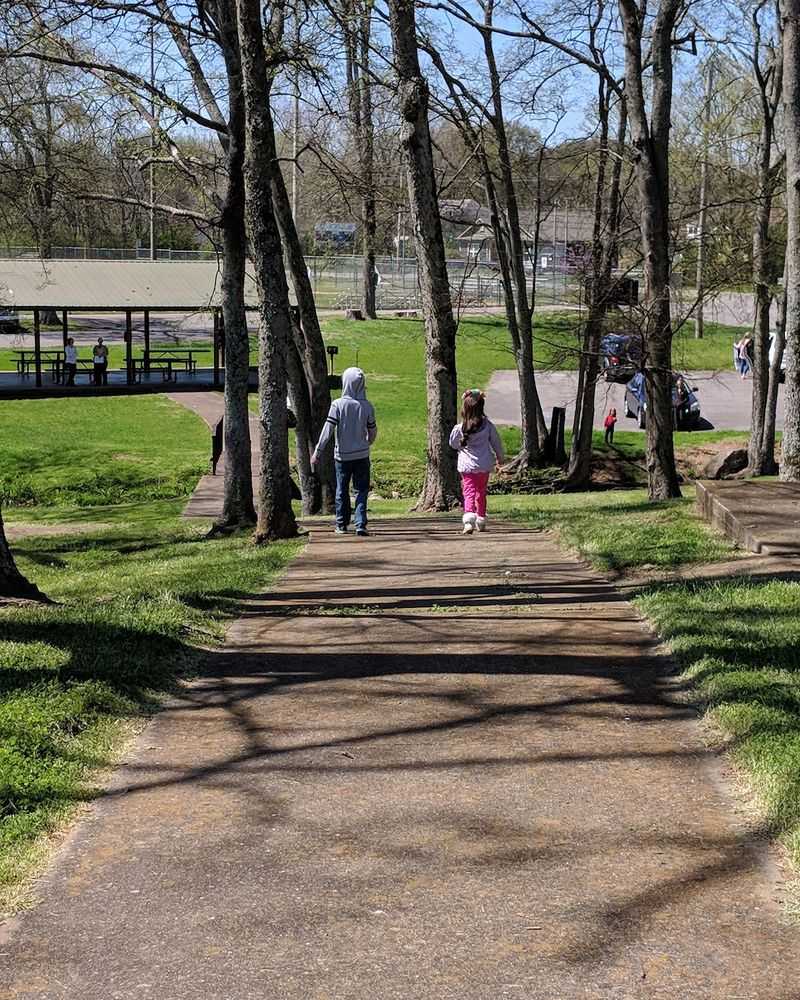
Nobody moves to a town dreaming about sewer capacity. Yet in Spring Hill, it became one of the biggest growth stories of all.
In August 2025, the Tennessee Department of Environment and Conservation issued a consent order restricting new sewer connections following repeated wastewater treatment violations. The city’s wastewater treatment plant has a capacity of approximately 5 million gallons per day.
That move followed 29 wastewater discharge violations reported between 2023 and 2025. The city was already running at about 80 percent of its permitted capacity.
The result was a moratorium, which is a fancy word for a pause. New sewer connections were restricted for projects without vested rights, although a January 2026 framework allows certain projects to proceed with approved capacity allocations.
For some residents, that pause felt like a long-awaited breather. For builders and businesses, it meant waiting and replanning.
Here is the bigger lesson. Population growth is not only about new houses and shopping centers.
Every new home needs water coming in and wastewater going out.
Anyone thinking about buying land or building in Spring Hill should ask about sewer availability early. It can shape what gets built and when.
In a town this busy, pipes underground suddenly matter a whole lot.
A Clever Water Plan With A Speedy Name
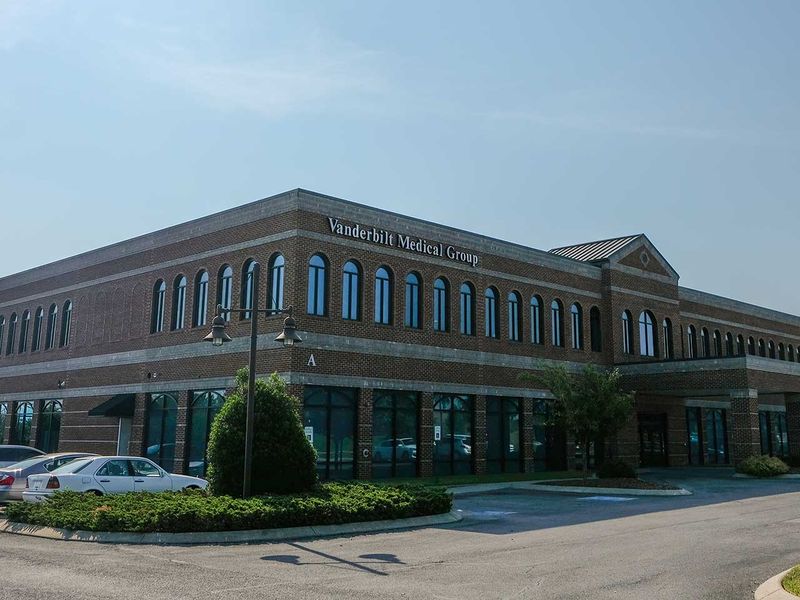
Project SWIFT sounds like a spy mission. In reality, it stands for Strategic Water Initiative for Tennessee, and it may matter even more.
Spring Hill created the plan to secure a long-term water supply. The idea pairs a water purification and recycling system with new reservoir construction.
Why go to all that trouble? A city that doubled in size needs a dependable source that will not run short as more families arrive.
Recycling and purifying water lets the city stretch what it already has. Reservoirs then add storage for drier stretches and future demand.
I like that this plan looks decades ahead instead of just patching today’s problems. Growing towns often wait until a crisis hits before acting.
For residents, the payoff is mostly invisible when it works well. Taps keep running, and nobody thinks twice about it.
Project SWIFT also connects to the sewer struggles. Treating and reusing water ties the whole system together in a smarter way.
It is not flashy. Still, in a fast-growing corner of Tennessee, steady water might be the most valuable amenity of all.
Farmland Turned Into Front Yards
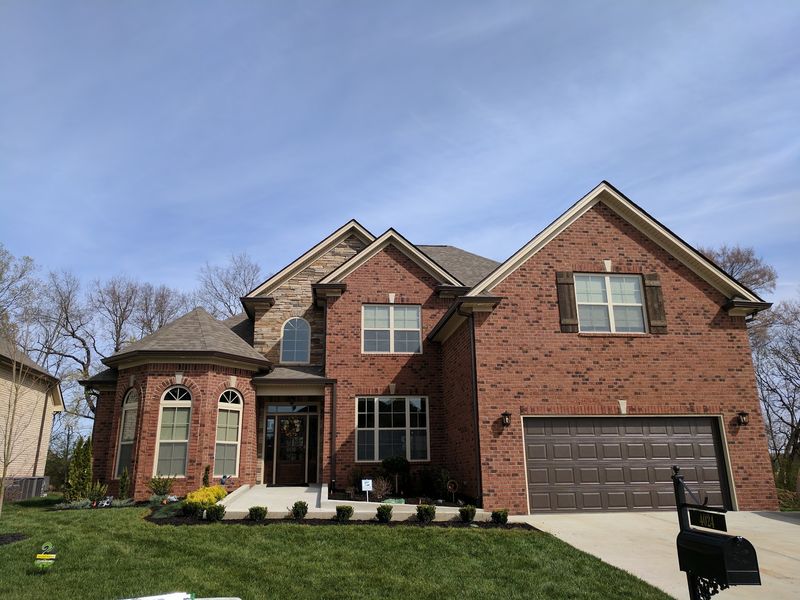
Drive past a former cow pasture in Spring Hill, and there is a decent chance it now has cul-de-sacs. Much of the new development is subdivisions built on old farmland.
National homebuilders are active across the city. That pace has changed both the look of the land and the price of living there.
Spring Hill used to be the budget-friendly alternative to Nashville. Rapid growth pushed costs upward, and the median property value rose 9.15 percent in 2024 alone.
Prices have cooled a bit lately. Recent data showed the median sale price around $500,000, down 5.7 percent from the year before.
Homeownership stays strong at 73.4 percent. Even so, the city recognizes a need for more housing types beyond single-family homes.
Mixed-use projects are part of that answer. June Lake, Legacy Pointe, and Kedron Square blend homes, shops, dining, and offices into walkable areas.
Longtime families have felt the squeeze most. Some with generational ties worry rising costs could price their kids out of the town they grew up in.
That worry is real, and it shapes every conversation about new building.
Classrooms Are Filling Faster Than Builders Can Pour Concrete
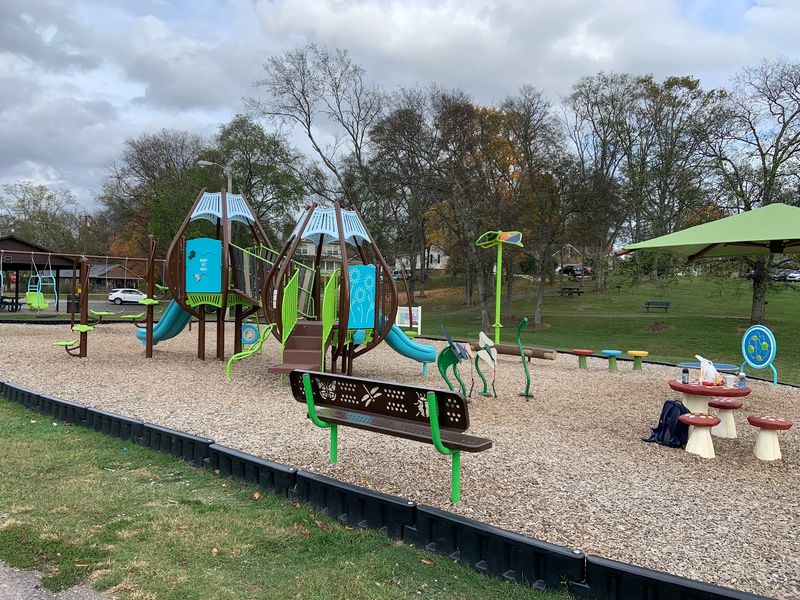
Good schools brought many families to Spring Hill. Now those same families are filling hallways faster than anyone planned.
The town sits in two counties, so two school systems feel the pressure. Williamson County Schools has pointed to a critical need for a new elementary school.
That new building would help ease crowding at schools like Heritage and Longview. Anyone who has squeezed through a packed car-rider line understands why.
Maury County got some relief in 2024. Battle Creek High School opened that year to serve the booming northern part of the county.
A modern high school is a big win for teens and teachers alike. Still, one new campus cannot solve every crowded classroom.
Families moving to Spring Hill, Tennessee, should check which county and school zone a home falls in. That single detail can change which schools their kids attend.
It is also smart to look at planned schools, not just current ones. Zones can shift when new buildings open.
Balancing growing enrollment with limited budgets remains one of the city’s toughest jobs. The demand shows how many people want to raise kids here.
Old-Timers And Newcomers Are Still Figuring Each Other Out
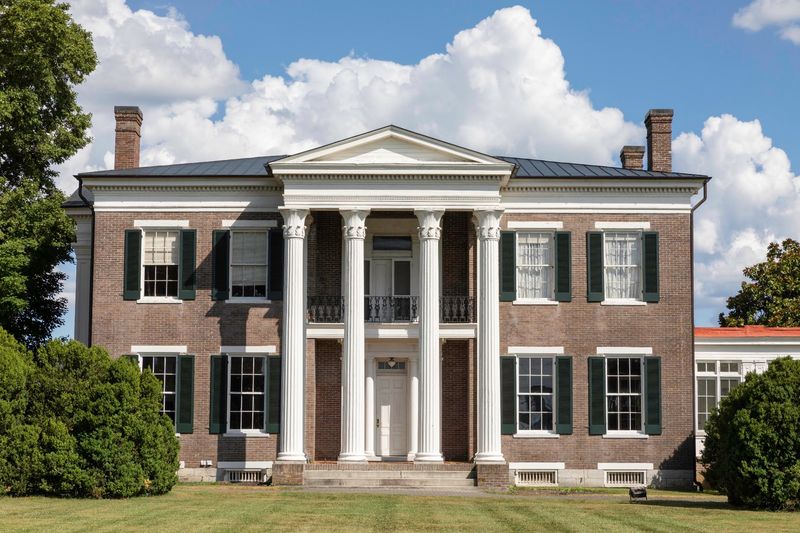
Ask a longtime Spring Hill resident what has changed most, and traffic will probably come up first. Right behind it is a harder thing to measure: the town’s feel.
Many locals worry about losing small-town character. Concerns about deforestation and disappearing rural landscapes come up again and again.
The arrival of transplants adds another layer. Plenty of newcomers came from other states, including California, and some locals find that shift hard to embrace.
Not everyone is grumbling, though. Many residents praise Spring Hill as family-friendly and welcome the new shops, jobs, and energy.
Some people also wish the city had a central historic downtown, like neighboring Franklin offers. That wish says a lot about wanting a shared gathering place.
Honestly, both views make sense to me. A growing town gains choices but can lose familiar views and quiet back roads.
The best move for anyone new? Learn a bit of local history and support long-standing businesses.
Small gestures help bridge the gap between the folks who remember the farms and those who just unpacked boxes.
A 2040 Blueprint For Keeping The Charm
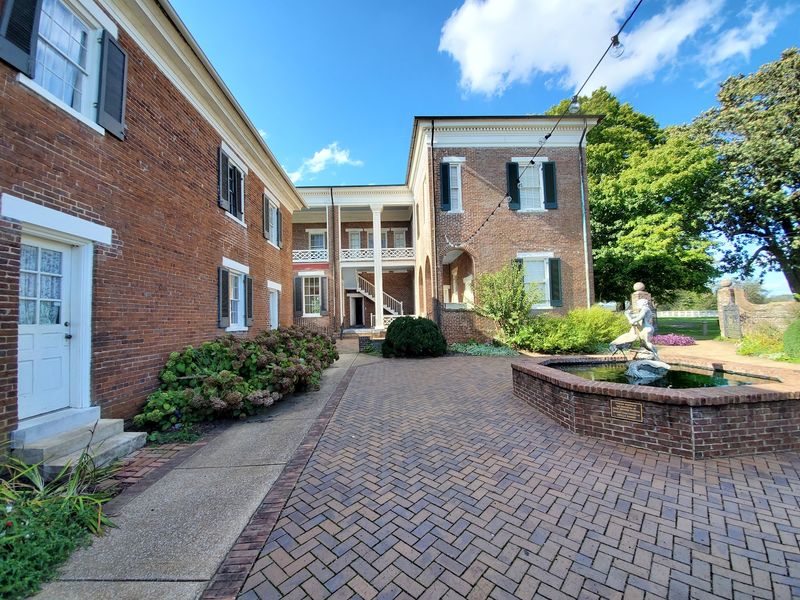
Back in 2015, city leaders approved a plan with a hopeful name: Spring Hill Rising: 2040. It was meant to steer growth instead of letting growth steer the town.
The plan explicitly aims to protect rural character and historic properties. That promise matters to locals who fear every open field will vanish.
Officials keep updating long-range plans as the population climbs. The goal is development that is sustainable and fair for everyone living there.
Look at the pieces together, and a pattern appears. Road widenings, the sewer pause, Project SWIFT, and mixed-use neighborhoods all point toward smarter growth.
Is it perfect? Not even close.
Some residents still feel the town grew too fast for planning to keep up.
Residents who want a voice can attend city meetings or follow planning updates. Big decisions about zoning and roads often happen in rooms with plenty of empty chairs.
Spring Hill, Tennessee, is still writing its next chapter. If the plans land well, this boomtown might prove that a place can double in size and still feel like home.