
These 9 Wisconsin Beaches Are Perfect For Sea Glass Hunting
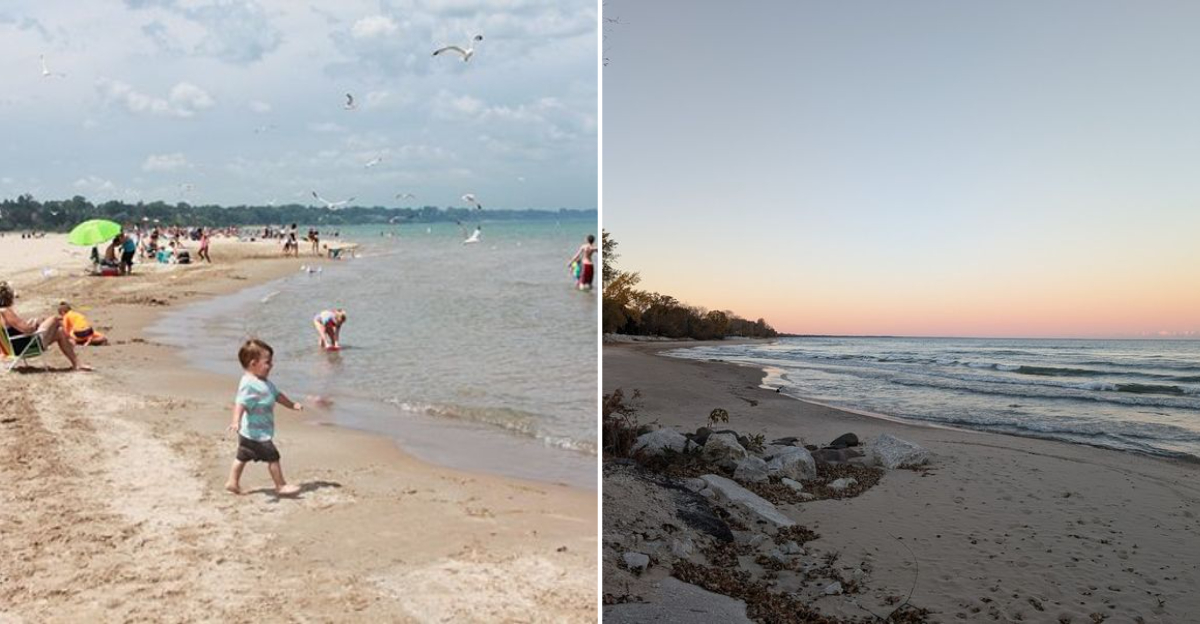
Wisconsin might not have an ocean, but don’t tell that to the beach glass hunters who show up at sunrise with bags and big dreams.
The shoreline here is hiding frosted little pieces that get tossed, tumbled, and polished by waves until they look like something out of a treasure chest.
Every time a piece of sea glass is found, it feels like a small gift from the lake.
The mix of shifting water, wind, and long history along the shore creates the perfect conditions for these smooth, colorful fragments to appear.
Whether you’re a seasoned collector or just curious, these Wisconsin beaches will have you scanning the sand like a kid on an Easter egg hunt.
You slowly realize the shoreline is full of small surprises waiting to be discovered.
1. Grant Park Beach
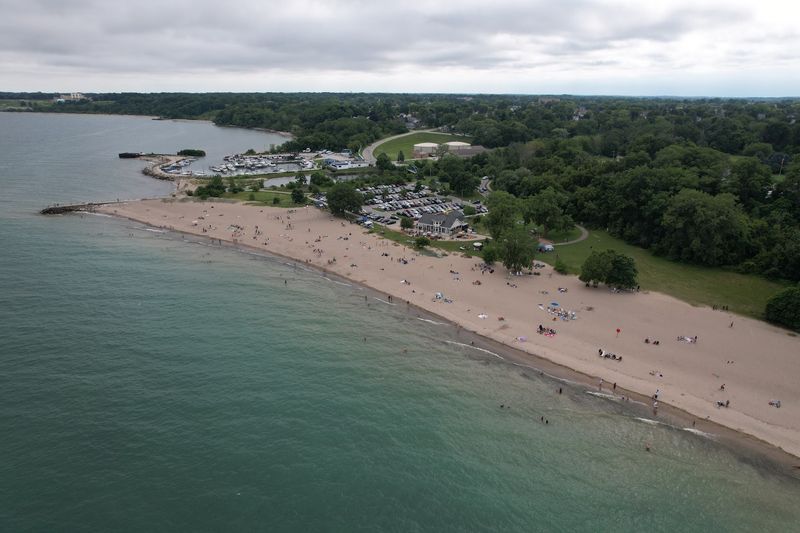
Grant Park Beach is basically the celebrity of Wisconsin sea glass spots. It has earned every bit of that reputation.
Collectors have pulled rare colors here, purple, red, and even blue, which puts it in a completely different league from most freshwater beaches. The shoreline sits along Lake Michigan in South Milwaukee.
The mix of rocky terrain and wave action creates ideal tumbling conditions for glass.
Visit this beach on a cool April morning and fill half a bag before you even reach the water. The 7 Bridges trail winds through the park and connects you to multiple shoreline access points.
That means more ground to cover and more chances to find pieces that others missed.
Marbles have also been found here, which honestly makes the whole experience feel like time travel. Early spring and post-storm visits tend to yield the best results because fresh pieces get pushed onto shore.
Wear waterproof shoes, bring a small strainer or mesh bag, and go low tide whenever possible. The park itself is beautiful, with wooded trails and picnic areas.
Even if the glass is hiding that day, you still win. Locals treat this spot like a well-kept secret, but once you visit, you’ll completely understand why everyone keeps coming back.
2. Schlitz Audubon Nature Center
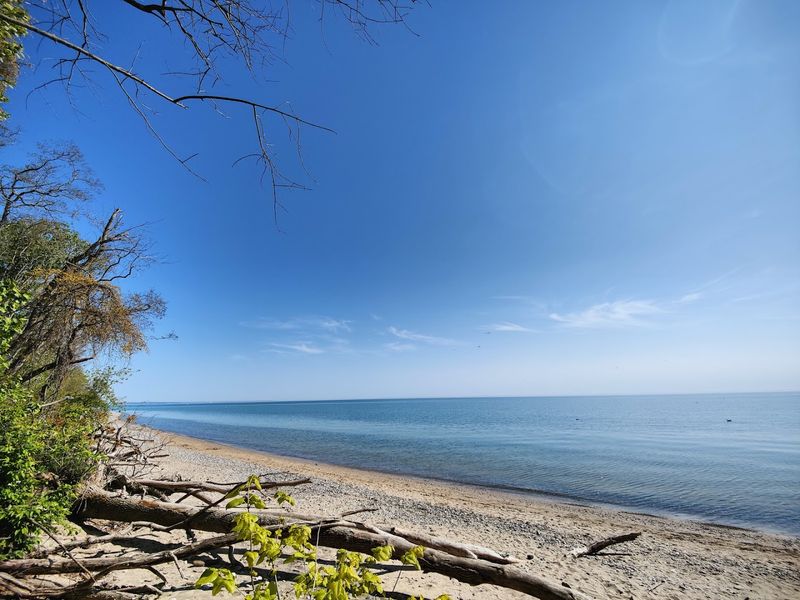
Not many sea glass beaches come with a nature center attached, but Schlitz Audubon in Bayside is not your average shoreline.
The beach sits at the base of dramatic Lake Michigan bluffs, and the whole scene feels like something out of a nature documentary. You’ll likely spot birds, deer, and maybe a fox before you even start scanning for glass.
The trail down to the beach is a bit of a workout, but the payoff is real. Because the area is protected and sees fewer visitors than public parks, the glass here tends to be less picked over.
Green and brown are the most common finds. Patient hunters have reported white and even aqua pieces tucked between the rocks.
One thing I love about this spot is the atmosphere. There’s no noise except waves and wind.
It genuinely feels like you’ve stumbled onto a private stretch of shoreline that the lake prepared just for you. The nature center requires an admission fee, which actually helps keep crowds manageable.
It’s worth every penny, especially if you pair the hunt with a trail walk along the bluffs. Morning visits are my personal recommendation because the light hits the wet stones perfectly.
It makes frosted glass practically glow. Pack snacks, wear layers, and give yourself at least two hours to explore properly.
Find it at 1111 E Brown Deer Rd, Bayside, WI 53217.
3. Simmons Island Beach
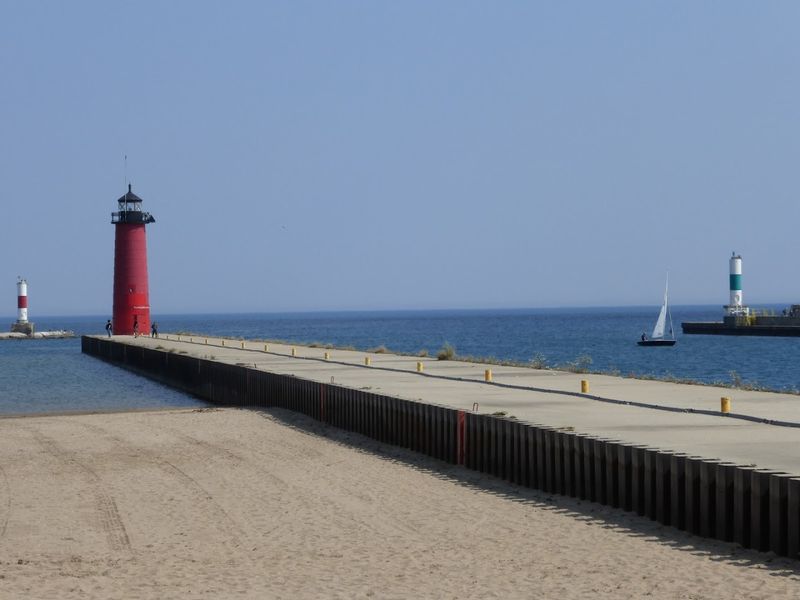
This beach in Kenosha is the overachiever of this list because it doesn’t just offer sea glass. It throws fossils into the mix too.
Trilobites and brachiopods have been found along this shoreline. This means you might walk away with a piece of ancient ocean history alongside your frosted green glass.
That combo is hard to beat.
Simmons Island Beach is easy to access and sits right in Kenosha, making it a convenient stop if you’re already in the area. The pebbly sections near the water are where most hunters focus their attention.
Rocky beaches like this one create better tumbling conditions than pure sand. The glass tends to be nicely frosted rather than sharp-edged.
Kenosha has a fun maritime vibe with a lighthouse nearby and a lakefront that feels welcoming and walkable. I’ve visited on weekday mornings when the beach was nearly empty, and those quiet sessions are the best.
You can hear the waves clearly, spot glass by color contrast against wet stone, and take your time without anyone bumping into your collection bag. After storms, the shoreline gets refreshed with new material pushed up from the lake bottom.
If you want to turn this into a full-day trip, the Kenosha Public Museum is just minutes away. It has exhibits on local natural history that pair perfectly with a fossil-finding morning on the beach.
Visit it at 5001 Simmons Island Rd, Kenosha, WI 53140.
4. Carre-Hogle Park
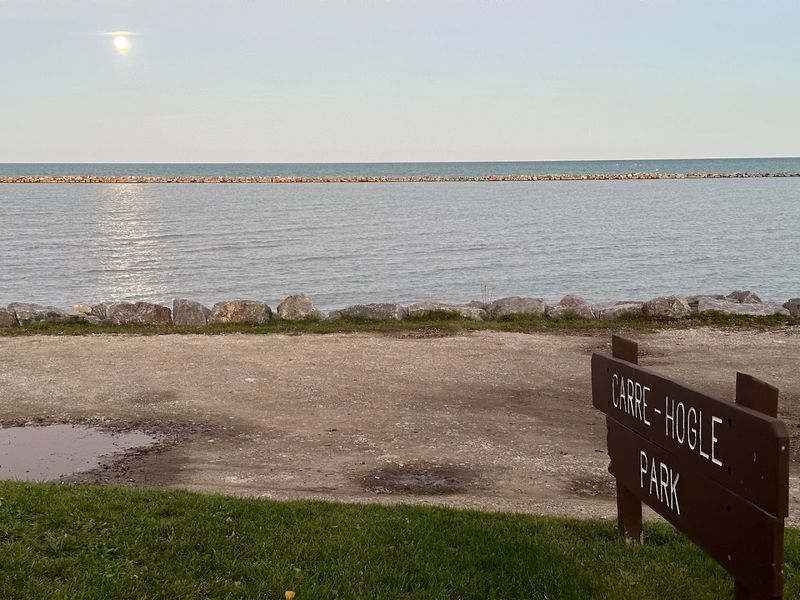
Carre-Hogle Park is Racine’s quieter, lesser-known answer to sea glass hunting, and that low profile is exactly what makes it so appealing.
While North Beach gets the crowds and the attention, this spot sits more off the beaten path and rewards those who bother to look it up. Locals know it well, but tourists rarely make it here.
That means the glass sticks around longer between visits.
The shoreline here has a nice mix of sand and pebbles, and the park itself is small and relaxed. There’s no big production.
Just the lake, some benches, a stretch of shore, and whatever the waves decided to leave behind. I found a small piece of cobalt blue glass here once and nearly tripped over my own feet from excitement.
Racine sits right on Lake Michigan and has a long industrial and shipping history, which contributes to the variety of glass colors found along its beaches. Old bottles, jars, and dishware from past decades get broken down by the water over time.
They eventually show up on shore as smooth little keepsakes. Spring and fall are the best seasons to visit because summer crowds can thin out the pickings quickly.
Bring a small flashlight if you plan to arrive early in the morning because the light on wet stones at dawn is tricky without one. The park is free to access and easy to find.
Point your navigation to 1699 Main St, Racine, WI 53403.
5. High Cliff State Park
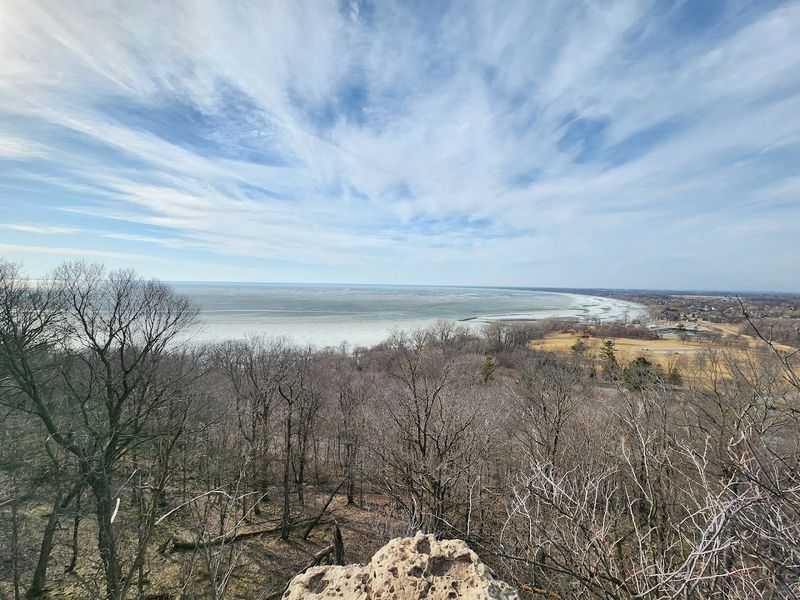
High Cliff State Park is the wildcard on this list, and I mean that in the best possible way. Instead of Lake Michigan, this park sits on the eastern shore of Lake Winnebago, which is Wisconsin’s largest inland lake.
Sea glass here has a different origin story. Think old resorts, fishing camps, and lakeside communities from decades past rather than shipping vessels.
The limestone bluffs are dramatic and absolutely stunning. Walking the trails above the lake and then descending to the rocky shoreline below feels like discovering two completely different parks in one visit.
The rocky base of the cliffs is where most glass hunters focus their efforts. The terrain is rough enough to produce well-frosted pieces.
Lake Winnebago has a rich history of human activity along its shores, and that history shows up in the glass. Brown and green are common, but unusual shapes and thicker pieces sometimes appear, hinting at their origins in old bottles and jars.
The park also has a Native American effigy mound site, a marina, and hiking trails that make this a full-day adventure. I’d recommend combining a morning glass hunt with an afternoon hike to the bluff overlook.
The views from up top are worth every step. Admission requires a Wisconsin state park pass, so grab one if you plan to visit multiple parks this season.
The address is N7630 State Park Rd, Sherwood, WI 54169.
6. Doctor’s Park
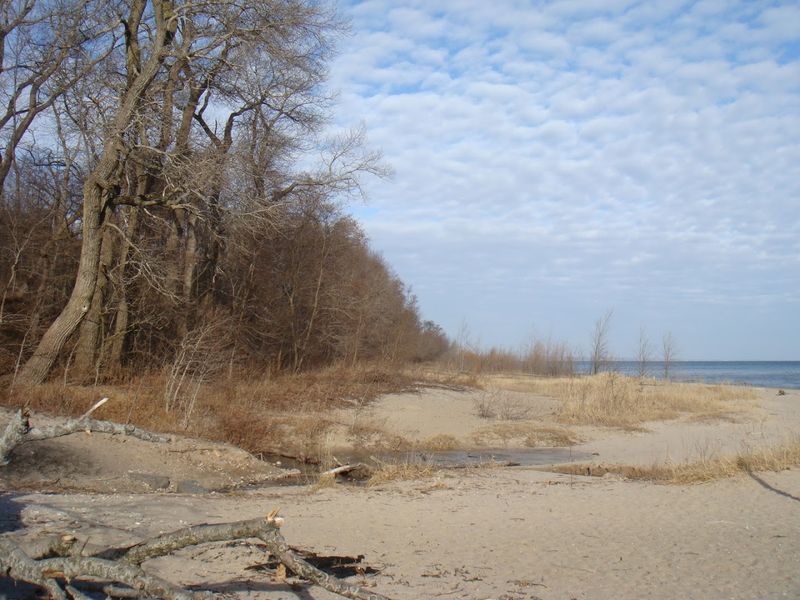
This place feels like a secret that Milwaukee’s north shore residents have been quietly protecting for years.
Doctors Park in Fox Point sits on a bluff above Lake Michigan, and getting down to the beach requires a trail descent that filters out the less committed visitors. Once you’re down there, the shoreline is narrow and rocky.
It is absolutely loaded with potential.
The seclusion is the real selling point. On a weekday morning, you might have the entire beach to yourself.
Just you, the waves, and whatever frosted glass the lake decided to offer up. The rocky and pebbly mix along the waterline is ideal for sea glass formation.
The bluff above actually helps funnel glass to concentrated areas near the base.
Fox Point has an old-money, quiet neighborhood vibe, and Doctors Park fits right in. It is understated but impressive once you know what’s there.
The wooded bluff trail is beautiful in the fall when the leaves turn. This makes an October glass-hunting trip here one of the most scenic outings you can plan in southeastern Wisconsin.
I once found three pieces of frosted white glass within a two-foot stretch of shoreline here, which made me feel unreasonably accomplished. The park is maintained by Milwaukee County and is free to access.
Parking is limited, so arriving early is smart. Bring sturdy shoes because the trail down to the beach can get slippery when wet.
Find this spot at 1870 E Fox Ln, Fox Point, WI 53217.
7. Big Bay Park
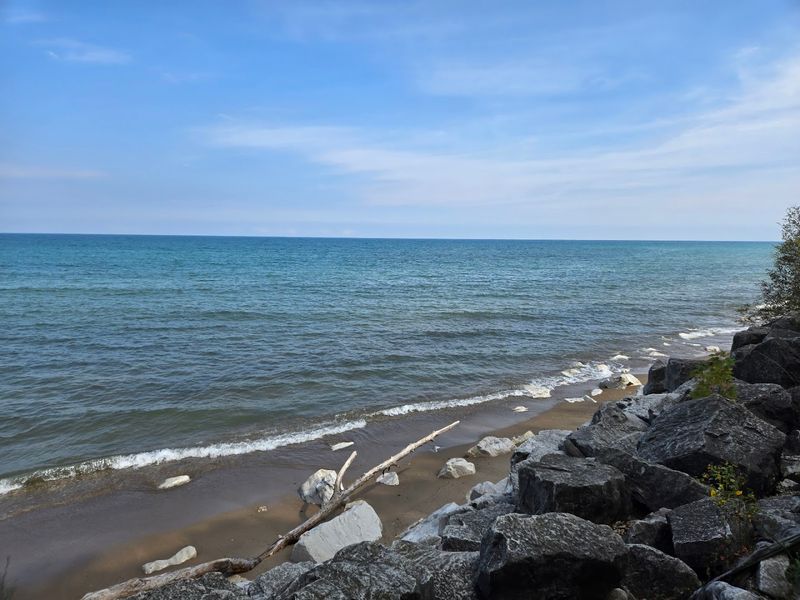
Big Bay Park in Whitefish Bay is the kind of spot where suburban life and wild lake energy collide in a surprisingly satisfying way. The park is small, the beach is narrow, and the neighborhood around it is quiet and residential.
But that combination creates one of the most reliably productive sea glass spots on Milwaukee’s north shore.
The shoreline is predominantly rocky and pebbly, which is exactly what you want. Sand beaches look pretty, but don’t hold glass well.
It sinks. Rocky beaches keep glass visible and accessible, and Big Bay delivers on that front consistently.
Green, brown, and white are the most frequent finds, but the occasional blue or teal piece shows up to keep things exciting.
What I find charming about this spot is how ordinary it looks from the parking area. Nothing about it screams Treasure Beach.
But once you crouch down and start scanning the waterline, the frosted pieces start appearing almost like magic. The beach faces east, which means morning light hits it at a perfect low angle to make glass easier to spot against the stones.
Bring a small container rather than a plastic bag because glass pieces clink together nicely, and you’ll want to hear that sound. Post-storm visits are especially productive.
The lake stirs up the bottom and delivers fresh pieces to the surface. Whitefish Bay’s walkable neighborhood makes this easy to pair with a coffee stop beforehand.
Find it at 5000 N Lake Dr, Whitefish Bay, WI 53217.
8. Kohler-Andrae State Park
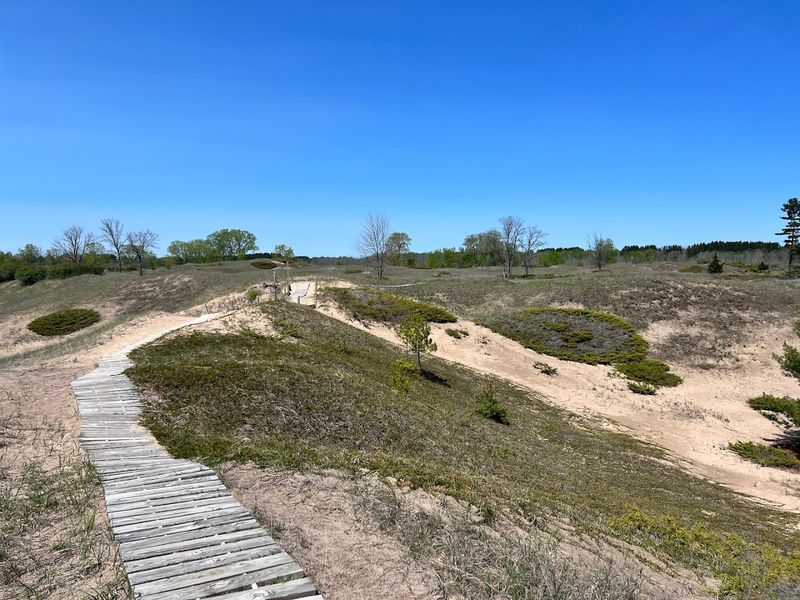
Kohler-Andrae State Park near Sheboygan is one of Wisconsin’s most beautiful state parks, and the sea glass hunting here matches the scenery. The park features sweeping dunes and a long stretch of Lake Michigan shoreline.
It also has a mix of sandy and rocky beach zones that create varied hunting conditions. It is the place where you go for a quick walk and end up staying three hours.
The rocky sections closer to the park’s northern end tend to produce the best glass finds. Dune beaches are gorgeous but can bury glass quickly, so experienced hunters target the transition zones where sand meets pebble.
Those transition areas are where the lake concentrates heavier material like glass and smooth stones.
Kohler-Andrae also has a nature center with exhibits on local geology and wildlife, which is perfect if you want to understand what you’re actually finding. The park sits in an area with a long history of Great Lakes shipping and coastal industry.
That history shows up in the variety of glass colors and thicknesses you’ll encounter. Sheboygan itself is a fun city with a strong food scene and a welcoming lakefront.
I’d easily make a full weekend of this. Hunt for glass in the morning, explore Sheboygan in the afternoon.
A state park pass is required for entry. The dunes hiking trail is also worth doing and gives you elevated views of the entire shoreline, which helps you plan where to hunt next.
Visit them at 1020 Beach Park Ln, Sheboygan, WI 53081.
9. North Beach
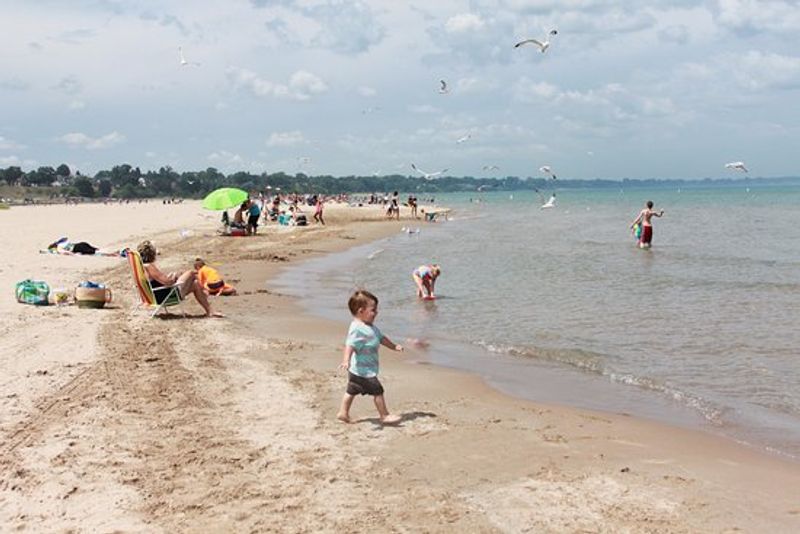
Stretching about 2,500 feet along the shoreline, it offers plenty of real estate for a glass-hunting session. More beach means more ground to search, and more ground means better odds of finding something special.
It is the big, bold, family-friendly option on this list and earns its reputation as one of Wisconsin’s top Lake Michigan beaches.
Racine’s industrial and maritime past contributes to an impressive variety of glass on this beach. Old harbor activity, shipping history, and decades of lakeside life have all left their mark.
They appear in the form of frosted fragments scattered along the waterline. Green and brown are plentiful.
Patient hunters willing to work the rockier sections near the breakwater have found blue, red, and even black glass.
The beach is well-maintained and genuinely family-friendly, with amenities like restrooms and parking that make longer visits comfortable. I’ve brought kids here, and they love hunting for glass almost as much as adults do.
It turns into a little competition, which is exactly the right energy for a beach day. The breakwater area near the harbor entrance is my personal favorite zone.
The wave action there is stronger and tends to concentrate glass. Early morning visits on weekdays are ideal because the beach is quieter and you can move freely along the waterline.
Racine’s downtown is close by, so lunch plans are easy to make after a productive morning hunt. Find this beach at 100 Kewaunee St, Racine, WI 53403.