
These Wisconsin Food Sayings Make No Sense Until You Live Like A Local
Sometimes, certain expressions confuse us so much that we even think they are not in English at all.
At other times, it feels awkward to ask what they actually mean. Some of us just nod along as if we understood.
Others simply stare blankly at the person speaking, trying to figure it out in real time. Wisconsin has plenty of expressions like that, deeply tied to food, traditions, and everyday life.
At first, they might sound strange or overly specific, but the more you hear them, the more they start to make sense. They are not just words, but small pieces of local culture hidden in casual conversations.
From food orders to weekend plans, these phrases carry meanings that go beyond their literal translation, slowly revealing a way of life where community and comfort are always part of the language.
1. Let’s Grab A Brat
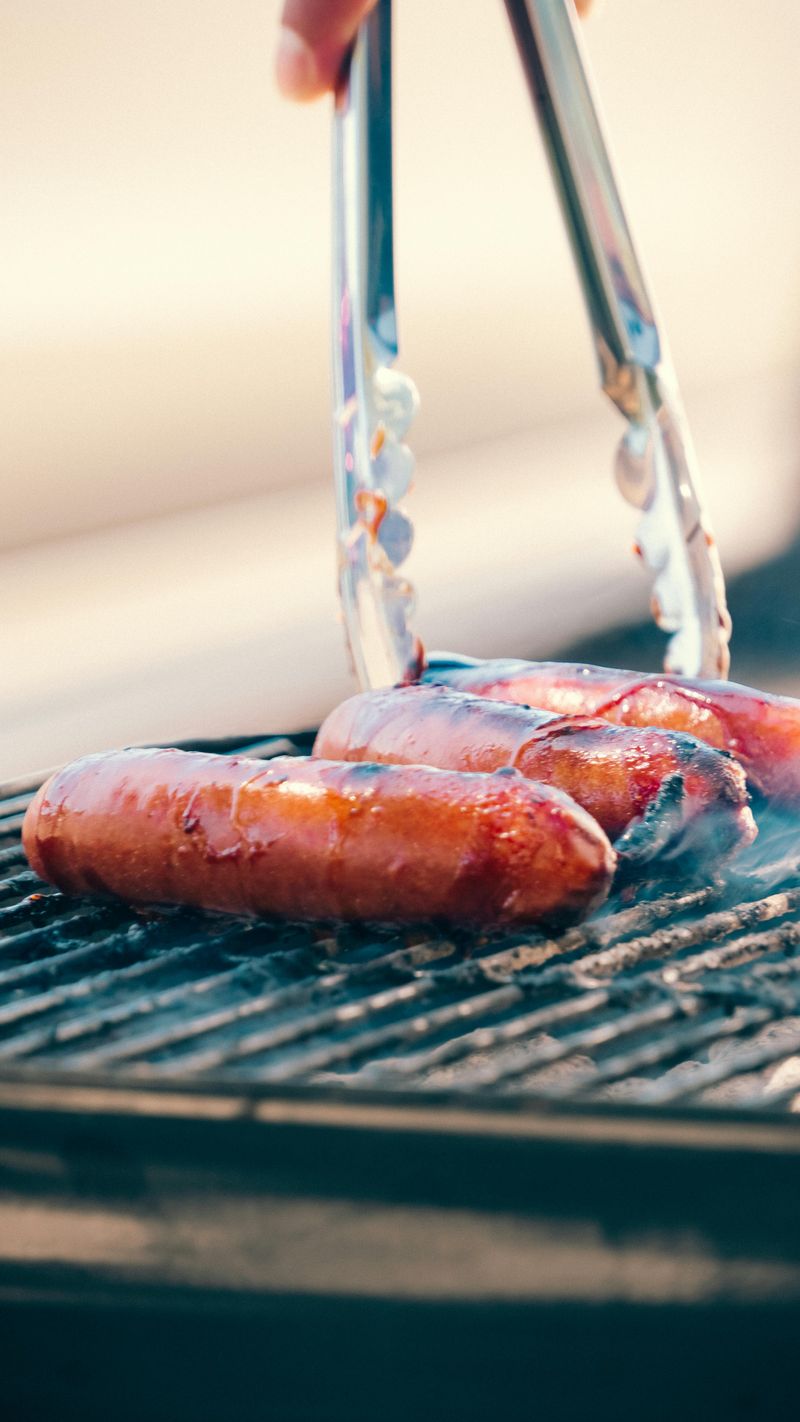
Hearing someone in Wisconsin say “Let’s grab a brat” can sound simple on the surface, but it carries a lot more meaning than just food. To an outsider, it might sound like a quick suggestion to pick up something from a grill or a menu.
But locally, it is almost a casual invitation into a whole cultural routine.
A “brat” refers to a bratwurst, the German-style sausage that has become a staple of everyday life in Wisconsin. It shows up everywhere: backyard cookouts, tailgates, and small-town festivals.
It also appears at roadside stands that seem to pop up whenever the weather turns warm. So when someone says “let’s grab a brat,” they are not just talking about eating.
They are talking about slowing down, gathering, and sharing a moment that feels familiar and relaxed.
It could mean stopping at a corner stand after a game. It could also mean heading to a local butcher shop where the grill is already going, or joining friends where the smell of onions and charcoal fills the air.
Nobody really needs to plan it. It is understood.
That is why the phrase feels so natural to locals. It is not formal or complicated.
It is an open invitation to a small, shared tradition that sits right in the middle of everyday life in Wisconsin. Food and community tend to blend into the same thing.
2. We’ll Do A Friday Fish Fry
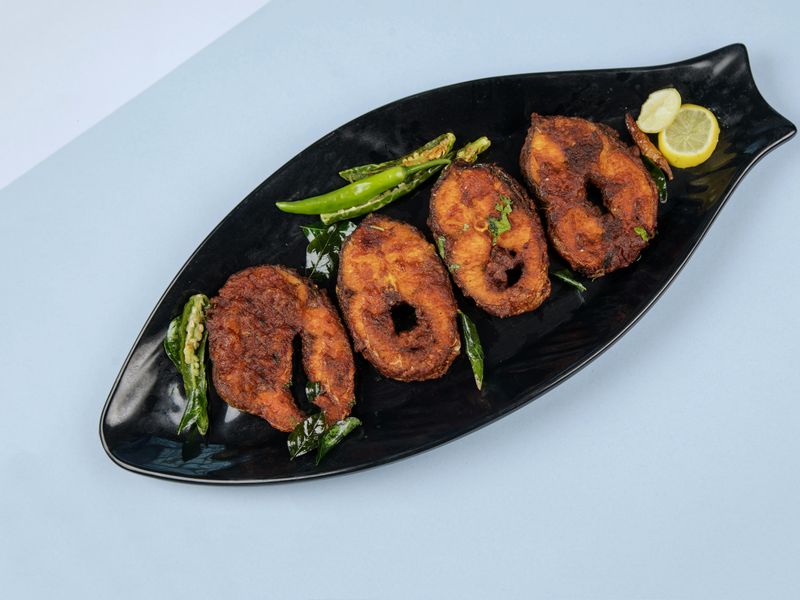
Someone saying “We’ll do a Friday fish fry” in Wisconsin sounds like a simple plan. In reality, it points to one of the strongest weekly traditions in the state.
It is not just about food, and it is rarely treated as something special or unusual. For locals, it is almost automatic, like saying they will grab coffee or meet up later.
A Friday fish fry usually means heading to a local restaurant, tavern, or supper club where fried fish is served as a weekly staple. It often includes sides like fries, coleslaw, rye bread, and sometimes a small soup or salad.
The type of fish can vary, but perch and cod are among the most common. What matters more than the menu is the routine behind it.
The phrase itself carries a sense of rhythm. Fridays in Wisconsin are shaped around this tradition, especially in smaller towns where many places still fill up early in the evening.
Families, coworkers, and friends treat it as a built-in social event. It is less about deciding what to eat and more about deciding where to go.
When someone says, “We’ll do a Friday fish fry,” there is an unspoken understanding attached to it. It suggests familiarity, comfort, and a shared habit that repeats week after week.
There is no need for explanation or planning beyond the time and place.
That is what makes the phrase feel so local. It is not just a meal.
It is a weekly ritual that quietly connects people across Wisconsin through something simple, consistent, and deeply familiar.
3. Put Some Butter On That
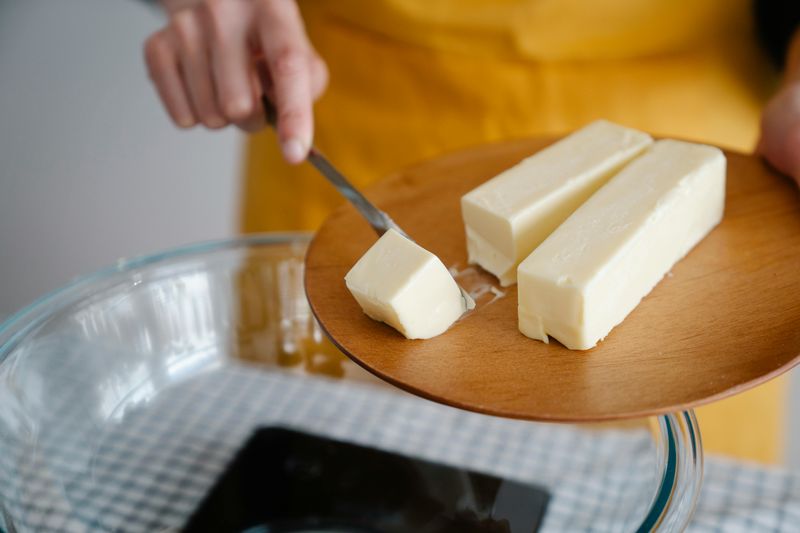
“Put some butter on that” in Wisconsin is less of a cooking instruction and more of a cultural reflex. It is the phrase you hear in kitchens, diners, and family gatherings, usually said without much thought.
It sounds as if the answer to almost any food question is already known.
Butter has a special place in Wisconsin life because of the state’s deep dairy roots. It is not treated as something extra or optional, but as a standard part of a good meal.
Bread at a supper club, fresh corn in the summer, pancakes on a slow morning, or even a simple baked potato often feel incomplete. They often don’t feel finished until butter is added.
So when someone casually says, “Put some butter on that,” it reflects a shared understanding of what makes food feel right.
The phrase also carries a kind of practical wisdom. It is used when something looks plain, a little dry, or simply in need of improvement.
Instead of overthinking it, the solution is immediate and almost instinctive. Butter becomes the simplest way to bring comfort and richness into the moment.
Over time, it turns into more than just advice. It becomes a small expression of Wisconsin’s food culture, where meals are meant to be hearty, familiar, and satisfying without complication.
“Put some butter on that” is really just another way of saying that a little extra care can make something good feel even better. It is said as straightforwardly as possible.
4. You Want It With Gravy
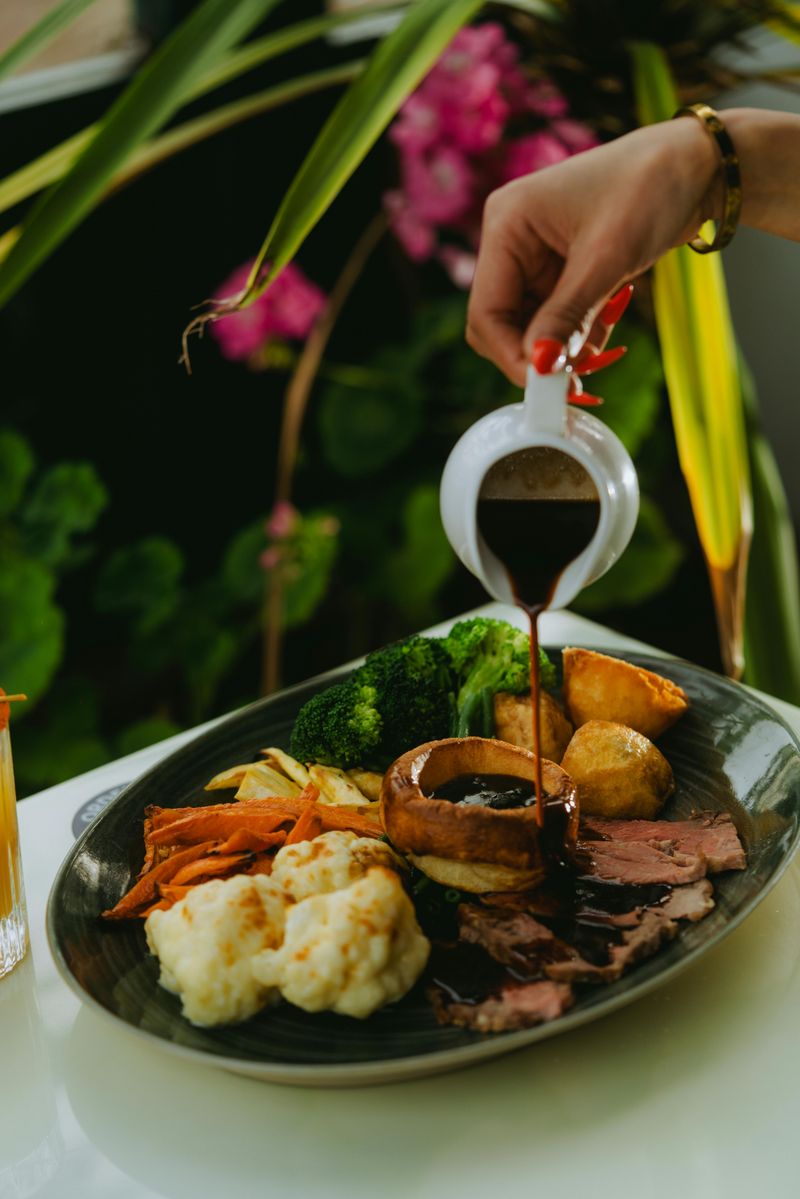
In Wisconsin, “You want it with gravy” is less a question and more a quiet expectation built into how food is served. It appears naturally on menus, in diners, and at supper clubs, as if gravy is already part of the plan and only needs confirmation.
Gravy in this context is not just an addition. It is a defining layer of comfort food culture.
It shows up over mashed potatoes, fried chicken, and roast beef. It sometimes even appears alongside dishes that outsiders would not immediately associate with it.
So when the question is asked, it is usually not about introducing something new. It is about completing what already feels familiar.
The phrase reflects a broader Wisconsin approach to eating: simple food, done heartily, with nothing left feeling unfinished. Saying yes to gravy is almost automatic for many locals.
It represents warmth, tradition, and a sense of home-style cooking that does not try to be complicated.
It also highlights how meals are served with a kind of quiet generosity. Nothing feels minimal or stripped down.
There is always an option to make it richer, fuller, and more satisfying.
“You want it with gravy” turns out to be more than a dining question. It is part of a rhythm in Wisconsin food culture where comfort is built in by default.
A simple yes or no can subtly shape the entire meal experience.
5. Let’s Hit The Supper Club
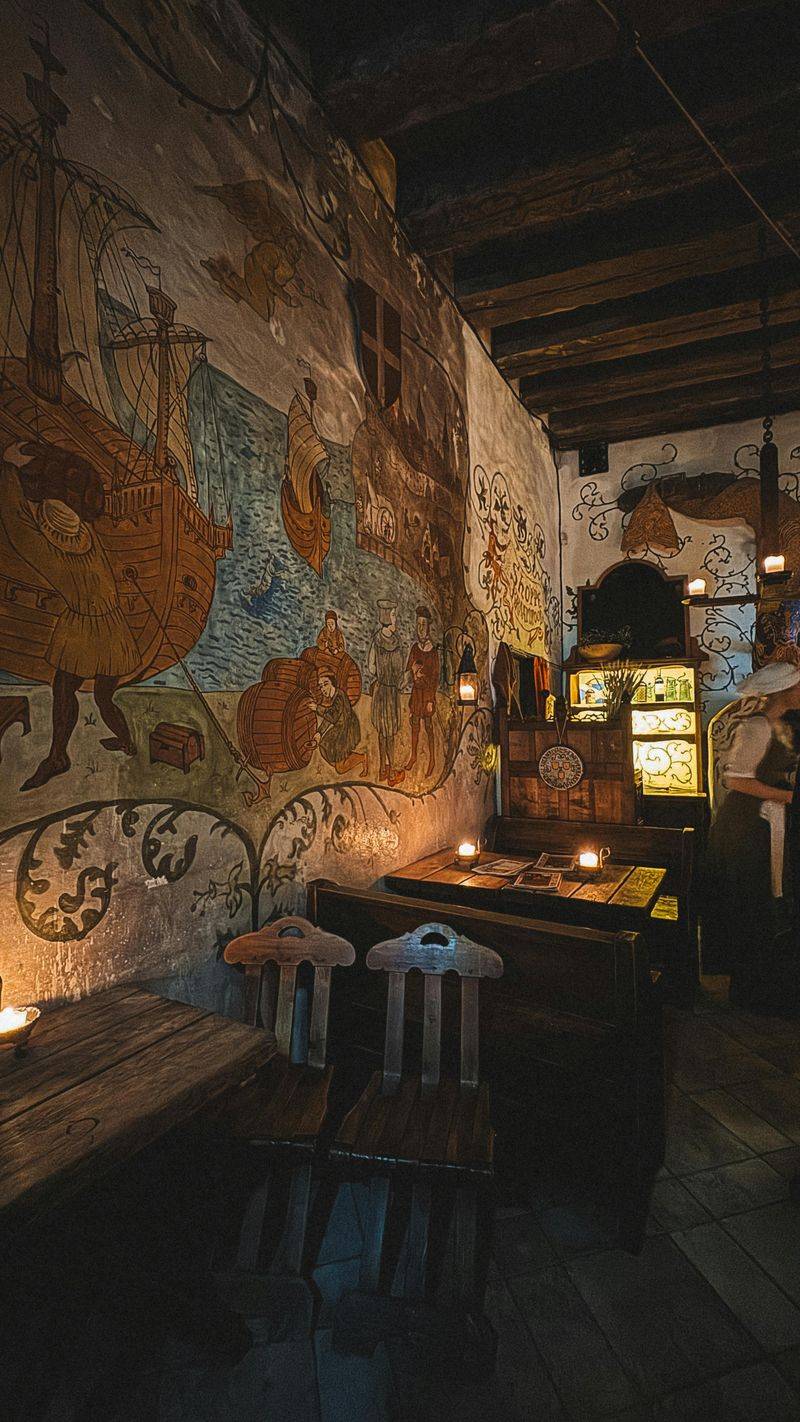
“Let’s hit the supper club” is a phrase that immediately signals more than just going out to eat in Wisconsin. It is an invitation into a tradition that feels both social and slightly timeless.
Dinner is never rushed, and the experience matters as much as the food.
A supper club is not just a restaurant. It is a specific place found across Wisconsin, often tucked along lakes, highways, or in small towns where the pace of life is slower.
Walking in usually means dim lighting, a long bar, and a menu built around classics like prime rib, fish fry, and old-fashioned drinks. There is a sense that nothing here has been reinvented, and that is exactly the point.
So when someone says, “Let’s hit the supper club,” it carries an understanding that the night will unfold familiarly. You will likely start with a drink at the bar, maybe a relish tray on the table, and then settle into a slow, multi-course meal.
There is no urgency. Conversations stretch, and time feels less important.
The phrase also reflects a social habit. Supper clubs are where people gather for birthdays, Friday nights, or no special reason at all.
It is less about the destination and more about the routine of being together in a place that encourages lingering.
In the end, “Let’s hit the supper club” is not just a plan. It is a small commitment to a slower, more traditional way of spending an evening in Wisconsin.
6. You Gotta Try The Frozen Custard
There is a certain confidence in Wisconsin food culture that shows up in phrases like “You gotta try the frozen custard.” It is not framed as a suggestion or a question, but as something closer to a local rule you simply haven’t followed yet.
Frozen custard holds a special place across the state, found in small stands, drive-up windows, and long-standing neighborhood spots that often become part of summer routines. It is richer and denser than regular ice cream.
It is made fresh in small batches and served quickly enough that it always feels tied to the moment you order it.
When someone uses this phrase, it usually comes with context. It might follow a recommendation for a specific stand, a mention of the “flavor of the day,” or a memory of late-night visits after games or warm evenings by the lake.
There is an unspoken assumption that once you try it, the recommendation will make perfect sense.
What makes it stand out is how little explanation it needs locally. People don’t spend time describing it in detail because they assume the experience itself does the work.
In the end, “You gotta try the frozen custard” is not really about persuasion. It is about sharing something that already feels embedded in everyday life in Wisconsin.
It feels as if you are simply being let in on something everyone else has known all along.
7. We’re Having Brats On The Grill
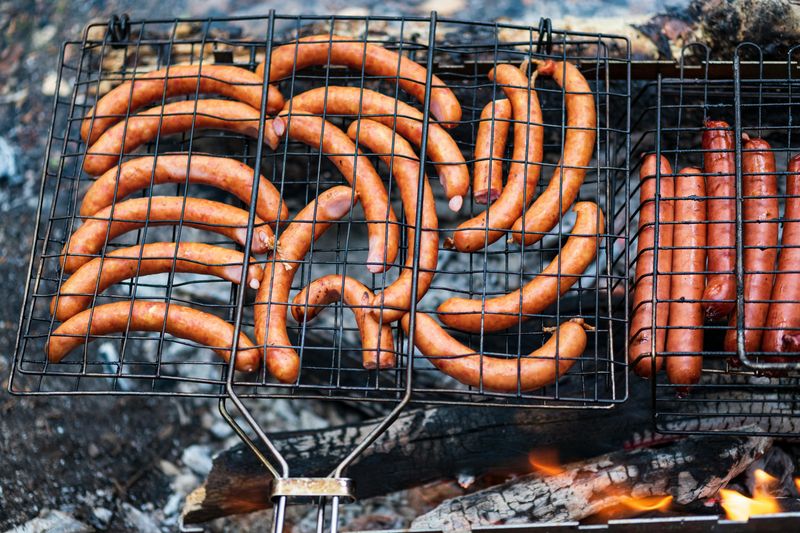
“We’re having brats on the grill” is the kind of phrase that instantly sets the tone for a Wisconsin gathering. It is not framed as a question or even much of a plan, but more like a statement of what the day is already becoming.
Brats, short for bratwurst, are deeply tied to Wisconsin’s food identity. They show up everywhere grills are lit: backyard cookouts, tailgates, lake weekends, and small-town get-togethers where folding chairs and coolers replace formal dining.
Once they hit the grill, the smell of sizzling sausages, onions, and charcoal becomes part of the atmosphere itself.
So when someone says “we’re having brats on the grill,” it usually means more than just the food choice. It implies people are coming over, the grill is already warming up, and the pace of the day is about to slow down.
It is casual, familiar, and unplanned in the best way.
There is also a sense of shared expectation behind the phrase. No one really asks what else is on the menu, because brats are the center of it.
The sides, the drinks, and the conversation all orbit around that simple idea.
In Wisconsin, grilling brats is less about cooking and more about gathering. The phrase captures that feeling perfectly.
It turns a simple meal into an open invitation for company, conversation, and a few unhurried hours outdoors.
8. Don’t Forget The Beer Cheese
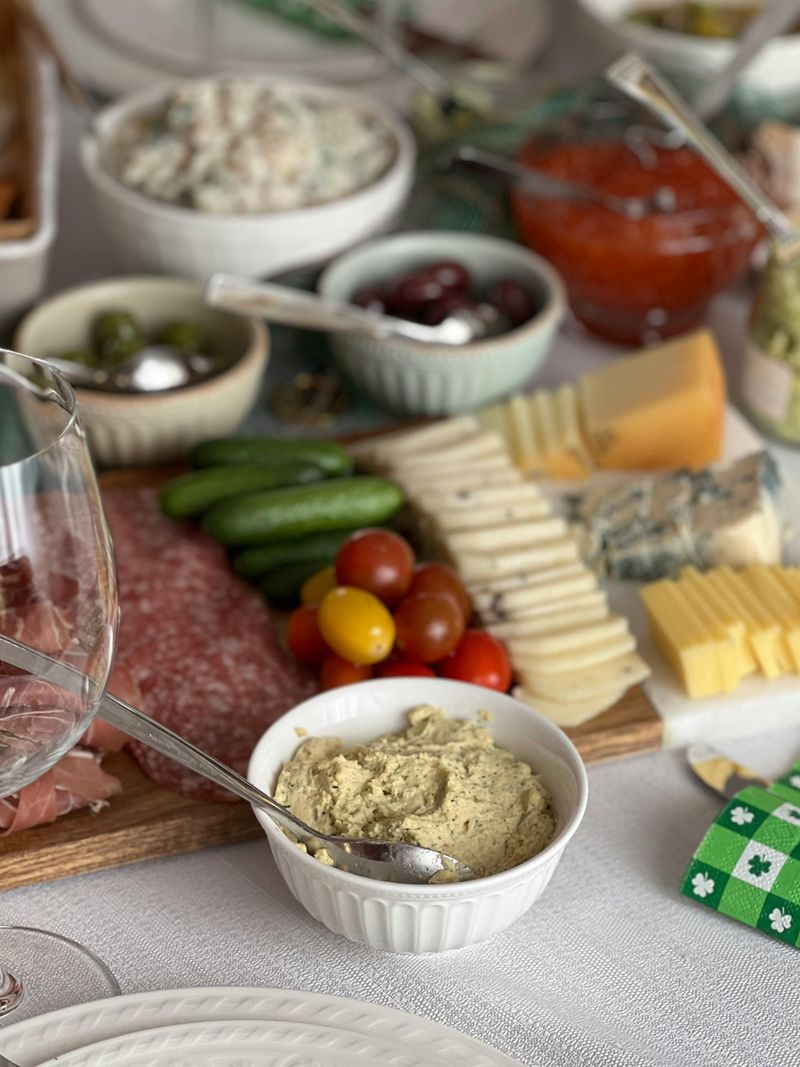
In Wisconsin food culture, certain details at a gathering are never really optional, and beer cheese is one of them. It quietly sits alongside brats, pretzels, and other casual staples that define a typical cookout or game day spread.
It rarely gets the same attention as the main dish.
Beer cheese is rich, creamy, and designed for sharing. It is the dip that appears in the middle of a table and slowly disappears while conversations go on around it.
It is scooped with pretzels, spread on bread, or paired with grilled food. It adds a familiar layer of comfort to anything it touches.
The phrase itself usually comes up during preparation, almost like a final reminder that something important still needs to be included.
It reflects a shared expectation that a proper spread is not complete without it, even if no one explicitly planned for it at the start.
What makes it feel so local is how naturally it fits into informal gatherings. There is no ceremony around it, no explanation needed.
It just belongs there, the same way brats belong on the grill and cold drinks belong in the cooler.
In the end, beer cheese represents that small but important idea behind many Wisconsin meals. The details matter, but they should feel effortless.
9. That’s Fresh From The Dairy
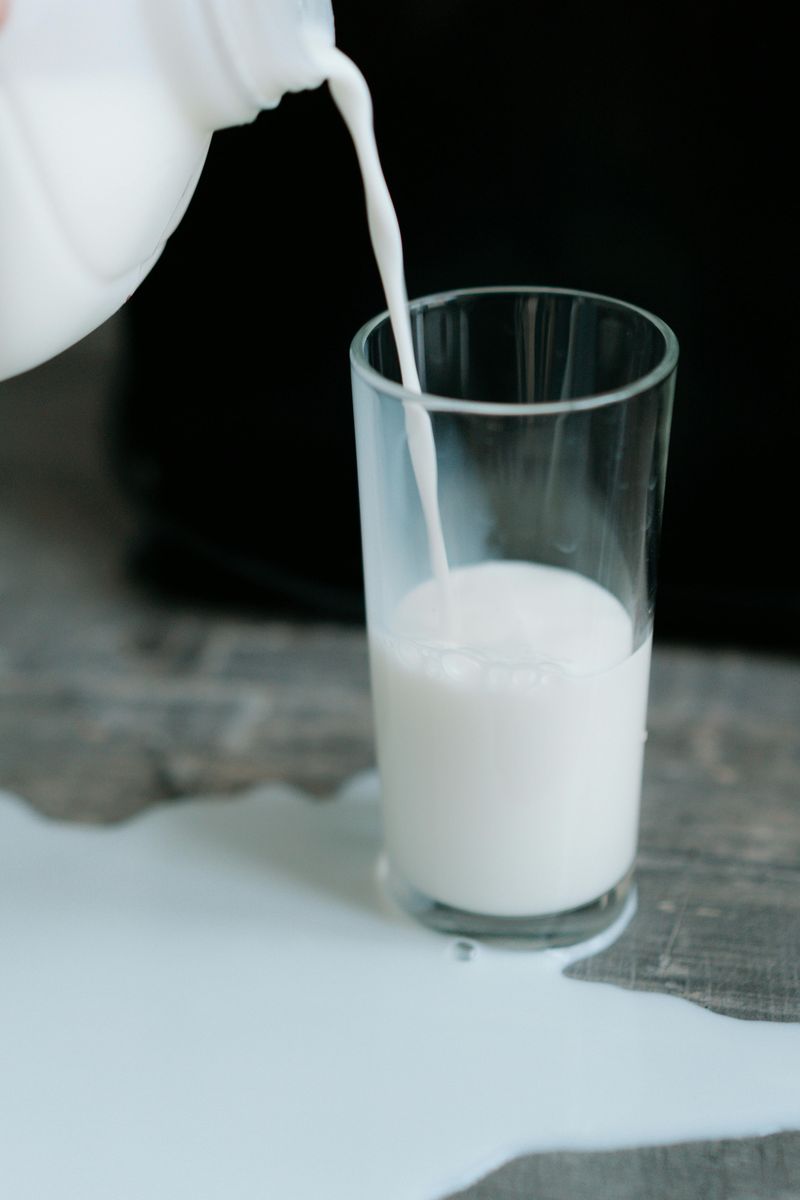
“That’s fresh from the dairy” is a phrase that carries more meaning than it first appears to. It is not just a comment on where food comes from, but a small expression of pride in Wisconsin’s deep dairy roots.
Dairy farming is woven into everyday life across the state, so freshness is something people don’t usually have to question. Milk, cheese, butter, and cream are often produced locally and move quickly from farm to table.
Because of that, the phrase naturally becomes a way of pointing out quality without needing any explanation.
It is often said casually when someone tries cheese at a local shop, drinks a glass of milk, or tastes something that clearly reflects its origin.
There is a sense of reassurance in it, as if the food carries a kind of honesty that comes from being close to where it was made.
What makes the expression stand out is how simple it is. It doesn’t try to impress or overexplain anything.
Instead, it quietly signals that what you are eating is as local and genuine as it gets.
In the end, “that’s fresh from the dairy” is less about the words themselves and more about what they represent. It is a direct connection to farms, tradition, and a food culture where freshness is not marketed, but simply understood.