
This Charming Wisconsin Restaurant Turns Farm-Fresh Ingredients Into An Unforgettable Breakfast
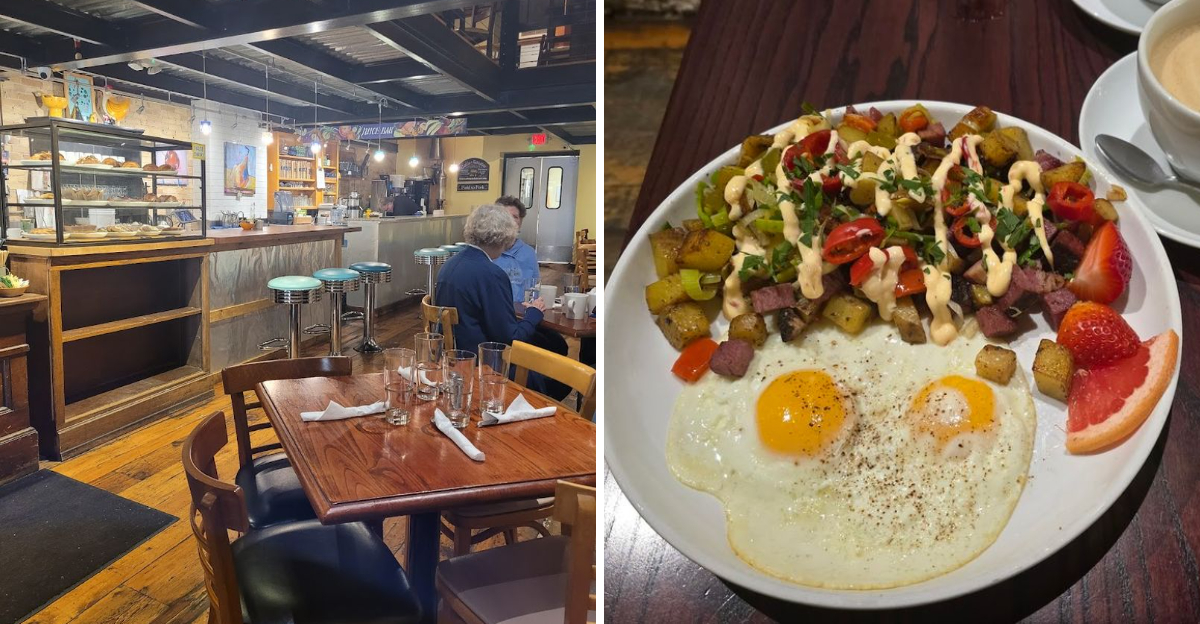
Some breakfasts just hit differently, and this cosy Wisconsin café proves it from the very first bite. What sets it apart isn’t flashy presentation or oversized portions, but the ingredients themselves.
Everything is thoughtfully sourced from nearby farms, giving each dish a freshness and flavour that stands out right away. Set along a quiet street in Sheboygan, the space feels relaxed and welcoming, the kind of place where mornings unfold at an easy pace.
It’s a simple idea done well, turning everyday breakfast into something that feels genuinely memorable.
A Sheboygan Restaurant Built Around Fresh Local Ingredients
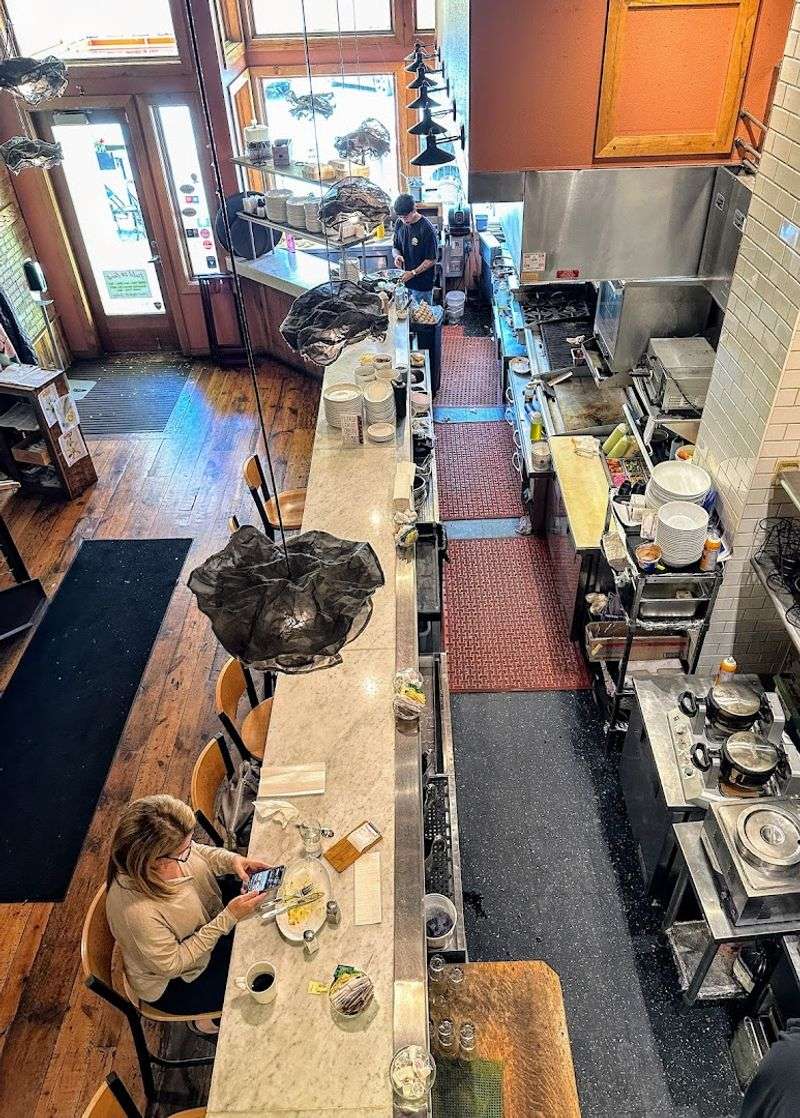
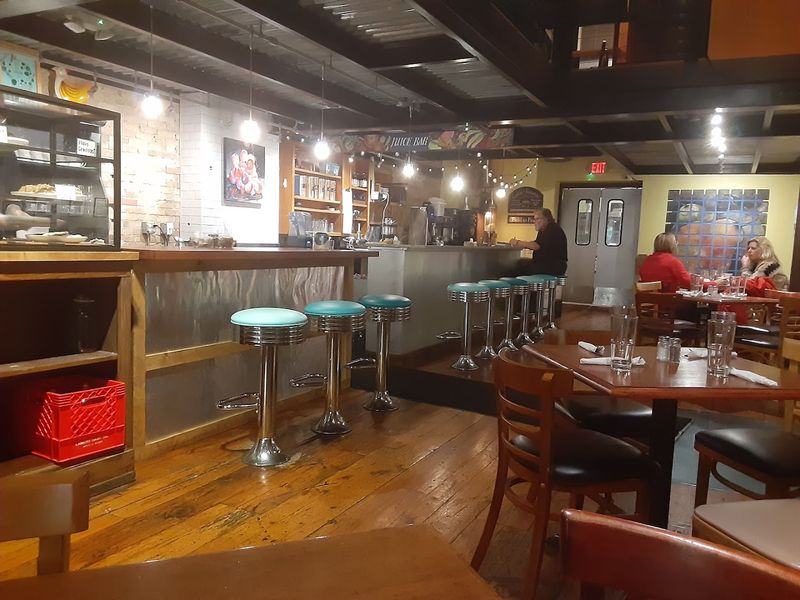
Walking into Field to Fork feels immediately different from chain breakfast spots. The space combines industrial elements with farmhouse warmth, creating an atmosphere that signals something more intentional happening in the kitchen.
You can watch cooks working behind the counter, preparing dishes from ingredients that often arrived from farms just hours earlier.
The entire operation revolves around a simple philosophy: source the best possible ingredients from Wisconsin producers, then let those ingredients speak for themselves. This approach extends beyond produce to include meat, dairy, and even coffee beans roasted on site.
The restaurant maintains direct relationships with farms in the surrounding area, allowing them to know exactly where their food comes from and how it was raised or grown.
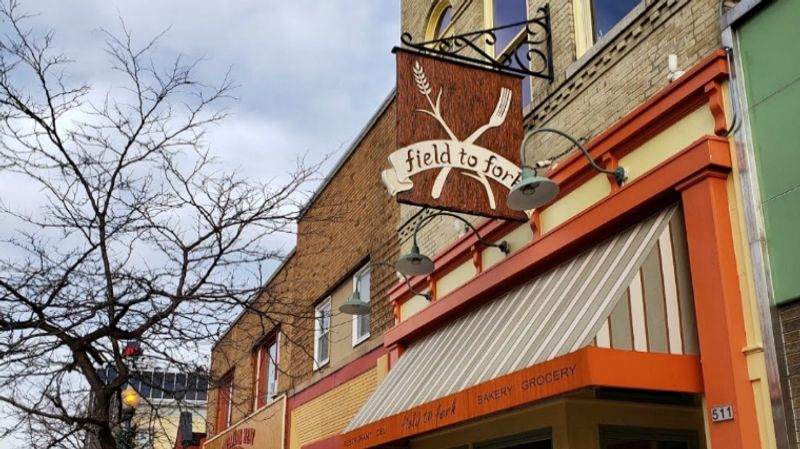
Visitors to 511 S 8th St discover a menu that reflects this commitment on every page, with dishes designed to highlight rather than hide the quality of what goes into them.
The Menu Changes With The Seasons
Most restaurants print menus once and keep them for months or years. Field to Fork takes a completely different approach, adjusting offerings based on what farms can provide throughout the year.
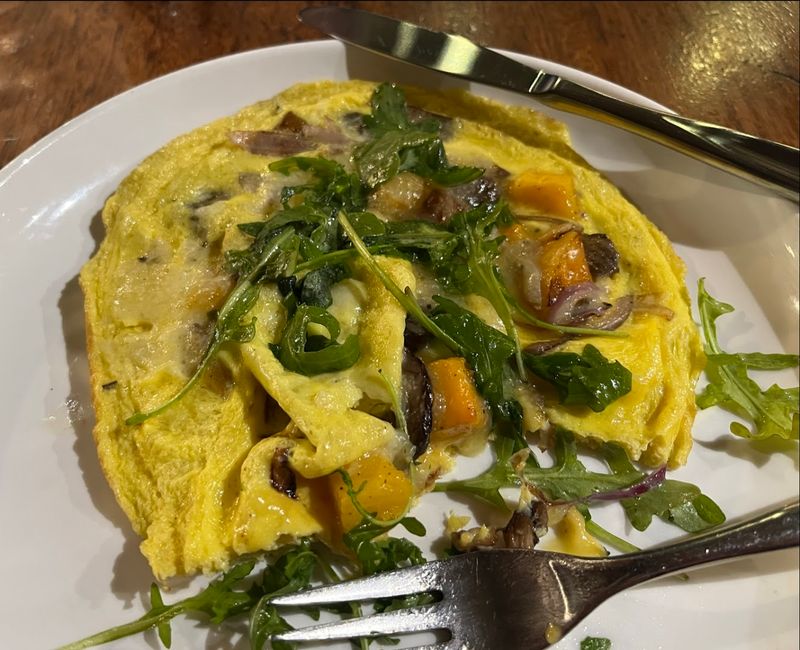
Spring might bring asparagus and fresh greens, while autumn features squash and root vegetables in creative breakfast preparations.
This seasonal rotation means regular customers never experience the exact same menu twice. Specials appear based on what arrives fresh that week, keeping the kitchen creative and the dining experience unpredictable in the best possible way.
Cooks adapt classic breakfast formats to incorporate whatever looks best at local markets and farm stands.
The flexibility requires more work from the kitchen staff, but it guarantees that ingredients hit plates at their peak flavor and nutritional value. Diners who appreciate food at its freshest find this approach rewarding, since it connects breakfast directly to the agricultural rhythms happening just outside Sheboygan.
Local Farms Play A Big Role In The Kitchen
Field to Fork sources meat from farms close enough that staff can visit and verify how animals are raised. This direct connection eliminates the mystery common in restaurant supply chains, where ingredients travel through multiple distributors before reaching a kitchen.
The restaurant even works with a local butcher who processes whole animals purchased from nearby farms.
Produce follows similar sourcing patterns, with vegetables and fruits arriving from Wisconsin growers who prioritize quality over mass production. These relationships allow the kitchen to request specific varieties or cuts that work best for their dishes.
During peak growing season, the menu reflects the abundance of what local agriculture produces.
This farm-focused approach supports the regional food economy while delivering superior ingredients to breakfast tables. Customers taste the difference in eggs from pastured chickens, vegetables picked recently enough to retain their snap, and dairy products that capture the richness Wisconsin is known for producing.
Breakfast Dishes Are Made From Scratch
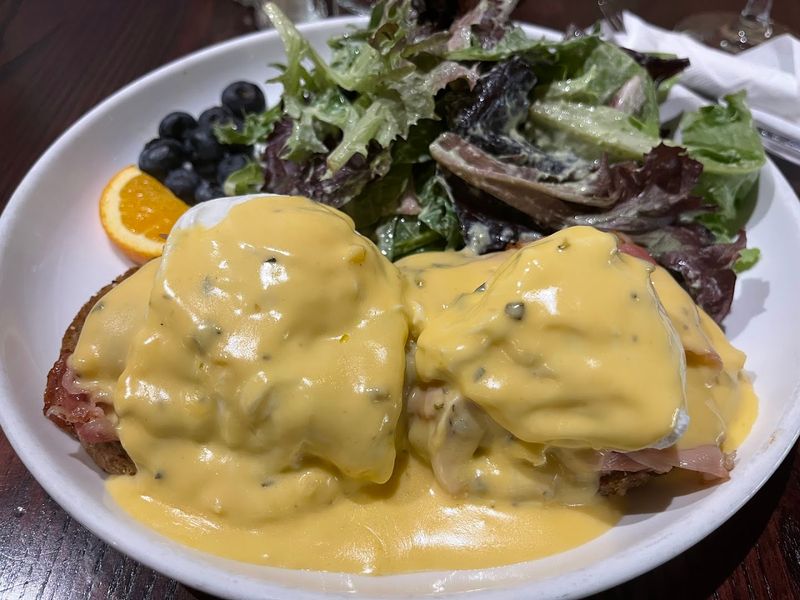
Nothing arrives pre-made or frozen at Field to Fork. Pancake batter gets mixed fresh each morning, bread comes from their own baker, and sauces develop flavor through proper technique rather than shortcuts.
This commitment to scratch cooking takes more time but produces results impossible to achieve with convenience products.
The Fork Benedict demonstrates this philosophy perfectly, with hollandaise sauce made properly using butter and egg yolks rather than powder mixes. Pancakes achieve their notable fluffiness because someone actually whisked the batter that morning instead of pouring it from a box.
Even condiments like ketchup get made in-house, though some customers find the sweetness level different from what they expect.
This approach extends to coffee service, with beans roasted on premises to ensure maximum freshness. The extra effort required for scratch cooking shows up in flavors that taste more vibrant and textures that feel more satisfying than standard breakfast fare.
The Restaurant Focuses On Simple Food Done Well
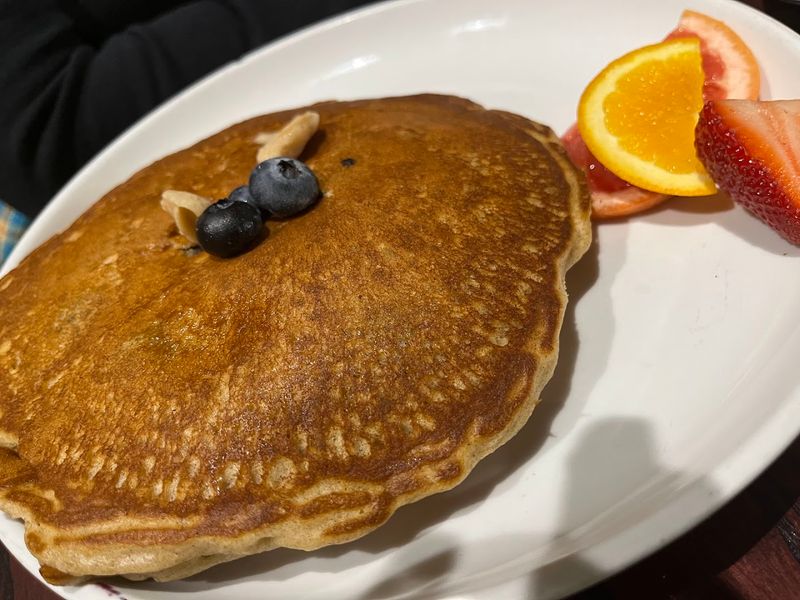
Field to Fork avoids the temptation to overcomplicate dishes with excessive ingredients or trendy techniques. Instead, the menu features recognizable breakfast items executed with exceptional attention to ingredient quality and cooking fundamentals.
A frittata becomes memorable not through exotic additions but through farm-fresh eggs and perfectly seasoned vegetables.
This philosophy trusts that superior ingredients prepared correctly need little embellishment. Blueberry pancakes succeed because the blueberries taste genuinely sweet and the pancakes achieve ideal texture through proper mixing and griddle temperature.
The double smashburger delivers satisfaction through quality beef cooked with technique rather than buried under excessive toppings.
The approach appeals to diners tired of restaurants that prioritize Instagram appeal over actual flavor. By keeping preparations straightforward, the kitchen allows each component to contribute clearly to the final dish, creating breakfast that tastes clean, balanced, and thoroughly satisfying without unnecessary complexity.
The Cozy Dining Room Creates A Relaxed Morning Atmosphere
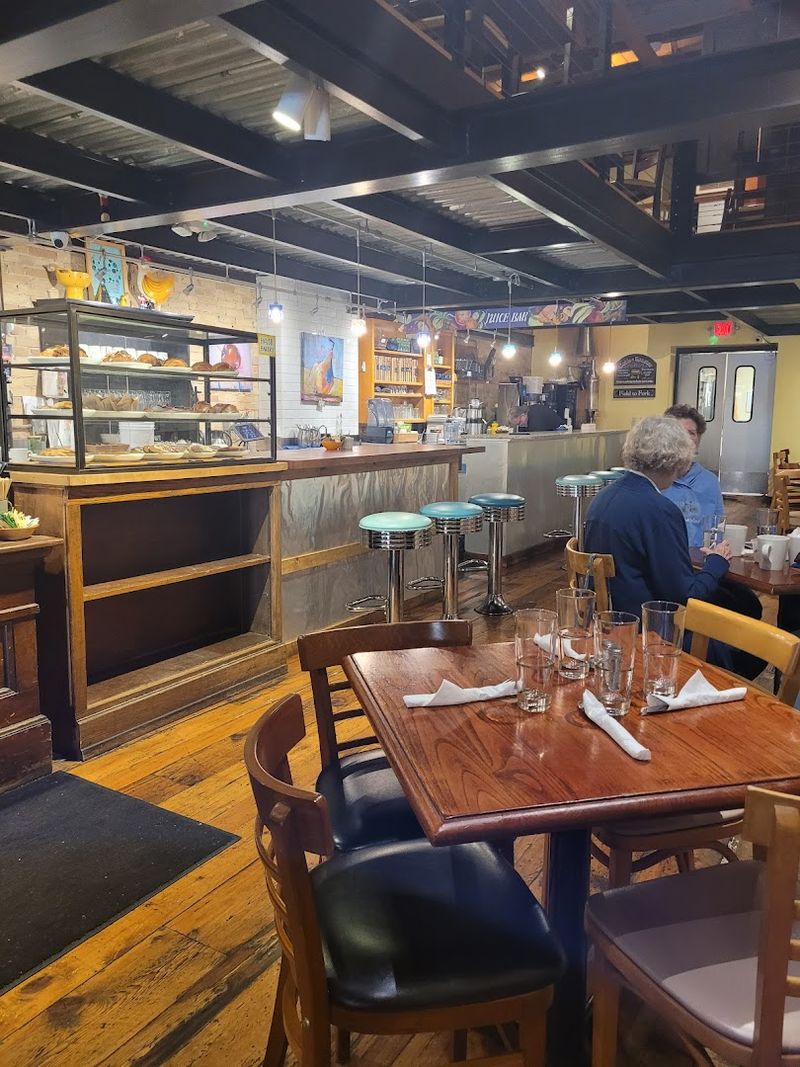
The dining space at Field to Fork strikes a balance between casual comfort and intentional design. Counter seating lets you watch kitchen activity up close, while tables throughout the room provide options for different group sizes and privacy preferences.
Natural light fills the space during morning hours, enhancing the welcoming feeling.
Industrial touches mix with farmhouse elements to create visual interest without feeling overly styled. The atmosphere encourages lingering over coffee rather than rushing through a meal, making it suitable for both quick weekday breakfasts and leisurely weekend brunches.
Some tables sit in higher traffic areas, so choosing your spot can affect the experience.
Service maintains the same approachable tone as the decor, with staff who understand the menu well enough to offer helpful suggestions. The overall environment supports the farm-fresh food philosophy, creating a cohesive experience where setting and cuisine reinforce each other naturally.
Farm-To-Table Cooking Is At The Heart Of The Concept
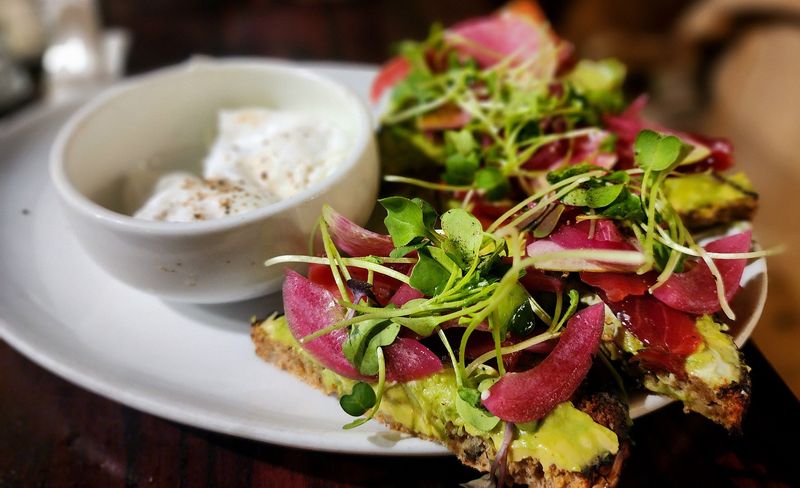
Farm-to-table has become a buzzword that many restaurants use loosely, but Field to Fork built their entire operation around making it genuine. The concept means more than occasionally buying local produce; it requires restructuring how a kitchen operates to accommodate seasonal availability and direct farm relationships.
This commitment influences everything from menu planning to staff training.
Cooks need flexibility to work with whatever arrives fresh rather than following rigid recipes requiring specific ingredients year-round. The purchasing process becomes more complex, involving communication with multiple small producers instead of one consolidated distributor.
These challenges require extra effort but result in food that connects diners directly to Wisconsin agriculture.
The farm-to-table approach also means transparency about sourcing, with staff able to tell you where specific ingredients originated. This traceability builds trust and adds meaning to meals, transforming breakfast from mere fuel into an experience that supports local farming communities and celebrates regional food culture.
The Kitchen Highlights Wisconsin Produce And Dairy
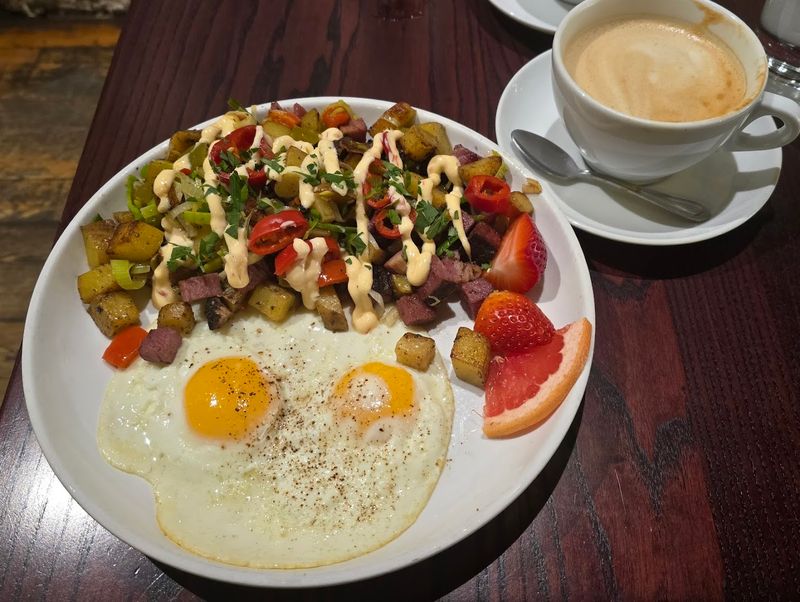
Wisconsin’s reputation for exceptional dairy products runs deep, and Field to Fork takes full advantage of regional strengths. Cheese, butter, and milk from Wisconsin producers appear throughout the menu, contributing richness and flavor that reflects the state’s agricultural heritage.
These dairy products come from cows raised on pastures that benefit from the region’s climate and soil.
Produce selection follows seasonal patterns, with the kitchen showcasing whatever Wisconsin farms grow best during each part of the year. Summer brings tomatoes and peppers that actually taste like something, while cooler months feature sturdy greens and storage vegetables that hold up through winter.
This focus on regional produce reduces transportation time and supports farmers working in the same community.
The emphasis on Wisconsin ingredients creates breakfast that tastes distinctly of place, offering flavors you cannot replicate elsewhere. Customers interested in supporting local agriculture while enjoying superior ingredients find this approach particularly appealing and meaningful.
Locals Often Recommend It For A Memorable Breakfast
Sheboygan residents consistently point visitors toward Field to Fork when asked about breakfast recommendations. This local endorsement carries weight, since people who live in an area know which restaurants deliver consistently versus which ones coast on tourist traffic.
The cafe has earned its reputation through reliable quality rather than flashy marketing.
Regular customers appreciate knowing they can bring out-of-town guests without worrying about disappointing meals or inconsistent service. The combination of thoughtful cooking, fresh ingredients, and reasonable prices creates value that keeps people returning.
Some locals visit frequently enough to notice menu rotations and develop favorite seasonal dishes.
This word-of-mouth support has built steady business that fills tables throughout operating hours. The restaurant benefits from community trust earned through years of prioritizing quality and maintaining their farm-fresh standards even as they have grown more popular.
For visitors seeking authentic local experiences rather than generic chains, following local recommendations to Field to Fork rarely disappoints.
Each Visit Can Feel A Little Different Thanks To Seasonal Ingredients
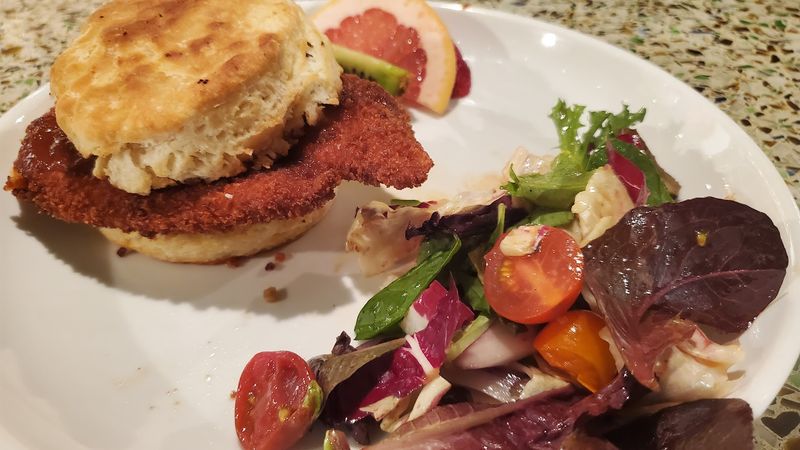
Return customers at Field to Fork discover something unusual in modern dining: actual variety between visits. Because the menu shifts with agricultural seasons, breakfast in March looks different from breakfast in September.
This variability keeps the experience fresh for regulars who might otherwise tire of static offerings.
Specials change frequently based on what farms deliver, meaning you might encounter breakfast tacos one week and a completely different preparation the next. This unpredictability adds an element of discovery to each visit, rewarding customers who embrace seasonal eating rather than expecting the same dishes year-round.
The kitchen uses this flexibility to experiment and showcase ingredients at their absolute peak.
For some diners, this approach requires adjusting expectations about menu consistency. However, those who appreciate food connected to natural growing cycles find the seasonal rotation enhances rather than detracts from the experience, offering legitimate reasons to return beyond simple habit or convenience.