
This Breathtaking Wisconsin Mansion Makes For An Unforgettable Day Trip
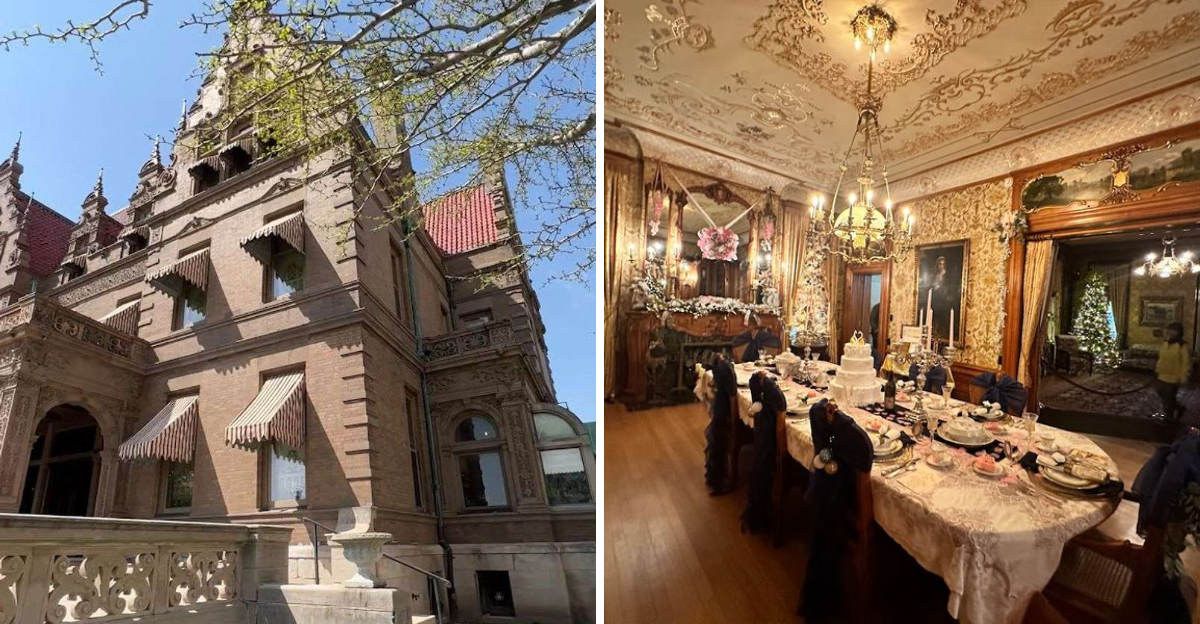
Milwaukee holds many treasures from its industrial past, but few shine as brightly as this beautiful mansion. This stunning residence stands at 2000 West Wisconsin Avenue, offering visitors a chance to step back into the Gilded Age when beer barons built palaces that rivaled European estates.
The home of Captain Frederick Pabst and his family has been carefully preserved for modern visitors. It offers a clear look at the grandeur, craftsmanship, and daily life of one of Milwaukee’s most influential families.
Built By A Brewing Legend In The Late 1800s
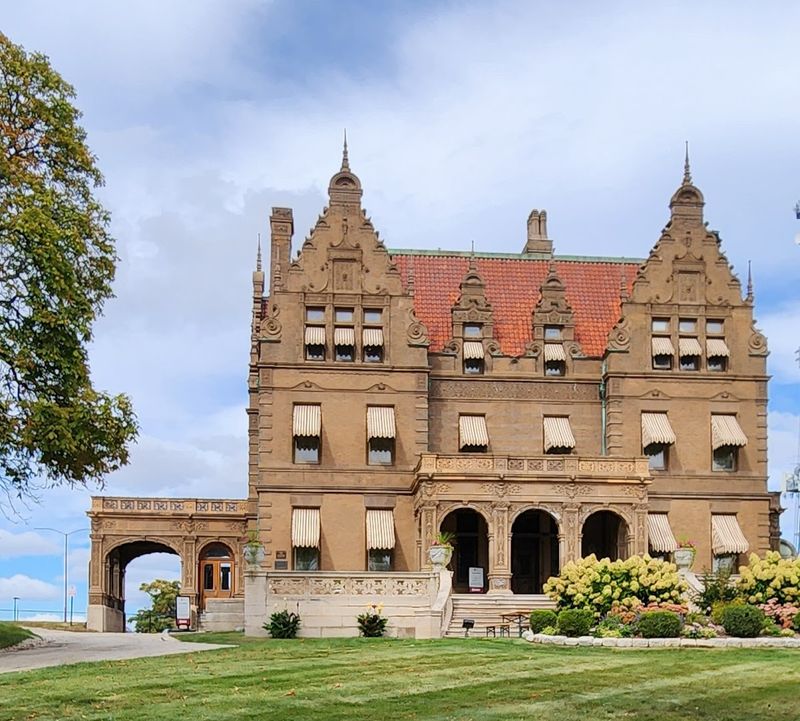
Captain Frederick Pabst commissioned this remarkable home in 1892, at the height of his success in the brewing industry. His company had grown from a small operation into one of America’s largest breweries, and he wanted a residence that reflected his achievements.
The mansion cost approximately $254,000 to build, an astronomical sum for the time that would equal millions today.
Pabst selected architect George Bowman Ferry to design a home that would stand apart from anything else in Milwaukee. The captain had traveled extensively throughout Europe and wanted elements of Old World elegance incorporated into his American palace.
The result was a residence that combined practical American innovation with European artistic traditions, creating something entirely unique on Wisconsin Avenue.
Construction took two years and employed the finest craftsmen available. The Pabst family moved into their completed mansion in 1892, beginning a new chapter in Milwaukee’s architectural history.
A Masterpiece Of Flemish Renaissance Revival Design
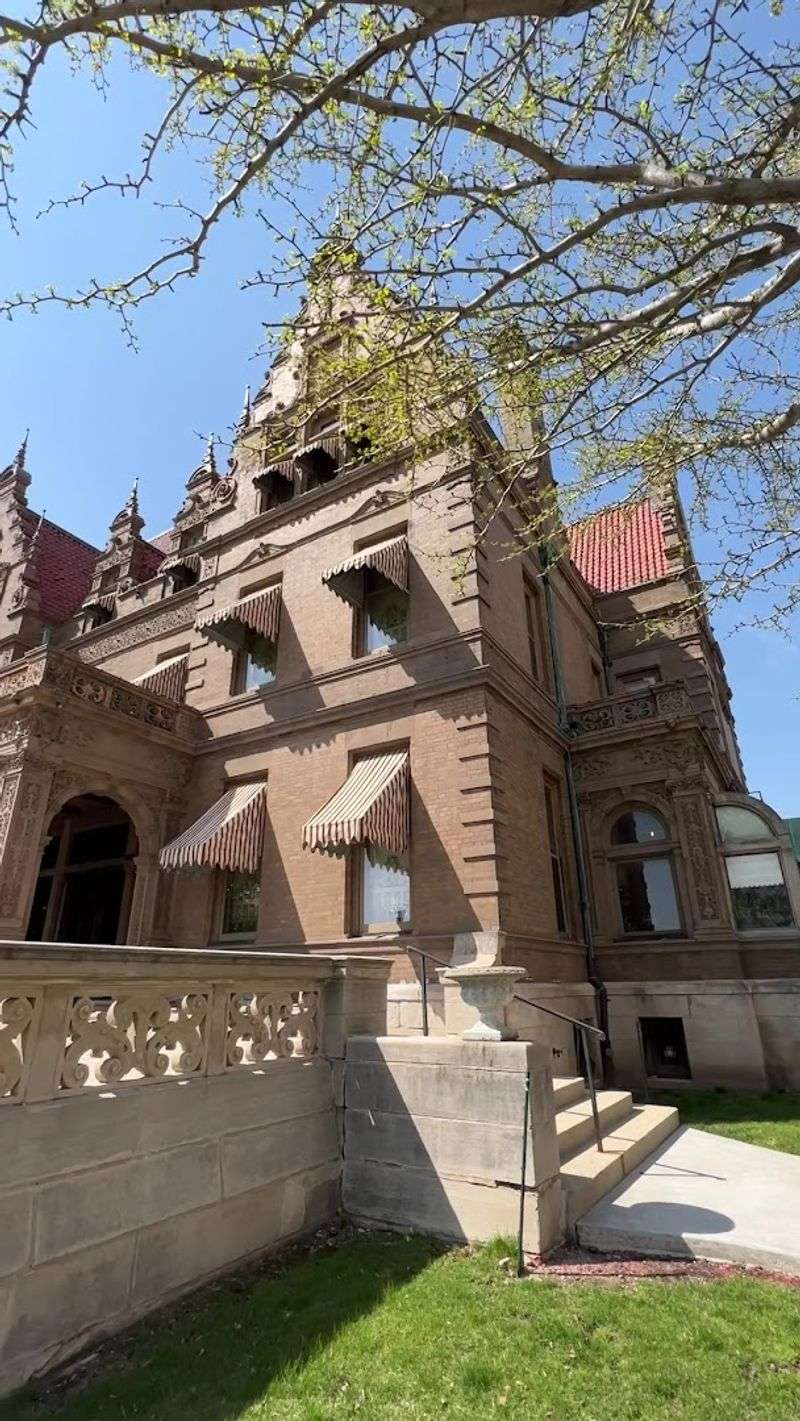
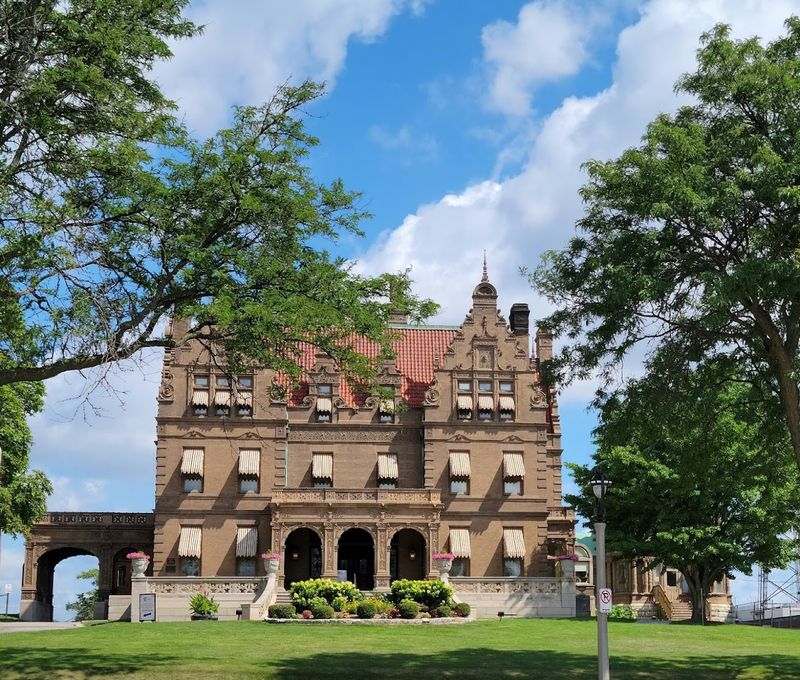
The mansion showcases Flemish Renaissance Revival architecture, a style rarely seen in American residential buildings. Ferry drew inspiration from 16th and 17th century Flemish guild halls and civic buildings, translating their grandeur into a private home.
The exterior features ornate terracotta ornamentation that was manufactured specifically for this project, with no two decorative elements exactly alike.
Thirty-seven rooms spread across three floors, each designed with specific purposes and decorated according to the latest European fashions. The asymmetrical facade creates visual interest from every angle, while the varied roofline adds drama to the Milwaukee skyline.
Massive chimneys rise from the structure, necessary for heating such an expansive space during Wisconsin winters.
The attention to architectural detail extends to every surface. Carved woodwork, decorative plasterwork, and custom metalwork appear throughout, demonstrating the level of craftsmanship that wealthy industrialists could command during the Gilded Age.
Inside The Lavish Rooms That Defined Gilded Age Living
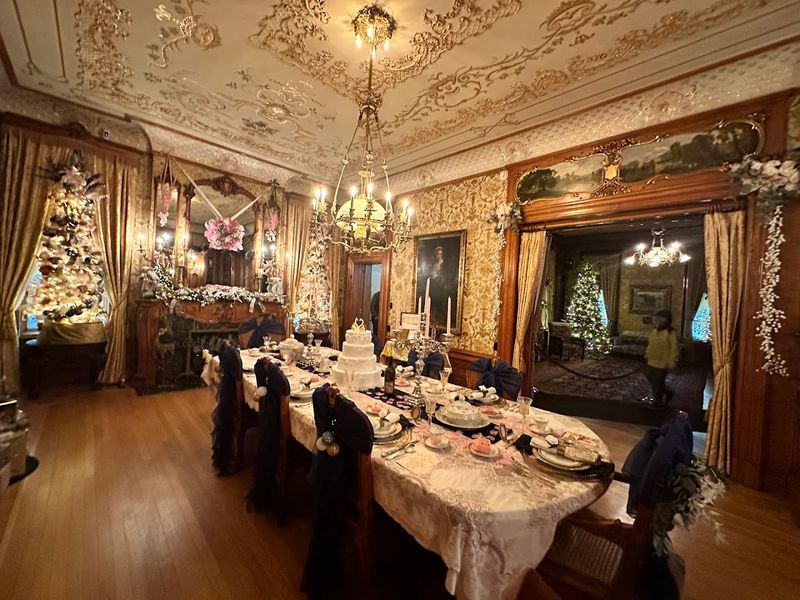
Walking through the mansion reveals how America’s wealthiest families lived during the 1890s. The grand hall greets visitors with soaring ceilings and a magnificent staircase that serves as the home’s centerpiece.
Rich wood paneling covers the walls, each panel carefully selected and installed by master craftsmen who understood how to showcase the natural beauty of different wood species.
The music room features intricate parquet floors in geometric patterns that took months to complete. Original light fixtures, converted from gas to electricity during the home’s early years, still illuminate the spaces.
The dining room could accommodate elaborate dinner parties, with built-in storage for china and crystal that represented the finest European manufacturers.
Each room served a specific social function in Gilded Age society. The library provided a masculine retreat, while the morning room offered ladies a bright space for correspondence and visiting.
These distinct spaces reveal the formal social codes that governed upper-class life.
One Of The Most Carefully Restored Historic Homes In Wisconsin
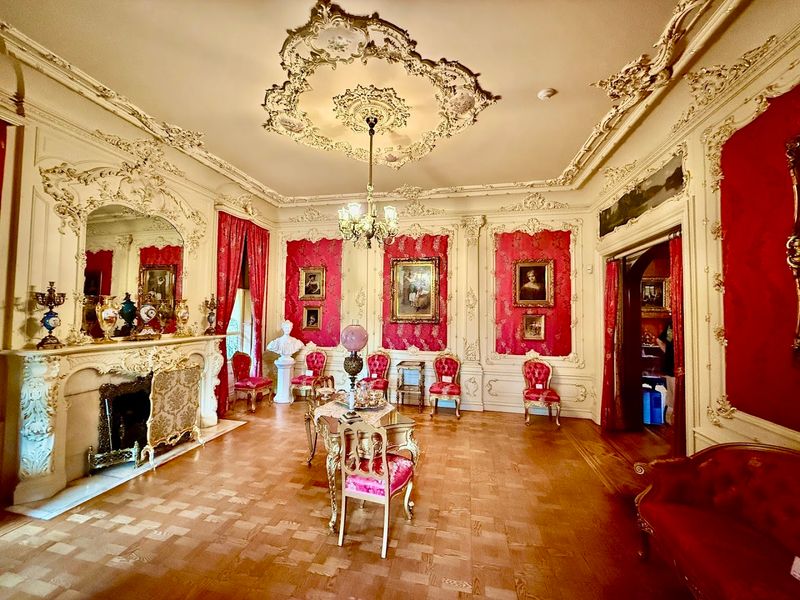
After the Pabst family sold the property in 1908, the mansion served as the Archbishop’s residence for the Archdiocese of Milwaukee for nearly seven decades. This long occupancy by a single institution helped preserve the building’s integrity, though some modifications were made to suit its new religious purposes.
By the 1970s, the archdiocese planned to demolish the structure, prompting concerned citizens to launch a preservation campaign.
Wisconsin Heritages, Inc. formed specifically to save the mansion from destruction. The organization purchased the building in 1978 and began the painstaking work of restoration.
Experts researched original photographs, studied architectural drawings, and consulted historical records to ensure accuracy in every detail.
The restoration continues today, with ongoing projects to return rooms to their 1890s appearance. Conservators use period-appropriate materials and techniques, sometimes recreating custom elements that no longer exist.
This commitment to authenticity makes the mansion one of Wisconsin’s best examples of historic preservation.
Original Furnishings That Bring History To Life
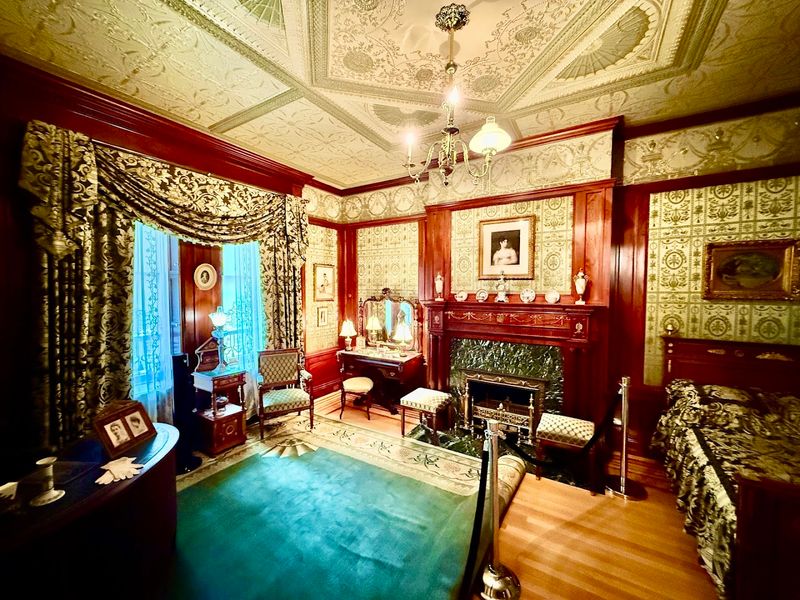
Many items currently displayed in the mansion are original Pabst family possessions, recovered through donations and careful acquisition over decades. These authentic pieces create an immediate connection to the people who once called this place home.
A piano that Maria Pabst played still sits in the music room, its keys silent now but evoking the sound of 19th century melodies that once filled these halls.
Photographs of the mansion taken during the Pabst era guided curators in placing furniture and decorative objects in their original locations. Some rooms contain the exact pieces that appear in those historical images, creating an almost eerie sense of time standing still.
Other spaces feature period-appropriate furnishings carefully selected to match the style and quality the Pabsts would have chosen.
Personal items add intimate touches to the grand surroundings. Clothing, books, and household objects reveal the daily rhythms of family life beyond the formal entertaining spaces, showing how real people inhabited this extraordinary home.
Intricate Craftsmanship In Every Corner Of The Home
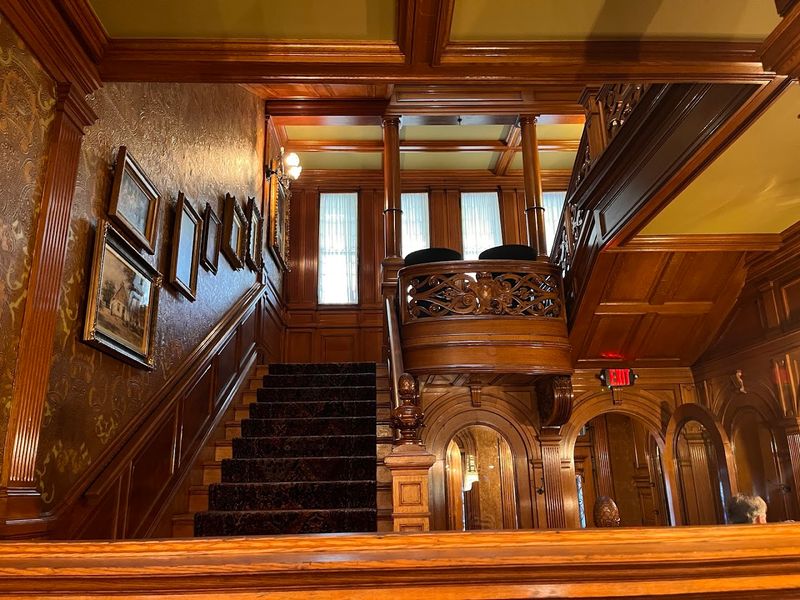
The level of craftsmanship throughout the mansion represents skills that have largely disappeared from modern construction. Hand-carved woodwork adorns doorways, mantels, and built-in cabinetry, with each piece demonstrating the patience and precision of 19th century artisans.
Different wood species appear throughout the home, chosen for their grain patterns and colors to create specific visual effects in each room.
Ornamental plasterwork decorates ceilings and walls, featuring botanical motifs and geometric patterns executed in three-dimensional relief. These elements were created on-site by skilled plasterers who mixed their materials according to traditional formulas and shaped them entirely by hand.
The results show a level of detail impossible to achieve with modern manufacturing methods.
Metalwork appears in light fixtures, door hardware, and decorative grilles, all custom-made for the mansion. Stained glass windows filter natural light through colored panes, creating atmospheric effects that change throughout the day.
Every surface received careful attention, resulting in a home where artistic achievement meets functional design.
A Family Home With Stories Behind Every Room
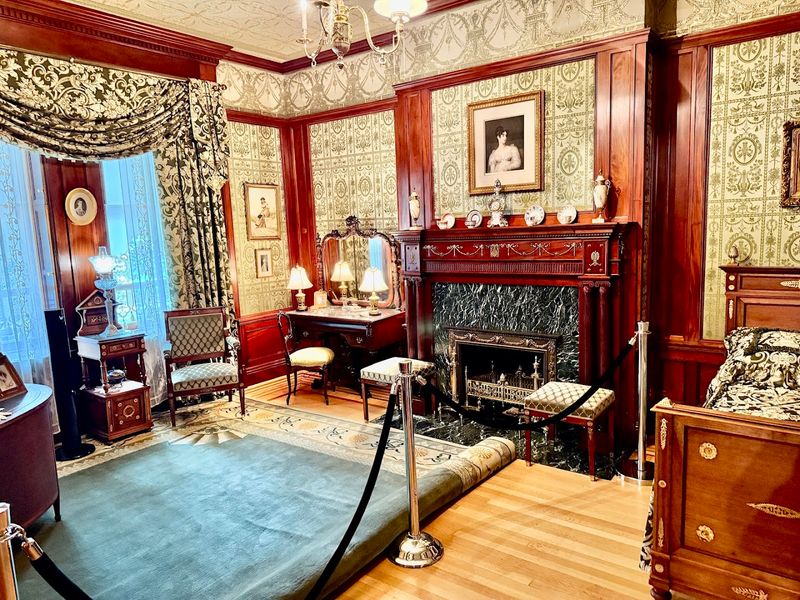
Captain Frederick Pabst and his wife Maria raised their family in this mansion, and the spaces reflect their roles as parents as well as social leaders. The couple had twelve children, though only a few still lived at home when the mansion was completed.
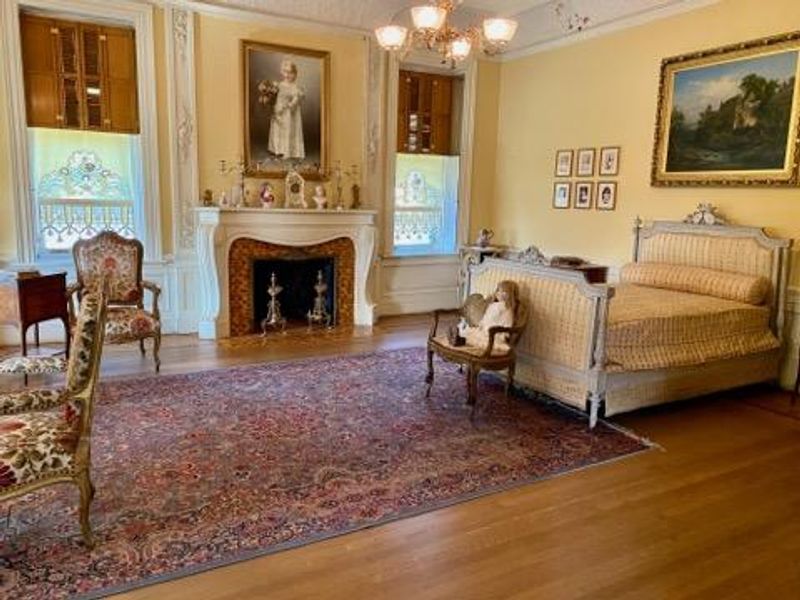
Bedrooms on the upper floors provided private retreats for family members, each decorated according to individual tastes and needs.
The children’s areas reveal how wealthy families approached child-rearing during the Victorian era. Educational toys and books suggest the importance placed on learning, while the layout allowed for both supervision and independence.
Family bedrooms feature built-in conveniences that were innovative for the time, including early plumbing and electrical systems that made daily life more comfortable.
Stories passed down through generations and documented in family letters bring these spaces to life. Tour guides share anecdotes about family celebrations, daily routines, and the personalities of the people who once occupied these rooms, transforming architectural spaces into genuine homes with human stories.
Seasonal Displays And Events That Change The Experience
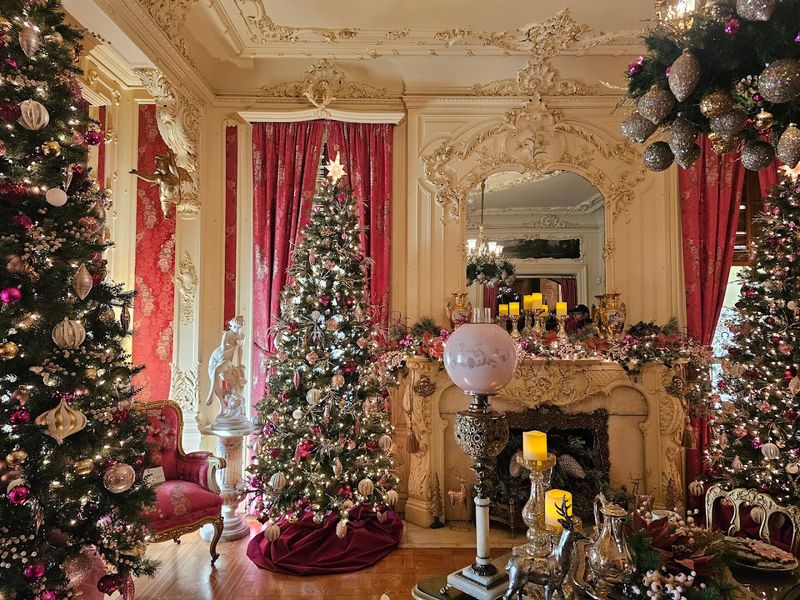
The mansion transforms throughout the year with seasonal decorations and special programming that give visitors reasons to return multiple times. Christmas brings particularly spectacular displays, with each room decorated according to Victorian holiday traditions.
Evergreen garlands, period ornaments, and historically accurate decorations create an immersive experience that shows how wealthy families celebrated during the Gilded Age.
Special tours offer unique perspectives on the mansion and its history. Twilight tours allow visitors to experience the home by evening light, with the glow of period fixtures creating atmospheric effects impossible to achieve during daytime visits.
Mimosa tours combine historical education with refreshments, creating a social experience that echoes the mansion’s original purpose as a space for entertaining.
Educational programs and themed events occur throughout the year, from lectures on architectural history to demonstrations of period crafts. These changing offerings ensure that each visit can reveal something new, making the mansion a destination worth experiencing multiple times across different seasons.
A Milwaukee Landmark That’s Easy To Turn Into A Day Trip
Located at 2000 West Wisconsin Avenue, the mansion sits in a central Milwaukee location that makes planning a visit straightforward. The museum operates Tuesday through Friday from 10:00 AM to 4:00 PM, with extended hours until 5:00 PM on Saturdays and Mondays.
Sunday hours run from 10:00 AM to 4:00 PM, giving visitors flexibility in scheduling their trip.
Guided tours last approximately one hour, though visitors can easily spend additional time exploring the gift shop and watching the introductory film that provides context about the Pabst family and Milwaukee’s brewing history. Self-guided options allow people to move at their own pace, spending more time in rooms that particularly interest them.
The mansion includes an elevator for accessibility, ensuring that all three floors can be experienced regardless of mobility limitations.
Free parking is available nearby, and the location puts visitors within easy reach of other Milwaukee attractions. The mansion works well as a centerpiece for a day trip or as one stop on a longer Milwaukee exploration.
Why Visitors Keep Calling It One Of Wisconsin’s Most Impressive Mansions
The combination of architectural significance, historical importance, and careful preservation creates an experience that consistently impresses visitors. Unlike many historic homes where only a few rooms remain furnished or accessible, the Pabst Mansion offers a comprehensive look at an entire residence as it functioned during the Gilded Age.
The scope and completeness of the experience set it apart from other historic properties.
Knowledgeable staff and volunteers enhance visits with insights that go beyond basic historical facts. Their enthusiasm for the mansion and its stories proves contagious, helping visitors connect emotionally with the space and the people who inhabited it.
The balance between scholarly accuracy and engaging presentation makes the mansion accessible to history enthusiasts and casual visitors alike.
The mansion’s survival itself represents a remarkable story of community action and preservation commitment. Knowing that concerned citizens saved this building from demolition adds meaning to the visit, transforming it from a simple tour into an encounter with living history that continues to matter in contemporary Milwaukee.