
This Spectacular Three-Tier Waterfall In Wisconsin Deserves A Spot On Your List
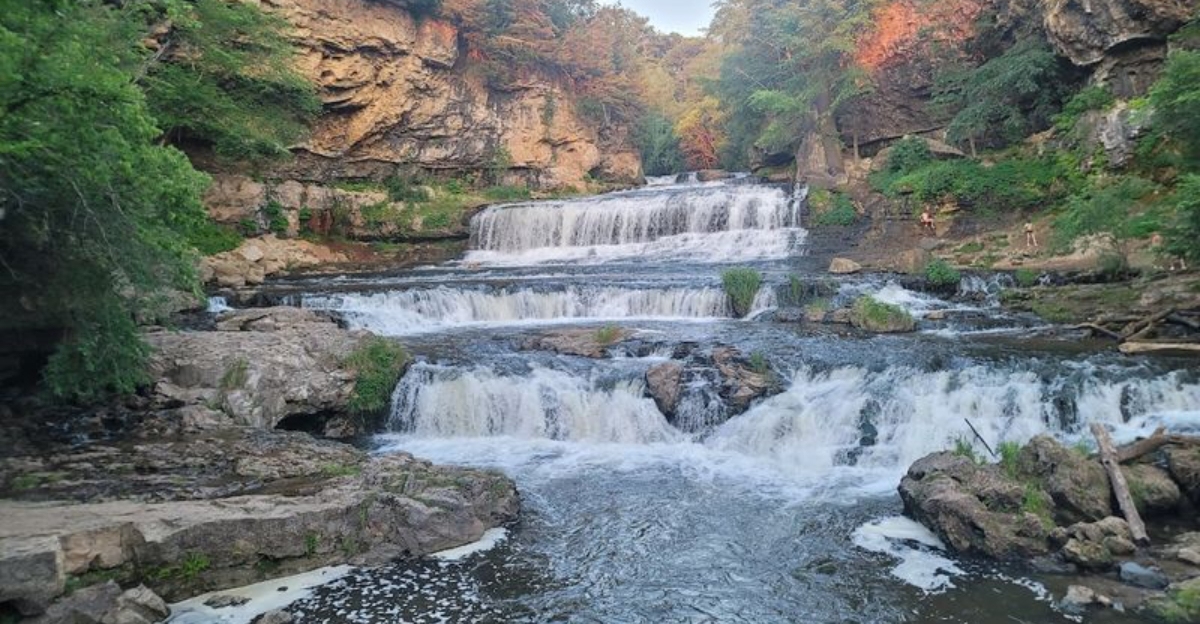
This beautiful falls stands as one of Wisconsin’s most compelling natural attractions, drawing visitors with its dramatic three-tiered cascade that spans the width of the Willow River. Located within Willow River State Park near Hudson, this waterfall delivers a powerful visual experience that shifts with the seasons and rainfall patterns.
The combination of accessible trails, viewing platforms, and the raw beauty of layered rock formations makes this destination worthy of attention for anyone exploring the western edge of Wisconsin.
A Wide, Multi-Layered Waterfall That Stretches Across The River
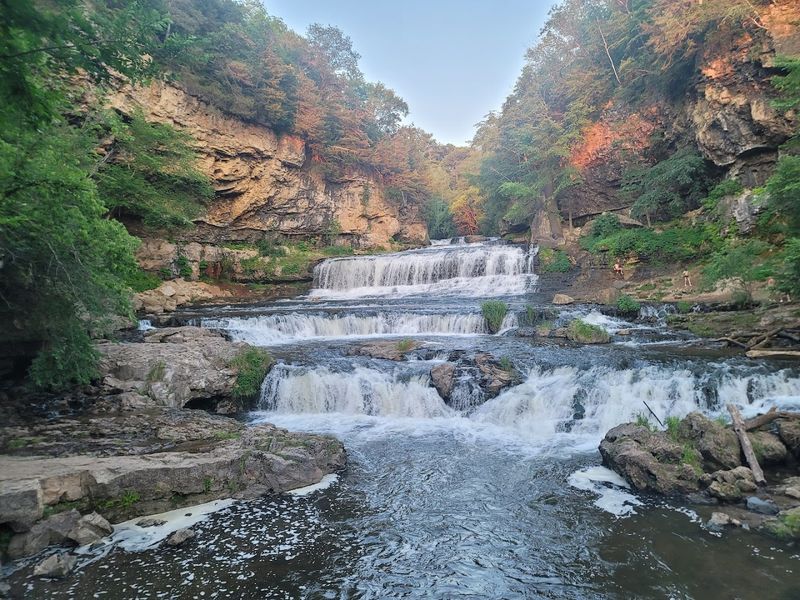
Water spreads across nearly the entire width of the Willow River at this location, creating a horizontal display that differs markedly from narrow, plunging falls found elsewhere in the region. The breadth of the cascade means visitors can watch water tumble simultaneously across multiple channels, each section following its own path down the layered rock face.
Standing before this waterfall, you notice how the river commits fully to its descent rather than funneling into a single chute. The geological formation beneath the surface has shaped this wide profile over thousands of years, carving shelves and ledges that guide the water into its present configuration.
Photographers appreciate the compositional challenge this width presents. Capturing the full scope requires stepping back, while close approaches reveal intricate details in individual sections.
The expansive nature of the falls creates a sense of abundance, particularly during periods of high flow when every inch of rock participates in the spectacle.
A Series Of Cascading Drops That Create A Tiered Effect
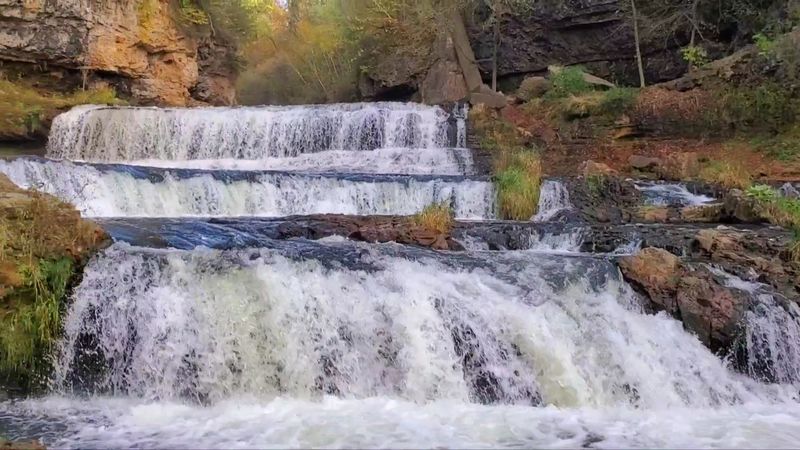
Three distinct levels define the structure of Willow Falls, each tier separated by a shelf of ancient rock that interrupts the water’s descent. This stepped arrangement creates visual rhythm as water completes one drop, gathers briefly, then continues to the next level.
The middle tier often appears most dramatic, positioned at eye level from certain viewing angles.
Geological forces carved these shelves from sedimentary layers that resisted erosion differently depending on their composition. Harder stone remained while softer material washed away, leaving behind the stair-step pattern visible today.
Each tier has developed its own character through centuries of constant water flow.
The tiered structure produces varied sounds that blend into a complex acoustic signature. Upper sections generate higher-pitched splashes while lower tiers contribute deeper tones.
Visitors standing near the base experience this layered soundtrack, a natural composition that changes volume and pitch with seasonal water levels.
One Of The Most Visually Striking Waterfalls In Wisconsin
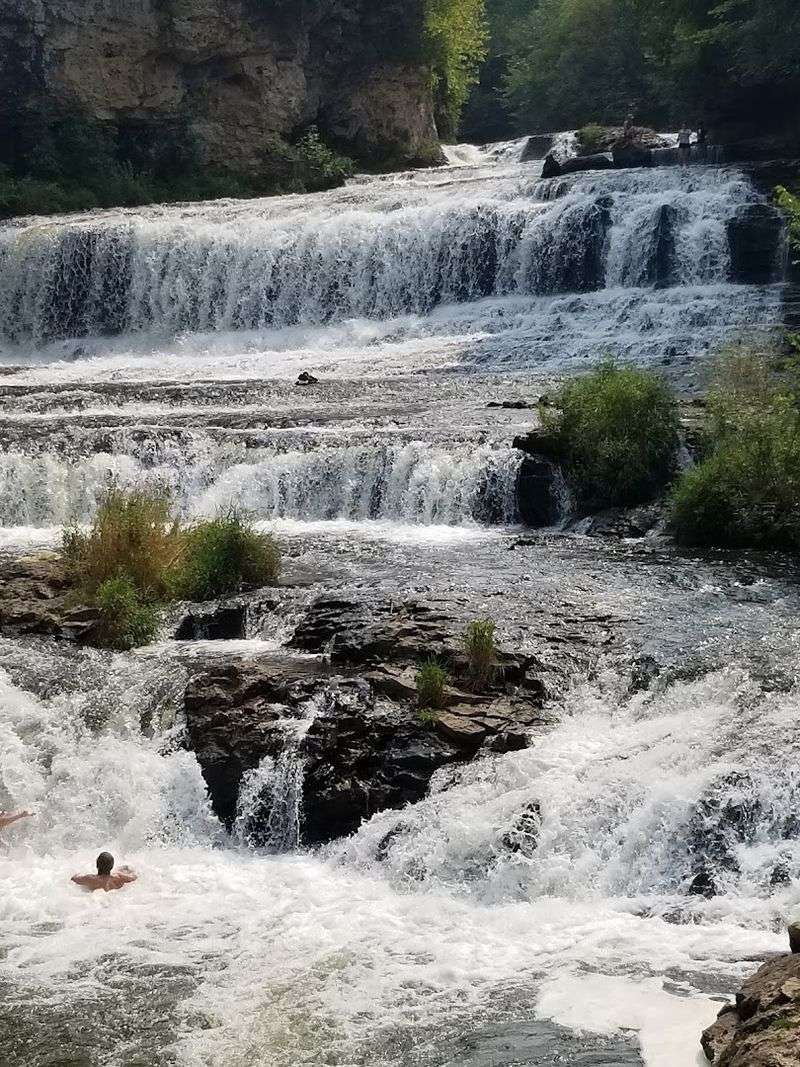
Few waterfalls in Wisconsin command attention quite like Willow Falls, where scale and setting combine to create memorable impact. The combination of width, height, and the surrounding gorge amplifies the visual drama beyond what measurements alone might suggest.
Rock walls frame the cascade, focusing attention on the falling water while providing textural contrast.
Lighting conditions transform the appearance throughout the day. Morning sun illuminates the falls from the east, creating sparkle on the water surface.
Afternoon light penetrates deeper into the gorge, revealing colors in the rock face. Overcast days produce softer, more even illumination that emphasizes form over glitter.
Seasonal variations add another dimension to the visual experience. Spring runoff creates maximum volume and force.
Summer reveals more of the underlying rock structure as flow diminishes. Autumn frames the falls with color, while winter introduces ice formations that alter the appearance entirely.
Each season presents a different version of the same fundamental scene.
Located Within Willow River State Park Just Minutes From Hudson
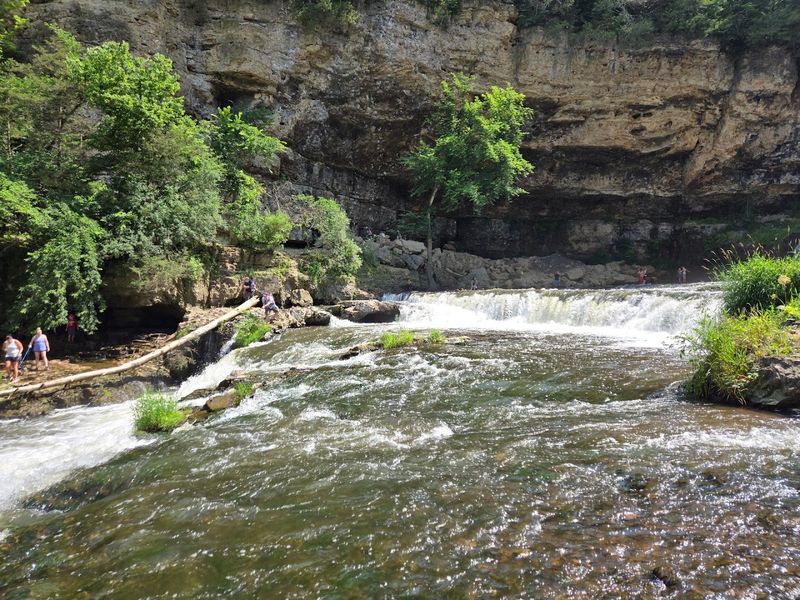
Willow River State Park encompasses the waterfall within its 2,891 acres, providing not just access but context for the natural feature. The park entrance lies approximately three miles east of Hudson, a convenient distance that makes the falls accessible without requiring extensive travel into remote territory.
Park infrastructure supports the visitor experience with maintained trails, parking areas, and basic facilities.
Hudson itself sits along the St. Croix River, offering additional amenities for those planning a longer visit to the area. The proximity to this small city means services remain close at hand while the park preserves a sense of separation from urban development.
Many visitors combine a waterfall visit with exploration of Hudson’s downtown or riverfront areas.
The park operates under Wisconsin Department of Natural Resources management, maintaining standards for conservation and public use. A vehicle admission sticker provides entry, with annual passes available for frequent visitors.
Park hours extend from 6 AM to 11 PM daily, giving flexibility for early morning or evening visits when crowds thin.
A Scenic Hike That Leads To A Rewarding Waterfall View
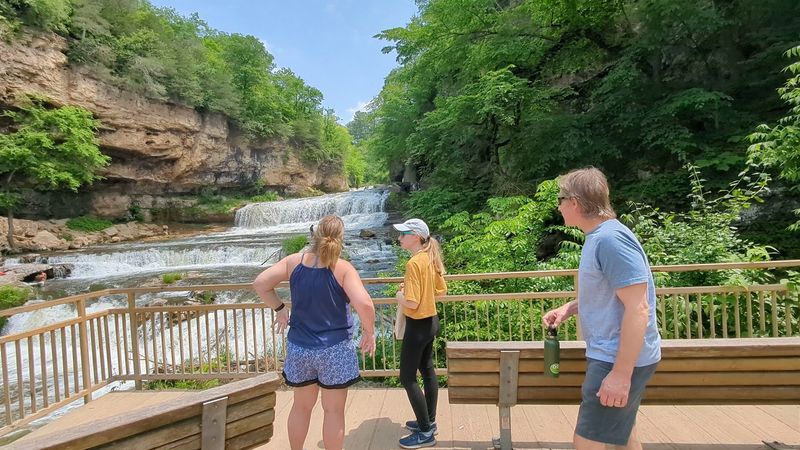
The trail from the parking area to Willow Falls descends approximately 200 feet over roughly half a mile, following a paved and stepped path that accommodates most fitness levels. The route winds through mixed hardwood forest before emerging at the gorge rim where the waterfall comes into view.
This approach builds anticipation gradually rather than revealing the destination immediately.
Descent proves easier than the return climb, a reality that catches some visitors unprepared for the uphill effort required to reach their vehicles. The grade remains steady rather than extreme, but the cumulative elevation change demands reasonable conditioning.
Benches positioned along the trail offer rest opportunities for those who need to pace themselves.
Trail maintenance keeps the path accessible throughout the operating season, though conditions vary with weather. Spring mud and autumn leaves can create slippery sections.
Winter brings ice that requires traction devices for safe passage. The reward for completing this hike remains consistent regardless of season: standing before one of Wisconsin’s most impressive waterfalls.
Seasonal Water Levels That Change The Falls Throughout The Year
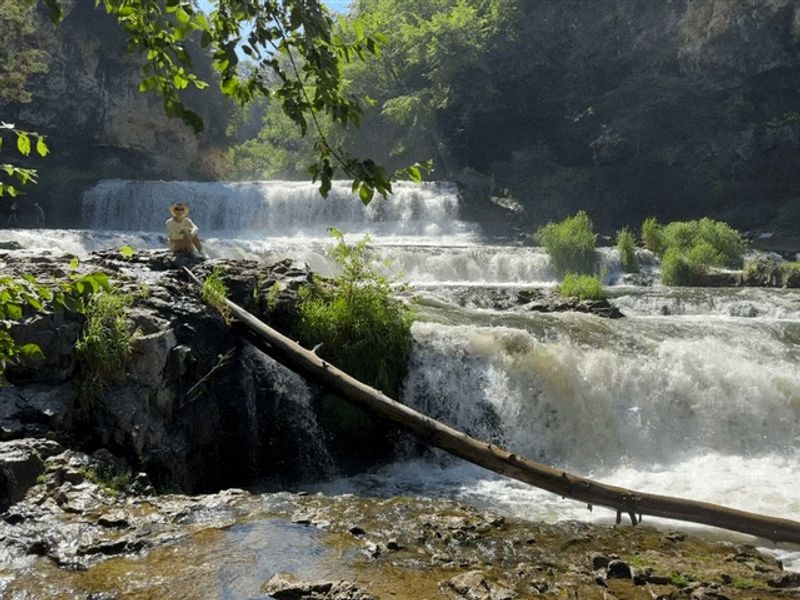
Spring snowmelt and rainfall push water levels to their annual peak, transforming Willow Falls into a thundering display of hydraulic power. During these high-flow periods, water covers nearly every inch of rock, creating a solid curtain that obscures the underlying structure.
The sound intensifies, mist rises higher, and the force of falling water becomes almost tangible from viewing areas.
Summer typically brings reduced flow as precipitation decreases and vegetation consumes more groundwater. The waterfall reveals more of its skeletal framework during these months, exposing rock shelves and channels that disappear during wetter seasons.
Individual streams become distinct rather than merging into a unified sheet, creating a different but equally interesting appearance.
Autumn maintains moderate levels in most years, though October storms can produce temporary surges. Winter introduces ice that builds gradually on rock faces and spray zones, creating formations that expand throughout the cold season.
These frozen additions alter the visual composition substantially, sometimes creating ice curtains that rival the water flow itself in visual impact.
A Viewing Area That Lets You Take In The Full Width Of The Falls
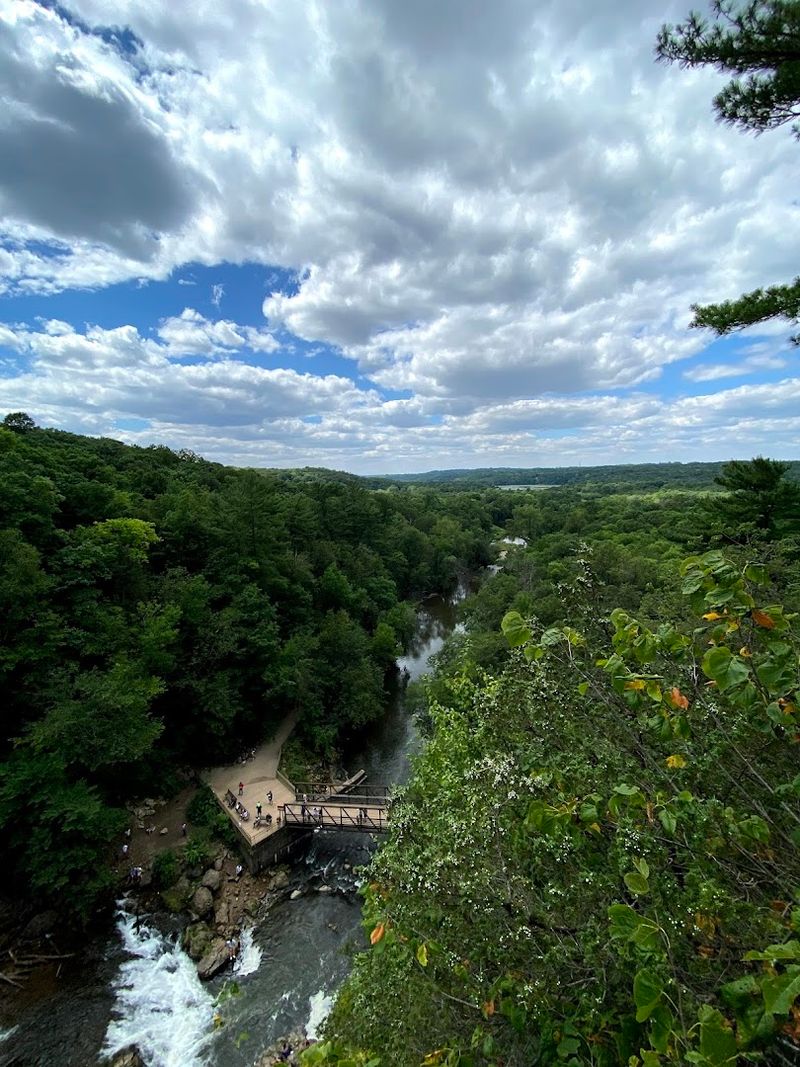
A constructed viewing platform sits at the base of the trail, positioned to maximize sight lines across the entire waterfall complex. This deck provides stable footing and safety railings while keeping visitors at a respectful distance from the most hazardous areas.
The elevation and angle of the platform capture both the width and height of the falls in a single view.
Benches on the platform allow extended observation without standing fatigue, useful for those who want to watch light changes or simply absorb the scene at a relaxed pace. The structure accommodates multiple visitors simultaneously, though crowding occurs during peak visitation periods.
Early morning or weekday visits often provide more spacious viewing opportunities.
Beyond the official platform, rocky areas near the water allow closer approach for those willing to navigate uneven terrain. These informal vantage points offer different perspectives and the chance to feel spray from the falling water.
Care becomes essential in these zones, as wet rocks present slip hazards and water currents can surprise the unwary.
A Popular Spot That Still Feels Peaceful On Quieter Days
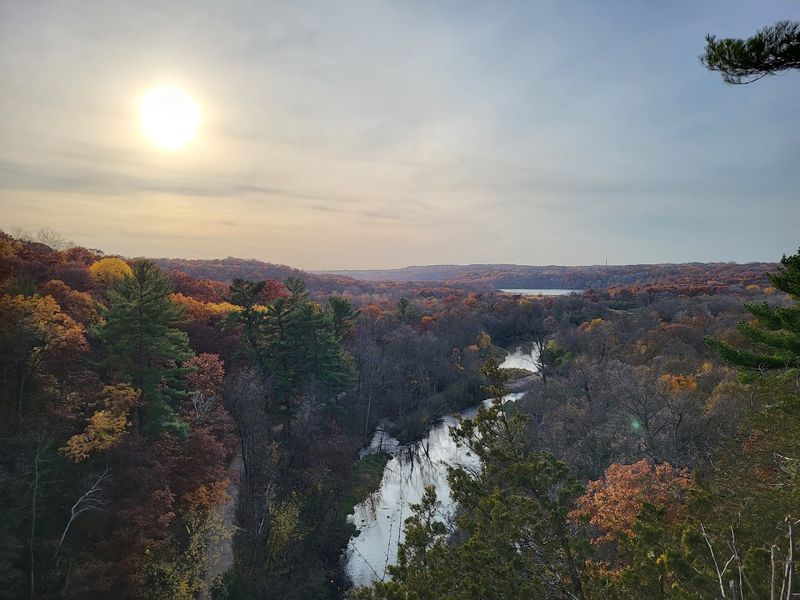
Willow Falls attracts substantial visitation, particularly during summer weekends and autumn color peak, when parking lots fill and trails see steady traffic. The waterfall’s reputation and accessibility make it a natural draw for families, photographers, and casual nature seekers.
During these busy periods, the experience becomes more social, with conversations and activity creating a different atmosphere than solitude seekers might prefer.
Timing visits for early mornings or weekday afternoons dramatically changes the experience. Arriving shortly after the park opens often means encountering few other visitors, allowing uninterrupted contemplation of the falls.
Late afternoon visits in shoulder seasons can provide similar solitude, though lighting conditions differ from morning hours.
Even during busier times, the scale of the waterfall and surrounding gorge prevents the site from feeling completely overrun. The natural acoustics mean falling water remains audible above human voices.
Multiple viewing angles allow visitors to find their own space rather than clustering at a single point. The experience remains worthwhile across varying crowd conditions.
Surrounding Trails That Add To The Overall Experience
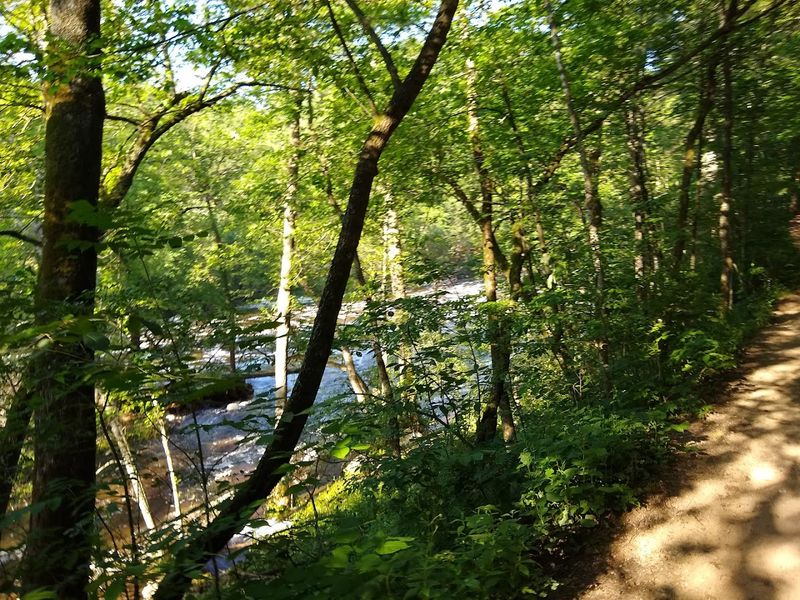
Willow River State Park maintains an extensive trail network beyond the main waterfall route, offering opportunities to extend visits into longer explorations. These paths wind through varied terrain including hardwood forest, prairie remnants, and riverside corridors.
Total trail mileage exceeds nine miles, with options ranging from short loops to longer excursions that reveal different aspects of the park landscape.
The Nature Trail provides a shorter alternative that still delivers forest scenery without the elevation change required for the waterfall route. Other trails follow the Willow River upstream or downstream from the falls, showing how the waterway behaves in calmer sections.
These routes see less traffic than the main attraction, providing quieter walking experiences.
Trail connections allow creative route planning for those wanting varied scenery without retracing steps. Combining the waterfall visit with an upstream river walk creates a satisfying half-day outing.
Spring wildflowers, summer shade, autumn color, and winter snow tracking each bring seasonal appeal to these supplementary trails that complement the waterfall as the park’s centerpiece feature.
A Natural Setting That Highlights Wisconsin’s Unique Landscape
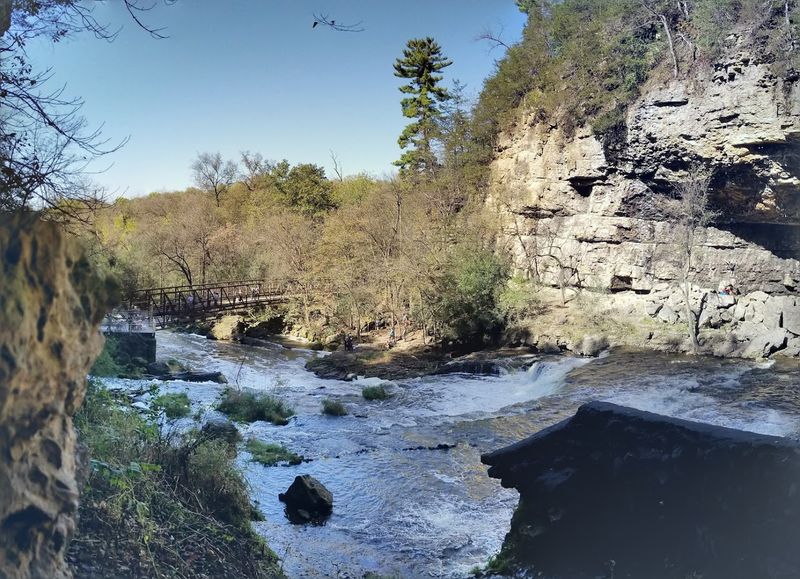
Willow Falls occupies a gorge carved through bedrock that tells geological stories spanning millions of years. The rock layers visible in the gorge walls represent ancient environments from when this region lay beneath shallow seas.
Sedimentary deposits accumulated, compressed, and eventually rose above sea level, only to face erosion by rivers like the Willow that continue reshaping the landscape today.
The surrounding forest reflects Wisconsin’s position in the transition zone between eastern deciduous woodlands and northern coniferous forests. Oak, maple, and basswood dominate the canopy, with understory plants adapted to the rocky, well-drained soils typical of this terrain.
This vegetative community provides habitat for wildlife including white-tailed deer, various bird species, and smaller mammals that thrive in mixed forest environments.
The combination of flowing water, exposed rock, and forest creates an ecosystem distinct from the agricultural landscapes that characterize much of Wisconsin. State parks like this preserve examples of how the region appeared before European settlement altered the land extensively.
Willow Falls serves as both scenic attraction and ecological reference point.