
14 Scenic Wisconsin Bike Trails That Will Instantly Upgrade Your Spring Plans
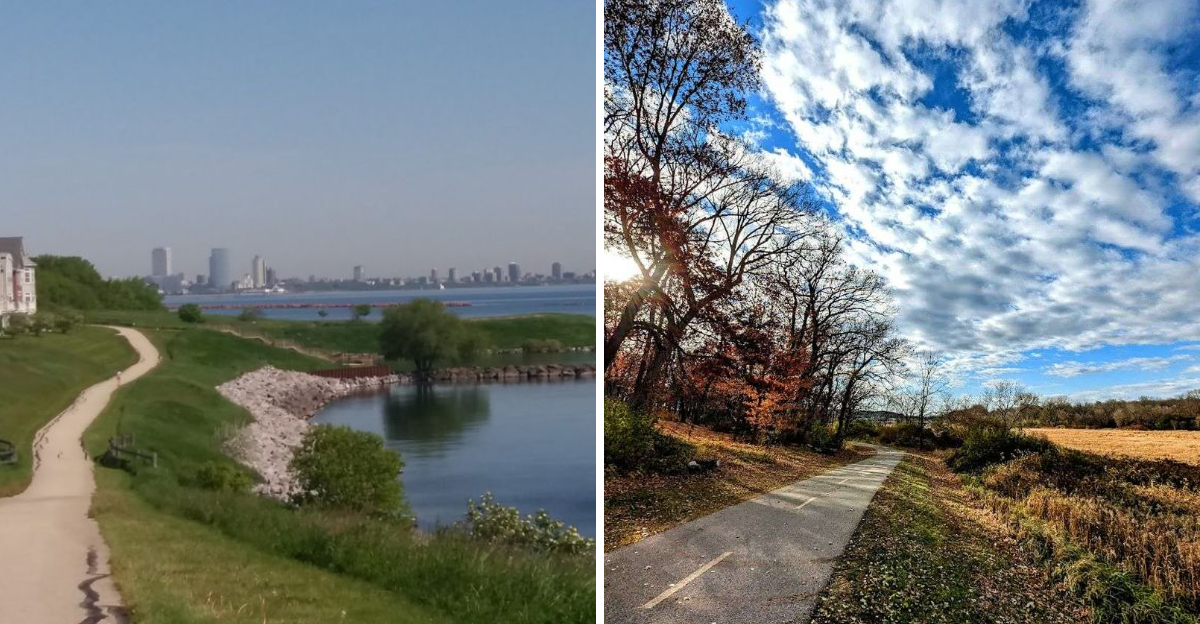
Spring shows up fast in Wisconsin, and suddenly the urge to get outside feels impossible to ignore. Trails that sat quiet all winter start calling again, lined with fresh green views, open skies, and just enough warmth to keep you going for miles.
It’s the perfect time to trade routine for something a little more refreshing. These 14 scenic bike trails deliver exactly that, with routes that wind past lakes, through forests, and across countryside that looks even better in motion.
1. Elroy-Sparta State Trail (Elroy–Sparta)
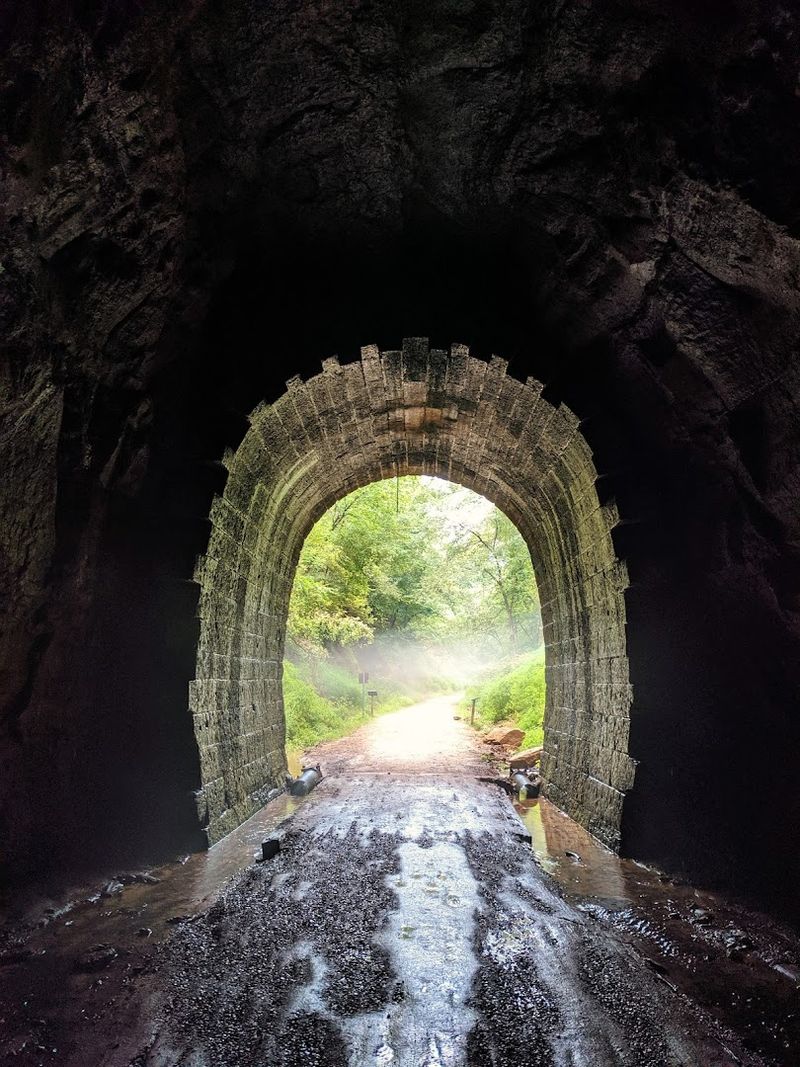
Riding through three massive tunnels carved into solid rock feels like traveling back in time to when trains rumbled through these same passages. Built in 1873, this 32-mile trail was America’s first rail-to-trail conversion, and it set the standard for what these paths could become.
Cool air hits your face as you enter each tunnel, and you’ll want a headlamp because the longest one stretches 3,810 feet into complete darkness. Between tunnels, the trail winds through farmland, forests, and small towns where you can stop for ice cream or lunch.
Spring brings blooming wildflowers along the crushed limestone path, and the gentle grade makes this perfect for families or anyone looking for a relaxed ride. Pack layers because those tunnels stay chilly even on warm days, and bring cash for snacks in the charming trail towns along the way.
2. Oak Leaf Trail (Milwaukee County)
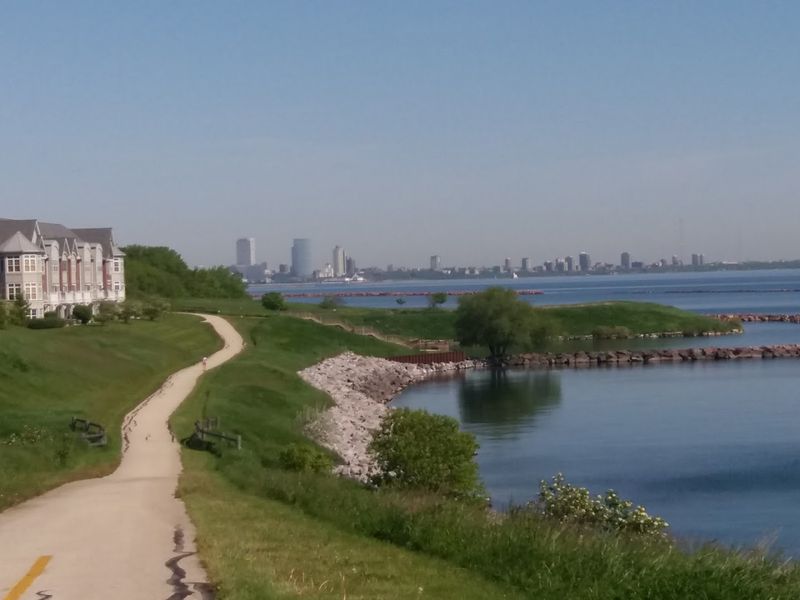
Milwaukee’s 125-mile trail system wraps around the entire county like a green ribbon, connecting parks, beaches, and neighborhoods in one continuous loop. You can ride past Lake Michigan’s sparkling waters one minute and through quiet forest the next, all without leaving the trail.
The lakefront section offers stunning views of downtown Milwaukee and cool breezes off the water, while inland portions take you through ravines and alongside rivers. Spring brings migrating birds to the parks, and you might spot herons or egrets near the water.
Because the trail circles the county, you can start anywhere and create rides of any length you want. The paved surface handles road bikes beautifully, and frequent access points mean you’re never far from food, restrooms, or interesting stops like breweries and museums that make Milwaukee famous.
3. Glacial Drumlin State Trail (Waukesha–Cottage Grove)
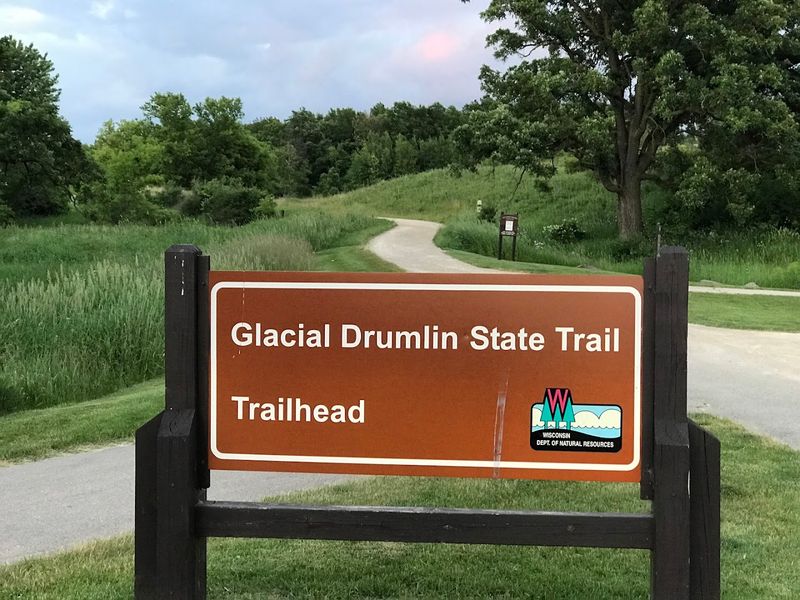
Ancient glaciers shaped the landscape you’ll ride through, creating the distinctive rounded hills called drumlins that give this 52-mile trail its name. Geography lessons come alive when you see these formations rising from the farmland, reminding you that massive ice sheets once covered everything here.
Starting near Milwaukee’s western suburbs, the trail stretches east through small towns and agricultural land where dairy farms dot the horizon. Spring transforms the prairie sections into wildflower displays, and the relatively flat terrain means you can cover serious distance without exhausting yourself.
The crushed limestone surface works well for hybrid or mountain bikes, though road bikes with wider tires handle it fine too. Plan stops in Lake Mills to see the historic Aztalan State Park, or grab supplies in any of the welcoming communities that appreciate trail visitors and offer genuine Wisconsin hospitality.
4. Capital City State Trail (Madison)
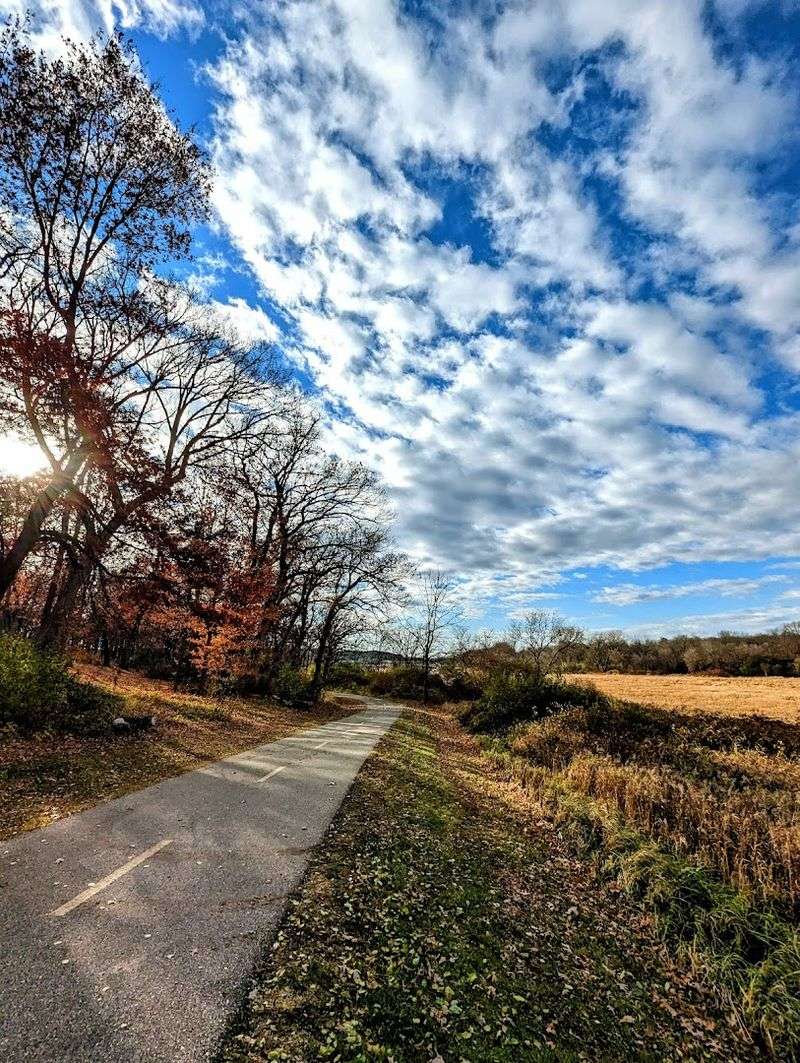
Madison’s trail network connects the city’s vibrant neighborhoods, beautiful lakes, and the iconic State Capitol in a 17-mile loop that shows off everything that makes this city special. You’ll pedal past college students, professionals commuting to work, and families out for weekend rides on one of America’s most bike-friendly paths.
The trail follows old railroad corridors and connects to other paths, letting you extend your ride almost indefinitely around the city’s lakes and parks. Spring brings cherry blossoms near the Capitol and activity to the farmers’ markets and outdoor cafes that line your route.
Mostly paved and perfectly maintained, this trail works for any bike and any skill level, from beginners to experienced cyclists training for longer rides. Stop at one of Madison’s famous breweries or restaurants along the way, because this trail puts you right in the heart of the city’s food and culture scene.
5. Fox River State Trail (Green Bay–De Pere)
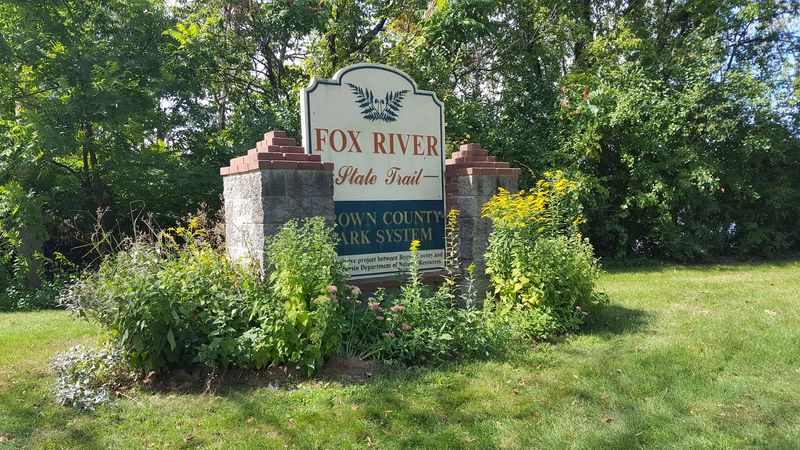
Following the Fox River through the heart of Northeast Wisconsin’s industrial heritage, this 25-mile trail tells the story of the paper mills and factories that built the region. Converted from an old railroad line, the paved path runs from Green Bay south to the village of Hilbert, passing through several communities along the way.
You’ll ride alongside the river for much of the route, watching it flow and change character from urban waterway to more natural setting. Spring brings new life to the riverbanks, with trees leafing out and wildlife becoming active after winter’s rest.
The flat, smooth pavement makes this ideal for road bikes and casual riders who want distance without difficulty, and the frequent towns offer plenty of places to rest or refuel. De Pere’s historic downtown sits right on the trail, offering restaurants and shops in buildings that date back generations, connecting you to Wisconsin’s past while you enjoy its present beauty.
6. Ozaukee Interurban Trail (Cedarburg–Port Washington)
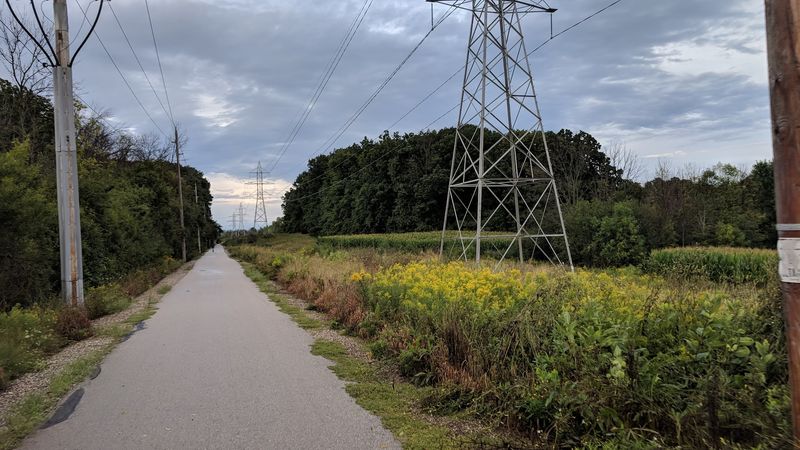
Cedarburg’s historic charm meets Lake Michigan’s beauty on this 30-mile trail that connects quaint downtown areas with stunning lakefront views. Old electric railroad corridors from the early 1900s now carry cyclists instead of passengers, preserving the route while giving it new purpose.
The northern section brings you right to Port Washington’s harbor, where you can watch boats and feel the lake breeze on your face. Spring means fewer crowds than summer but all the beauty, with trees budding and the water sparkling in the warming sunshine.
Cedarburg itself deserves a long stop, with its preserved historic buildings, antique shops, wineries, and restaurants that make it one of Wisconsin’s most charming small towns. The mostly crushed limestone surface handles all bike types well, and the gentle terrain means you can focus on the scenery instead of struggling with hills or rough conditions that might slow you down.
7. La Crosse River State Trail (Sparta–La Crosse)
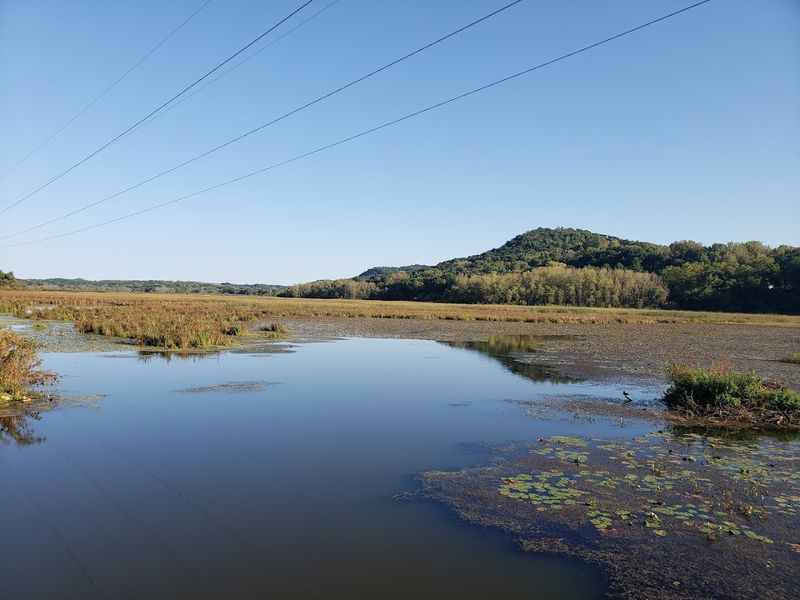
Western Wisconsin’s dramatic bluff country creates a backdrop so stunning you’ll stop frequently just to take it all in. This 22-mile trail follows the La Crosse River valley, where limestone cliffs rise hundreds of feet above the water and create scenery unlike anywhere else in the state.
Starting in Sparta, the trail runs northwest to La Crosse, passing through wetlands, forests, and farmland that change with every mile you ride. Spring migration brings countless birds to the river valley, and wildflowers carpet the forest floor in colors that brighten even cloudy days.
The crushed limestone surface stays in excellent condition, and the relatively flat grade follows the old railroad bed that once carried passengers and freight through this same valley. La Crosse offers fantastic restaurants and breweries at the trail’s end, rewarding your ride with good food and the satisfaction of completing one of Wisconsin’s most beautiful routes through landscapes that feel almost untouched by time.
8. 400 State Trail (Elroy–Reedsburg)
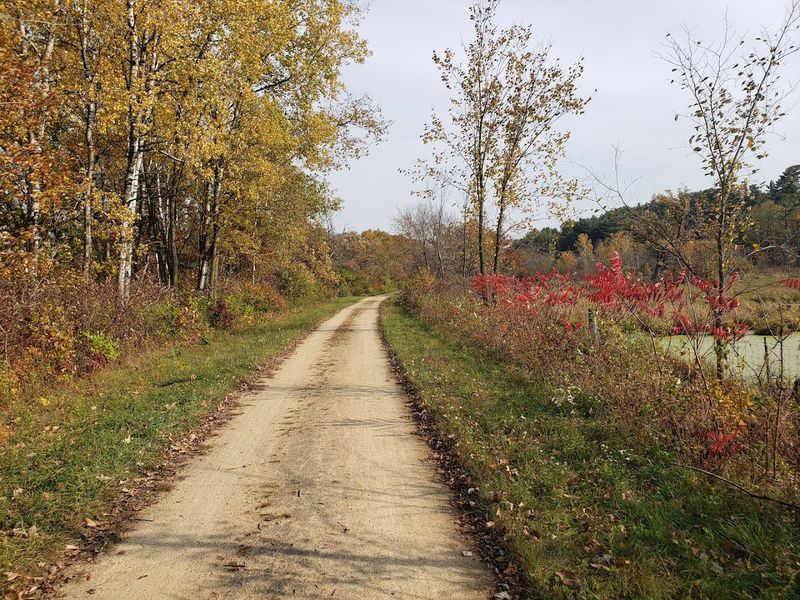
Named after the famous Chicago and North Western Railway’s 400 train, this 22-mile trail carries you through the unique Baraboo Hills, some of the oldest rock formations on Earth. Geology enthusiasts get excited about riding over quartzite that formed nearly two billion years ago, but you don’t need a science degree to appreciate the distinctive landscape.
Running between Elroy and Reedsburg, the trail crosses several bridges and passes through forests and farmland that showcase central Wisconsin’s diverse terrain. Spring brings wildflowers to the prairie sections, and the relatively remote feel makes this perfect for riders seeking quieter experiences away from busier trails.
The crushed limestone surface works for most bikes, and the gentle grades make the distance manageable for average riders looking for a solid workout without extreme difficulty. Reedsburg sits near Wisconsin Dells, so you can combine your ride with other area attractions, creating a full day or weekend of outdoor adventure in one of the state’s most interesting regions.
9. Military Ridge State Trail (Madison–Dodgeville)
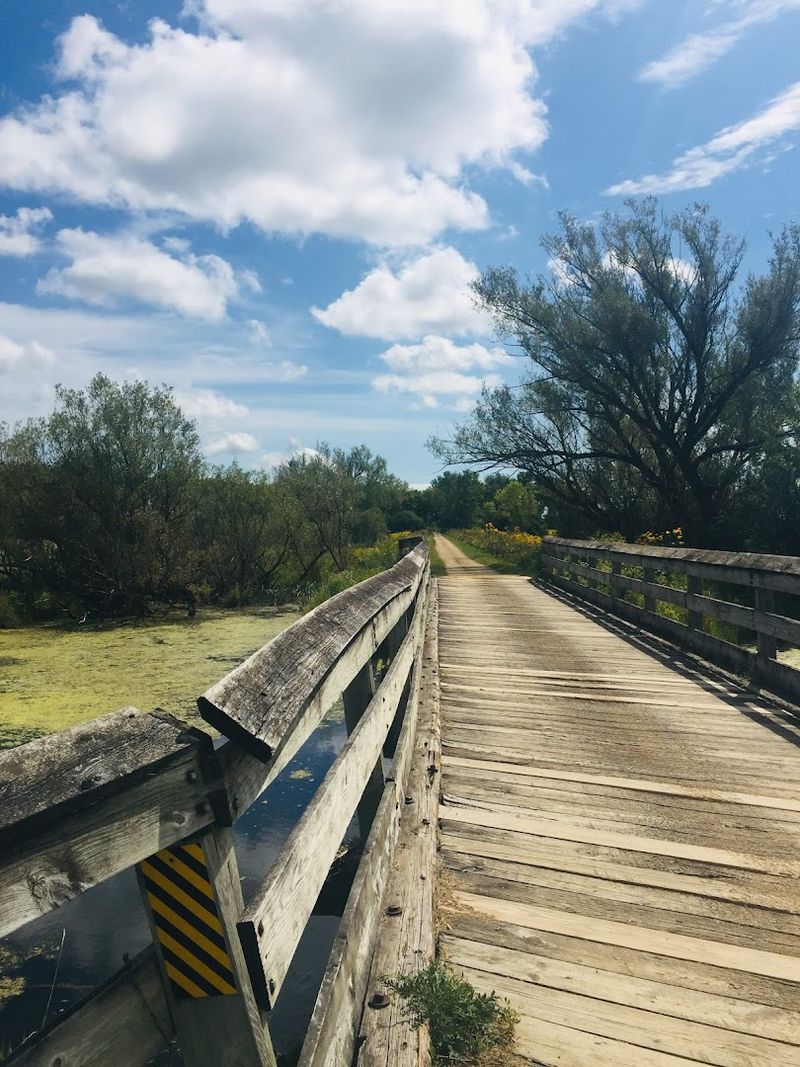
Following an old military road that connected frontier forts in the 1830s, this 40-mile trail takes you through southwestern Wisconsin’s beautiful Driftless Area, where glaciers never flattened the landscape. Rolling hills, deep valleys, and unique topography create scenery that stands apart from the rest of the state.
Starting on Madison’s west side, the trail runs southwest to Dodgeville, passing through small towns like Verona, Mount Horeb, and Blue Mounds. Spring transforms the prairie sections into wildflower gardens, and the forested areas burst with new growth after winter’s dormancy.
The crushed limestone surface handles all bike types, though the rolling terrain provides more challenge than flatter trails, rewarding you with better views and a greater sense of accomplishment. Mount Horeb’s quirky troll sculptures and Norwegian heritage make it a fun midpoint stop, while Blue Mound State Park offers stunning overlook views that extend for miles across the unglaciated landscape that makes this region so distinctive and beautiful.
10. Ahnapee State Trail (Sturgeon Bay–Algoma–Casco)
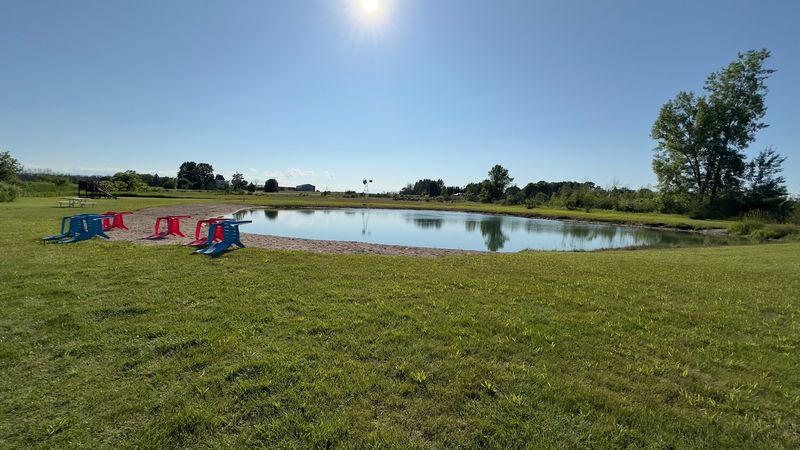
Door County’s charm extends beyond its famous shoreline to this 48-mile trail that winds through orchards, farmland, and forests in Wisconsin’s beloved peninsula. Cherry and apple trees bloom in spring, creating tunnel-like sections of white and pink blossoms that feel almost magical when you ride through them.
The trail connects Sturgeon Bay, Algoma, and Casco, giving you access to three distinct communities with their own character and attractions. Spring means fewer tourists than summer, so you’ll have the trail mostly to yourself while still finding restaurants and shops open in the towns.
Most of the trail uses crushed limestone, with some sections on rural roads that carry minimal traffic and connect the off-road portions seamlessly. The relatively flat terrain and beautiful scenery make this perfect for leisure riders who want distance without difficulty, and the Door County location means you can combine cycling with the peninsula’s famous fish boils, wineries, and waterfront views that draw visitors from across the Midwest every year.
11. Tuscobia State Trail (Rice Lake–Park Falls)
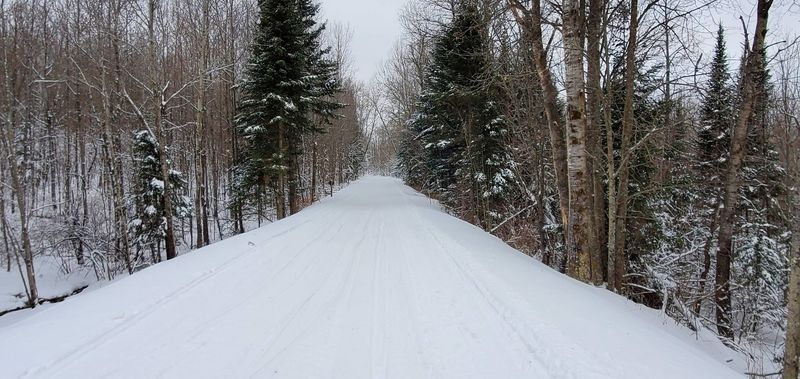
Northern Wisconsin’s wilderness character defines this 74-mile trail that takes you deep into forest country where towns are few and nature dominates the landscape. Originally the Omaha Railroad line, the trail now serves cyclists seeking remote, peaceful rides far from urban areas and crowds.
Running from Rice Lake northeast to Park Falls, the trail passes through the Chequamegon-Nicolet National Forest, where tall pines and hardwoods create a canopy overhead. Spring brings migrating birds and emerging wildlife, and you might spot deer, turkey, or even black bears in this less-traveled region.
The natural surface works best for mountain bikes or hybrids with good tires, and the length and remoteness require proper planning with supplies and awareness of your abilities. This isn’t a casual afternoon ride but rather an adventure into Wisconsin’s northwoods, rewarding prepared riders with solitude, natural beauty, and the satisfaction of completing one of the state’s most challenging and remote trail experiences that few people ever attempt or complete.
12. Old Plank Road Trail (Sheboygan–Greenbush)
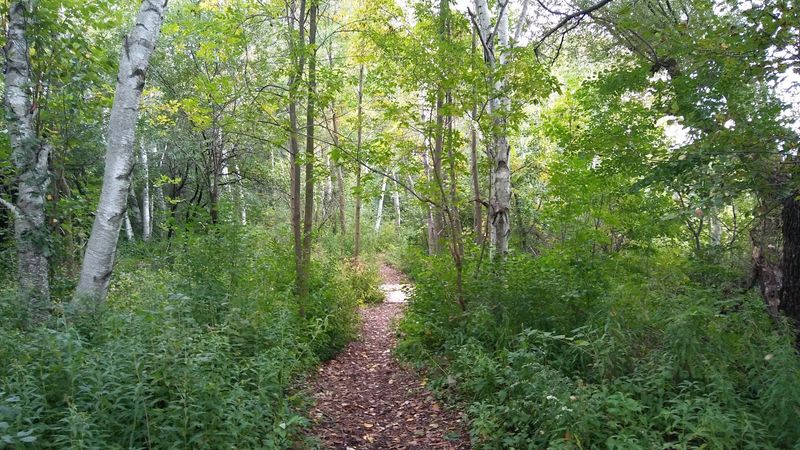
Sheboygan County’s 17-mile paved trail connects the Lake Michigan shoreline to the Kettle Moraine hills, giving you two distinct landscapes in one ride. Named after the historic plank road that once served the same route, the modern trail offers smooth pavement perfect for road bikes and casual riders of all ages.
Starting near Sheboygan’s lakefront, the trail heads west through farmland and small communities, gradually rising toward the Kettle Moraine’s glacial features. Spring brings color to the agricultural fields and forests, and the changing terrain keeps the ride interesting from start to finish.
The excellent pavement and gentle grades make this accessible for families and beginners, while the length still challenges riders looking for solid distance and exercise. Greenbush sits in the northern unit of Kettle Moraine State Forest, letting you extend your adventure with hiking or exploring the distinctive glacial landscape that makes this region geologically fascinating and visually stunning throughout every season but especially beautiful in spring’s fresh growth.
13. Eisenbahn State Trail (West Bend–Eden)
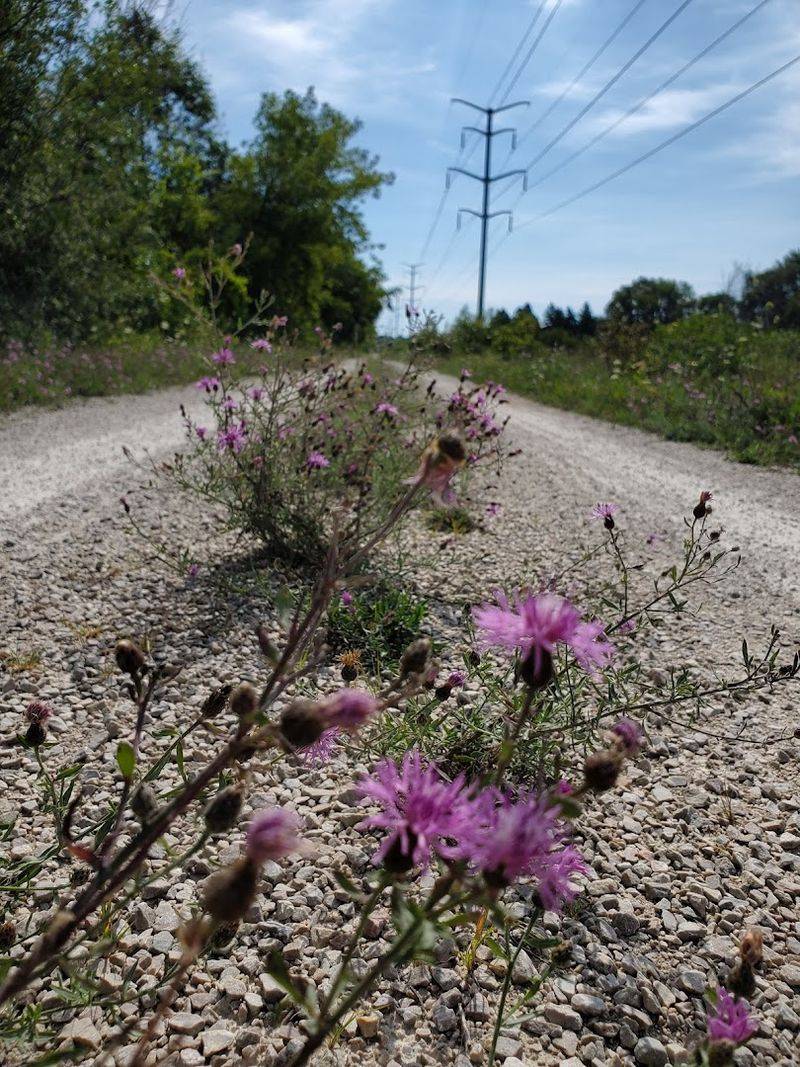
German heritage runs deep in this region, and the trail’s name reflects the railroad history that shaped southeastern Wisconsin’s development. Stretching 25 miles from West Bend to Eden, this crushed limestone path takes you through classic Wisconsin farmland, where dairy operations and crop fields create the pastoral scenery people imagine when they think of the state.
The trail follows the old Milwaukee Road corridor, passing through several small towns that offer convenient stops for food, water, or just stretching your legs. Spring brings new calves to the dairy farms and fresh green to the fields, creating photo opportunities around every bend.
Relatively flat and well-maintained, the trail accommodates all bike types and skill levels, making it popular with families and casual riders seeking pleasant outings without extreme challenges. West Bend’s downtown sits right on the trail, offering restaurants and shops before or after your ride, while the rural sections provide peaceful escape from urban areas and a chance to experience Wisconsin’s agricultural heritage that continues thriving in these communities today.
14. Kettle Moraine State Forest Trails (Eagle–Elkhart Lake)
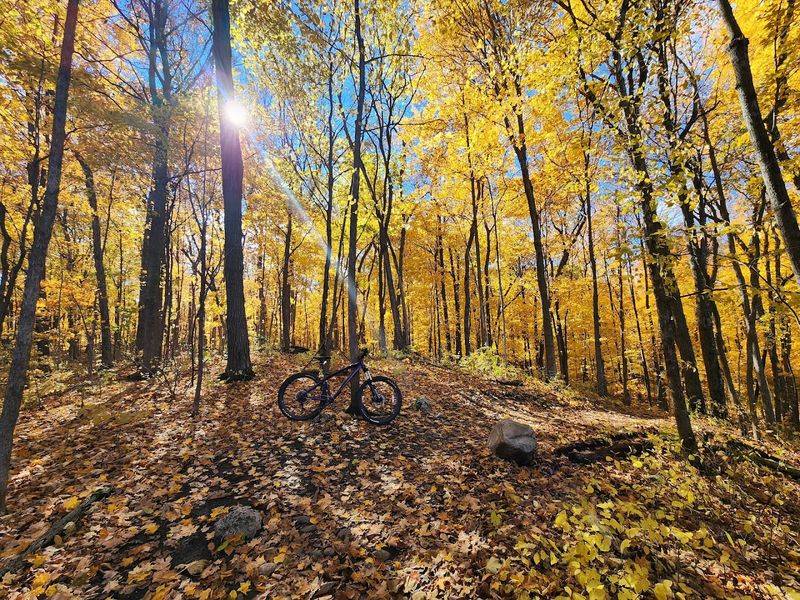
Glaciers carved this landscape into one of the most distinctive terrains in the Midwest, creating kettles, moraines, and kames that challenge riders and reward them with constantly changing scenery. Unlike rail-trails, these paths wind through actual wilderness, with roots, rocks, and hills that demand attention and skill from mountain bikers ready for real adventure.
The forest stretches over 56 miles north to south, with trails scattered throughout both northern and southern units that range from beginner-friendly to expert-only. Spring brings muddy conditions initially, but once trails dry, the forest explodes with wildflowers and new growth that makes every ride feel fresh.
Technical features, elevation changes, and natural obstacles make these trails perfect for riders seeking challenge beyond smooth, flat paths that require less skill or effort. The Ice Age National Scenic Trail intersects these bike paths, and the entire area tells the story of Wisconsin’s glacial past through landscapes you can touch, climb, and experience firsthand while getting an incredible workout and adventure you’ll talk about for months afterward.