
Tennessee Williams Was Born In This Mississippi Victorian House, And The Tour Costs Less Than A Sandwich
Some of the best stops on a Mississippi road trip are the ones you almost drive past. A pale Victorian house on a quiet street looked like any other pretty old home, until a small sign changed the whole afternoon.
It turns out one of America’s greatest playwrights spent his very first years inside those walls. Today the doors are open, the stories are ready, and the tour costs less than a sandwich.
A Victorian House With Two Jobs
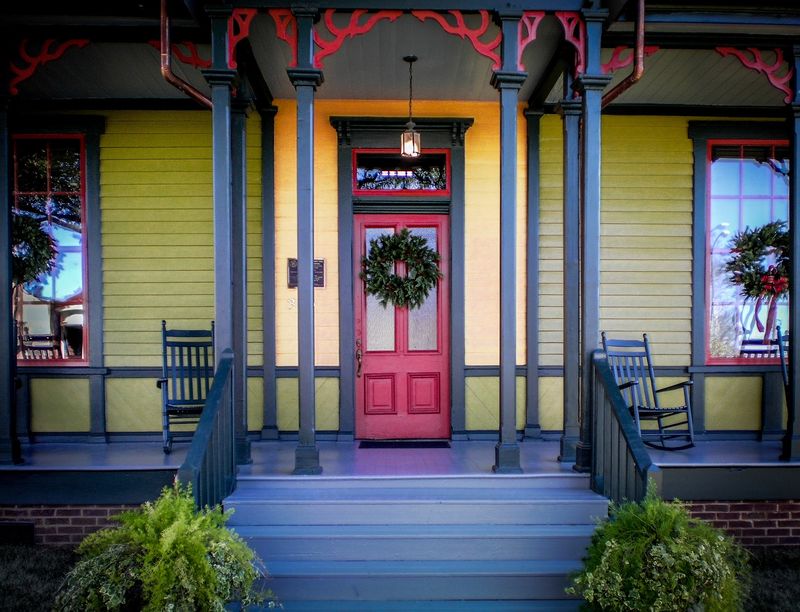
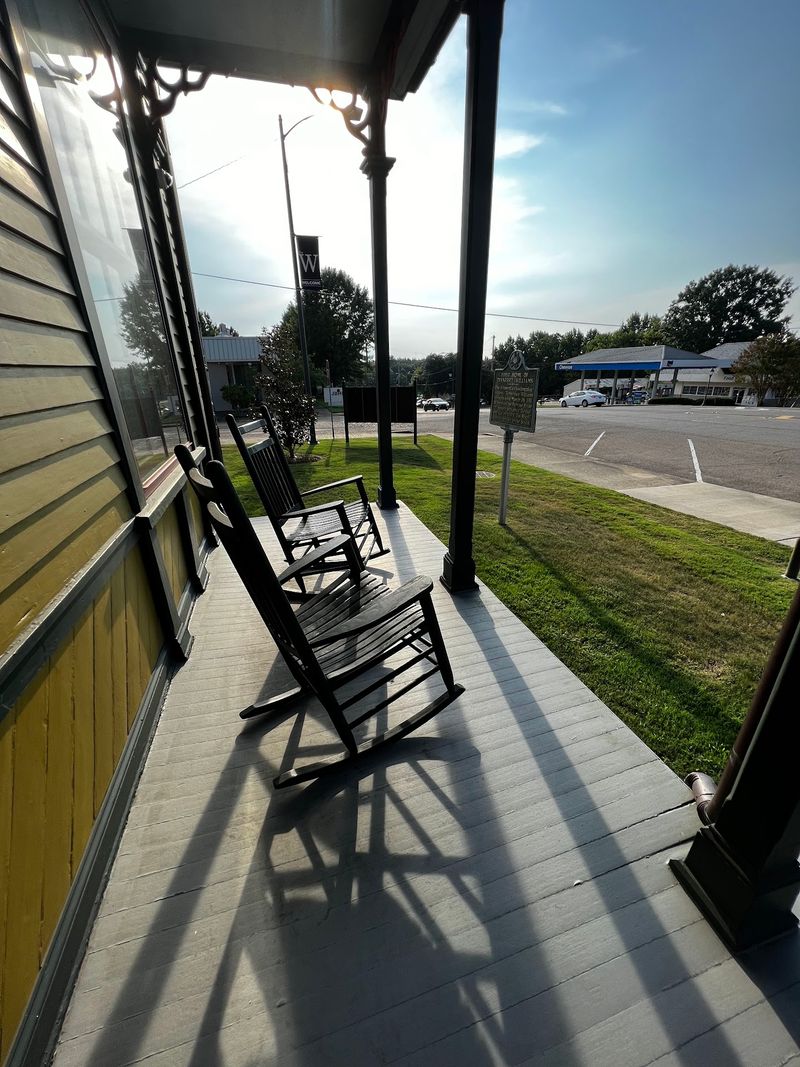
Picture a tidy Victorian house at 300 Main Street, its porch trim catching the afternoon light. From the curb, it looks like a lovingly kept family home.
Step inside, though, and you will find it is doing double duty.
The Tennessee Williams Home and Welcome Center works as a small museum honoring the famous playwright. It is also the official visitor center for the City of Columbus, Mississippi.
That means you can learn about a literary giant and grab maps and travel tips in the very same visit.
The house has been named a National Literary Landmark, a title given to places tied closely to important American writers. It is owned by the Columbus Cultural Heritage Foundation, a group that works to protect the city’s history.
Their care shows in the fresh paint, the polished floors, and the clear signs that help guests find their way.
Columbus sits in the northeastern part of the state, close to the Alabama line. The town is known for its old homes and leafy streets, so this stop fits right in.
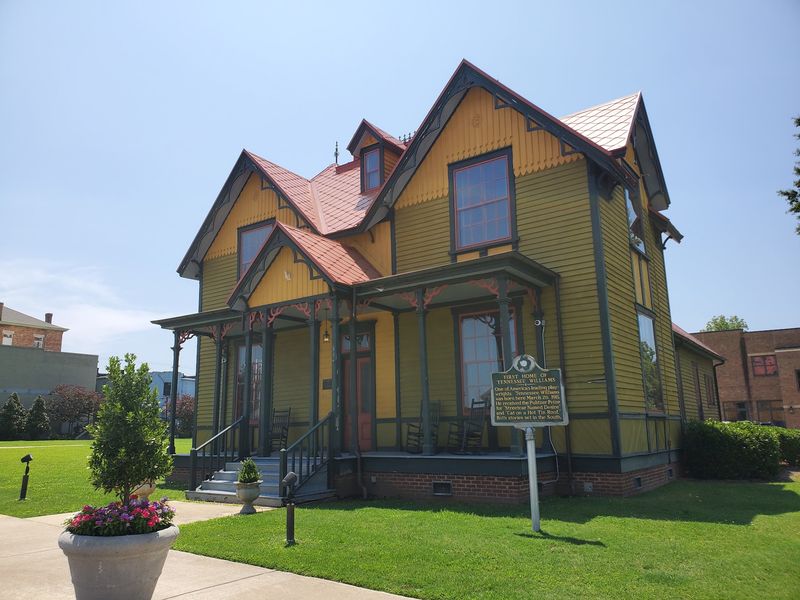
Even folks passing by after hours can read the historical placard out front and snap a photo of the handsome building.
The Rector’s Grandson, Born in 1911
Long before the world knew him as Tennessee, he was simply Tom. Thomas Lanier Williams III was born in this very house on March 26, 1911.
Back then, the building was not a museum at all, but the rectory for St. Paul’s Episcopal Church.
His grandfather, Reverend Walter Dakin, served as rector of that church. So the Williams family lived under his roof, close to the steady rhythm of church life and small-town routines.
Tom’s father worked as a traveling shoe salesman and was often away from home. His mother has been described as a faded Southern belle, a phrase that sounds almost like a character note from one of his plays.
Tom shared those early days with his older sister, Rose. A younger brother, Walter Dakin, joined the family later.
The family stayed in Columbus for about the first three years of Tom’s life, moving on around 1914 or 1915.
Three years may sound short. Yet scholars say these early surroundings shaped the writer he became.
In a letter to his grandfather, Williams said a large part of his writing was inspired by Columbus. The calm presence of his grandfather left him with a lasting fondness for Mississippi.
A Rescue Move in 1993
Houses usually stay put. This one did not, and that is the only reason you can visit it today.
In 1993, St. Paul’s Episcopal Church had plans to expand. The old rectory stood in the way, and it faced being torn down.
For a building connected to one of the country’s most celebrated playwrights, that would have been a heavy loss for the town and for fans of American theater.
Instead, local supporters stepped up with a bold idea. The house was carefully lifted and moved to its current spot on Main Street.
Moving a wooden Victorian home takes patience, planning, and a lot of teamwork, since every porch post and window frame has to survive the trip.
Think about that for a moment as you walk up the front steps. The floorboards under your shoes have traveled across town.
The walls that once heard a baby’s first cries were rolled down a city street to stay safe.
Docents often share this part of the story, and it tends to surprise people. It is a reminder that history does not always survive on its own.
Sometimes a community has to decide that a place matters and then do the hard work of keeping it.
Restoration Back to 1911
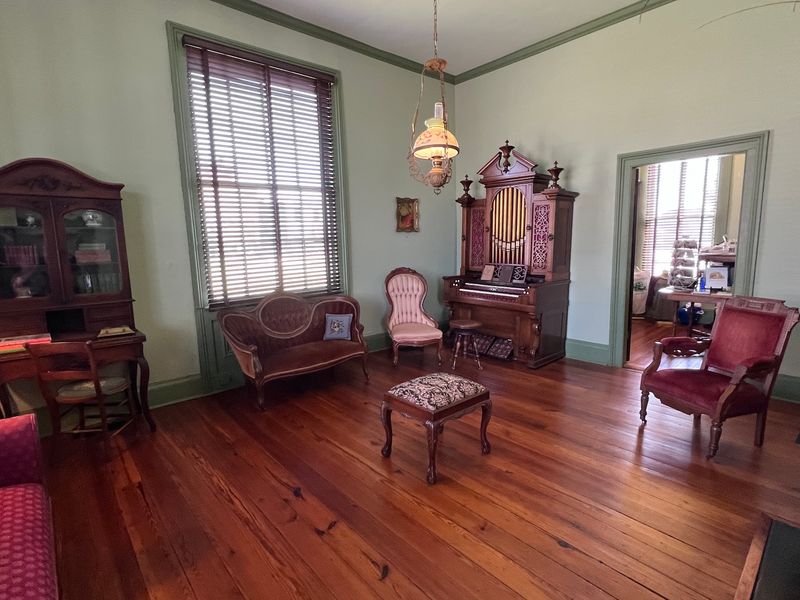
What would the rooms have looked like the year Tom was born? That question guided a big restoration project finished in 2010.
The goal was to bring the house back to its 1911 appearance, as close as careful work could manage.
The results are easy to spot. Visitors often talk about how beautiful the house is and how nicely it is decorated for the time period.
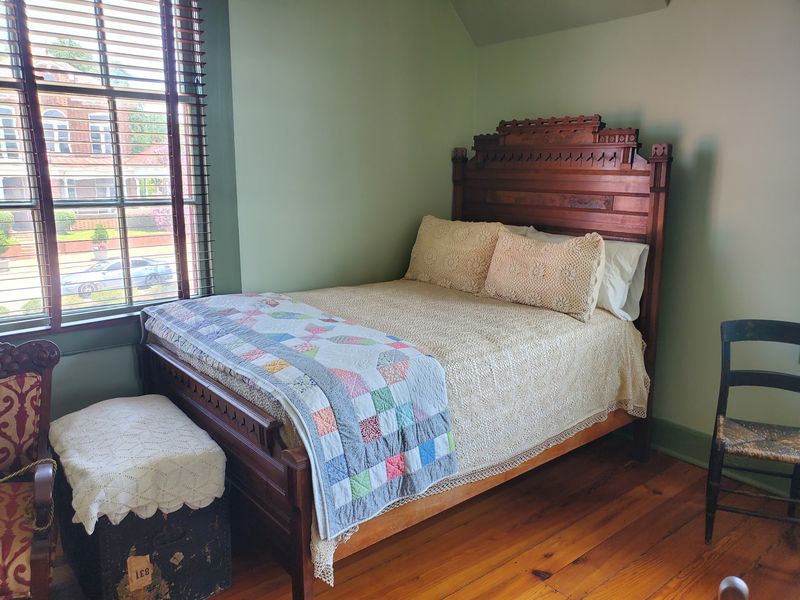
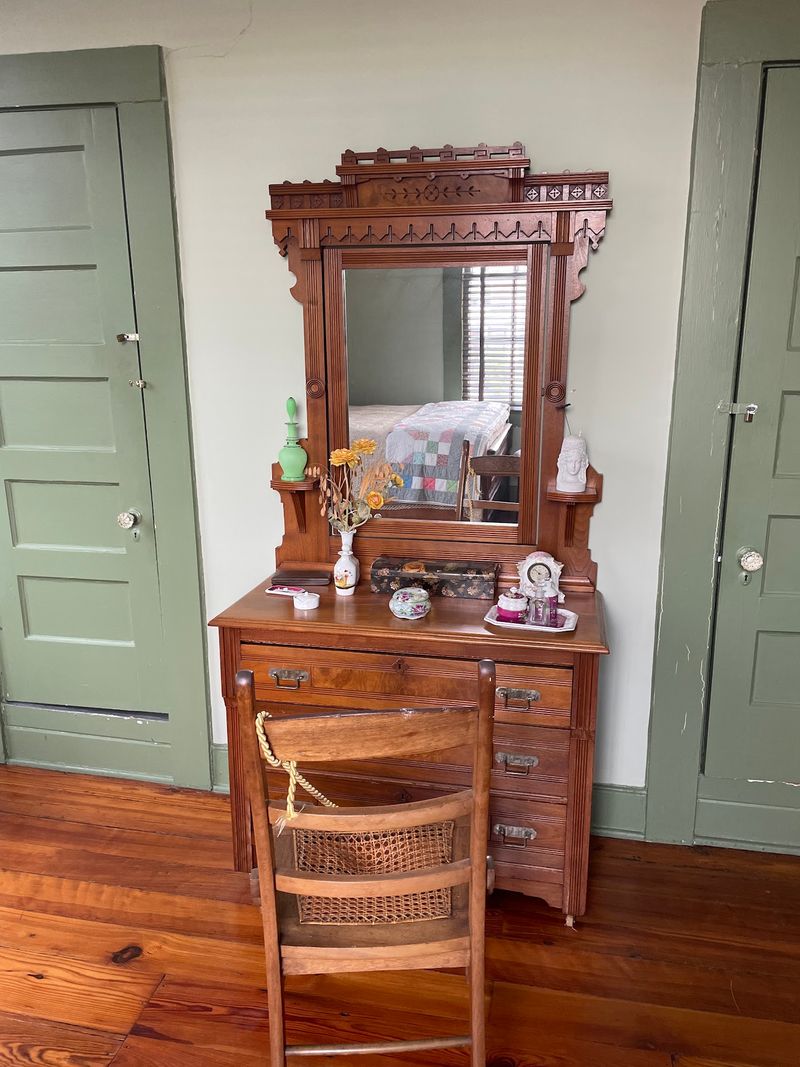
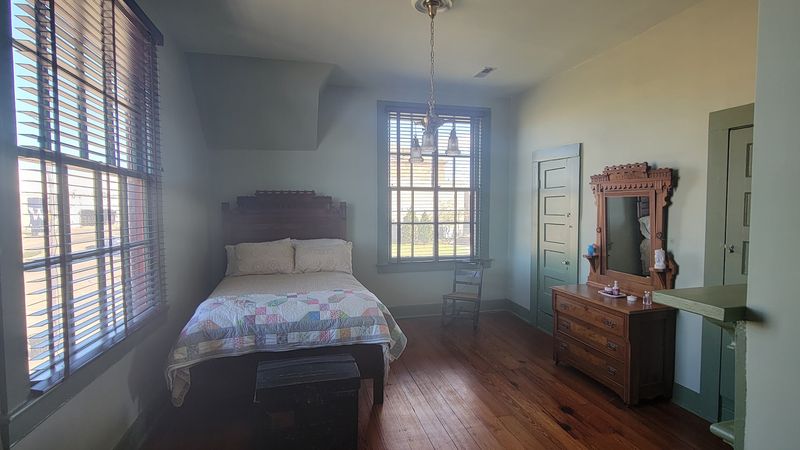
Period furnishings fill the rooms, giving you a sense of how a rector’s family might have lived in a small Southern town more than a century ago.
Restoring an old home is a bit like solving a puzzle. Workers have to think about colors, trim, furniture styles, and the small touches that make a room feel lived in.
Too modern, and the spell breaks. Too fussy, and it feels like a stage set instead of a real home.
Here, the balance feels just right. The rooms are polished but still welcoming, with plenty of character in the details.
Keep an eye out for the way light moves through the tall windows and across the wooden floors.
Some upkeep work continues from time to time, so parts of the house may occasionally be under renovation when you stop by.
Downstairs Rooms and Family Stories
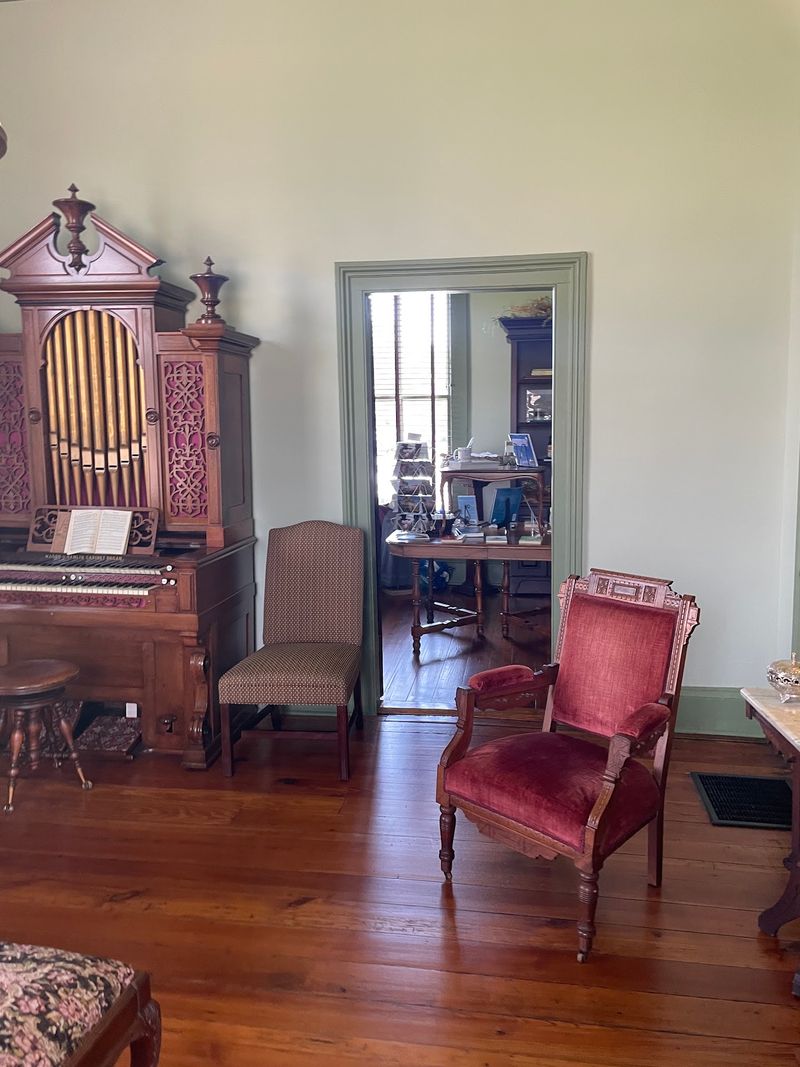
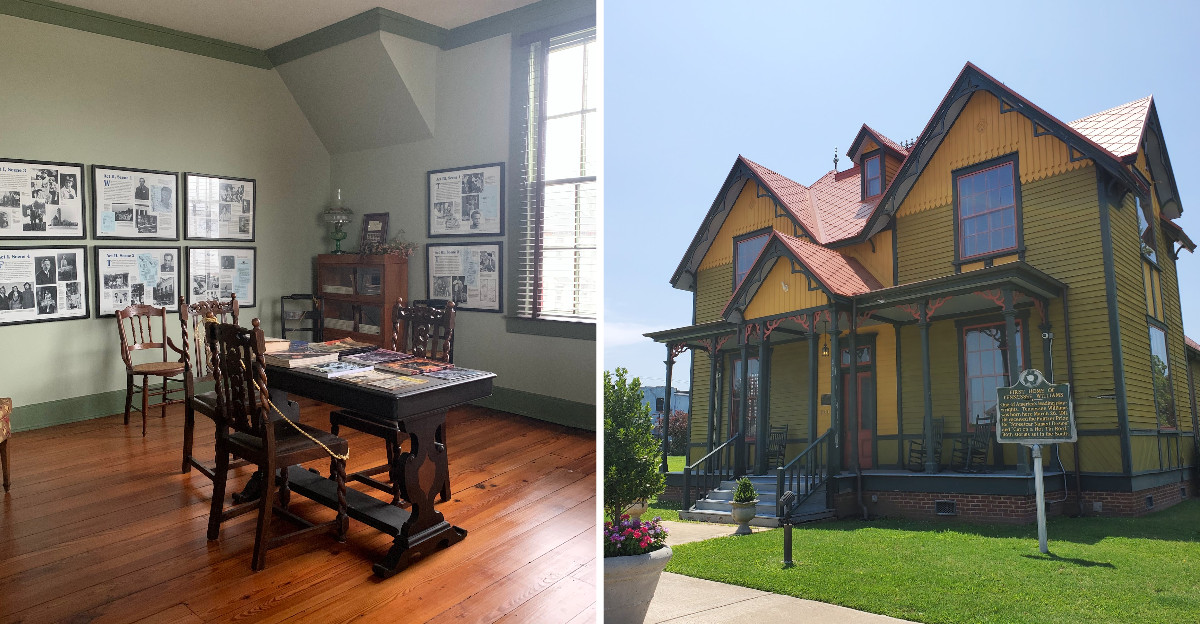
Start on the main floor, where the house tells its most personal stories. These rooms focus on the history of the home itself and on Williams’s private life and early influences.
Exhibits explain the family’s time in the rectory and the people who surrounded young Tom. You will hear about his grandfather the rector, his often-absent father, his mother with her Southern belle manners, and his sister Rose.
Real artifacts from his life appear throughout the house, which makes the stories feel close and real rather than distant.
Fans of his plays may start connecting dots here. Scholars say Williams drew heavily on his family and on the feel of Southern life when building his characters and themes.
Standing in a parlor much like the ones he wrote about, it is easy to imagine where some of those ideas began.
Plenty of guests arrive without knowing much about him at all. Many are surprised to learn that the man behind A Streetcar Named Desire was born right here.
That moment of discovery is part of the fun.
Take your time on this floor. The small details, like a photograph or a piece of furniture, often carry the best stories.
Upstairs, the Career Takes the Stage
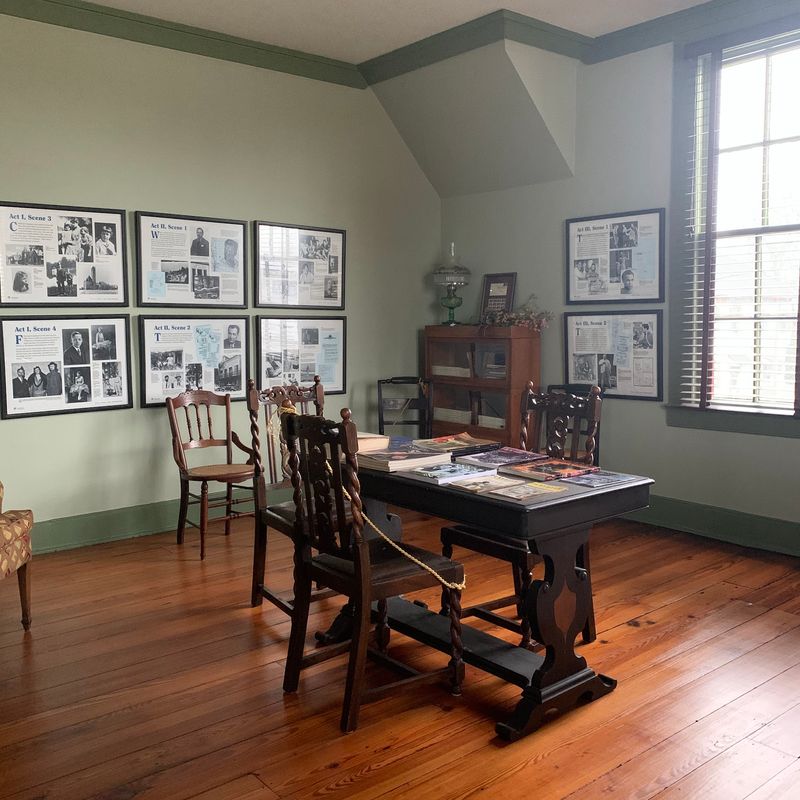
Climb the stairs and the story jumps forward. While the main floor centers on home and family, the second story highlights the playwright’s remarkable career.
This is where the boy from the rectory grows into Tennessee Williams, the writer whose plays reached stages across the country and beyond. Exhibits trace the major moments of his working life, giving visitors a clearer picture of how far his talent carried him.
There is something quietly moving about the layout. Downstairs, you see the baby born into a minister’s household.
Upstairs, you see the famous name. Walking between the two floors feels a bit like turning the pages of a biography, with each step adding a new chapter.
You do not need to be a theater expert to enjoy it. If you remember reading one of his plays in school, or watching a film version, you will likely spot something familiar.
If not, this is a friendly place to start learning.
Docents can fill in gaps and answer questions as you go. Their stories help link the quiet house you are standing in to the bright lights of the stage, which is really the heart of the whole tour.
Docents, Brochures, and Local Tips
Ask a simple question here, and you may walk away with an hour of stories. Tours are led by docents, and visitors regularly describe them as warm, gracious, and full of knowledge.
The guides do more than recite dates. They share the history of the house, the life of Tennessee Williams, and the story of Columbus itself.
Some guests mention hearing about Friendship Cemetery and other local landmarks during their visit. Many leave with suggestions for restaurants and activities around town, too.
Because the house is also the city’s welcome center, it keeps a large rack of brochures and pamphlets. If you are not sure what to do next, this is the place to figure it out.
Staff can point you toward popular local attractions and nearby areas that fit your interests.
A small gift shop rounds things out. Shelves hold knickknacks related to Columbus and Mississippi, handy for a souvenir or a small gift for someone back home.
That mix of museum, info desk, and shop gives the stop a relaxed, helpful feel. You are not rushed along a rope line.
Instead, it feels more like visiting a neighbor who happens to know everything about town.
Planning the Stop: Hours, Cost, and Timing
Good news first: tours are free. A suggested donation of $5 helps support the house, and guests are welcome to give what they can.
Hours are where a little planning pays off. Listings online show the center open Tuesday through Friday from 10 AM to 4 PM and Saturday from 10 AM to 2 PM.
Other sources list earlier openings at 8:30 AM. It is closed on Sundays and Mondays.
Because these schedules do not always match, it is smart to check the official Visit Columbus website before you go. Some travelers have arrived on a Saturday during listed hours and found the doors locked, so confirming ahead can save you a disappointing trip.
Weekday visits may give you a little more breathing room.
Finding the house is easy. It sits at 300 Main Street in Columbus, right in a walkable part of town.
If you happen to arrive after closing, the building is still lovely to see from outside, and the historical placard out front makes a good short read.
Plan on a modest amount of time inside. It works well as a quick stop, though chatting with a docent can easily stretch your visit longer.
Why the Small House Lingers in Memory
Some places impress you with size. Here, the magic comes from scale, a modest family home where a giant of American theater first opened his eyes.
For literature lovers, this house offers a rare chance to stand where the story began. For road trippers, it is a pleasant break with free tours and friendly local advice.
Families, couples, and solo travelers alike can find something to enjoy, whether that is a period parlor, a career exhibit, or a tip about where to eat lunch.
The building itself carries a quiet message. It was saved from demolition, moved across town, and restored with care.
Every room reflects a community’s choice to honor a writer who once said Columbus inspired much of his work.
Visiting does not require a big plan or a big budget. Check the hours, drop a few dollars in the donation box if you can, and let the docents do the talking.
You may come for Tennessee Williams and leave with a new appreciation for a small Mississippi town. Or you may come for the town and leave wanting to reread one of his plays.
Either way, the house tends to stay with you.