
The Mississippi Natural Spring That Offers A Constant 68 Degree Escape In Every Season
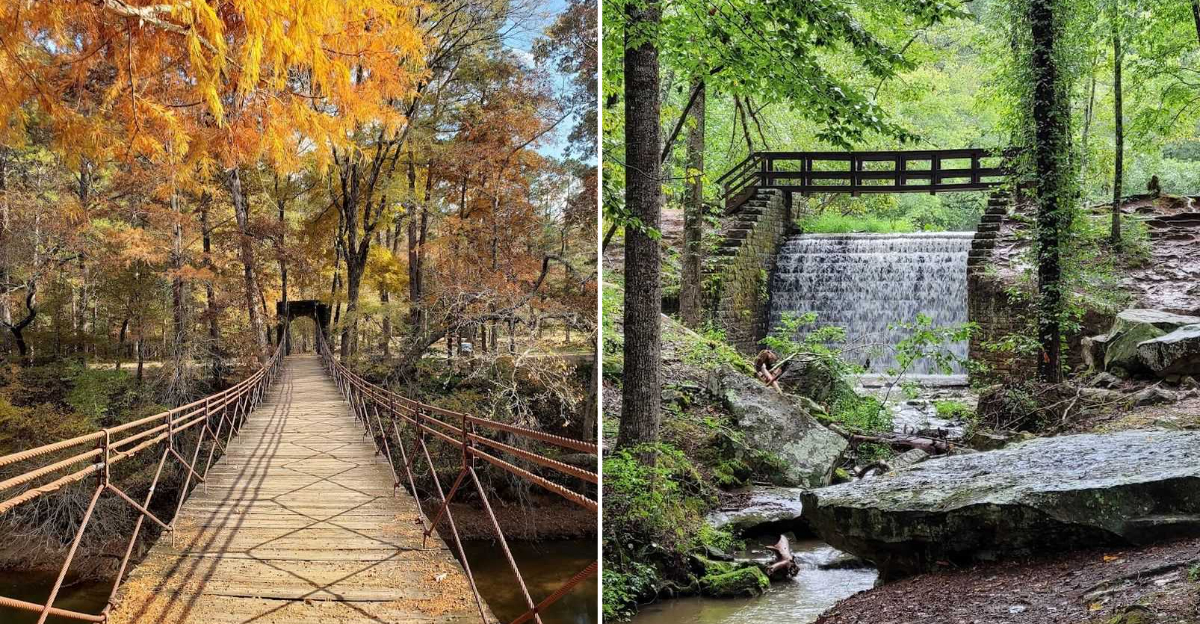
The bubbling artesian basin pushes thousands of gallons of pure, crystal water into the current. Swimmers jump into a refreshing river bend that stays the same temperature all year long.
This natural waterway does not care about summer heatwaves or icy winter cold snaps. It remains an inviting playground while the surrounding woods change colors through the months.
Weather forecasters might tell you to stay indoors during the peak July humidity. Your kids will already be halfway down the wooden jumping dock before the report finishes.
Mississippi hosts this refreshing miracle to give families a cheap day of pure outdoor fun. Pack a thick thermal towel because the exit shock can feel a bit breezy.
You should arrive before ten in the morning to secure the best picnic table.
Seasonal Benefits Of A Stable Temperature
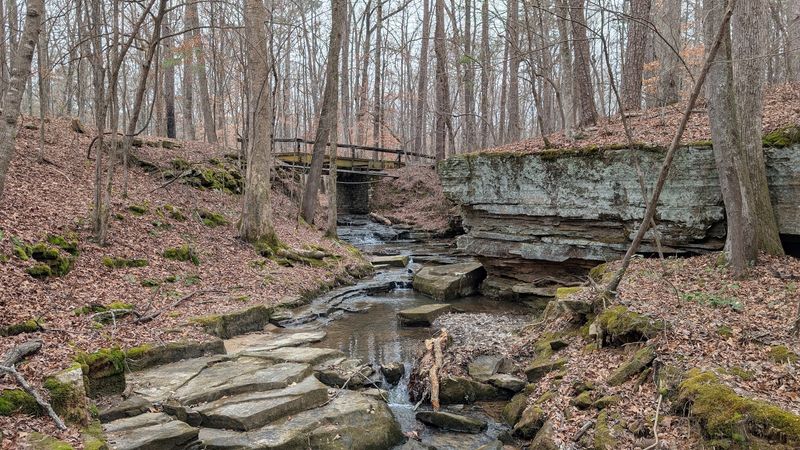
No matter what month you show up, the spring-fed streams at Tishomingo State Park stay refreshingly cool. That stable temperature is a serious game-changer.
In July, when the Mississippi air feels like a warm wet blanket, the water here offers instant relief.
Winter visits are surprisingly pleasant too. The cool water does not freeze over, and the canyon walls block harsh winds.
That means you get a comfortable outdoor experience even when temperatures drop outside the park.
Spring and fall bring their own magic. The water temperature stays consistent while the surrounding forest shifts through seasonal colors.
You get wildflowers in April and golden leaves in October, all framed by the same cool, steady stream running through Bear Creek Canyon.
That year-round consistency also means wildlife stays active near the water in every season. Birds, turtles, and fish depend on that stable environment.
For visitors, it creates a reliable escape that never really disappoints, regardless of the time of year you decide to make the drive.
You can find this natural escape at 105 Co Rd 90, Tishomingo, MS 38873. The park is open 24 hours a day, every single day of the week.
Planning a visit has never been easier.
Natural Spring Water Composition And Purity
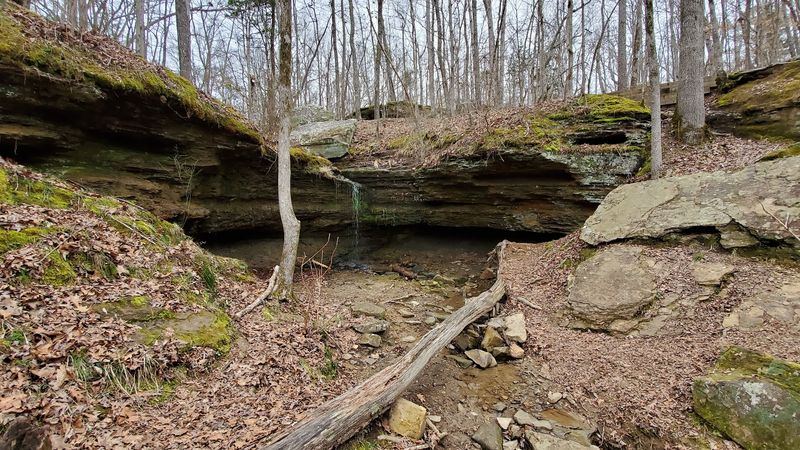
Natural spring water is basically geology doing its best work. Water at Tishomingo filters slowly through layers of Hartselle Sandstone and Bangor Limestone.
That journey takes time, sometimes hundreds of years, and the rock does the filtering for free.
As the water moves through those ancient layers, it picks up minerals like calcium, magnesium, and potassium. These are not just fancy words on a water bottle label.
These minerals actually matter for how the water tastes and how it interacts with the surrounding ecosystem.
The sandstone layers act like a natural purification system. Sediment gets trapped, contaminants get filtered out, and what emerges at the surface is remarkably clean water.
Bear Creek runs through this canyon, carrying that filtered water along miles of trail and rocky shoreline.
What makes this even cooler is the geological age involved. The rock formations at Tishomingo represent the southwestern edge of the Appalachian Plateau.
That means the water filtering through here has been doing so through some seriously old geology. The park sits in Mississippi’s only true rock canyon, which makes the spring water here genuinely unique compared to other state parks in the region.
Health Advantages Of Consistent Cool Water
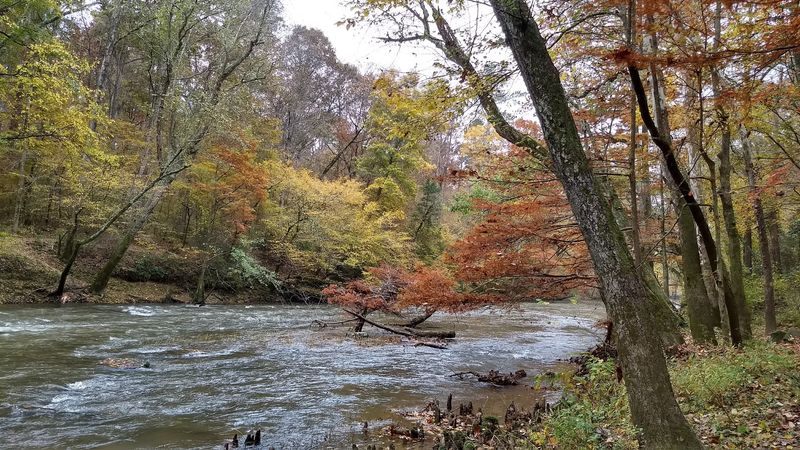
Cool water and good health have a long history together. When you are hiking through Tishomingo’s trails, and you reach a spring-fed stream, that cool water does more than feel good.
It actually helps your body reset after physical activity.
Minerals found in natural spring water support bone strength and muscle function. Calcium and magnesium are especially helpful for hikers pushing through rocky terrain.
Your legs will thank you for drinking mineral-rich water instead of plain tap water during a long trail day.
Consistent hydration from cool, clean water also helps regulate your core body temperature. On a hot Mississippi afternoon, that matters more than most people realize.
Overheating is a real risk on exposed trails, and staying hydrated with cool water keeps your body working efficiently.
The slightly alkaline nature of spring water may also help balance your body’s pH levels after exercise. Lactic acid builds up in muscles during strenuous hikes, and alkaline water can help neutralize some of that buildup.
You end up feeling less sore the next morning, which means you can hit another trail at Tishomingo without suffering too much. That is honestly a pretty solid reason to pack your hiking boots and head northeast.
Wildlife Supported By Constant Temperature Environments
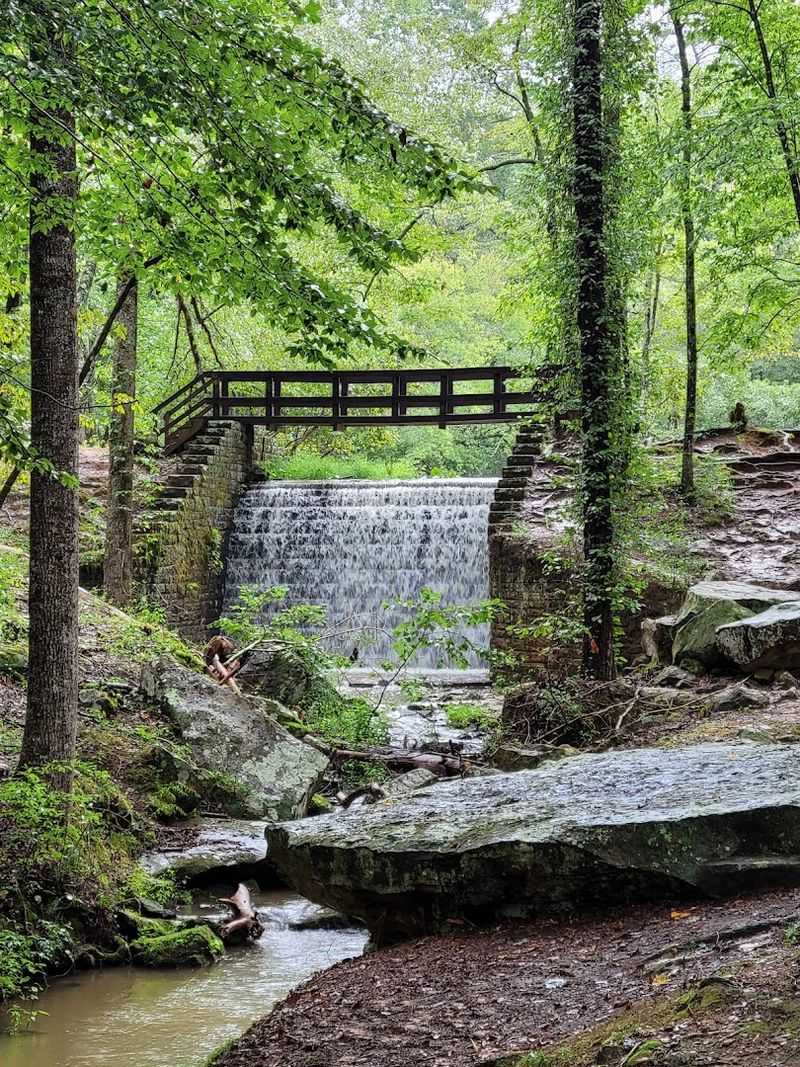
Stable water temperatures create some of the best wildlife habitat around. At Tishomingo, the spring-fed streams and Bear Creek support a surprising variety of animals throughout the entire year.
The consistency of the water environment is what makes that possible.
Bird watchers will find plenty to get excited about here. Warblers pass through during migration, and waterfowl use the creek as a reliable water source.
The forest canopy along the canyon walls also attracts woodpeckers, owls, and songbirds that depend on mature trees for nesting.
Fish thrive in the cool, oxygen-rich water of Bear Creek. Bass and other species stay active because the temperature stays within their preferred range.
That is good news for anyone who brought a fishing rod along for the trip.
Turtles, salamanders, and various amphibians also call this environment home. Amphibians are especially sensitive to water temperature changes, so a stable spring-fed system gives them a reliable place to breed and feed.
You might spot one sunning on a rock near the creek if you move quietly enough along the trail.
The rich mix of sandstone bluffs, forest floor, and flowing water creates multiple habitat layers. Each layer supports different species.
That biodiversity is a direct result of the park’s unique geology and its consistent natural water sources.
Outdoor Activities Around A Year Round Cool Spring
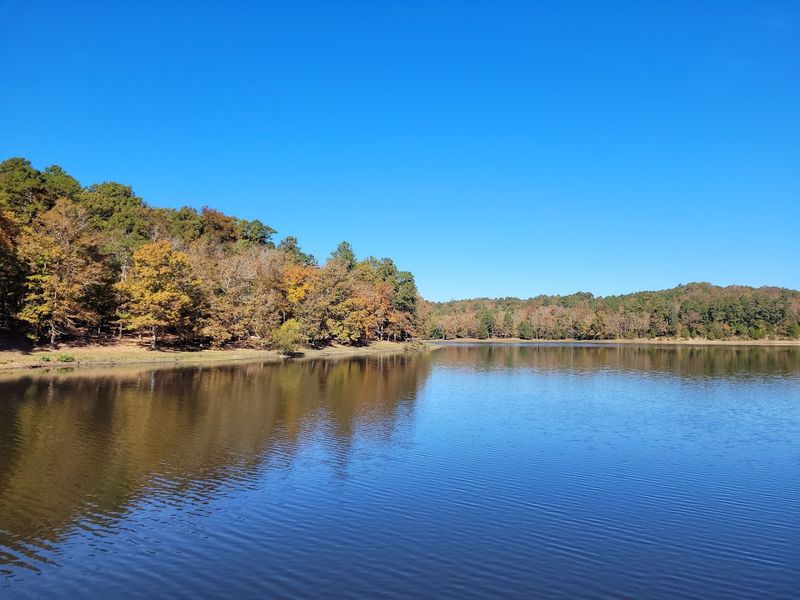
Tishomingo keeps you busy in the best possible way. The park covers 1,530 acres, and there is genuinely no shortage of things to do across every season.
Whether you want adventure or just a quiet afternoon outside, this place delivers both without trying too hard.
Hiking is the most popular activity here, and for good reason. The trails wind through rocky bluffs, cross suspension bridges, and follow Bear Creek through the canyon.
Some paths are easy enough for families, while others challenge experienced hikers with uneven terrain and elevation changes.
Canoeing and kayaking on Bear Creek offer a completely different perspective of the park. Paddling through the canyon with sandstone walls rising on both sides is a genuinely memorable experience.
Rentals are available, so you do not need to haul your own gear.
Rock climbing draws visitors who want to test themselves on the park’s natural sandstone formations. The unique geology makes Tishomingo one of the few places in Mississippi where real climbing opportunities exist.
Disc golf, fishing, and picnicking round out the activity list nicely.
Camping options include RV sites with full hookups, lakeside spots, and historic stone cabins built by the Civilian Conservation Corps in the 1930s. The park is open 24 hours, so early risers can catch the sunrise over the canyon before the trails get busy.
Geological Formation Behind Natural Springs
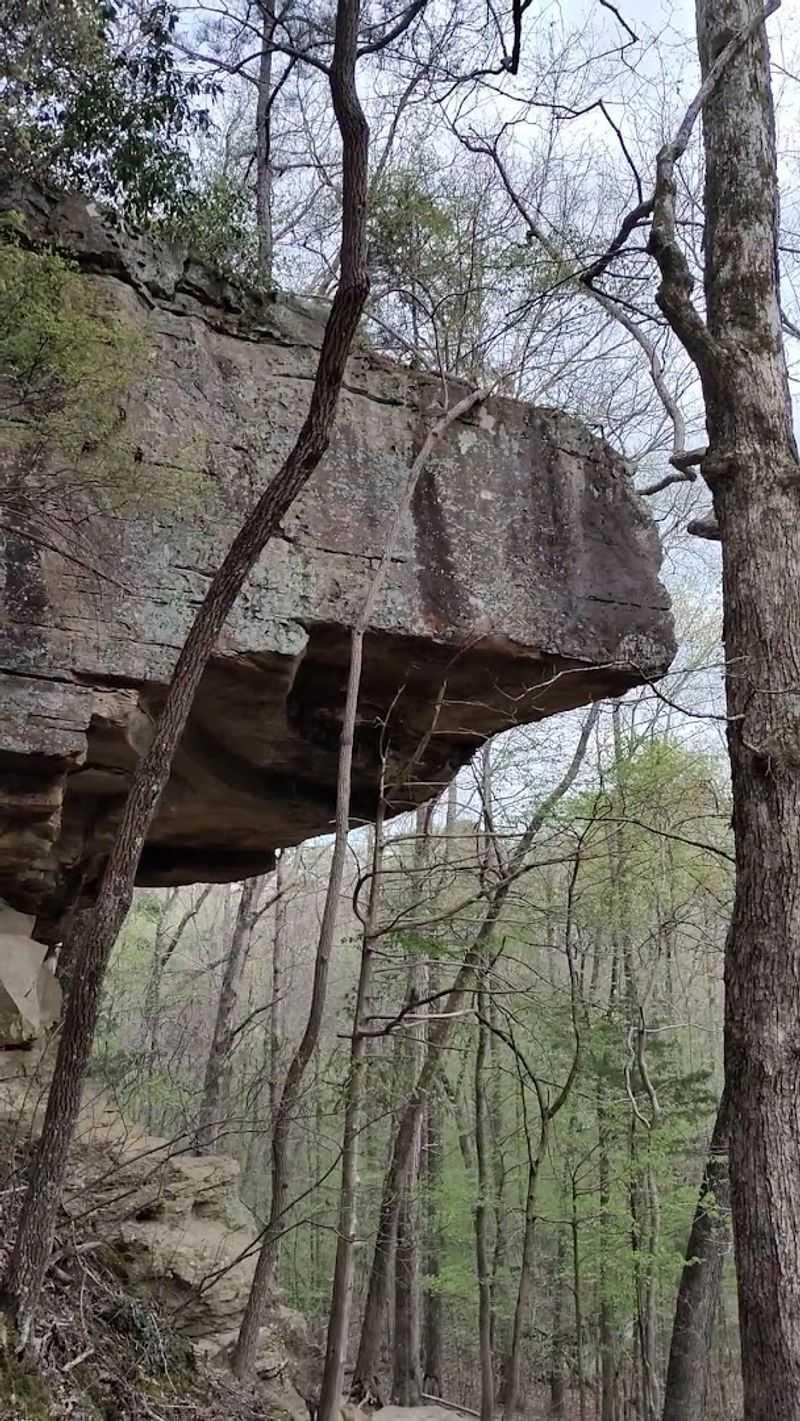
This spot sits in a place that geologists genuinely get excited about. The park occupies Mississippi’s only rock canyon, carved by Bear Creek over millions of years.
That is not something you find anywhere else in the entire state.
The canyon walls expose layers of Hartselle Sandstone and Bangor Limestone, both ancient rock formations.
These layers represent the southwestern tip of the Appalachian Plateau, which stretches all the way up through Tennessee and into the northeastern United States.
Tishomingo is where that plateau finally meets the flat Mississippi landscape.
Natural springs form when underground water finds a path through cracks and porous layers in the rock. At Tishomingo, the sandstone acts as both a reservoir and a filter.
Water enters the ground far away, travels slowly through the rock, and eventually emerges at the surface as a cool, clear spring.
The towering sandstone bluffs you see along the trails are the same formations that make the springs possible. Erosion shaped the canyon walls into dramatic overhangs and rocky outcrops over thousands of years.
Some of those formations are genuinely stunning up close, with layered colors ranging from tan to deep rust orange.
Understanding the geology makes every trail walk more interesting. You start to see the landscape as a living system rather than just a pretty backdrop.
The rocks, the water, and the wildlife are all connected through millions of years of slow, steady geological work.
Environmental Impact Of Maintaining Natural Water Sources
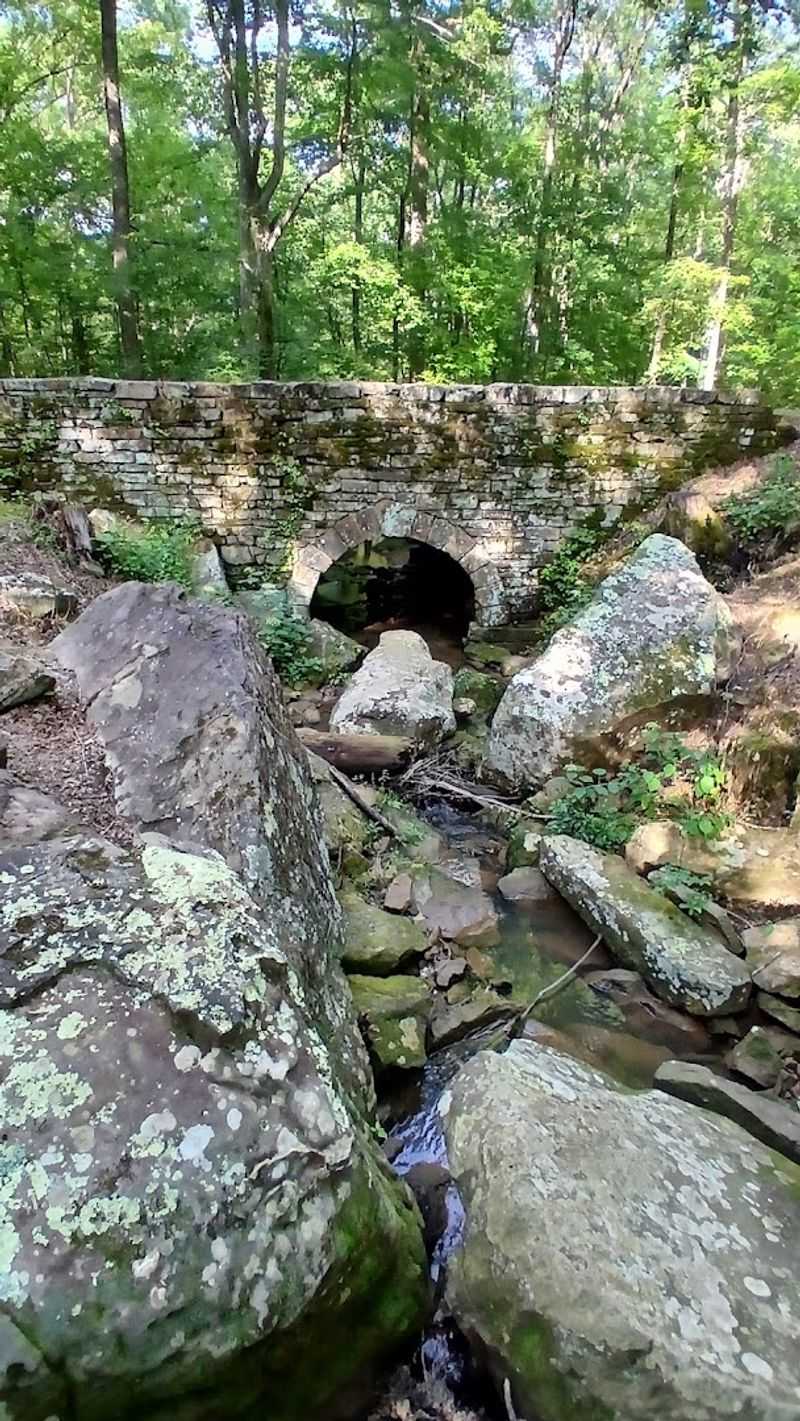
Clean water does not just happen on its own. It takes healthy land, healthy forests, and responsible stewardship to keep natural water sources functioning the way nature intended.
Tishomingo State Park is a living example of what protected land can do for water quality.
The forests surrounding Bear Creek act as a natural buffer zone. Tree roots hold the soil in place during heavy rain, preventing erosion and runoff from muddying the water.
Without that forest cover, the spring-fed streams would lose much of their clarity and purity over time.
Wetland areas within the park also play a key role in water filtration. Wetlands trap sediment and absorb excess nutrients before they reach the main stream channel.
That process keeps the water chemistry balanced and supports the diverse plant and animal life that depends on the creek.
Protecting natural springs also matters for the broader Mississippi River basin. Every clean tributary that flows into the larger watershed improves overall water quality downstream.
Tishomingo’s springs contribute to the regional water health in a small but meaningful way.
Visitors can help protect these water sources by staying on marked trails, avoiding disturbing stream banks, and packing out all trash.
The park’s natural beauty depends on both the land managers doing their jobs and visitors treating the environment with basic respect.
Small choices during a single visit actually add up to a real impact over time.
Visitor Tips For Enjoying A Seasonal Escape
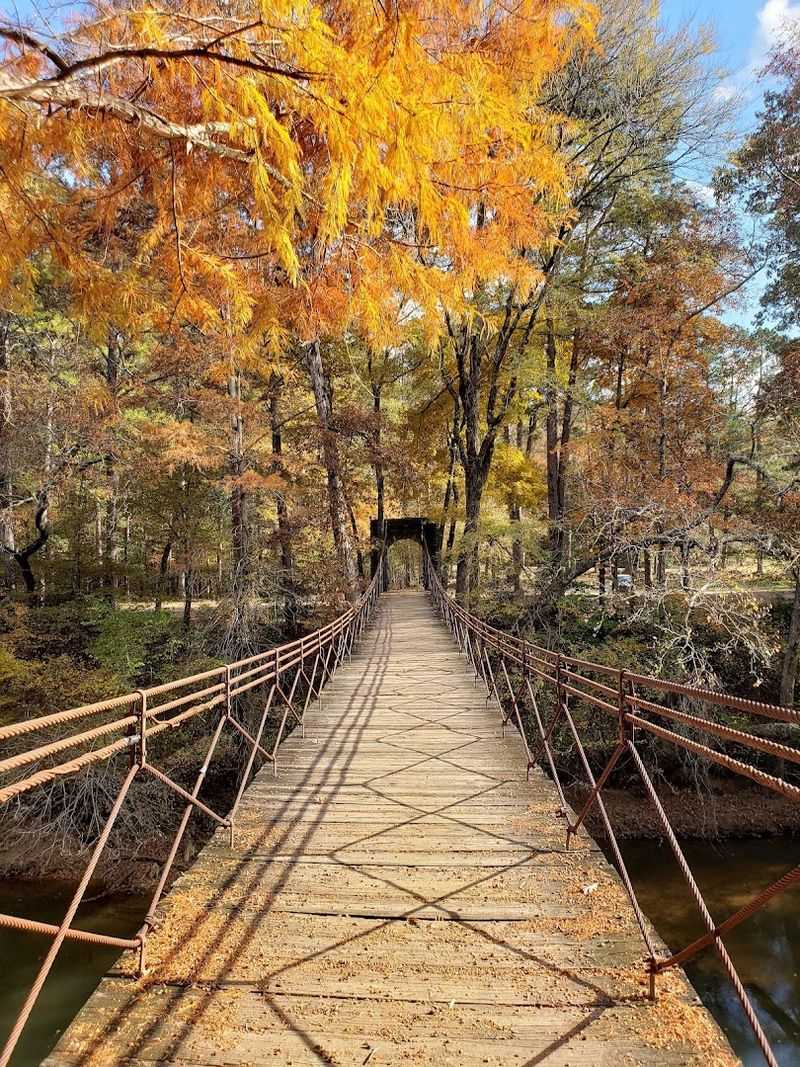
First things first: wear sturdy shoes. The trails at Tishomingo run across uneven rock surfaces, creek crossings, and root-covered paths.
Flip-flops will betray you about ten minutes into any real hike. Trail runners or proper hiking boots make a significant difference in comfort and safety.
Bring more water than you think you need. Mississippi heat is serious business from May through September.
Even with cool springs nearby, you need your own drinking water for the trail. Pack insect repellent too, because the creek areas attract mosquitoes, especially in warmer months.
Check trail conditions before heading out after heavy rain. Some paths become slippery near the creek, and low-water crossings can flood quickly.
The park staff is helpful and can give you current trail updates when you arrive. Cell service is limited in parts of the park, so download maps or trail guides before you leave home.
Reservations are strongly recommended for campsites and canoe trips, particularly on summer weekends and holidays. The newer RV sites near the lake fill up fast because they offer full hookups and genuinely great views.
The historic stone cabins book up quickly too, especially in fall when the canyon colors peak.
The park is open 24 hours every day, so early morning arrivals let you catch the canyon in soft light before crowds arrive. That quiet morning hour near the creek is honestly worth setting an alarm for.