
The Mississippi Sculpture Garden That Combines Scenic Beauty With Incredible Outdoor Sculptures
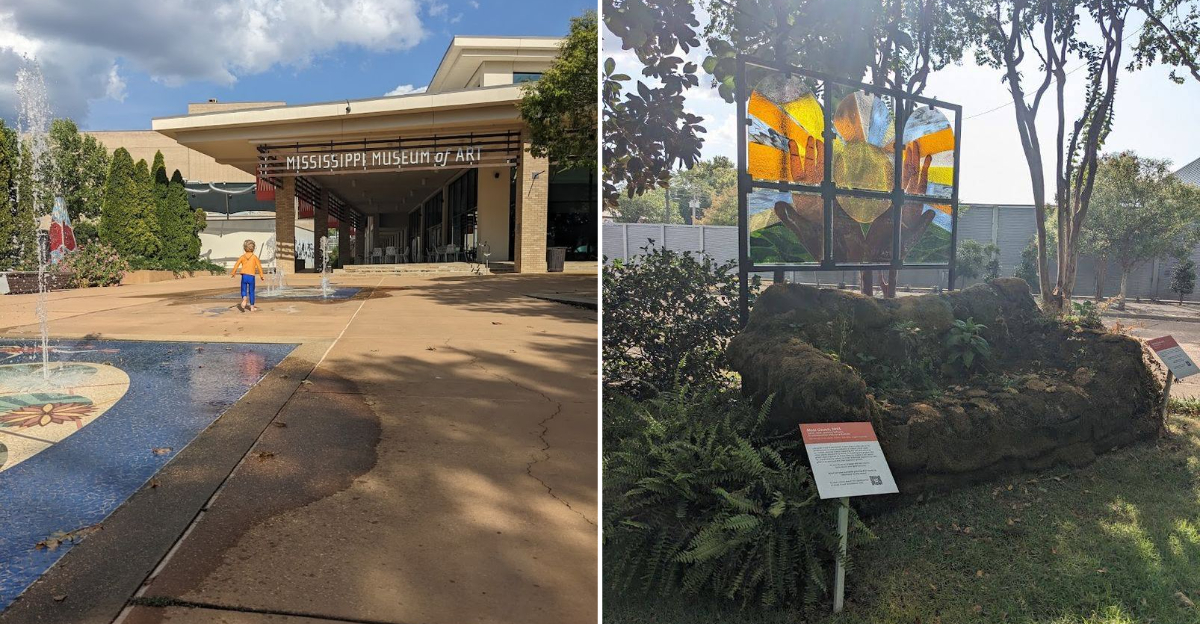
The manicured lawns display massive art installations that blend seamlessly with the surrounding oak trees. Visitors follow a flat path to view creative outdoor masterpieces positioned under the open sky.
This cultural destination offers a perfect solution for combining a breezy walk with an impressive gallery experience. Art critics might debate the deeper meaning behind these giant shapes for hours.
However, your kids will simply think it looks like a giant playground designed by a mad scientist. Mississippi operates this welcoming park grounds to prove that high culture does not require a quiet indoor museum.
Pack a picnic blanket because you will definitely want to lounge near the biggest installations. Grab a cold lemonade from the local cart near the entrance to beat the southern afternoon heat.
Inspiration Behind The Outdoor Sculpture Collection
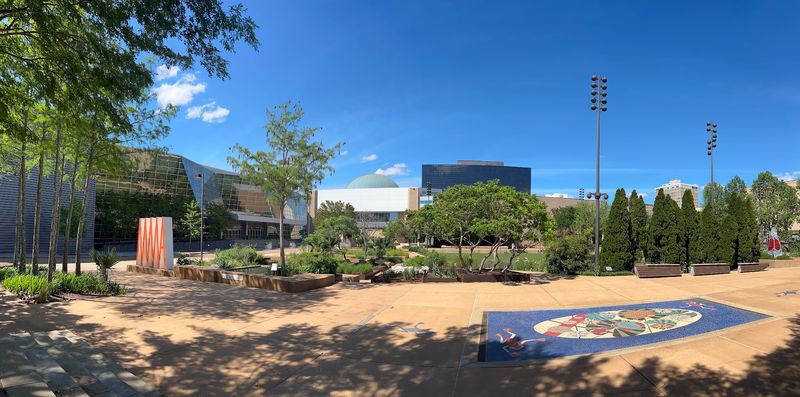
Downtown Jackson has a personality all its own, and The Art Garden draws directly from that energy. The Mississippi Museum of Art built this space with one clear goal: to connect every Mississippian with art.
That mission shapes every single piece you see here.
The collection reflects Mississippi’s culture, its climate, and its people. Artists were chosen because their work speaks to the region’s identity.
Nothing here feels random or out of place.
Each sculpture tells part of a bigger story about the state. Some pieces nod to the Mississippi River.
Others reference the land, the heat, and the history that defines this part of America.
The curators wanted art that sparks conversation. They wanted work that makes you stop walking and actually think.
That intentionality comes through in every corner of the garden.
You can find this incredible outdoor space at 380 S Lamar St, Jackson, MS 39201. It sits right in the museum’s footprint.
Visiting is free on certain days, so check the schedule before you go.
The garden is open Tuesday through Saturday from 11 AM to 5 PM. Sunday hours run from 1 to 5 PM.
Monday is a rest day, so plan accordingly.
Integration Of Natural Landscape Surroundings
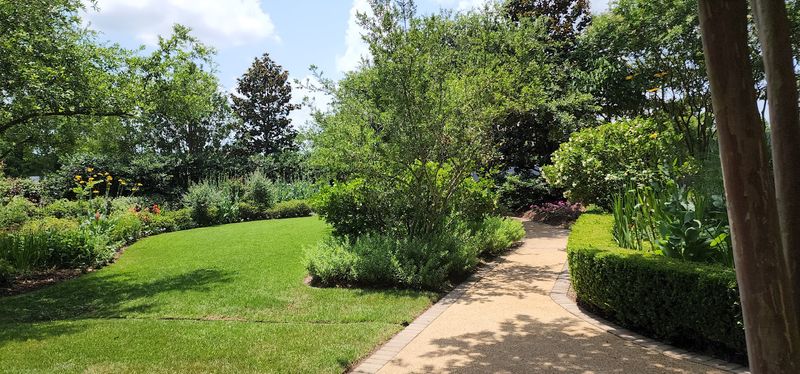
The Art Garden is home to one of the most impressive native plant displays in the entire state. It ranks as the second-largest native plant collection in Mississippi.
That alone makes it worth the visit.
Landscape architects Ed Blake and Robert Poore designed the overall layout. Architect Madge Beemis also contributed to the vision.
Together, they created a space where plants and sculptures genuinely belong together.
Native plants were chosen for a reason. They thrive in Mississippi’s climate without needing constant intervention.
They also support local wildlife, which adds an unexpected layer of life to the garden.
Walking through, you notice how the greenery frames each sculpture. The plants are not just background decoration.
They are active participants in the visual experience.
Pathways wind through the space in a way that feels natural. You are never rushed from one piece to the next.
The layout encourages slow, curious exploration.
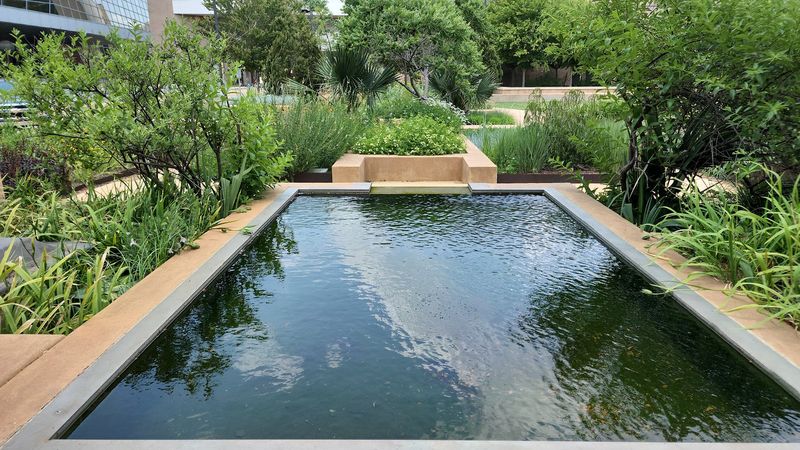
Water features and open lawn areas break up the denser planted zones. This gives the garden a rhythm.
You move between shaded, lush areas and open sunlit spaces without even realizing the design is guiding you.
The integration of landscape and art here is not accidental. Every plant placement was considered alongside every sculpture.
The result is a cohesive outdoor environment that feels alive.
Variety Of Materials Used In Sculptural Creations
One of the first things you notice walking through The Art Garden is how different every sculpture looks and feels. The materials range widely, and that variety keeps your eyes moving.
No two pieces seem to come from the same world.
Duncan Baird’s work titled River 1 combines concrete, brick, and bronze into one striking form. The textures play off each other in an interesting way.
It references the Mississippi River without being too literal about it.
Jennifer Torres created Garden Boats from stainless steel. The pieces catch sunlight differently depending on the time of day.
Morning visits give you one experience, and afternoon visits give you another entirely.
Terry Weldon’s Arched Stele uses steel and enamel together. The enamel surface adds color that pops against the surrounding greenery.
It stands tall and commands attention from across the garden.
Stone, wood, and mixed media also appear throughout the collection. Each material brings its own personality to the piece it forms.
Some sculptures feel heavy and grounded, while others feel almost weightless.
The diversity of materials reflects the diversity of the artists themselves. Local, regional, and national creators all contributed work.
That mix makes the collection feel broad and genuinely representative of American sculptural art today.
Techniques Employed By Local And Regional Artists
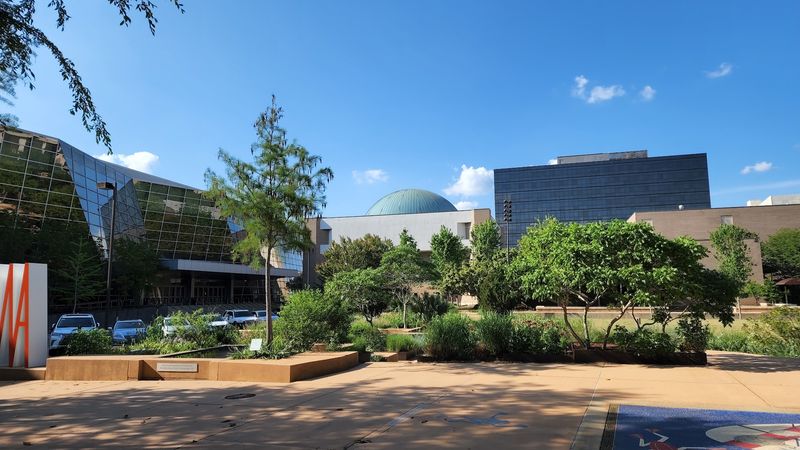
The artists represented in The Art Garden are not just making pretty objects. Many of them are pushing boundaries in how sculpture gets made and experienced.
The techniques on display here are genuinely impressive.
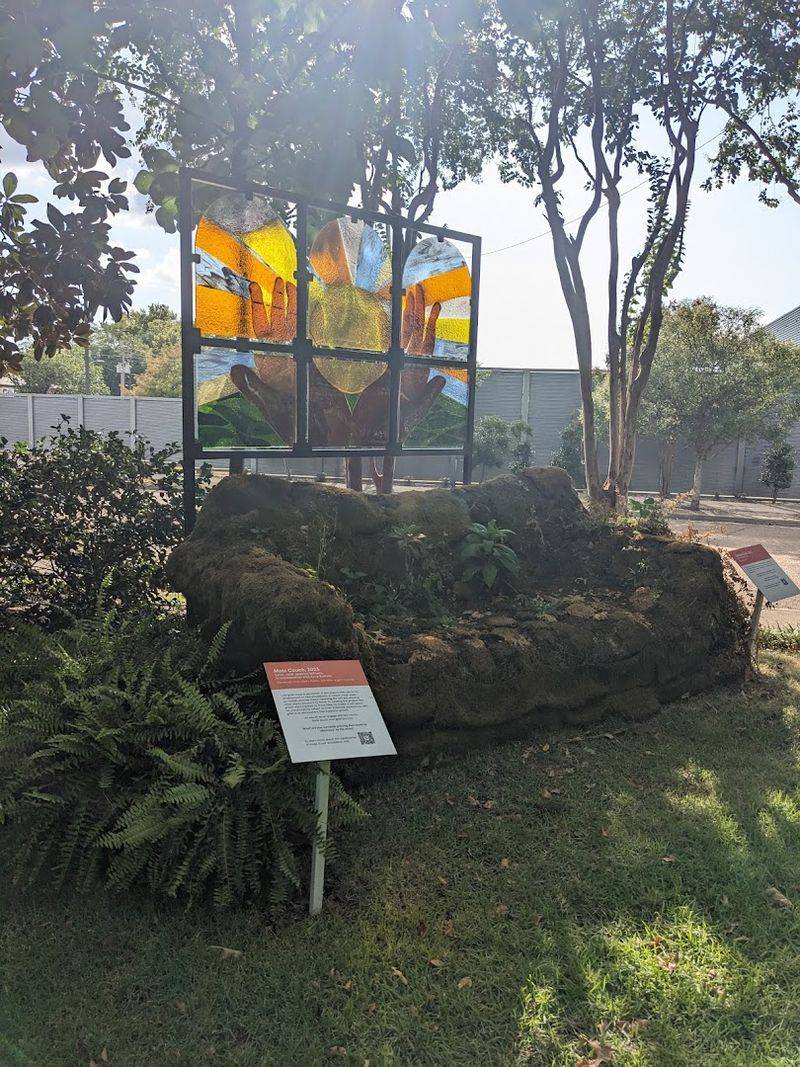
Andrew Cary Young is a standout example. He pioneered new approaches to stained glass that changed how the medium is understood.
His work in the garden brings that innovation into an outdoor context.
Leonardo Drew’s installation titled City in the Grass is especially fascinating. It invites visitors to physically interact with it.
The materials used in the piece are designed to degrade naturally over time, which means the work literally changes as you watch it age.
That idea of art evolving with time is not common. Most sculptures are built to resist change.
Drew’s approach flips that expectation completely.
Local Mississippi artists also bring regional techniques rooted in craft traditions. Some incorporate metalwork methods passed down through generations.
Others experiment with newer fabrication technologies.
Welding, casting, carving, and assemblage all appear across the collection. Artists mix traditional and contemporary methods without apology.
The results feel fresh rather than academic.
Watching how different techniques produce such varied outcomes is one of the quiet pleasures of visiting. You start to see the decision-making behind each piece.
That awareness changes how you look at sculpture everywhere else.
Seasonal Changes Influence On Atmosphere
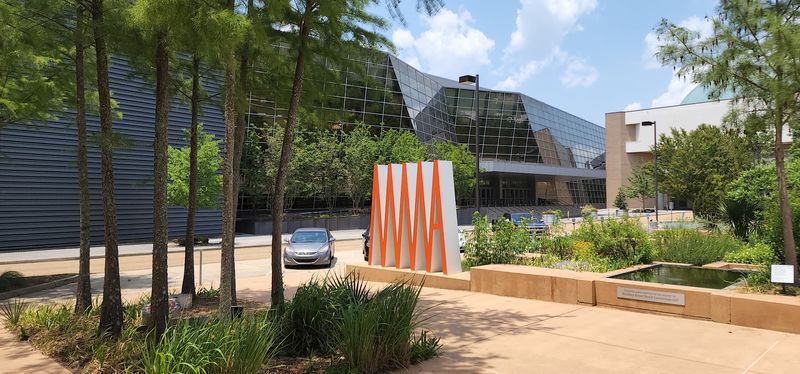
The Art Garden does not look the same in January as it does in May, and that is entirely the point. The design accounts for seasonal shifts deliberately.
Every time of year offers something different.
Spring brings flowering native plants that bloom around the sculptures. The colors are vivid, and the scents are noticeable.
Walking through during peak bloom is a full sensory experience.
Summer turns the garden into a green, shaded retreat. The canopy fills in and creates cooler pockets throughout the space.
It becomes a welcome escape from Jackson’s intense summer heat.
Fall introduces warm tones as foliage begins to shift. The sculptures take on a different character against amber and rust-colored leaves.
Photography enthusiasts tend to show up in greater numbers during this period.
Winter strips some of the greenery back and reveals the garden’s structure. You see the bones of the landscape design more clearly.
The sculptures stand out with less visual competition around them.
The seasonal programming also shifts throughout the year. Events and activities are planned around what the garden looks and feels like at different times.
That keeps repeat visitors coming back with genuine anticipation.
No visit here is exactly like the last one. The garden grows, changes, and surprises you. That ongoing transformation is part of what makes it worth returning to again and again.
Accessibility Features And Visitor Amenities Available
Getting around The Art Garden is straightforward for visitors of all ability levels. Accessible ramps are available throughout both the museum building and the outdoor garden areas.
Nobody should feel excluded from this experience.
Manual wheelchairs are available on request at the visitor services desk. That option removes a potential barrier for guests who need mobility support.
The staff is prepared to assist without making it a complicated process.
Restrooms are fully accessible and include family bathrooms. That detail matters more than people often acknowledge.
Families with young children or visitors with specific needs will appreciate the thoughtful setup.
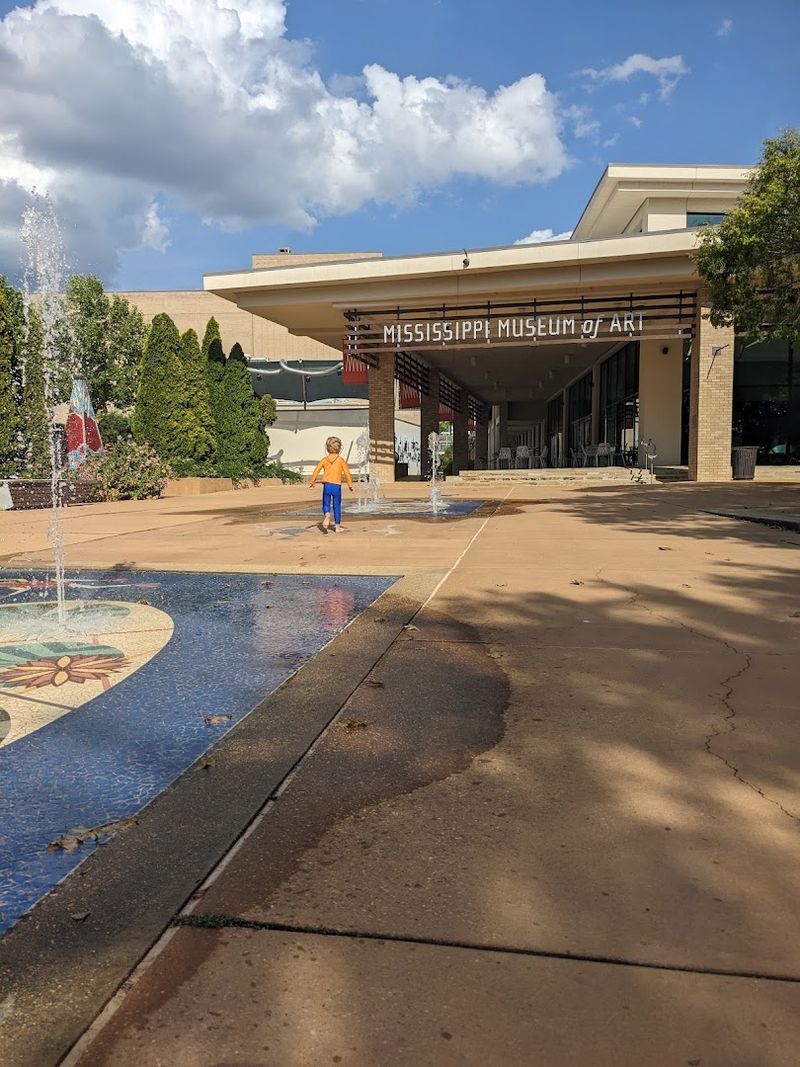
The garden also features a splash pad area that activates during the summer months. It is a popular spot for families visiting on warmer days.
Kids tend to gravitate toward it immediately.
Picnic areas give visitors a reason to linger longer. Bringing food and sitting outside surrounded by art is a genuinely pleasant way to spend an afternoon.
The lawn areas accommodate blankets and folding chairs comfortably.
Parking is available nearby, and the location on S Lamar St is accessible by multiple routes through downtown Jackson. Public transit options also serve the area.
Planning your visit is not complicated.
The museum’s website at msmuseumart.org has current hours and any updates on amenity availability. Checking ahead saves time.
The garden runs Tuesday through Saturday from 11 AM to 5 PM.
Educational Programs Supporting Artistic Appreciation
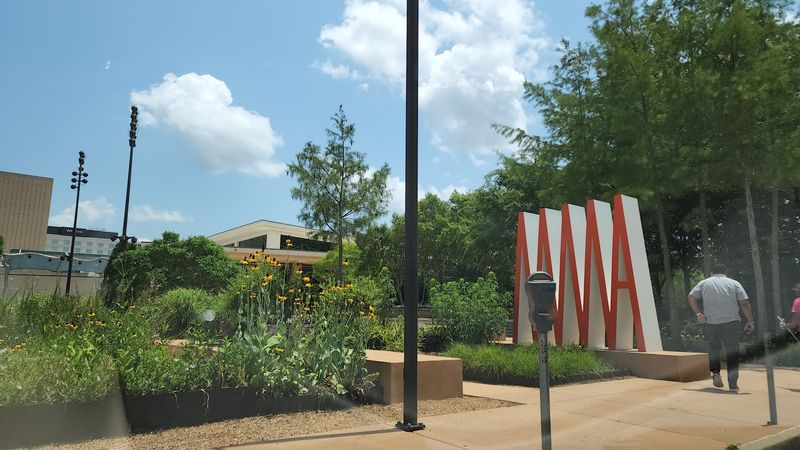
The Art Garden is not just a place to look at things. It is an active learning environment with real programming built around it.
The educational offerings here are broader than most people expect.
K-12 educators have access to dedicated programs that connect directly to the museum’s art collection. These are structured experiences, not just casual tours.
Teachers can build a curriculum around what the garden offers.
Online resources extend the learning beyond the physical visit. Art-making activities are available for all ages through the museum’s digital platforms.
That accessibility means the garden’s educational reach goes well beyond Jackson.
One program called Art in Mind is designed specifically for individuals living with memory loss. It uses art as a tool for connection and engagement.
The approach is thoughtful and grounded in research about creative therapies.
Youth programs bring school groups into the garden regularly. Hands-on experiences are built into these visits.
Students do not just observe the sculptures; they respond to them through their own creative work.
Adult programming also exists for those who want to deepen their understanding of art. Lectures, workshops, and guided experiences are offered throughout the year.
The museum treats adult learning with the same seriousness as youth education.
The garden itself functions as a living classroom. Every sculpture, plant, and pathway teaches something.
That educational dimension elevates the entire experience beyond a simple afternoon outing.
Community Events Encouraging Art And Nature Engagement
The Art Garden hosts a rotating calendar of community events that keep the space feeling active and welcoming. These are not stuffy, formal affairs.
They are genuinely fun gatherings built around the outdoor environment.
Outdoor film screenings happen in the garden during warmer months. Watching a movie surrounded by sculptures and native plants is an experience you will not find just anywhere.
It turns a regular film night into something memorable.
Live musical performances also take place in the garden throughout the year. The open-air setting gives concerts an informal, relaxed energy.
Both local musicians and visiting artists have performed here.
One event called Touching Grass: Artmaking invites visitors to create their own artwork inspired by the garden. Supplies are provided, and no prior art experience is required.
It is accessible, fun, and surprisingly absorbing.
Family-friendly programming runs regularly, making the garden a destination for parents looking for meaningful outings. Children engage with art and nature simultaneously.
That combination is harder to find than you might think.
Seasonal events align with what the garden looks like at different times of year. Programming shifts to match the environment, which keeps things feeling fresh.
Returning visitors always have a new reason to show up.
The community focus here is genuine. The Art Garden functions as a shared public space that belongs to Jackson.
Events reinforce that sense of collective ownership over something truly worth celebrating.