
This Mississippi Animal Rescue Gives Cats A Screened Outdoor Play Space And A Second Chance At Home
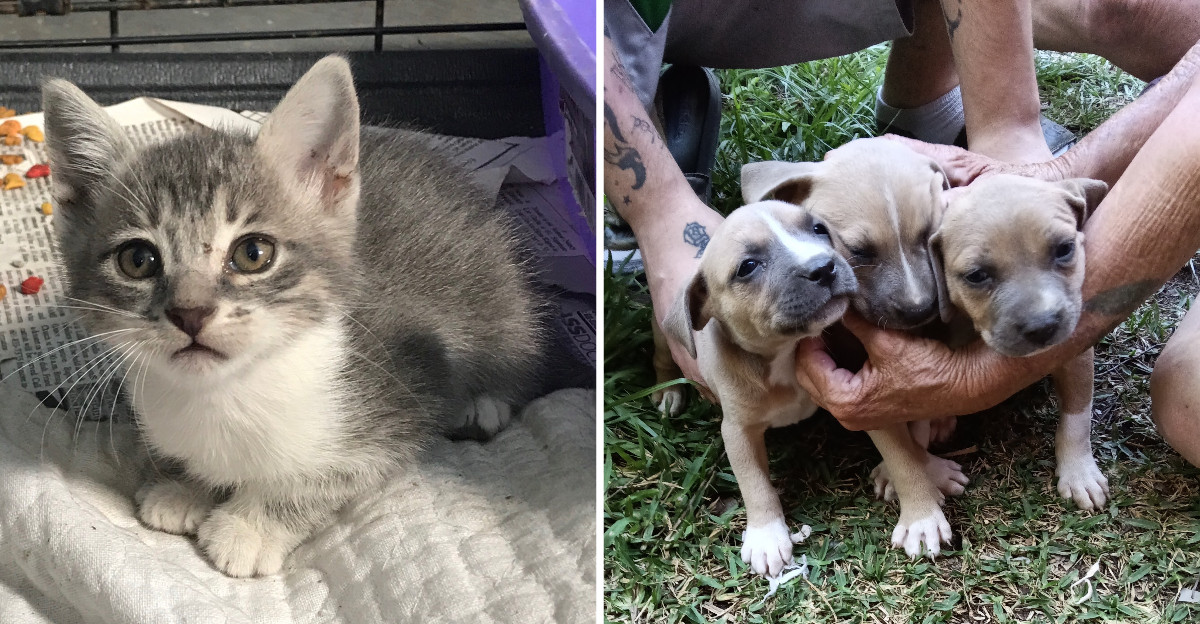
A low brick-and-fence kind of building in southwest Mississippi does not look like much from the parking lot. Step inside, though, and you might find a kitten batting at a toy while another slips through a tiny door into a sunny screened room.
Places like this quietly change lives, both for animals who started on the streets and for families looking for a new friend. If you have ever wondered what a small-town rescue can do with big heart and a modest budget, this one is a good place to start.
A Small-Town Shelter on North Park Drive
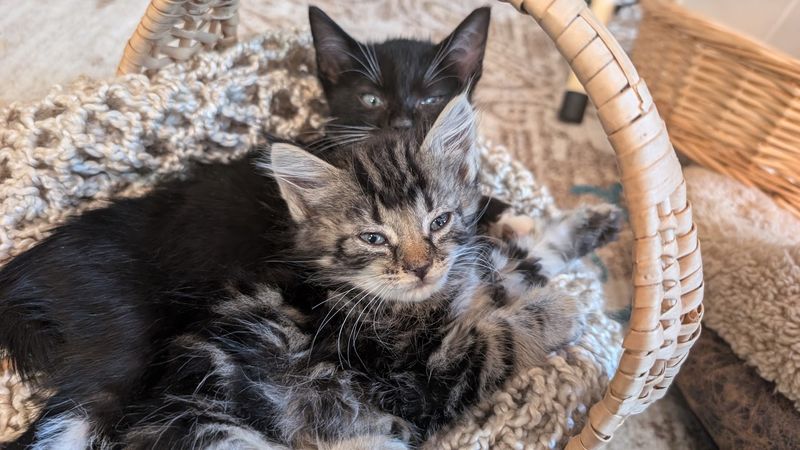
Brookhaven sits along Interstate 55 in southwest Mississippi, about an hour south of Jackson. Tucked on North Park Drive, the Brookhaven Animal Rescue League works as a nonprofit animal shelter for dogs and cats who need somewhere safe to land.
Locals usually call it BARL, a short nickname that pops up on adoption paperwork, donation flyers, and happy family photos all over town. The address is 501 N Park Dr, which makes it easy to find for anyone already passing through the area.
You do not need a long road trip to reach it, though some adopters have driven in from neighboring states.
What makes the place stand out is not size or flash. It is the way the staff and volunteers use their space creatively, especially for the cats, who get a screened outdoor play area most shelters simply cannot offer.
Think of it as a waystation. Animals arrive from rough situations, get cleaned up, receive medical basics, and wait for someone to walk through the door ready to take them home.
For many of them, that door leads to their first real chance at a comfortable life with people who care.
Why Rescue Work Matters Here
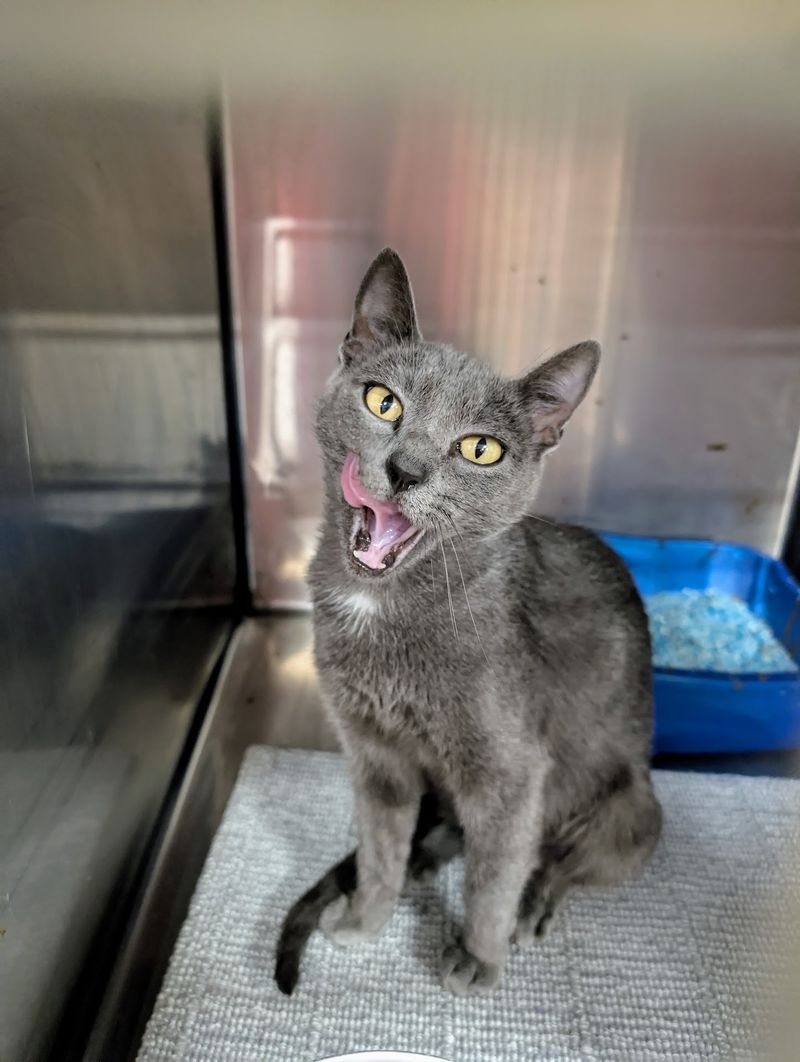
Picture a scruffy kitten hiding under a porch in a quiet Mississippi neighborhood. Without help, little ones like that face hunger, weather, and plenty of risks before they ever learn what a warm lap feels like.
Rural and small-town areas across the South often have more stray animals than homes ready for them. Shelters like BARL fill that gap by taking in pets from the streets and from difficult environments, then working to match them with families.
Staff have openly shared that they would love to bring in even more pups and kitties if resources allowed.
That honest goal says a lot about the mission. It is not just about housing animals.
It is about moving them forward, one adoption at a time, so there is room for the next one waiting outside.
Community support keeps the cycle going. Donations, fostering, volunteering, and adoptions all feed into the same purpose.
When one cat goes home, another gets a clean space, fresh food, and a turn at being noticed.
For Brookhaven, the rescue is part of the town fabric. Many residents can point to a dog or cat at home and say, with a smile, that their companion came from BARL.
The Screened Outdoor Cat Room
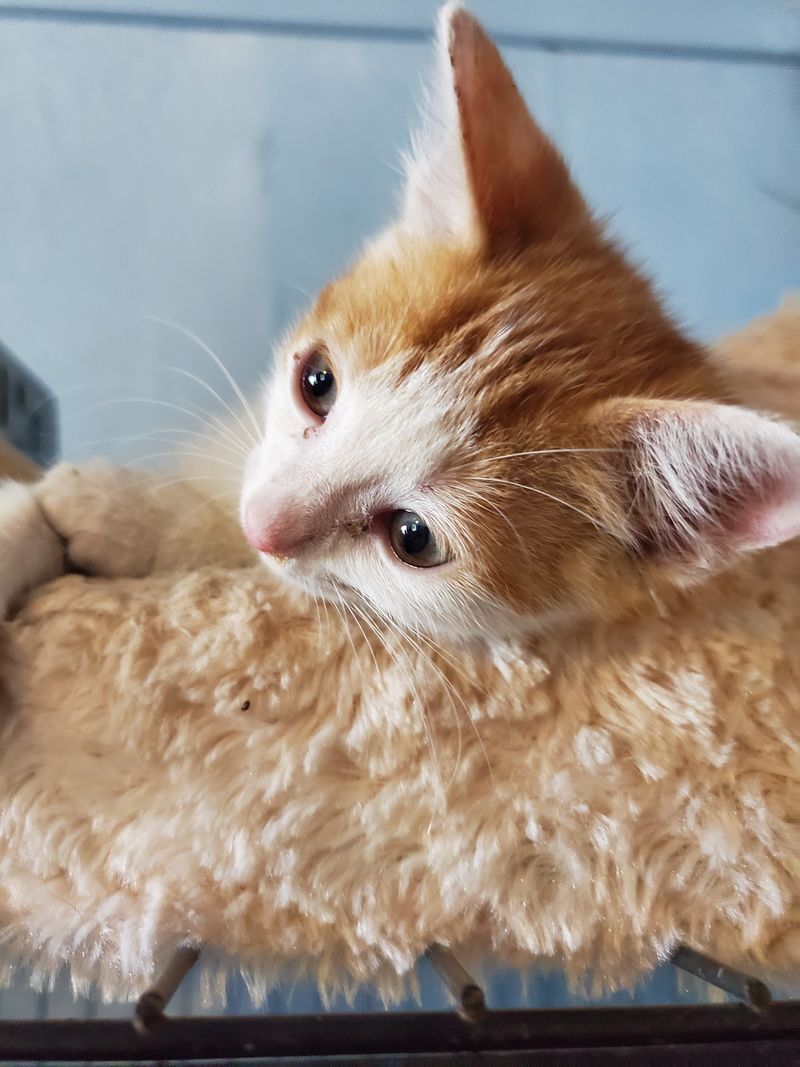
Here is the feature people talk about most. Cats at BARL have access to a screened space outside where they can stretch, climb, and soak up fresh air without the dangers of roaming loose.
Visitors describe a room packed with places to perch and explore. Shelves, climbing spots, and hideaways turn the area into something closer to a feline playground than a holding pen.
One common way people put it is that the setup feels like a little retreat for rescued cats.
Why does it matter so much? Cats are curious by design.
They love watching birds, feeling a breeze, and sniffing new smells. Long stretches in a cage can make them stressed or withdrawn, which can hurt their chances at adoption.
Giving them outdoor time behind screen walls helps them stay active and relaxed. A calmer, happier cat tends to show its real personality to visitors, and that makes matching with the right family much easier.
Fun fact: many cat behavior experts recommend enclosed outdoor spaces, often nicknamed catios, as a safe middle ground between indoor living and free roaming. BARL brought that idea to shelter life well before it became trendy on social media.
Little Cat Doors, Big Freedom
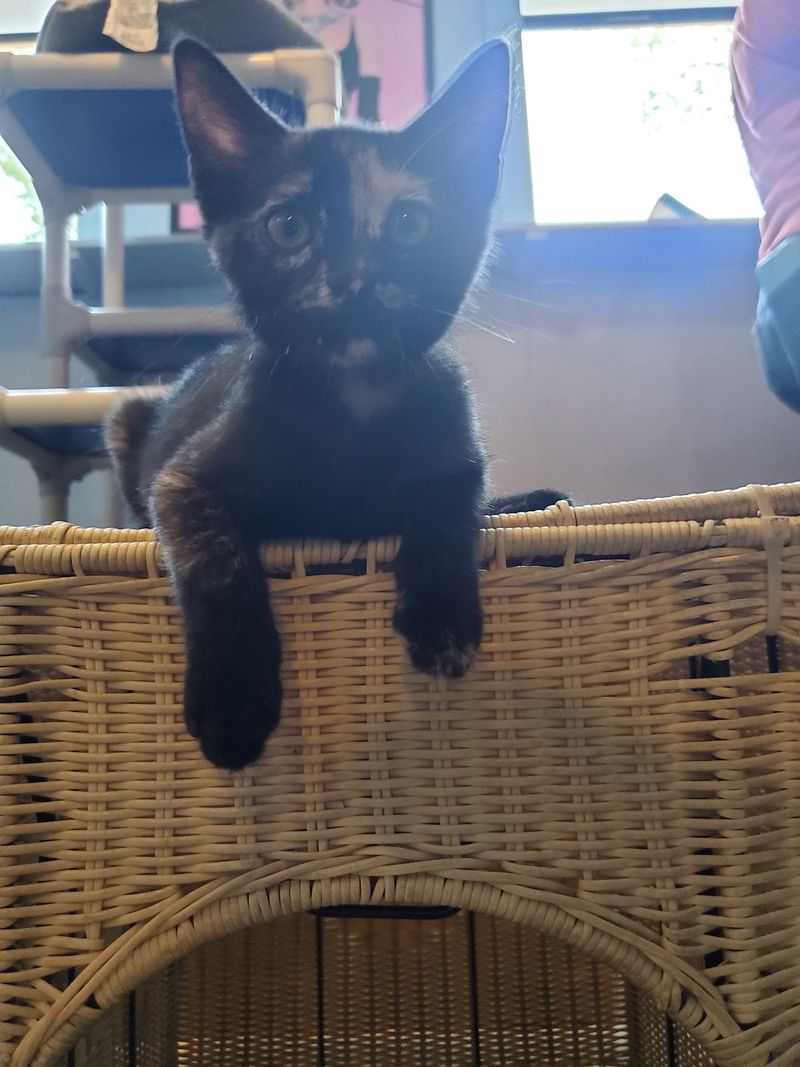
A tiny flap in a wall might seem like a minor detail. At this shelter, it is the key to the whole cat experience.
Each cat living area connects to the larger play room through a cat door. That means felines can choose when to wander out and when to curl up back in their own space.
Choice is a big deal for animals who may have had very little control over their lives before arriving.
Visitors have noticed how smart the system is. Instead of staff carrying cats back and forth, the animals move freely on their own schedule.
Shy cats can peek out slowly. Bold ones can bound straight toward the climbing spots.
For families visiting, the doors create a fun scene to watch. Kittens pop in and out like tiny performers, sometimes chasing each other through the opening.
It gives adopters a real look at how each cat plays and interacts.
The setup also hints at a bigger philosophy. The people behind BARL clearly think about life from a cat point of view, and the result is a space where animals act more like pets in a home than residents of a shelter.
Kittens, Seniors, and Everyone Between
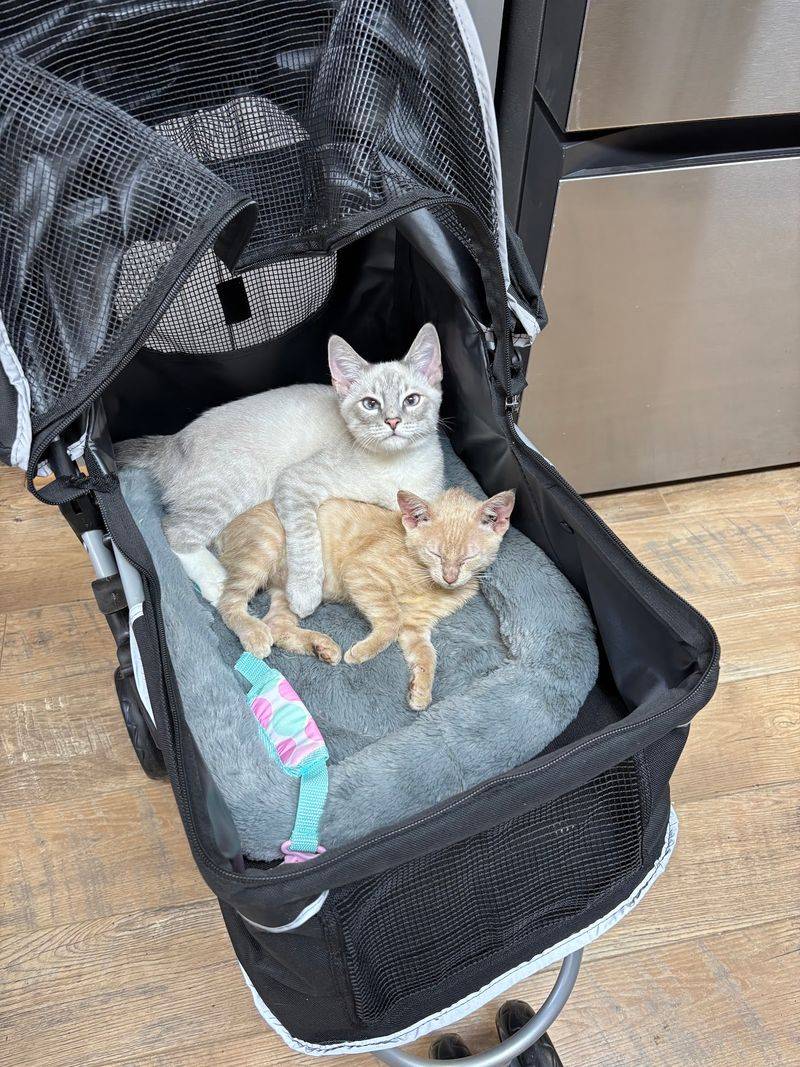
Tiny kittens tend to grab the spotlight, and the ones at BARL are often described as super sweet. Still, the cat lineup usually includes more than babies.
Adult cats come through the shelter too, and they can be wonderful matches. One family drove in from Slidell, Louisiana, to adopt a five-year-old cat who turned into a devoted lap cat that follows them around like a dog.
Grown cats often have settled personalities, so you know what you are getting.
Kittens, on the other hand, bring nonstop energy and a learning curve. They need patience, play, and plenty of supervision.
Some households love that chaos, while others prefer a calmer companion.
Staff members can help you think through which age fits your lifestyle. Do you work long days?
Have other pets? Want a cuddle buddy on the couch?
Those questions shape a good match.
Choosing an older cat also frees up space for new arrivals, and many adult cats wait longer simply because they are not tiny. Spending a few extra minutes with the mature residents in the play room might lead you to a surprisingly perfect fit for your home.
Dogs and Puppies Looking for Homes
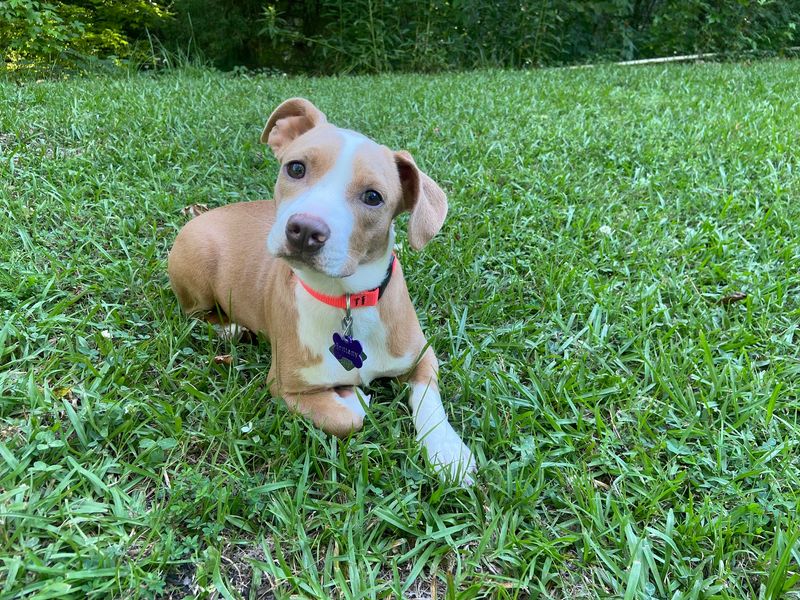
Cats may have the fancy play room, but dogs are a big part of the story too. Plenty of Brookhaven families have found their canine best friends here.
Adopters frequently mention how the team helped them pick out the right puppy or dog. Staff will walk you through personalities, energy levels, and how a pup might fit with your household.
Some new owners have even left with a few goodies for their new companion.
Many local homes have mixed BARL families, with two dogs and a kitty all from the same shelter. That says something about the trust people place in the rescue after their first adoption goes well.
Dogs arrive from all kinds of backgrounds, including the streets and owners who can no longer keep them. Each one gets care and attention while waiting, and visitors often comment that the animals look happy and well looked after.
If you are leaning toward a dog, bring the whole family when possible. Meeting a pup together helps everyone see how the energy feels.
A calm introduction now can set the stage for years of tail wags, muddy paw prints, and evening walks around the neighborhood.
Fees That Cover the Essentials
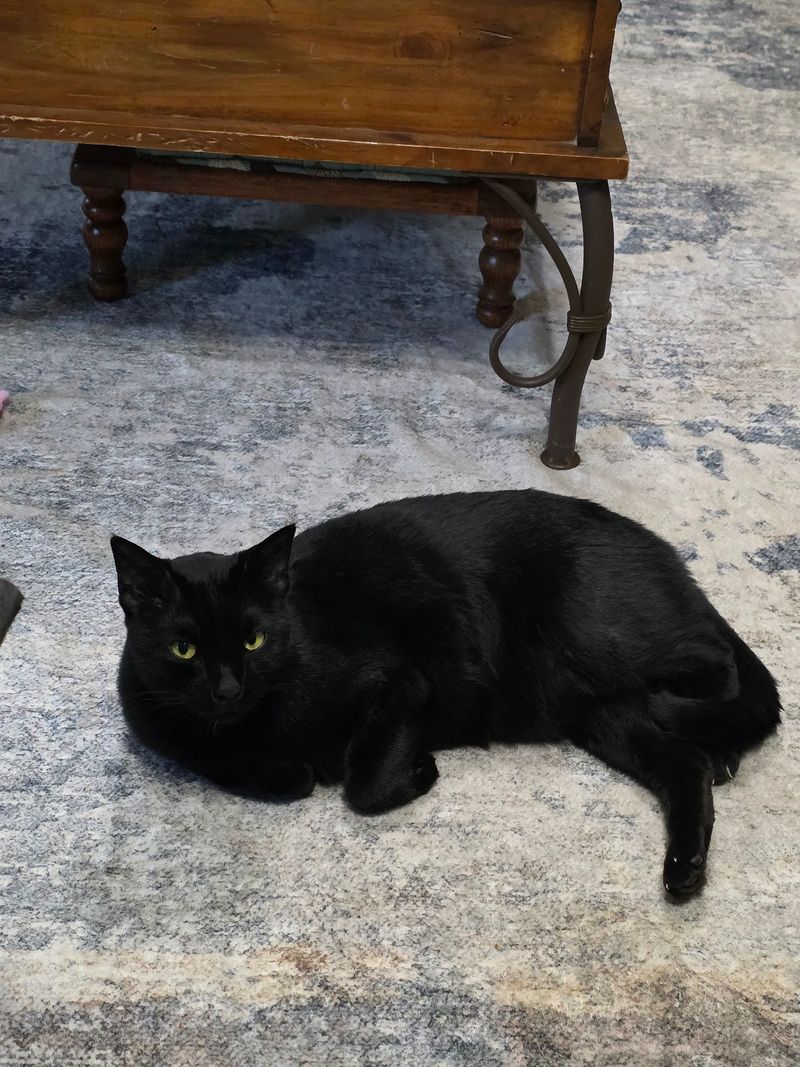
Money matters when bringing home a pet, so here is good news. Adoption fees at BARL have long been known to include shots and spay or neuter surgery.
Considering what those services can cost at a private clinic, that bundle offers solid value. You are not just paying for the animal.
You are covering early medical care that protects the pet and helps control the stray population.
Fees reportedly vary depending on factors such as the animal age group, and adopters have described them as reasonable. One family paid twenty-five dollars for a five-year-old cat some years back, though prices can change over time.
Checking the website or calling ahead is the best way to get current numbers.
Beyond adoptions, the shelter has also helped local owners get their own pets fixed. People have shared how staff explained the procedure and why it was a healthy choice, easing worries along the way.
Spaying and neutering might not sound exciting, but it ranks among the most powerful tools in animal welfare. Fewer unplanned litters mean fewer kittens and puppies ending up homeless, which is exactly the problem rescues like this one work to solve.
Health Questions Every Adopter Should Ask
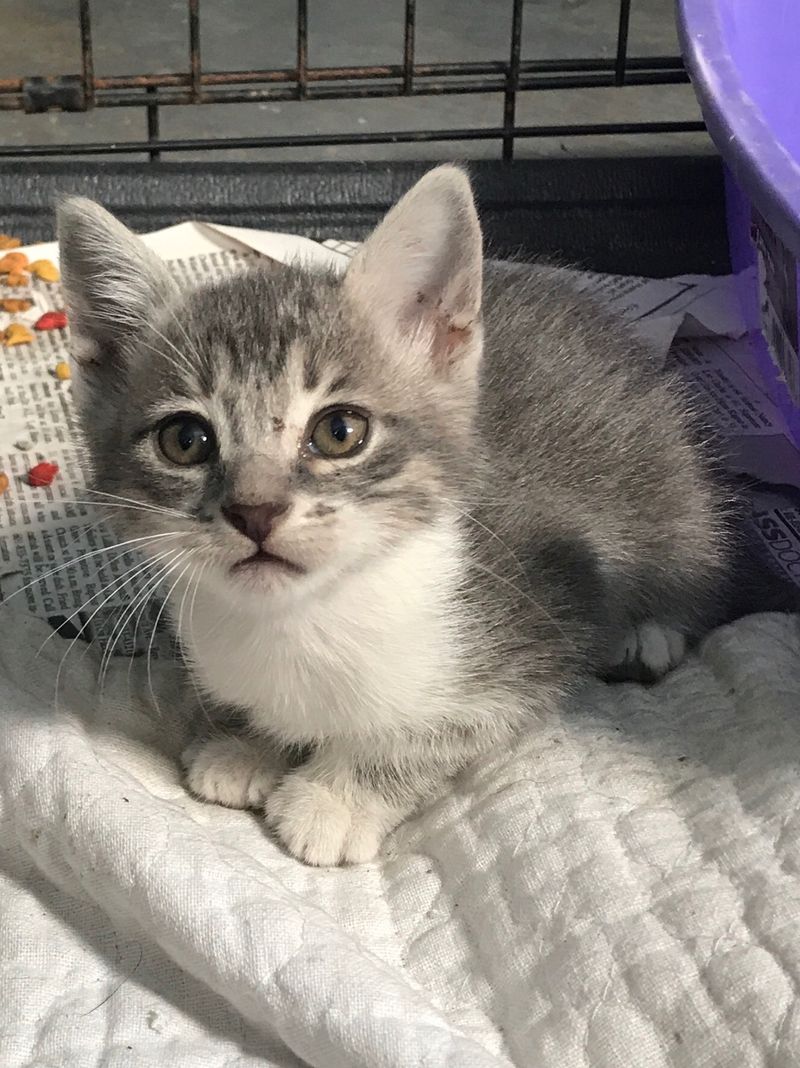
Honesty helps everyone, so here is something to keep in mind. A few past adopters have reported that kittens from the shelter came home with illnesses, including upper respiratory infections and a gut condition called coccidiosis.
These concerns appeared in older feedback, and shelters everywhere deal with contagious bugs among young cats. Kittens have developing immune systems, and close quarters can make germs spread quickly.
Still, it is smart to go in prepared.
Ask staff about each animal health history and what vet checks have been done. Find out about any sneezing, appetite changes, or recent treatments.
Good questions show you are a responsible adopter, and they help you plan ahead.
Schedule a visit with your own veterinarian soon after adoption. If you have other cats at home, keep the newcomer in a separate room for a little while.
A short quarantine period protects everyone.
Watch for signs like sneezing, watery eyes, diarrhea, or low energy, and call a vet promptly if anything seems off. Quick action makes a big difference with tiny kittens.
Taking these steps does not mean expecting trouble. It simply gives your new friend the strongest possible start.
Volunteering, Fostering, and Donations
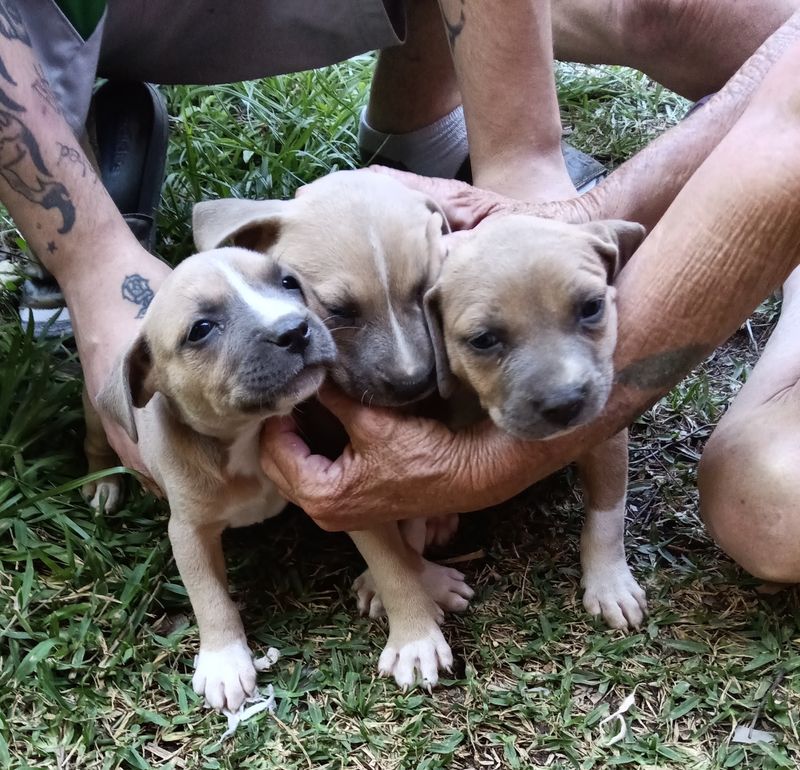
Not ready to adopt? There are still plenty of ways to help.
BARL leans heavily on community support, and volunteers form a big part of its daily life.
Volunteering might include cleaning, socializing animals, or helping during open hours. Playing with shy cats or walking energetic dogs gives them practice with people, which boosts their adoption chances.
Many helpers say the time spent becomes the highlight of their week.
Fostering offers another path. Taking an animal home temporarily frees up space at the shelter and gives the pet a taste of household living.
Kittens too young for adoption and animals recovering from illness often benefit most.
Donations keep the lights on and the bowls full. The team has said openly that more support would let them rescue additional animals from the streets and from rough situations.
Food, litter, cleaning supplies, and funds all make a difference.
Even sharing adoption posts on social media helps. A single share might reach the person who has been searching for exactly that cat.
Check the shelter website for current needs and volunteer details, since wish lists change depending on how many animals are in care at any moment.
Hours, Location, and Planning Your Visit
Timing is everything with this shelter. Public hours are limited, so a little planning saves a wasted trip.
BARL is open Thursday through Sunday from noon to 3 PM. Monday, Tuesday, and Wednesday it stays closed to visitors.
That three-hour window goes fast, especially if you want to meet several animals.
The shelter sits at 501 N Park Dr in Brookhaven, Mississippi. From Interstate 55, the drive into town is short, and the location works well for folks coming from Jackson, McComb, or across the Louisiana line.
Some adopters have happily made the drive from the Gulf Coast area.
Before heading out, visit the official website at barl.net to browse available pets and confirm hours. Animals get adopted quickly, so the cat you spot online may already have found a home.
Bring a secure carrier if you hope to adopt a cat, and a leash and collar for a dog. Having supplies ready shows preparation and makes the ride home safer.
Weekends can draw families, so arriving right at noon on Thursday or Friday may give you a quieter, more relaxed experience with staff and animals alike.