
This Mississippi Animal Sanctuary Is A Late Summer Destination You Will Want On Your 2026 Bucket List
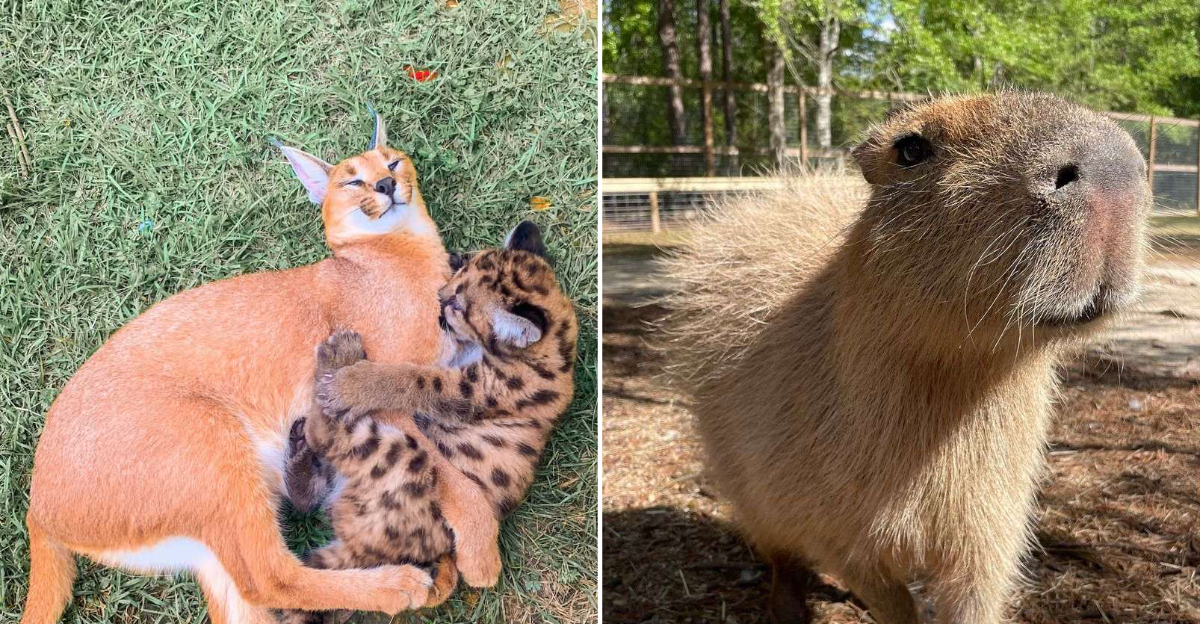
Every animal lover is going to fall for this place. These furry charmers stay relaxed and playful throughout each visit.
This Mississippi sanctuary makes a perfect late summer stop, one worth adding to any 2026 bucket list. Enclosures here feel spacious rather than cramped for the sake of fitting more exhibits into limited space.
Animals get real attention and care rather than just a scheduled feeding routine. Smaller crowds mean longer, more personal moments watching animals instead of fighting for a view.
Rare and exotic species live alongside more familiar favorites, giving visitors variety without overwhelming them. Educational programs run throughout the day, adding depth beyond just walking past enclosures.
Visitors who find this place usually leave wondering why it isn’t more widely known already.
Interactive Encounters And Educational Experiences
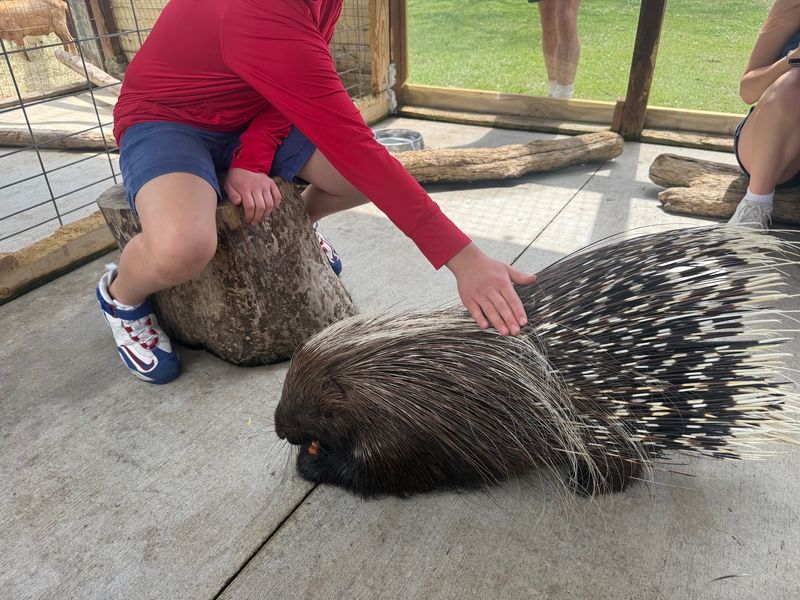
Feeding a porcupine by hand sounds like a dare. At Wild Acres, it is just part of the afternoon.
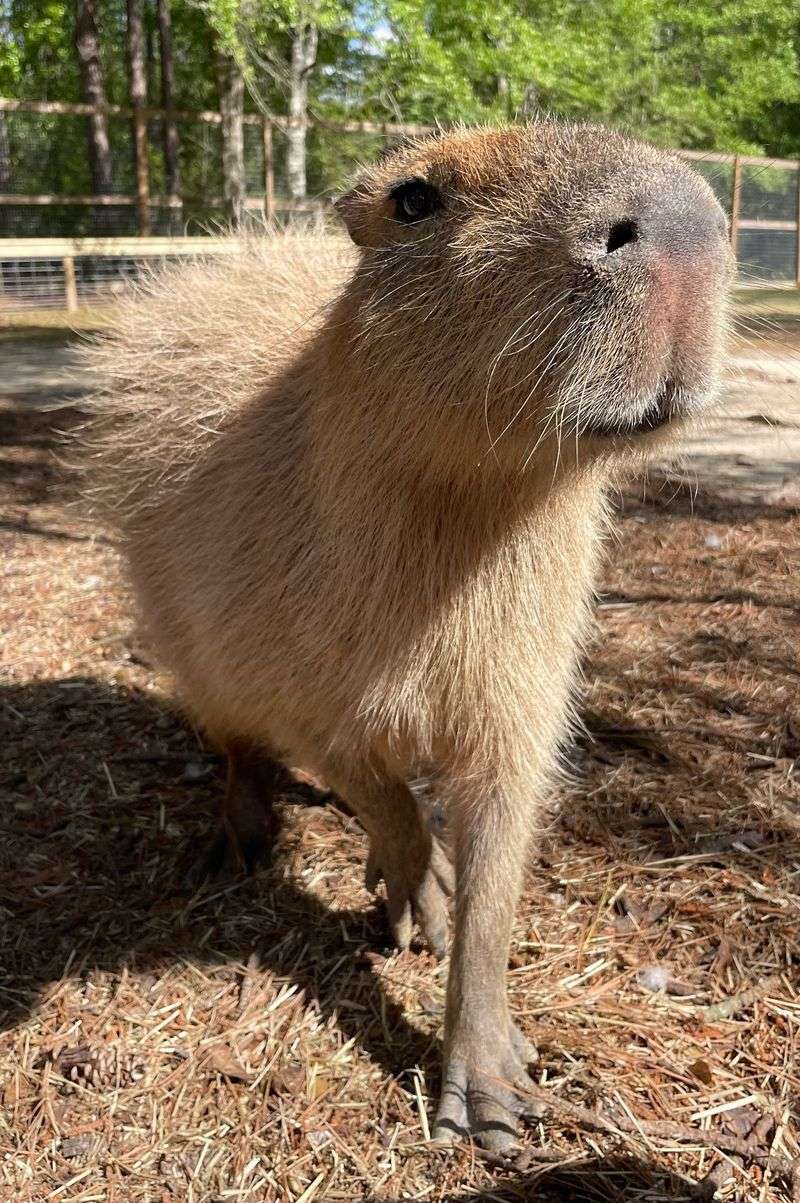
Guests hand squash and zucchini to a porcupine named Lady Gaga, who has opinions about her vegetables. Capybaras waddle up for their share too, and they are shockingly polite about it.
The Sloth Experience runs about thirty minutes and centers on Sammy, the resident sloth. Visitors hold him, feed him, and take photos while a staff member explains why romaine lettuce ranks so high on his personal menu.
Private one-hour tours go further. Certain enclosures open up, which means being within a few feet of animals that most people only see through thick zoo glass.
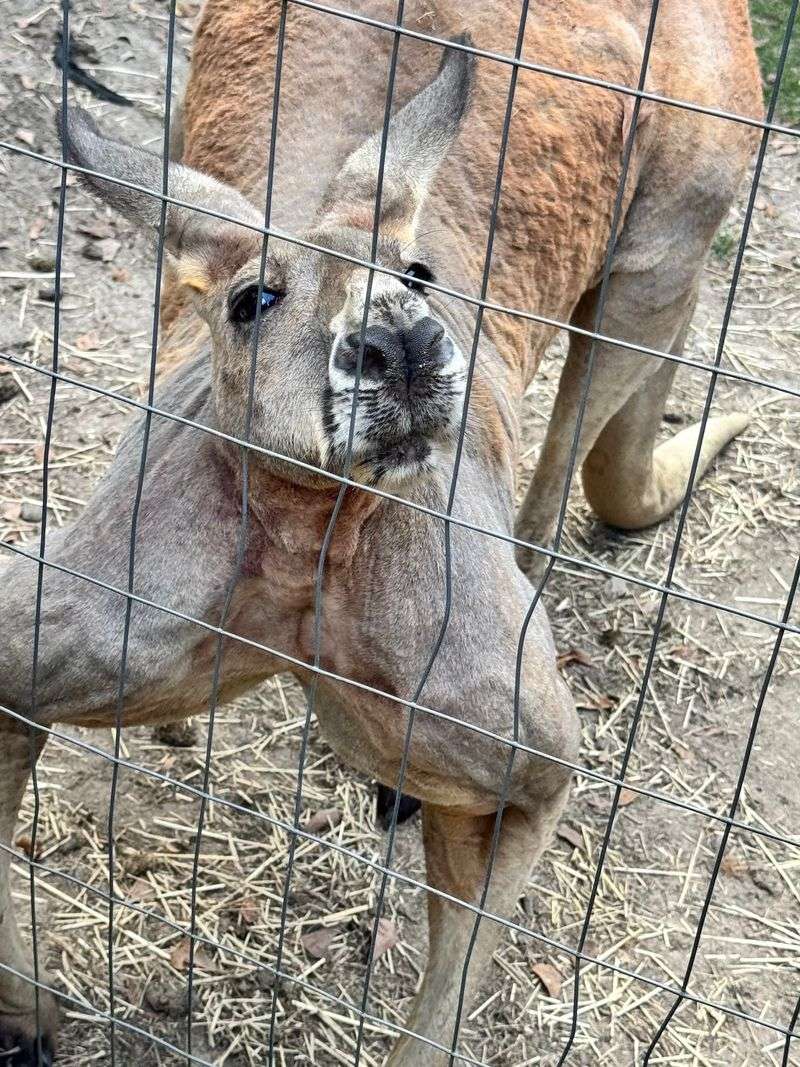
Madagascar lemurs make appearances. So do baby kangaroos, which visitors can actually hold, and yes, that is as good as it sounds.
The Group Animal Encounter Tours lean behind-the-scenes. Staff field questions about diets, habitats, and odd behaviors, and nobody rushes through the answers.
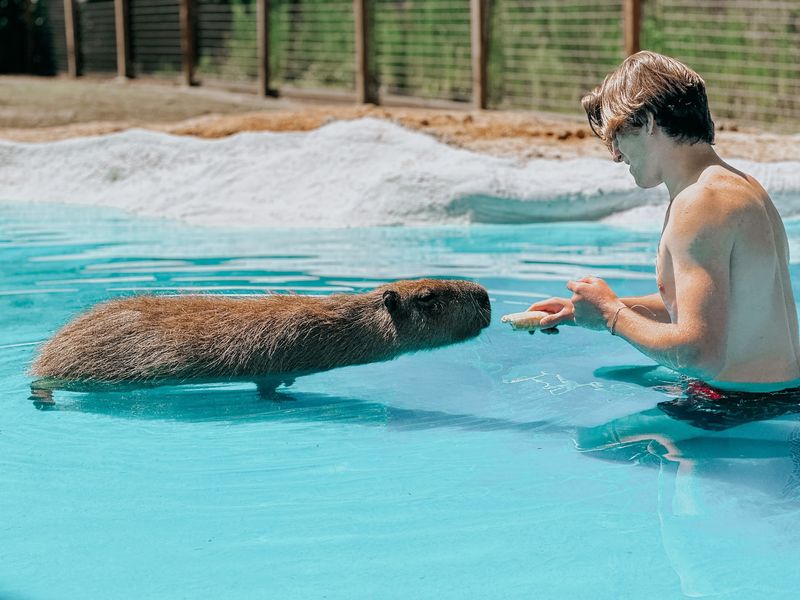
Then there is the Otter and Capybara Swim Excursion. Guests get in the water with otters, which are essentially furry chaos machines with excellent swimming form.
What ties it all together is the teaching. Every animal comes with a story, a quirk, and a reason it lives here.
Reservations are required, so plan. The address is 84 Our Rd, McHenry, MS 39561.
Seasonal Wildlife Behavior During Late Summer
Late summer in South Mississippi is humid enough to make your sunglasses fog up. The animals handle it better than most visitors do.
Shade matters here, and the sanctuary sits deep in the woods, which helps. Pines throw long shadows across the enclosures during afternoon hours.
Summer is also Safari Camp season. Kids ages seven through fifteen spend their days learning about the natural world with actual animals in front of them instead of a slideshow.
The camp has run as a full week of hands-on programming, blending zoology and botany with daily animal interaction. It turns a hot August week into something a kid remembers for years.
Because the sanctuary opens at 1 PM Wednesday through Sunday, tours land squarely in the warmest stretch of the day. Bringing water and a hat is not optional advice; it is survival planning.
Many animals get more active as the light softens toward late afternoon. Otters splash, lemurs move between perches, and the capybaras drift toward water like it is their job.
Booking a later slot in the day tends to be the smarter move in late summer. Cooler air, livelier animals, better photos.
Closed Mondays and Tuesdays, so build the trip around that. Reservations lock in your spot and keep group sizes small.
Sanctuary Conservation Efforts And Community Impact
Cody Breland started Wild Acres in 2016, and it began as a traveling petting zoo. His mother worked in wildlife rehabilitation, so animals in need were never a foreign concept in that household.
What grew from that beginning is a permanent home for animals with rough histories. Many arrived from bad situations and never had to leave again.
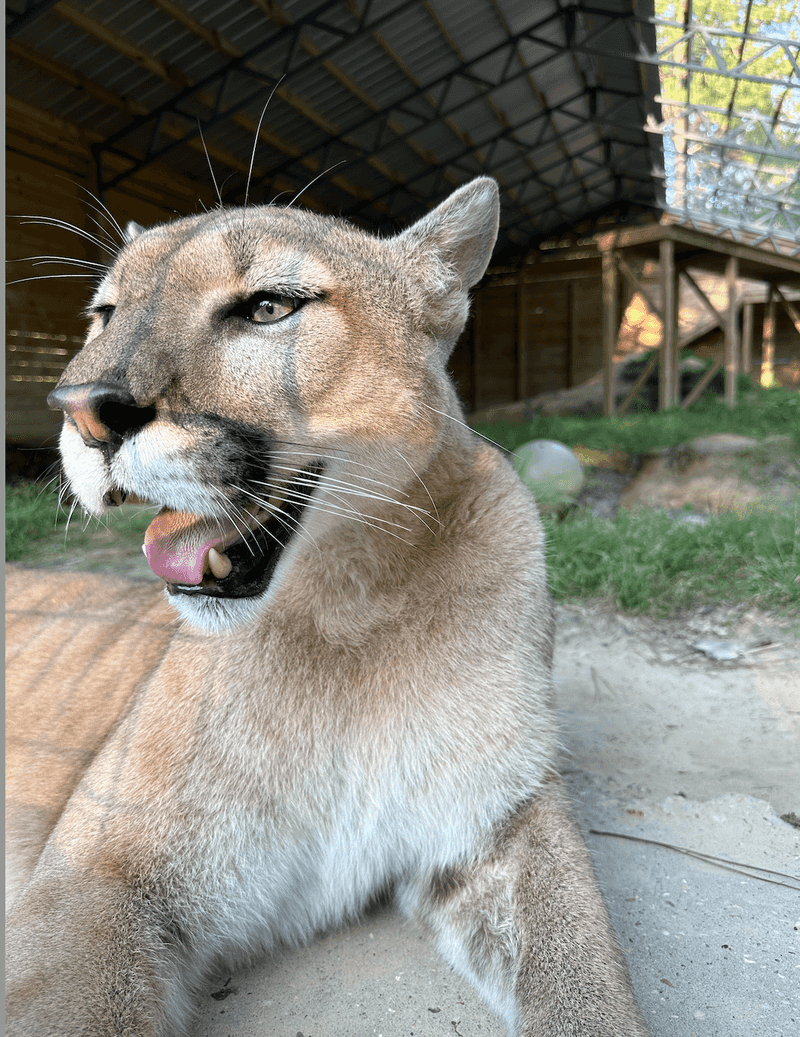
The collection is wild in scope. Kangaroos, sloths, big cats, lemurs, capybaras, coatimundis, tamanduas, fennec foxes, spider monkeys, zebras, camels, ostriches, alpacas, Bengal tigers, and a grizzly bear all live here.
Enclosures run larger than regulations require, and enrichment toys are standard rather than occasional. That detail says a lot about the priorities.
The Adopt an Animal program lets supporters back a specific resident. Money goes toward specialized diets, veterinary care, enrichment, and habitat upkeep.
During 2020, when almost nothing was open, the sanctuary offered hourly family safaris outdoors. Families got somewhere safe to go, and the animals kept getting fed.
Education sits at the center of the mission. Staff want visitors leaving with real understanding, not just a phone full of photos.
Field trips, school groups, and homeschool meet-ups all cycle through. For a lot of Mississippi kids, this is the first time they see a tiger breathing a few feet away.
Guided Tours And Hands On Activities For All Ages
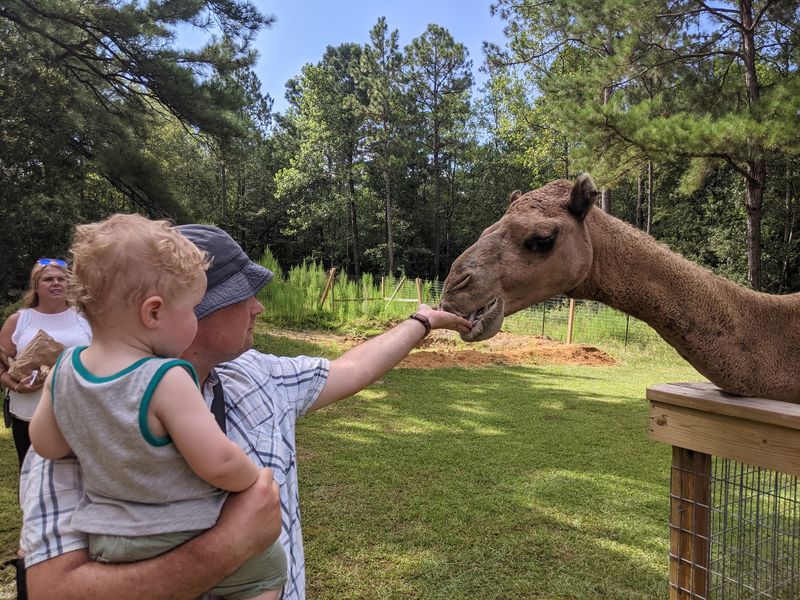
Not every tour fits every visitor, which is why there are several. Picking the right one changes the whole day.
Group Animal Encounter Tours run about an hour and a half and work well for families. Guides walk everyone through the property, stopping for feeding and petting along the way.
Private Encounter Tours dial the experience down to your own crew. Fewer people means more questions answered and more time at each stop.
The Sloth Experience is its own thirty-minute booking built entirely around Sammy. Short, focused, and hard to beat for anyone who has ever wanted to hold a sloth.
Otter and Capybara Swim Excursions require visitors to be at least ten years old. There is a purpose-built pool, and the otters treat guests like new pool toys.
Wild Homeschool Meet-ups give homeschooling families a hands-on tour of the collection. Science lesson, field trip, and social hour in one afternoon.
Safari Camp 2026 covers ages seven to fifteen with zoology, botany, and daily animal handling. Spots for programs like that tend to disappear early.
Groups stay intentionally small across the board. Solo visitors can join larger groups without any awkwardness.
Every option requires a reservation. Calling ahead at 228-209-9436 or booking online saves a very long drive for nothing.
Habitat Restoration Practices Supporting Native Species
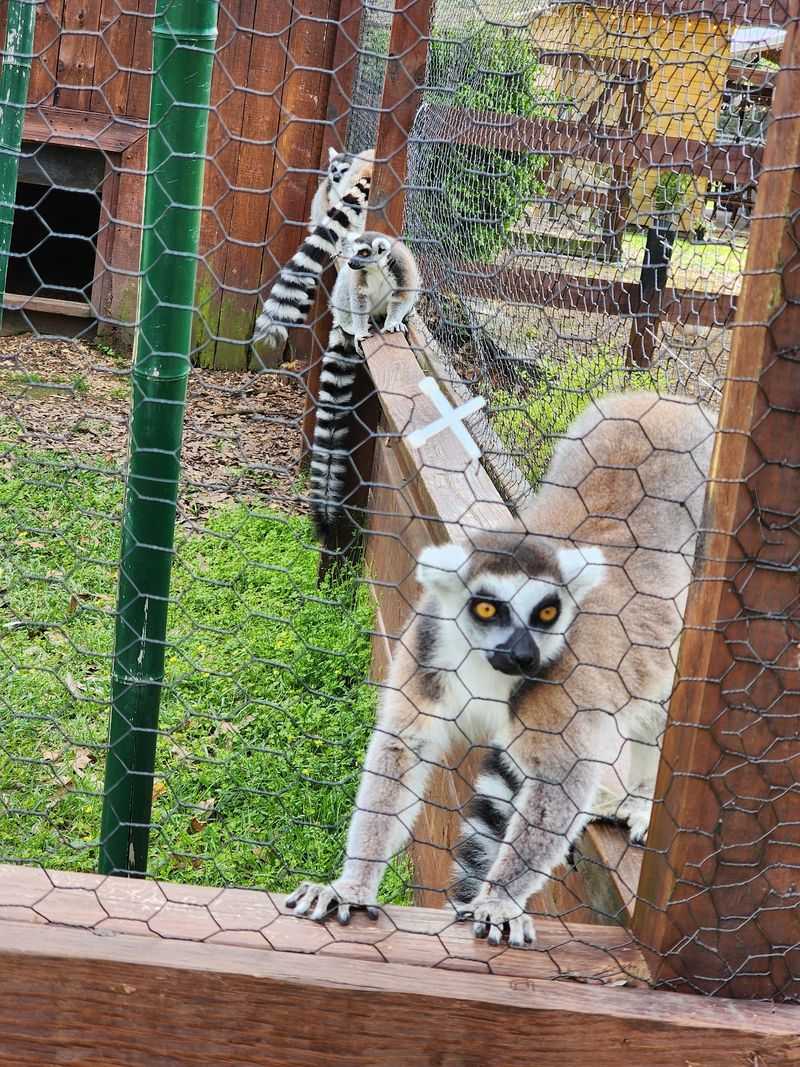
Here is something easy to miss while a lemur is climbing a fence post. The property itself is doing quiet work.
Wild Acres sits deep in the woods off a rural road, and the existing pine and hardwood canopy was largely left alone. Building around trees instead of clearing them keeps the whole place cooler.
Habitats are designed to suit each species rather than fit a standard template. Climbers get vertical space, diggers get ground to dig, and swimmers get water.
Shade shelters, natural substrate, and enrichment structures show up throughout. Nothing looks like a concrete box with a drain.
Keeping mature trees standing also means the surrounding land still supports the birds, insects, and small creatures that were already there. Native Mississippi species keep using the wooded edges around the sanctuary.
Safari Camp folds botany into its curriculum, so kids study plants alongside animals. Learning that a habitat is more than fencing is a lesson that sticks.
Enclosures exceed minimum size requirements, which reduces wear on the ground inside them. Less trampling means vegetation has a chance to recover.
The whole layout stays walkable and organized, so foot traffic follows set paths. Visitors move through without stomping across sensitive ground.
Simple choices, repeated daily, add up to a property that feels genuinely wooded rather than paved over.
Volunteer Opportunities And How To Get Involved
Want the real behind-the-scenes version? Volunteer and bring gloves.
Wild Acres brings on volunteers to help with animal care and daily operations. The work list includes cleaning enclosures, prepping and delivering food, and pitching in during events.
Nobody should picture this as constant cuddling with baby kangaroos. A large share of the job involves hauling, scrubbing, and chopping produce.
The trade-off is genuine access. Volunteers learn animal routines, personalities, and care needs in a way no tour can replicate.
Perks exist too. Volunteers receive Wild Acres merchandise, and immediate family members can visit the animals at no cost.
For anyone eyeing a career with animals, this kind of experience carries real weight. Feeding a capybara on a schedule teaches more than any textbook chapter.
The Adopt an Animal program offers a different path. Symbolic adoption supports a specific resident and helps cover meals, medical care, enrichment, and habitat maintenance.
That funding matters at a facility housing tigers, a grizzly bear, camels, and dozens of other residents. Big animals come with big grocery bills.
Reaching out through the website or by phone is the starting point for either option. Both keep the operation running.
Supporting the place beyond a single visit is what keeps these animals comfortable for the long haul.
Care Techniques Demonstrated By Sanctuary Staff
Ask a keeper here what a sloth eats, and you will not get a one-word answer. You will get a whole explanation about romaine lettuce and why it wins.
Staff knowledge is arguably the strongest feature of the entire operation. Guides know each animal by name, by history, and by mood.
Diets get discussed in detail during feeding sessions. Porcupines take squash and zucchini, capybaras have their own preferences, and none of it is guesswork.
Handling techniques get demonstrated in real time. Visitors watch how a baby kangaroo is supported, how a sloth is held, and how to approach an animal calmly.
Kids receive specific coaching on gentle contact. Slow hands, quiet voices, no sudden grabbing.
Enrichment appears throughout the enclosures. Toys, climbing structures, and puzzle-style items keep intelligent animals like lemurs and coatimundis mentally busy.
Cleanliness is obvious across the property. Clean enclosures are not decorative; they are how you prevent illness in a collection this varied.
Animals that participate in encounters move toward fences on their own. That comfort level comes from consistent, patient handling over years.
Guides also explain what they will not do. Certain animals are strictly hands-off, and staff say so plainly.
Watching professionals work is quietly the best part of the visit.
Sustainable Practices Maintaining Sanctuary Ecosystems
Running a sanctuary with tigers, camels, and a grizzly bear is not a small logistical puzzle. Everything has to be repeatable, day after day, year after year.
Fresh produce moves through daily for the animals that need it. Squash, zucchini, romaine, and similar items get prepped and distributed on a set rhythm.
Larger-than-required enclosures spread activity over more ground. That reduces damage to soil and vegetation inside each habitat.
Water features for otters and capybaras require constant attention. Clean water is not a luxury for semi-aquatic species; it is a health requirement.
Limiting group sizes protects the animals as much as it improves the visit. Fewer people means less noise, less stress, and calmer residents.
Reservation-only access controls exactly how many visitors are on the property at once. That structure keeps the whole place manageable.
Operating five days a week gives animals two quieter days. Rest built into the schedule matters for creatures that interact with people regularly.
Funding comes through tours, encounters, camps, and the Adopt an Animal program. Diversifying that support keeps care consistent even in slow seasons.
Volunteer labor fills in the gaps that paid staff cannot cover alone. Extra hands mean cleaner enclosures and better enrichment.
Together, those habits keep this Mississippi sanctuary steady and worth the 2026 trip.