
This Mississippi Farm Market Makes A Small Grocery Budget Go Further With Fresh Produce
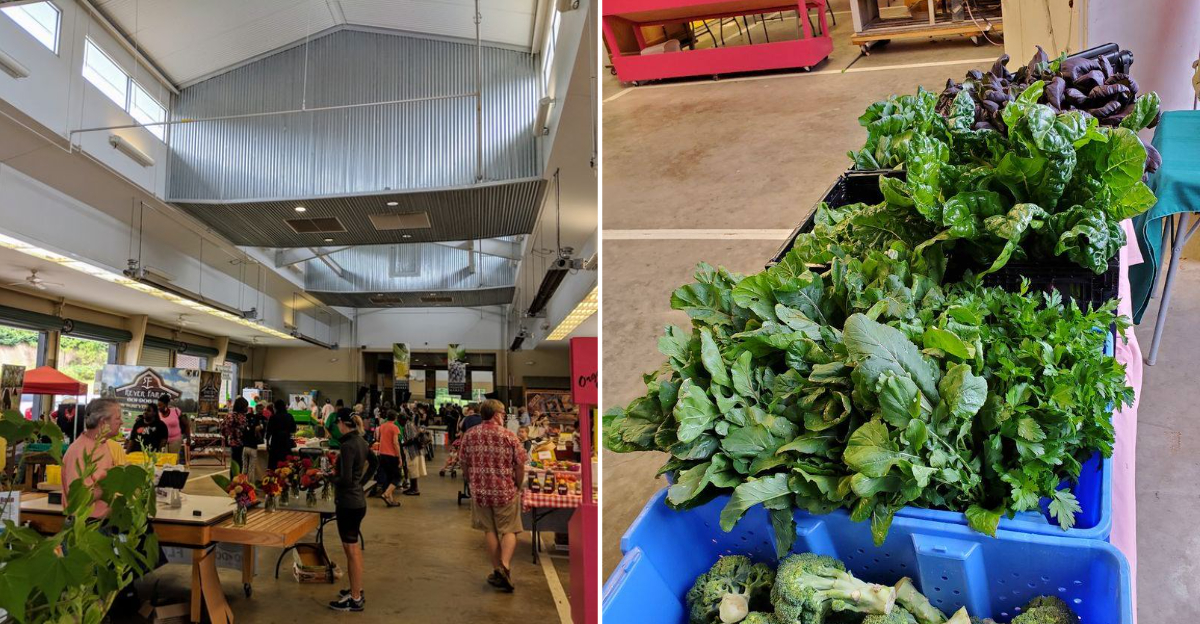
At this Mississippi farm market, you’ll always find fresh produce ready to stretch a small grocery budget further. Prices here stay lower than typical grocery store chains, especially for seasonal fruits and vegetables.
Regulars plan their shopping around what’s currently in season, getting the best value for their money. Nothing about the produce feels lower quality despite the more affordable price tags.
Vendors sell directly from their own farms, cutting out the markup that comes with typical retail. Families stretch their budgets further here, filling carts without watching costs spiral out of control.
Visitors moving in from pricier grocery chains often can’t believe how much they’re saving. This market proved that eating well doesn’t require spending a fortune to make it happen.
Seasonal Fresh Produce Options
Spring kicks things off with strawberries so red they look photoshopped. Collards, kale, lettuce, carrots, radishes, and beets pile up beside them, and the whole building smells like a garden after rain.
By May, the fruit tables get serious. Blueberries show up, then muscadines, peaches, and plums, each one grown close enough that it didn’t need a plane ticket.
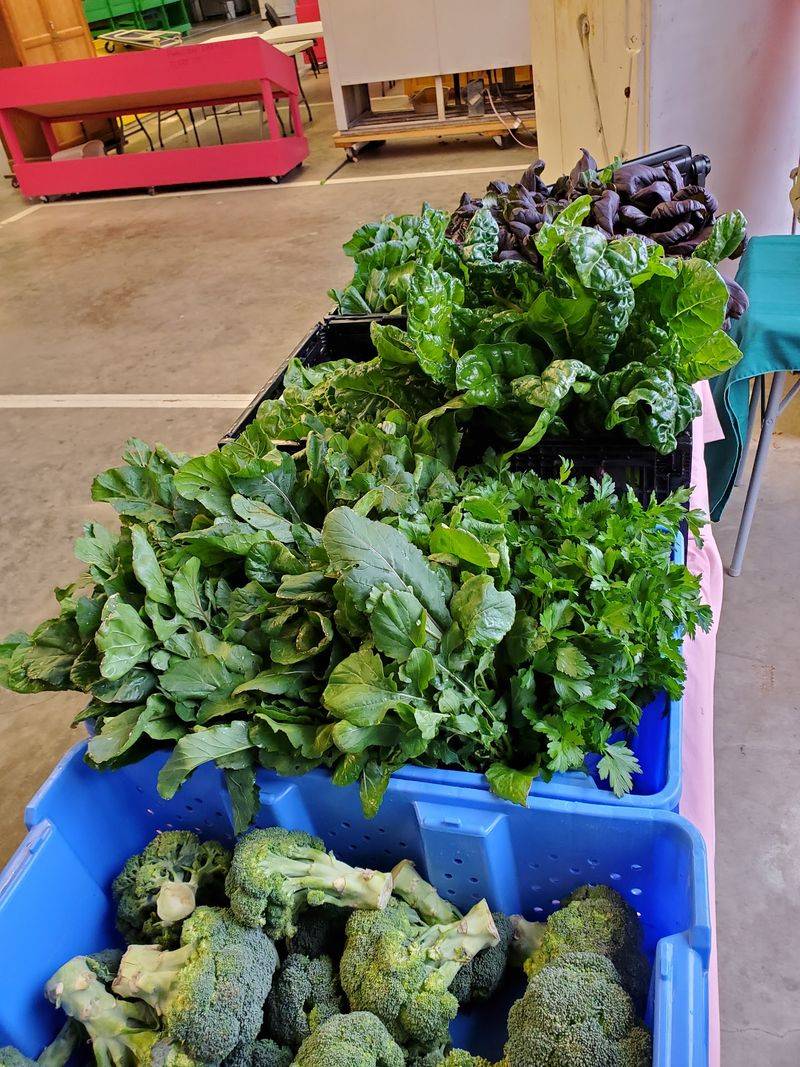
June turns the place into a full-on produce festival. Green beans, pole beans, butter beans, broccoli, cabbage, cauliflower, cantaloupe, sweet corn, eggplant, peppers of every heat level, squash, and tomatoes all compete for attention.
Some items hang around longer than others. Bok choy, persimmons, sweet potatoes, turnips, and salad greens pop up across different stretches of the calendar, which says a lot about how much Mississippi soil can actually grow.
Shopping this way changes the way a week of meals looks. Instead of picking recipes first and hunting ingredients later, the produce leads and the cooking follows.
There’s also a practical upside. Whatever is stacked highest is usually whatever is most plentiful, and plentiful almost always means friendlier on a budget.
Doors open Saturday mornings at 8, and the early crowd tends to get first pick of the berries. You can find the Mississippi Farmers Market at 929 High St, Jackson, MS 39202.
Cost Saving Tips For Shoppers
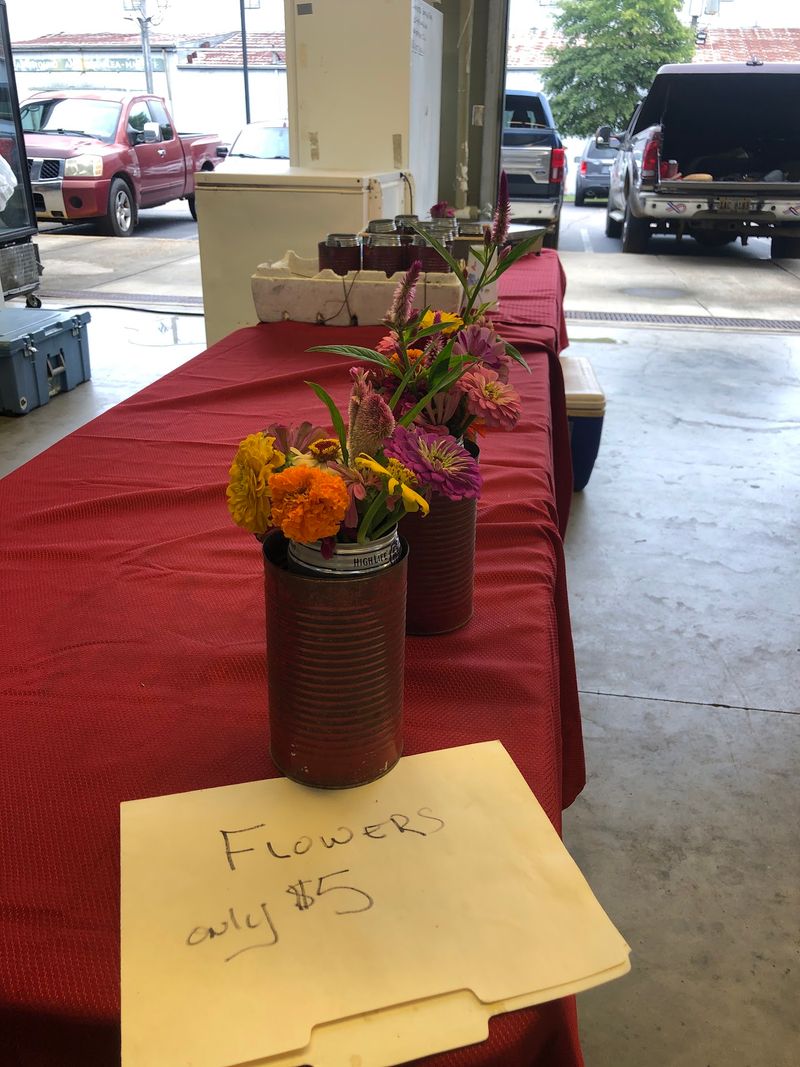
Here’s a detail plenty of shoppers miss. Many Mississippi-grown items, including fruits, vegetables, dairy, meat, eggs, honey, and certain specialty foods, are often exempt from state sales tax at MDAC Certified Farmers Markets.
That’s money saved before anything else happens.
Buying what’s in season stretches things further. Produce harvested nearby skips the long-haul trucking and cold storage costs that quietly inflate grocery store tags.
Then there’s the imperfect stuff. A tomato with a scar or a crooked cucumber tastes the same, and some farmers price those lower simply because they look unusual.
Bulk buying is another angle worth trying. Vendors often work with shoppers who want a whole flat of berries or a big bag of peppers instead of a handful.
Timing matters too. Closer to the 1 p.m. close, some growers would rather sell than reload the truck, which can lead to deals that never get advertised.
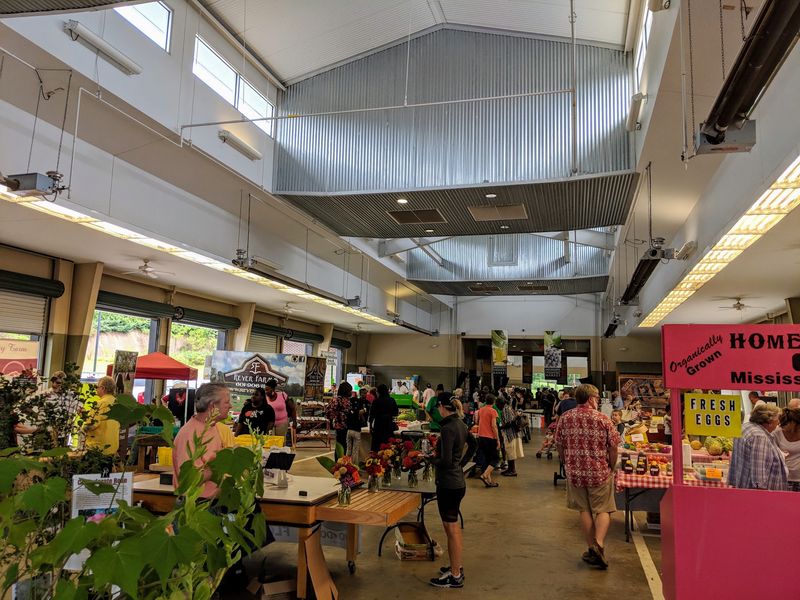
Walking the full loop before buying anything helps as well. With 32 stalls under one roof, the same vegetable might appear at three different tables with three different offers.
Cash and reusable bags are smart companions. Carts and baskets aren’t provided, so an extra set of hands or a sturdy tote keeps a big haul from turning into a juggling act in the parking lot.
Nutritional Benefits Of Local Fruits
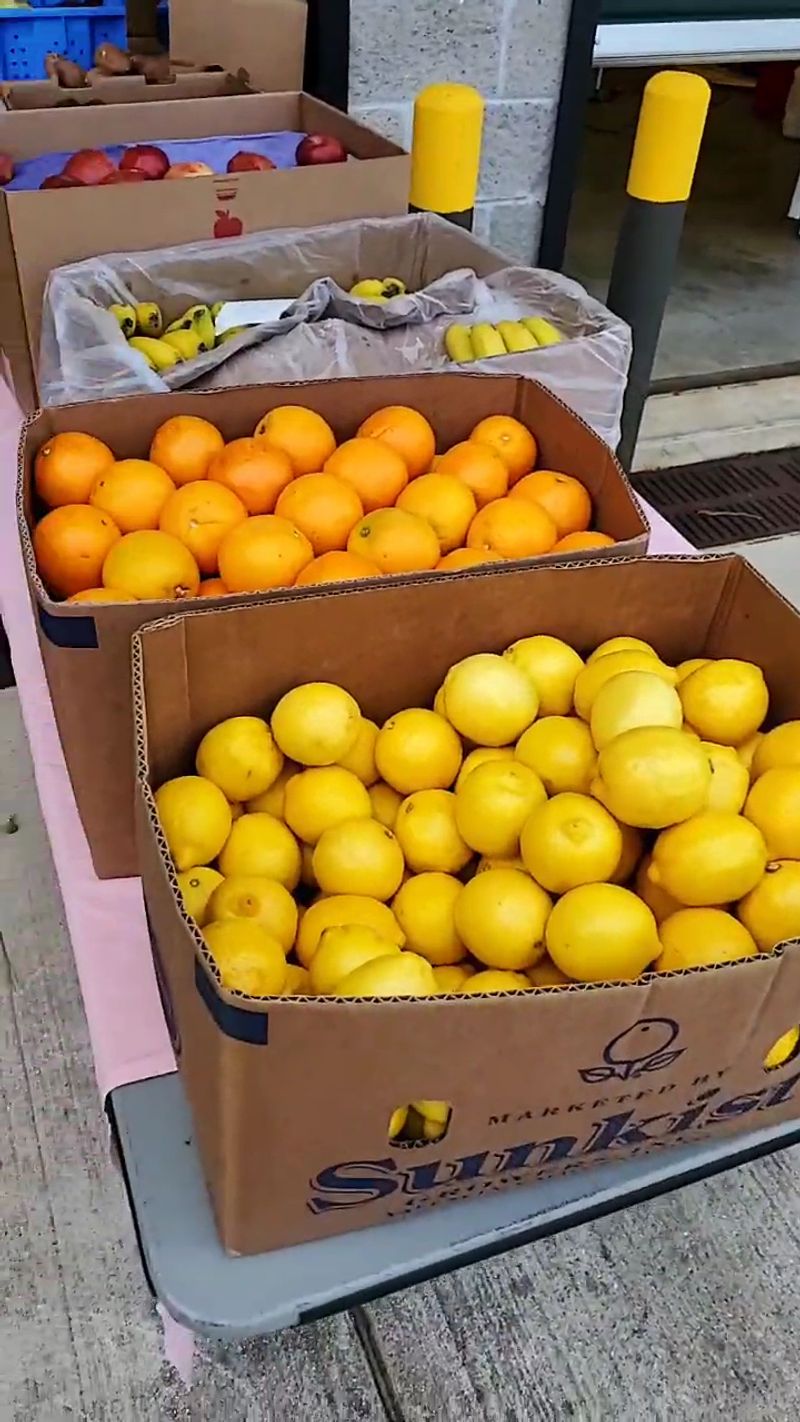
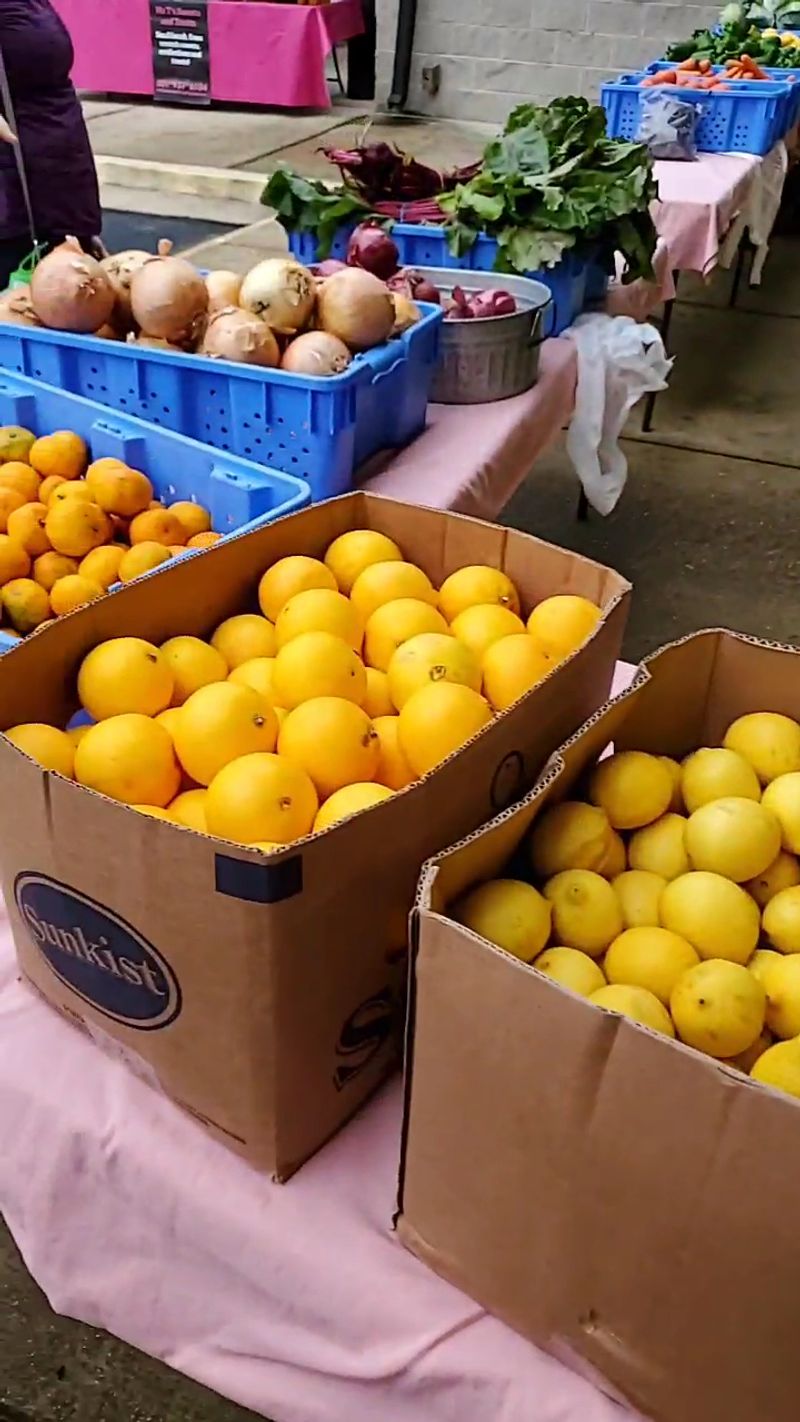
A peach picked two days ago and a peach picked two weeks ago are not the same peach. Nutrients start slipping away shortly after harvest, especially vitamin C and antioxidants, and long transport speeds that decline.
Fruit sold directly by growers usually gets picked near peak ripeness. That timing is exactly when flavor and nutrition both hit their high point.
Shorter travel also means less handling. Fewer temperature swings, less time under artificial lights, and less rough treatment in crates all help fruit hold onto its quality.
Color variety is its own kind of nutrition strategy. Blueberries, peaches, plums, muscadines, and persimmons each bring different phytonutrients, so a mixed bag does more for you than five pounds of one thing.
Local fruit also tends to see fewer chemical treatments meant to keep produce looking fresh through weeks of shipping. What ripens close by simply doesn’t need that kind of help.
Kids notice the difference faster than adults do. Fruit that actually tastes like fruit turns snack time into an easy win instead of a negotiation.
And since the growers are right there, questions are welcome. Asking when something was picked or how it was grown takes ten seconds and tells you more than any label ever could.
Variety Of Vegetables Available
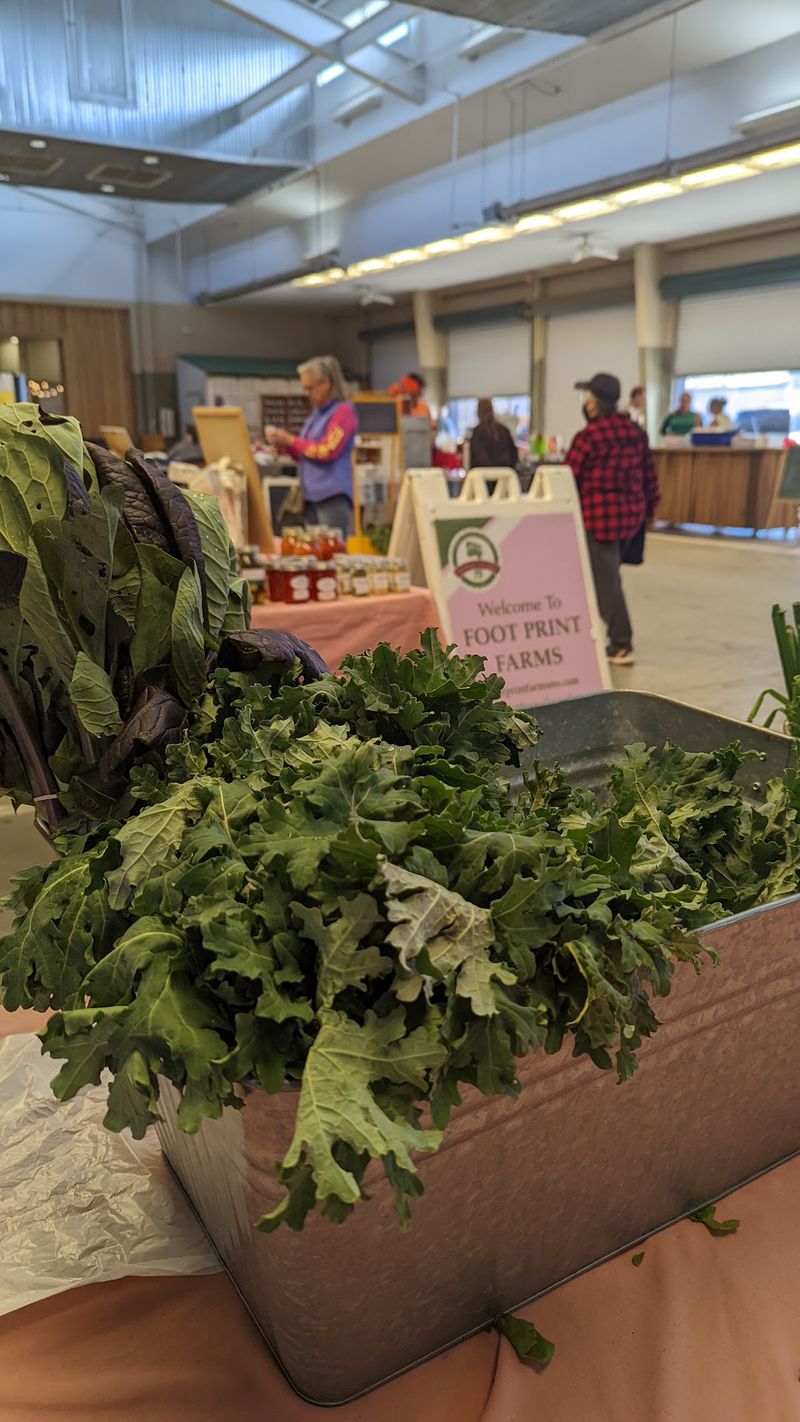
Beets, broccoli, cabbage, carrots, collards, and sweet corn form the reliable backbone of the vegetable tables. Those show up often enough that regular shoppers can plan around them.
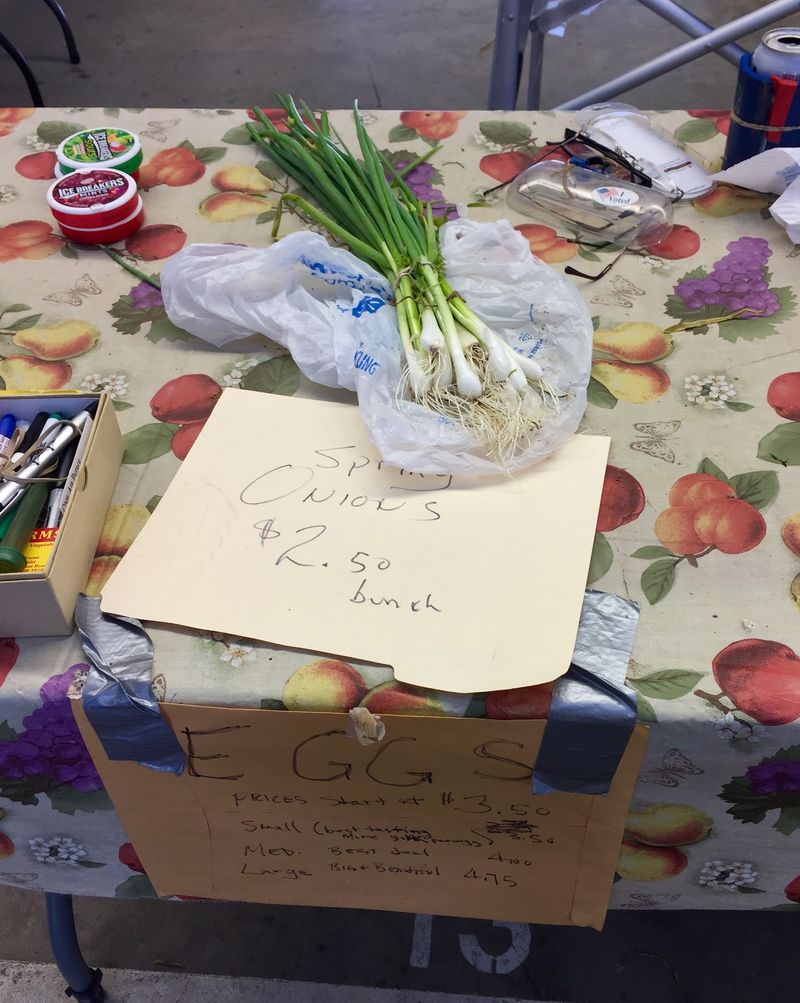
Depending on the month, the lineup grows fast. Cucumbers, eggplant, green beans, okra, and onions, including green onions, all take their turn in the rotation.
Peppers deserve their own mention. Sweet varieties sit next to hot ones, and the color range alone makes a stir-fry look like artwork.
Root crops and gourds hold down the cooler months. Irish potatoes, sweet potatoes, pumpkins, and several types of squash stack up in ways that make winter cooking easy.
Leafy greens are everywhere. Lettuce, mustard greens, salad mixes, and turnips with their tops still attached give cooks options far beyond a bagged salad.
The real surprises are the heirloom and specialty crops. These are the vegetables that rarely survive commercial shipping, which is exactly why big grocery chains skip them.
Growing unusual varieties also helps protect agricultural biodiversity, keeping older seed lines alive instead of letting them fade out. That’s a quiet win happening one purchase at a time.
Cherry tomatoes get grabbed quickly, so anyone hoping for a pint should probably not sleep in on Saturday.
Benefits Of Buying Direct From Growers
When a farmer sells straight to you, the money doesn’t get sliced up by distributors, warehouses, and chain markups. A bigger share stays with the person who did the planting.
That difference keeps family farms working. Small operations survive on direct sales in a way they simply can’t on wholesale contracts.
The environmental math improves too. Less trucking, less refrigeration, and less packaging add up to a much lighter footprint per bag of groceries.
Dollars spent here tend to circulate nearby. They move through local jobs, local suppliers, and other Jackson businesses instead of leaving the state entirely.
Transparency is the other payoff. Anyone curious about how a crop was grown or how cattle were raised can just ask the grower standing behind the table.
Some vendors sell beef born and raised on their own land, processed in-state. That level of traceability is nearly impossible to find on a supermarket shelf.
These sales also help protect farmland from being sold off and paved over. Working land stays working when there’s a reliable place to sell what it produces.
And the growers enjoy the teaching part. Explaining a crop, sharing a cooking method, or naming the county something came from turns a transaction into an actual conversation.
How To Store Fresh Items
Getting produce home is half the job. Keeping it good for the week is where a little know-how saves real money.
Start by keeping fruits and vegetables separate. Some fruits release ethylene gas that pushes nearby vegetables toward spoilage faster than you’d expect.
Tomatoes and avocados belong on the counter. Cold air dulls their flavor and turns tomato texture into something mealy and sad.
Herbs love a drink. Cilantro, parsley, and mint stay perky standing upright in a glass jar with an inch of water in the fridge.
Leafy greens and lettuce do best wrapped in paper towels inside a sealed bag. The towel absorbs moisture that would otherwise turn leaves slimy.
Onions and potatoes prefer a cool, dark, dry cabinet over the refrigerator. Keep them apart, since they age each other quickly when stored together.
Hold off on washing berries and green beans until right before cooking. Water left on the surface is basically an invitation for mold.
Mushrooms need to breathe, so a paper bag beats plastic every time.
Need something ripe by tomorrow? Drop a tomato or avocado in a brown paper bag with a banana or apple, and the ethylene gas speeds everything along nicely.
Planning Meals Around Finds
Most meal plans start with a recipe and end with a scavenger hunt through four grocery aisles. Flipping that order makes shopping cheaper and cooking more fun.
Let the market decide. Whatever looks best and costs least becomes the center of dinner, and the recipe gets built around it.
Seasonal eating rewards you with better flavor automatically. Corn in June and sweet potatoes in November taste right because that’s when they’re supposed to be here.
Growers are walking recipe books. Many will happily explain how to cook an unfamiliar green or share the way their grandmother handled butter beans.
Those conversations lead to kitchen experiments. A vegetable you’ve never bought becomes next week’s favorite side dish, which keeps meals from turning repetitive.
Cooking from market ingredients also nudges you toward eating at home more often. That shift alone tends to trim a food budget without any real sacrifice.
Eggs, honey, dairy, and meat from local vendors round out the plan. A single Saturday trip can cover most of what a week actually needs.
Breakfast or lunch is available on site too, so shoppers can eat before hauling everything home. Grocery shopping while hungry has never been a winning strategy.
Supporting Sustainable Agriculture Practices

Every bag of squash bought here quietly votes for a different kind of farming. Shorter supply chains mean less fuel burned, less refrigeration running, and far less plastic wrapped around food.
Plenty of vendors lean on organic and sustainable methods. Those approaches build healthier soil and cut back on synthetic chemical use over time.
Crop rotation and mixed planting schedules also come into play. Rotating what grows where keeps soil productive and helps manage pests without heavy spraying.
Heirloom and specialty varieties matter more than they seem to. Growing many different crops protects genetic diversity, which makes the whole food system tougher against disease and bad weather.
The market itself acts as the connection point. Growers large and small get one central place to sell, which makes small-scale sustainable farming financially possible.
Shoppers get something too. Meeting the people who grow your food builds a kind of trust no packaging claim can match.
Community grows alongside the crops. Conversations between stalls, familiar faces every Saturday, and shared cooking tips turn shopping into something closer to a neighborhood gathering.
Long term, this is how farmland stays farmland. Steady local demand gives growers a reason to keep planting instead of selling out to developers.