
This Wisconsin Bakery Has Been Using The Same Swiss Recipes For Over 100 Years
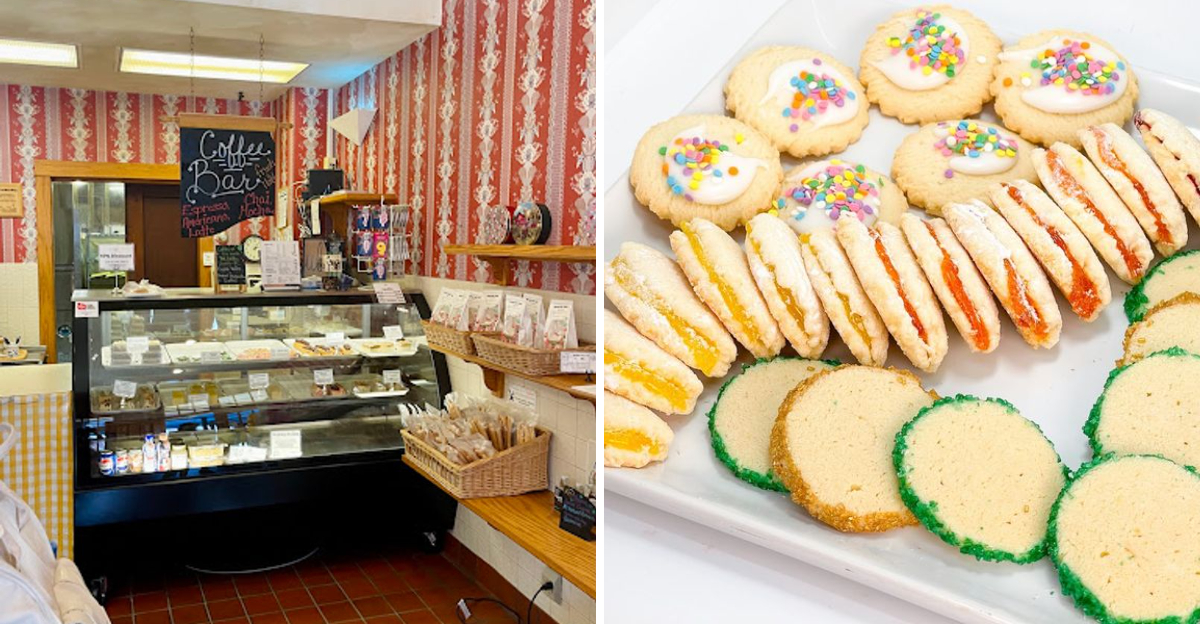
Butter, sugar, and patience can tell a story better than any sign on the door. In Wisconsin’s Swiss village, one long-running bakery keeps that story deliciously alive with recipes that have survived more than a century of changing tastes.
The shelves feel like a small edible history lesson, only with cookies, stollen, breads, and nut horns instead of dusty textbooks. Every bite points back to old-world baking habits, where dough was handled carefully and shortcuts were not invited into the kitchen.
Ever tasted something and thought, yep, this has been perfected by generations? That is the charm here.
It is sweet, nostalgic, a little festive, and wonderfully stubborn about doing things the traditional way.
Swiss And American Pastries Have Been Made Here Since 1910
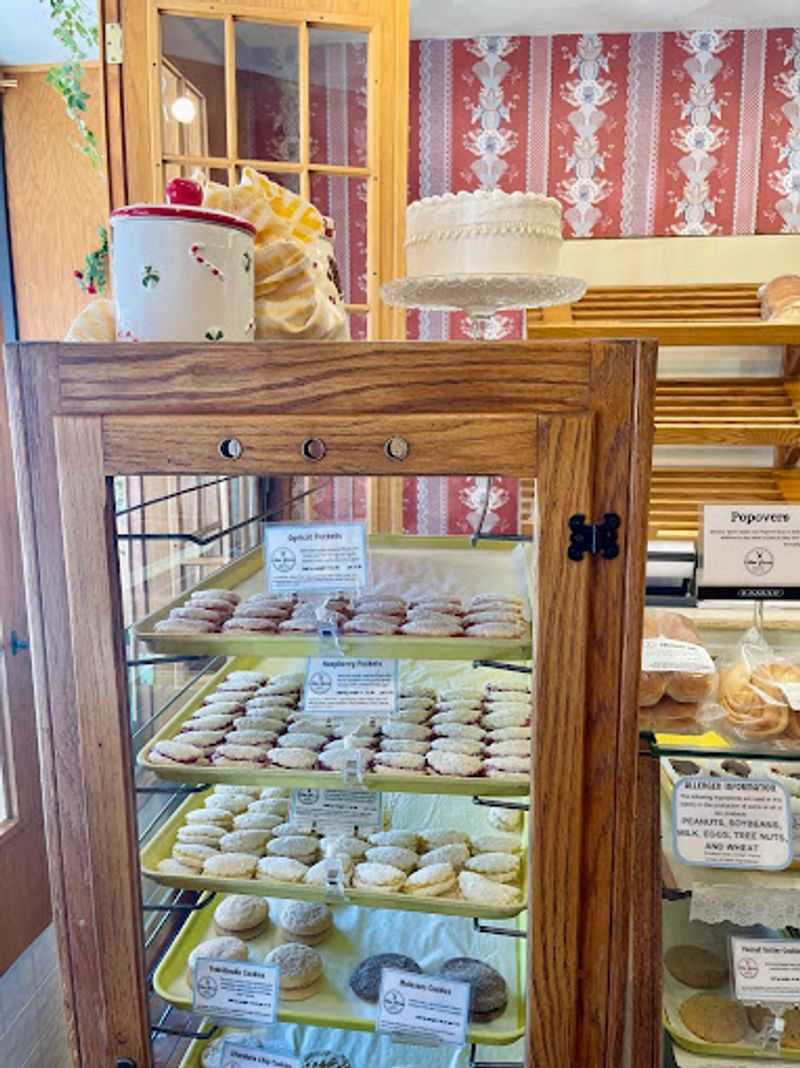
Opening a bakery in a small Wisconsin town over a century ago required more than flour and ambition. The founders of New Glarus Bakery brought with them a collection of handwritten recipes passed down through Swiss families, determined to recreate the flavors of their homeland in America’s heartland.
That commitment to authenticity has never wavered, even as decades rolled by and food trends came and went.
The bakery’s longevity speaks to something deeper than nostalgia. Customers return not just for the taste, but for the connection to a slower, more deliberate way of preparing food.
Every pastry that leaves the shop carries with it the weight of tradition, made using methods that have remained largely unchanged since the Taft administration.
This dedication to the past has turned the bakery into a local landmark. Visitors often comment on the sense of stepping back in time, where quality trumps convenience and every baked good reflects genuine craftsmanship rather than mass production.
New Glarus’ Swiss Heritage Shapes The Bakery’s Identity
New Glarus earned its nickname as America’s Little Switzerland through deliberate preservation of Swiss culture, and the bakery sits at the center of that identity. The town’s founders emigrated from the canton of Glarus in 1845, bringing with them not just their language and customs, but their culinary traditions as well.
This bakery became one of the most visible expressions of that heritage, offering residents and visitors alike a direct link to Alpine food culture.
The recipes used today mirror those found in Swiss mountain villages, with an emphasis on butter, nuts, and subtle spices rather than excessive sweetness. This restrained approach to flavor reflects a European sensibility that values balance and complexity over sugar shock.
Many American bakeries have moved toward bigger, bolder flavors, but New Glarus Bakery maintains its commitment to the understated elegance of Swiss baking.
That cultural authenticity has made the bakery a destination for Swiss-Americans seeking a taste of their ancestry and food enthusiasts curious about genuine European traditions.
Handmade Baking Keeps The Old Traditions Alive
Walk into the back of New Glarus Bakery and you will find something increasingly rare in commercial baking: human hands doing the work that machines typically handle elsewhere. The bakery has resisted the push toward automation that has transformed most American bakeries into semi-industrial operations.
Instead, bakers still shape dough by hand, roll pastries individually, and monitor each batch with the kind of attention that cannot be programmed into equipment.
This commitment to handcraft means production moves at a different pace. The bakery cannot churn out endless quantities of identical products, which explains why the display cases sometimes empty out by late afternoon.
Regulars have learned to arrive early or place advance orders, understanding that fresh-baked quality comes with natural limitations.
The tactile nature of this work connects modern bakers to their predecessors in an unbroken chain. Each generation has learned by watching and doing, absorbing not just recipes but the subtle feel of properly developed dough and the visual cues that signal perfect doneness.
Most Ingredients Are Made In House
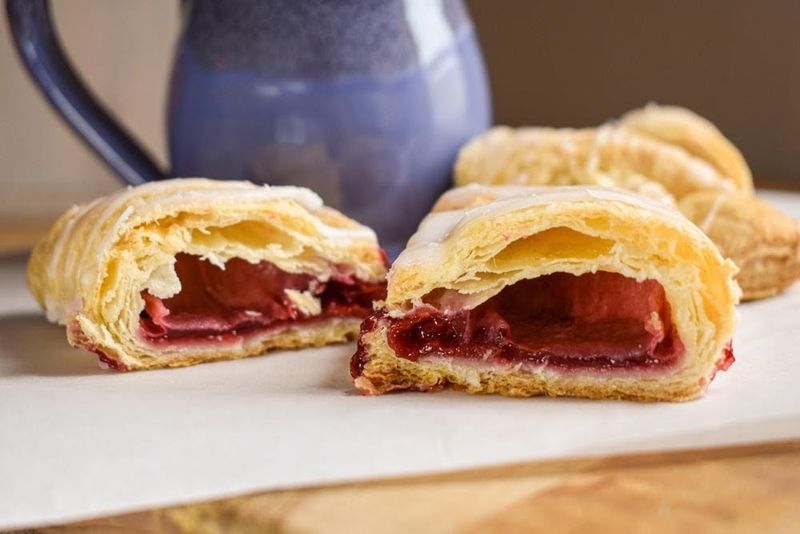
Many modern bakeries rely on pre-made fillings, frozen dough, and commercial mixes to speed up production and reduce costs. New Glarus Bakery takes the opposite approach, preparing nearly everything from scratch within their own kitchen.
The vanilla custard filling their eclairs, the fruit preserves in their pastries, and the buttercream in their layer cakes all start with basic ingredients rather than arriving in plastic tubs from food service suppliers.
This level of control over ingredients allows the bakers to maintain consistency and adjust recipes based on seasonal variations in produce quality. It also means they can avoid the stabilizers, preservatives, and artificial flavors that extend shelf life but compromise taste.
The trade-off is that their products have a shorter window of peak freshness, which is exactly what customers have come to expect from genuine bakery goods.
Making everything in house requires more labor, more skill, and more time. But it also results in flavors that taste distinctly different from mass-produced alternatives, with a clarity and brightness that processed ingredients cannot match.
Nut Horns Are One Of The Signature Treats
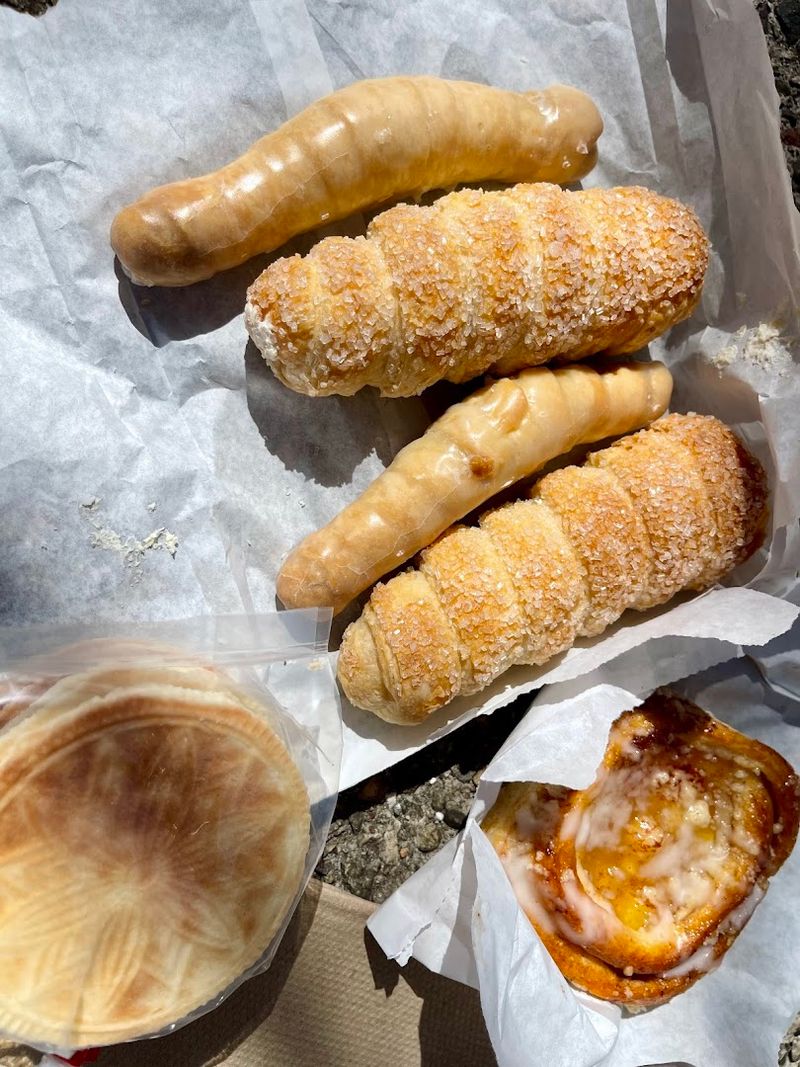
Some pastries become so closely associated with a bakery that they function as edible signatures, and at New Glarus Bakery, that role belongs to the nut horn. These crescent-shaped pastries feature layers of buttery dough wrapped around a filling of ground nuts, typically walnuts, mixed with sugar and spices.
The result balances the richness of butter against the earthy depth of nuts, with each bite offering both crunch and tender flake.
Making nut horns requires patience and precision. The dough must be rolled thin enough to create distinct layers but sturdy enough to contain the filling without tearing.
The shaping process demands practiced hands that can form the characteristic horn shape while maintaining even thickness throughout. Too much filling and the pastry becomes heavy; too little and it tastes dry.
Regular customers often order nut horns by the dozen, stocking up for special occasions or simply ensuring they have a supply at home. The pastry has become a local favorite precisely because it represents the kind of specialized baking that cannot be replicated by chain bakeries or grocery store operations.
Holiday Stollen Connects The Bakery To European Tradition
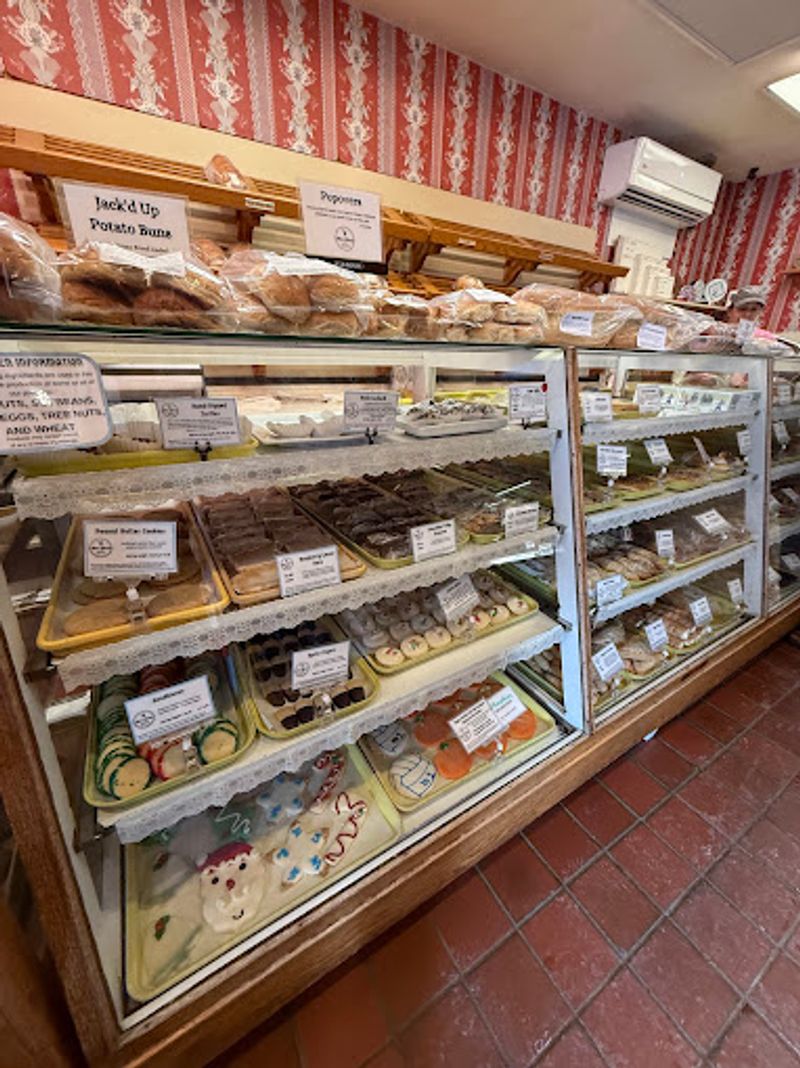
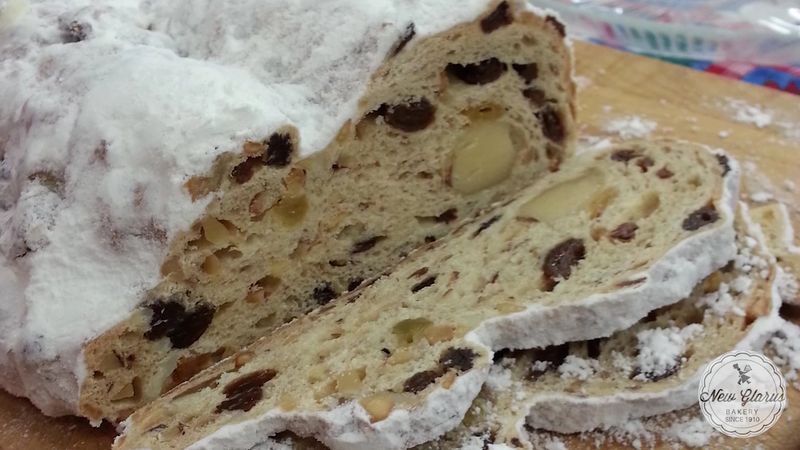
Every December, New Glarus Bakery begins producing stollen, the dense fruit bread that has marked Christmas celebrations in German-speaking Europe for centuries. This yeasted loaf, packed with candied fruit, nuts, and spices, then dusted heavily with powdered sugar, represents one of the most direct links between the bakery and its Old World roots.
Stollen recipes vary by region and family, with each baker guarding their particular proportions of fruit to dough and their specific spice combinations.
The version made at New Glarus Bakery follows a recipe brought from Switzerland, with adjustments made over the decades to account for American ingredients and local preferences. The bread requires several days of preparation, with fruit soaking in rum or brandy to plump and soften before being folded into the enriched dough.
After baking, the loaves are brushed with melted butter and buried in powdered sugar, creating the characteristic white coating.
Customers order stollen weeks in advance, knowing that production runs are limited and demand is high during the holiday season.
Butter Cookies Remain A Longtime Customer Favorite
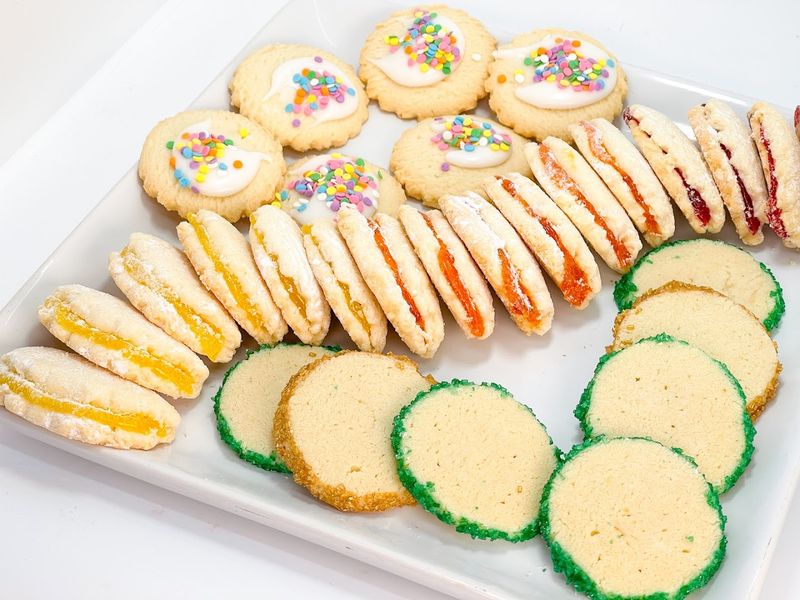
Butter cookies occupy a special place in European baking traditions, serving as both everyday treats and special occasion offerings. At New Glarus Bakery, these cookies come in various forms including spritz, pressed through decorative dies to create ridged patterns, and sandbissen, small rounds with a delicate crumb that practically dissolves on the tongue.
The name says everything about the primary ingredient: these are cookies that taste predominantly of high-quality butter, with sugar and flour playing supporting roles.
The texture of a proper butter cookie should be crisp but tender, offering initial resistance before yielding to a melt-in-your-mouth finish. Achieving this texture requires careful attention to ratios and mixing technique.
Overwork the dough and the cookies become tough; underbake them and they stay soft rather than crisp. The bakers at New Glarus have perfected these details through years of daily production.
Many customers buy butter cookies by the pound, knowing they keep well in tins and provide a refined alternative to the chocolate-chip-everything culture of American baking.
Artisan Breads Add A Savory Side To The Bakery Case
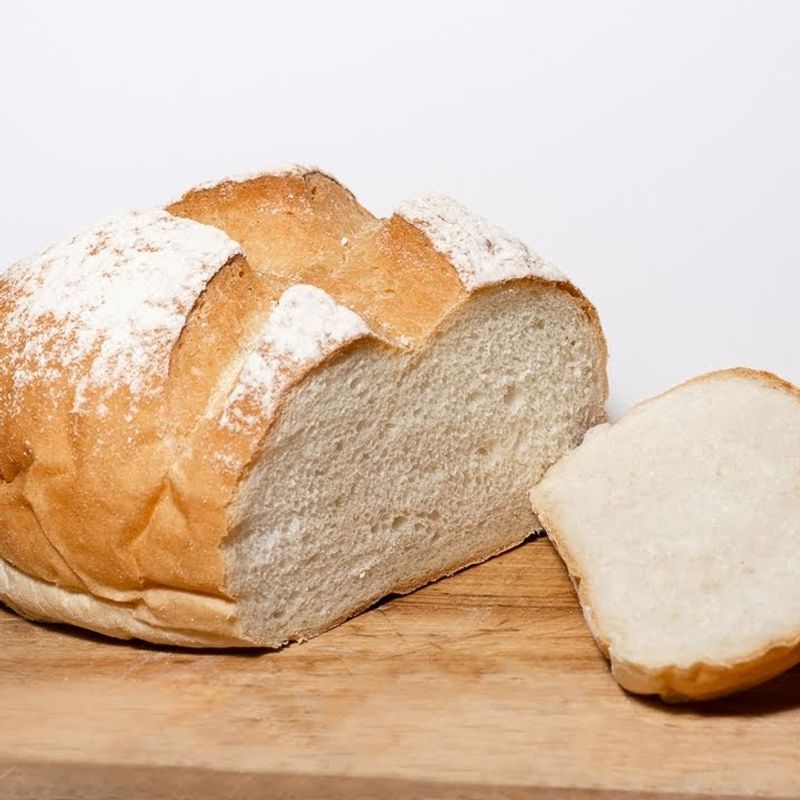
While pastries and cookies draw much of the attention, New Glarus Bakery also produces a range of traditional breads that reflect Swiss and German baking heritage. The pumpernickel raisin bread has developed a particularly devoted following, with its dense, slightly sweet crumb studded with plump raisins offering a substantial breakfast option or sandwich base.
Hard rolls, with their crusty exteriors and chewy interiors, provide the kind of bread that requires actual chewing rather than dissolving into mush.
These breads represent a different baking tradition than the soft, pillowy loaves that dominate American supermarkets. European-style breads typically contain less sugar and fat, relying instead on long fermentation and proper baking technique to develop flavor and texture.
The crust should crackle when you bite it, and the interior should have enough structure to support toppings without collapsing.
Customers often mention that these breads remind them of childhood visits to European relatives or travels through Alpine regions. That emotional connection transforms a simple loaf into something more meaningful than mere sustenance.
The Bakery Sits In The Heart Of America’s Little Switzerland
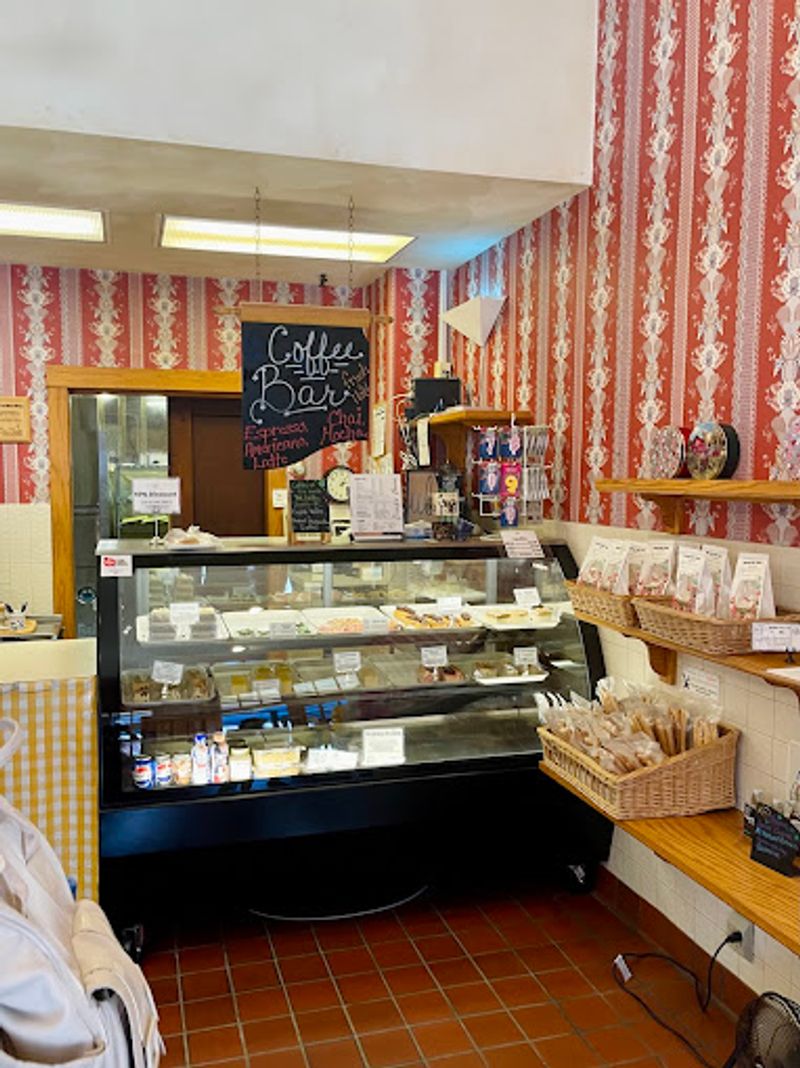
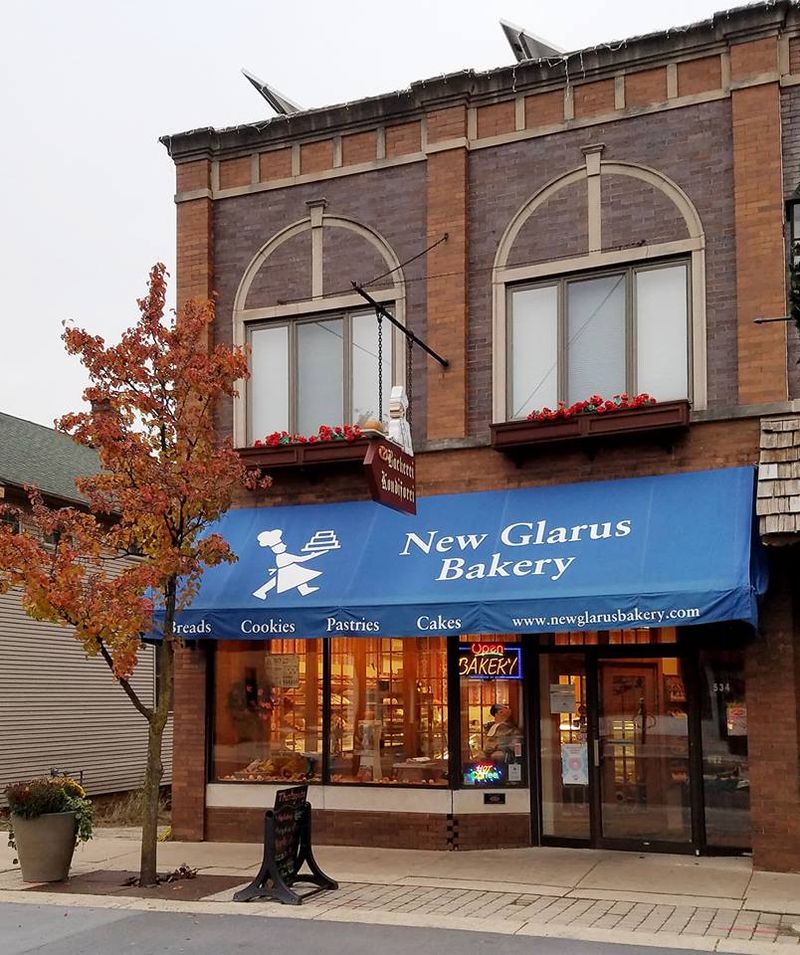
Location matters for any business, but for New Glarus Bakery, sitting at 534 1st St places it at the geographic and cultural center of a town that has built its identity around Swiss heritage. Visitors walking through downtown New Glarus encounter Swiss flags, alpine architecture, and German-language signs that create an atmosphere distinct from typical small-town Wisconsin.
The bakery fits seamlessly into this landscape, functioning as both a working business and a living museum of culinary tradition.
The compact downtown area means most visitors pass the bakery while exploring the town, and the aroma of fresh baking provides powerful motivation to step inside. The small interior can feel crowded during peak times, with customers lined up to examine the display cases and place orders.
This intimate scale reinforces the sense of discovering something special rather than stumbling into another generic retail experience.
Being surrounded by other businesses and attractions that celebrate Swiss culture creates a reinforcing effect. The bakery does not exist in isolation but as part of a larger commitment to cultural preservation.
Nationwide Shipping Lets Fans Order Swiss Treats From Home
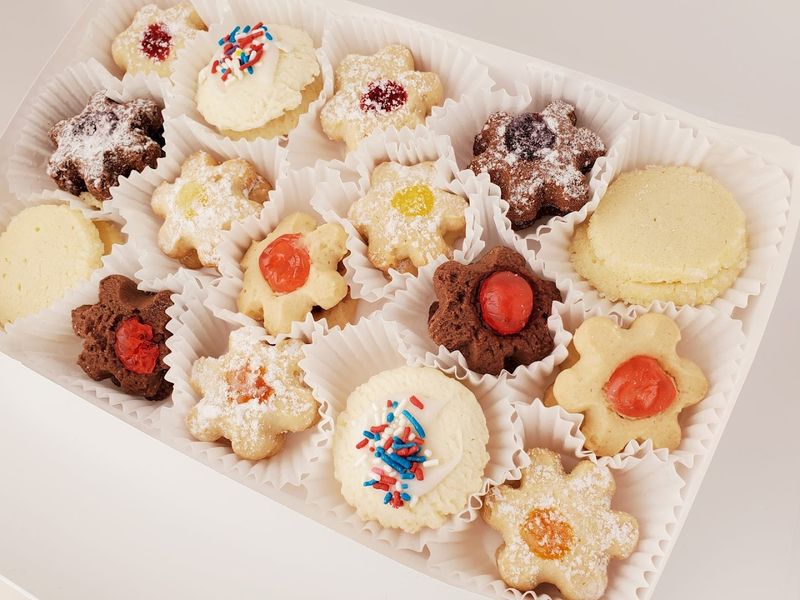
Geography once limited access to New Glarus Bakery’s products to those willing to make the trip to southern Wisconsin. The bakery now ships its goods across the country, allowing former residents, Swiss-Americans, and pastry enthusiasts from anywhere to order online and receive packages of cookies, stollen, and other shelf-stable items.
This expansion into shipping has introduced the bakery to customers who might never visit New Glarus in person but who appreciate access to authentic European-style baking.
Shipping baked goods presents challenges that differ from in-store sales. Products must survive transit without crumbling or arriving stale, which limits what can be sent.
Delicate pastries with fresh cream fillings do not travel well, so the shipping menu focuses on cookies, breads, and items with longer shelf life. The bakery has refined its packaging to protect fragile goods while keeping shipping costs reasonable.
For many customers, receiving a box from New Glarus Bakery feels like getting a care package from a beloved relative. The connection to tradition and place travels along with the cookies, making the experience about more than just satisfying a sweet tooth.